
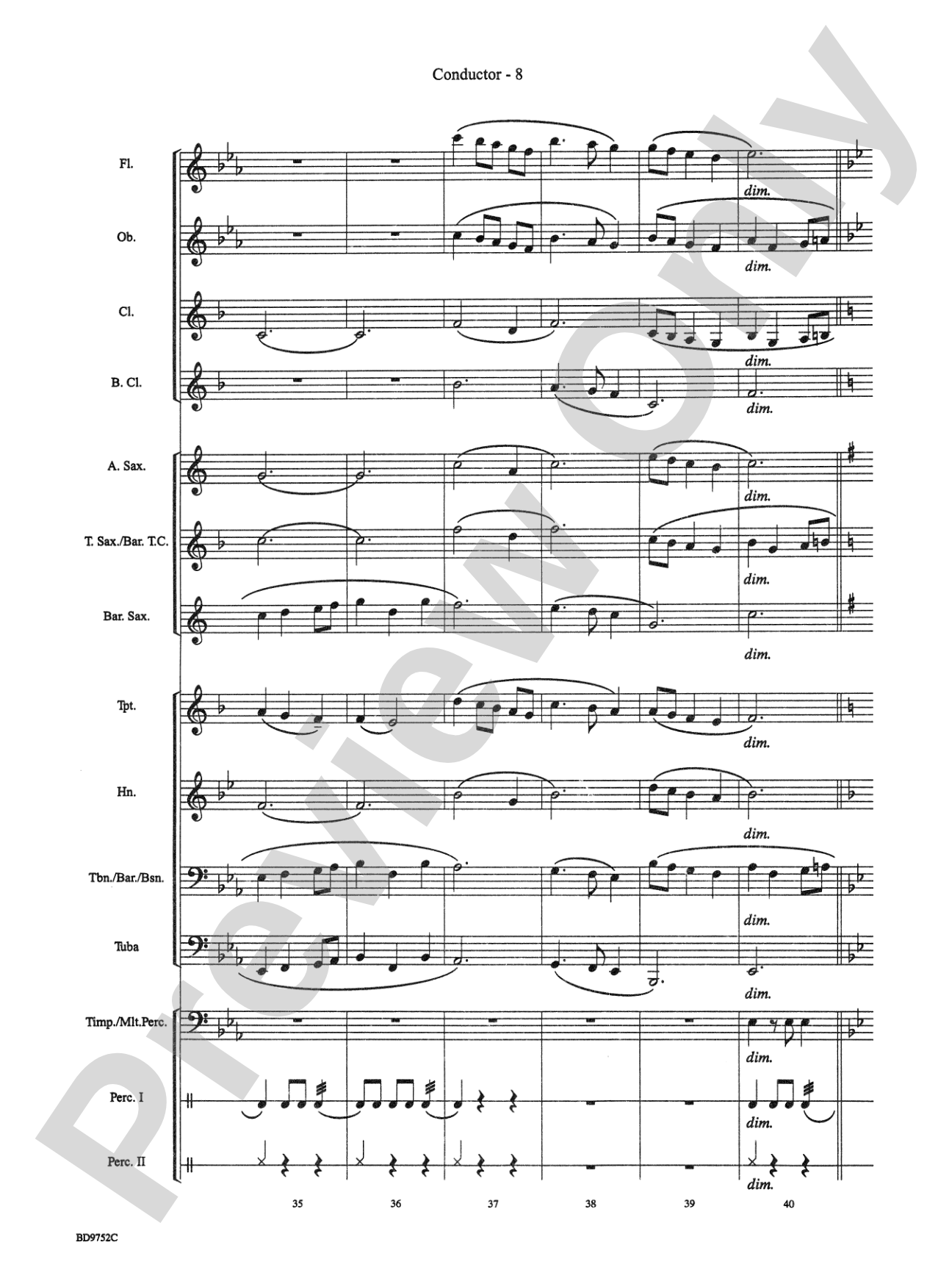
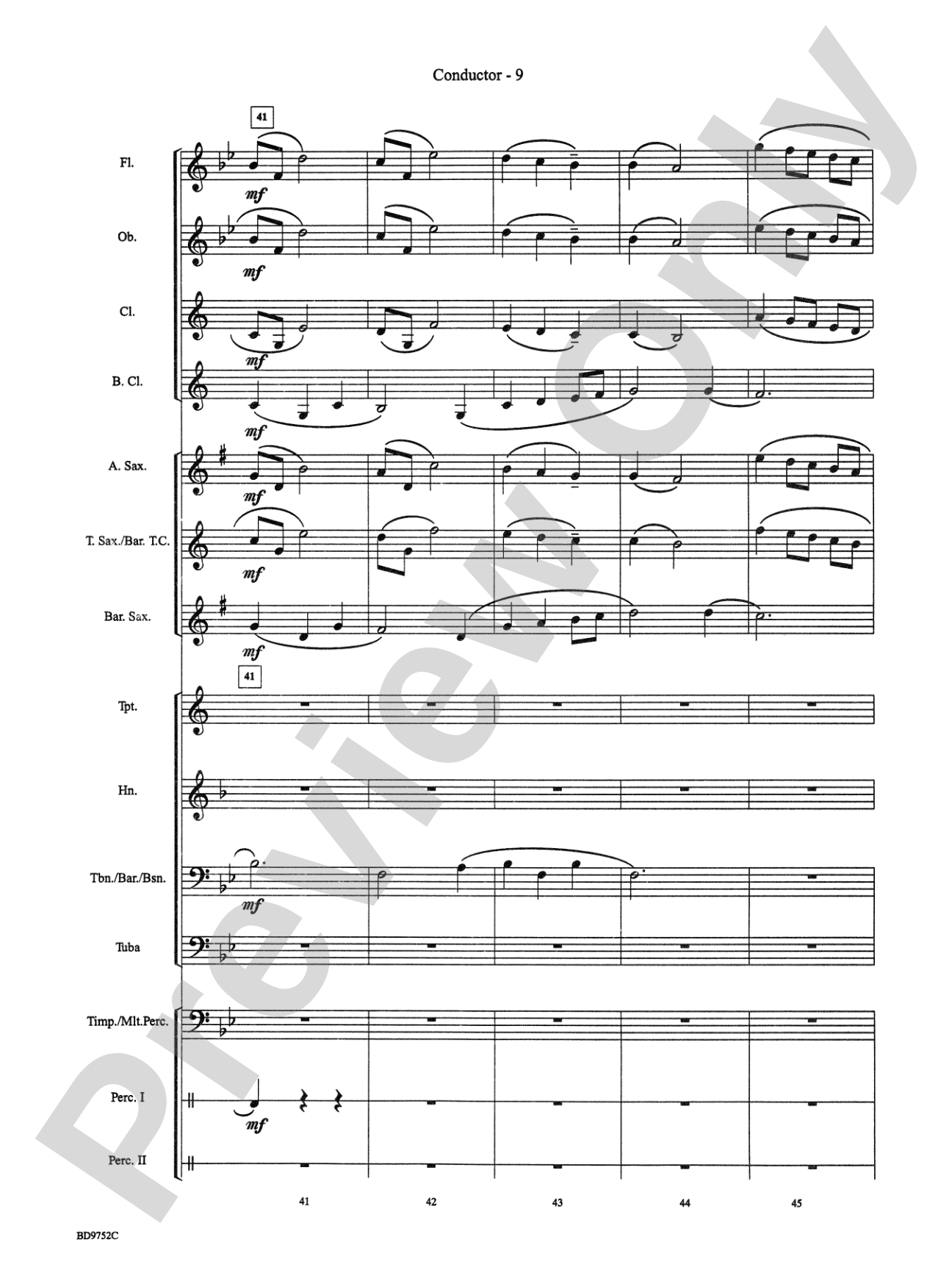
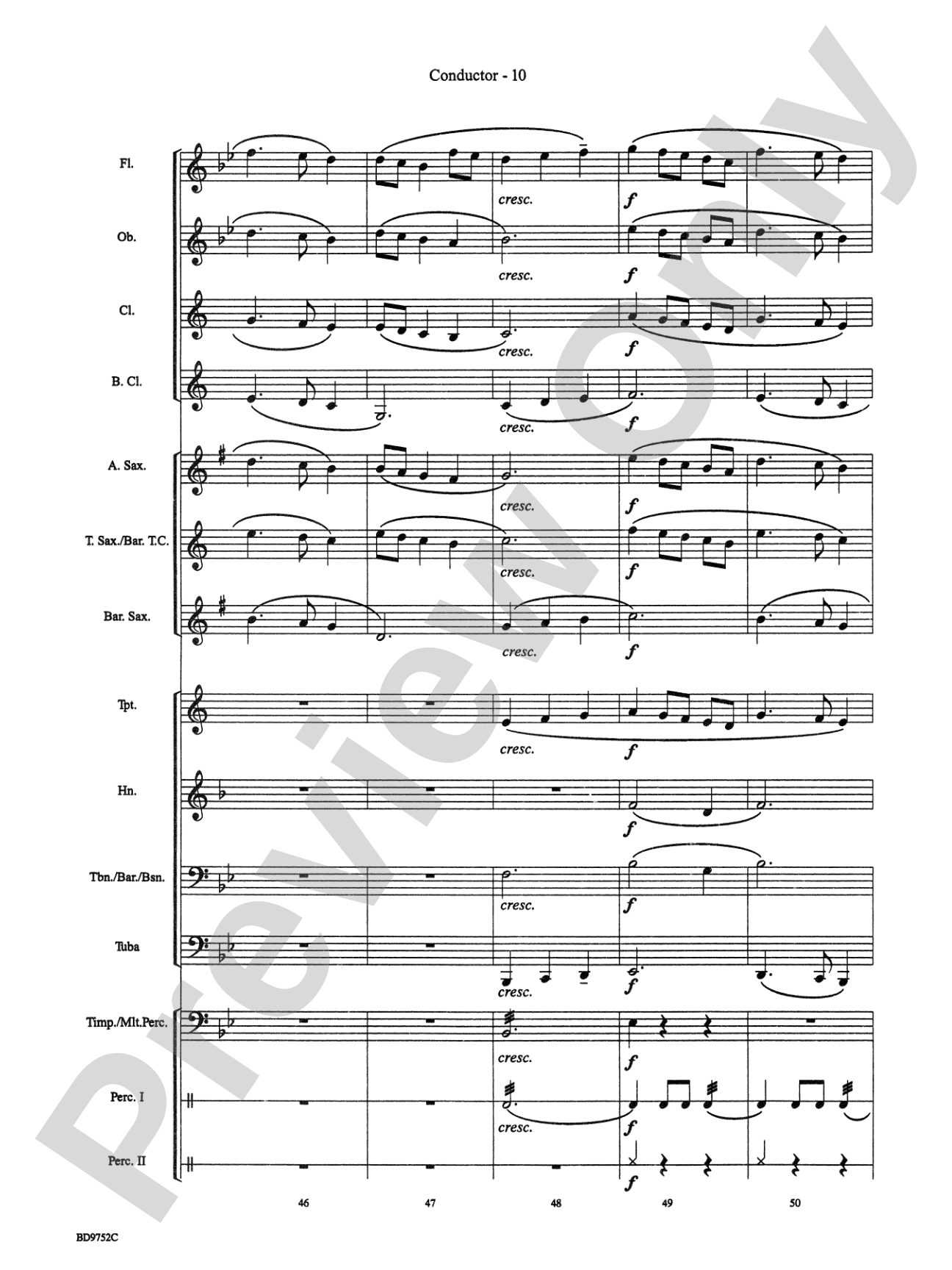
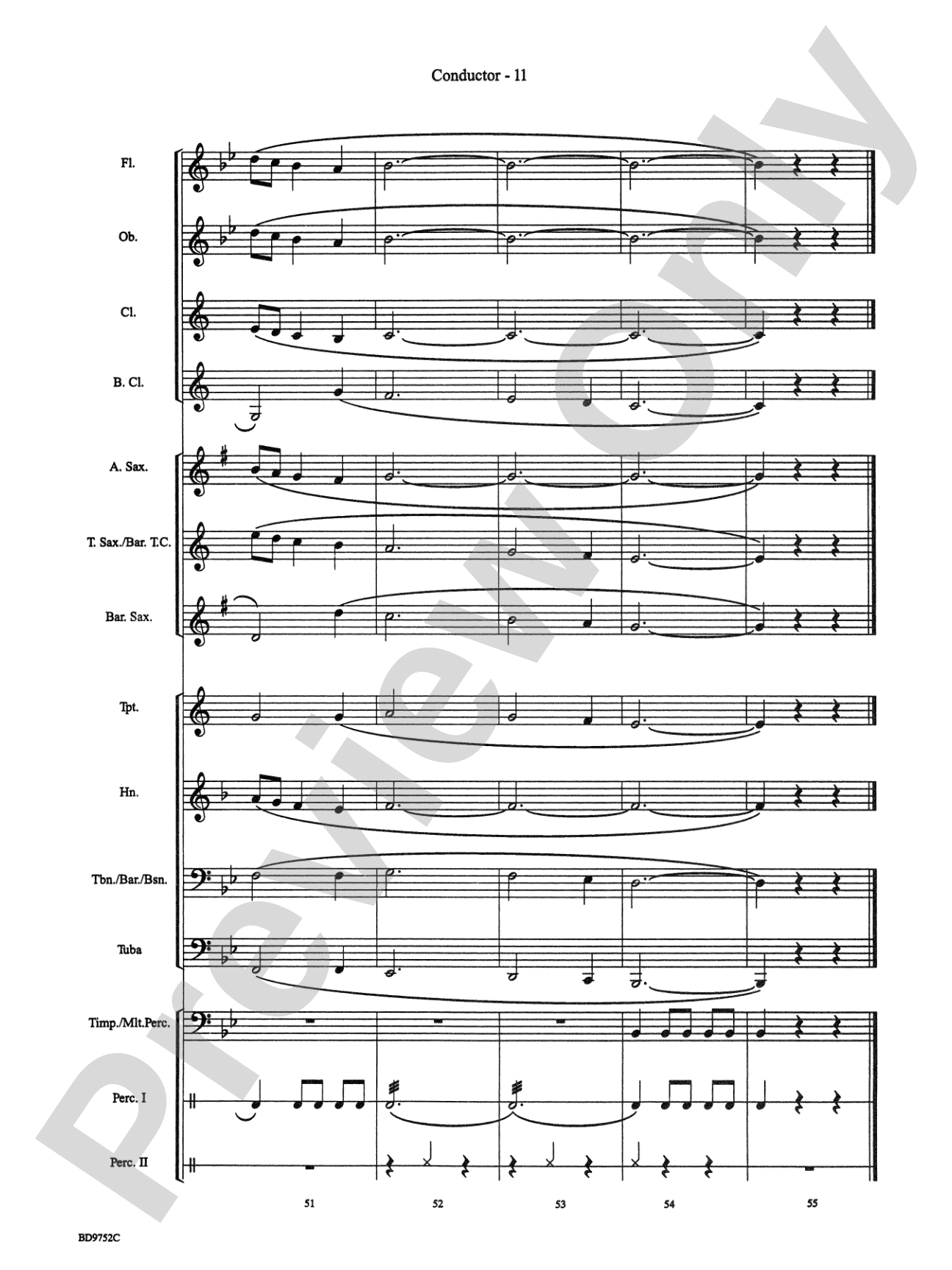

Dona Nobis Pacem: Score
Traditional / arr. Marty Schubert
Grade: 1 (Very Easy)
Item: 00-PR-0002031
$6.00
Pickup currently not available
Description
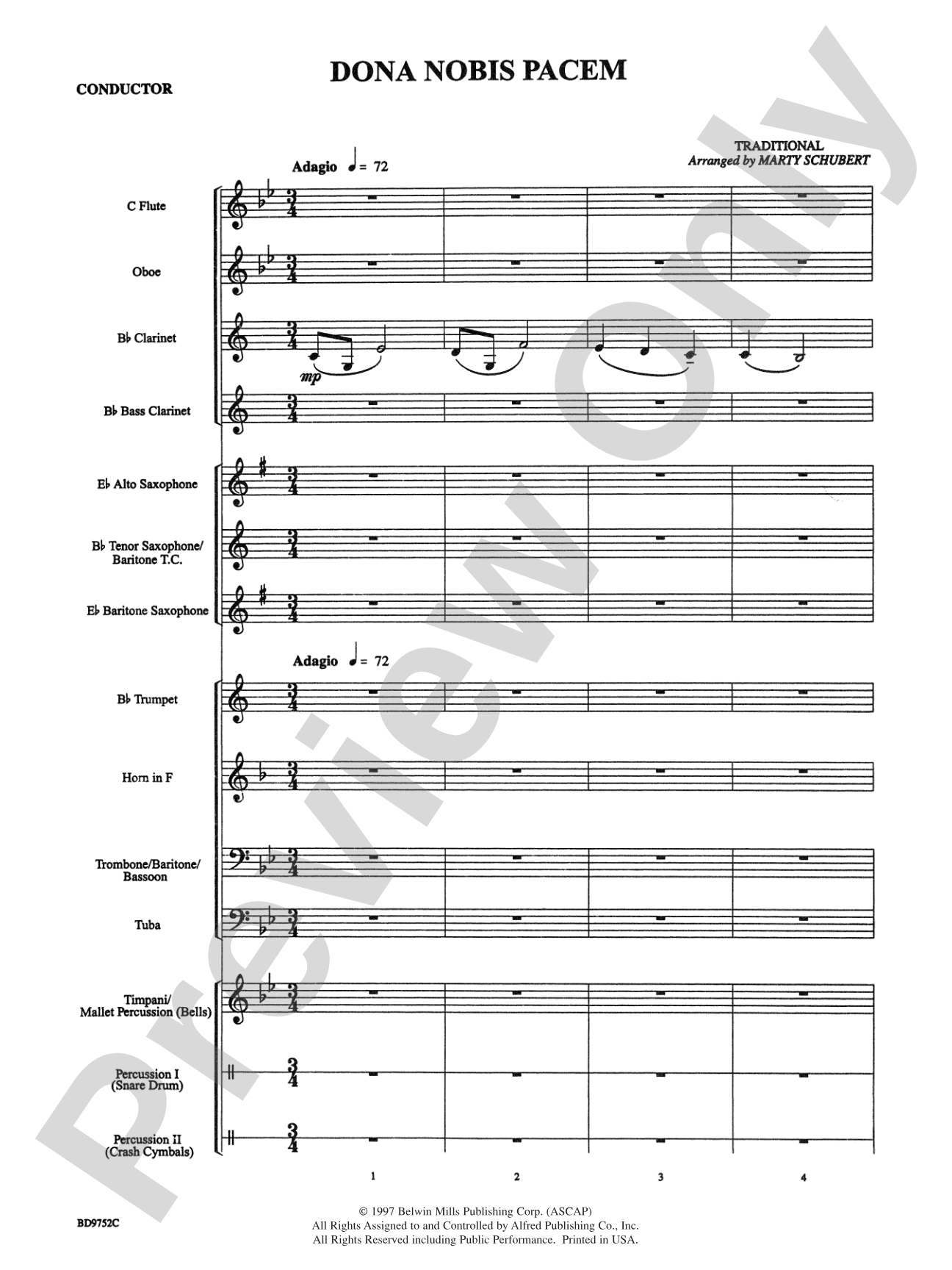
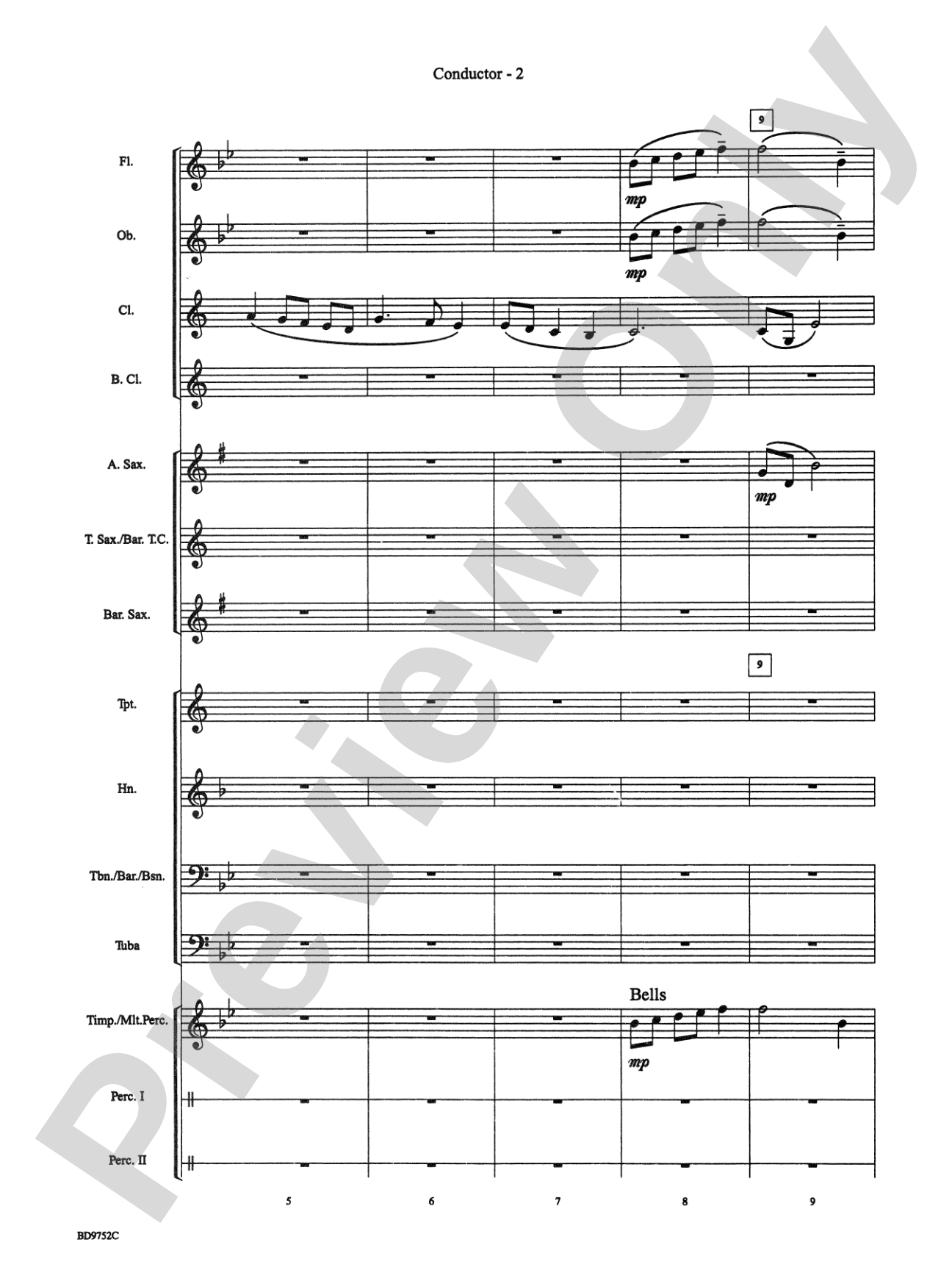
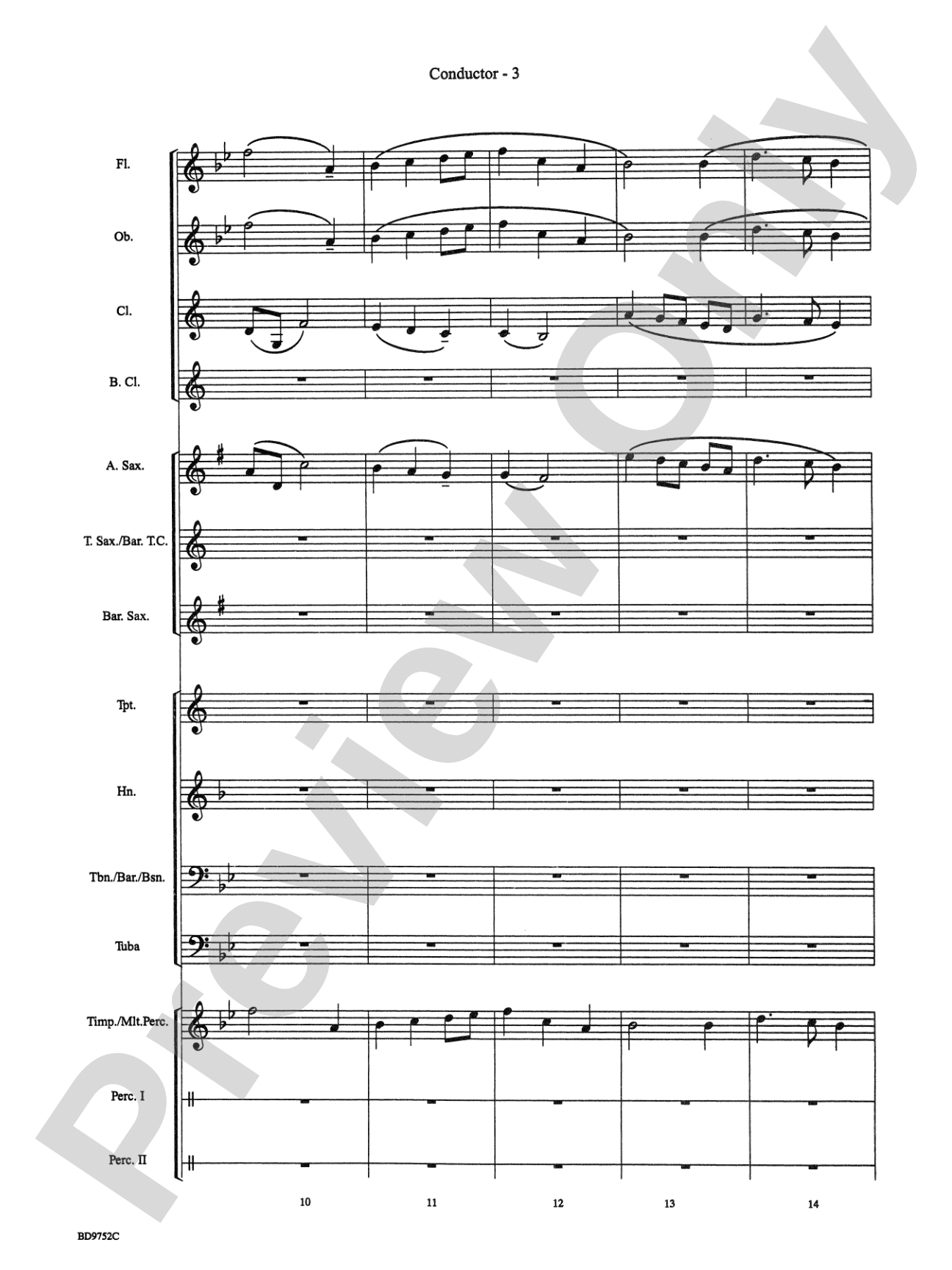
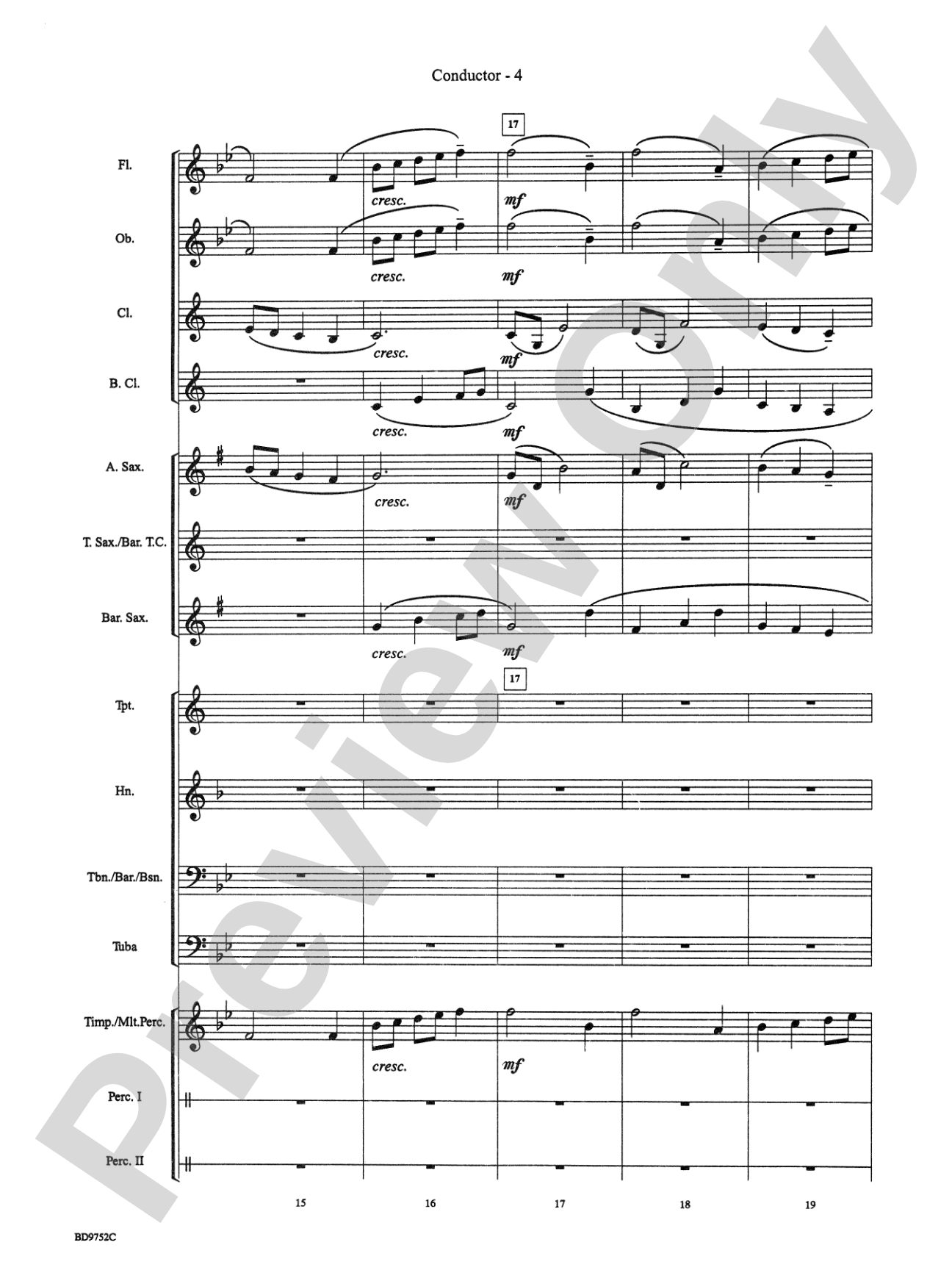
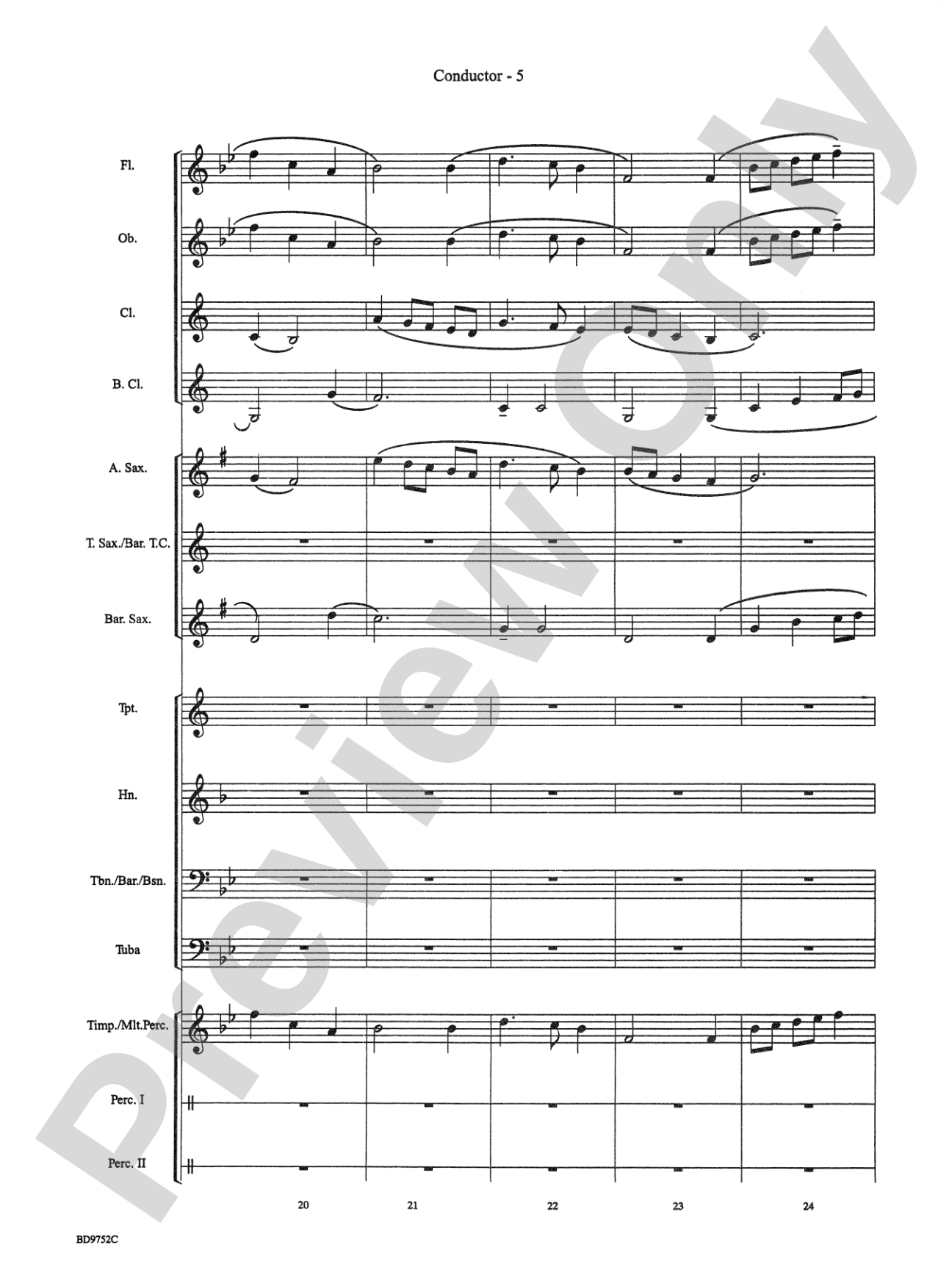
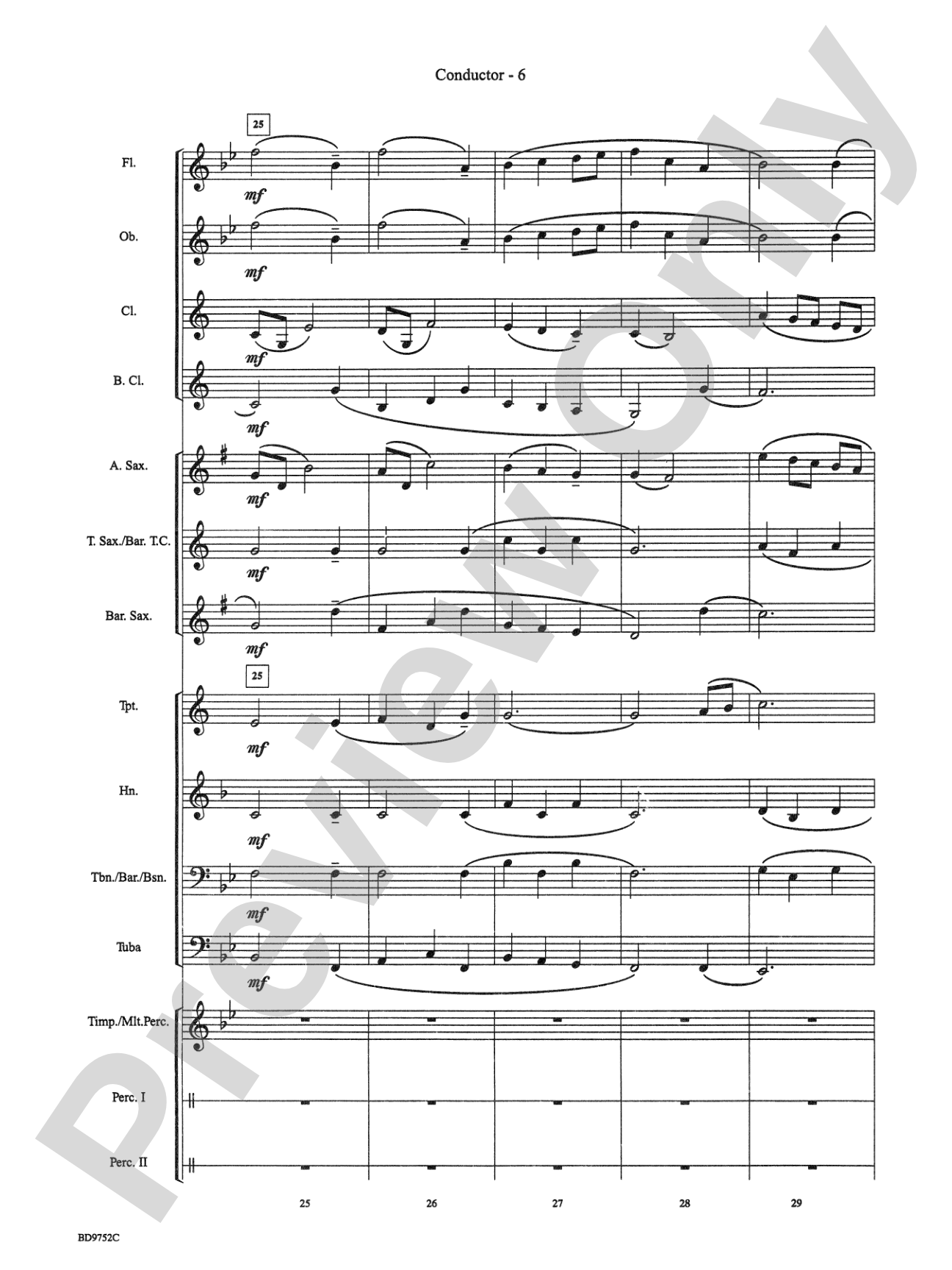
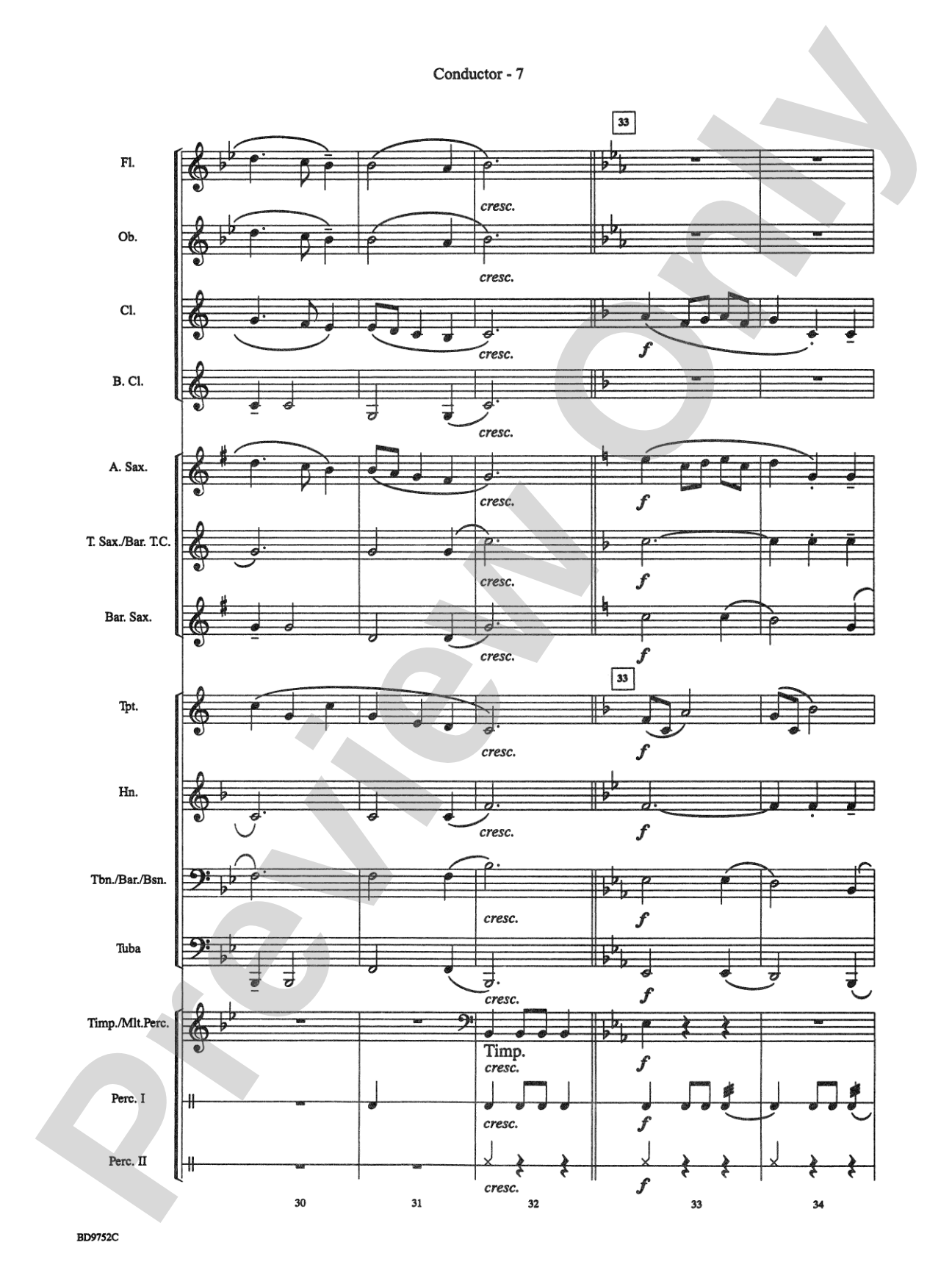
In the rich chalumeau register, a solo (or soli) clarinet voice quietly introduces the hauntingly beautiful melody. Layering into the texture, other voices add timbre and depth. The phrasing is exquisite, and teaching opportunities for legato playing abound. A modulation from B-flat to E-flat allows even more sonorities as the work moves to its conclusion. Serious music educators should look closely at this piece. (duration 2:40)


Don't just read it, hear it, play along with it, and watch your students grow with it. In MakeMusic Cloud, Dona Nobis Pacem: Score comes alive with professional accompaniment, adjustable tempo, and built-in practice tools that turn solo practice into real progress.
Open in the Player
Jump straight in and assign it today.
Start Your Free Trial
Open this title and explore the full library in minutes.
Sample Audio
No sample audio found.
Sample Video
No sample videos found.
Additional Details
Series:
Belwin Beginning Band
Publisher:
Alfred Music
Page Count:
124
SKU:
00-PR-0002031
More about this title
Why we love this
Schubert's arrangement respects the sacred simplicity of this text while creating genuine musical architecture for young players. The chalumeau clarinet writing is both idiomatic and expressive, giving developing players a chance to hear themselves shape a real melodic line. This is the kind of Grade 1 piece that doesn't condescend; it teaches legato phrasing and tonal awareness without pretending to be something it isn't.
What to expect
The hauntingly beautiful melody unfolds quietly, carried first by the warm, woody sound of clarinet in its lowest register. As more voices join, the texture deepens without becoming cluttered; each addition contributes to a sense of gentle accumulation. The shift to E-flat opens new harmonic color and brings the piece toward a place of quiet resolution.
Who it's for
Beginning concert bands working at Grade 1 level, particularly ensembles ready to tackle legato phrasing and layered texture with maturity. Directors seeking repertoire that balances accessibility with musical substance for festival or concert performance.
How to get the most out of it
- Shape the clarinet solo with a single breath line, even across the phrases. Young clarinetists often separate where they should connect; mark the implied bow in pencil if it helps.
- Let the texture build gradually as additional voices enter. Resist the urge to balance all parts equally; the chalumeau voice should remain prominent through the layering.
- Approach the modulation from B-flat to E-flat as a tonal shift, not a technical hurdle. Spend time on intonation here; the new key center should feel resolved, not tentative.
- Keep the tempo steady and unhurried. This piece benefits from space and silence; rushing the phrasing undermines the contemplative character.
How to use it
This works well as a contrast piece in a concert that includes faster, more rhythmic selections. Its meditative quality makes it suitable as a closing number or as a moment of reflection within a varied program. Consider pairing it with other traditional texts in different arrangements to explore how the same material can be voiced for young ensembles.
Skills your students will build
- Legato phrasing across multiple measures
- Reading and performing in two different key centers (B-flat and E-flat)
- Listening and blending as voices layer into texture
- Tone production in the chalumeau register (clarinets)
- Sustaining a steady tempo through soft, lyrical playing