
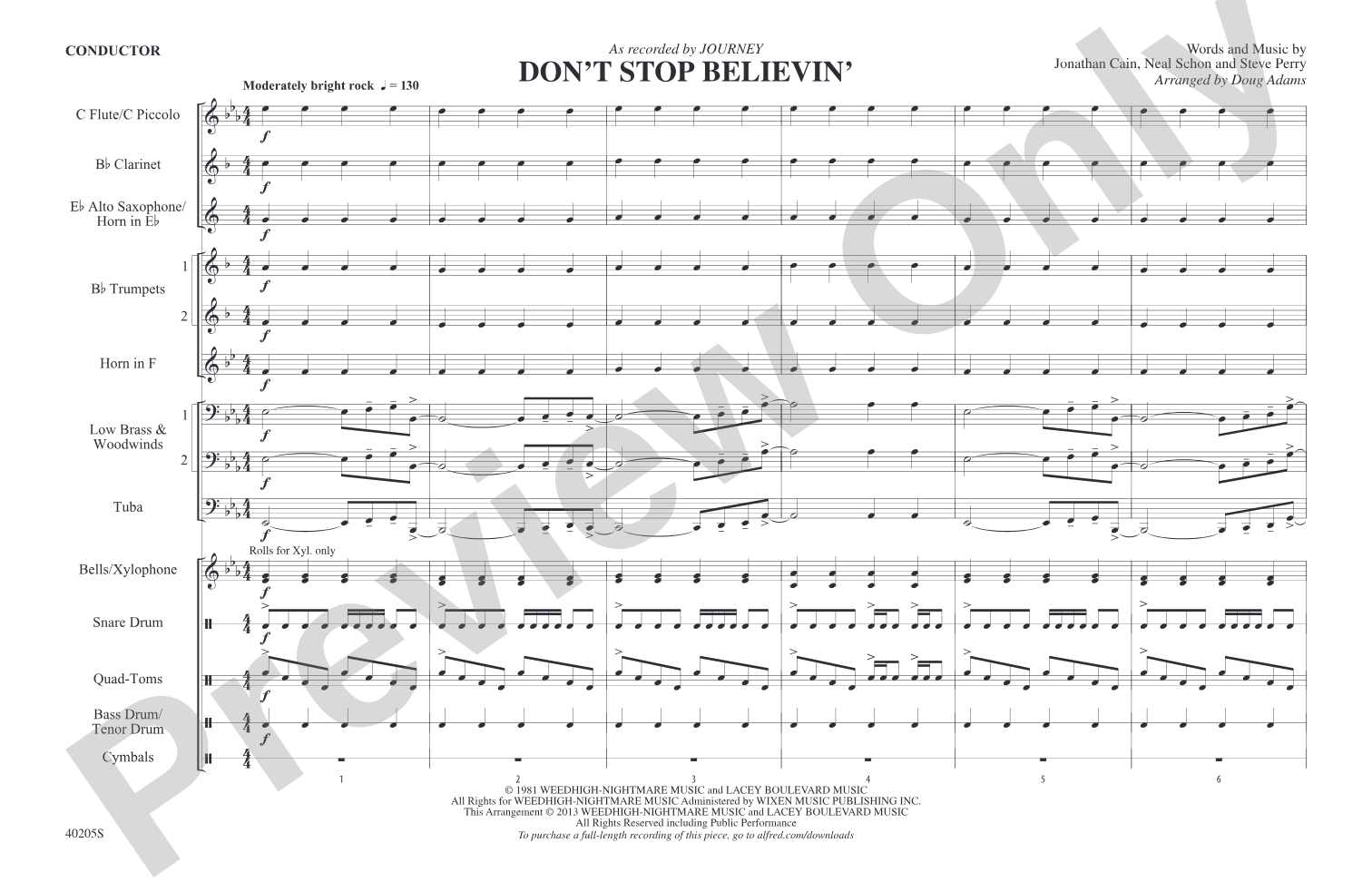
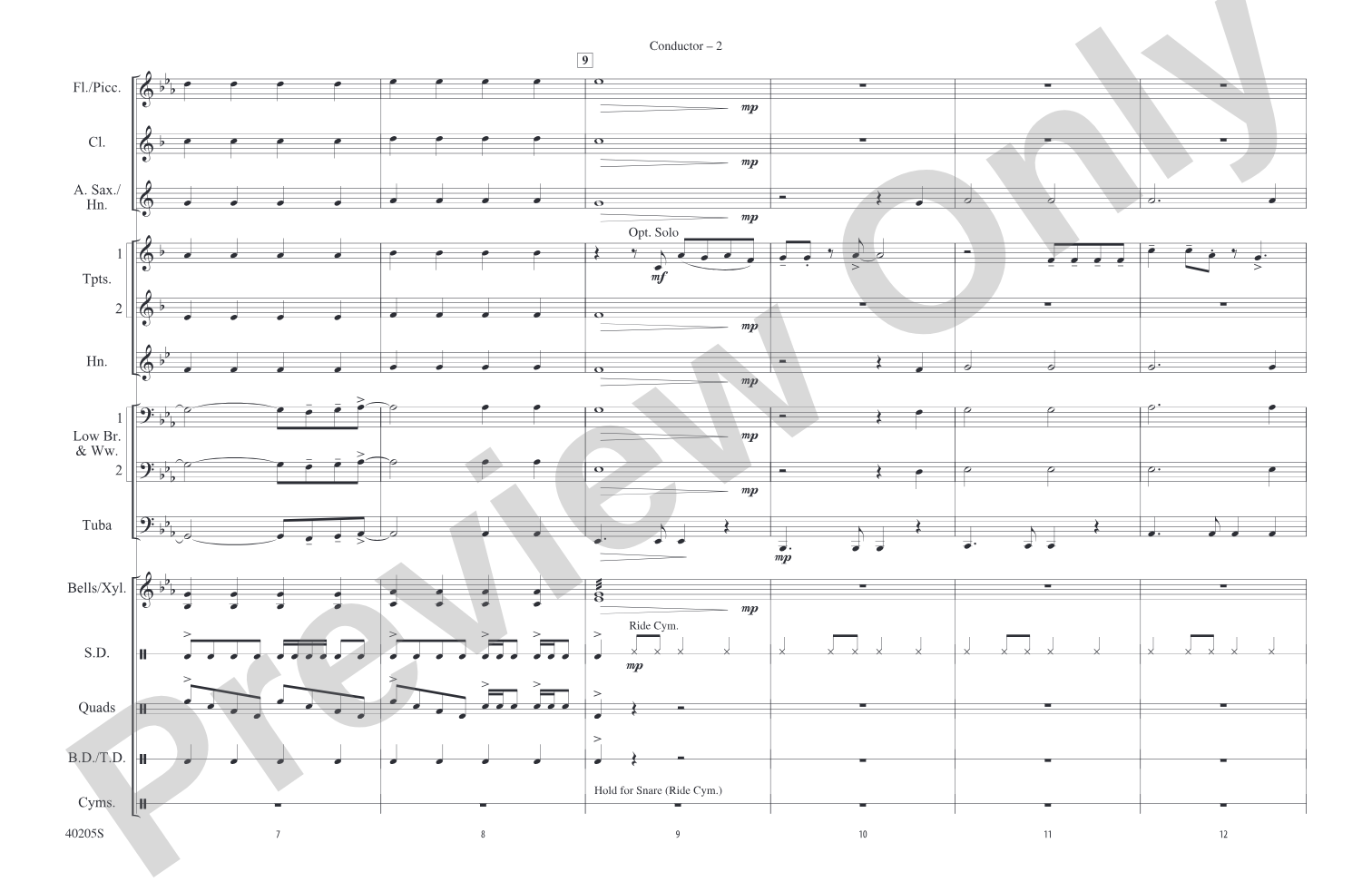
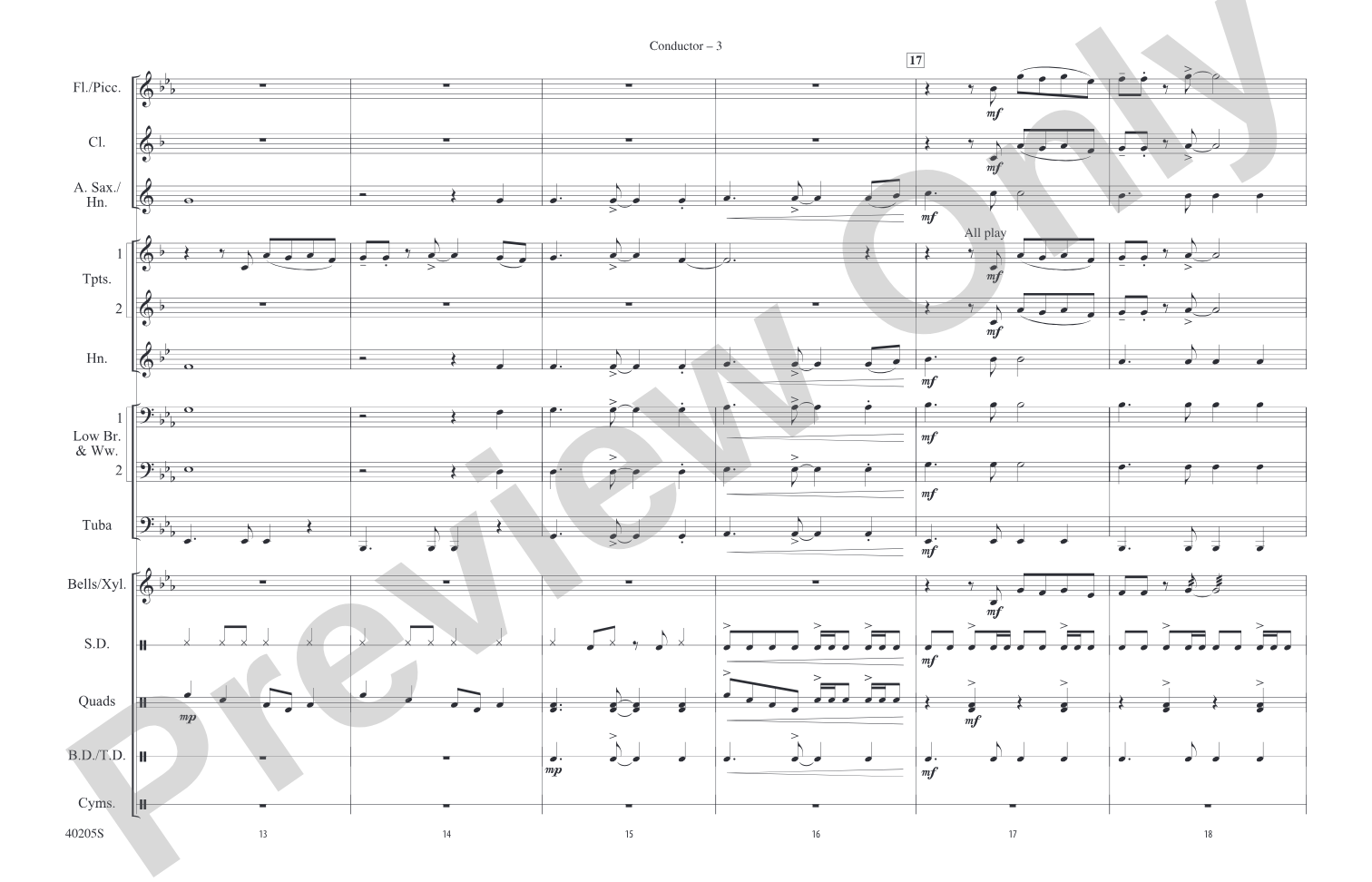
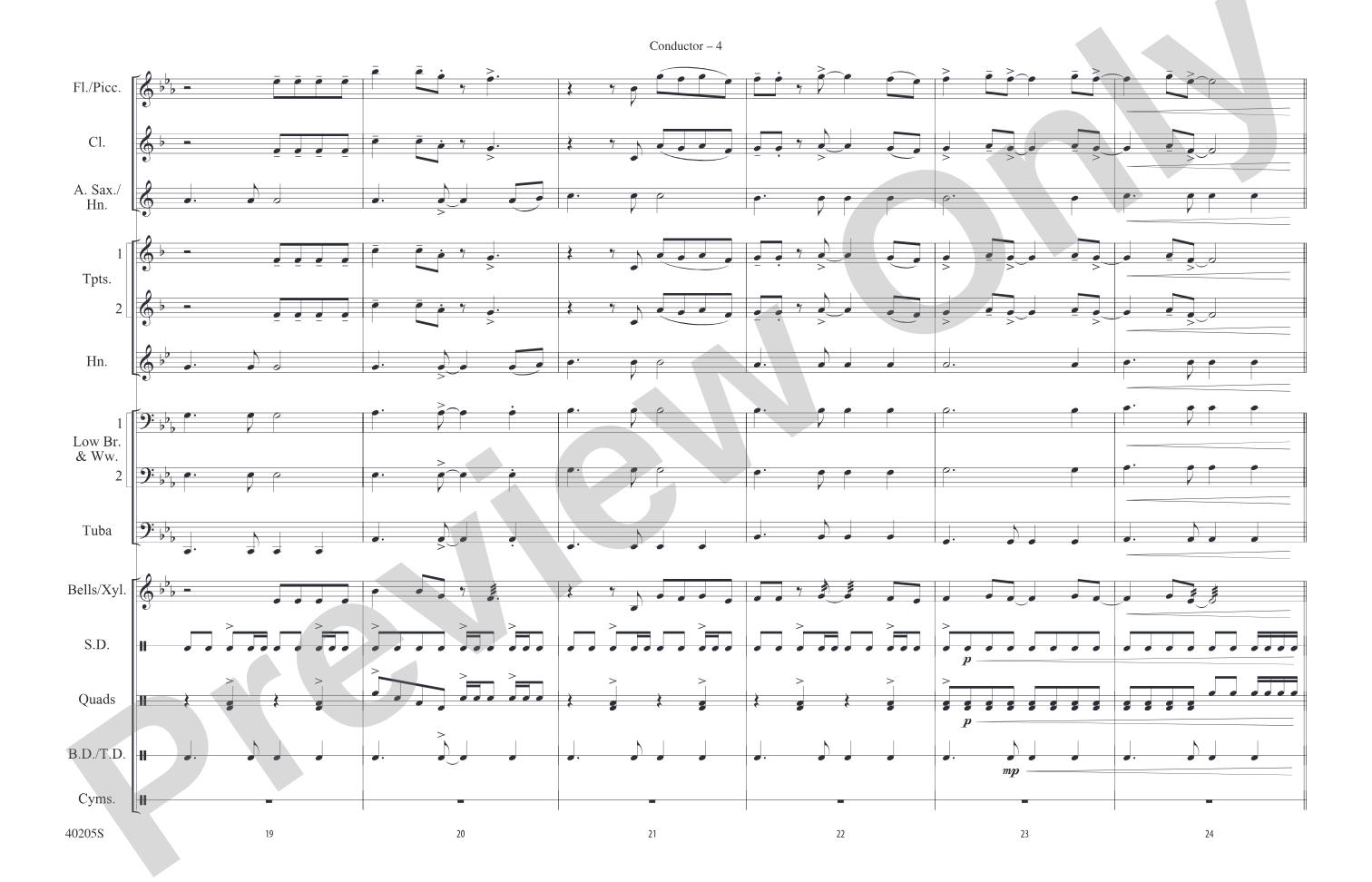
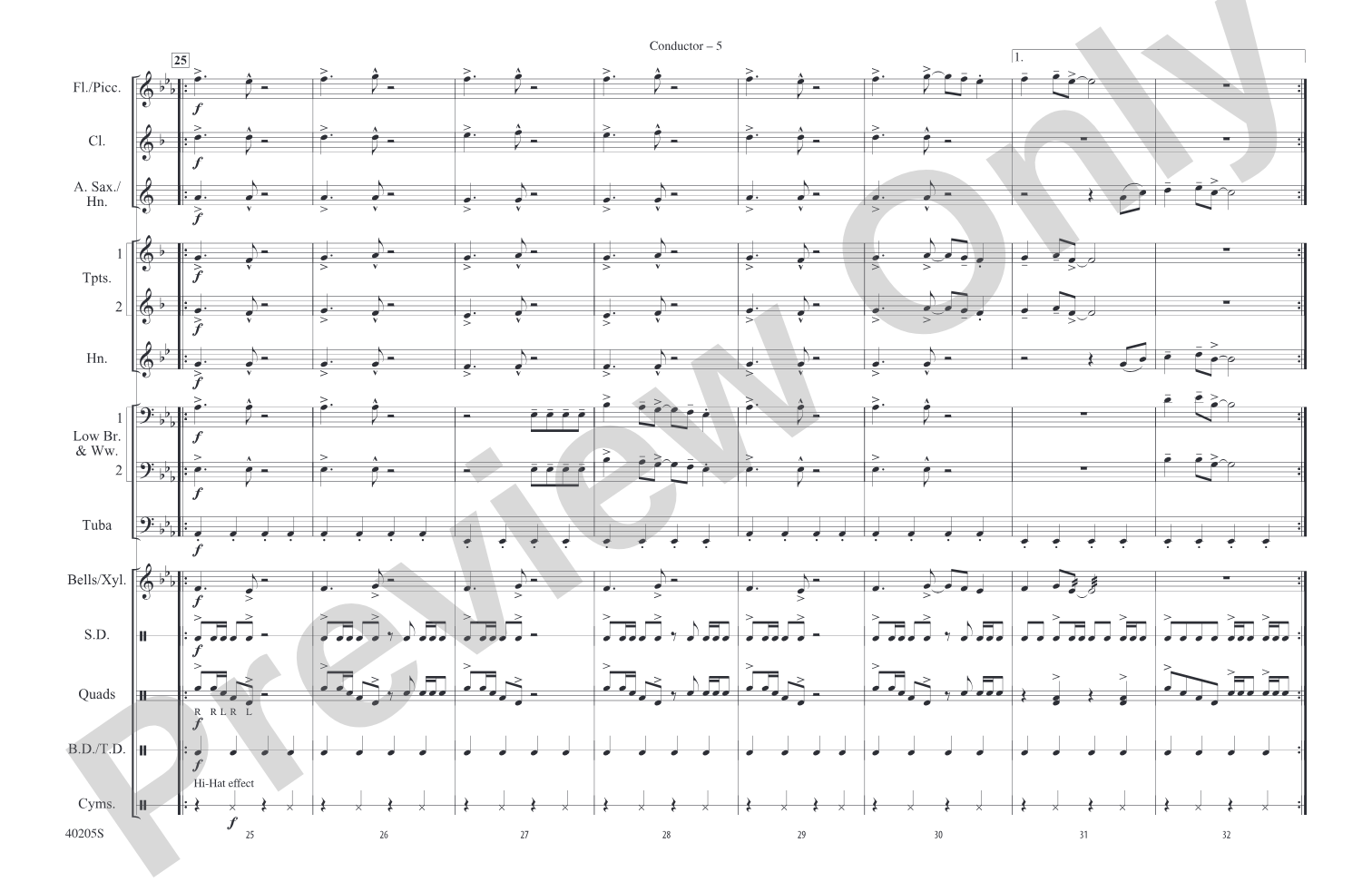
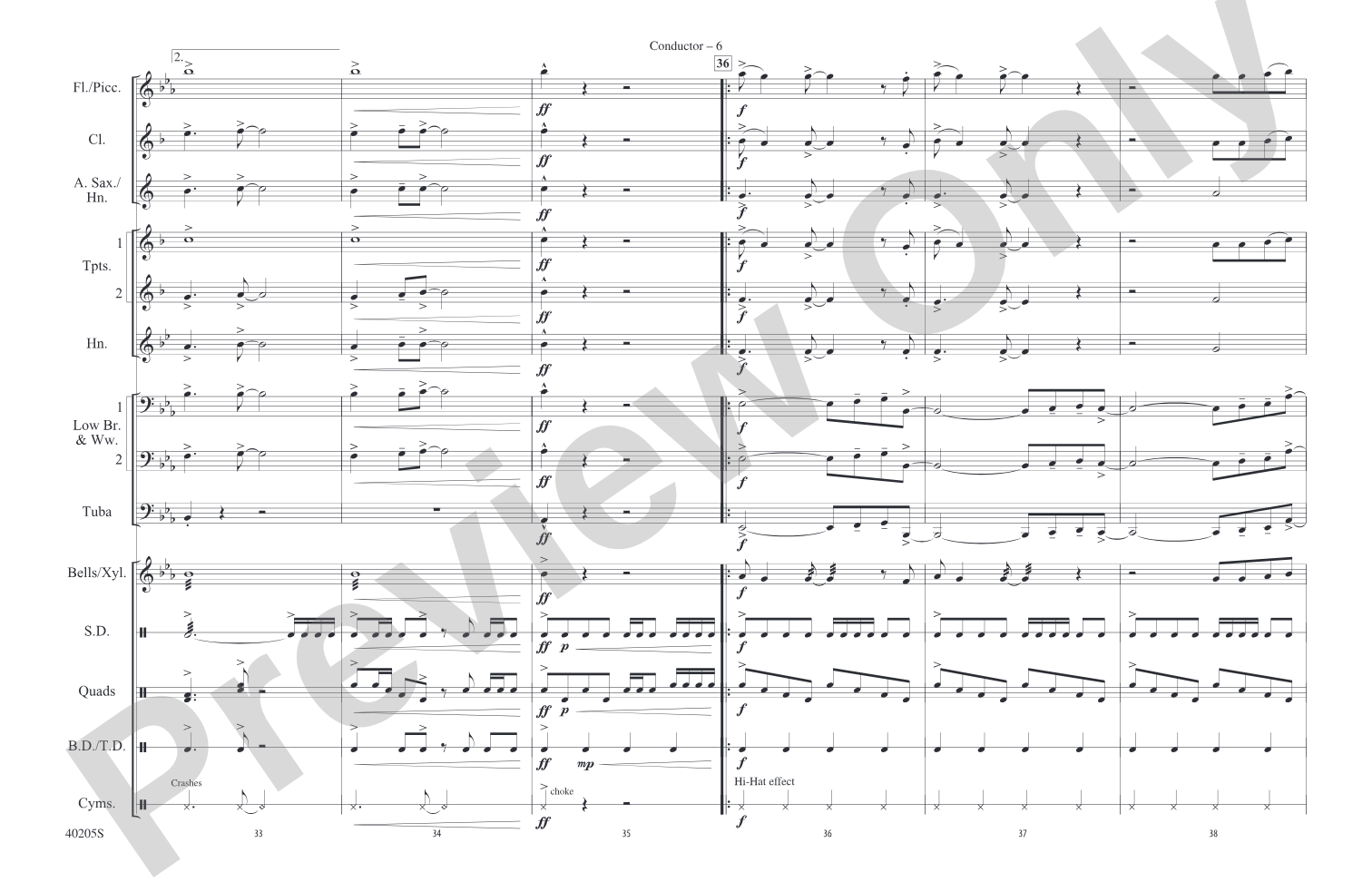
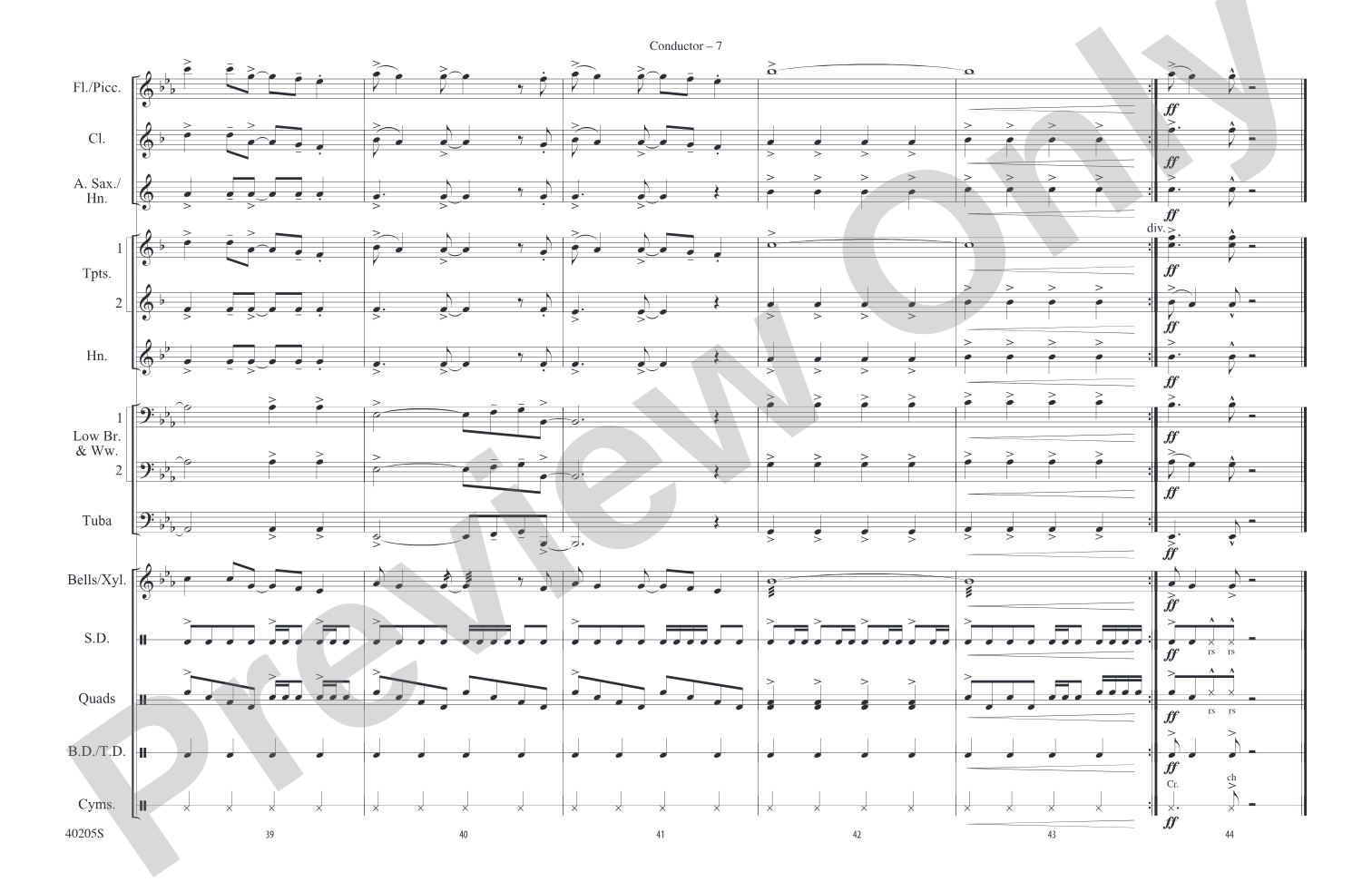

Don't Stop Believin': Marching Band Conductor Score & Parts
As Recorded by Journey (and Featured on Glee)
Words and music by Jonathan Cain, Neal Schon, and Steve Perry [Journey] / arr. Doug Adams
Grade: 2 (Easy)
Item: 00-PK-0007048

$60.00
One moment…
Description
Inspire your team and your fans this fall with this timeless rock anthem from the group Journey. Doug Adam's easy but very effective arrangement contains an easy optional trumpet solo before building to a stirring finish. Spectacular! (1:50)


Don't just read it, hear it, play along with it, and watch your students grow with it. In MakeMusic Cloud, Don't Stop Believin': Marching Band Conductor Score & Parts comes alive with professional accompaniment, adjustable tempo, and built-in practice tools that turn solo practice into real progress.
Open in the Player
Jump straight in and assign it today.
Start Your Free Trial
Open this title and explore the full library in minutes.
Sample Audio
1
Audio File
--:--
0:00
0:00
Sample Video
Additional Details
Series:
Easy Pops for Marching Band
Publisher:
Alfred Music
Page Count:
122
SKU:
00-PK-0007048
More about this title
About the Composer: Jonathan Cain
Jonathan Cain joined Journey in 1980 as keyboardist and became one of the band's primary songwriters during their most commercially successful period. He co-wrote "Don't Stop Believin'" with Neal Schon and Steve Perry, a song that has become a cultural touchstone and one of the most streamed rock tracks of all time. Cain's work with Journey demonstrates a gift for crafting memorable melodies and emotionally resonant arrangements that connect with audiences across generations.
Why we love this
Doug Adams has stripped away nothing essential from this iconic anthem while keeping the arrangement Grade 2 accessible. The optional trumpet solo provides a natural focal point for a confident player, but the piece builds beautifully even without it, and your entire band gets to deliver that soaring, unified finish that makes this song unforgettable.
What to expect
Propulsive and uplifting, with the kind of infectious optimism that makes audiences lean in. The rock groove sits firmly under everything, but Adams's writing allows the melodic strength of the song to shine through in a way that feels natural for a marching ensemble.
Who it's for
Marching bands at all skill levels who want a contemporary rock piece that energizes both performers and audiences without demanding advanced technique. This arrangement works equally well for a competitive group refining control and expression or a developing band building confidence with recognizable, engaging music.
How to get the most out of it
- Balance the melody across sections during the verse passages so the hook emerges clearly without any one voice dominating; this is where students learn the difference between supporting a line and playing it.
- Treat the optional trumpet solo as a genuine feature, not an afterthought. Whether you assign it or not, use the solo section to tighten the ensemble's accompaniment behind it.
- Build the dynamic arc gradually through the final section rather than jumping to full volume. The impact comes from the sense of building momentum, not from starting loud.
How to use it
Slot this into a fall stadium show or pep rally program where you want an immediate connection with your crowd. The 1:50 duration makes it ideal for a mid-program spot that maintains energy without consuming too much real estate, and the contemporary source material appeals to students and spectators alike.
Skills your students will build
- Balancing melody and accompaniment across a mixed instrumentation
- Maintaining steady groove and pulse in a rock idiom
- Building dynamic shape and momentum toward a climax
- Executing an optional solo feature with confidence and musicality