
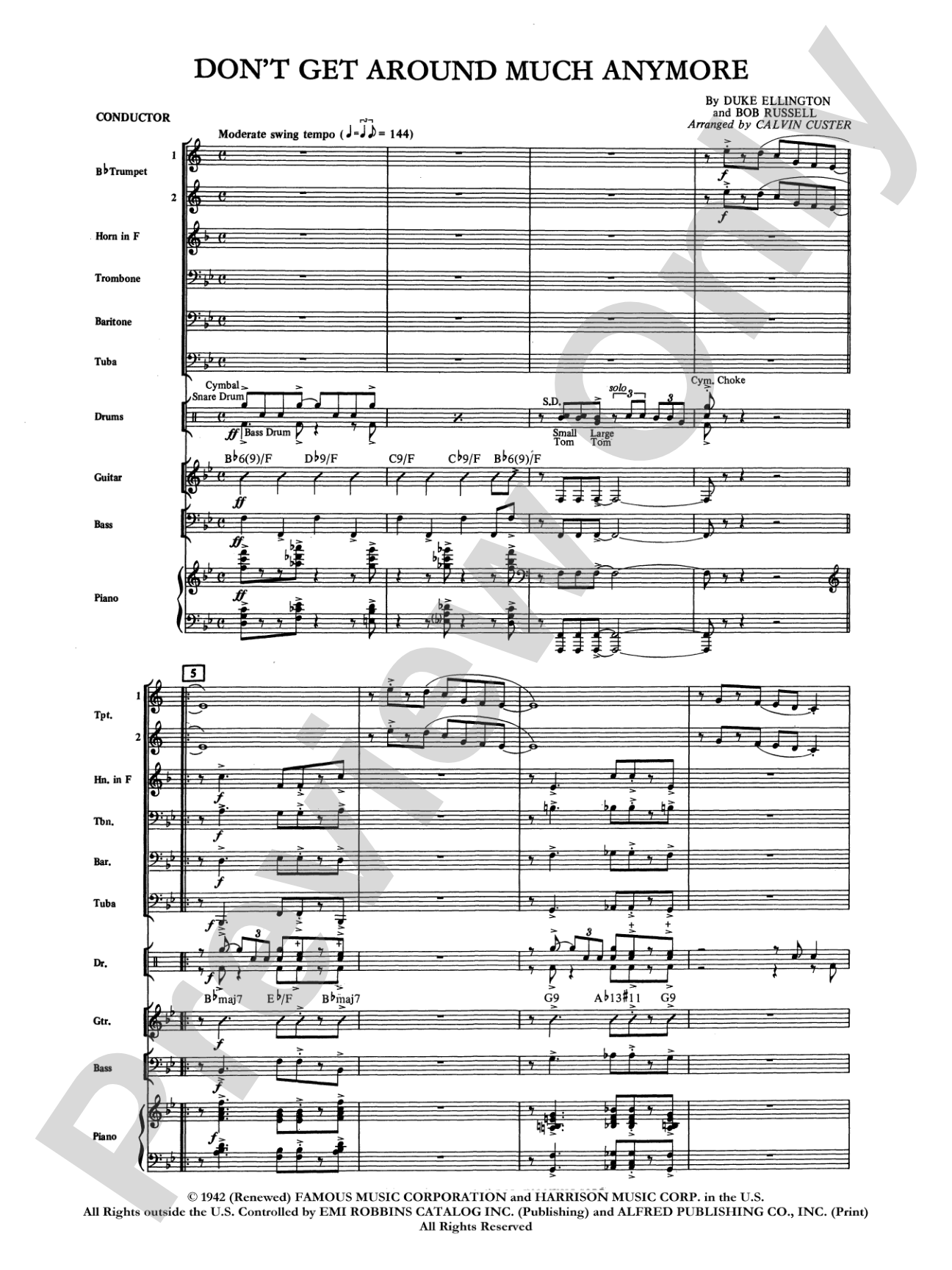
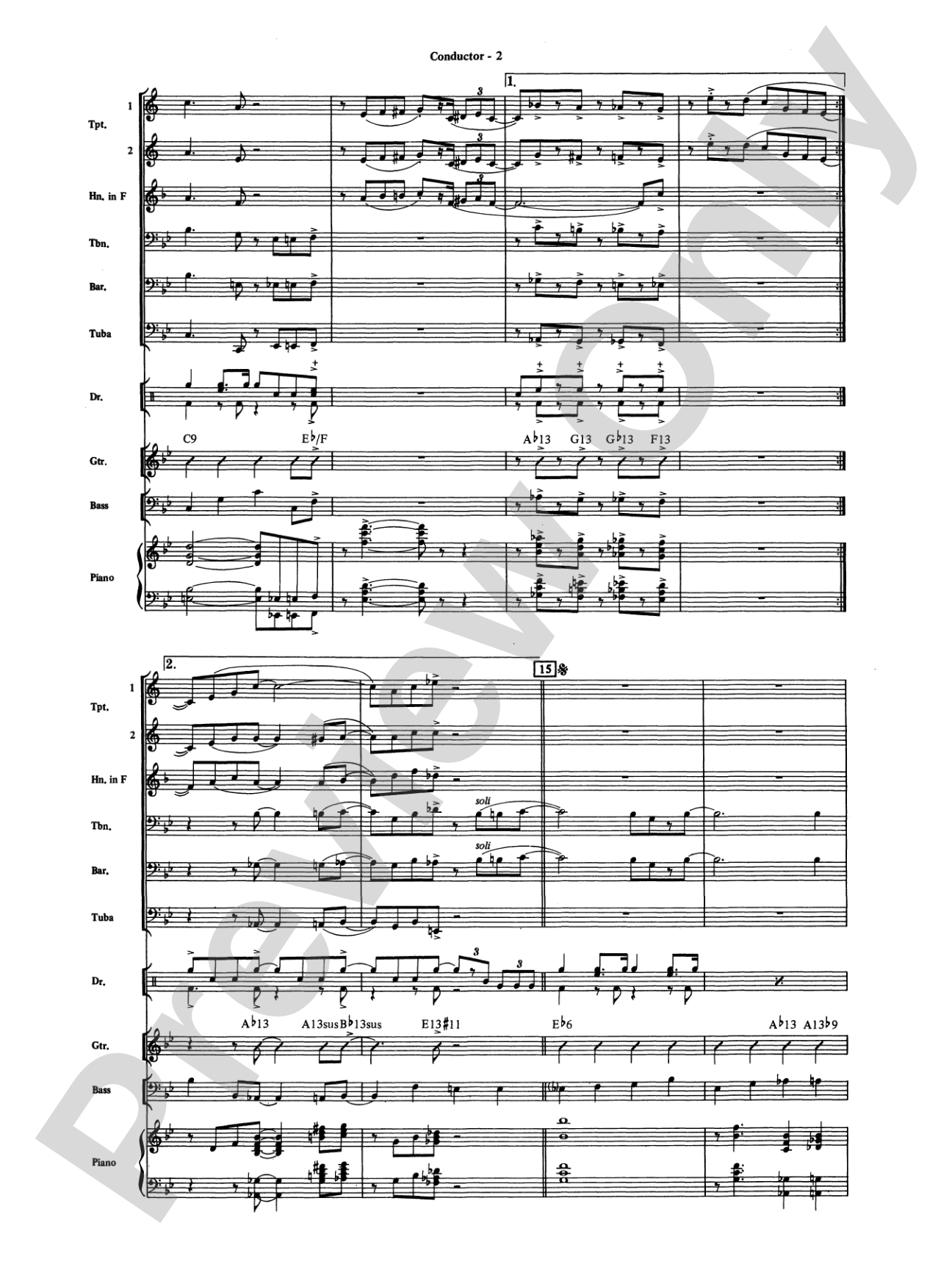
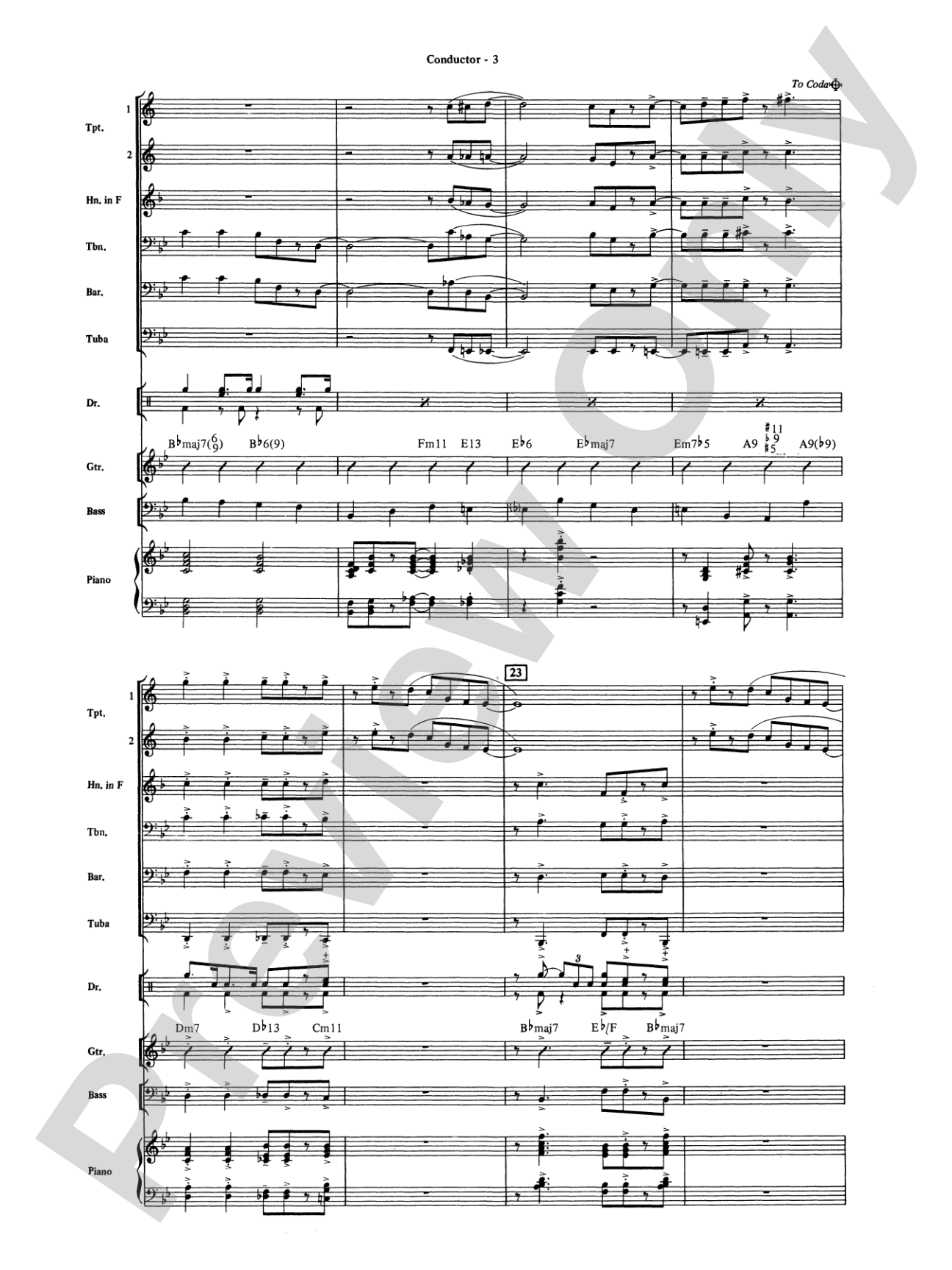
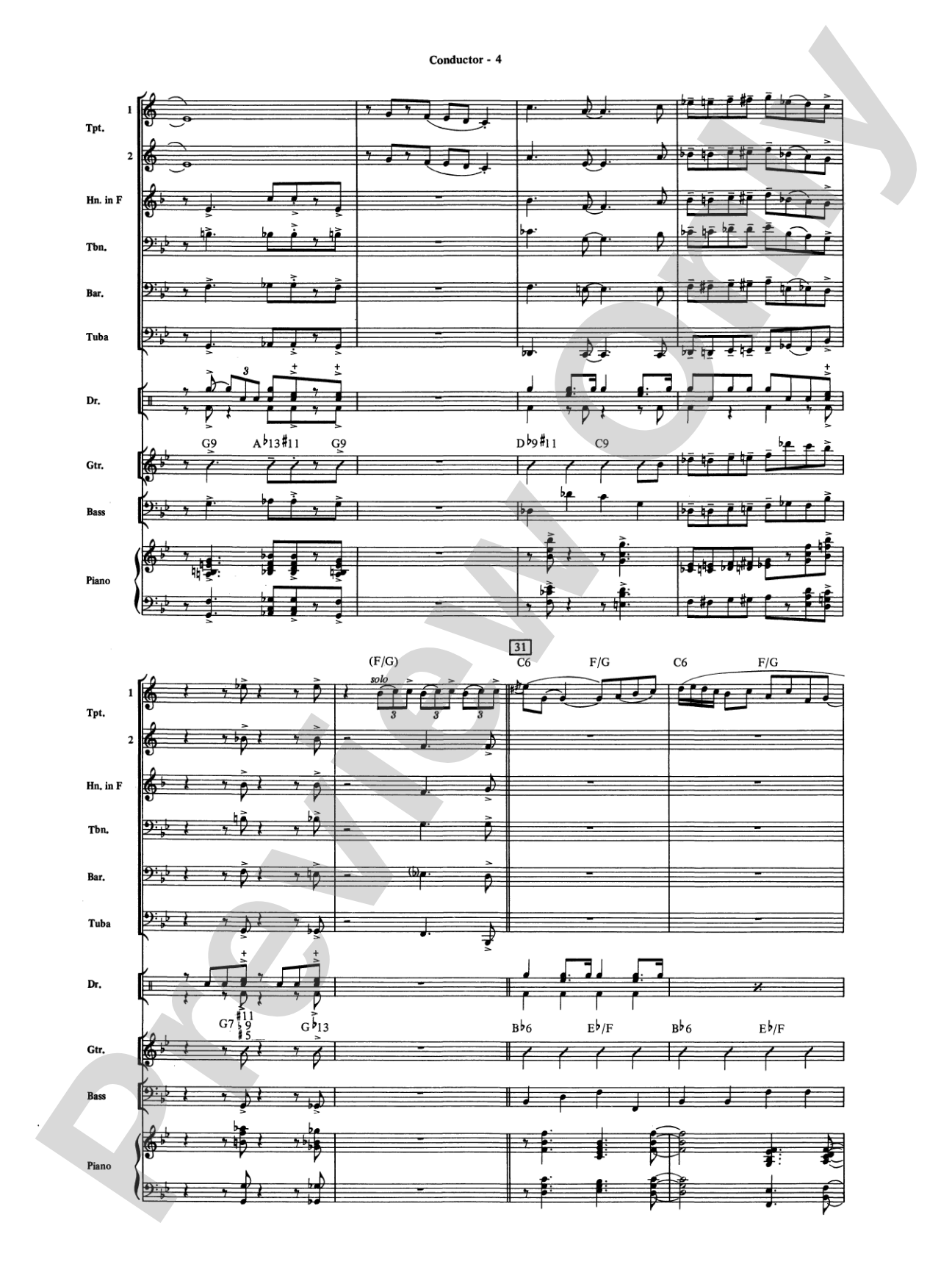
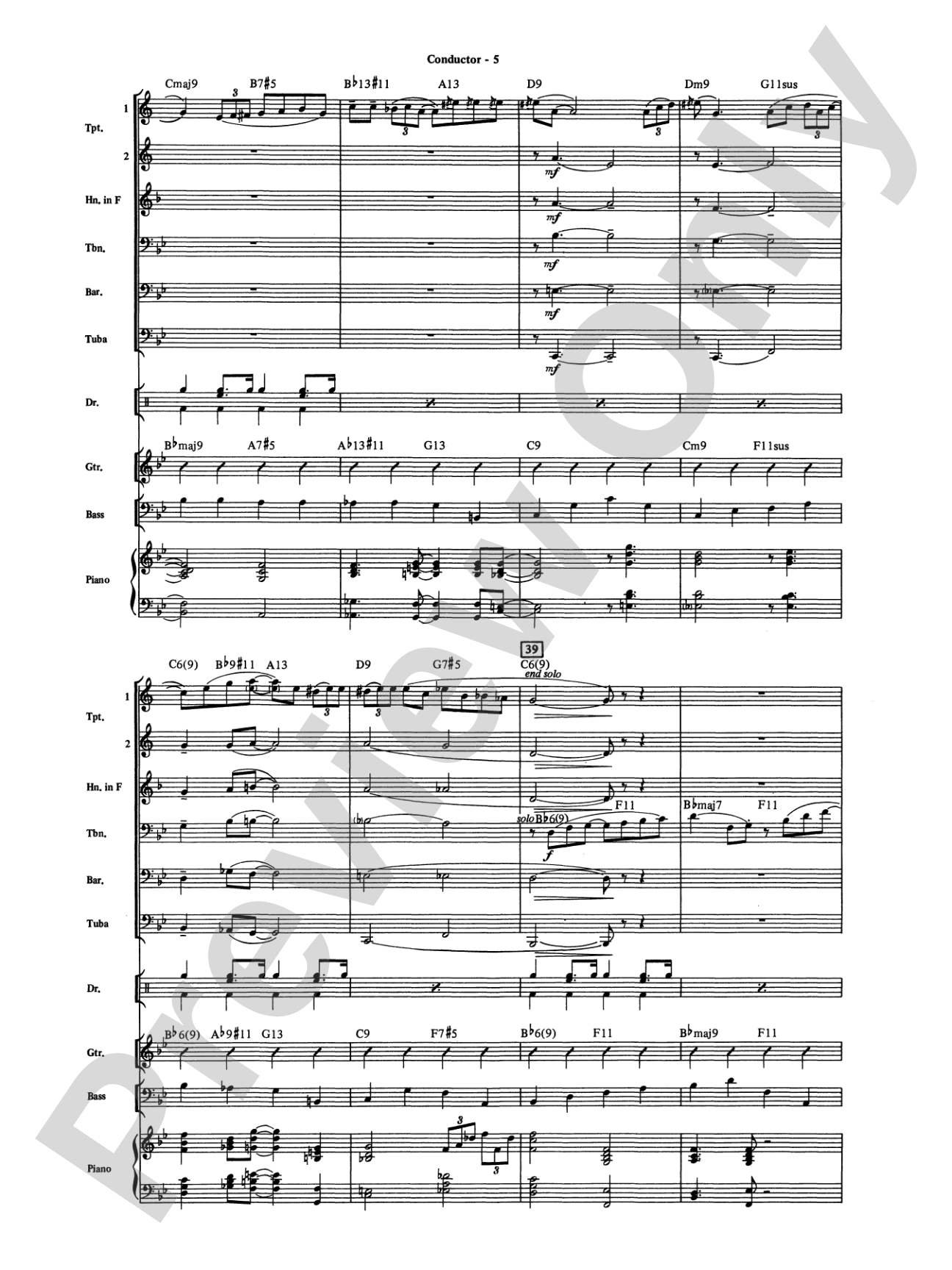
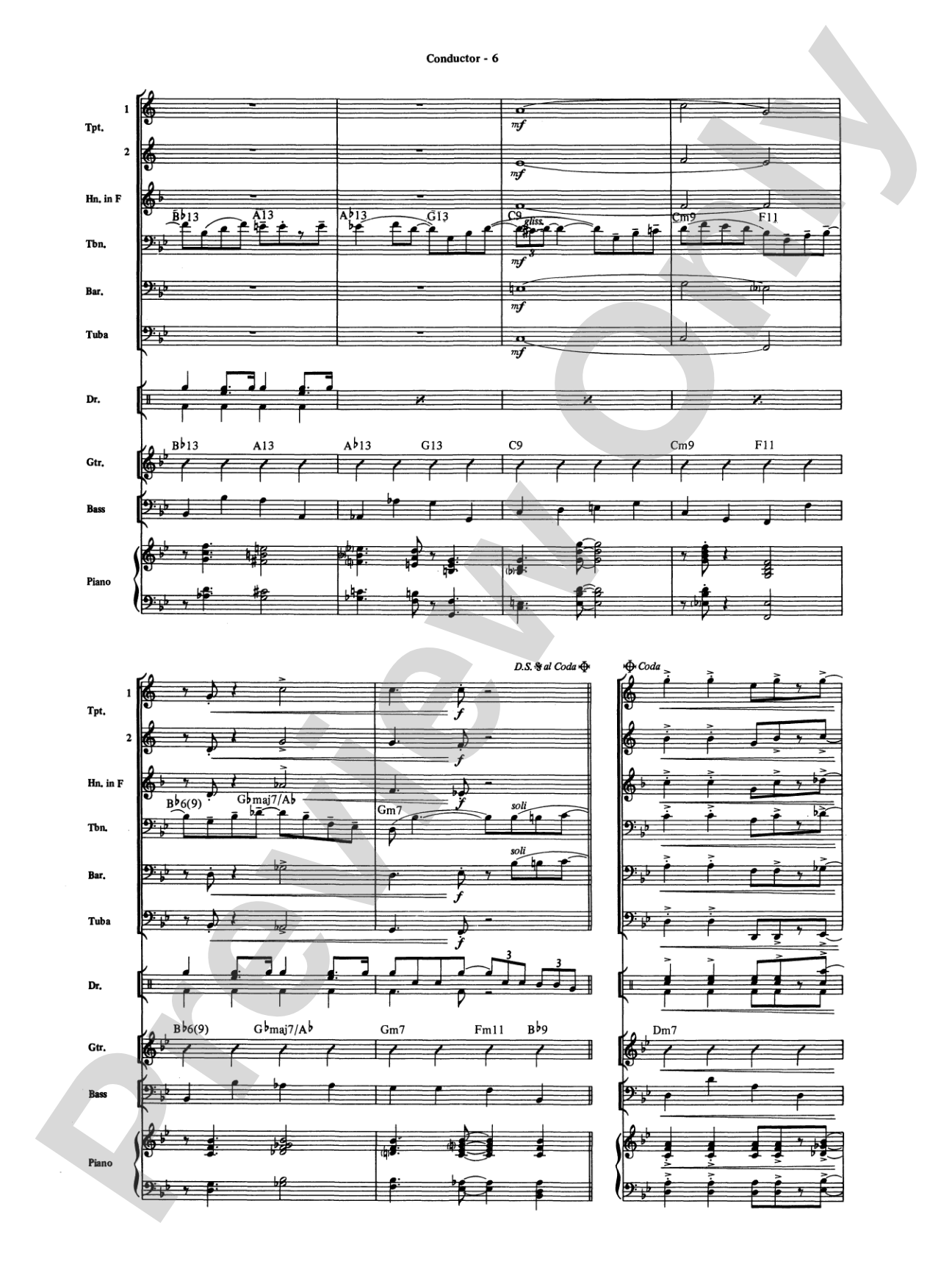
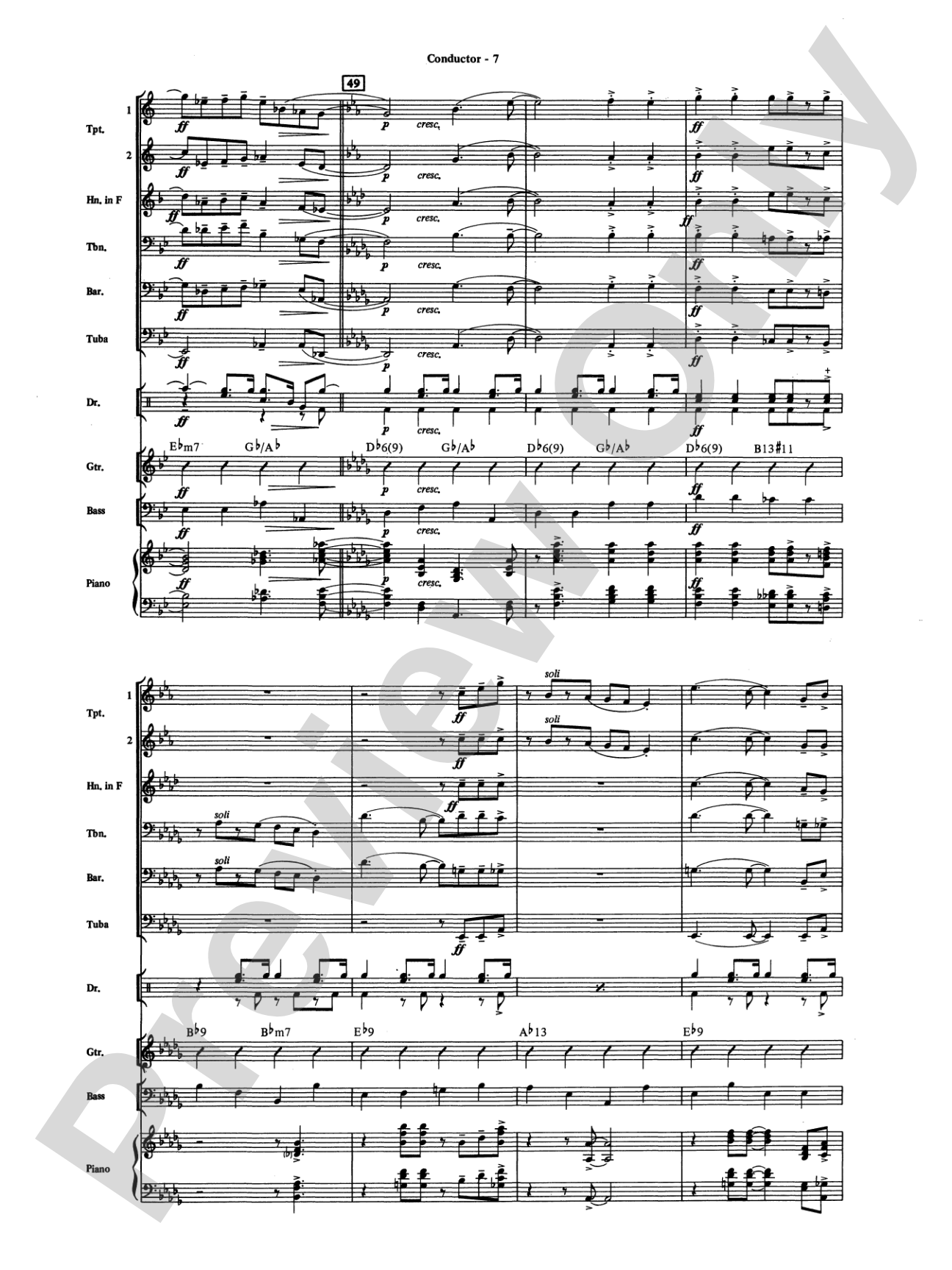
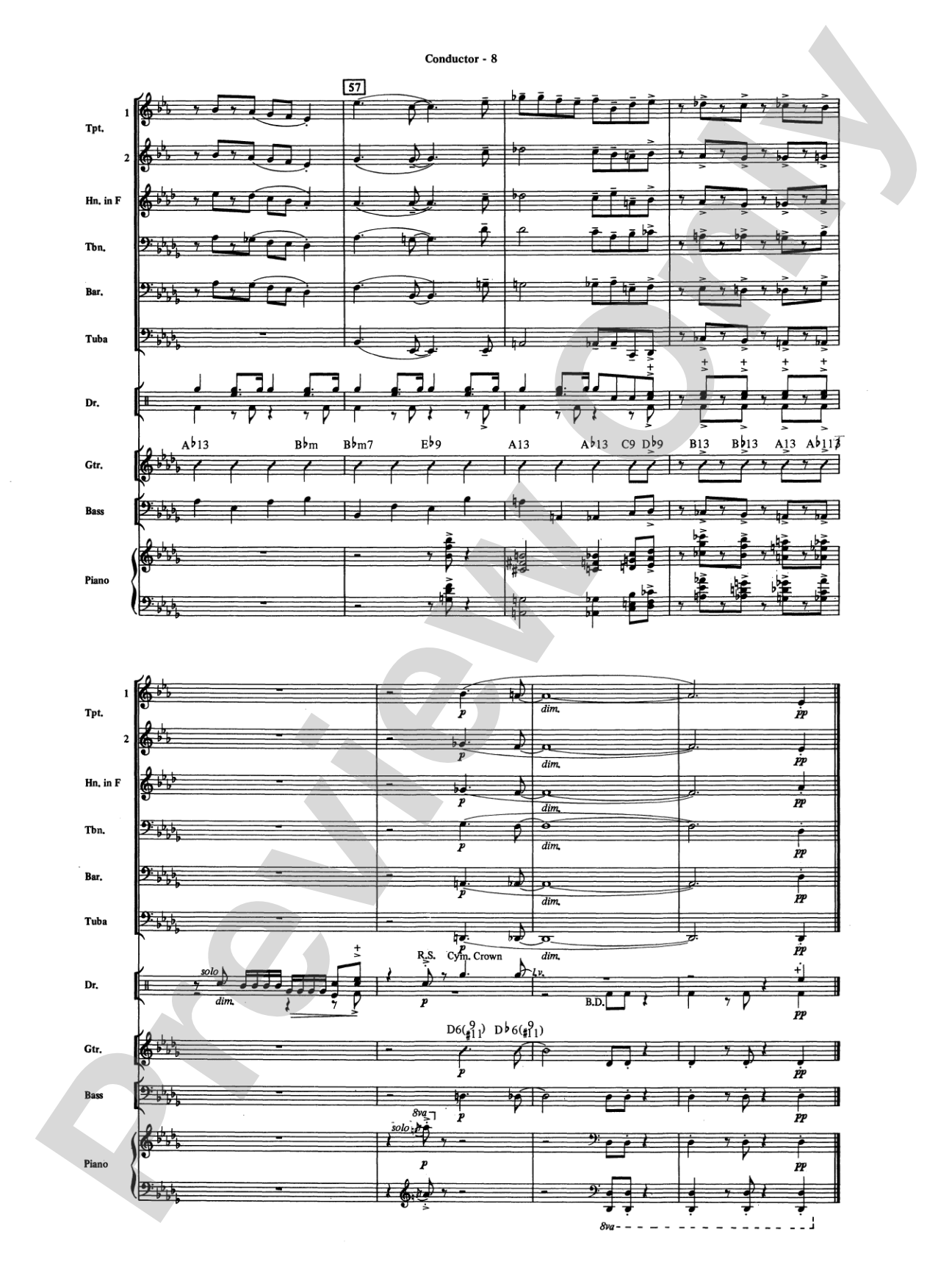

Don't Get Around Much Anymore: Brass Choir
By Duke Ellington and Bob Russell / arr. Calvin Custer
Item: 00-PK-0001378
$15.99
One moment…
Description
Download free full-performance and accompaniment recordings. Play along with the music and learn the correct style with the full-performance track. The accompaniment track includes only piano, guitar, bass, and drums, so if you don't have a rhythm section, you can play along with this track in rehearsal and performance.
Free Recording Downloads:
Full Performance Track
Accompaniment Track


Free Recording Downloads:
Full Performance Track
Accompaniment Track
Don't Get Around Much Anymore: Brass Choir isn't in MakeMusic Cloud just yet...but it could be. Let us know you'd like to see it, and you'll help shape what comes next. In the meantime, start a free trial and dive into thousands of interactive titles your students can play along with today.
Request This Title
Tell us you want it.
Start Your Free Trial
Explore everything that's ready to play right now.
Sample Audio
1
Accompaniment
--:--
2
Performance
--:--
Accompaniment
0:00
0:00
Sample Video
No sample videos found.
Additional Details
Series:
Ensembles That Swing
Publisher:
Alfred Music
Page Count:
38
SKU:
00-PK-0001378
More about this title
About the Composer: Duke Ellington
Duke Ellington (1899-1974) stands as one of the most consequential composers in American music history. His career spanned nearly six decades, during which he created thousands of compositions ranging from three-minute jazz standards to extended concert works, all while leading one of the most innovative orchestras in the world. Ellington's harmonic sophistication, orchestral imagination, and gift for melody fundamentally expanded what jazz could express; his influence extends far beyond jazz itself into classical composition, film, and popular music.
For musicians and students, Ellington's work offers a masterclass in voice leading, timbre, and form. His pieces reward close listening and repeated study, revealing new details with each encounter. Many of his compositions have become part of the standard repertoire taught in music schools worldwide, making his music an essential touchstone for understanding twentieth-century American music.
Why we love this
Custer's arrangement captures the sophisticated ease and swing feel that made Ellington's composition enduring, while making it accessible to brass choirs without requiring a full rhythm section. The included accompaniment track lets you rehearse and perform with authentic jazz accompaniment regardless of your school's available rhythm players, removing a genuine logistical barrier to programming this standard.
What to expect
Urbane and sophisticated, with the unhurried elegance of a standard that has aged beautifully. The melody sits comfortably in the brass range, allowing players to focus on the swing feel and the interplay between sections rather than technical struggle. There's a gentle sophistication here, an invitation to inhabit a world of refined jazz expression.
Who it's for
Brass choirs and brass ensembles with intermediate to advanced reading ability who want to explore jazz repertoire with a composition of genuine sophistication. Directors seeking material for jazz festivals, contest programming, or concert variety will find a piece that sounds polished and rewarding without requiring rhythm section players.
How to get the most out of it
- Reference the full-performance track early in rehearsal to internalize the swing articulation and phrasing Ellington's music demands; this standard needs a relaxed, behind-the-beat feel that differs markedly from classical brass idiom.
- Balance the melody through the brass voices rather than letting a single part dominate; Ellington's orchestration distributes the tune across registers, so adjust blend and dynamics to keep the song's narrative clear.
- Let the accompaniment track shape your rhythmic feel in performance; locking to the piano, guitar, bass, and drums creates the cohesion that makes the arrangement swing.
- Shape phrases with dynamic contour rather than mechanical dynamics markings; listen for how the full-performance track breathes through each section and mirror that musical intention.
How to use it
Pair this with other Ellington compositions or jazz standards to build a concert set that showcases your ensemble's versatility and interpretive depth. The 38 pages suggest sufficient material for a substantial program segment, making it ideal for a jazz-focused concert, festival showcase, or as the centerpiece of a broader American standards program.
Skills your students will build
- Swing articulation and phrasing in a jazz idiom
- Balance and blend in homophonic brass writing
- Reading and responding to jazz accompaniment tracks
- Harmonic awareness in jazz chord progressions
- Ensemble synchronization across multiple brass parts