
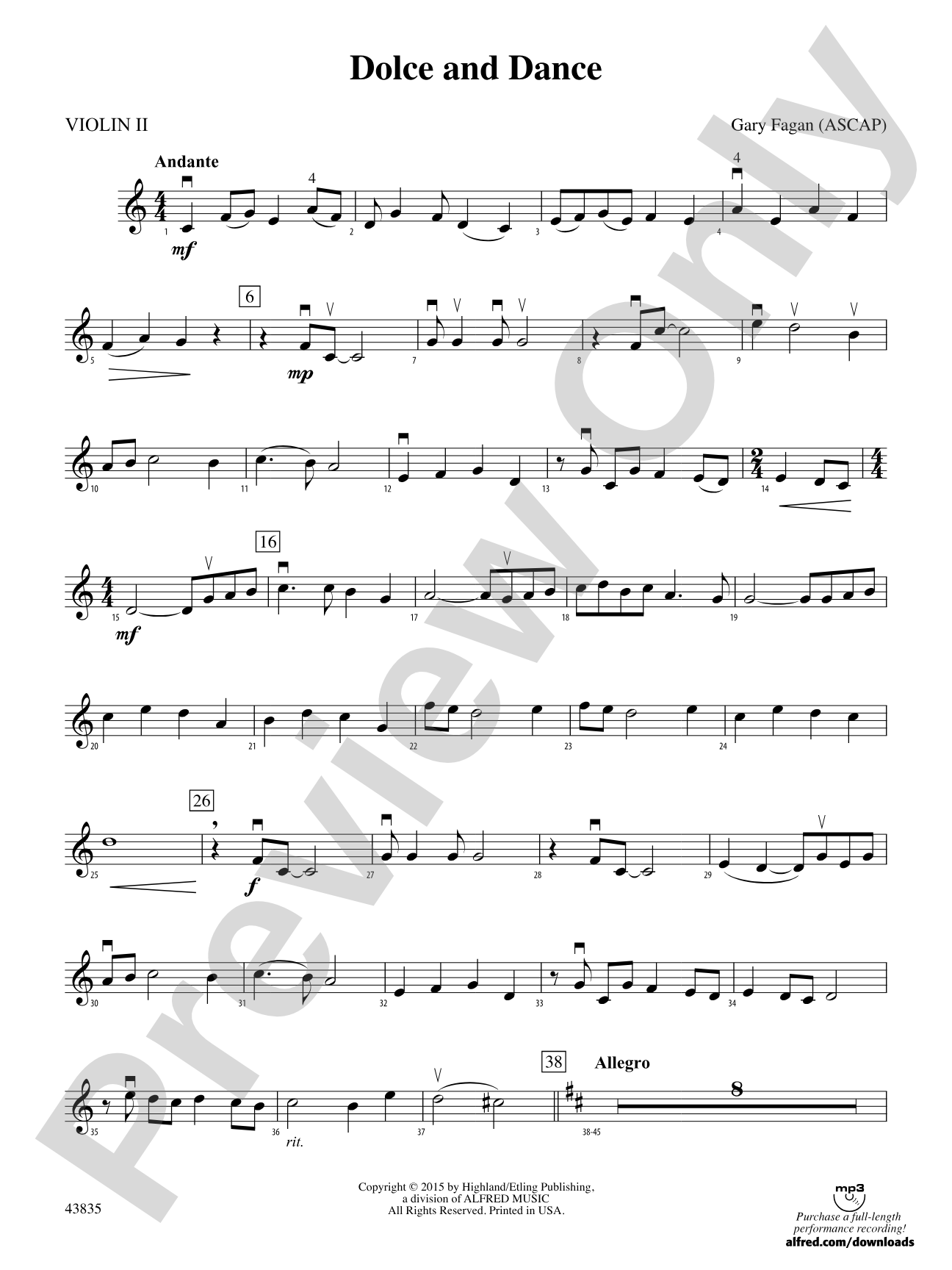

Dolce and Dance: 2nd Violin
By Gary Fagan
Grade: 2.5
Item: 00-PC-0016931_VN2
$5.99
Pickup currently not available
Description
Designed to show two very different aspects of life in the state of Virginia, this programmatic work is a study in musical contrasts. The piece illustrates the contrast between a thriving metropolitan center with an area known for its peaceful beauty. Excellent for cross-curricular study! (3:40)


Don't just read it, hear it, play along with it, and watch your students grow with it. In MakeMusic Cloud, Dolce and Dance: 2nd Violin comes alive with professional accompaniment, adjustable tempo, and built-in practice tools that turn solo practice into real progress.
Open in the Player
Jump straight in and assign it today.
Start Your Free Trial
Open this title and explore the full library in minutes.
Sample Audio
1
Audio File
--:--
0:00
0:00
Sample Video
Additional Details
Series:
Highland/Etling String Orchestra
Publisher:
Alfred Music
Page Count:
124
SKU:
00-PC-0016931_VN2
More about this title
About the Composer: Gary Fagan
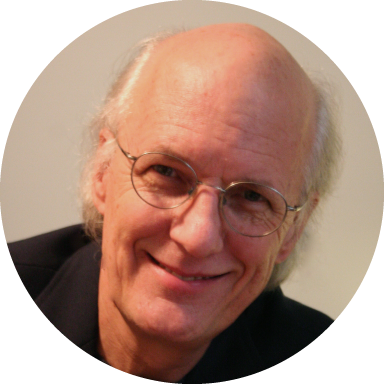
Gary Fagan's work has been heard at prestigious venues ranging from the Midwest Band and Orchestra Clinic to the White House, and his music was performed at the inauguration of former Virginia Governor Douglas Wilder. A graduate of Bridgewater College and James Madison University, Fagan spent 36 years directing bands in Albemarle County before transitioning to university supervision and adjunct teaching in arranging at JMU. His contributions to music education have earned him recognition as Central Virginia's Outstanding Middle School Teacher and Outstanding Educator awards from both the Virginia Governor's School for the Visual and Performing Arts and the Piedmont Council of the Arts.
Beyond the classroom, Fagan remains active as a clinician, adjudicator, and percussionist with the Charlottesville Band, where he also serves as Assistant Director. He holds memberships in ASCAP, Phi Beta Mu Bandmasters Fraternity, and the National Band Association, and has been recognized twice in "Who's Who Among America's Teachers." His compositional and arranging work spans both band and string orchestra literature.
Why we love this
Fagan constructs this piece around genuine musical and programmatic substance rather than surface-level effects. The contrasting sections give your string players concrete musical challenges: shaping lyrical phrases in the "Dolce" movement requires genuine control, while the "Dance" demands precision and rhythmic energy. Programming a Grade 2.5 work that actually rewards careful rehearsal and delivers real musical satisfaction is rare.
What to expect
The dolce movement unfolds with the unhurried grace of Virginia's pastoral landscapes, allowing warm, sustained melodies to bloom across the string section. When the dance arrives, energy transforms the sonic landscape into something bustling and alive, capturing the vitality of urban centers through rhythmic drive and brighter orchestration.
Who it's for
This work suits orchestras navigating the gap between early intermediate and intermediate repertoire, offering substantial musical and technical growth without overwhelming younger ensembles. Directors preparing programs that include cross-curricular connections or seeking concert and contest pieces with genuine programmatic depth will find strong material here.
How to get the most out of it
- Shape the dolce section with long-line phrasing in the upper voices; resist the urge to rush the legato passages, which will showcase your players' maturity.
- Use the dance section to establish rhythmic clarity across all parts; mark the subdivisions in each player's part during sectionals so the ensemble locks together without relying on the conductor to drive the tempo.
- Balance the string sections so the programmatic contrast reads clearly in performance; the peaceful passages need transparency, so reduce weight in the lower strings when the melody lives in violins alone.
- Rehearse the transitions between movements with deliberate attention to tempo and dynamic control; these shifts define the piece's structure and should never feel accidental.
How to use it
Program this during a concert theme exploring American places or regional identity; pairing it with other works depicting specific landscapes creates a cohesive concert narrative. It also works effectively in festival contexts where judges appreciate musically substantive Grade 2.5 repertoire that avoids cliché.
Skills your students will build
- Sustained legato phrasing and tone control across full phrases
- Rhythmic precision and ensemble lock in duple and compound meters
- Balance between melody and accompaniment in multi-voice string textures
- Understanding programmatic composition and how musical choices reflect extramusical concepts
- Dynamic shaping and tempo control at transitions