
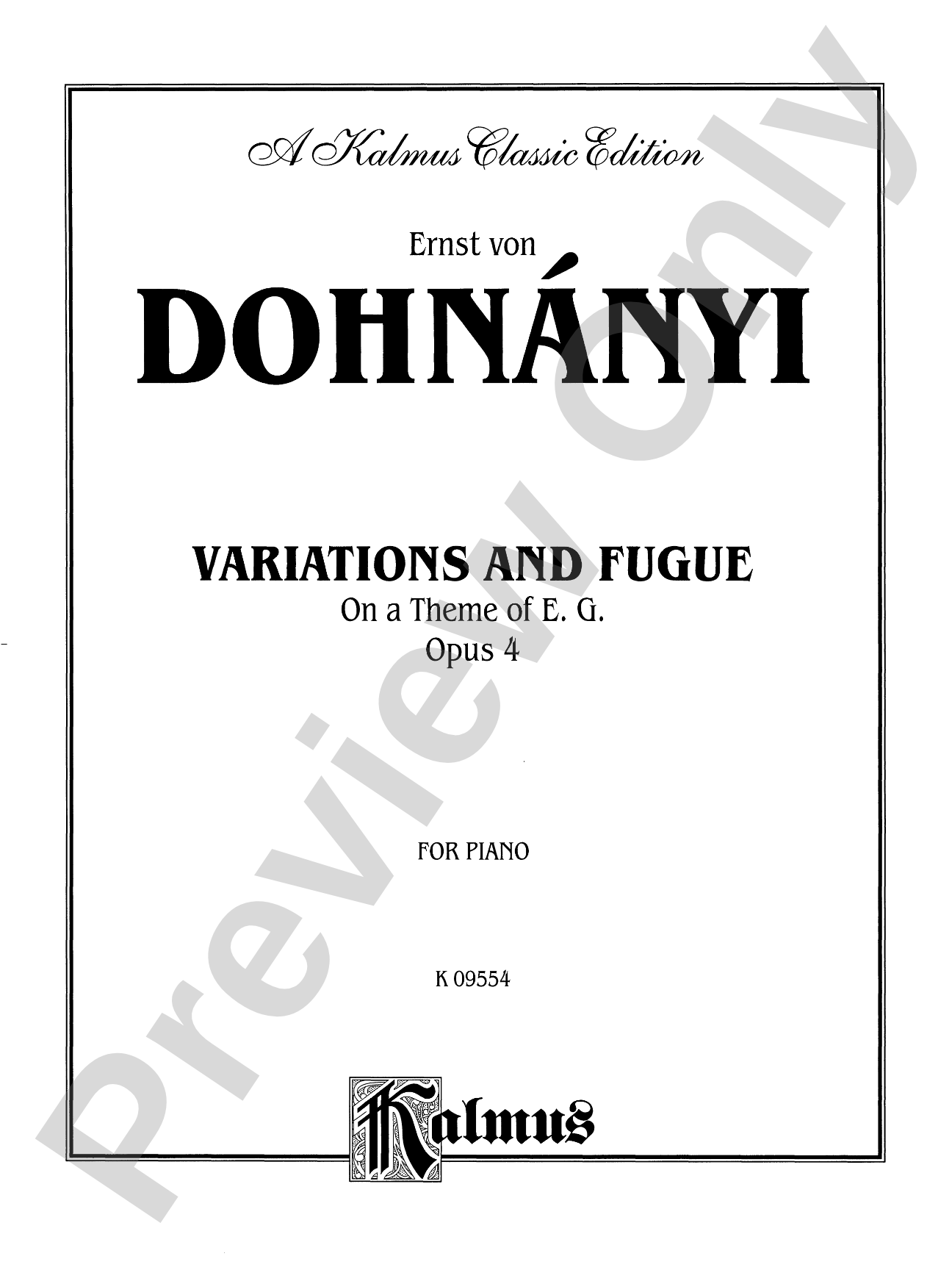
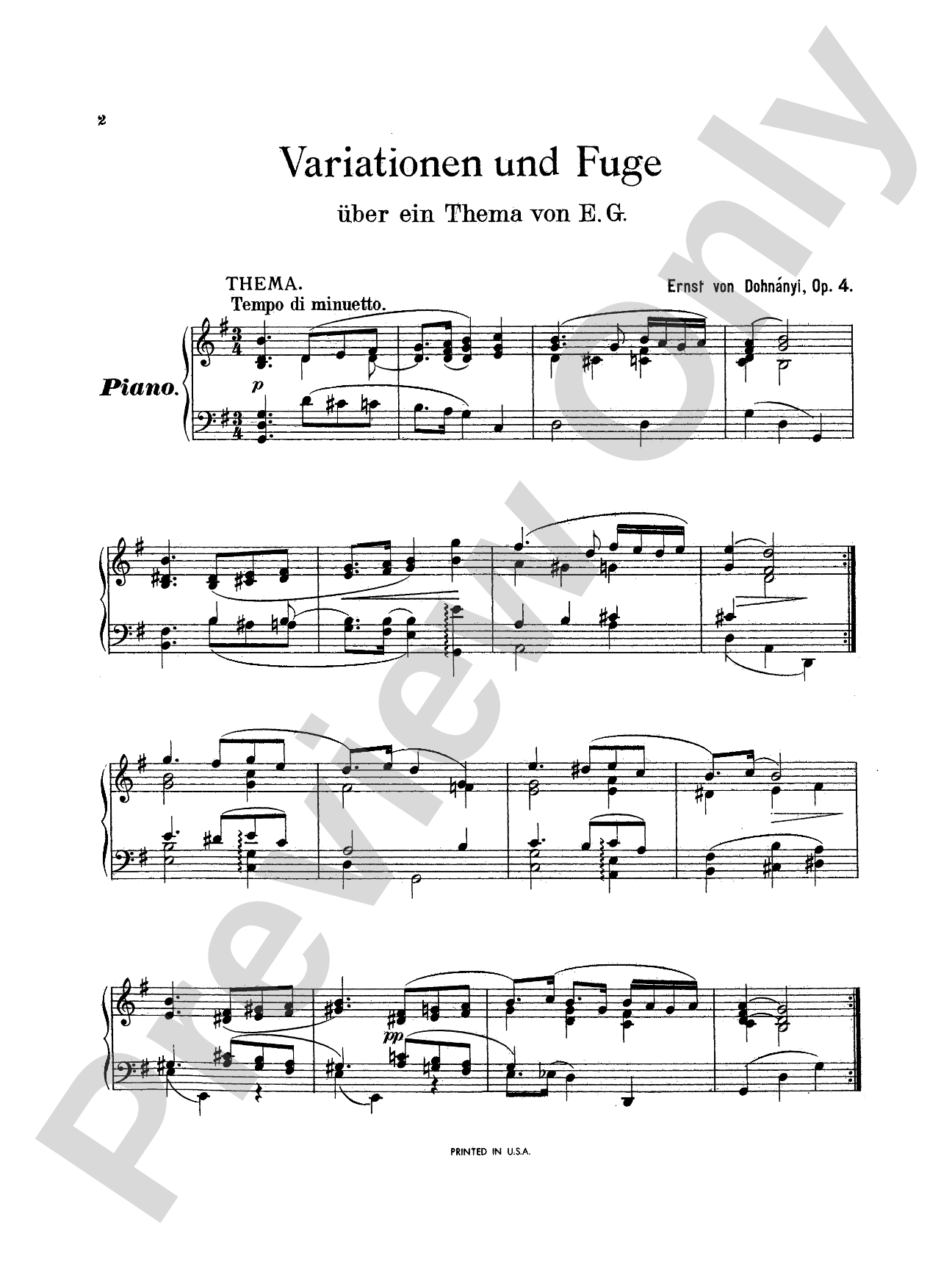
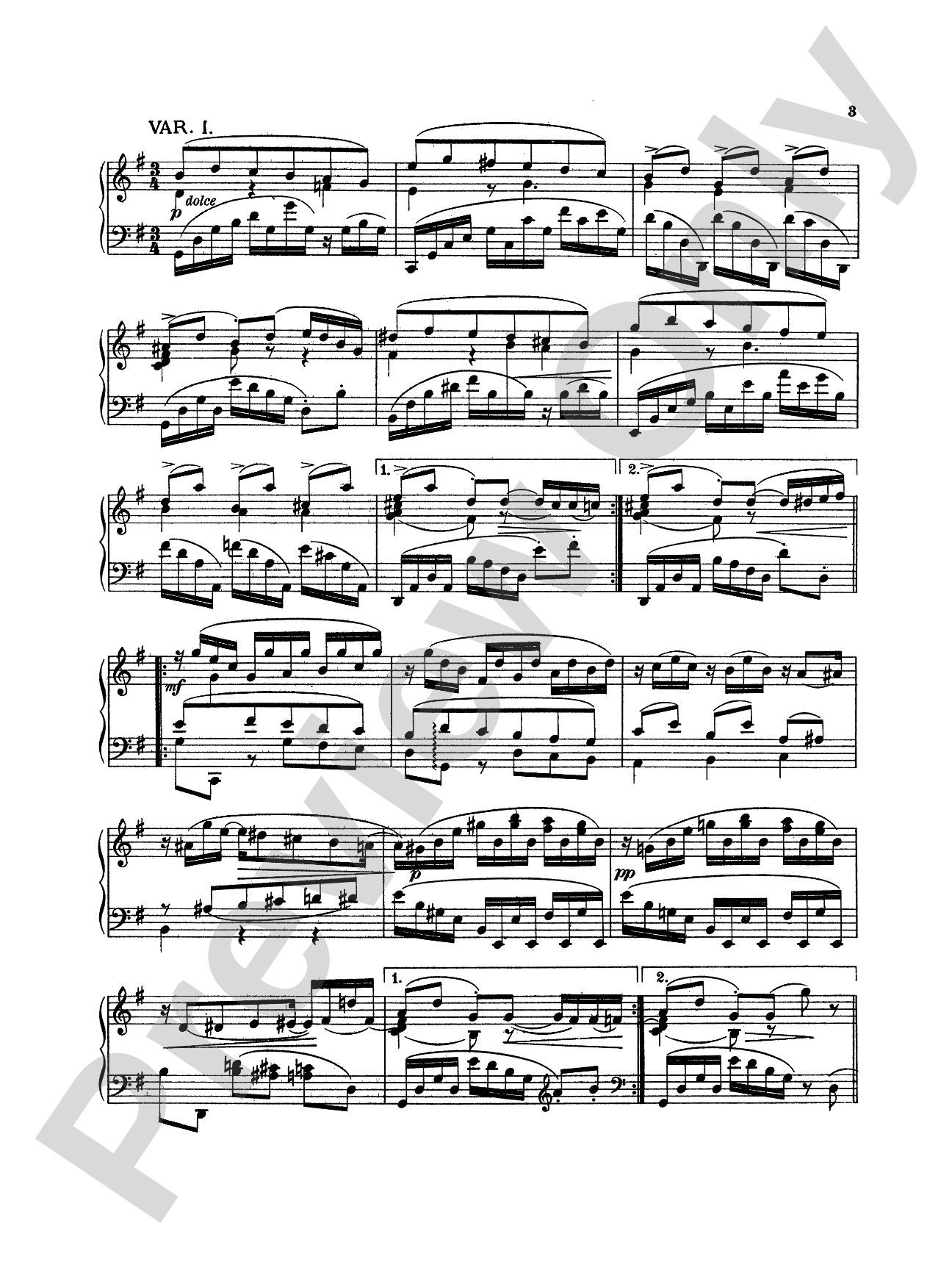
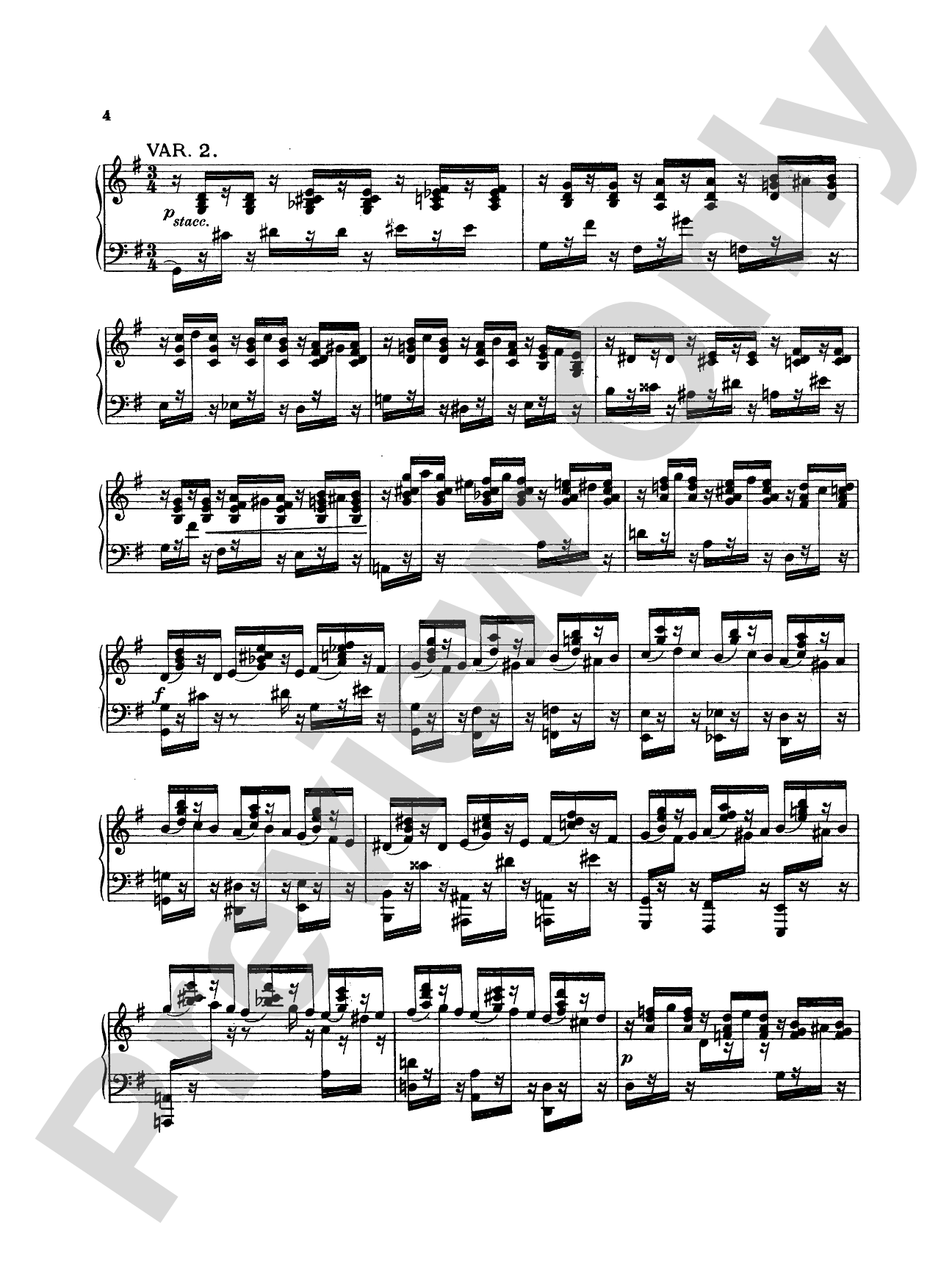
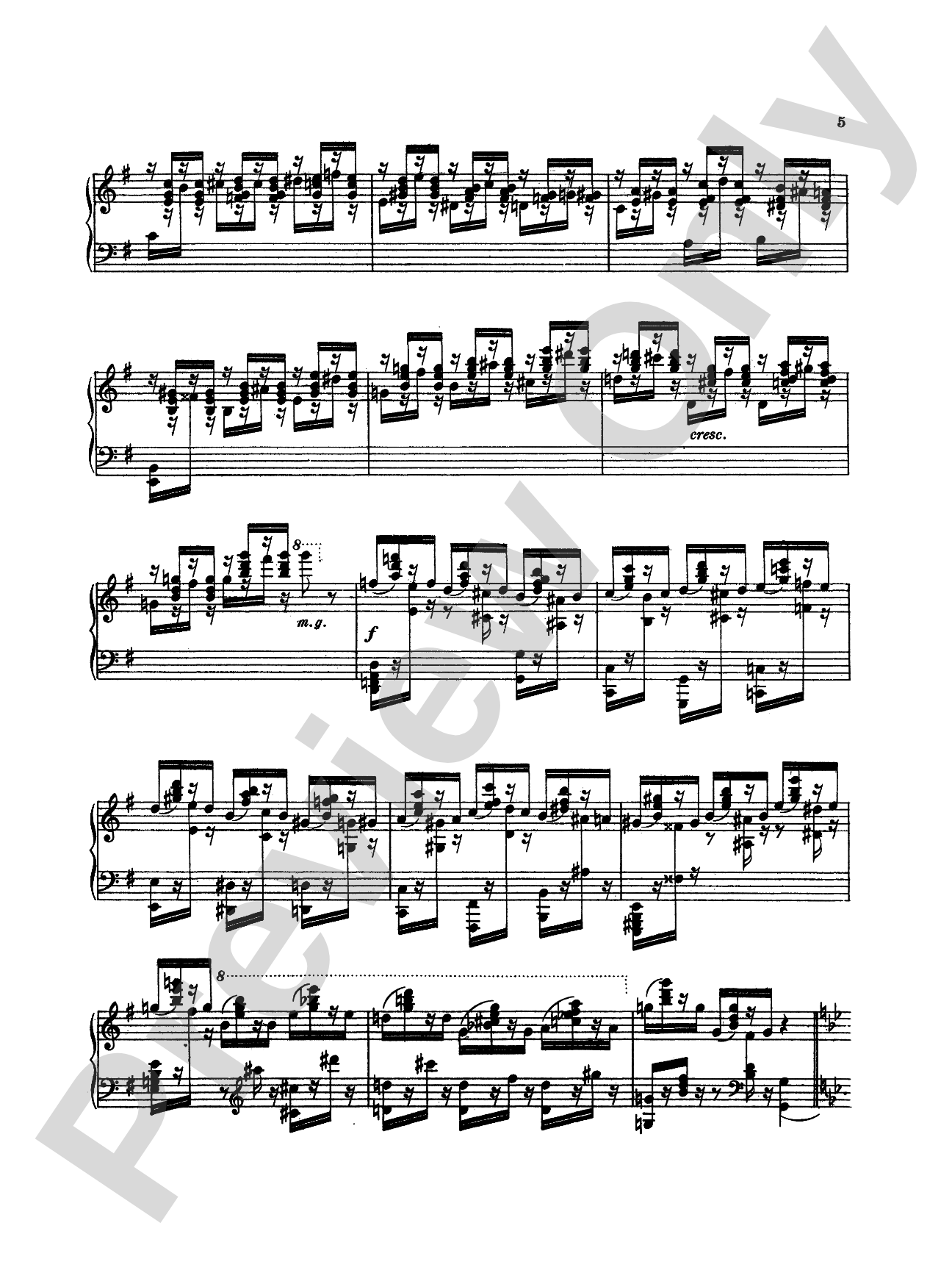
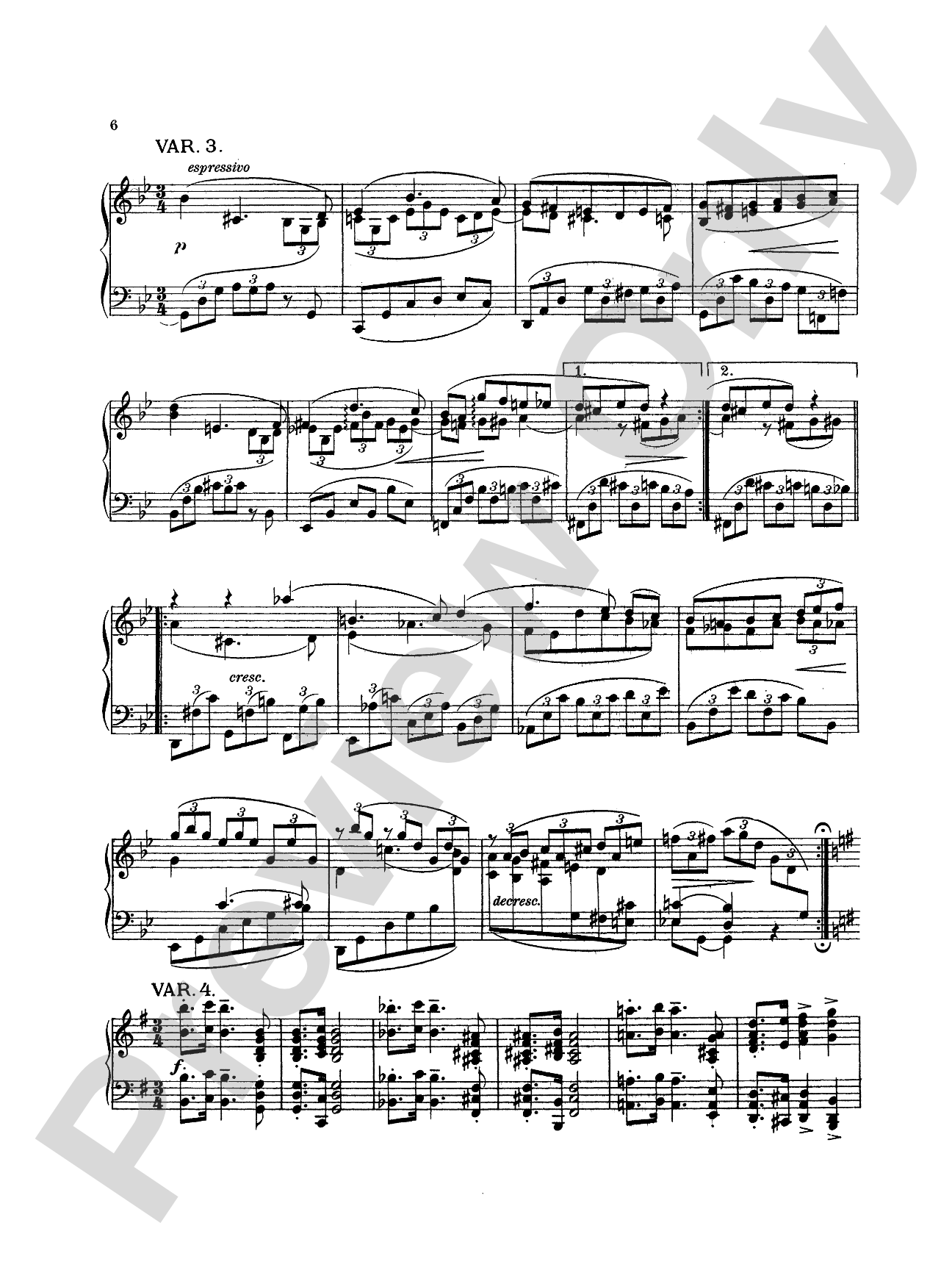
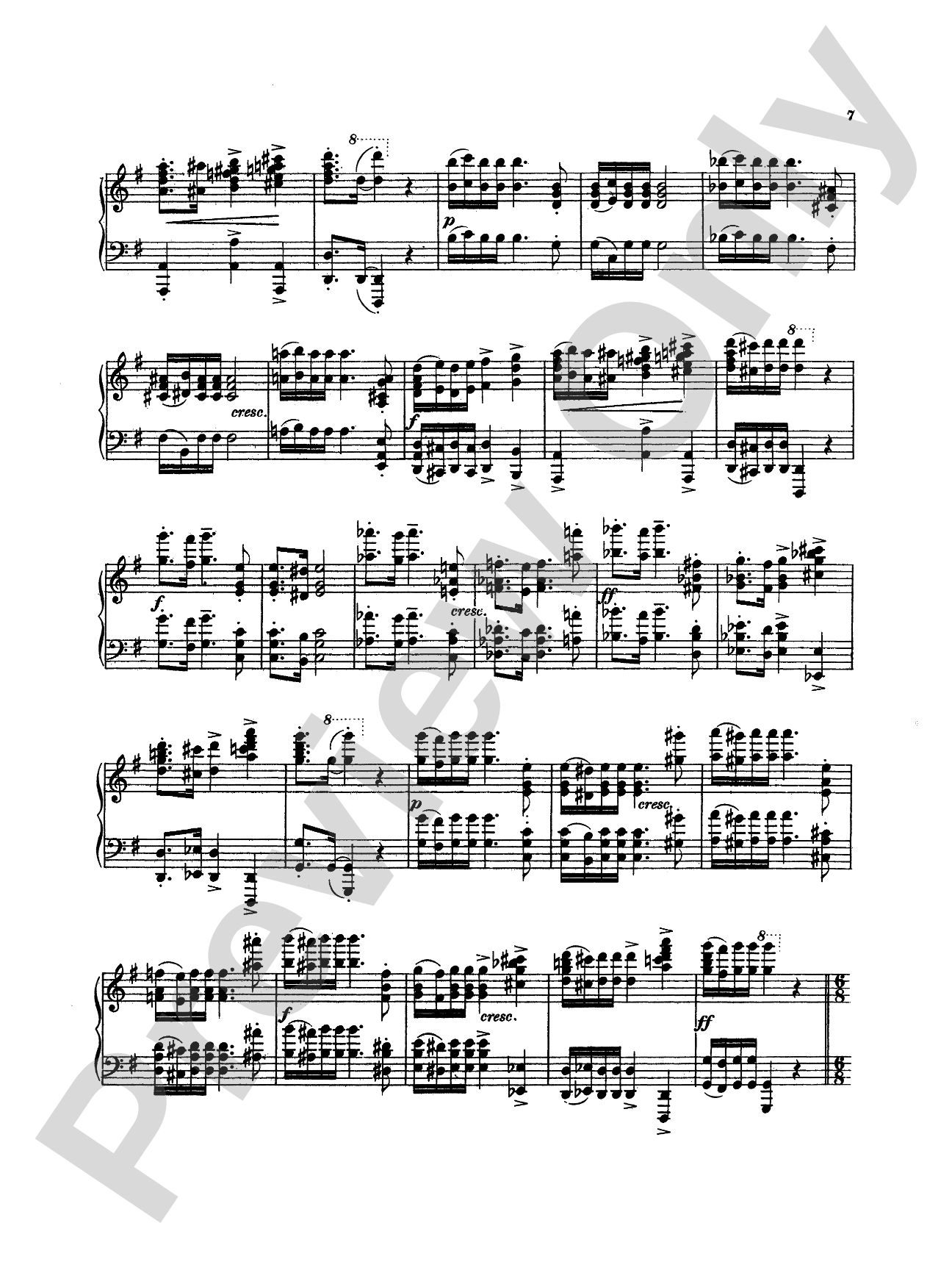
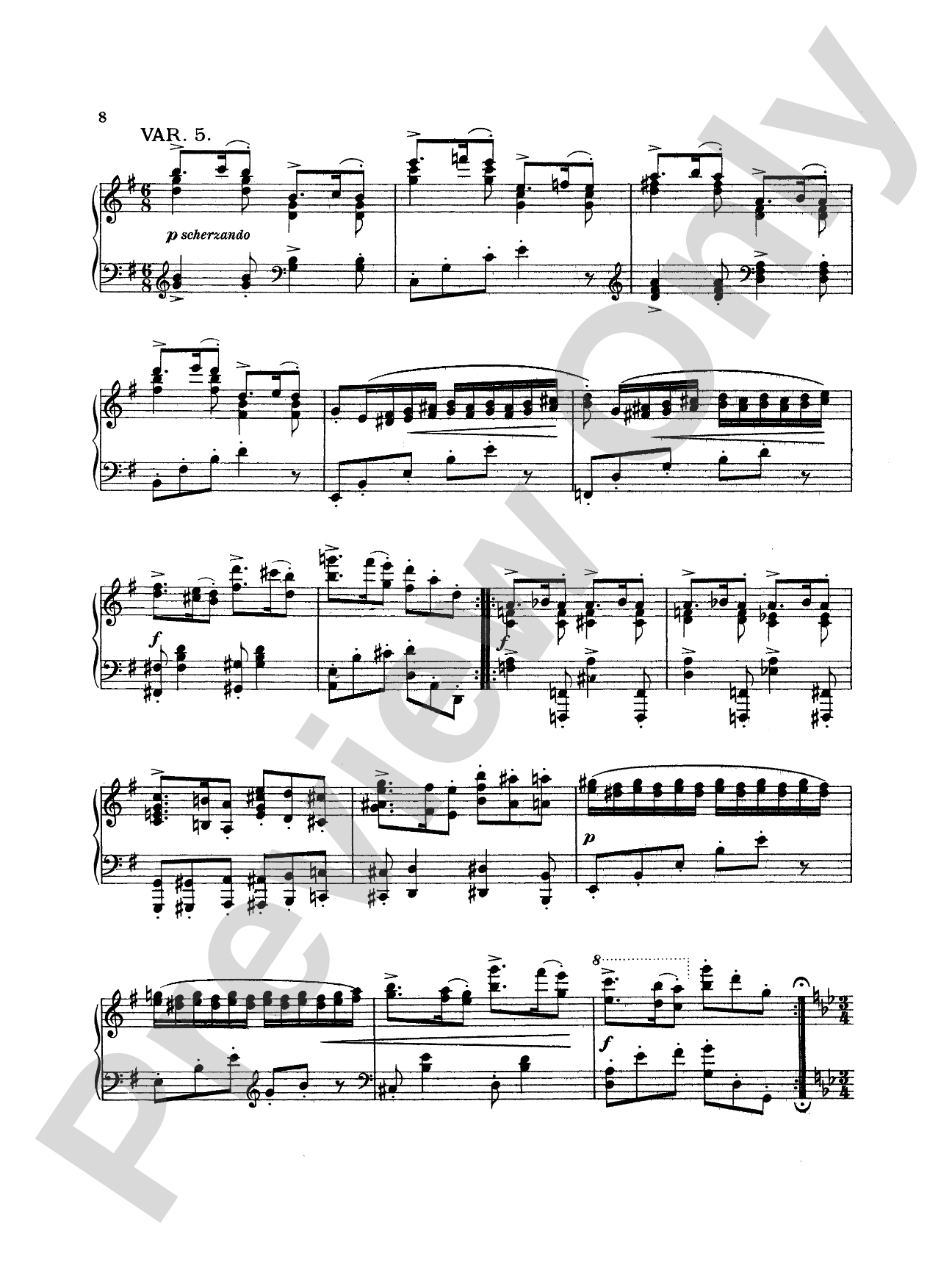
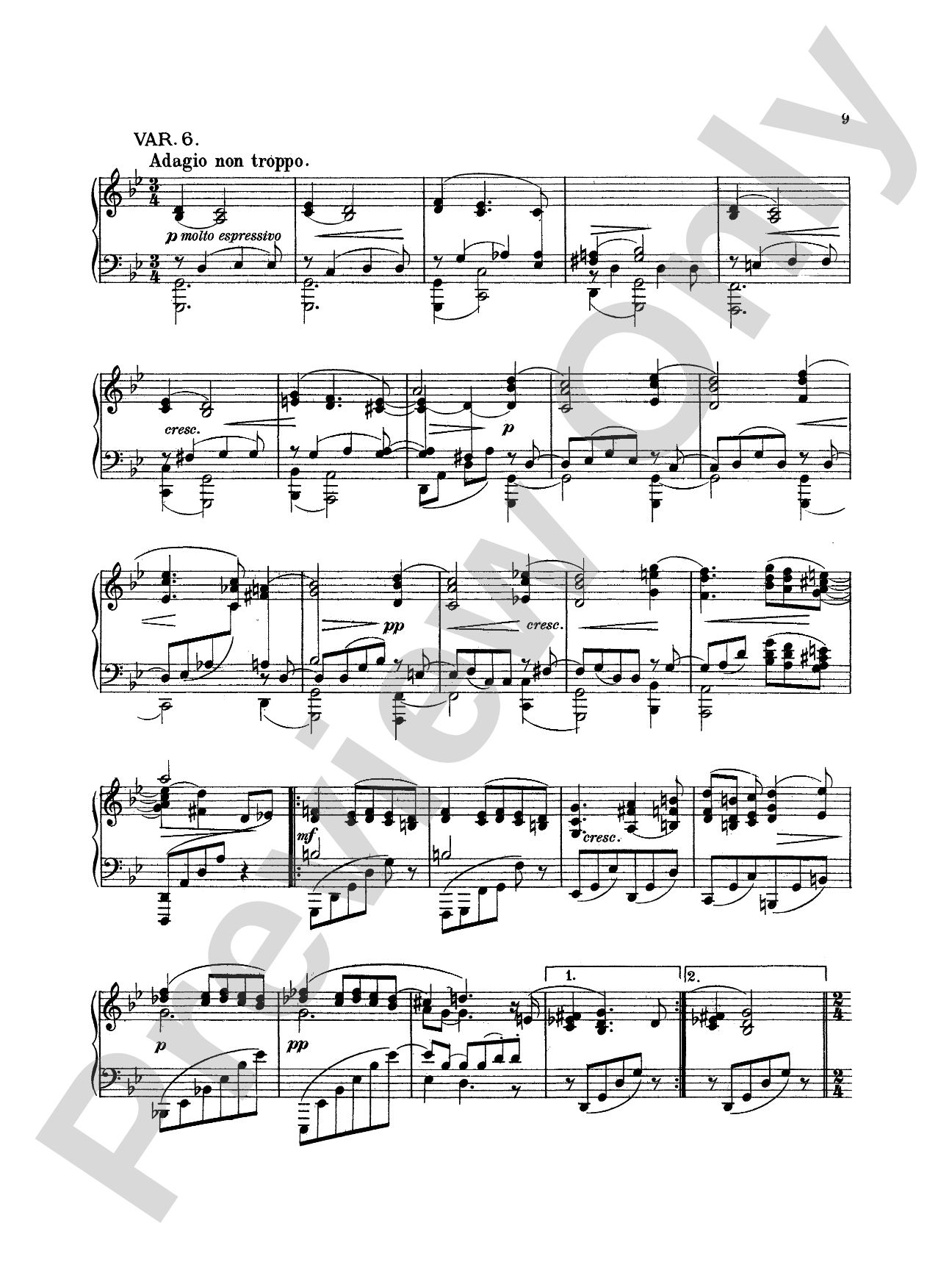
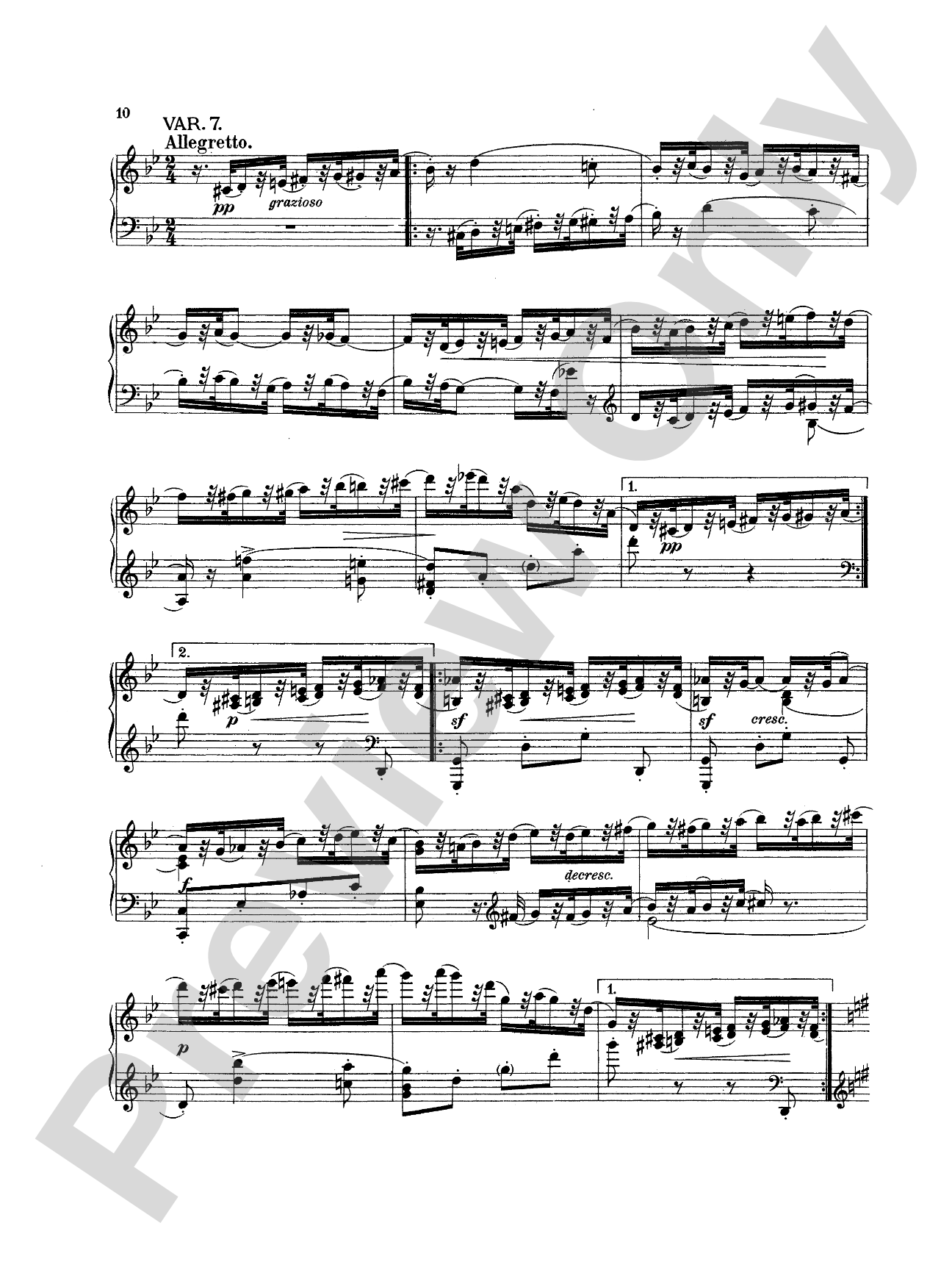
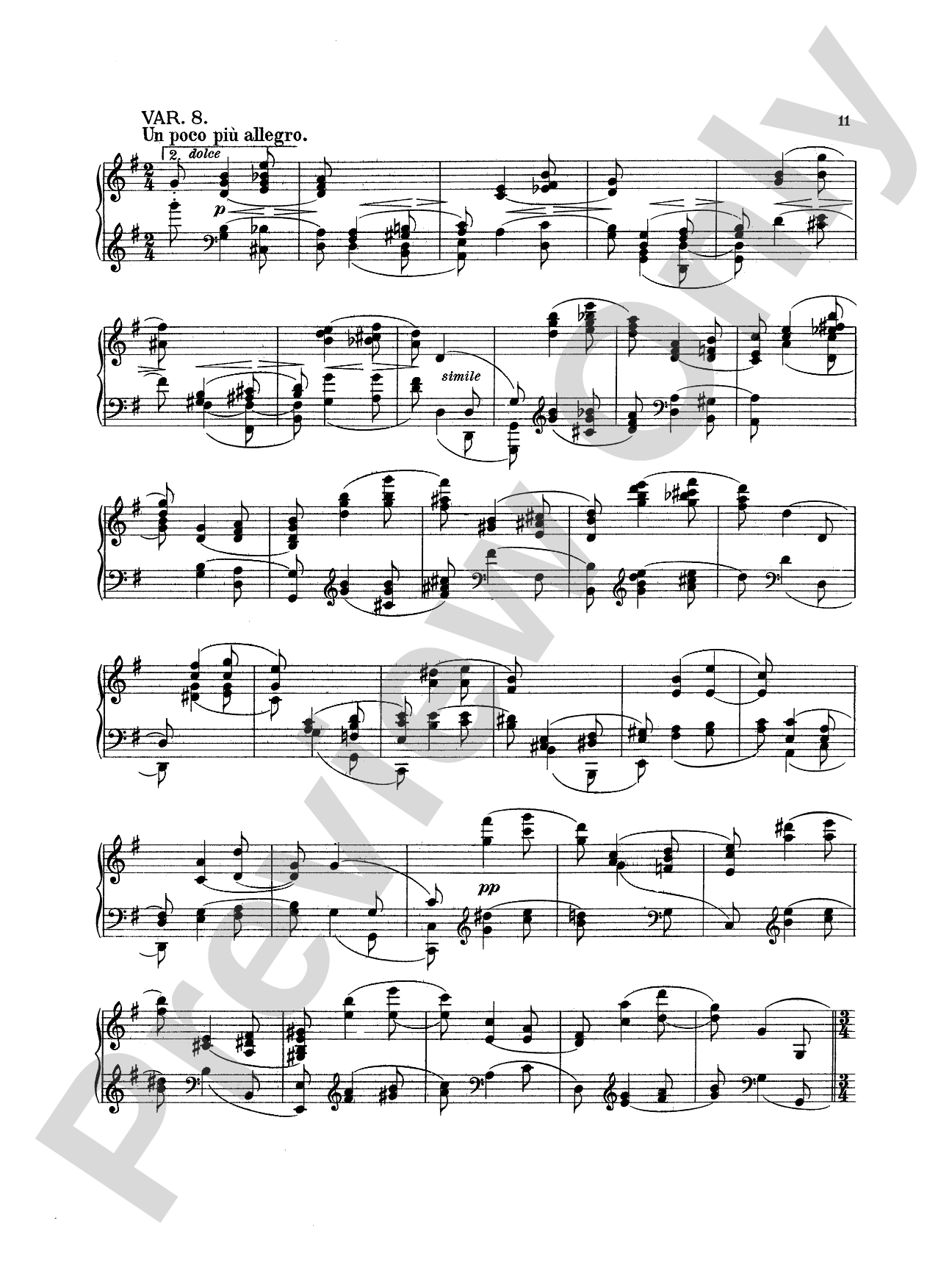
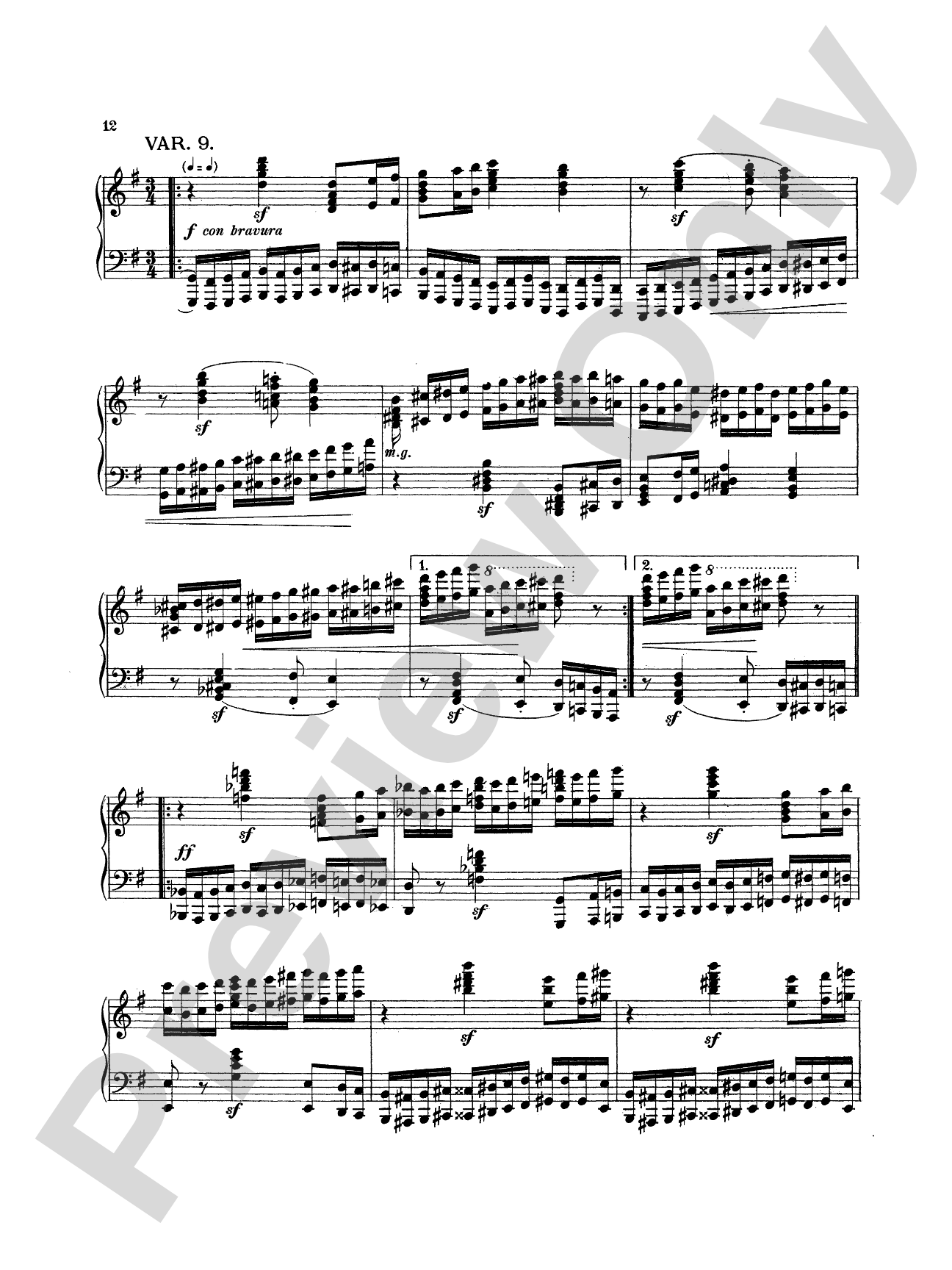
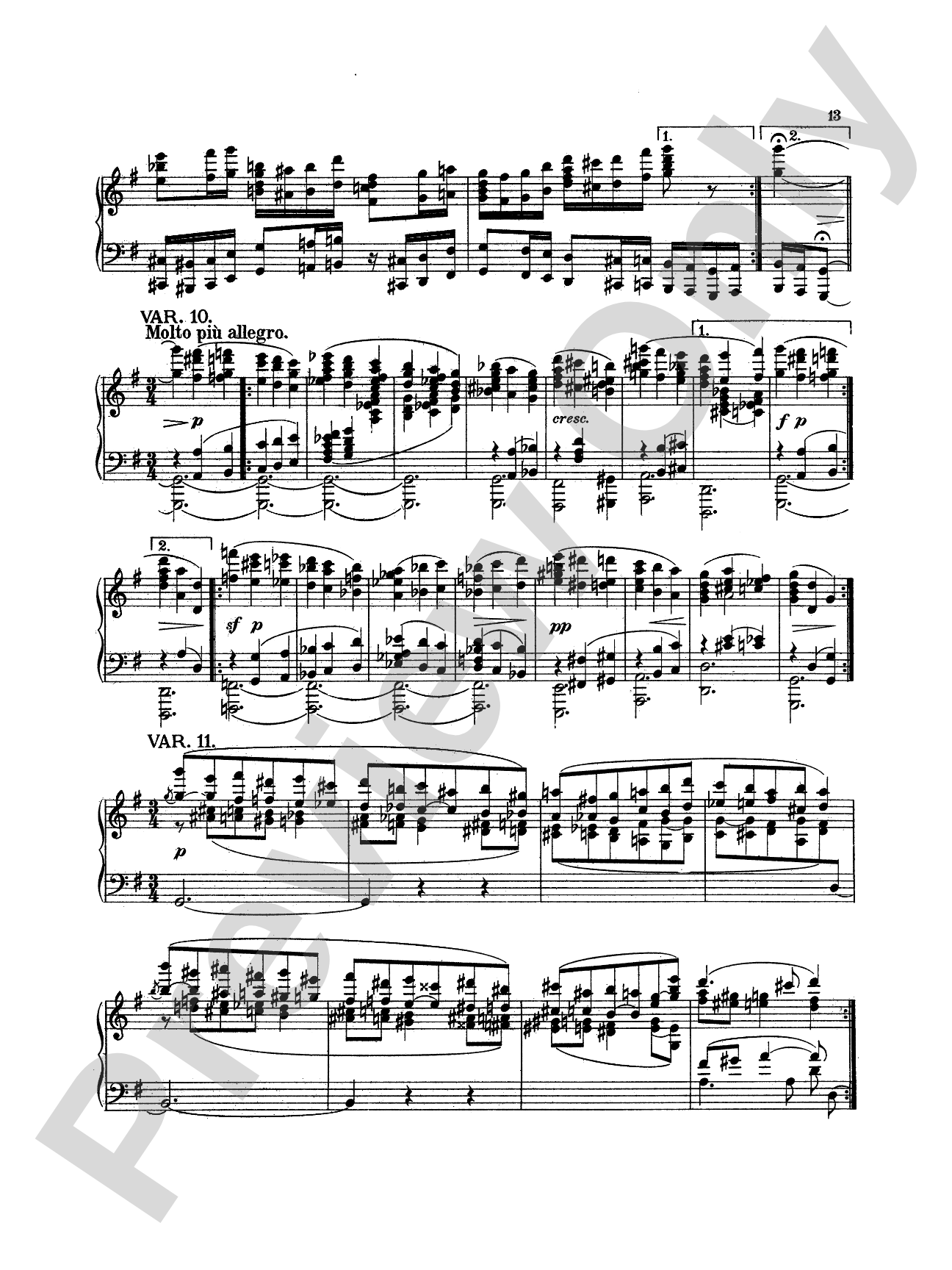
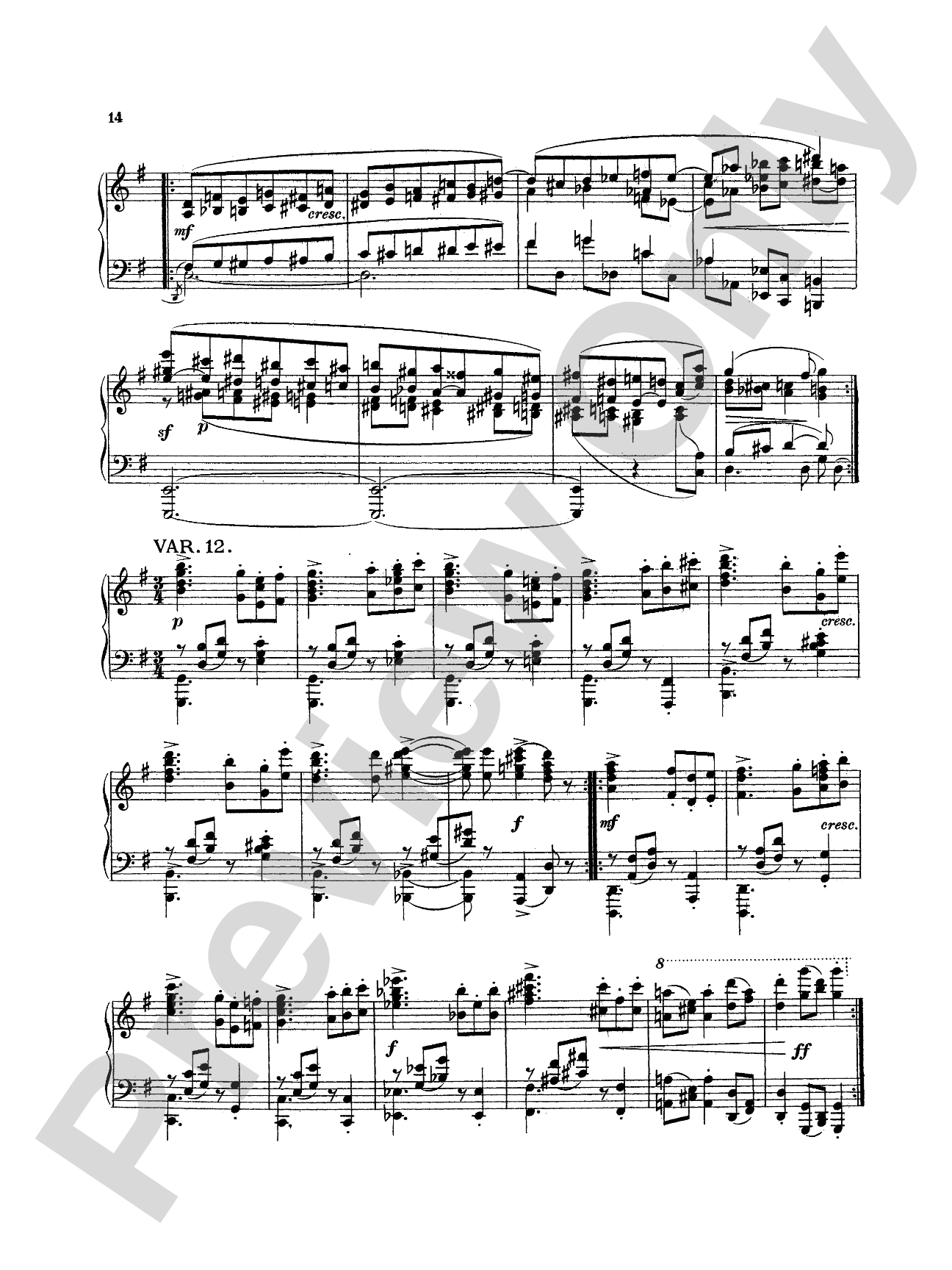
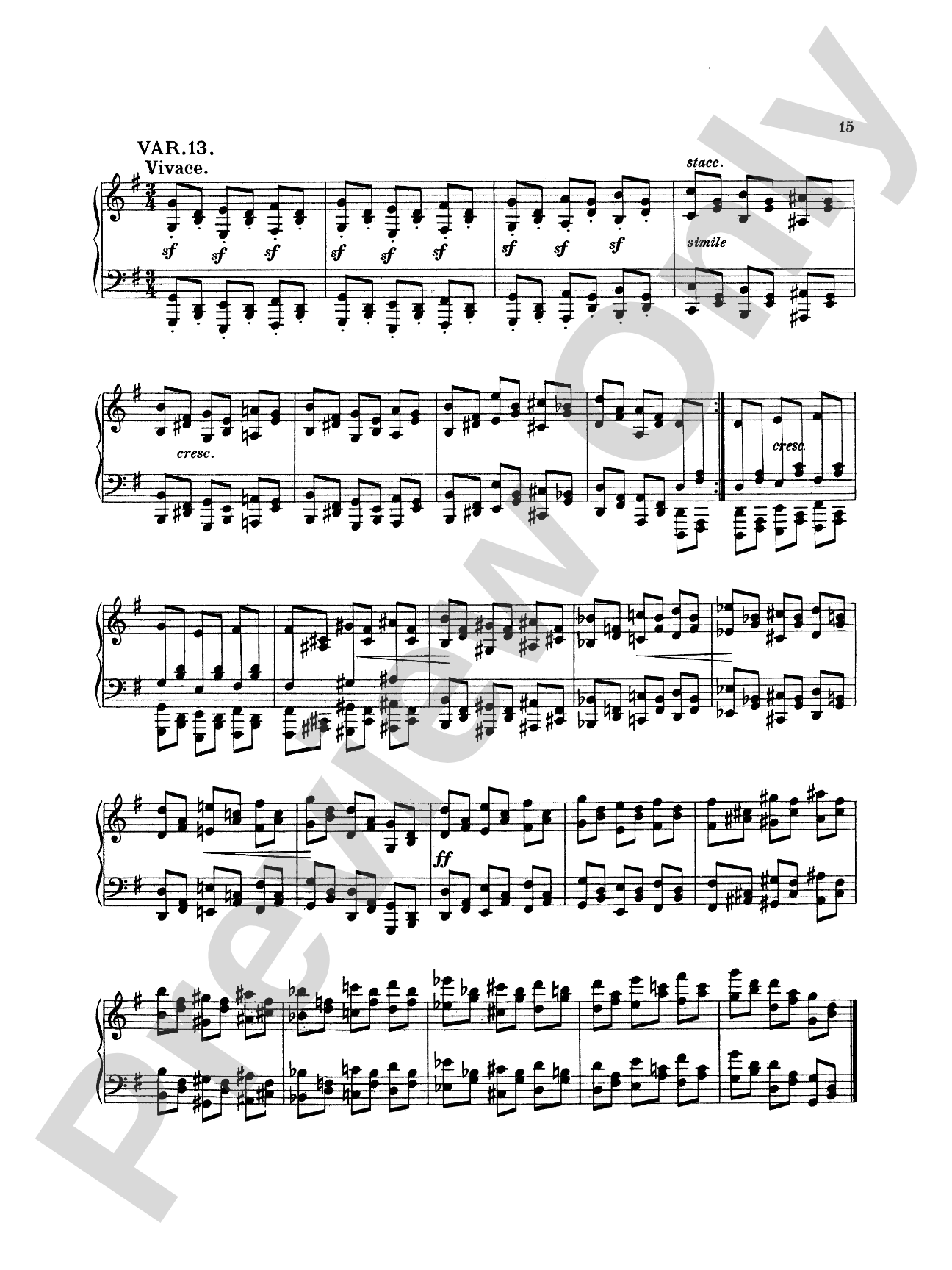
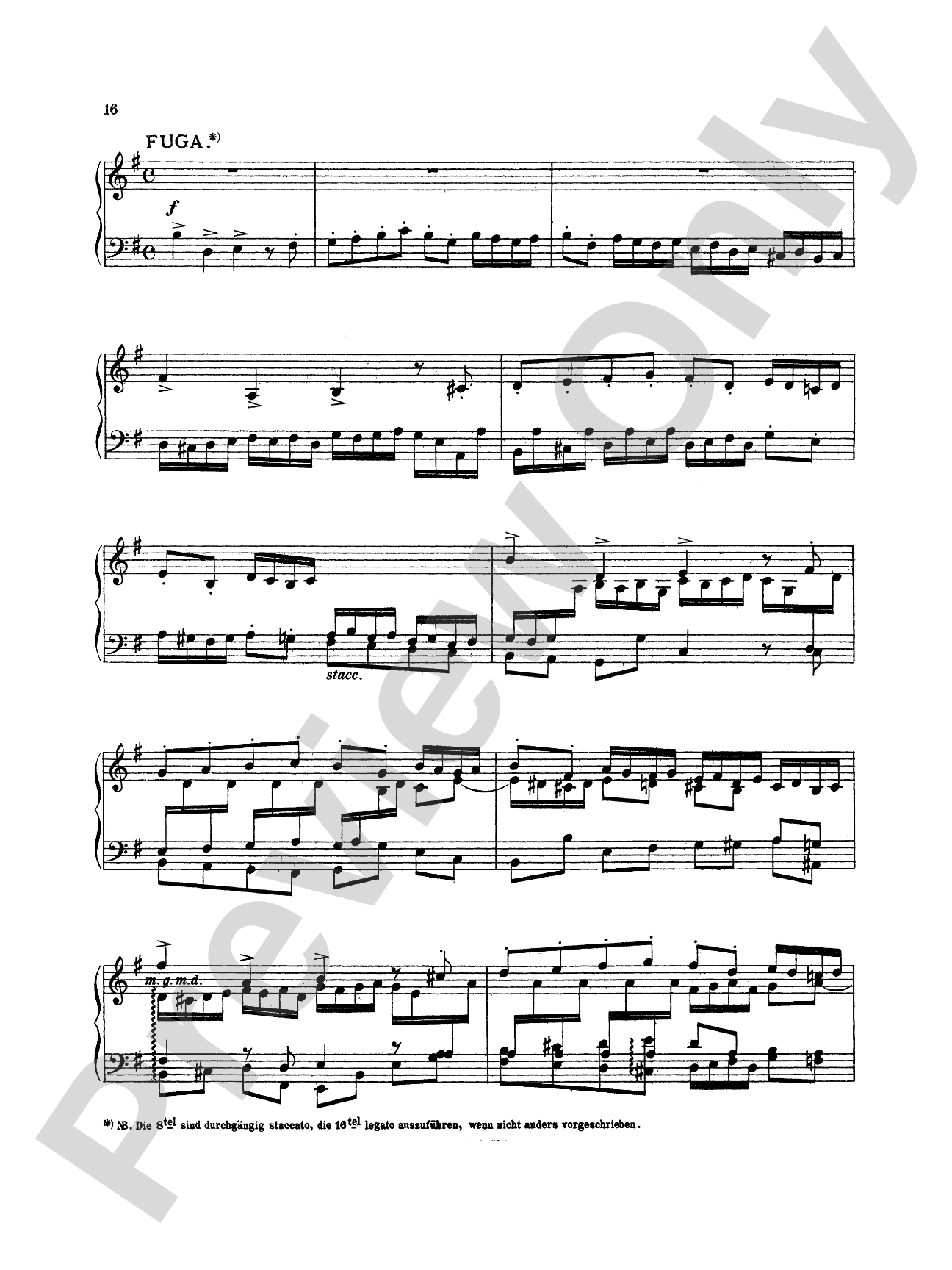
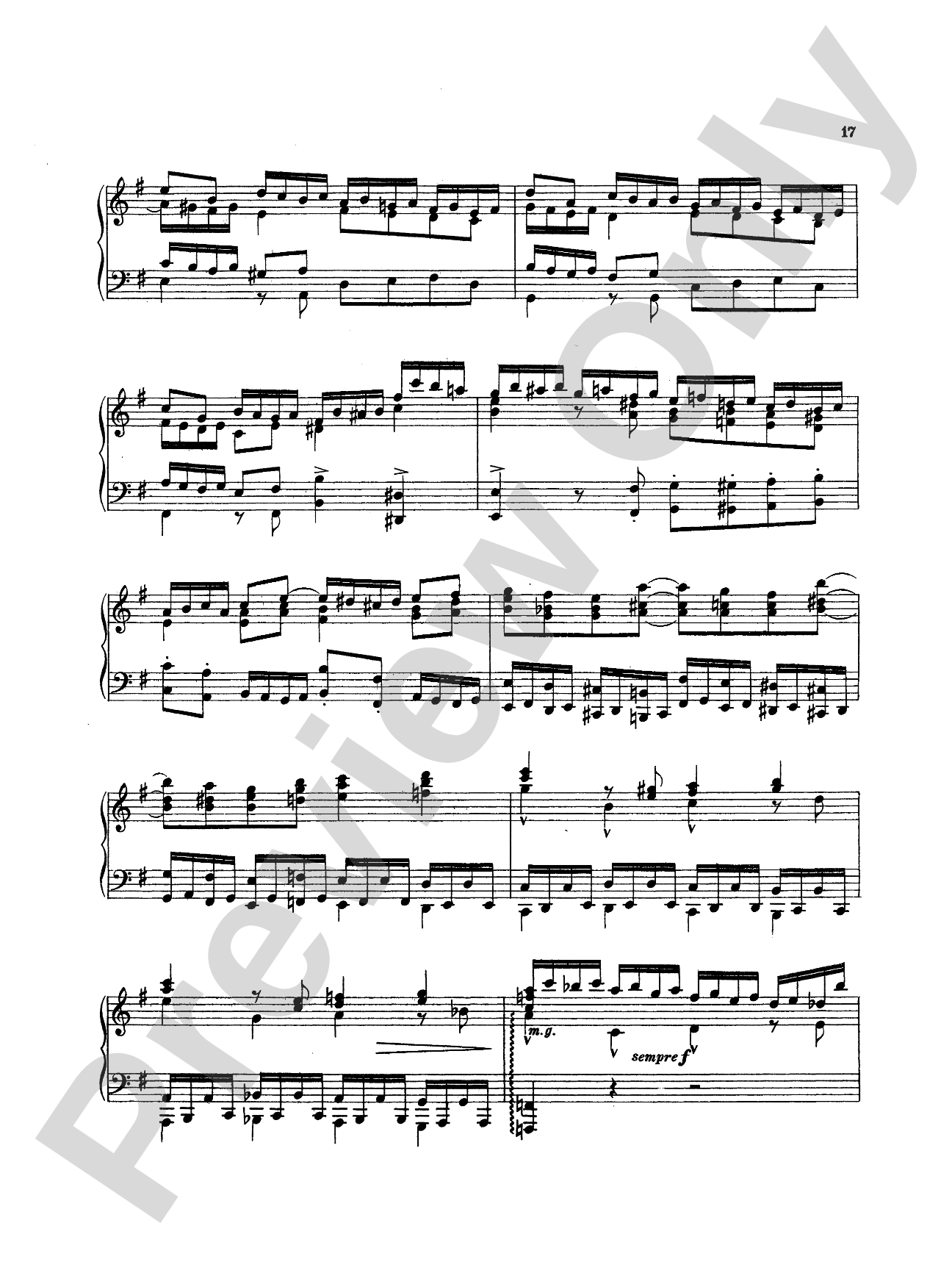
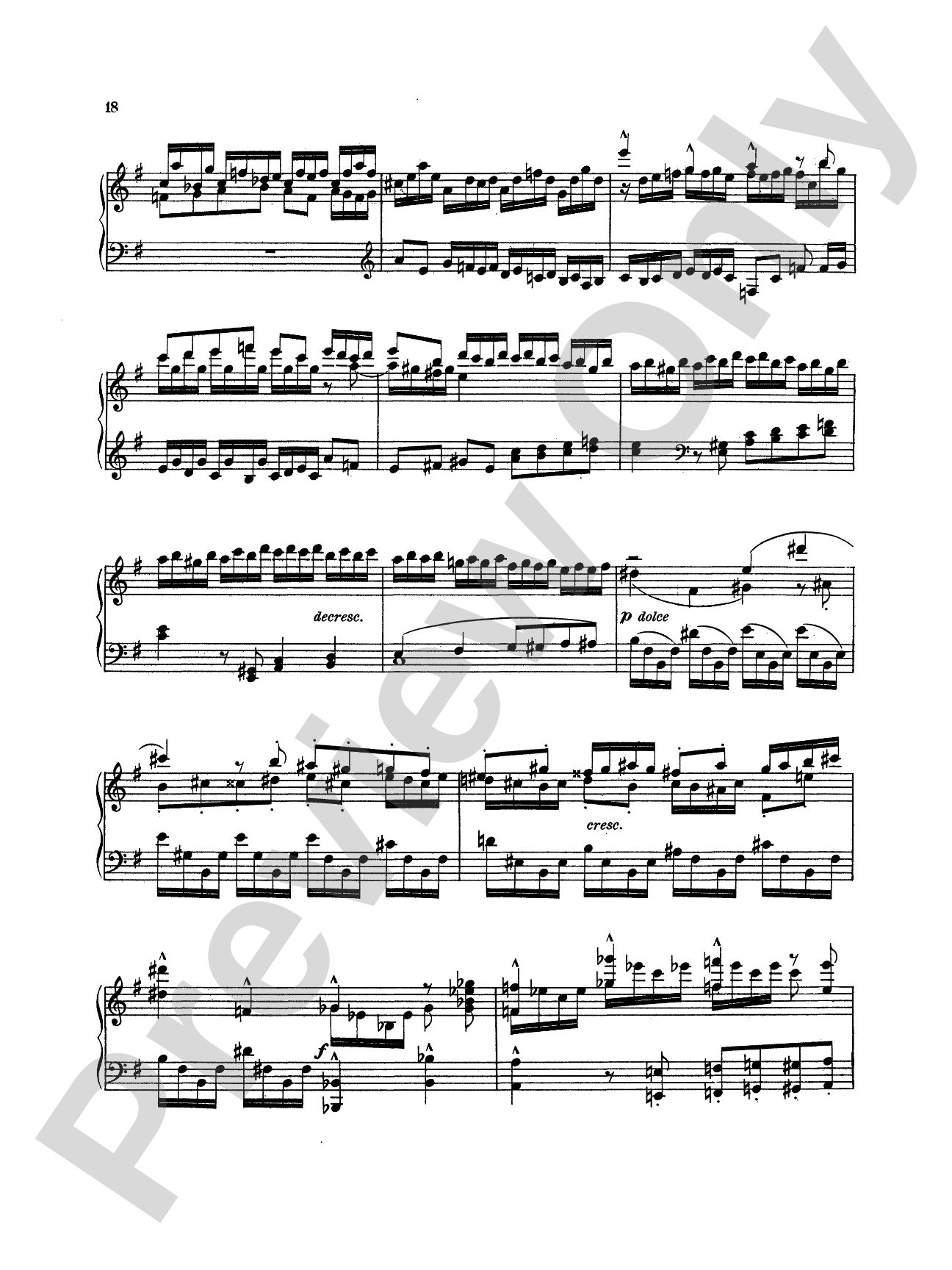
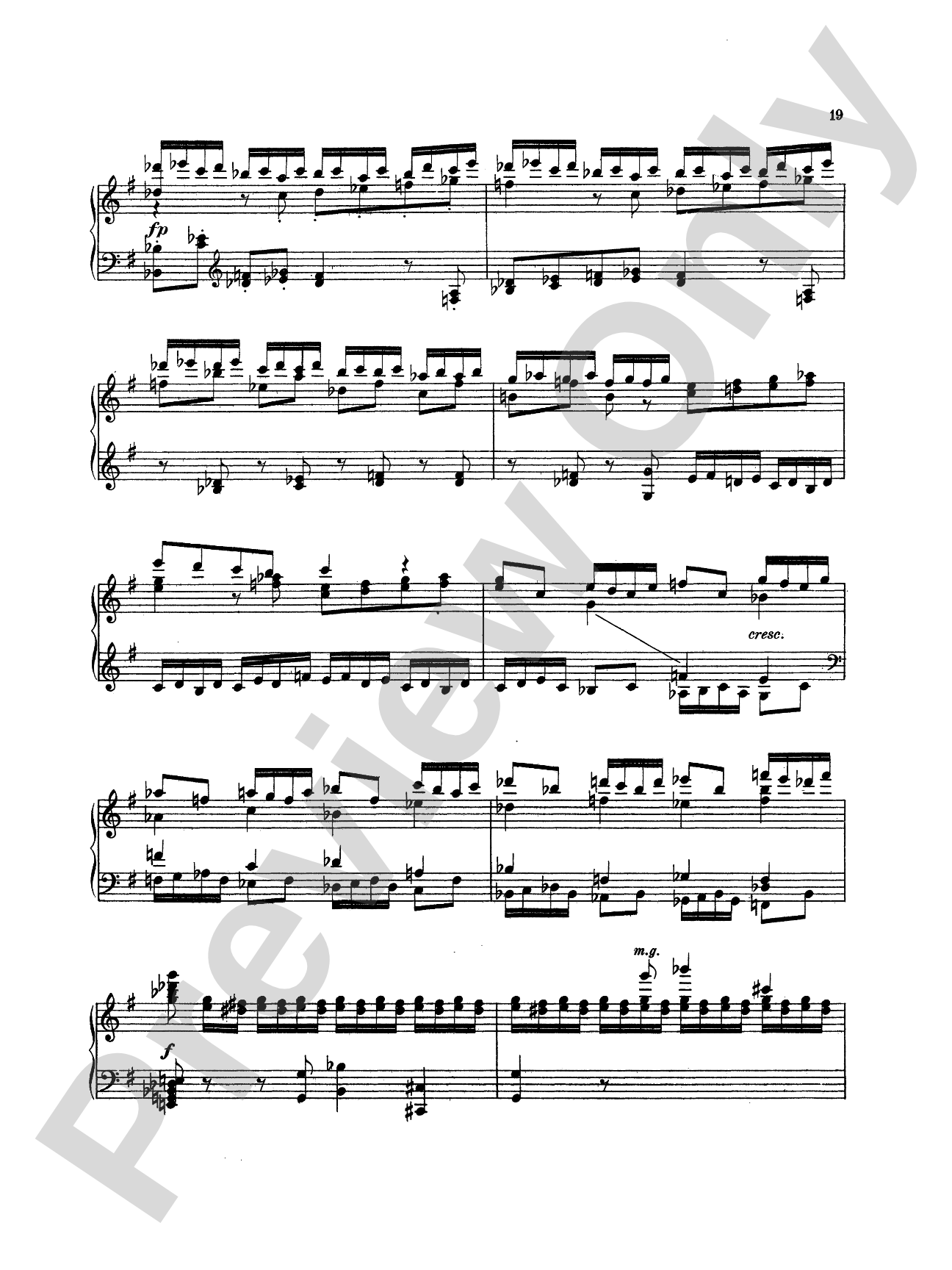
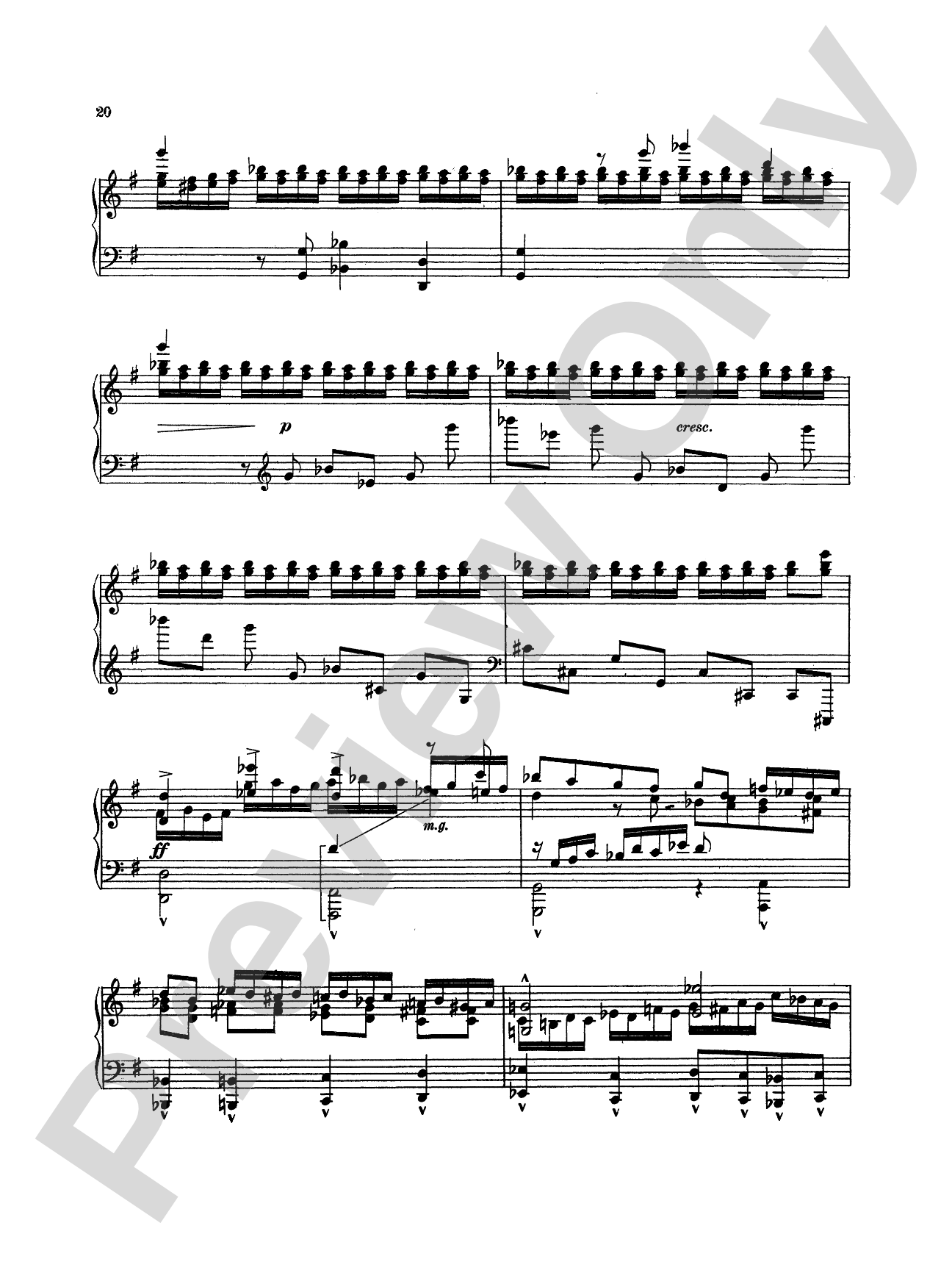
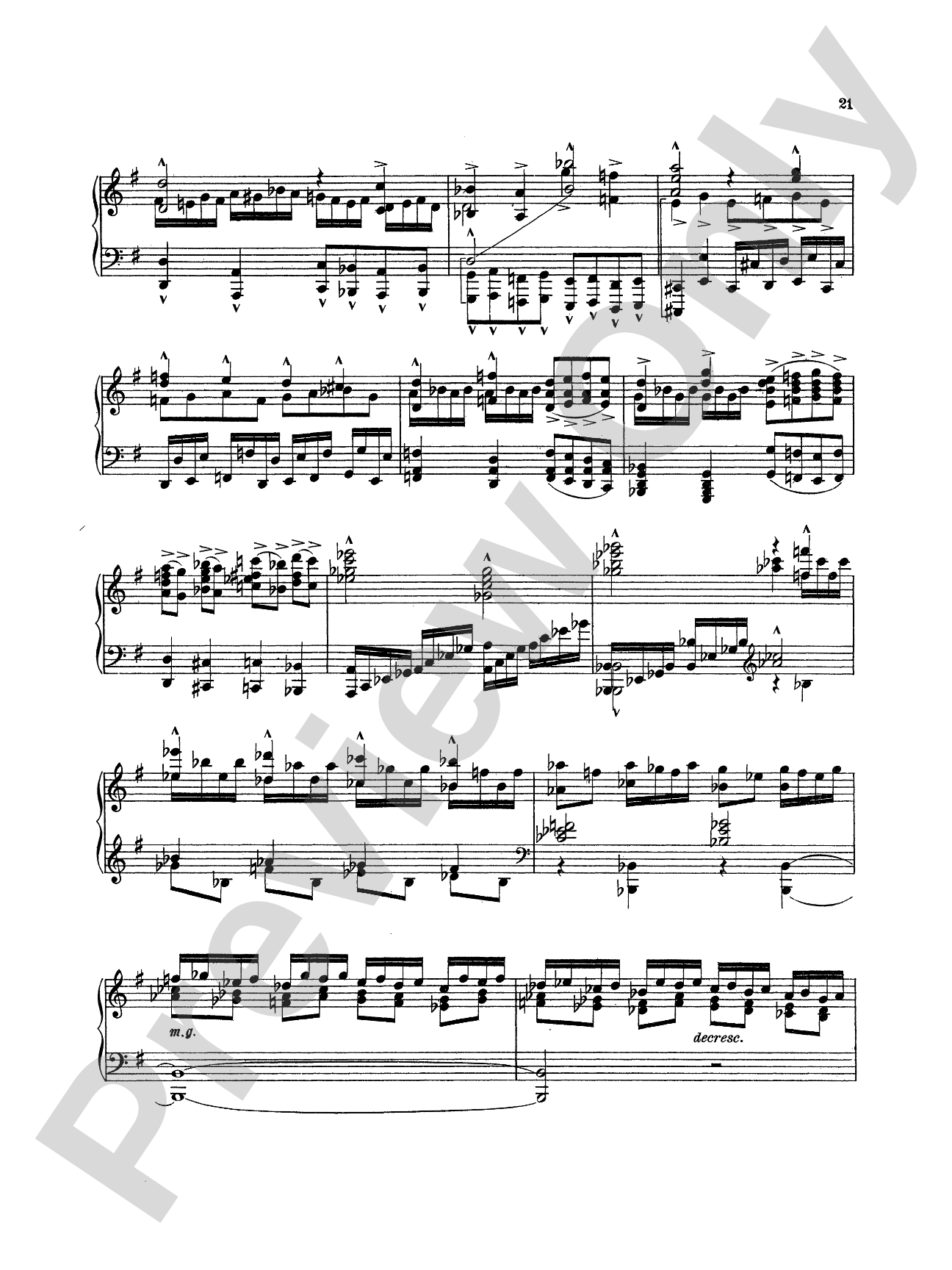
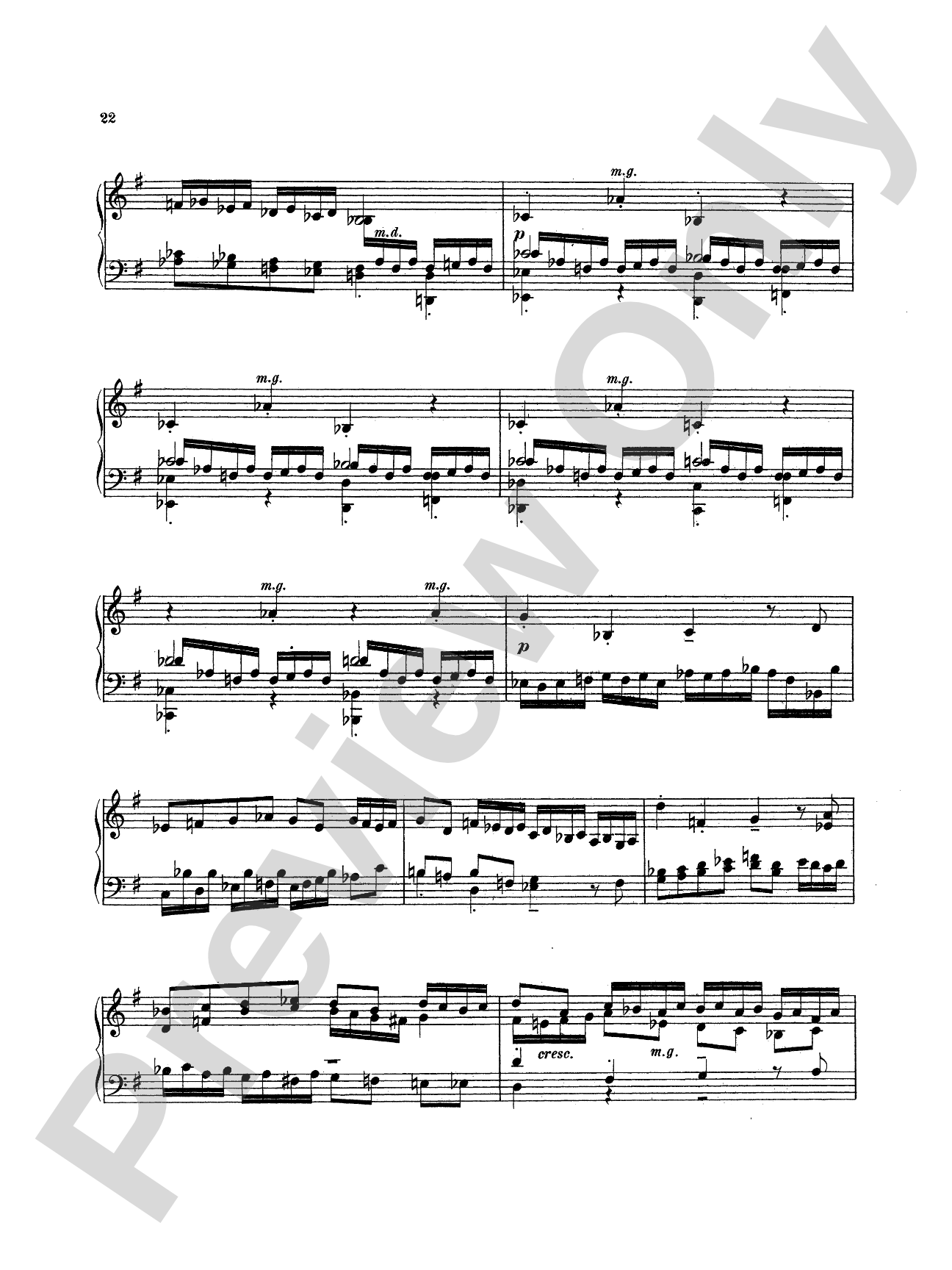
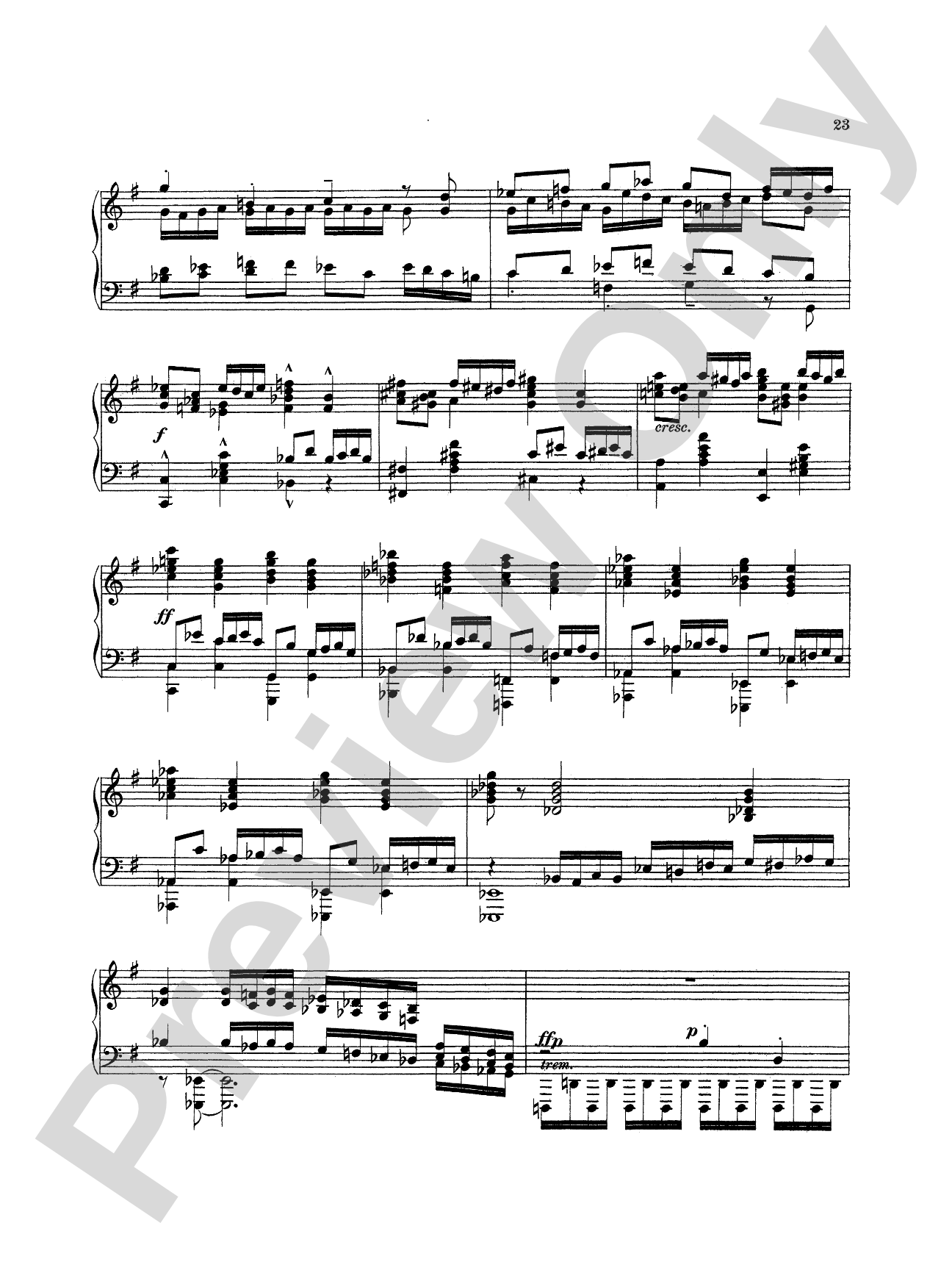
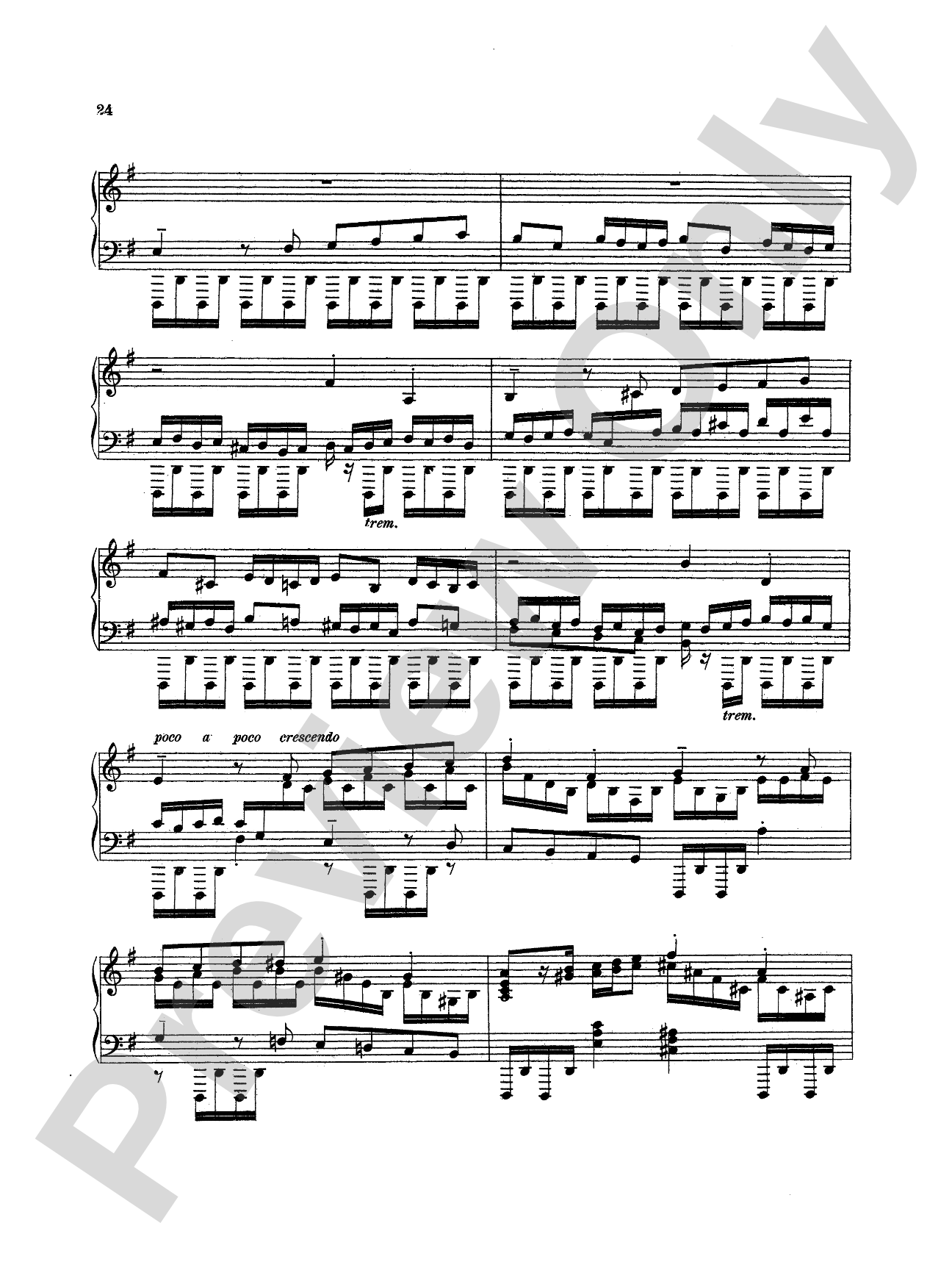
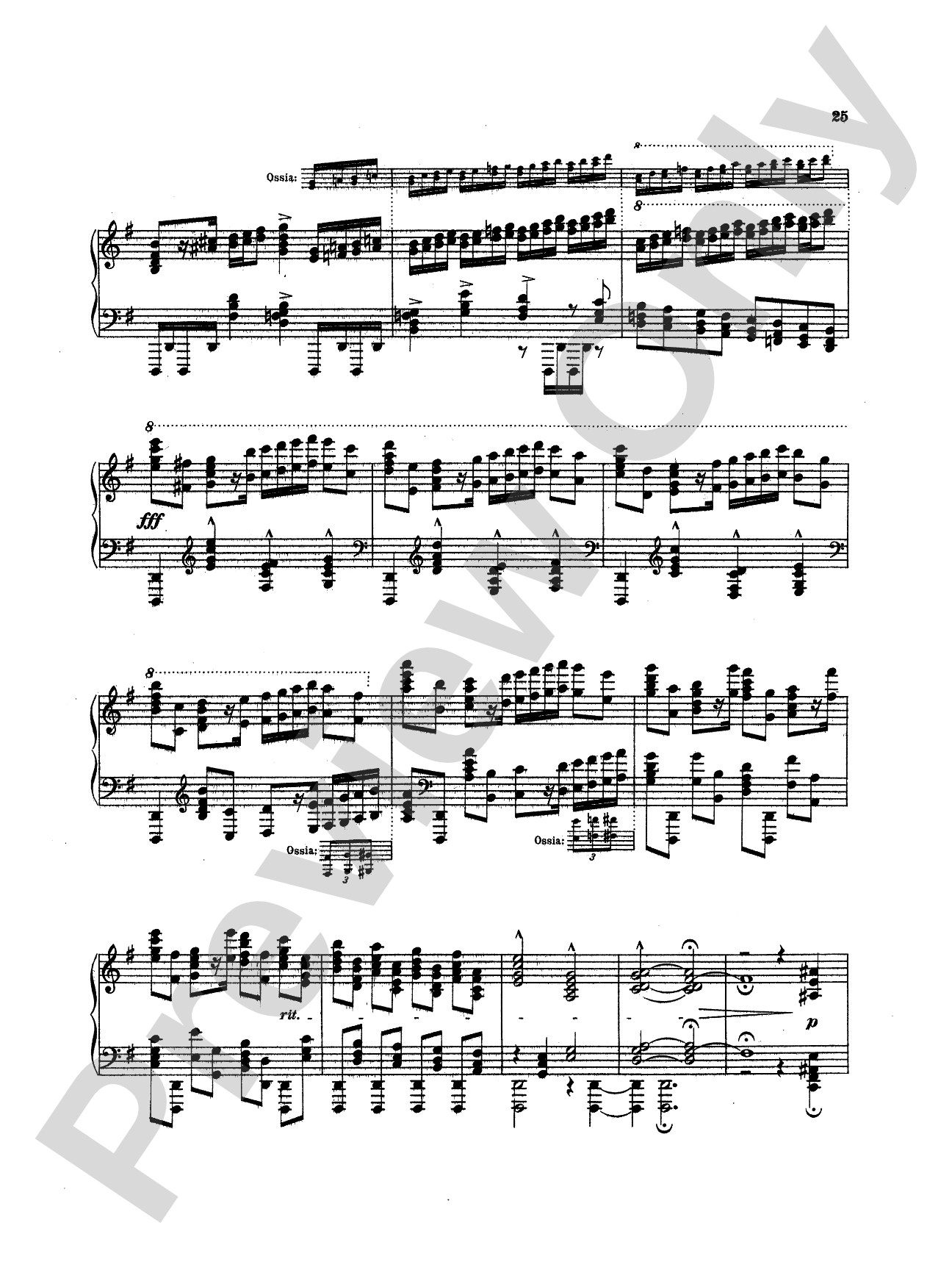
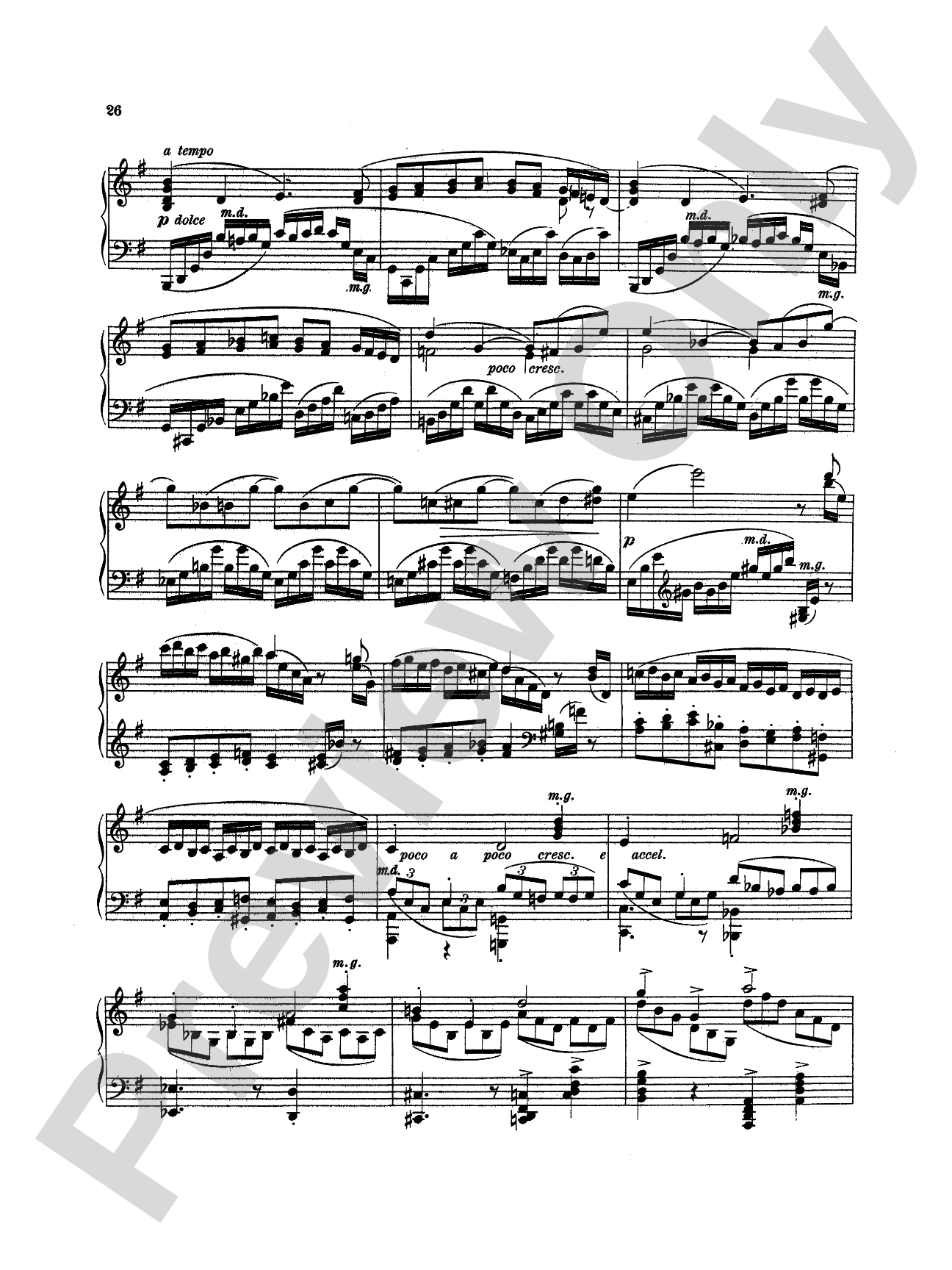
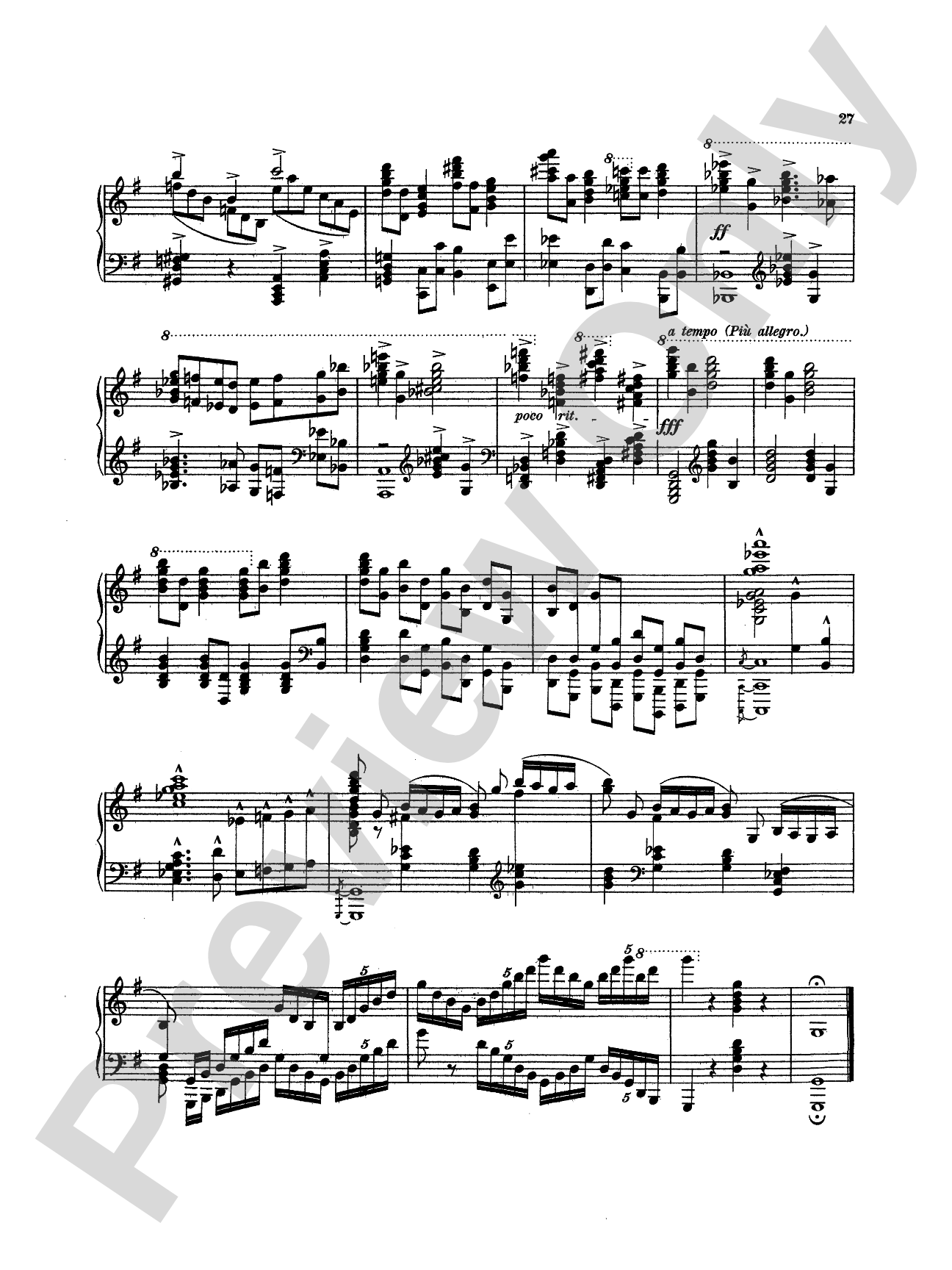


Dohnányi: Variation & Fugue (on a theme of E.G.), Op. 4: Piano
By Ernst Von Dohnányi
Item: 00-PK-0003800

$8.95
Pickup currently not available
Buy Extra Parts (Digital PDF Download)
| Product | Price | Quantity |
|---|---|---|
| Dohnányi: Variation & Fugue (on a theme of E.G.), Op. 4 | $7.95 |
Parts Added to Cart!
Related Items
Variation & Fugue on a Theme of E. G., Opus 4: Piano |
$8.95
|
View |
Description
Expertly arranged piano solo from our Kalmus Edition.


Don't just read it, hear it, play along with it, and watch your students grow with it. In MakeMusic Cloud, Dohnányi: Variation & Fugue (on a theme of E.G.), Op. 4: Piano comes alive with professional accompaniment, adjustable tempo, and built-in practice tools that turn solo practice into real progress.
Open in the Player
Jump straight in and assign it today.
Start Your Free Trial
Open this title and explore the full library in minutes.
Sample Audio
No sample audio found.
Sample Video
No sample videos found.
Additional Details
Series:
Kalmus Edition
Publisher:
Alfred Music
Page Count:
28
SKU:
00-PK-0003800
More about this title
About the Composer: Ernst von Dohnányi
Ernst von Dohnányi (1877-1960) was a Hungarian pianist, conductor, and composer whose works bridged Romanticism and early modernism. He studied at the Budapest Academy of Music and built a career as both a virtuoso performer and a respected composer, eventually serving as director of the Budapest Philharmonic Society. His compositions combine rigorous formal structure with lush harmonic language, and he maintained a commitment to craftsmanship throughout his life even as musical tastes shifted around him.
Dohnányi's piano works occupy a distinctive place in the early 20th-century repertoire. They demand considerable technical facility and musical maturity from performers, yet they reward that investment with sophisticated harmonic writing and clear architectural thinking. His influence on Hungarian musical life was profound, and his works remain essential study for pianists seeking repertoire beyond the mainstream canon.
Why we love this
This variation and fugue presents a masterwork-level challenge that respects the intelligence of advanced pianists. The form allows performers to explore both lyrical variation writing and rigorous contrapuntal technique within a single work, making it an ideal capstone for serious study or a striking recital statement.
What to expect
The piece unfolds with the thoughtful introspection of a composer at work, moving between tender, songlike variations and the mathematical precision of the fugal section. It carries a European sophistication and formal elegance that feels both intimate and architecturally ambitious.
Who it's for
This work is written for advanced pianists with strong command of both Romantic virtuosity and twentieth-century harmonic language. It serves well for upper-level conservatory study, graduate recital programs, or competitions where substantial, intellectually demanding repertoire is expected.
How to get the most out of it
- Balance clarity in the fugal sections with the singing quality required in the variations; neither should overwhelm the other. The technical demands of counterpoint can obscure the underlying thematic line if rushed.
- Pay careful attention to voice independence in the fugue. Each line deserves its own character and weight, even when moving quickly.
- Shape each variation as a distinct character study. Dohnányi's harmonic language can shift dramatically between sections, so use these shifts as natural architectural markers for phrasing and pedal choices.
- Approach the work's climactic passages with restraint rather than force. The piece builds power through structural momentum and harmonic tension, not through volume alone.
How to use it
Program this as a recital centerpiece for advanced pianists, particularly on programs celebrating early twentieth-century keyboard writing. It pairs well with other variation forms or with shorter Romantic character pieces, offering substantial musical substance without the length of a full sonata cycle.
Skills your students will build
- Voice independence in contrapuntal writing
- Harmonic analysis of early twentieth-century chromaticism
- Structural clarity across contrasting variation sections
- Sustaining lyrical line while managing technical passage work
- Pedal control in dense, chromatic harmonic environments