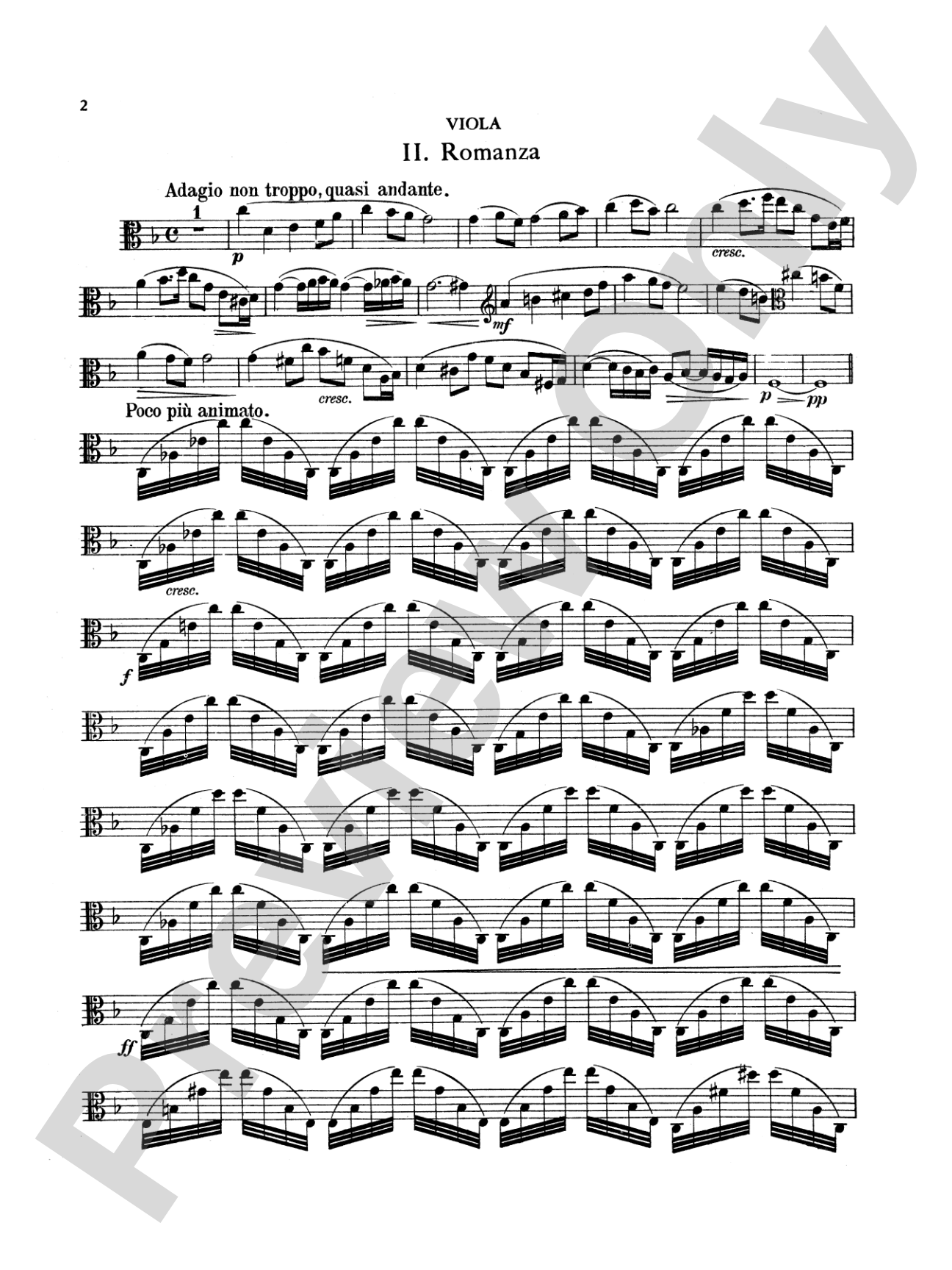
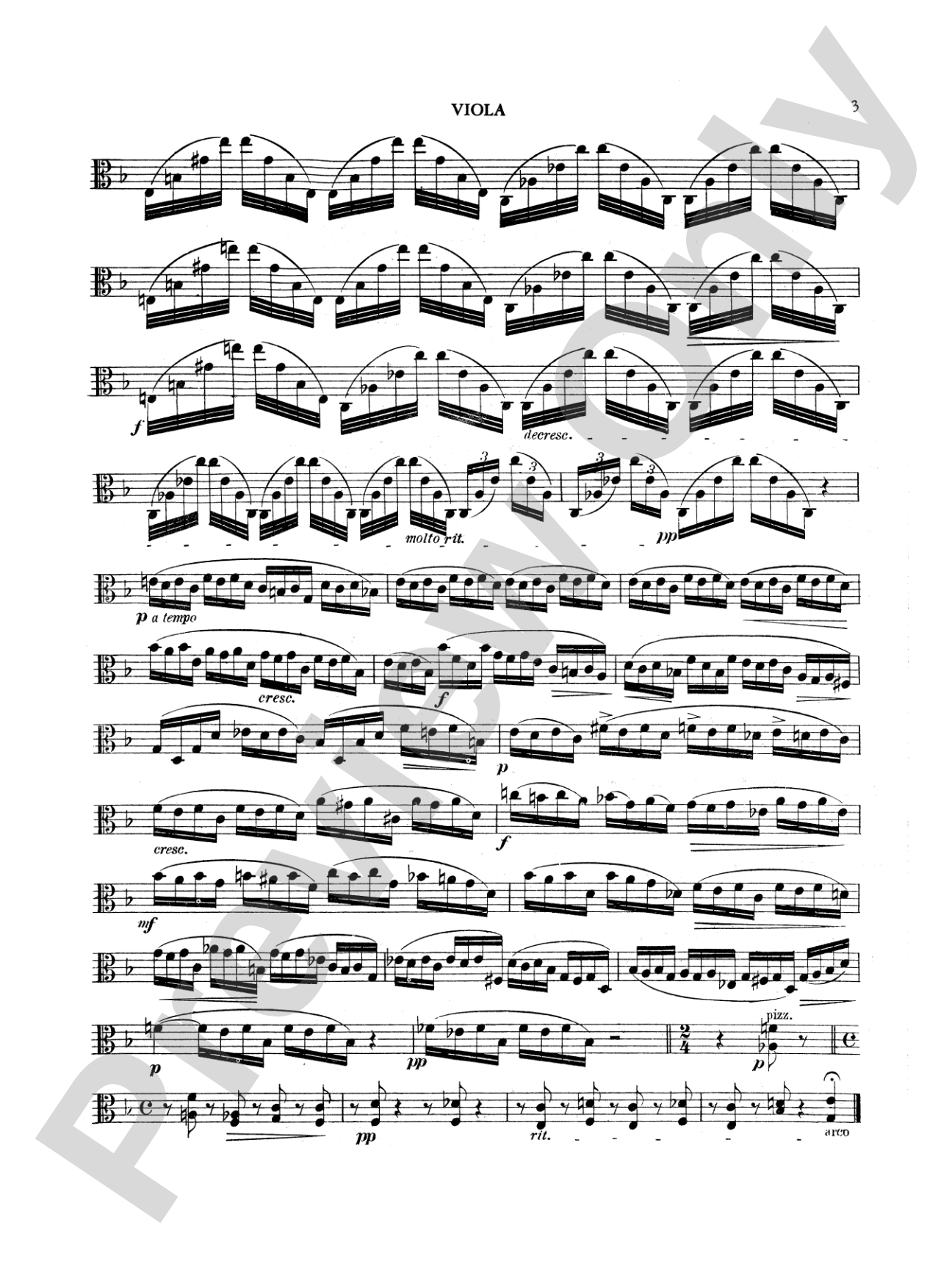
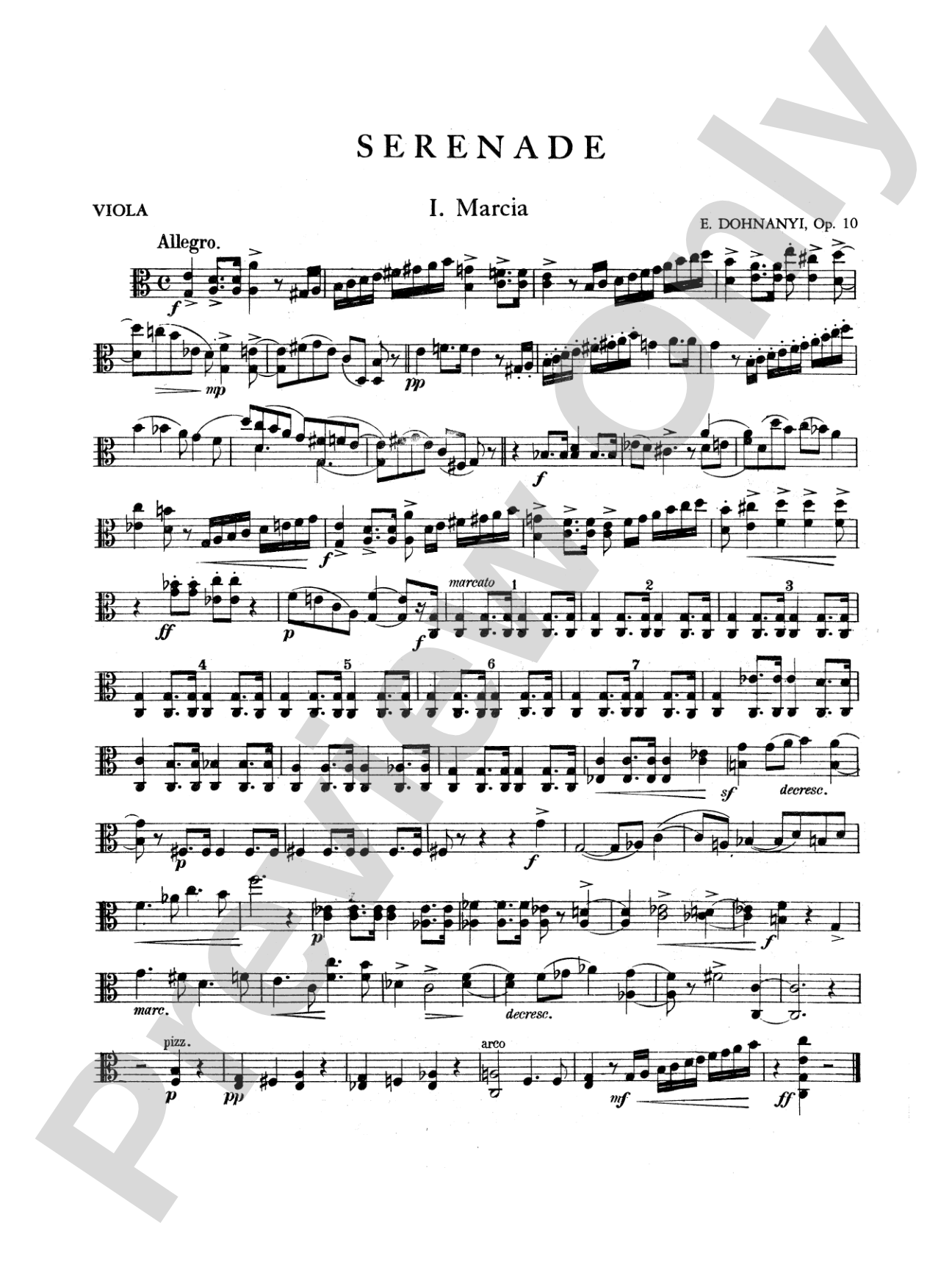
Dohnányi: Serenade, Op. 10 Sheet Music Preview

Dohnányi: Serenade, Op. 10

By Ernst Von Dohnányi

Item: 00-PC-0007005

Digital Download
$2.99
Description
Expertly arranged String Trio by Ernst Von Dohnányi from the Kalmus Edition series. This is from the 20th Century era.

Dohnányi: Serenade, Op. 10 isn't in MakeMusic Cloud just yet...but it could be. Let us know you'd like to see it, and you'll help shape what comes next. In the meantime, start a free trial and dive into thousands of interactive titles your students can play along with today.

Sample Audio
No sample audio found.
Sample Video
Additional Details
Series: Kalmus Edition
Publisher: Alfred Music
Page Count: 36
SKU: 00-PC-0007005

More about this title

About the Composer: Ernst von Dohnányi

Ernst von Dohnányi (1877–1960) was a Hungarian composer, pianist, and conductor whose music bridged Romanticism and modernism with remarkable sophistication. His chamber works demonstrate masterful orchestration and harmonic language, establishing him as a major figure in early 20th-century European music. Dohnányi's compositional voice combined lyrical melody with structural clarity, earning respect from both performers and audiences across Europe and America.

Why we love this

The Serenade, Op. 10 gives advanced string trios access to genuinely substantial repertoire that sits confidently alongside the chamber masterworks of its era. Dohnányi's writing reveals real orchestral thinking translated into trio texture, which means your players encounter sophisticated harmonic movement and coordinated figurations that feel important to execute well. This is music that rewards careful rehearsal and shows audiences why string trio literature matters.

What to expect

The Serenade unfolds with the generous lyricism and harmonic warmth of early-century Romanticism, moving gracefully through sections that alternate between intimate conversation and fuller textural tapestry. There's an elegance to the writing that feels both conversational and grand, never overstating its emotional content but always maintaining a sense of refinement and purpose. The work breathes with the confidence of a composer entirely in command of his medium.

Who it's for

Advanced string trio ensembles preparing for chamber competitions, festivals, or concert programming will find a work of real artistic substance here. Music students in college ensembles and serious advanced high school trios seeking repertoire beyond the standard Classical canon will appreciate Dohnányi's craftsmanship. This score also serves teachers building comprehensive chamber music libraries for audition prep and professional-level performance.

How to get the most out of it

  • Balance the inner viola line carefully; Dohnányi often writes it as a true voice rather than harmonic filler, so the viola's melodic and accompanimental roles shift frequently within phrases.
  • Attend to the articulation markings throughout. The clarity Dohnányi demands relies on consistent bowwork between the two violins, especially in faster passages where ensemble precision defines the texture.
  • Shape long lines by listening for harmonic movement rather than by phrase markings alone. Dohnányi's harmonic progression often guides where the real cadences sit, even when the surface rhythm suggests otherwise.
  • Establish a clear approach to vibrato width and timing across the trio. The Romantic idiom here benefits from unified color, particularly in slower passages where exposed registers show immediately.

How to use it

Program this alongside other early 20th-century chamber works to show your audience how Romantic gestures evolved during the modernist period. It works especially well in a concert devoted to lesser-known masterworks of the era, paired with string duo or quartet literature from the same decades. Festival and competition contexts will showcase the technical demands and musical maturity required of advanced string trios.

Skills your students will build

  • Balancing independent melodic lines while maintaining ensemble unity across three voices
  • Reading and interpreting sophisticated harmonic language characteristic of early 20th-century writing
  • Coordinating bow changes and articulation between violin parts to achieve textural clarity
  • Sustaining long-line phrasing across extended harmonic progressions
  • Refining intonation in exposed trio textures with minimal harmonic support

You May Also Like