
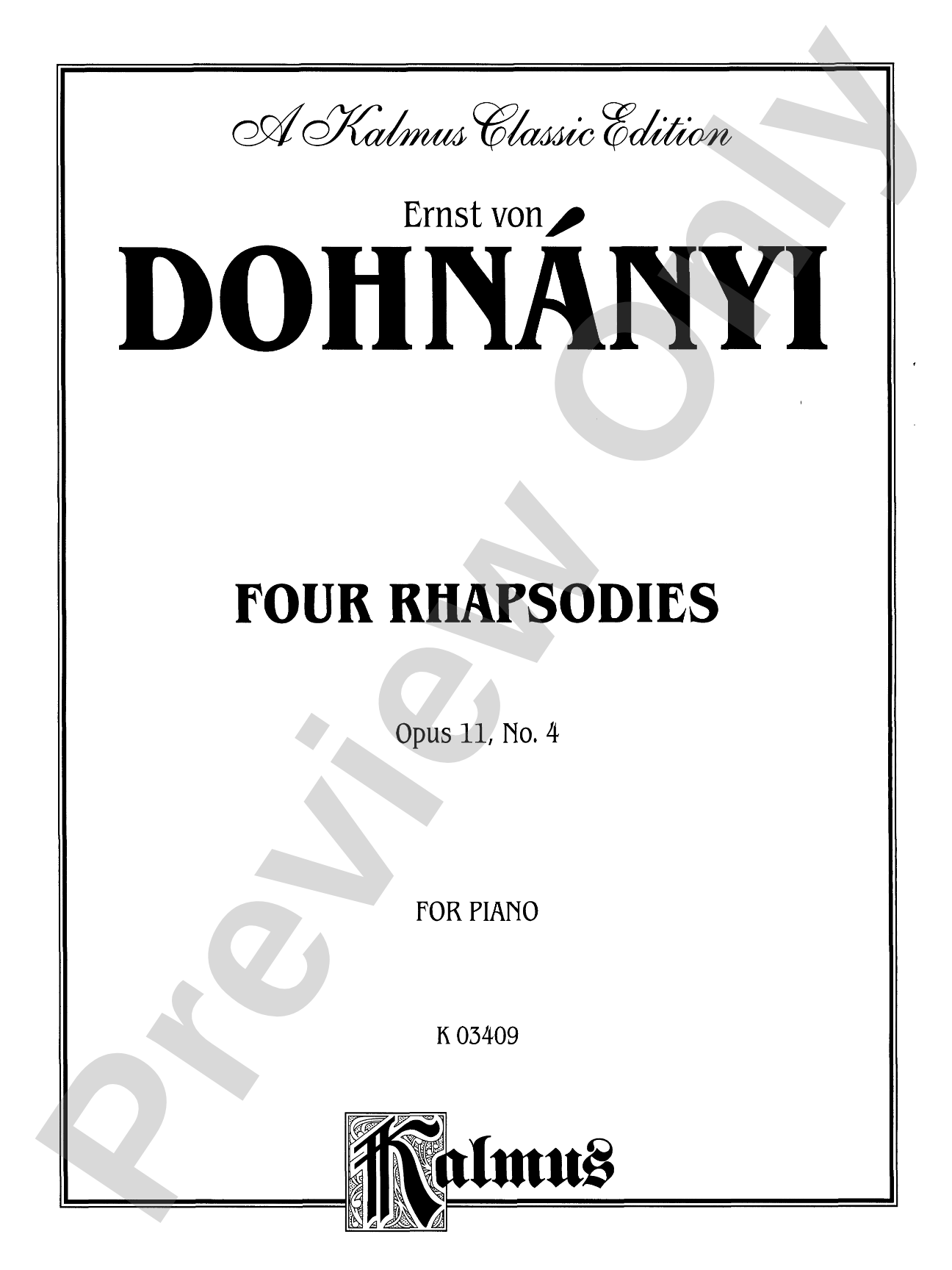

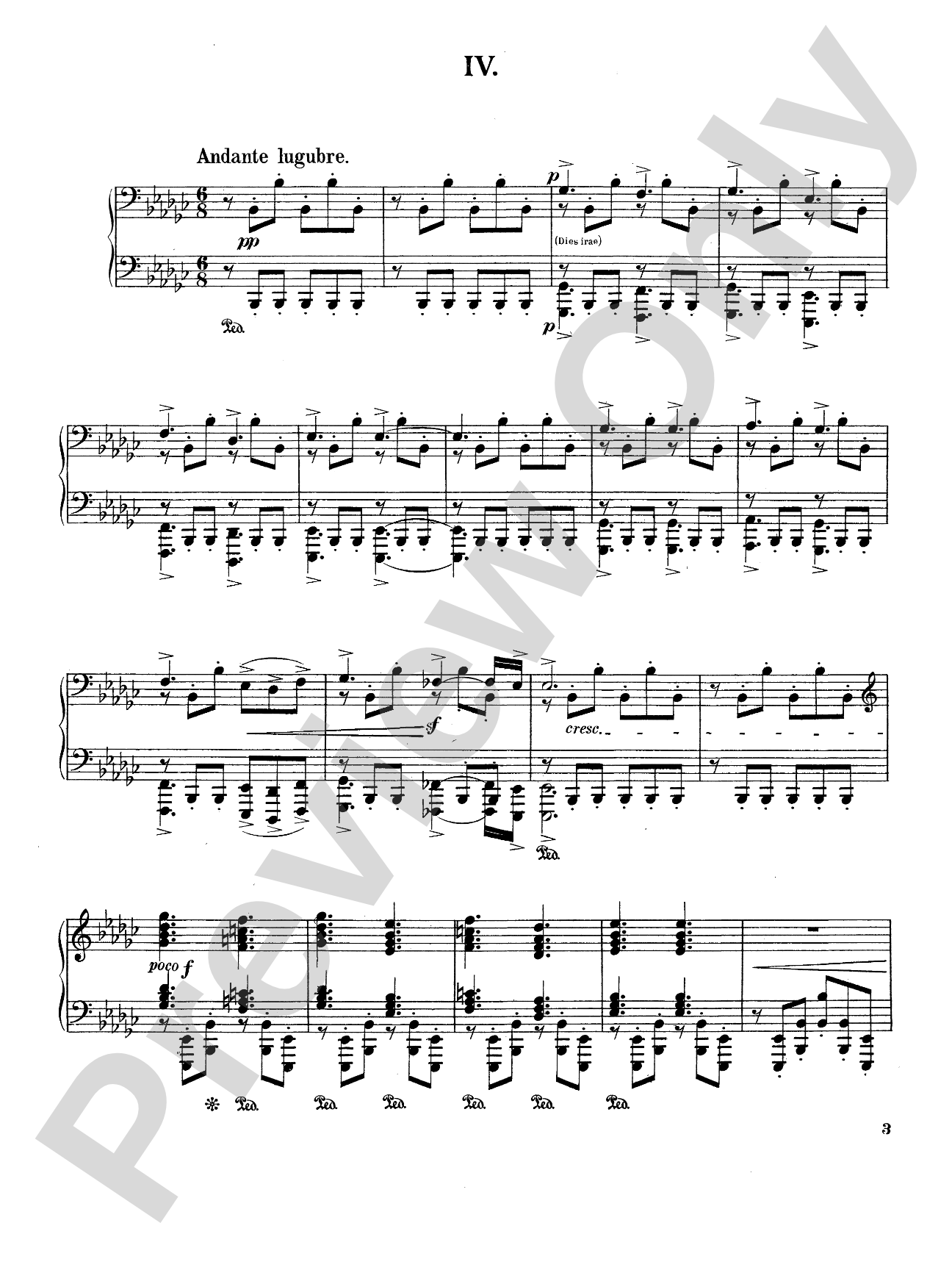
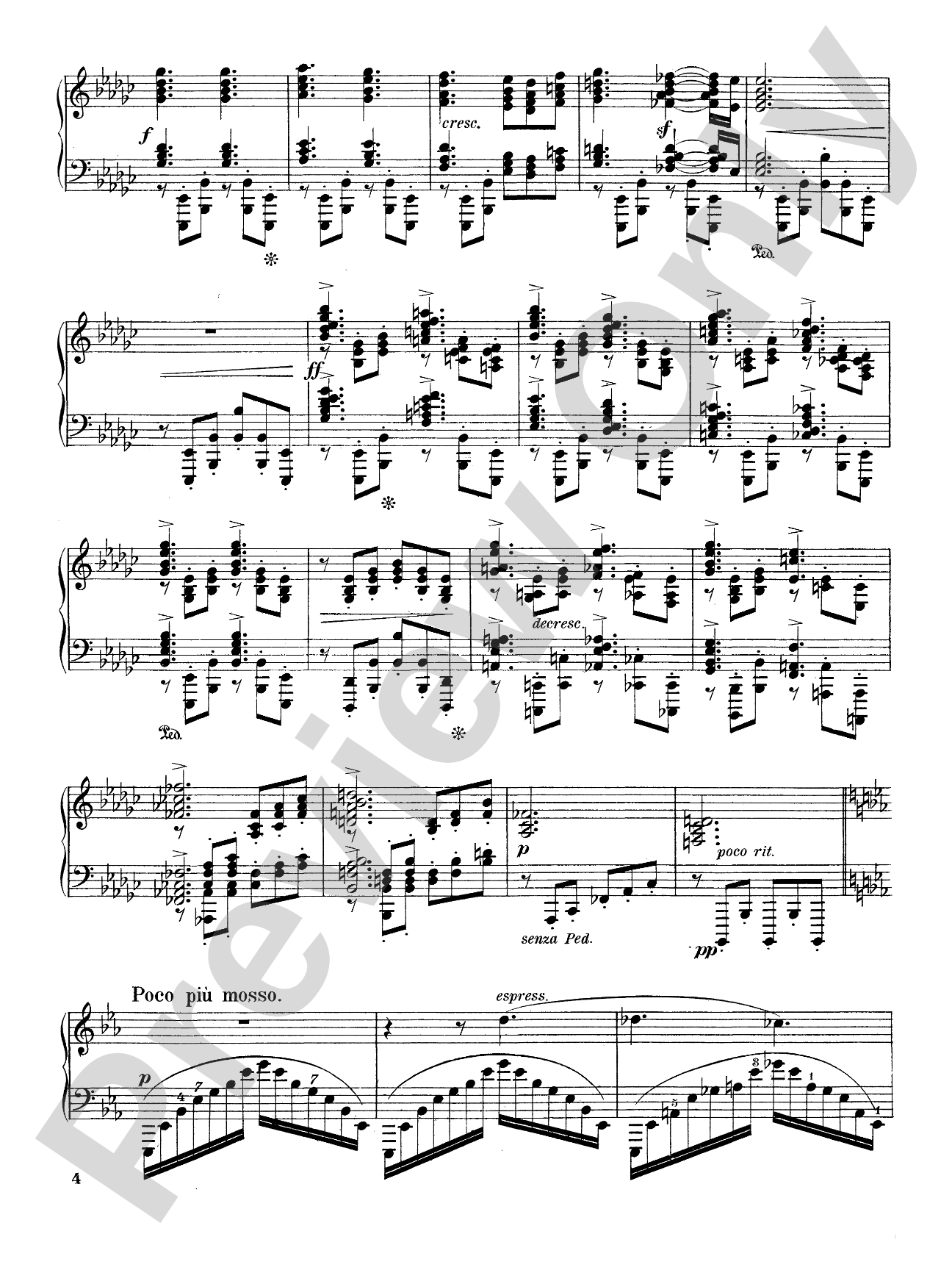
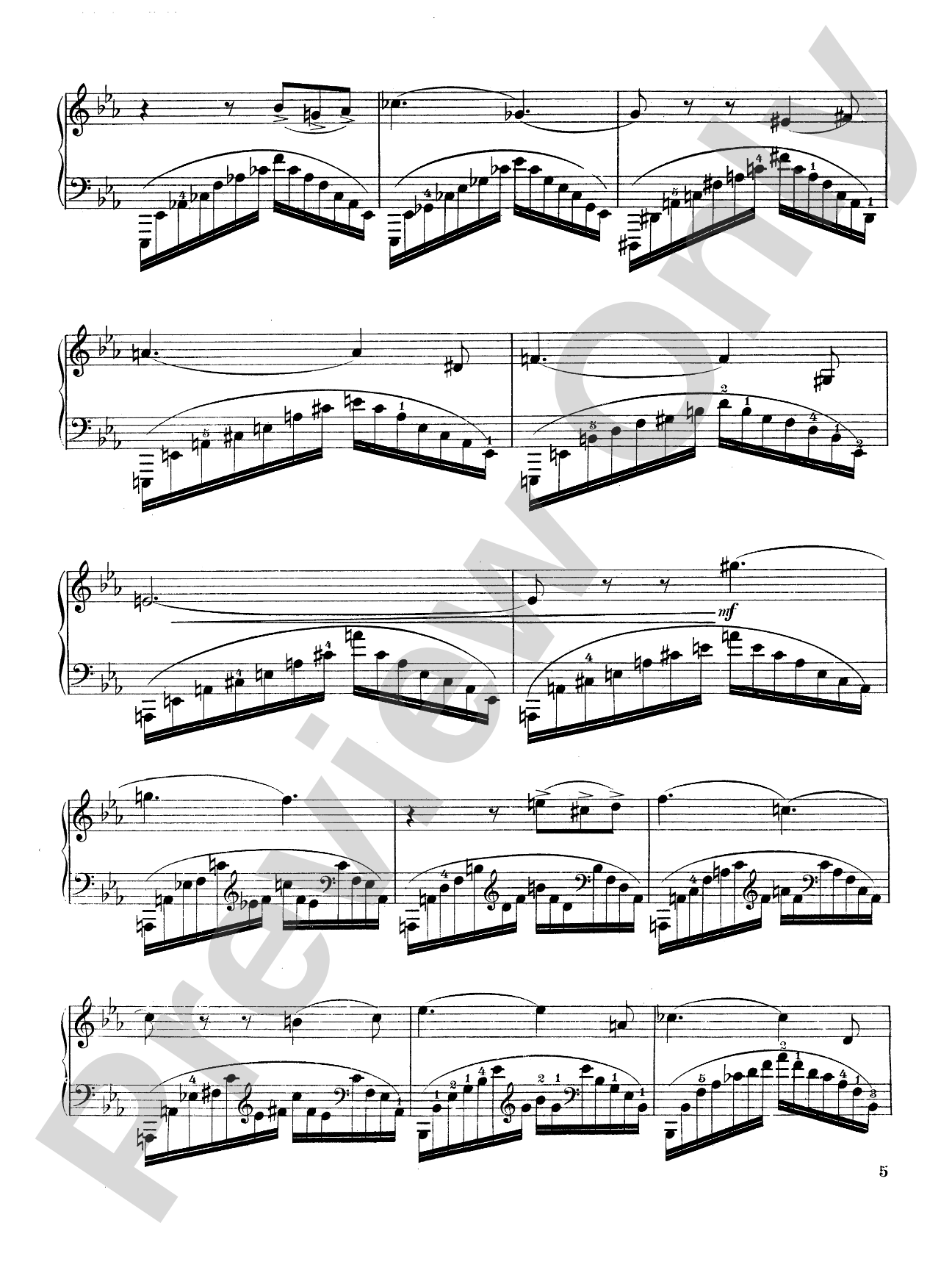
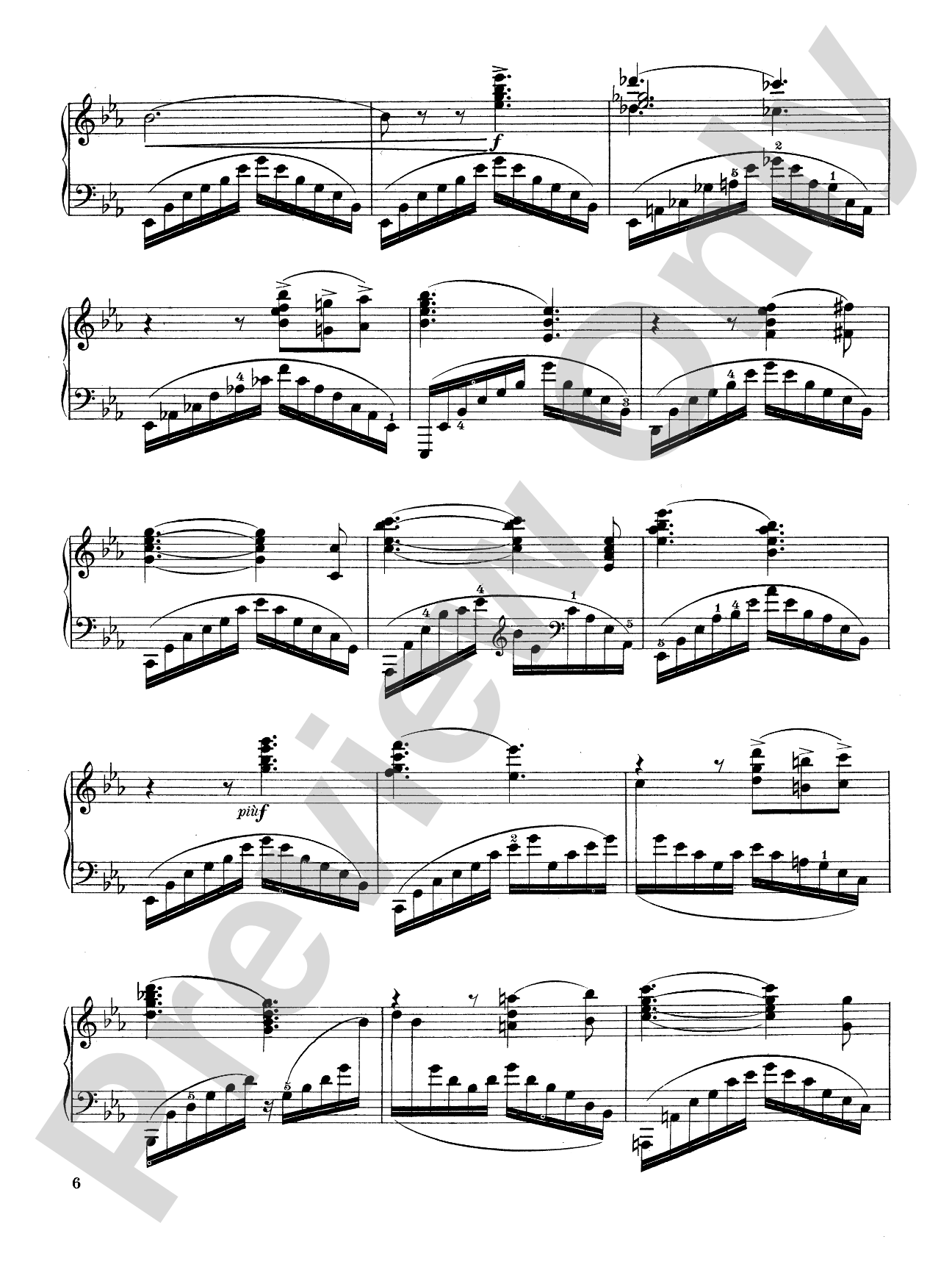
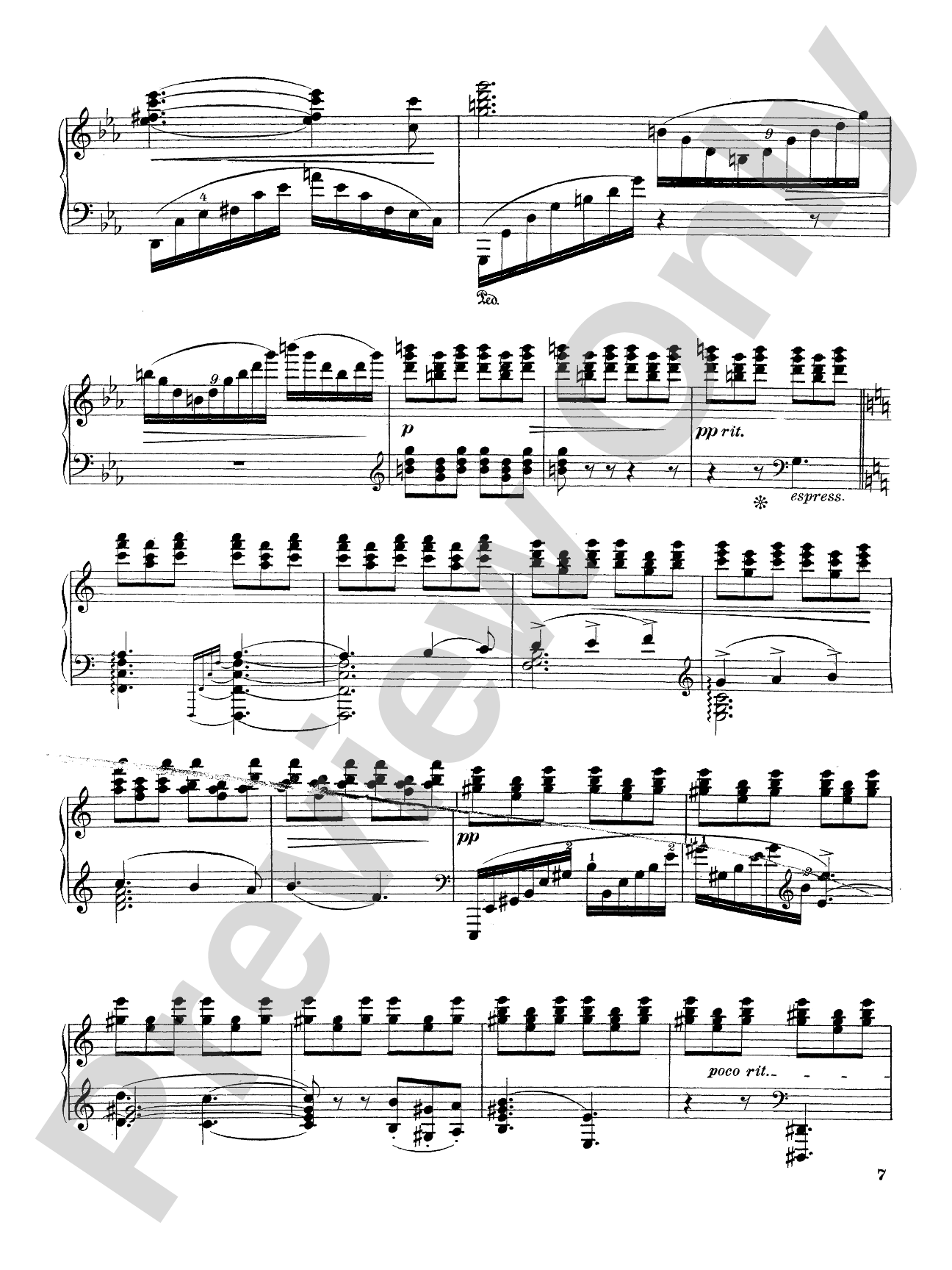
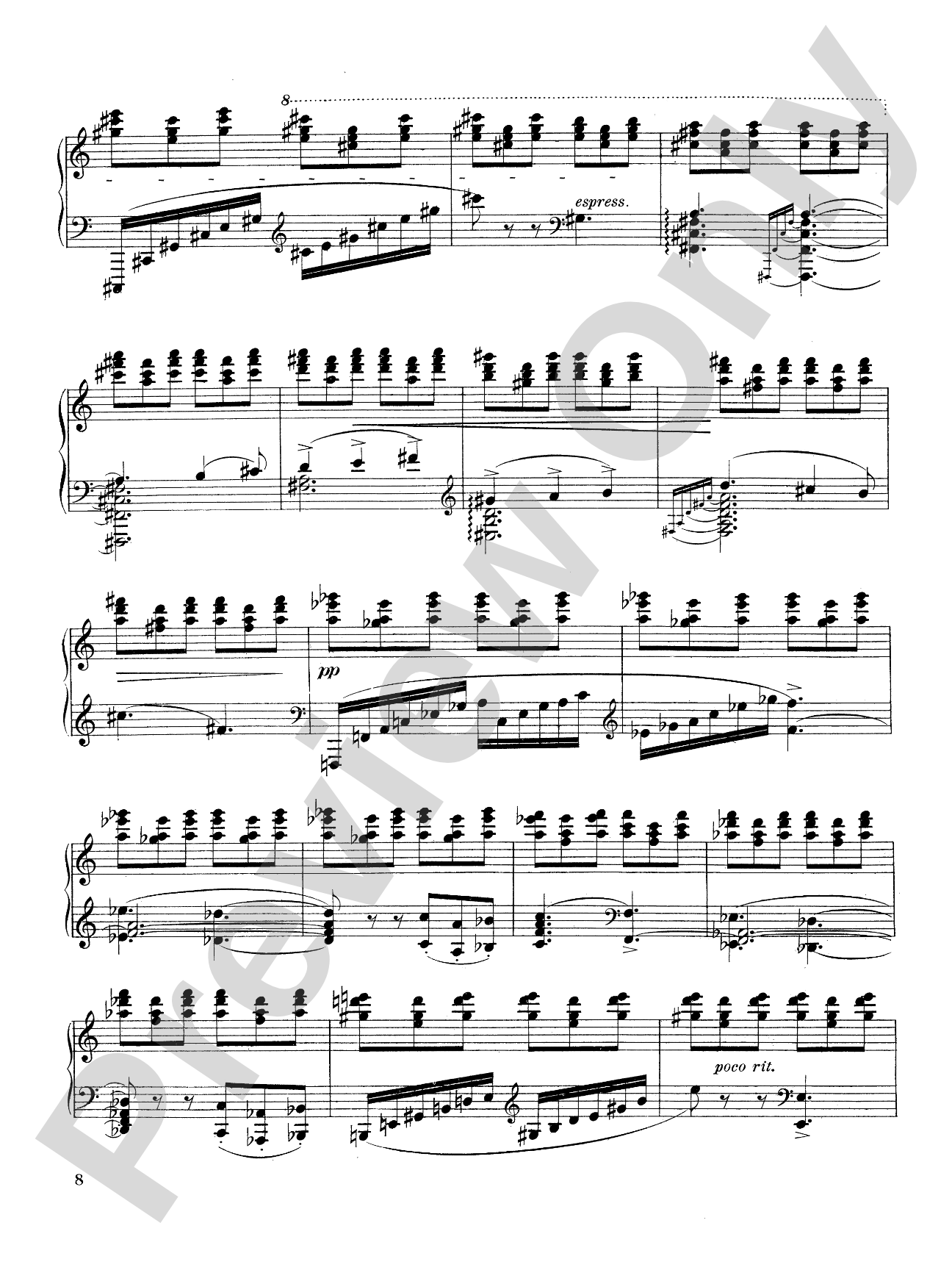
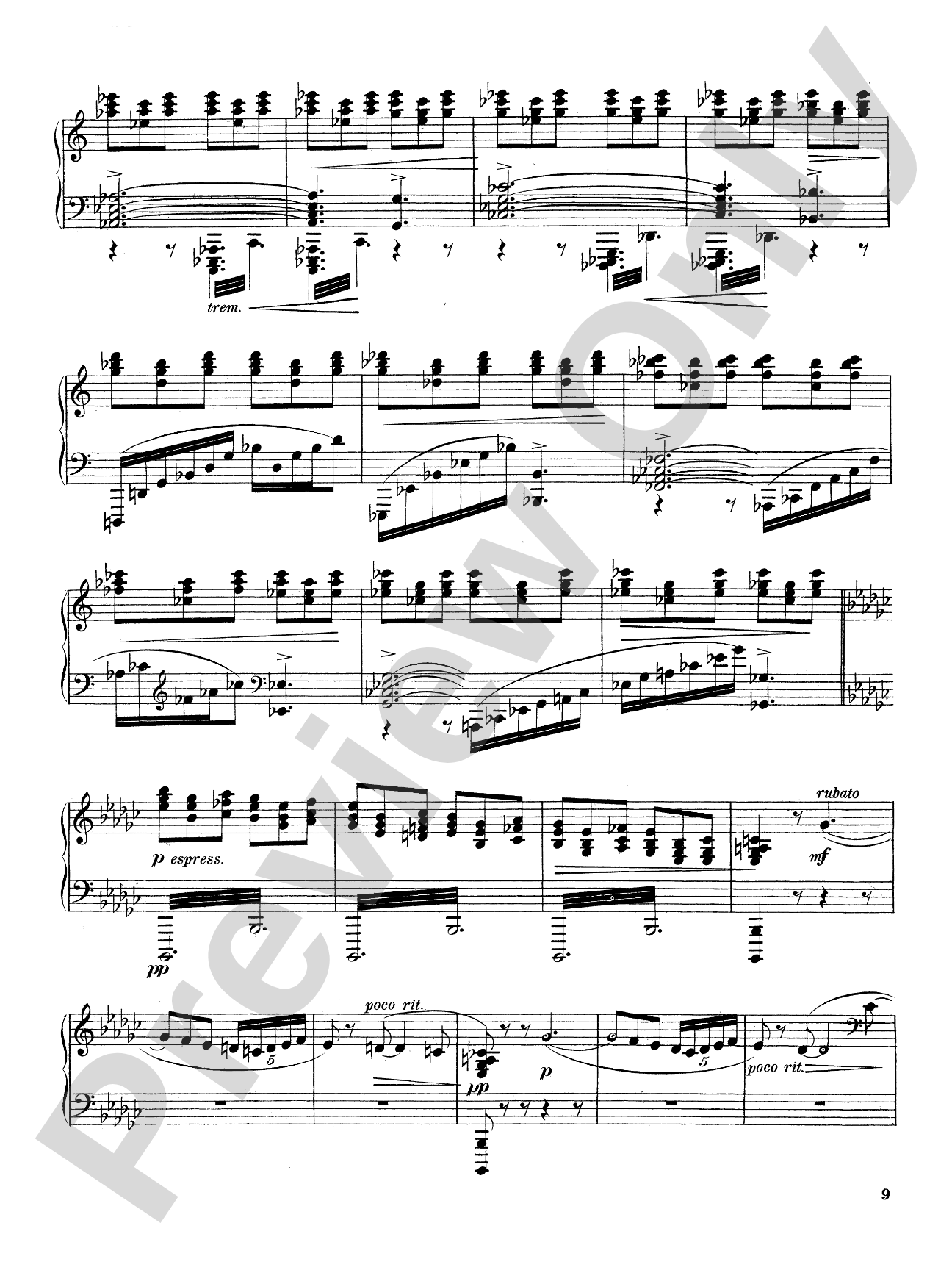
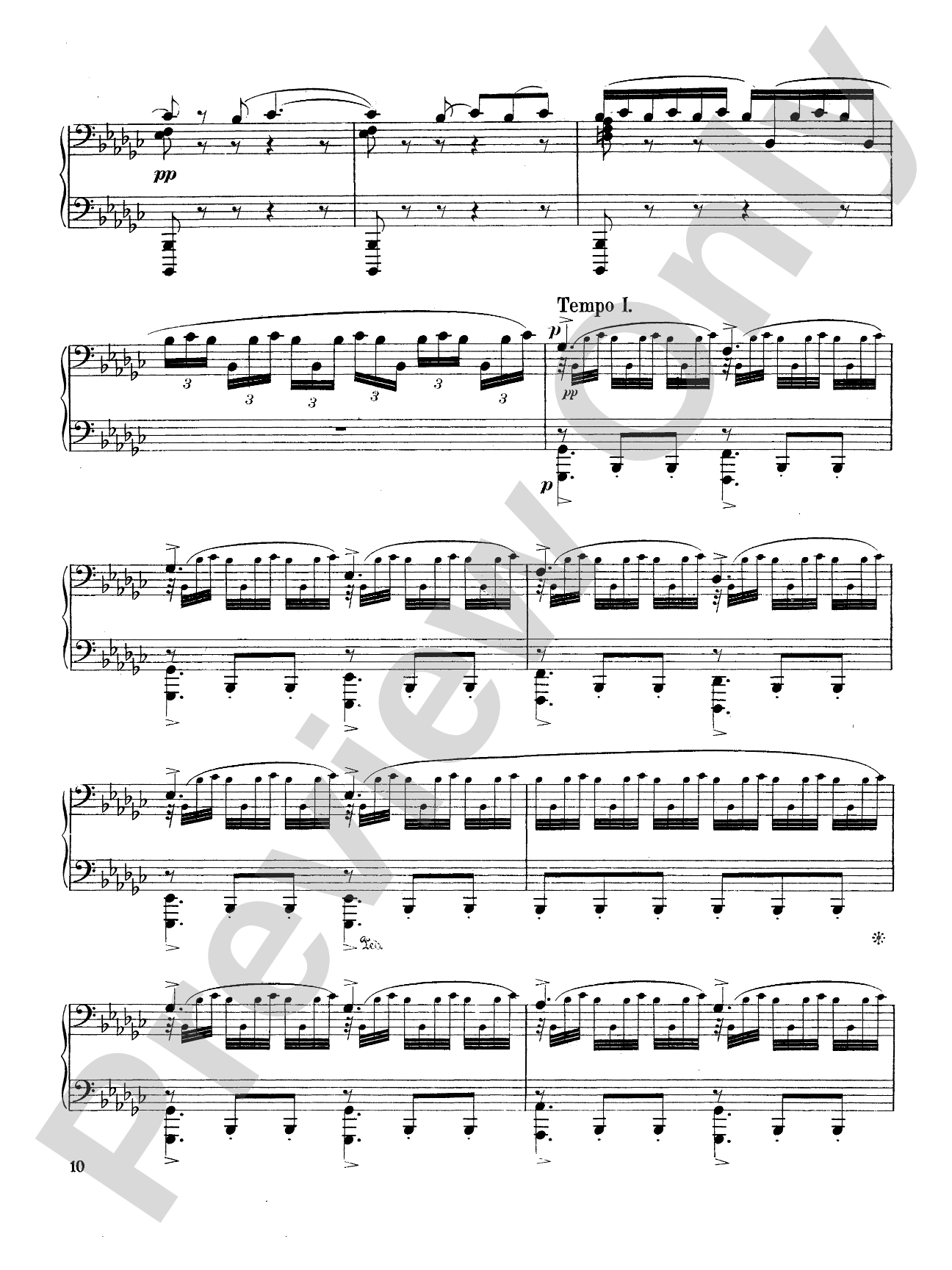
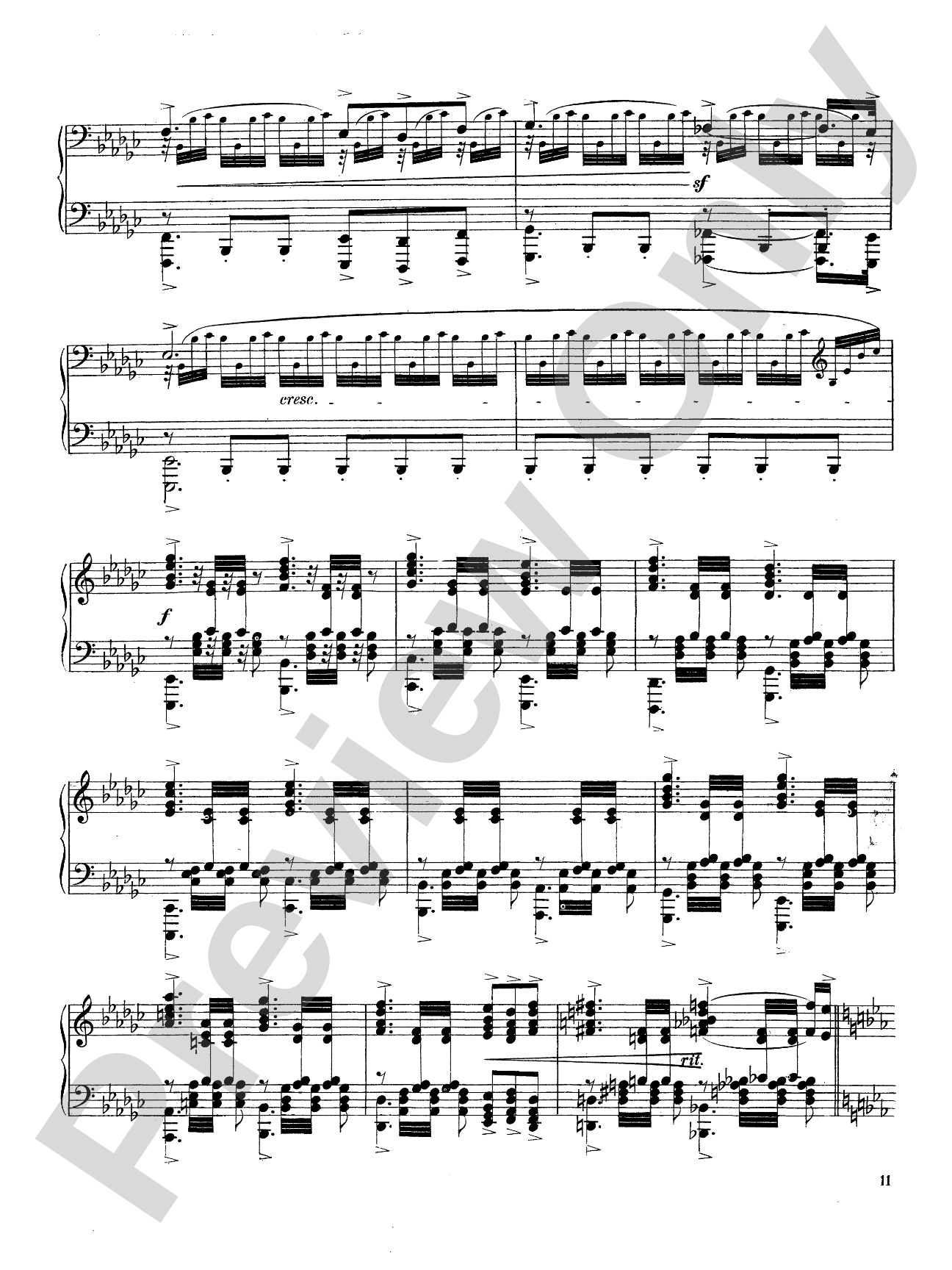
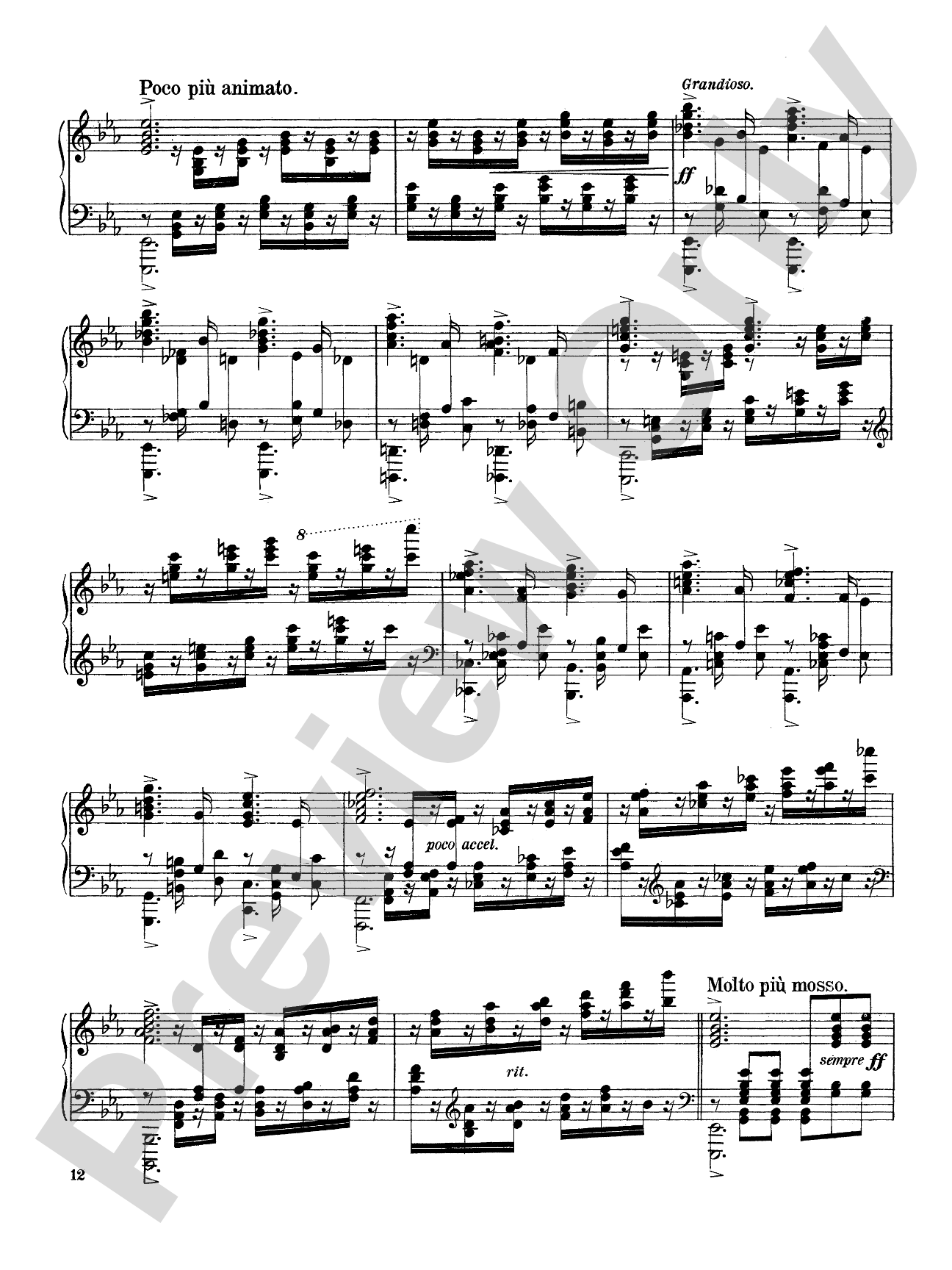
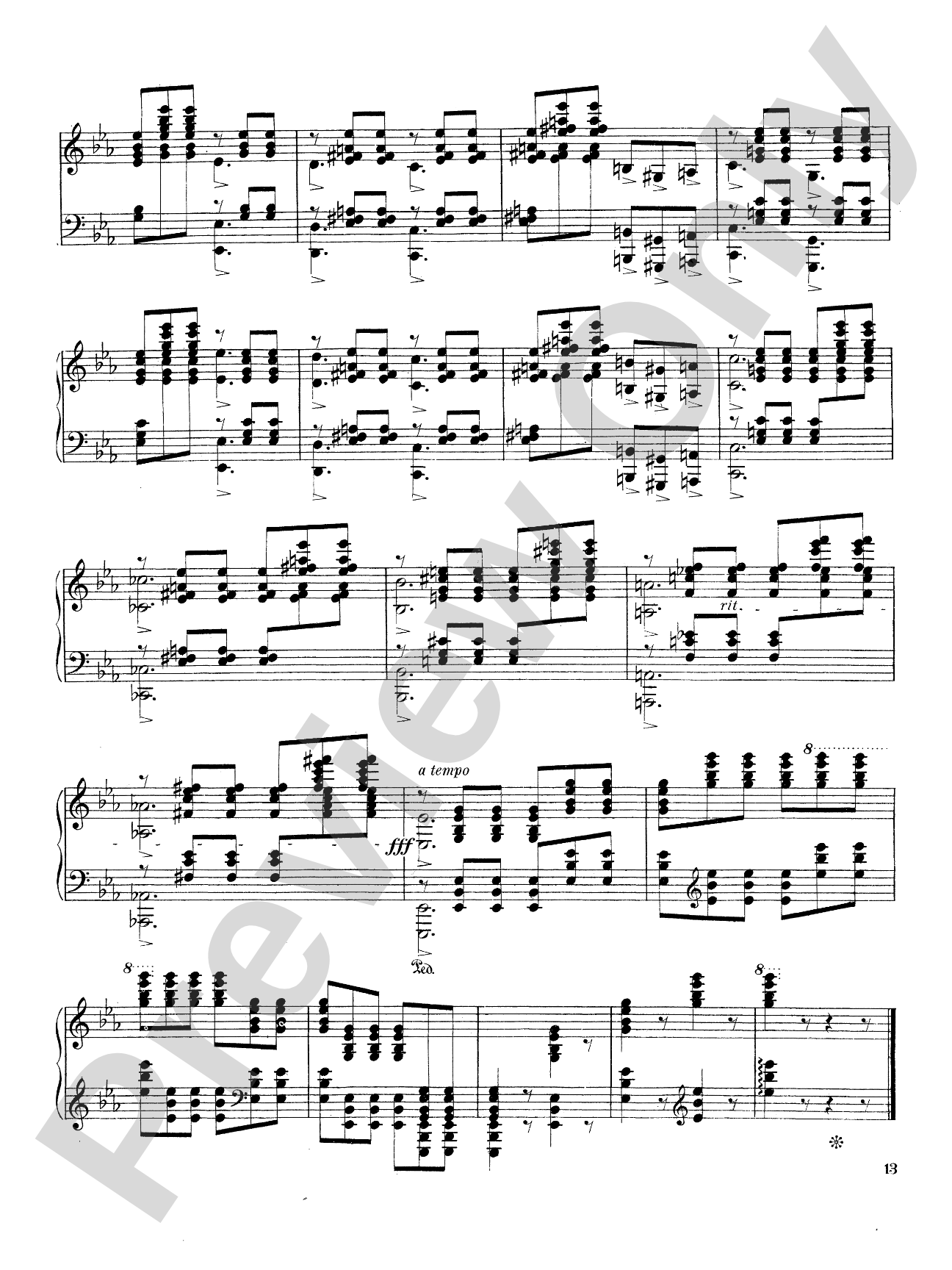




Dohnányi: Rhapsody, Op. 11, No. 4: Piano
By Ernst Von Dohnányi
Level: Advanced
Item: 00-PK-0003073

$7.99
Pickup currently not available
Buy Extra Parts (Digital PDF Download)
| Product | Price | Quantity |
|---|---|---|
| Dohnányi: Rhapsody, Op. 11, No. 4 | $6.99 |
Parts Added to Cart!
Related Items
Rhapsody, Opus 11, No. 4: Piano |
$7.95
|
View |
Description
Expertly arranged piano solo from our Kalmus Edition.


Don't just read it, hear it, play along with it, and watch your students grow with it. In MakeMusic Cloud, Dohnányi: Rhapsody, Op. 11, No. 4: Piano comes alive with professional accompaniment, adjustable tempo, and built-in practice tools that turn solo practice into real progress.
Open in the Player
Jump straight in and assign it today.
Start Your Free Trial
Open this title and explore the full library in minutes.
Sample Audio
No sample audio found.
Sample Video
No sample videos found.
Additional Details
Series:
Kalmus Edition
Publisher:
Alfred Music
Page Count:
16
SKU:
00-PK-0003073
More about this title
About the Composer: Ernst von Dohnányi
Ernst von Dohnányi (1877–1960) was a Hungarian pianist, composer, and conductor whose music bridges the Romantic and early twentieth-century idioms with remarkable craftsmanship. He studied with Theodor Szántó and Carl Forstner in Budapest, then continued his training in Vienna, where he absorbed the influence of Brahms while developing his own voice rooted in Hungarian musical traditions.
Dohnányi's works for piano are central to his legacy. His Rhapsodies, Variations on a Nursery Theme, and numerous character pieces remain staples of concert repertoire and represent some of the finest pianistic writing of his era. He was also an influential teacher and conductor, holding positions at the Berlin Hochschule and later serving as director of the Budapest Philharmonic Orchestra. His music demands serious musicianship and rewards players who bring both technical command and interpretive maturity.
Why we love this
This rhapsody showcases Dohnányi's gift for spinning lyrical, intricate lines over richly harmonized accompaniment. The writing avoids empty virtuosity in favor of genuine musical substance—technical difficulty serves expression rather than display, making it a compelling choice for pianists ready to step into substantial twentieth-century repertoire. Advanced students and recitalists appreciate it precisely because it asks for both fingers and musicality in equal measure.
What to expect
The rhapsody unfolds with an introspective lyricism that gradually gathers rhythmic energy and harmonic tension. Dohnányi's writing balances intimate, song-like passages against moments of virtuosic brilliance, creating a sense of both intimate conversation and passionate affirmation. The piece feels grounded in deep musical tradition while subtly gesturing toward twentieth-century complexity.
Who it's for
Advanced pianists seeking substantial solo repertoire from the early twentieth century will find this rhapsody both challenging and rewarding. Recitalists building programs that honor Romantic-era traditions while acknowledging modern harmonic language can program this alongside works by Brahms, Bartók, or Kodály. Serious students aiming toward college-level performance will benefit from the technical and interpretive demands it places on them.
How to get the most out of it
- Shape the opening melody with long-line phrasing; resist the urge to break the line at each acciaccatura or ornamentation. The accompaniment should remain subordinate and rhythmically alive.
- Balance the technical passages with careful voice-leading in the left hand. Many of Dohnányi's figurations conceal inner melodies; exposing these quietly enriches the harmonic texture.
- Attend closely to the harmonic rhythm and tonal shifts. Dohnányi's modulations are sophisticated and sometimes unexpected; clarity in transition points prevents the rhapsody from sounding scattered.
- Allow expressive freedom in tempo and rubato, but anchor it in structural arrivals and cadential moments. The piece thrives on flexibility within a secure harmonic framework.
How to use it
Position this as a centerpiece in a recital devoted to Hungarian or Central European piano music, where it can share space with Bartók, Kodály, or other works exploring regional idioms through sophisticated harmony. Alternatively, program it as part of a chronological span showing the evolution of Romantic-era keyboard writing into the modern era. The rhapsody's length and substance make it suitable as the final work in a program, providing a satisfying culmination to an evening's performance.
Skills your students will build
- Phrasing complex melodic lines over independent harmonic accompaniment
- Managing rubato and expressive flexibility within tonal structure
- Executing rapid passagework and ornamental figures with clarity and control
- Navigating unexpected harmonic modulations and tonal areas
- Balancing multiple voices and harmonic layers within a single staff