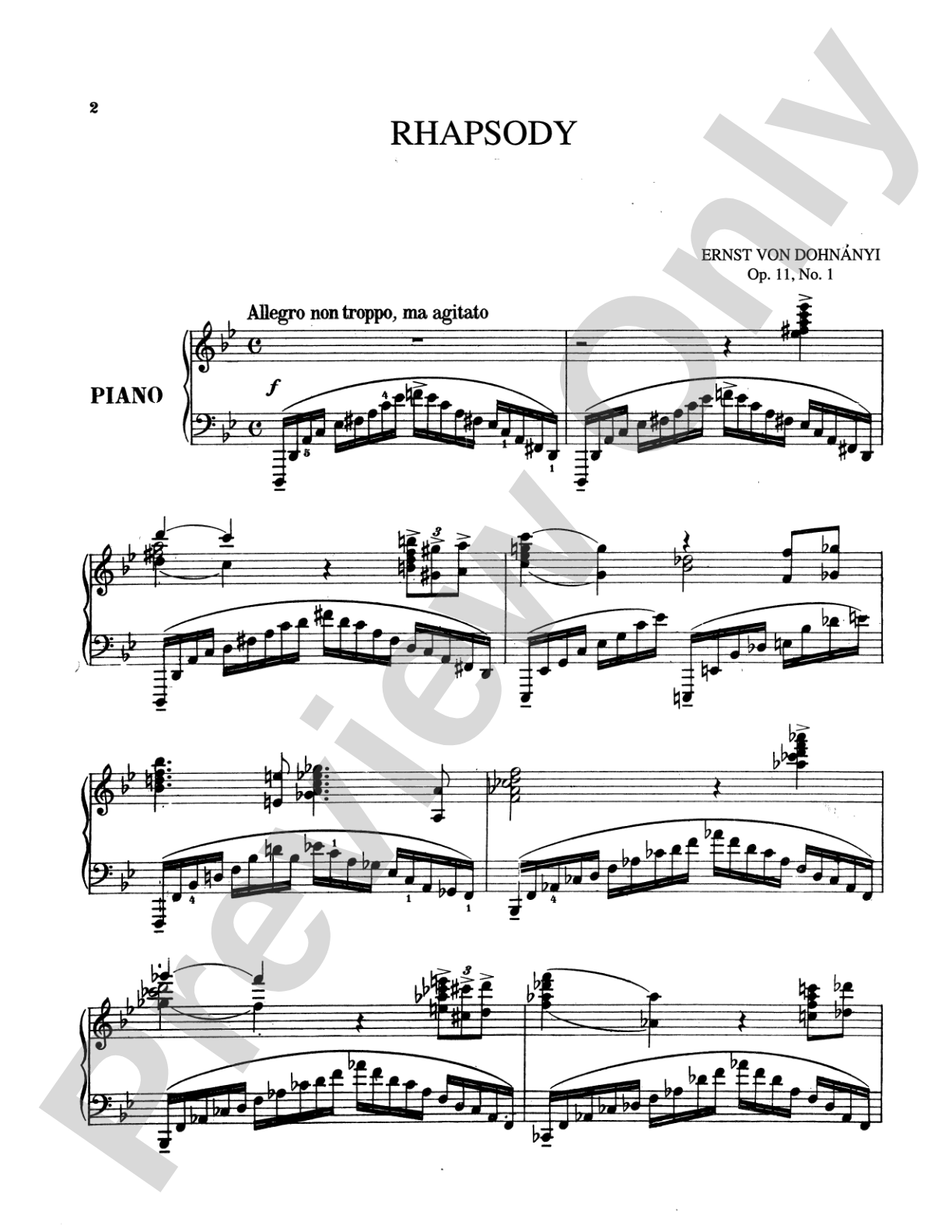
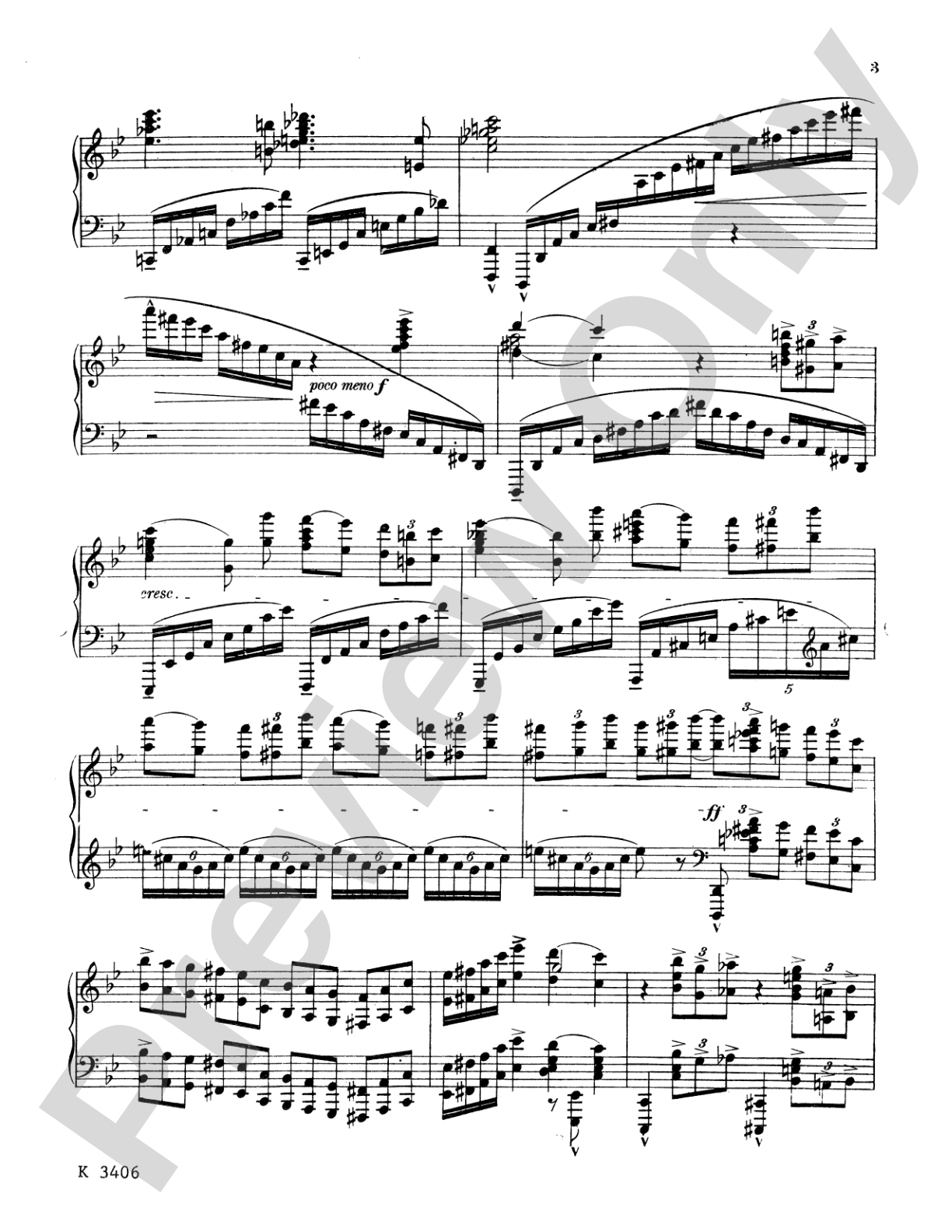
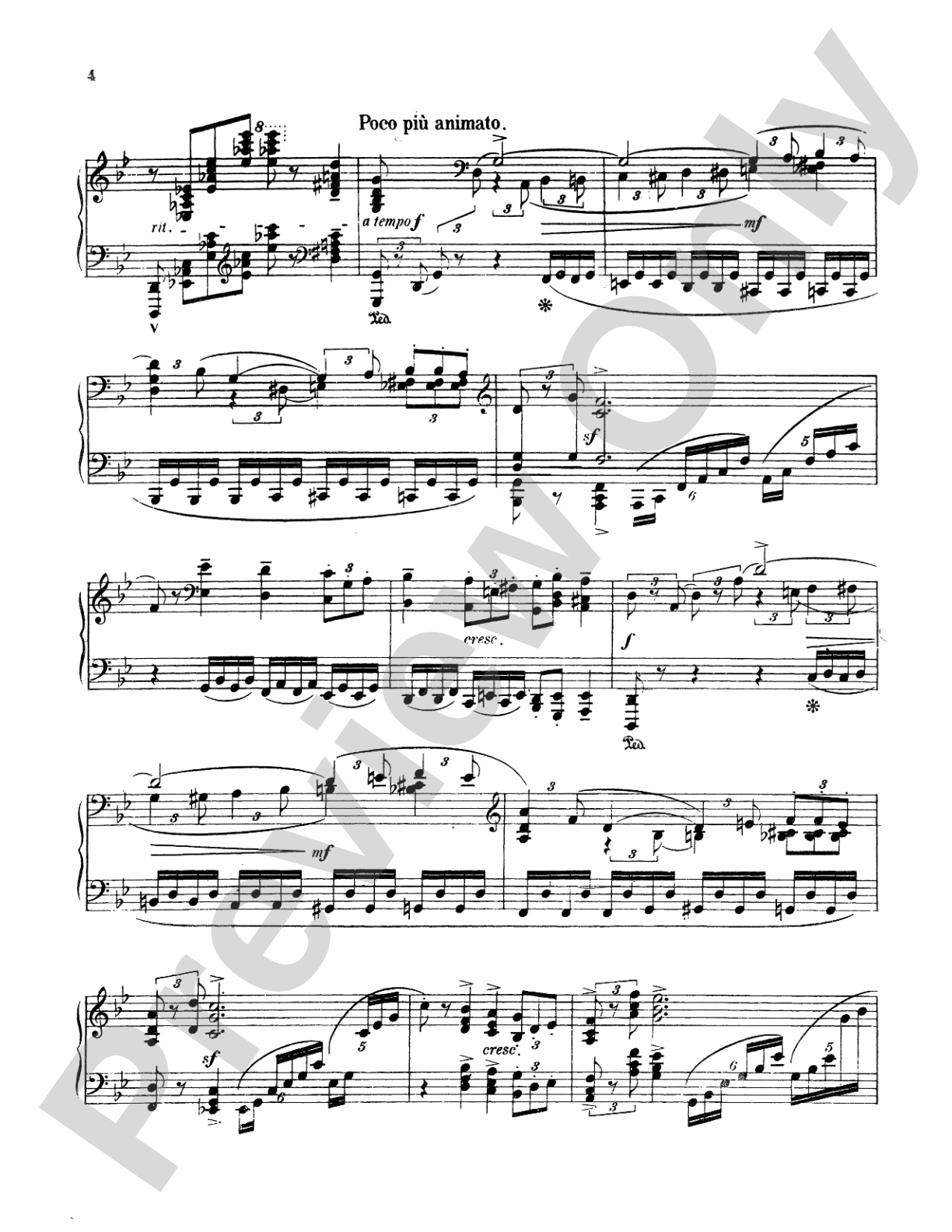
Dohnányi: Rhapsody, Op. 11, No. 1 Sheet Music Preview

Dohnányi: Rhapsody, Op. 11, No. 1

By Ernst Von Dohnányi

Level: Advanced

Item: 00-PC-0007001

Digital Download
$8.99
Description
Expertly arranged piano solo from our Kalmus Edition.

Don't just read it, hear it, play along with it, and watch your students grow with it. In MakeMusic Cloud, Dohnányi: Rhapsody, Op. 11, No. 1 comes alive with professional accompaniment, adjustable tempo, and built-in practice tools that turn solo practice into real progress.

Sample Audio
No sample audio found.
Sample Video
Additional Details
Series: Kalmus Edition
Publisher: Alfred Music
Page Count: 20
SKU: 00-PC-0007001

More about this title

About the Composer: Ernst von Dohnányi

Ernst von Dohnányi (1877-1960) was a Hungarian composer, pianist, and conductor whose music bridges Romantic lyricism and early 20th-century modernism. A virtuoso at the keyboard, he wrote prolifically for piano, and his works demand both technical mastery and interpretive depth from performers. His compositional language combines rich harmonic language with Hungarian folk idioms, creating pieces that reward careful study.

Dohnányi held significant positions throughout his career, including directorship of the Budapest Philharmonic and faculty roles at major conservatories. His Rhapsodies showcase his gift for long-breathed melodic writing and brilliant pianistic figuration, making them staples of the advanced solo repertoire.

Why we love this

This Rhapsody captures everything that makes Dohnányi essential for advanced pianists: sweeping melodic lines, colorful harmonic movement, and virtuosic passagework that never feels gratuitous. The work sits comfortably in recital programs because it's both musically substantial and audiences recognize its grandeur immediately. Its 20-page span gives pianists room to develop real interpretive maturity without the epic demands of a full-length sonata.

What to expect

Hungarian warmth meets cosmopolitan elegance. The Rhapsody opens with an intimate, singing melody before expanding into brilliant passagework that sparkles with virtuosic flair. There's nobility in the pacing and generosity in the musical gestures, creating a work that feels both intimate and grand.

Who it's for

Advanced pianists preparing recital repertoire or building a diverse solo portfolio that includes early 20th-century masters. This work suits pianists comfortable with Rachmaninoff-era technique and musically ready to navigate rubato, harmonic sophistication, and extended development without a written-out program.

How to get the most out of it

  • Establish the harmonic foundation early in rehearsal by identifying the tonal centers and chromatic voice-leading patterns; Dohnányi's harmony is richer than it first appears on the page.
  • Shape the opening melody with the kind of vocal elegance a soprano would bring to a Romantic art song; resist the temptation to rush into the brilliant sections.
  • Build stamina for the extended figuration in the middle passages by practicing short sections at performance tempo, then gradually extending the runs without losing clarity.
  • Pay close attention to pedal changes in the lyrical sections; the damper pedal can obscure Dohnányi's carefully balanced harmonies if held too long.

How to use it

Pair this with other early 20th-century piano works (Bartók, Kodály) to showcase Central European modernism, or juxtapose it with Romantic-era repertoire to highlight Dohnányi's bridging style. The work's length and character make it suitable as a recital centerpiece or a substantial encore for an all-Dohnányi evening.

Skills your students will build

  • Long-range harmonic planning and tonal navigation through chromatic and extended harmony
  • Pedal technique for coloristic effect and clarity in dense textures
  • Control of rapid passagework while maintaining singing tone in cantabile sections
  • Balancing virtuosic display with structural coherence across an extended form
  • Hungarian folk inflection and rhythmic rubato in authentic style

You May Also Like