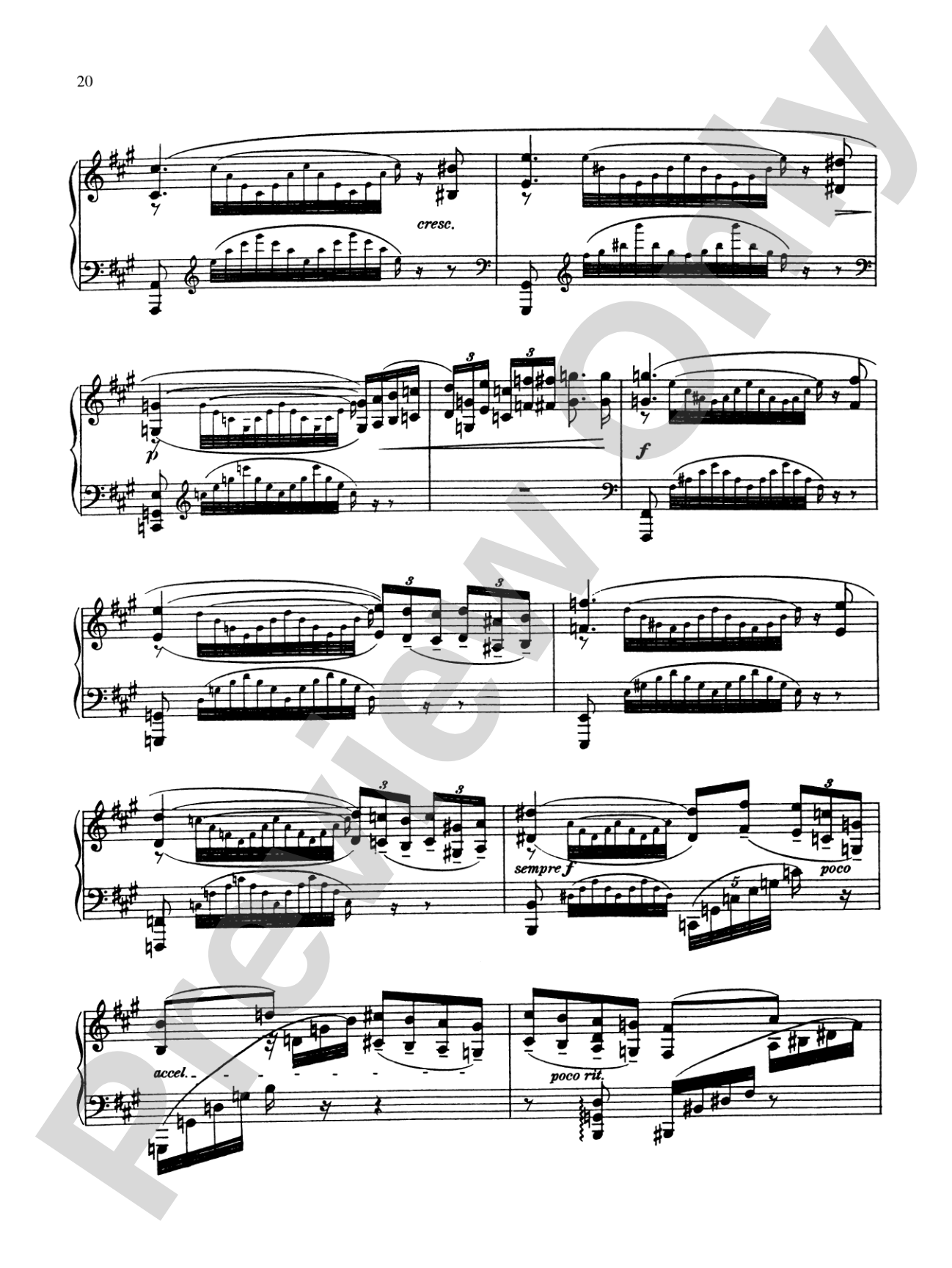
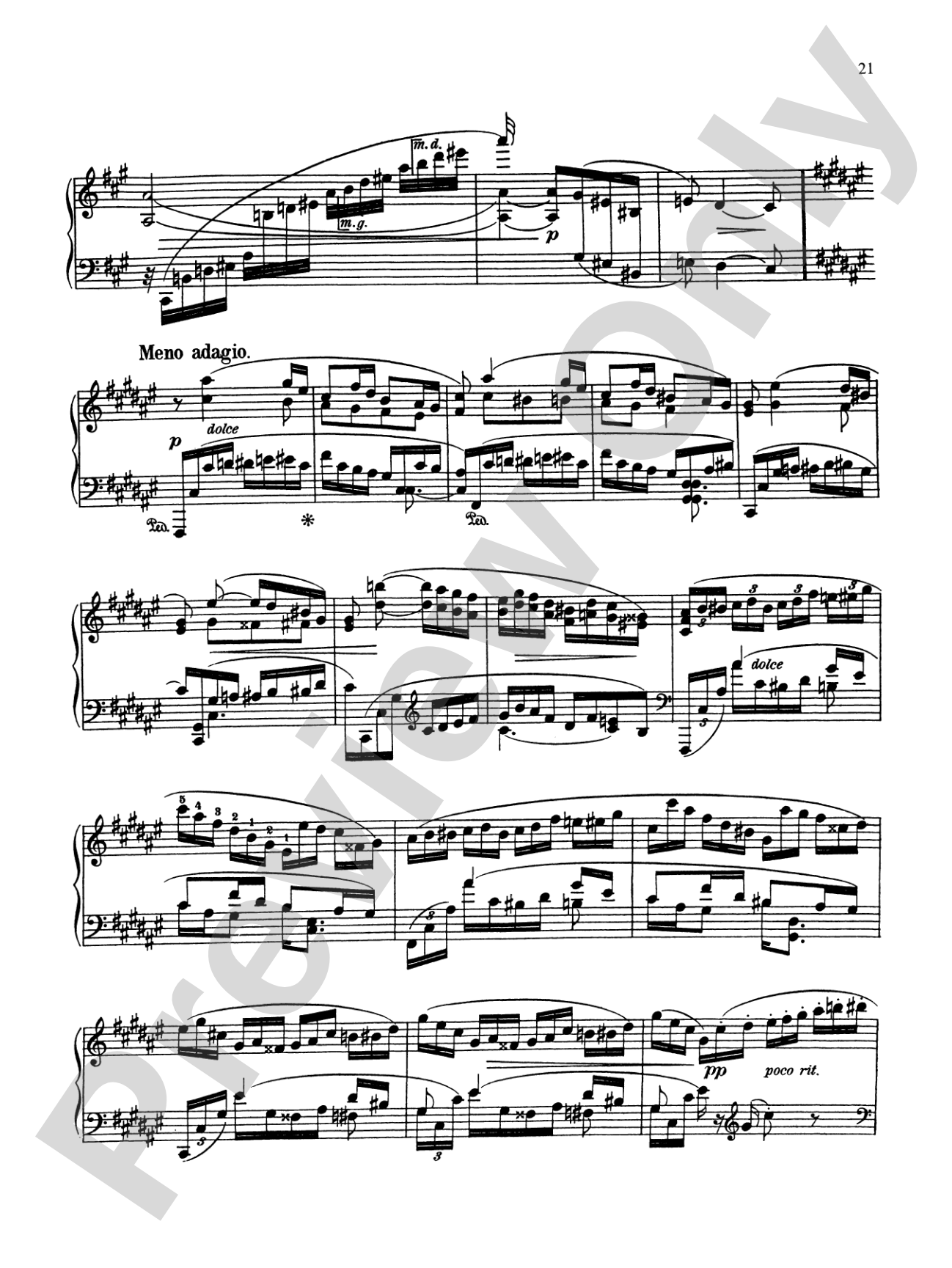
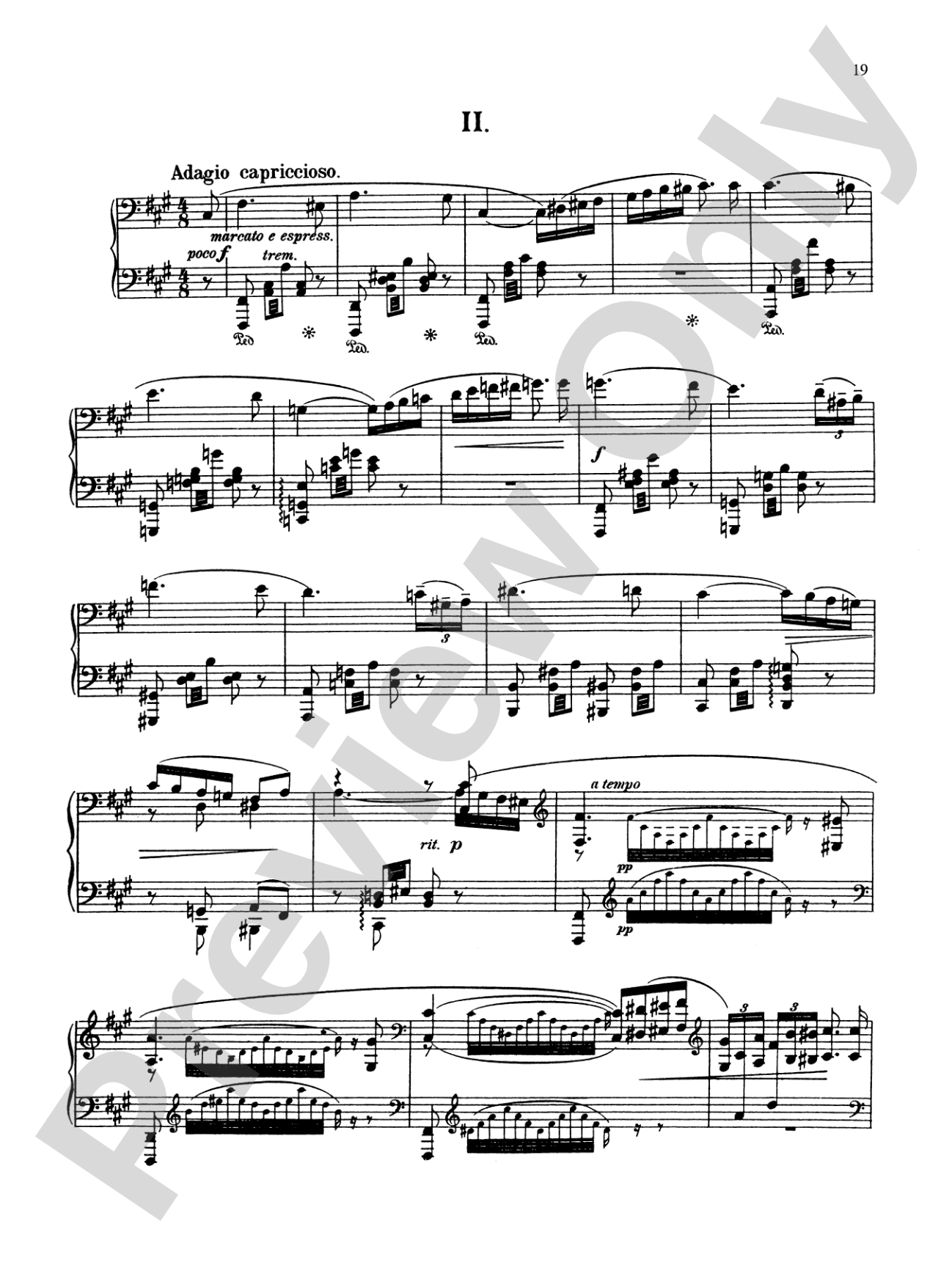
Dohnányi: Four Rhapsodies, Op. 11 Sheet Music Preview

Dohnányi: Four Rhapsodies, Op. 11

By Ernst Von Dohnányi

Item: 00-PC-0004127

Digital Download
$2.99
Description
Expertly arranged Piano music by Ernst Von Dohnányi from the Kalmus Edition series. These Rhapsodies are from the 20th Century era.

Don't just read it, hear it, play along with it, and watch your students grow with it. In MakeMusic Cloud, Dohnányi: Four Rhapsodies, Op. 11 comes alive with professional accompaniment, adjustable tempo, and built-in practice tools that turn solo practice into real progress.

Sample Audio
No sample audio found.
Sample Video
Additional Details
Series: Kalmus Edition
Publisher: Alfred Music
Page Count: 52
SKU: 00-PC-0004127

More about this title

About the Composer: Ernst von Dohnányi

Ernst von Dohnányi (1877-1960) was a Hungarian composer, pianist, and conductor whose music bridges Romantic idiom and 20th-century modernism. He studied at the Budapest Academy and built a towering reputation as both a virtuoso pianist and a prolific composer, writing across symphonies, concertos, chamber works, and substantial solo piano literature.

Dohnányi's compositional voice combines rich harmonic language with structural clarity and Hungarian folk elements. His four rhapsodies represent his mastery of the rhapsodic form—improvisatory yet architecturally sound—and remain important works in the advanced piano repertoire for their technical demands and emotional breadth.

Why we love this

These rhapsodies sit at a crucial repertoire level for advanced pianists: demanding enough to require serious technique and musicianship, yet rooted in satisfying traditional forms rather than requiring specialized contemporary training. Dohnányi's gift for melodic invention and dramatic pacing means performers actually enjoy playing these works in recital, and audiences engage with music that sounds substantial without sounding austere.

What to expect

Passionate and sweeping, with moments of introspection woven between displays of keyboard command. The rhapsodic form gives these pieces permission to wander, to build intensity suddenly, to pull back and reflect—creating a sense of musical storytelling that feels personal rather than abstract.

Who it's for

Advanced pianists preparing recital repertoire at the conservatory level or serious students ready to engage with substantial 20th-century works. These pieces suit artists seeking music that combines technical brilliance with genuine lyricism and demand careful attention to structure beneath an apparently spontaneous surface.

How to get the most out of it

  • Shape each rhapsody's improvisatory passages with freedom in tempo and rubato; Dohnányi expects expressive control, not metronomic precision, in the lyrical sections.
  • Balance the decorative figuration and virtuosic passagework against the thematic material so listeners always hear what matters musically beneath the technical surface.
  • Study the harmonic progressions closely, especially the more chromatic sections; understanding the underlying voice-leading makes complex passages more manageable and more musical.
  • Honor the Hungarian character embedded in the melodies and rhythmic inflections; this music breathes differently than pure Central European Romanticism.

How to use it

Program one rhapsody on a solo piano recital to anchor a classical or romantic group without stepping into familiar Liszt or Brahms territory. Alternatively, sequence them strategically across a recital program: their strong opening sections reset audience attention and their emotional arc rewards a centerpiece placement.

Skills your students will build

  • Rhythmic flexibility and expressive rubato within clear formal structure
  • Advanced harmonic analysis and voice-leading independence in chromatic passages
  • Technical facility across register changes and decorative figuration
  • Interpretive maturity in balancing virtuosity with lyricism
  • Understanding of the rhapsodic form and its improvisatory yet coherent architecture

You May Also Like