
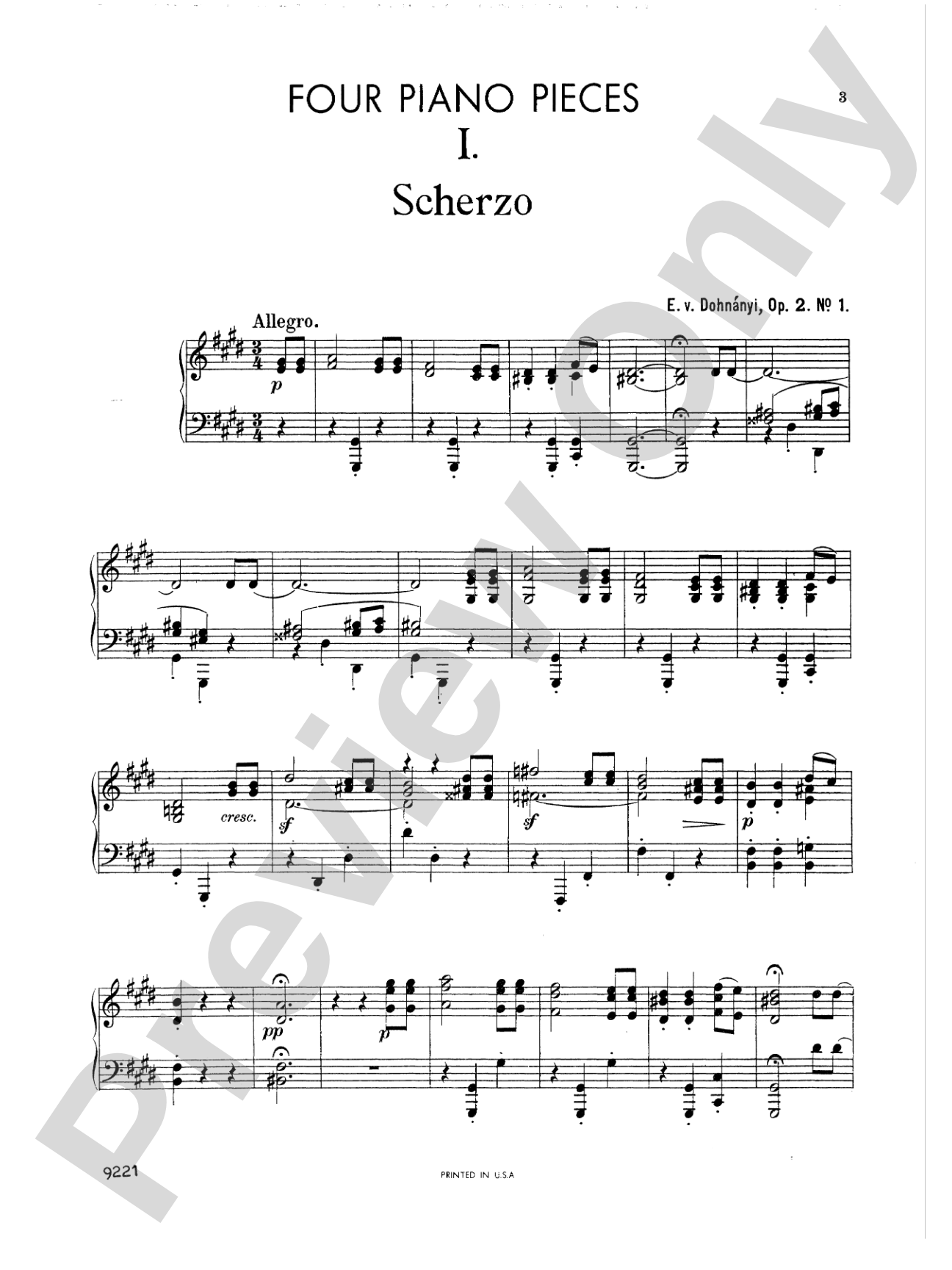
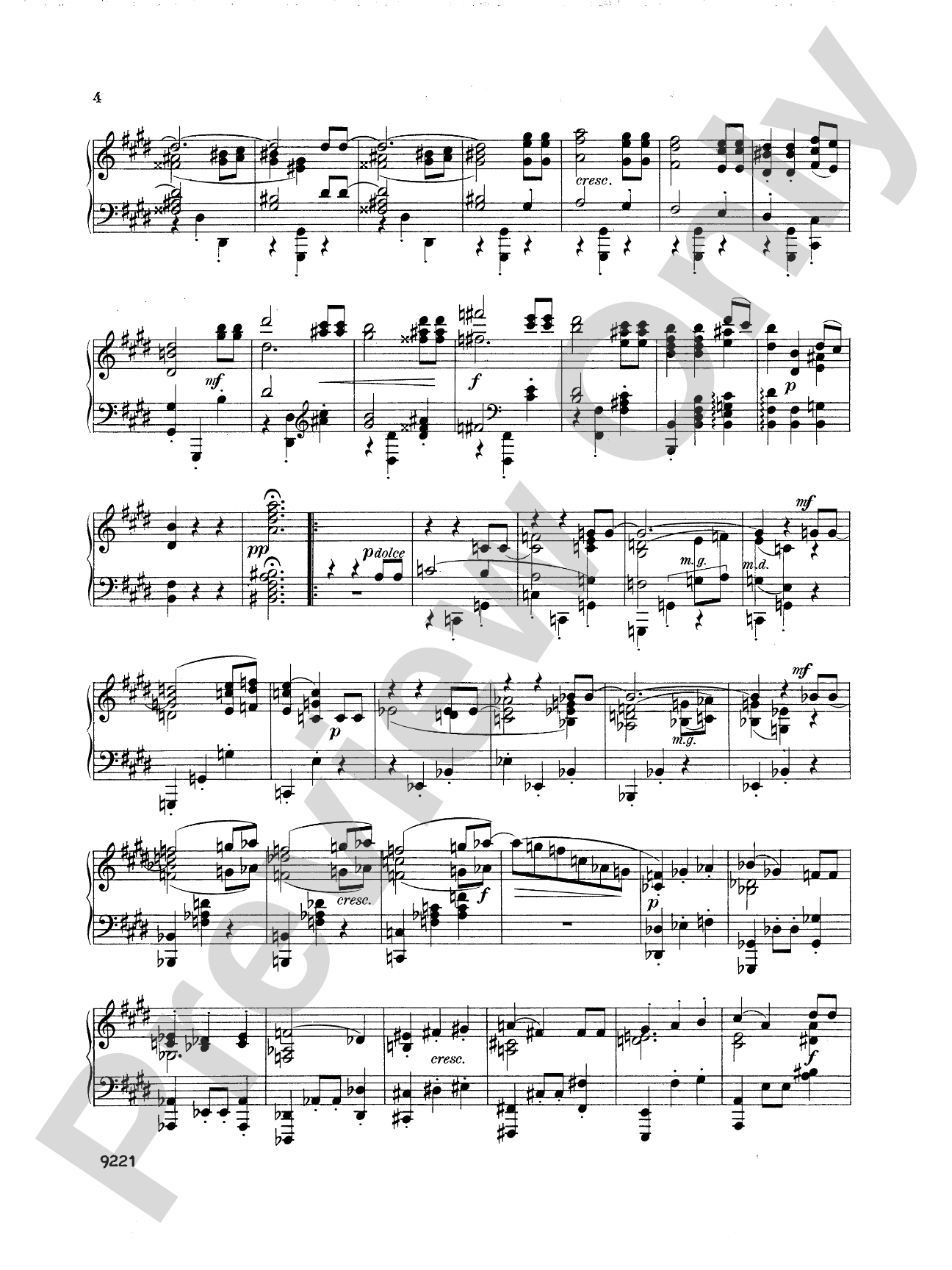
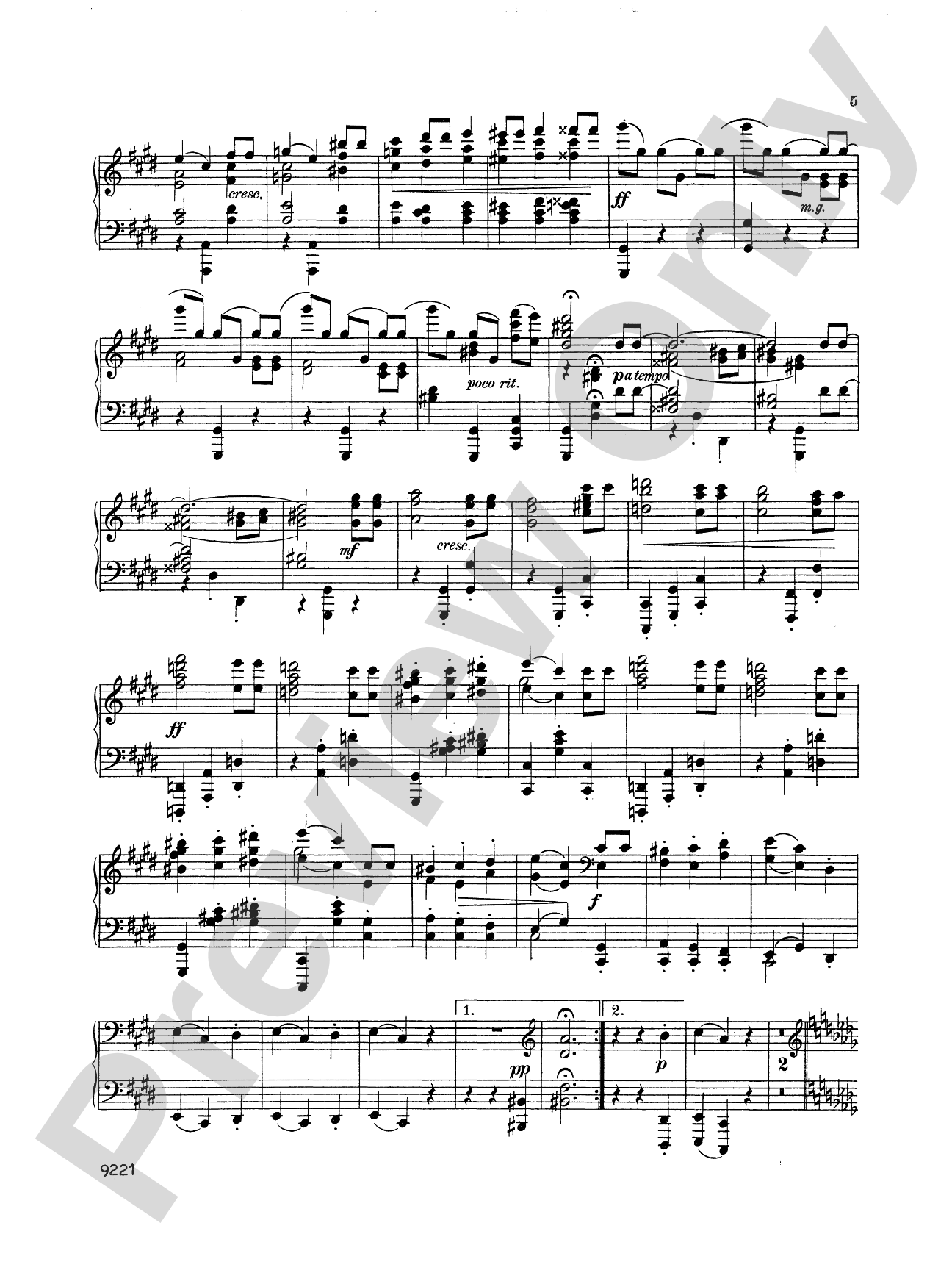
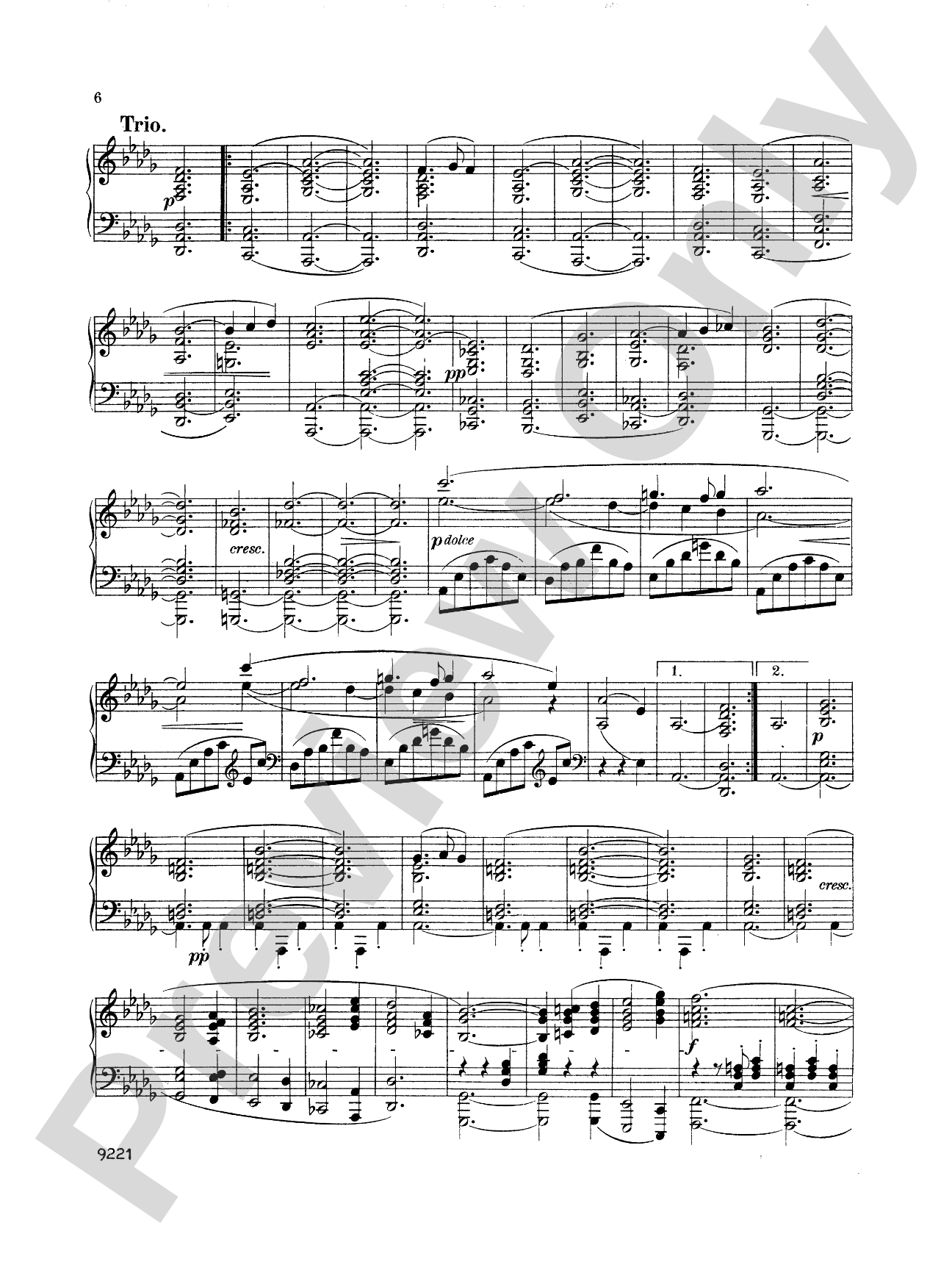
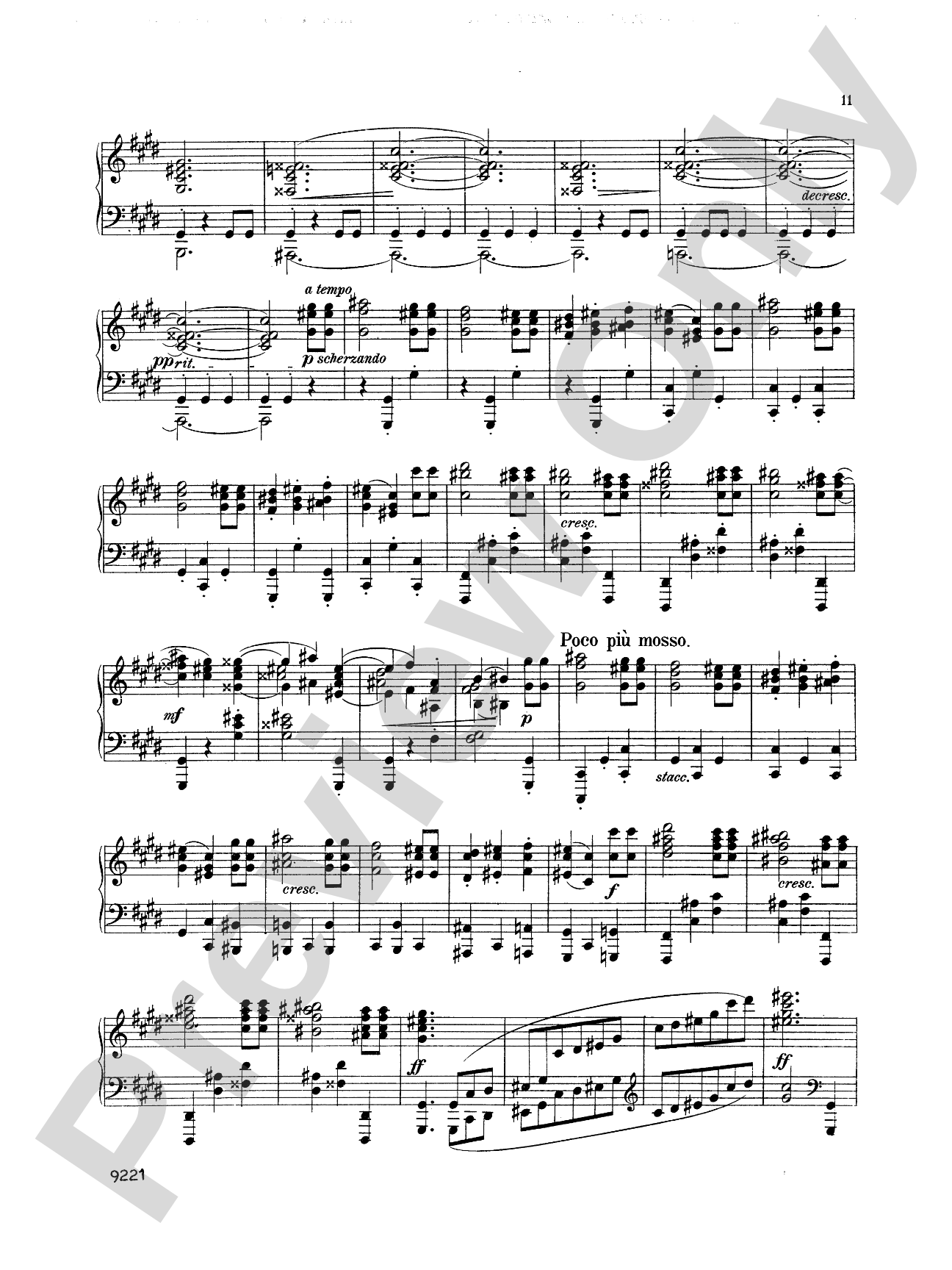
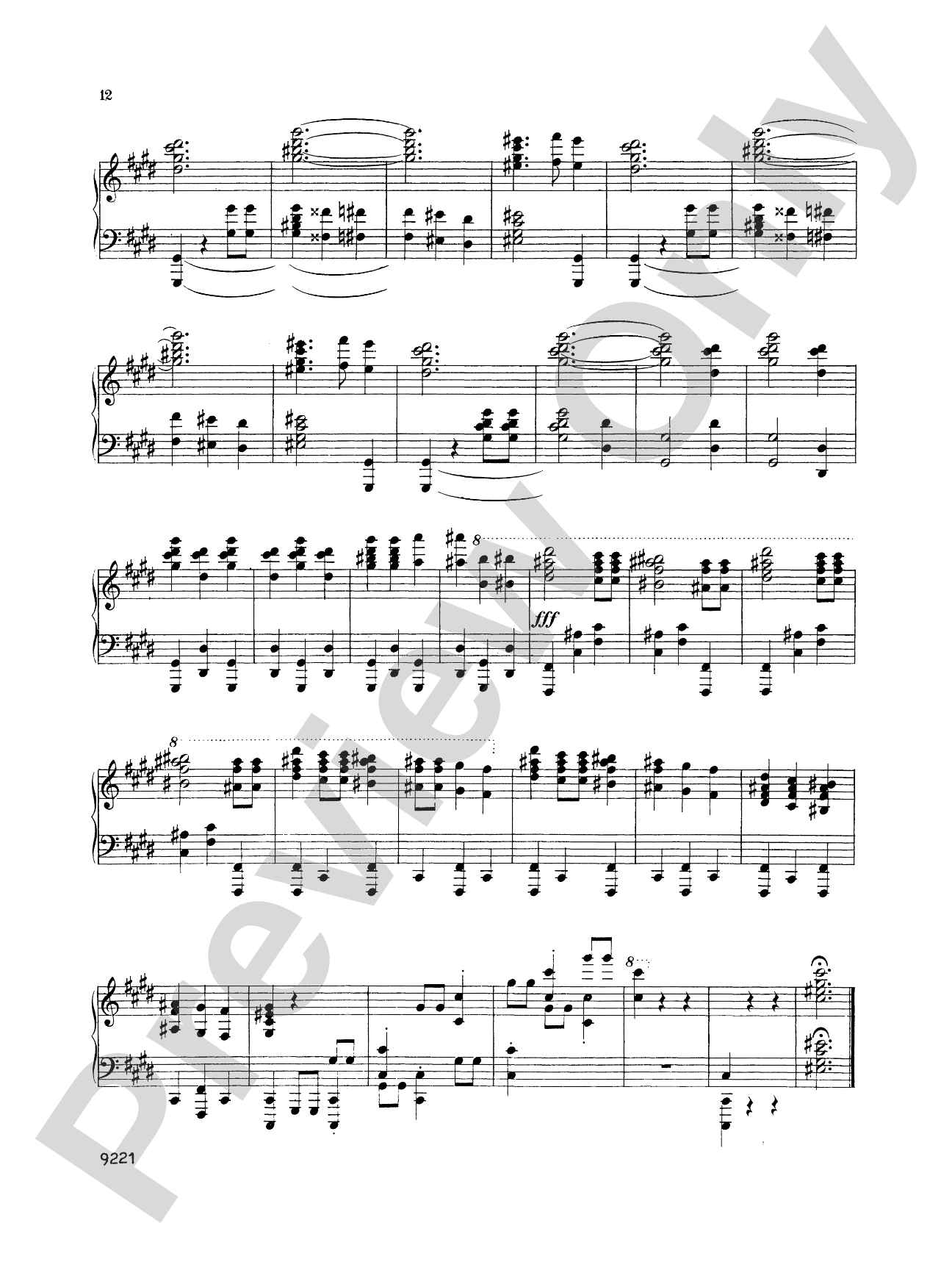

Dohnányi: Four Piano Pieces, Op. 2: Piano Book
By Ernst Von Dohnányi
Item: 00-PK-0003707

$9.99
Pickup currently not available
Buy Extra Parts (Digital PDF Download)
| Product | Price | Quantity |
|---|---|---|
| Dohnányi: Four Piano Pieces, Op. 2 | $1.99 | |
| Dohnányi: Four Piano Pieces, Op. 2 | $1.99 | |
| Dohnányi: Four Piano Pieces, Op. 2 | $1.99 | |
| Dohnányi: Four Piano Pieces, Op. 2 | $1.99 |
Parts Added to Cart!
Related Items
Four Piano Pieces, Opus 2: Piano Book |
$9.95
|
View |
Description


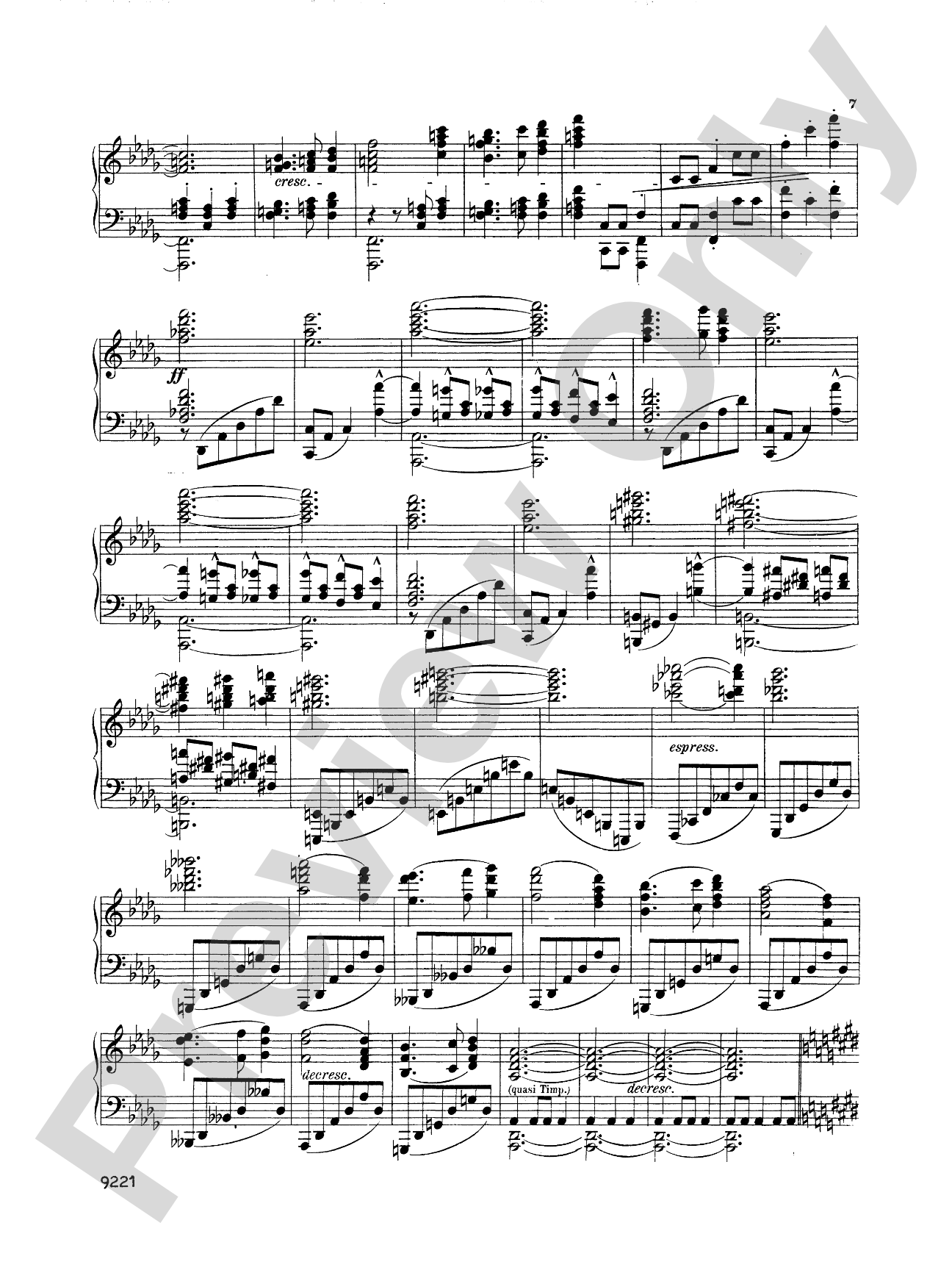
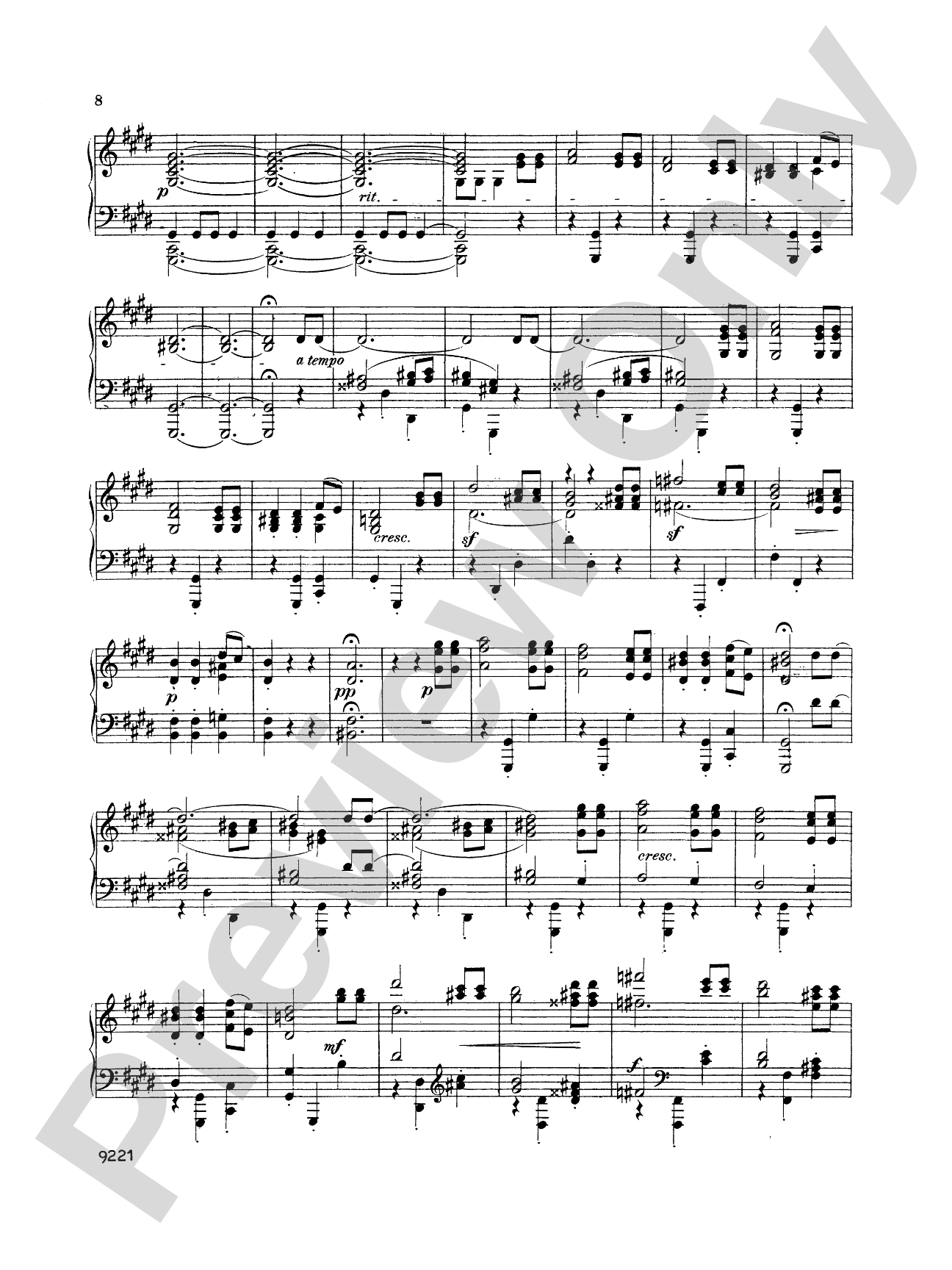
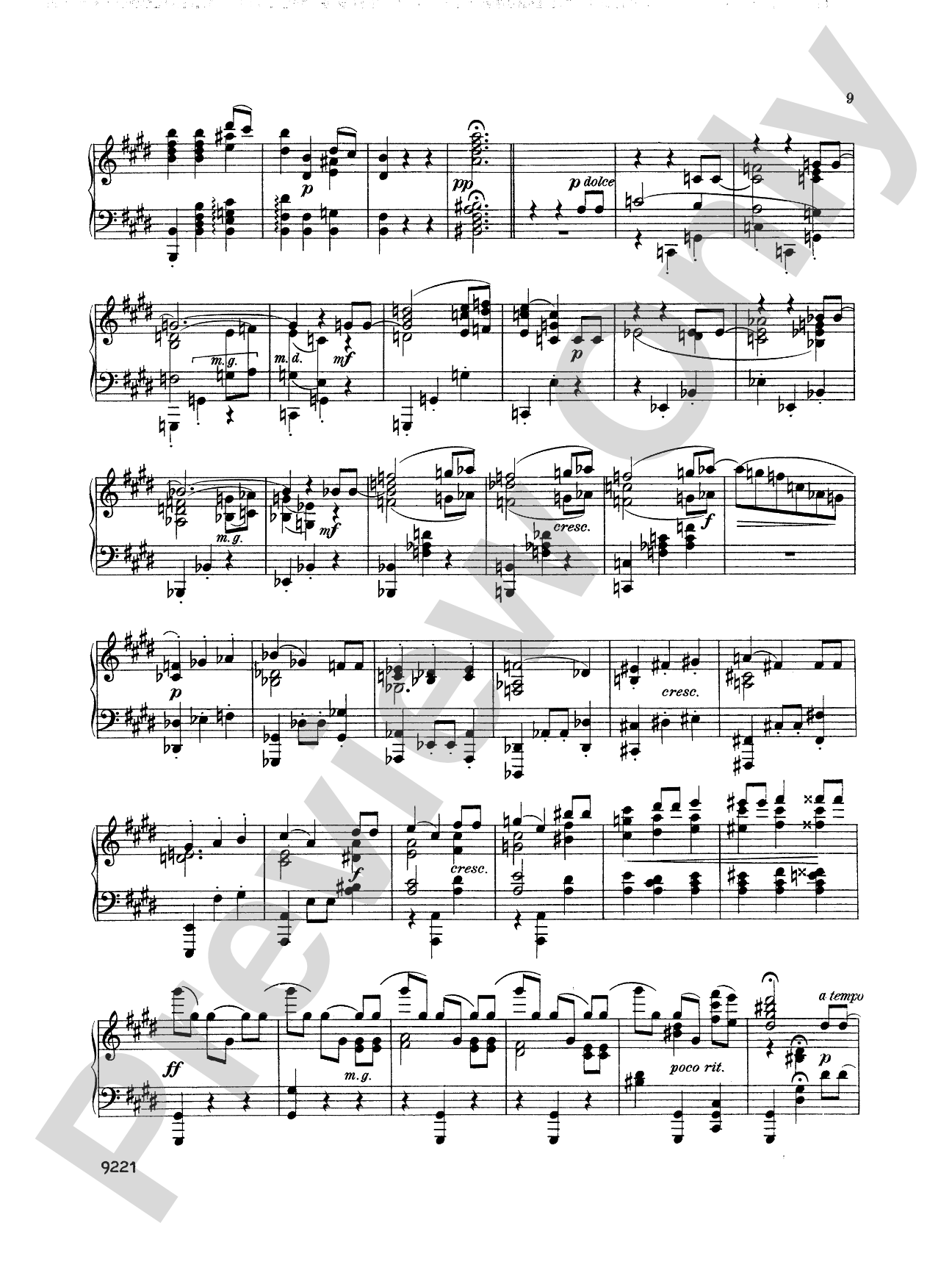
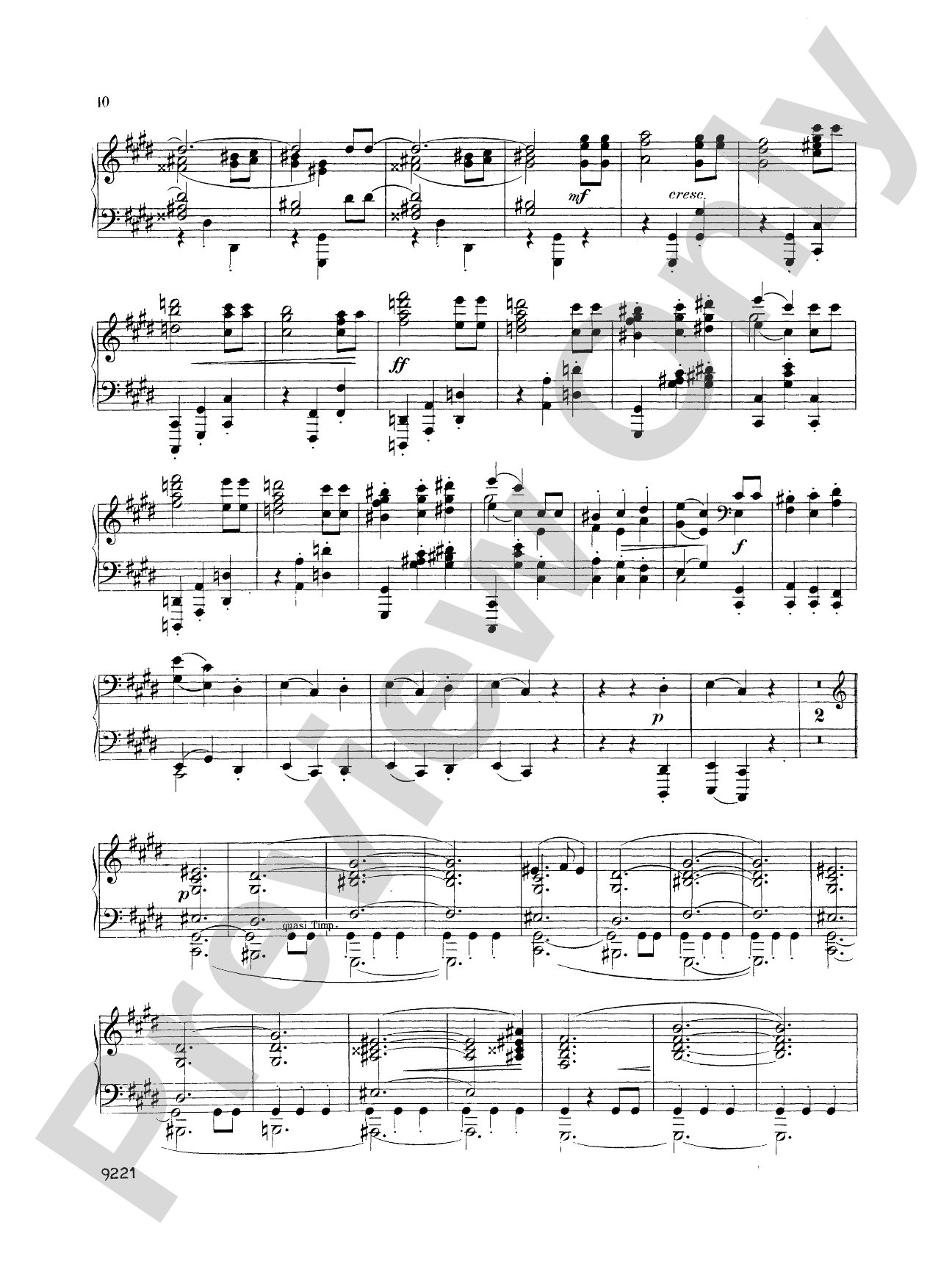
Don't just read it, hear it, play along with it, and watch your students grow with it. In MakeMusic Cloud, Dohnányi: Four Piano Pieces, Op. 2: Piano Book comes alive with professional accompaniment, adjustable tempo, and built-in practice tools that turn solo practice into real progress.
Open in the Player
Jump straight in and assign it today.
Start Your Free Trial
Open this title and explore the full library in minutes.
Sample Audio
No sample audio found.
Sample Video
No sample videos found.
Additional Details
Series:
Kalmus Edition
Publisher:
Alfred Music
Page Count:
40
SKU:
00-PK-0003707
More about this title
About the Composer: Ernst von Dohnányi
Ernst von Dohnányi (1877-1960) was a Hungarian composer, pianist, and conductor whose output spanned the late Romantic era into the twentieth century. A student of Carl Forstner at the Budapest Conservatory, he built a career as both a virtuoso pianist and influential musical leader, serving as conductor of the Berlin Philharmonic and later as director of the Hungarian Radio. His compositions blend the harmonic language of late Romanticism with an emerging twentieth-century sensibility, and he remained a commanding figure in Central European musical life throughout his career.
Dohnányi's piano works are central to his legacy and reveal a composer comfortable with both lyrical songfulness and structural rigor. His early pieces, including Op. 2, demonstrate the technical command and musical maturity of a young master already thinking beyond his influences. He ranks alongside Bartók and Kodály among Hungarian composers of lasting international significance.
Why we love this
These four pieces offer intermediate-to-advanced pianists substantive Romantic-era literature that sits apart from the usual recital fare. Dohnányi's craftsmanship is immediate in every phrase, and the collection rewards close attention to voice-leading and harmonic color without demanding the virtuosic fireworks many students expect from contemporary-published work.
What to expect
Lyrical and introspective, with moments of quiet brilliance. Dohnányi's four pieces unfold like conversations between melody and harmony, full of Romantic warmth but touched by the leaner textures and harmonic adventurousness of his era. The writing is always singers' writing, even at the keyboard.
Who it's for
Upper-intermediate and advanced student pianists preparing recital repertoire, and teachers seeking substantial concert pieces that bridge late Romantic and early twentieth-century language. These works suit pianists who have moved beyond early-level repertoire but are not yet ready for Rachmaninoff or Scriabin.
How to get the most out of it
- Honor the harmonic detail in each piece; Dohnányi's voice-leading often carries the musical argument, not just the melody. Phrase across secondary voices as carefully as the top line.
- Shape the dynamics with restraint. These pieces rely on subtle shifts in color and texture rather than dramatic swells, especially in the slower movements.
- Listen to recordings by pianists who emphasize transparency over sentiment. Dohnányi's Romanticism benefits from clarity and forward motion rather than excessive rubato.
How to use it
Program these individually or as a group within a recital built around Hungarian or Central European composers. A single movement works well as a set opener or as part of a thematic program exploring Romantic piano literature at the turn of the twentieth century.
Skills your students will build
- Voicing chords with independence and transparency across multiple registers
- Executing Romantic-era rubato and phrasing over a steady harmonic foundation
- Sustaining lyrical lines across hand positions and register shifts
- Interpreting dynamic nuance without excessive expressive intervention
- Reading and executing the harmonic language of late nineteenth-century Central European composition