

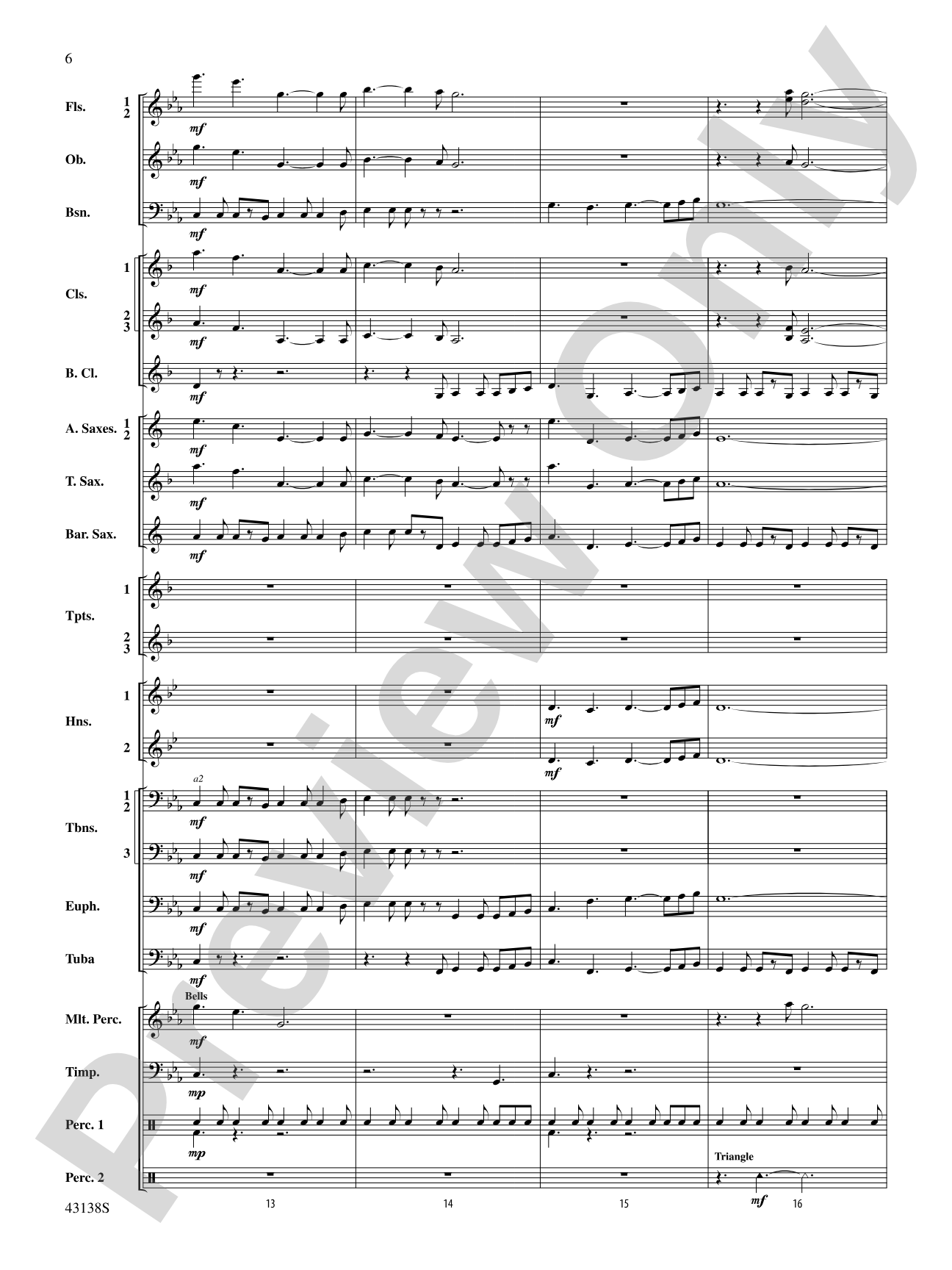
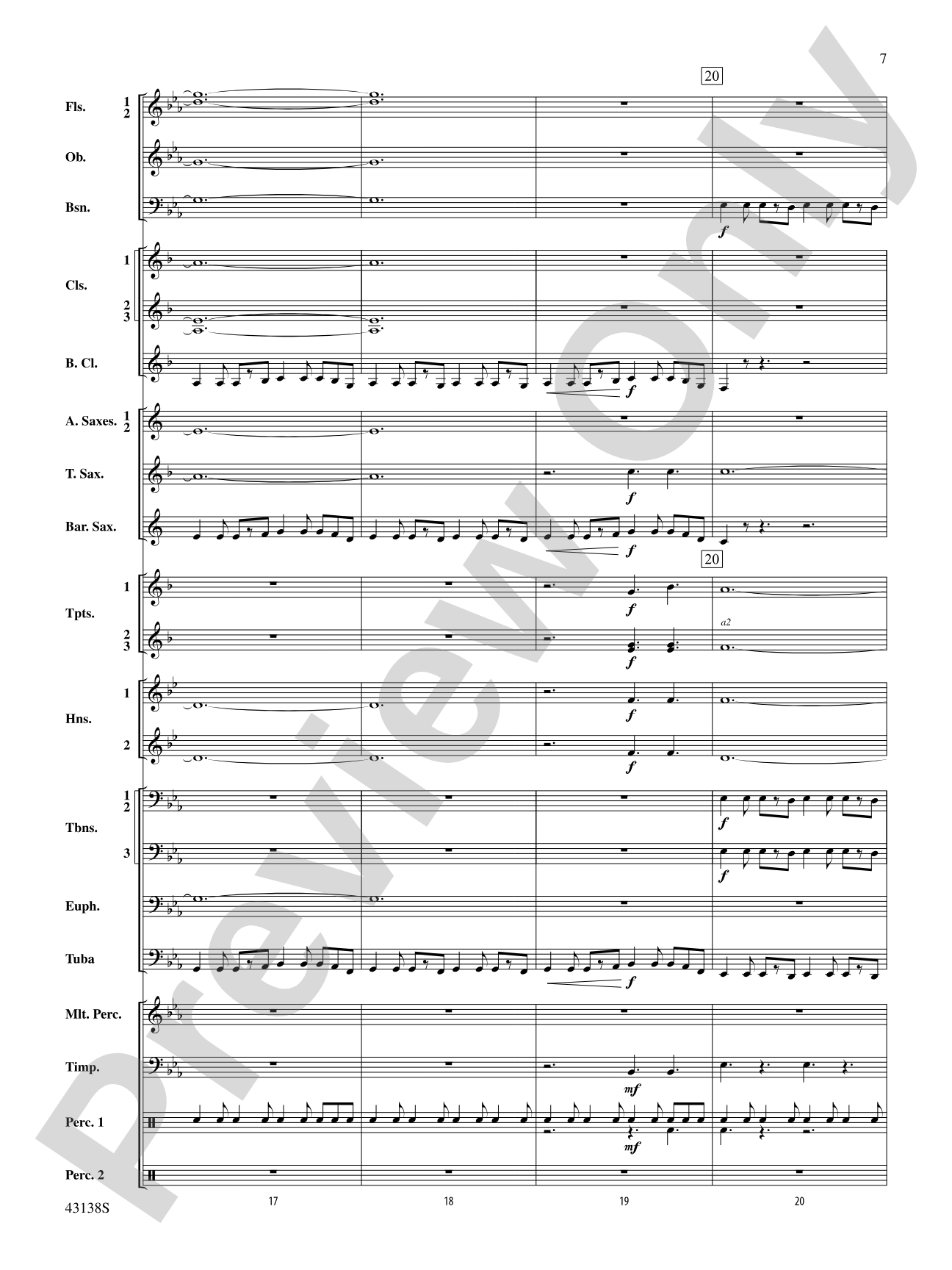
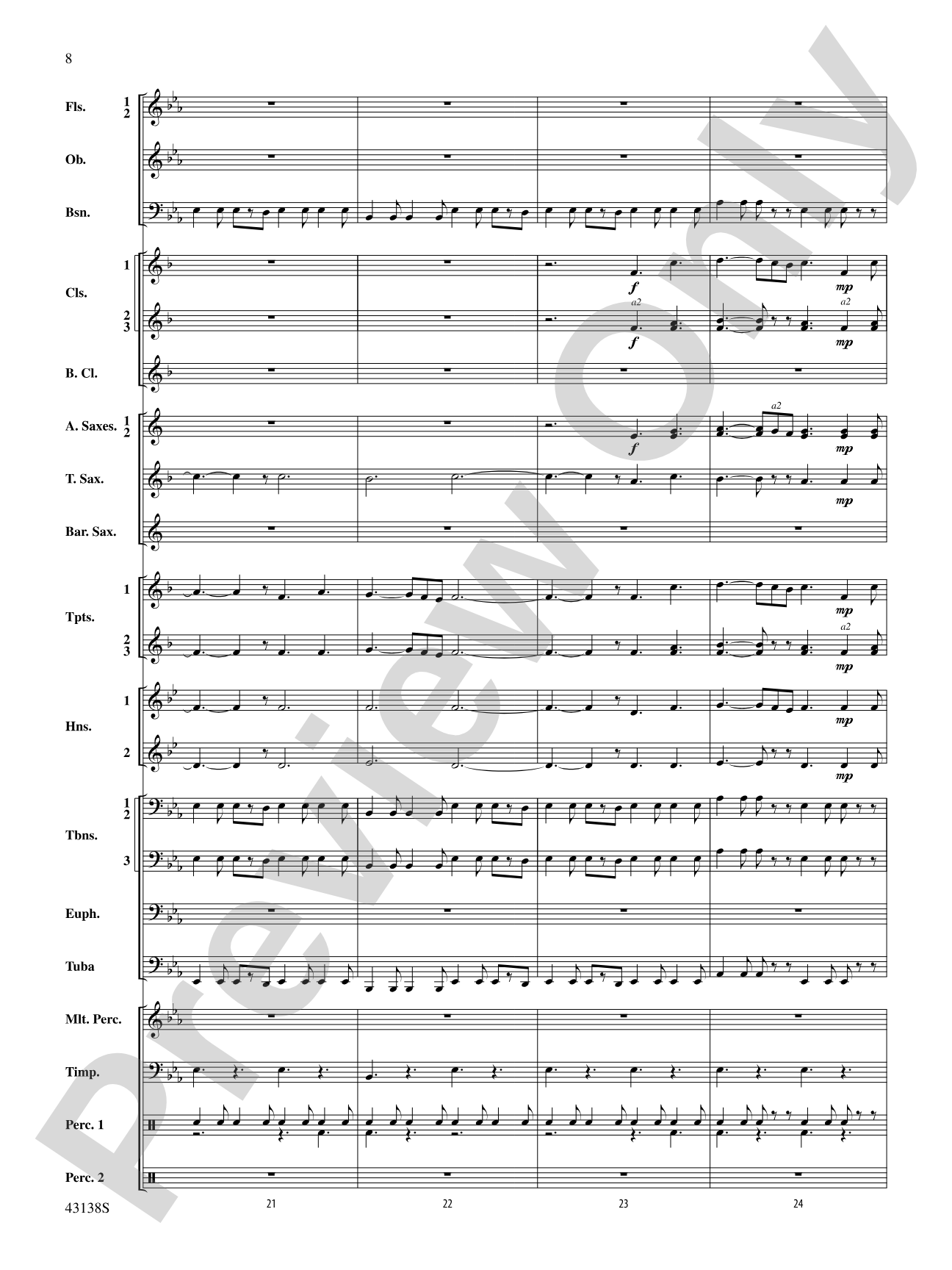
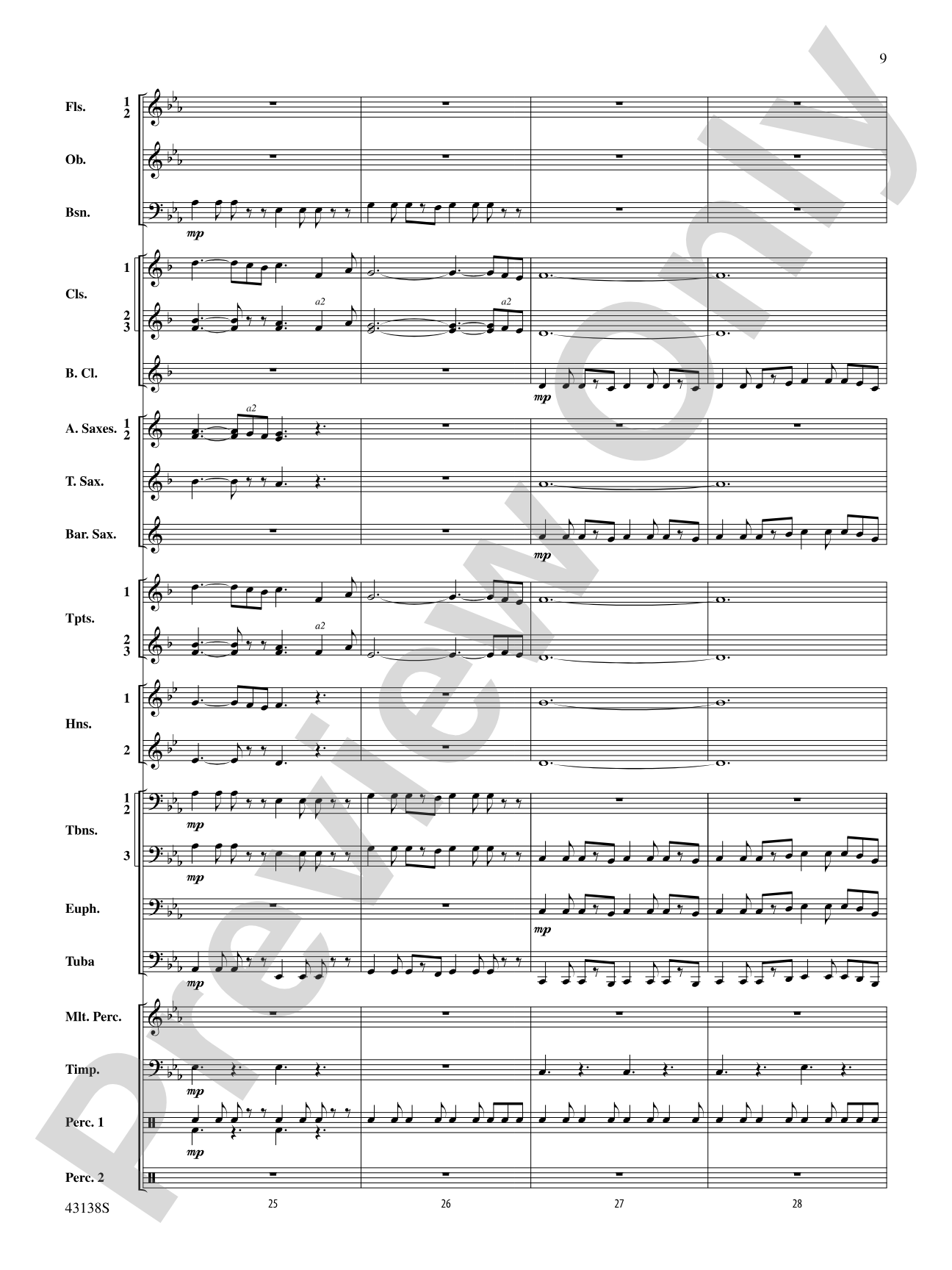
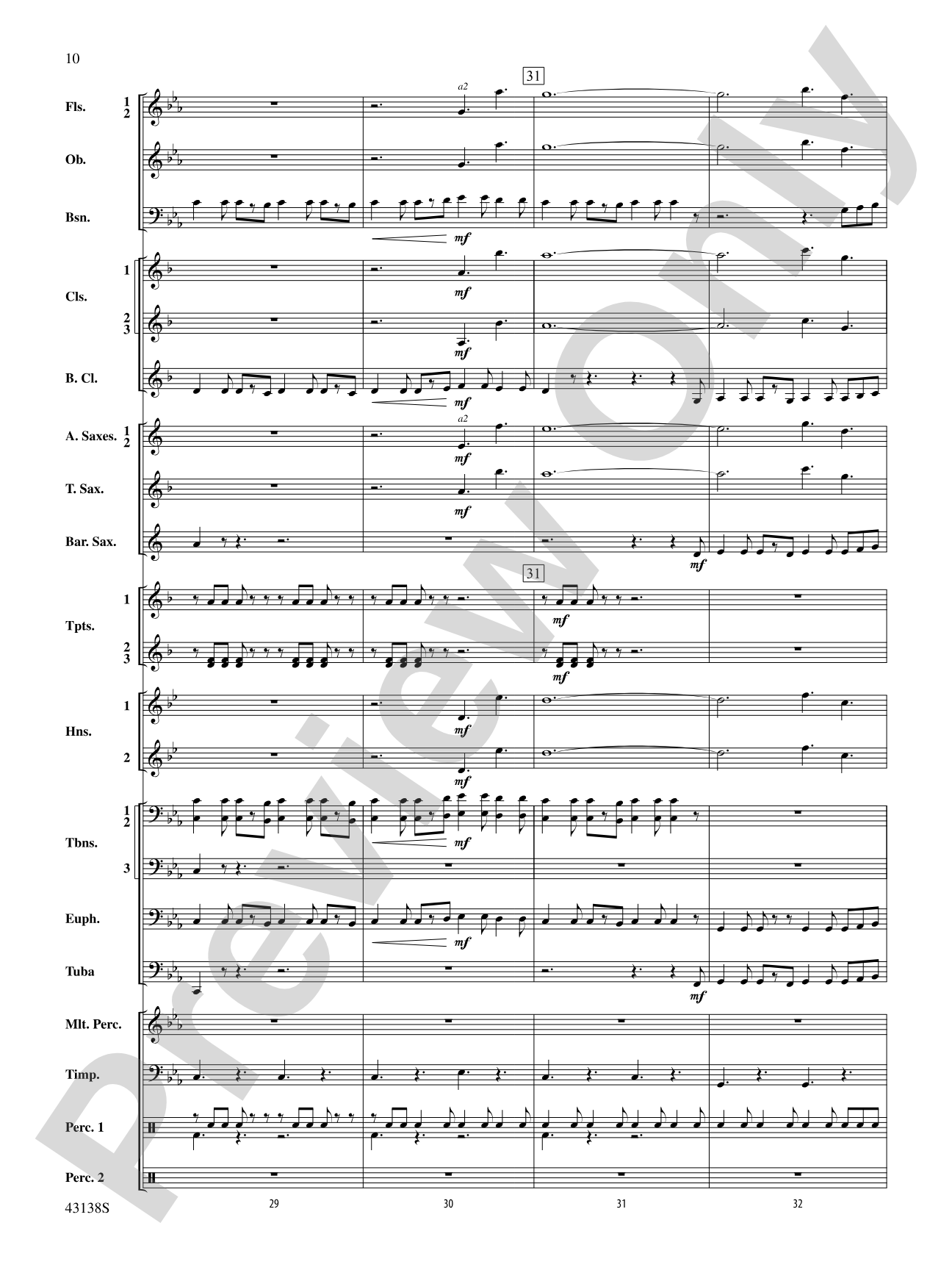
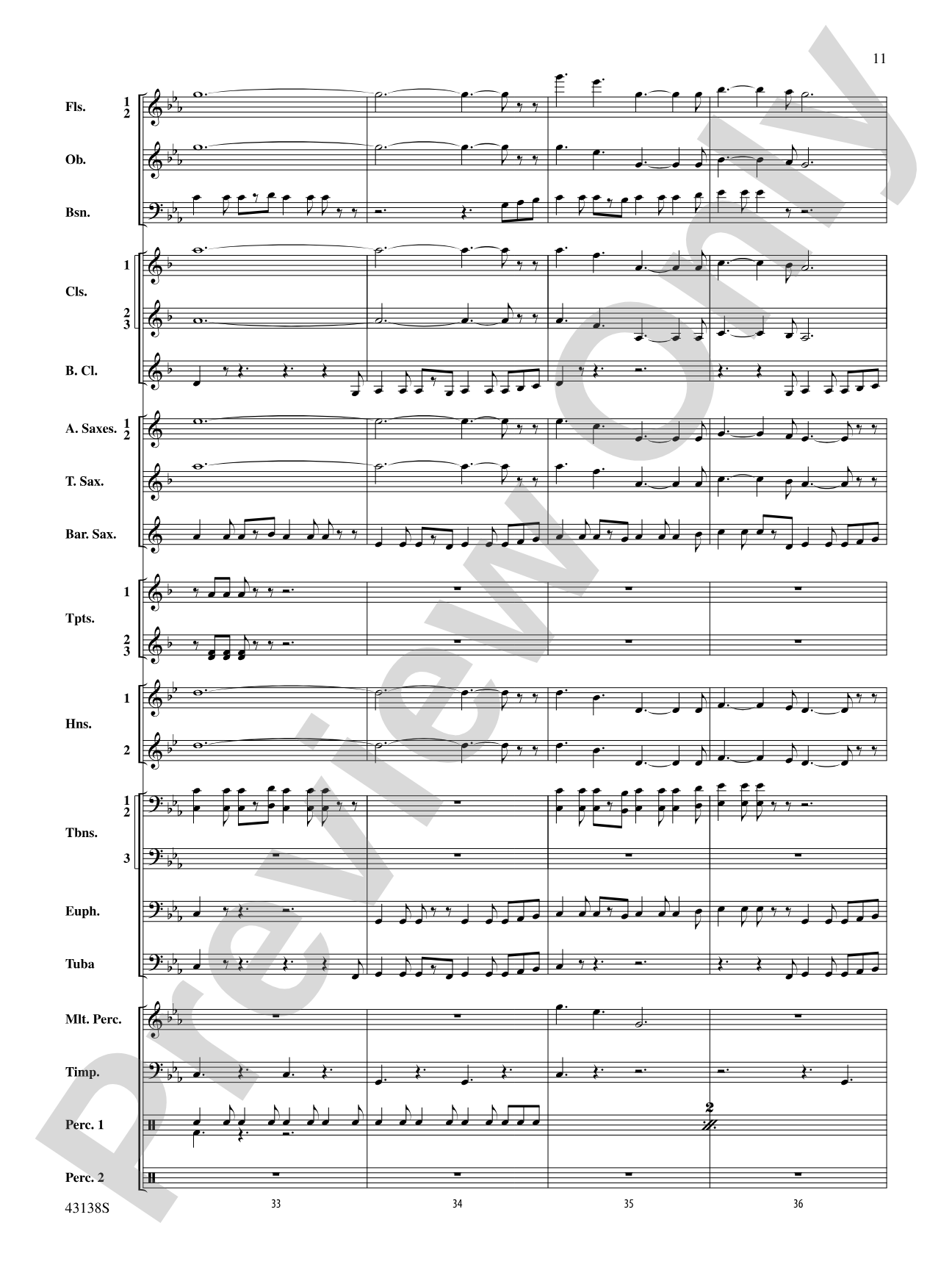
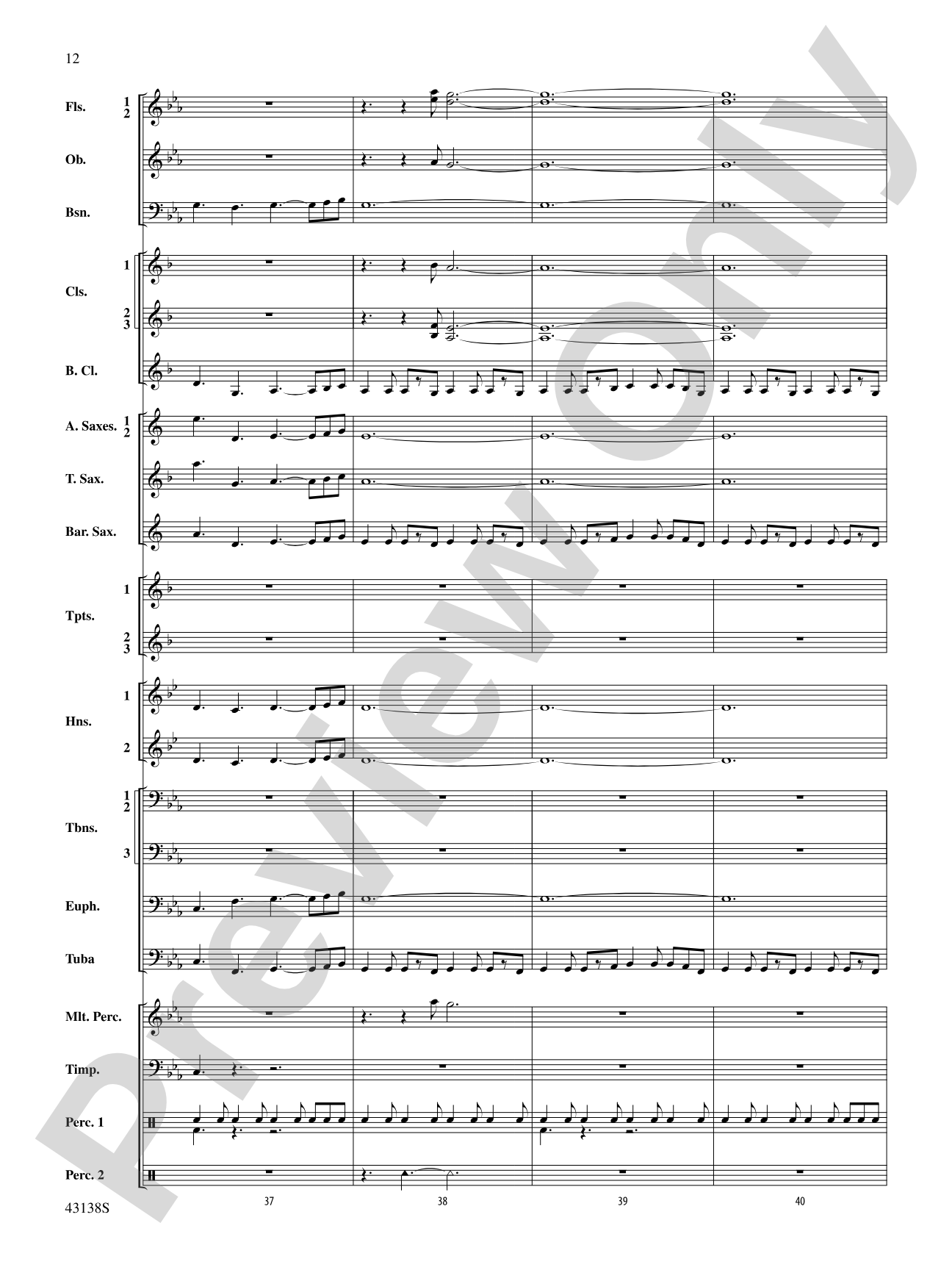
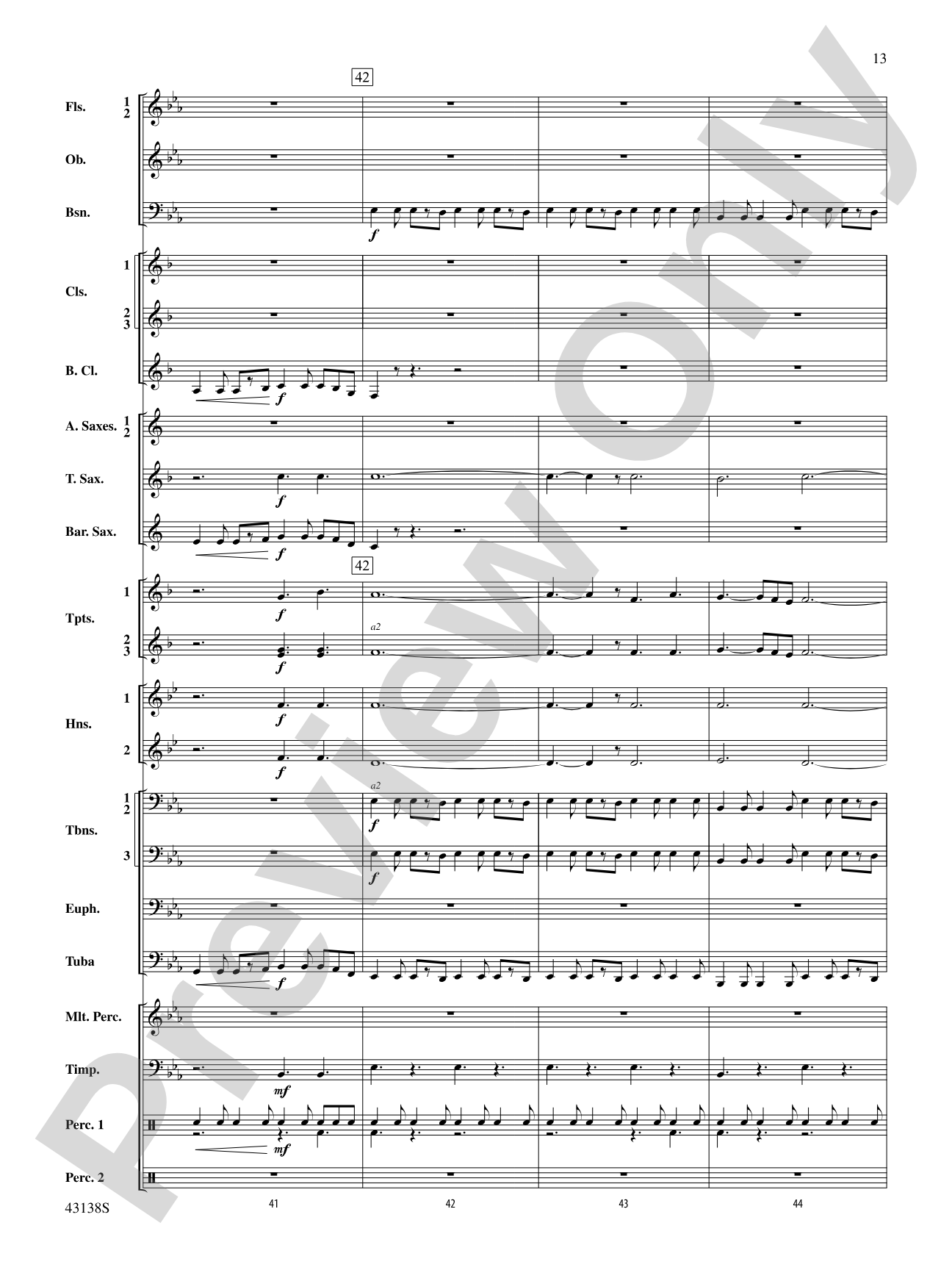
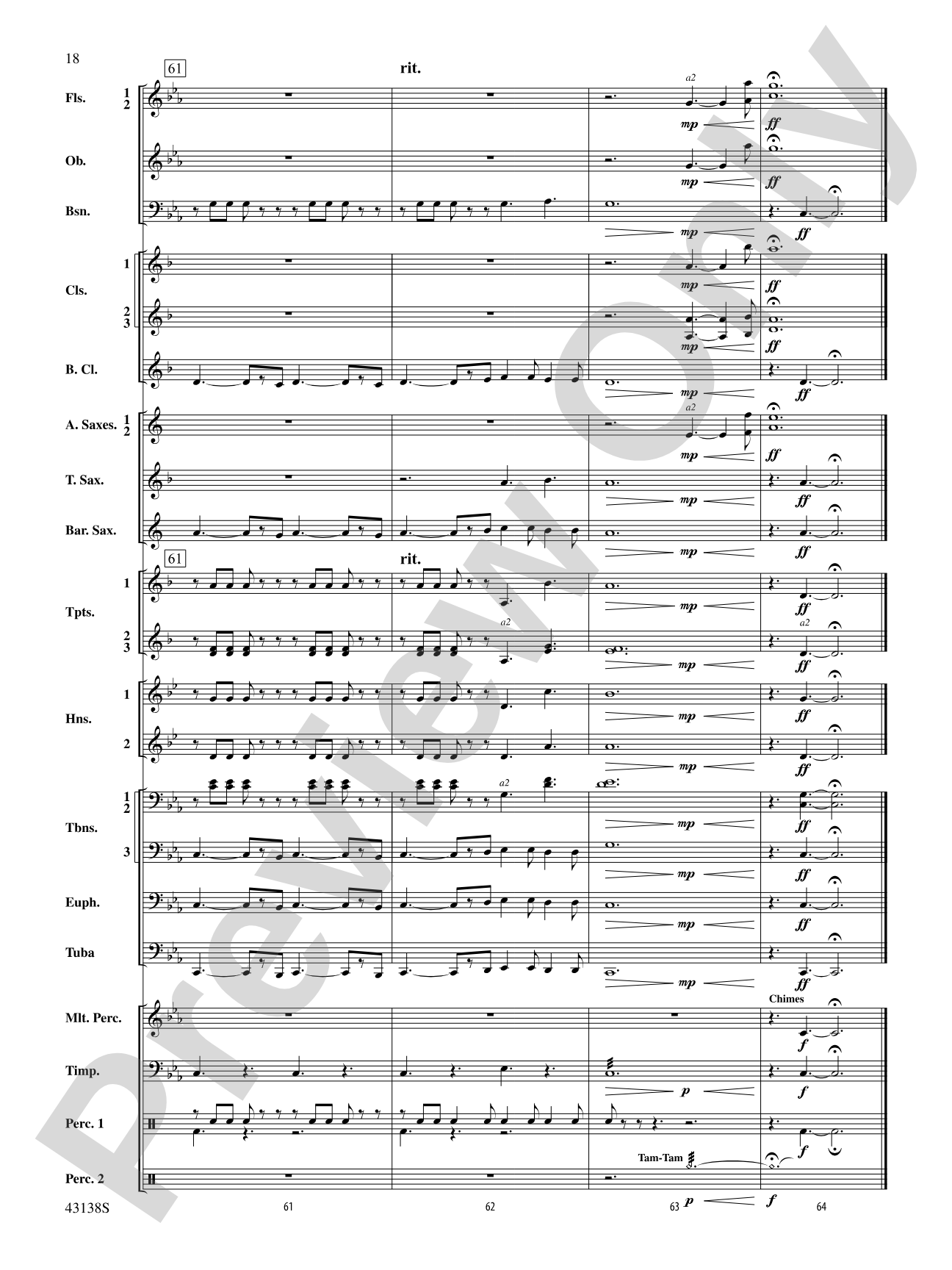

Doctor Who: Concert Band Conductor Score & Parts
Theme from the BBC Television Series
By Ron Grainer / arr. Douglas E. Wagner
Grade: 3 (Medium Easy)
Item: 00-PK-0006535

$70.00
One moment…
Description
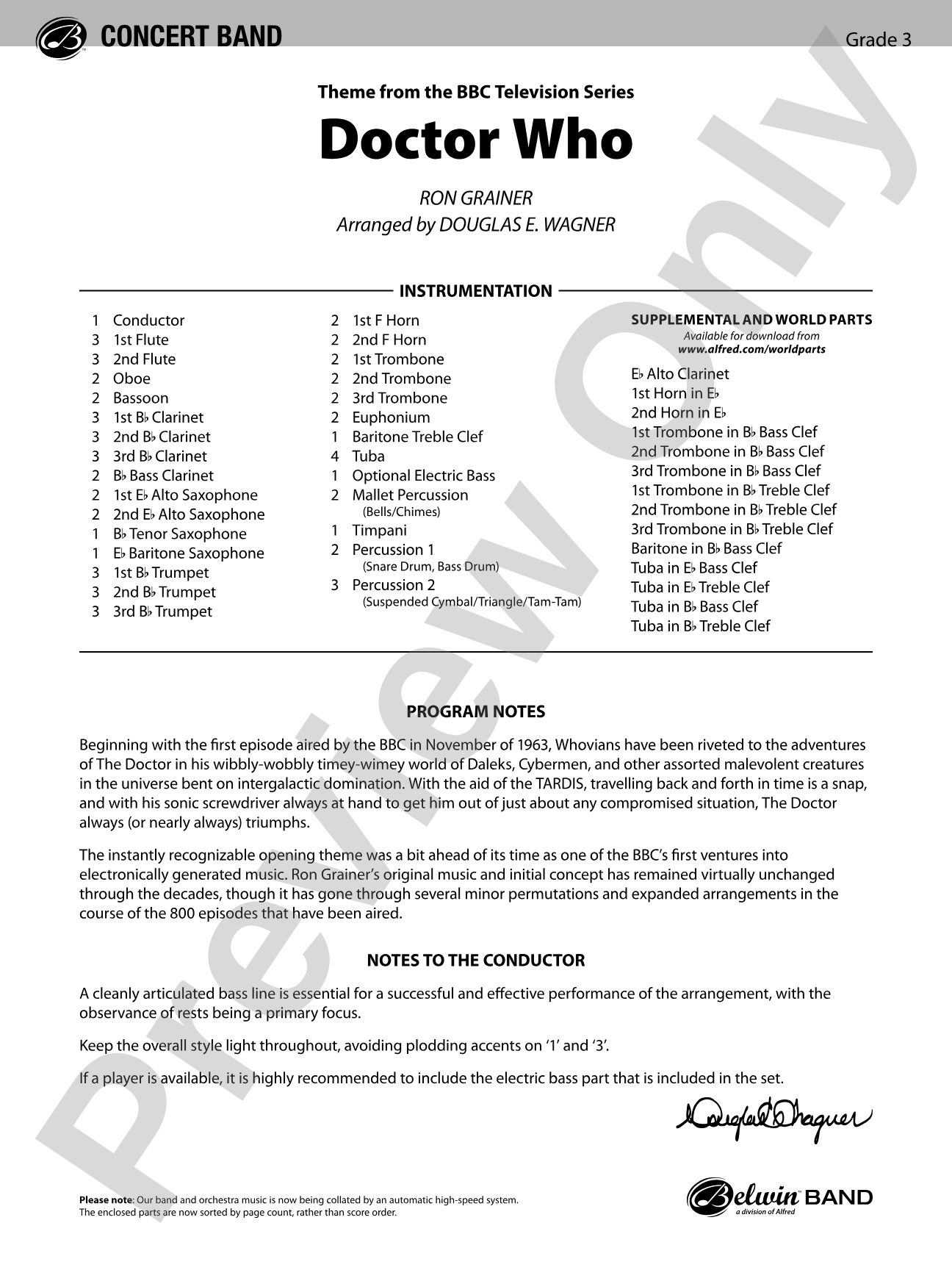
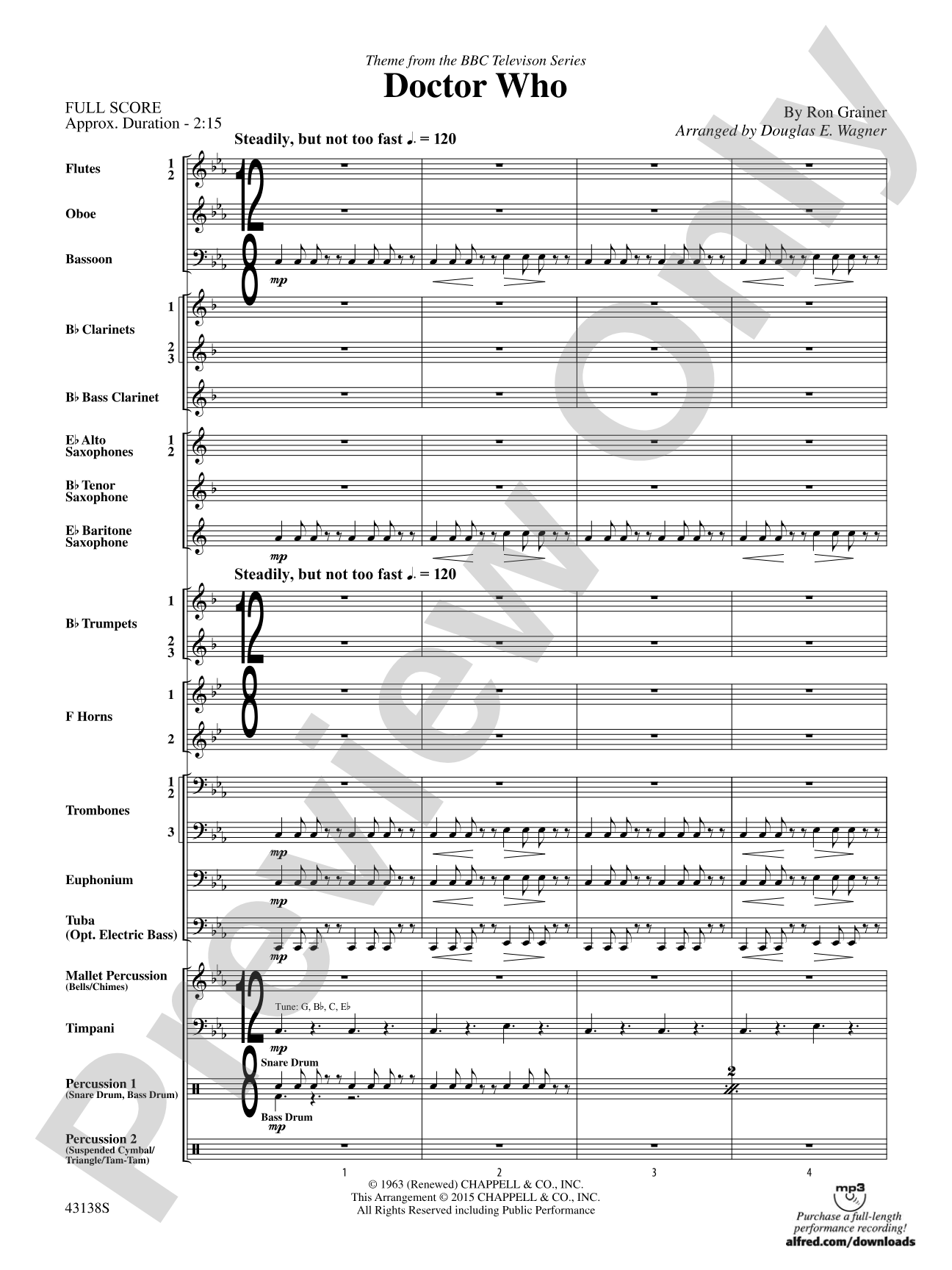
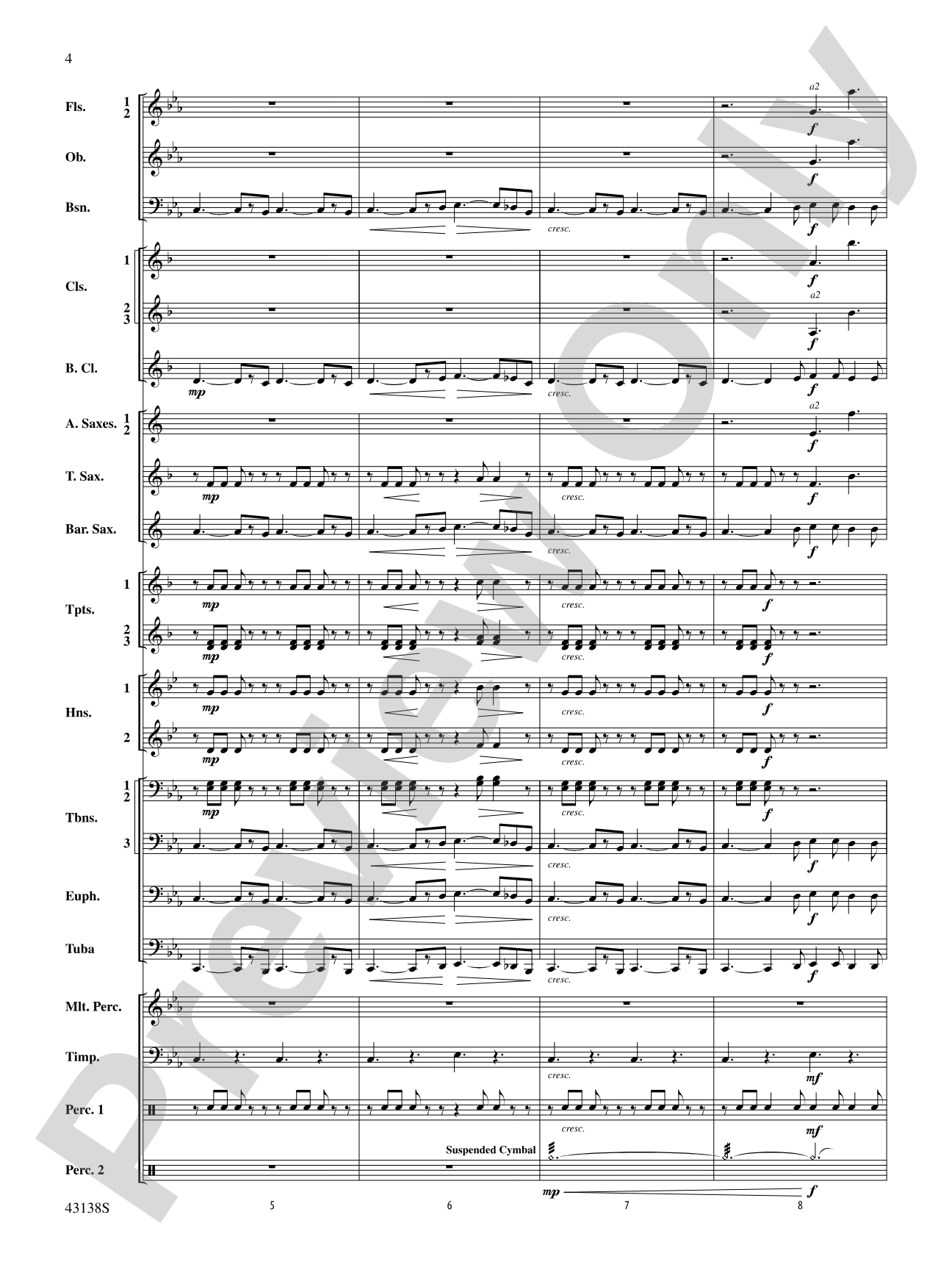
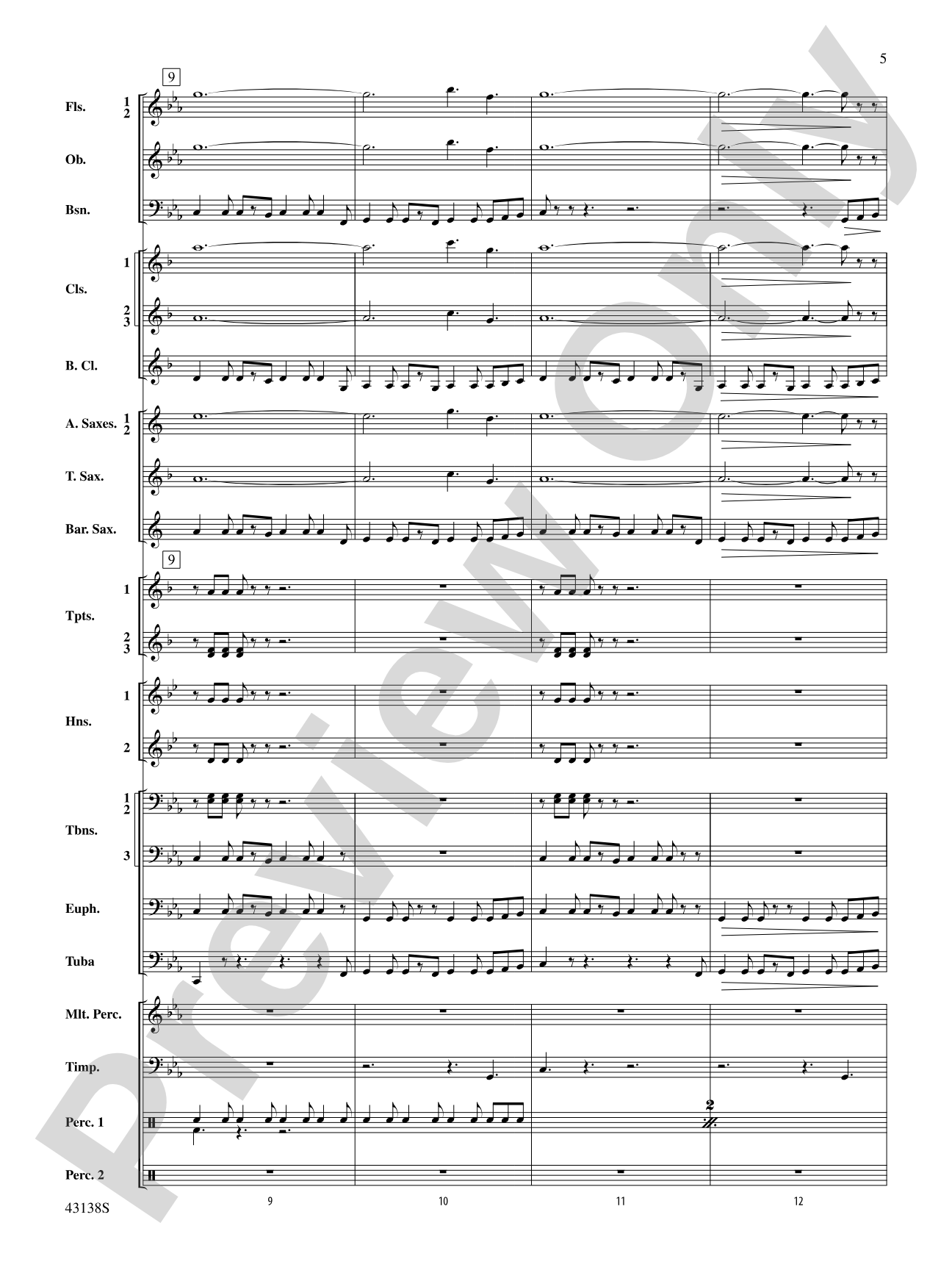
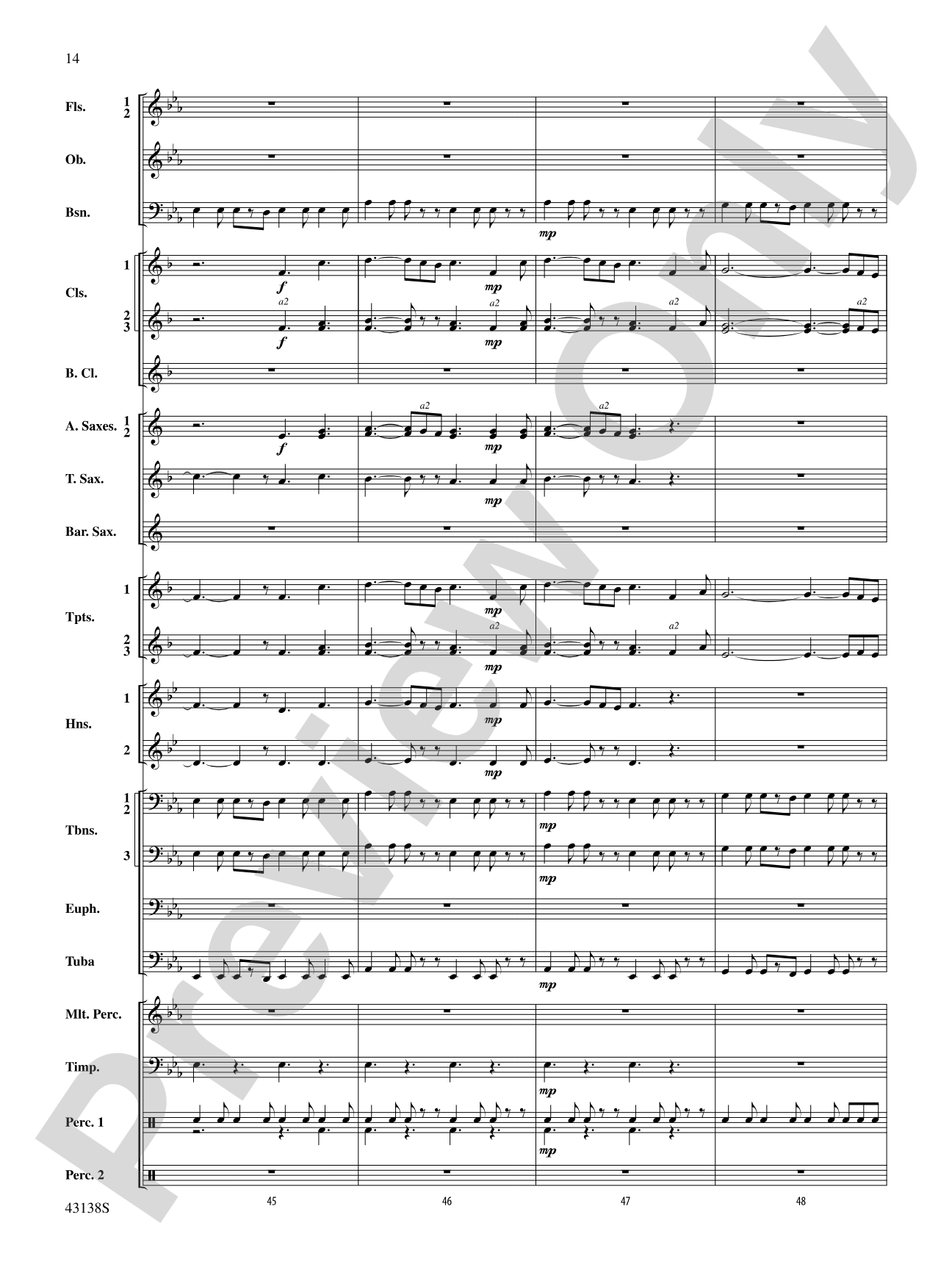
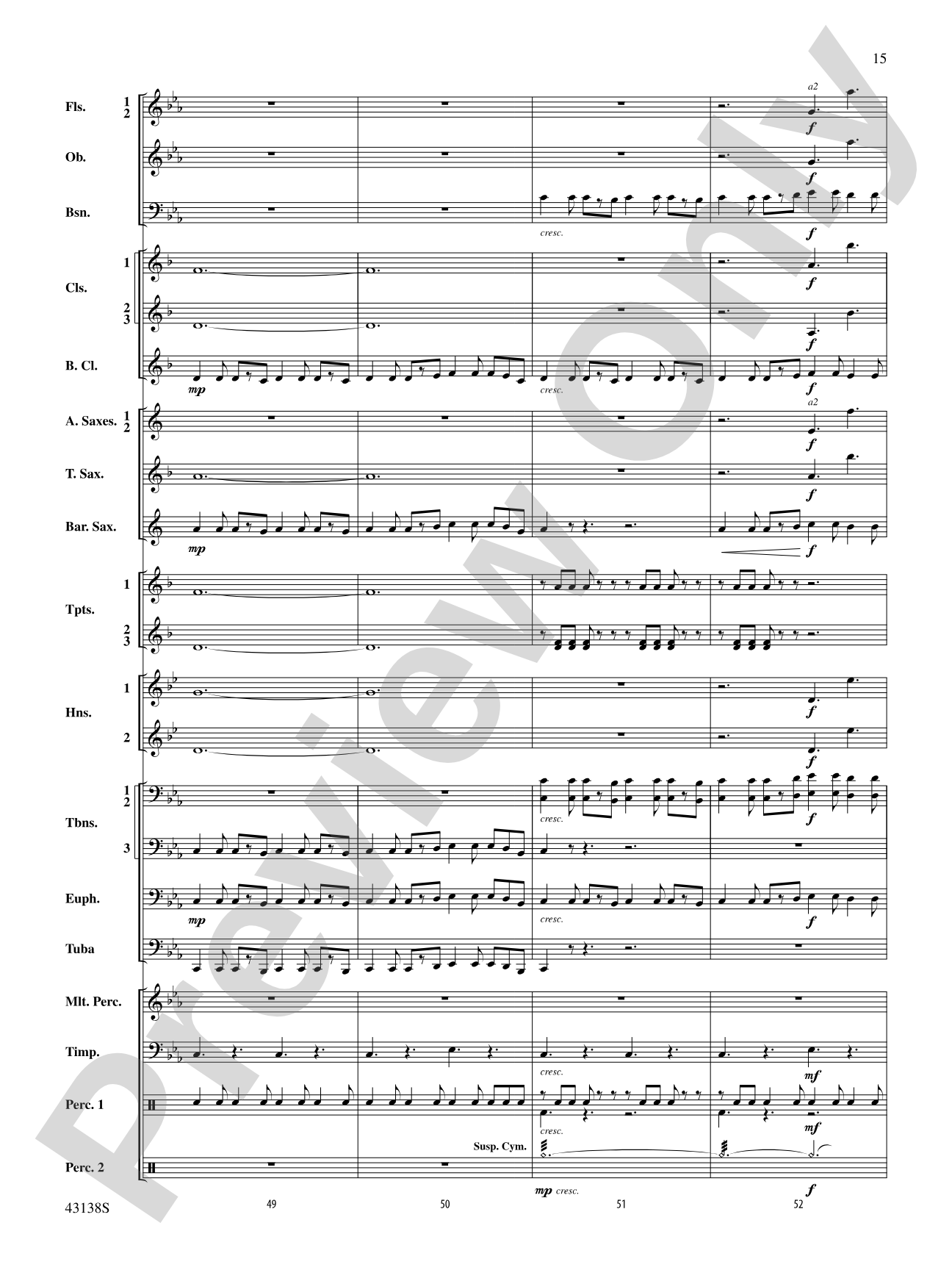
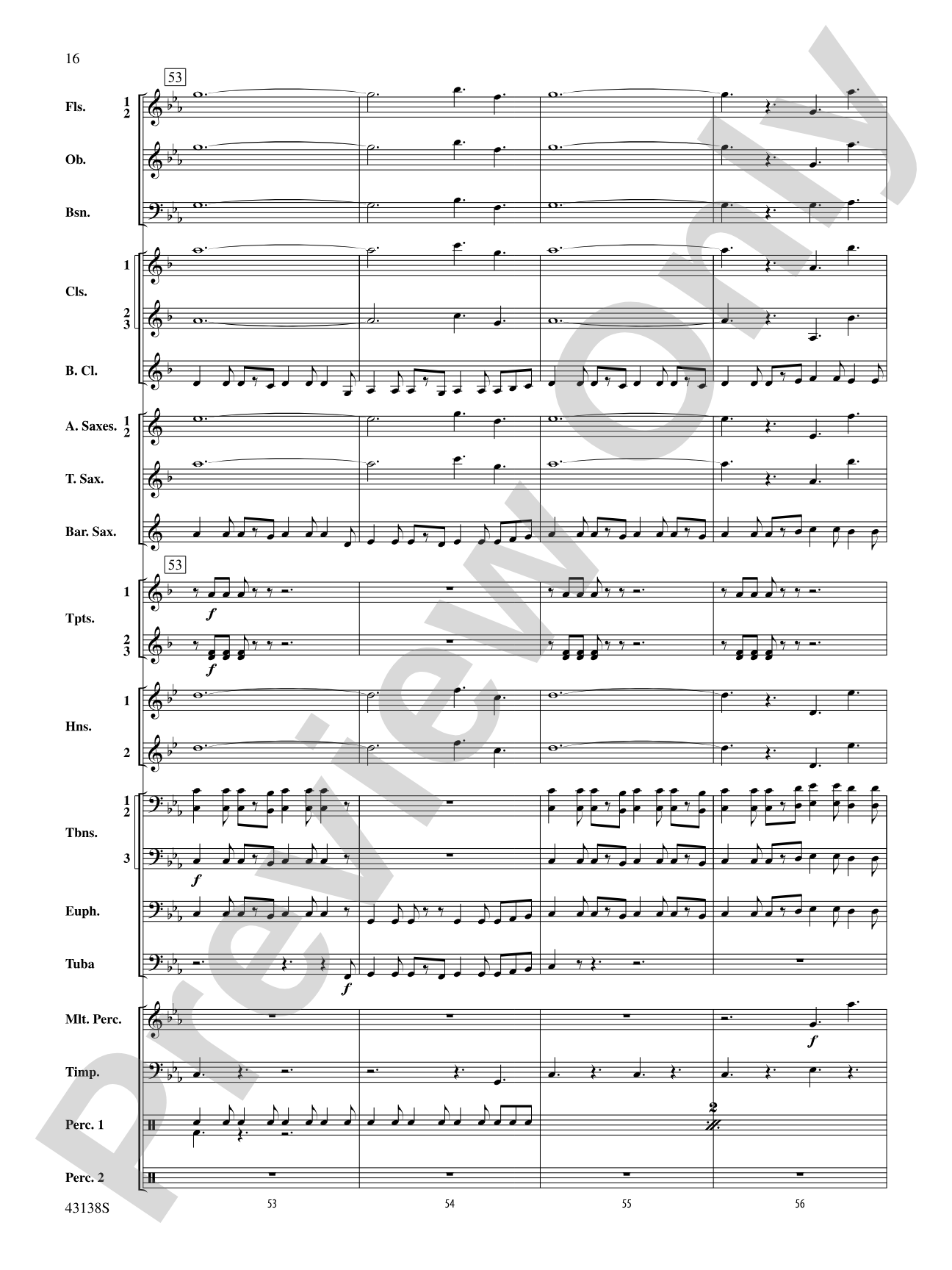
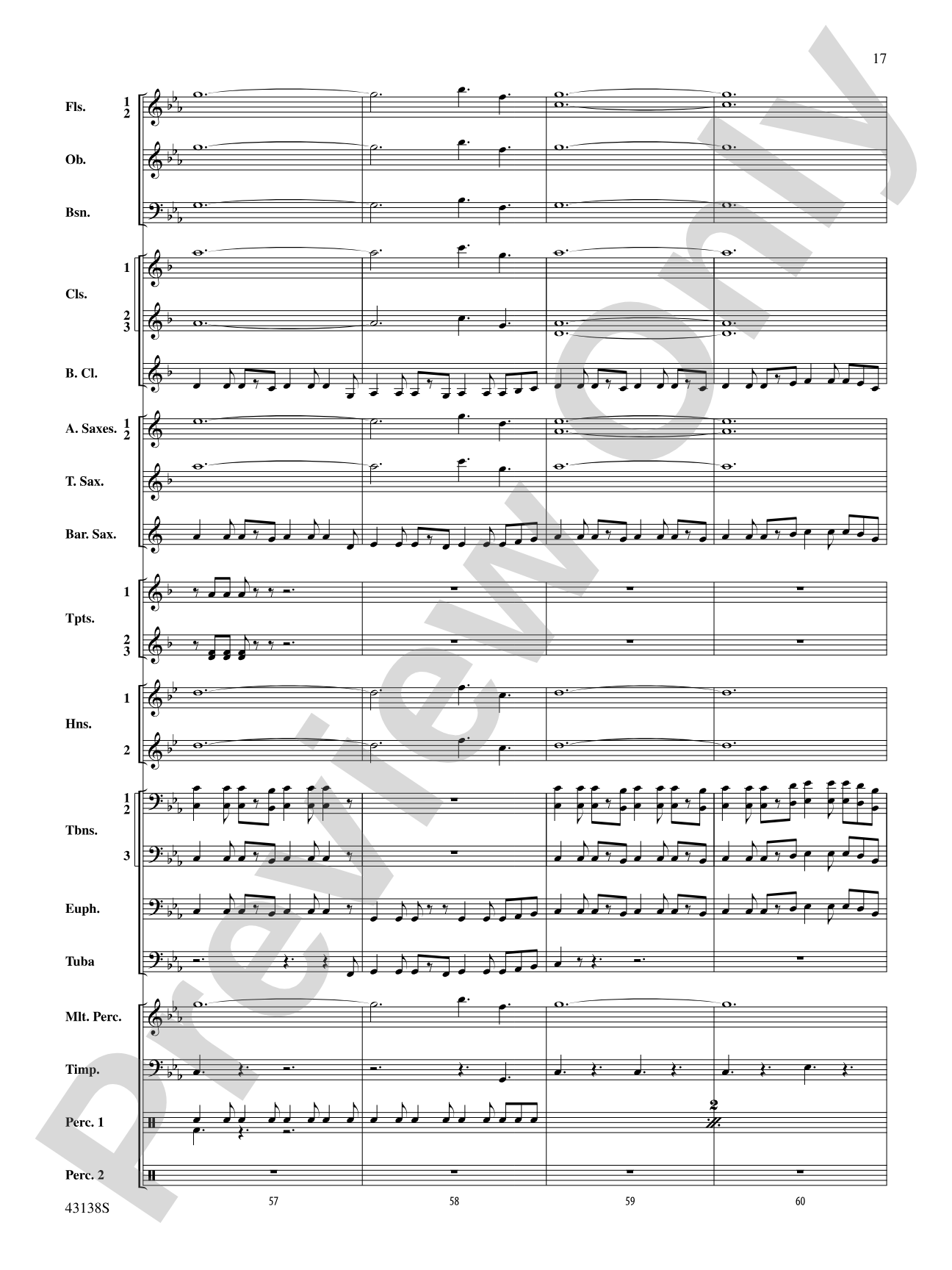
Beginning with the first episode aired by the BBC in November of 1963, Whovians have been riveted to the adventures of The Doctor and, The Doctor always (or nearly always) triumphs. The instantly recognizable opening theme was a bit ahead of its time however, Ron Grainer's original music and initial concept in 12/8 has remained virtually unchanged through the decades. A musical adventure for generations! (2:15) This title is available in MakeMusic Cloud.


Don't just read it, hear it, play along with it, and watch your students grow with it. In MakeMusic Cloud, Doctor Who: Concert Band Conductor Score & Parts comes alive with professional accompaniment, adjustable tempo, and built-in practice tools that turn solo practice into real progress.
Open in the Player
Jump straight in and assign it today.
Start Your Free Trial
Open this title and explore the full library in minutes.
Sample Audio
1
Audio File
--:--
0:00
0:00
Sample Video
No sample videos found.
Additional Details
Series:
Pop Concert Band
Publisher:
Alfred Music
Page Count:
166
SKU:
00-PK-0006535
More about this title
About the Composer: Ron Grainer
Ron Grainer (1922-1981) was a British composer and conductor whose work spanned film, television, and concert music. His television themes became iconic fixtures of British popular culture, and his gift for memorable melody combined with sophisticated orchestration made his scores instantly recognizable to millions of viewers.
Why we love this
Douglas E. Wagner's arrangement captures the essential DNA of Grainer's original theme while crafting an engaging concert band piece that sits comfortably at Grade 3. The 12/8 meter signature creates rhythmic momentum that energizes younger ensembles, and the arrangement respects the theme's iconic status without oversimplifying it. Programming this alongside classical or contemporary concert works demonstrates to audiences how excellent television composition deserves a place in the concert hall.
What to expect
The arrangement opens with the theme's characteristic curiosity and forward momentum, evoking the spirit of adventure and mystery that has drawn viewers to Doctor Who for generations. The 12/8 meter creates a lilting, almost dance-like quality that feels both sophisticated and accessible, making it instantly appealing to audiences of all ages.
Who it's for
Band directors working with developing ensembles at the middle school or early high school level will find this a rewarding addition to a concert program. Students already familiar with the Doctor Who theme from popular culture gain immediate engagement with the score, and the Grade 3 difficulty allows musicians to focus on clean execution and musical phrasing rather than technical struggle.
How to get the most out of it
- Establish the 12/8 pulse clearly from the opening; the meter gives the theme its characteristic forward motion, so resist the urge to rush or slow down. Conduct it as a slow four with triplet subdivisions to help the band lock into the intended groove.
- Balance the melodic lines across sections so the theme remains coherent as it passes between instruments. The instantly recognizable tune should always be the point of focus, even when counter-melodies or accompaniment figures support it.
- Shape phrases with gentle dynamic curves rather than stark contrasts; Grainer's original music relies on elegant orchestration, not dramatic swells. Preserve that sophistication in your interpretation.
How to use it
This works exceptionally well as a lighter moment in a concert that otherwise features classical or original contemporary works, offering your audience a moment of recognition and delight. It also pairs naturally with other pop or film-inspired concert band arrangements, allowing you to build a program around accessible, engaging music that still demands solid musicianship from your ensemble.
Skills your students will build
- Reading and performing in 12/8 meter with consistent pulse
- Balancing melodic and accompaniment roles across band sections
- Maintaining articulation clarity while sustaining longer phrases
- Following conductor interpretation of a familiar, recognizable theme