


Do You Know What It Means To Miss New Orleans: Choral Instrumental Pak
As performed by Kirby Shaw
Item: 35-PK00027707
$30.00
Pickup currently not available
Buy Extra Parts (Digital PDF Download)
Parts Added to Cart!
Description
Recorded by greats such as Louis Armstrong, Billie Holiday and Frank Sinatra, this bluesy standard is a great tribute to a great city! Ideal for a tribute concert! Instrumental ePak has parts Bb Trumpet, Bb Clarinet, Trombone, Banjo/Guitar, Bass and Drums. Performance Time: Approx. 3:55


Do You Know What It Means To Miss New Orleans: Choral Instrumental Pak isn't in MakeMusic Cloud just yet...but it could be. Let us know you'd like to see it, and you'll help shape what comes next. In the meantime, start a free trial and dive into thousands of interactive titles your students can play along with today.
Request This Title
Tell us you want it.
Start Your Free Trial
Explore everything that's ready to play right now.
Sample Audio
No sample audio found.
Sample Video
No sample videos found.
Additional Details
Publisher:
Hal Leonard
SKU:
35-PK00027707
More about this title
About the Artist: Kirby Shaw
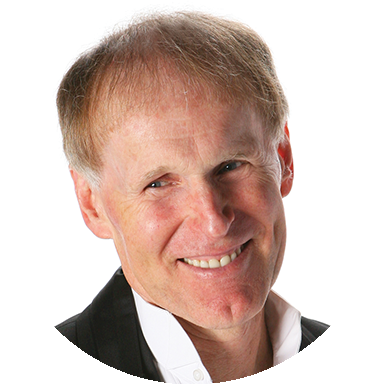
Kirby Shaw's career spans four decades of choral innovation across North America, Europe, and Australia. A DMA graduate in Choral Conducting from the University of Washington with additional degrees in Music Education and Choral Composition, Shaw built his reputation by founding and directing acclaimed vocal jazz ensembles at College of the Siskiyous, Colorado State University, and the University of Missouri at Kansas City. His work reflects mentorship from jazz legends including Bobby McFerrin and Jon Hendricks, who praised his musicianship directly.
Shaw's output includes over 2,500 published choral arrangements and compositions that have sold nearly 20 million copies worldwide and earned multiple ASCAP awards. Beyond his educational work directing the Jefferson State Choral Coalition at Southern Oregon University, he has overseen hundreds of recordings and co-created the original musical Scroogical with his wife, Markita. His teaching style combines technical depth with infectious humor and real-world jazz knowledge.
Why we love this
Shaw's arrangement captures the languid blues sensibility and harmonic sophistication that made this standard a vehicle for Armstrong and Sinatra while keeping it entirely singable for mixed ensembles. The instrumental pak gives you flexibility to program this either as a feature for your choir or as a standalone jazz combo number, with parts that balance accessibility against genuine interpretive depth.
What to expect
Nostalgic and intimate. The bluesy harmony and minor inflections evoke New Orleans' warmth and complexity, while the moderate tempo invites restraint and emotional directness from singers and players. There's joy in this arrangement, but it's the knowing, lived-in joy of a song that has meant something to generations of artists.
Who it's for
Mixed choral ensembles and smaller jazz combos looking for an authentic standard with pedagogical substance. Works equally well for directors seeking repertoire that connects students to jazz history and performance traditions.
How to get the most out of it
- Honor the balladic phrasing by avoiding a metronomic approach to the rhythm section; let the drums and bass establish a relaxed swing that breathes with the singers.
- Balance the trumpet and clarinet lines so they enhance rather than compete with the vocal melody, especially in the head arrangement sections.
- Work the recorded accompaniment to lock tuning and timing with the ensemble before removing it for live performance.
How to use it
Slot this into a concert celebrating American standards or jazz history, or use it as the anchor for a tribute evening to the Great American Songbook. The 3:55 runtime and sophisticated voicing make it work equally well as a pre-concert warmup performance or a feature moment that showcases your ensemble's jazz credibility.
Skills your students will build
- Swing articulation and phrasing in jazz ensemble contexts
- Reading and executing jazz chord changes and solo sections
- Balancing blend across mixed instrumental and vocal timbres
- Interpreting blues harmony and minor pentatonic inflections
- Coordinating rhythm section communication (drums, bass, guitar/banjo)