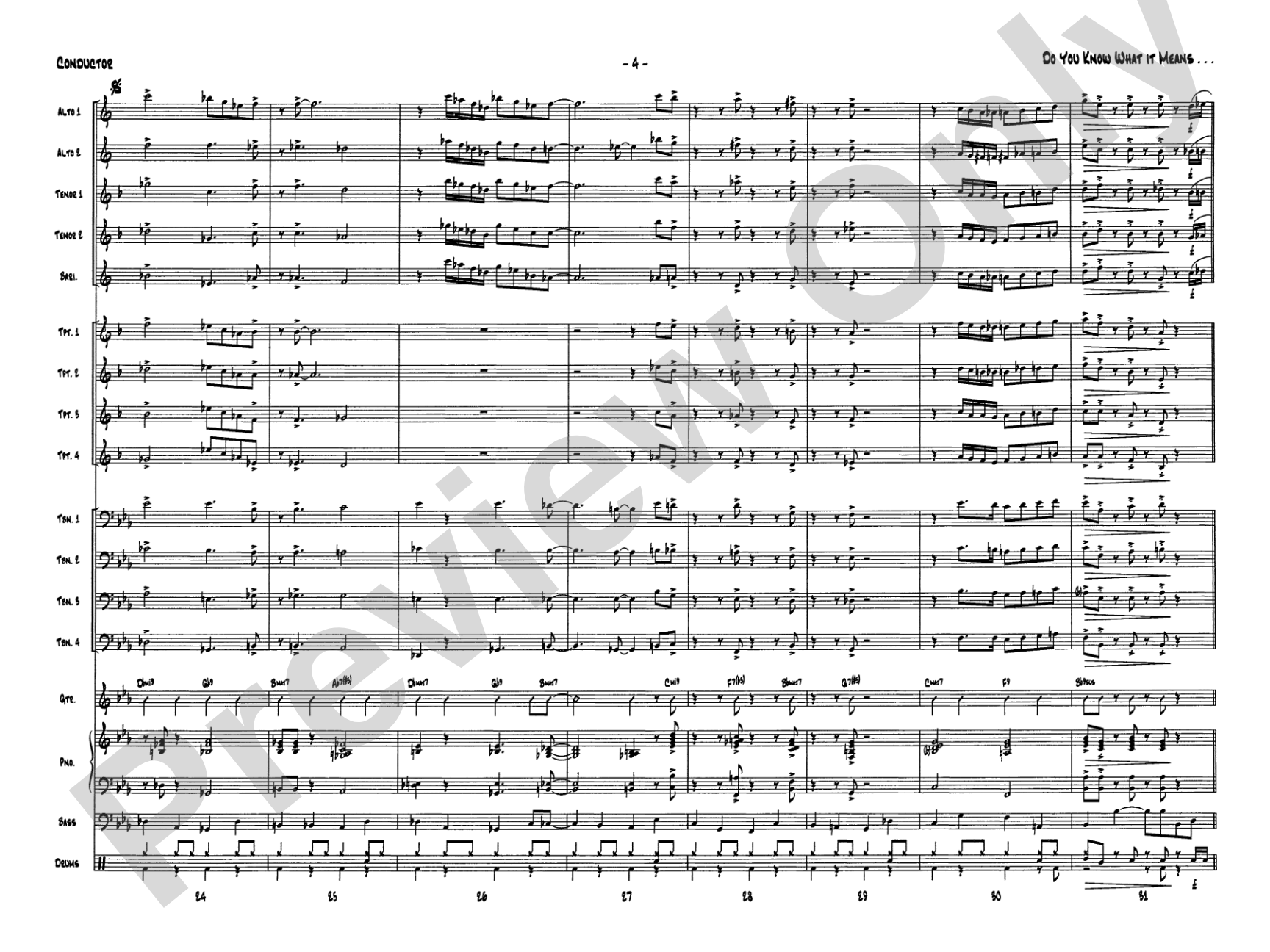
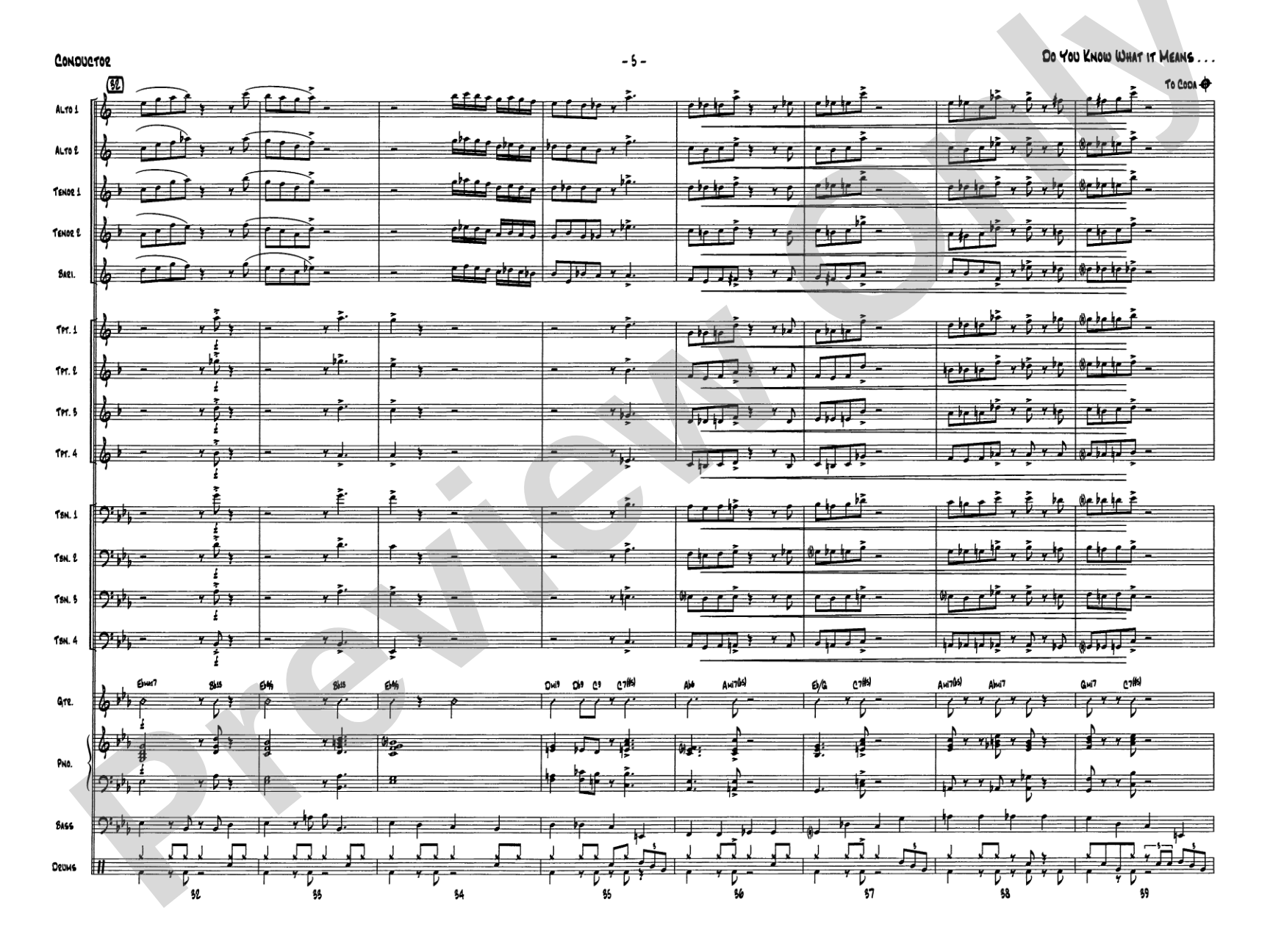
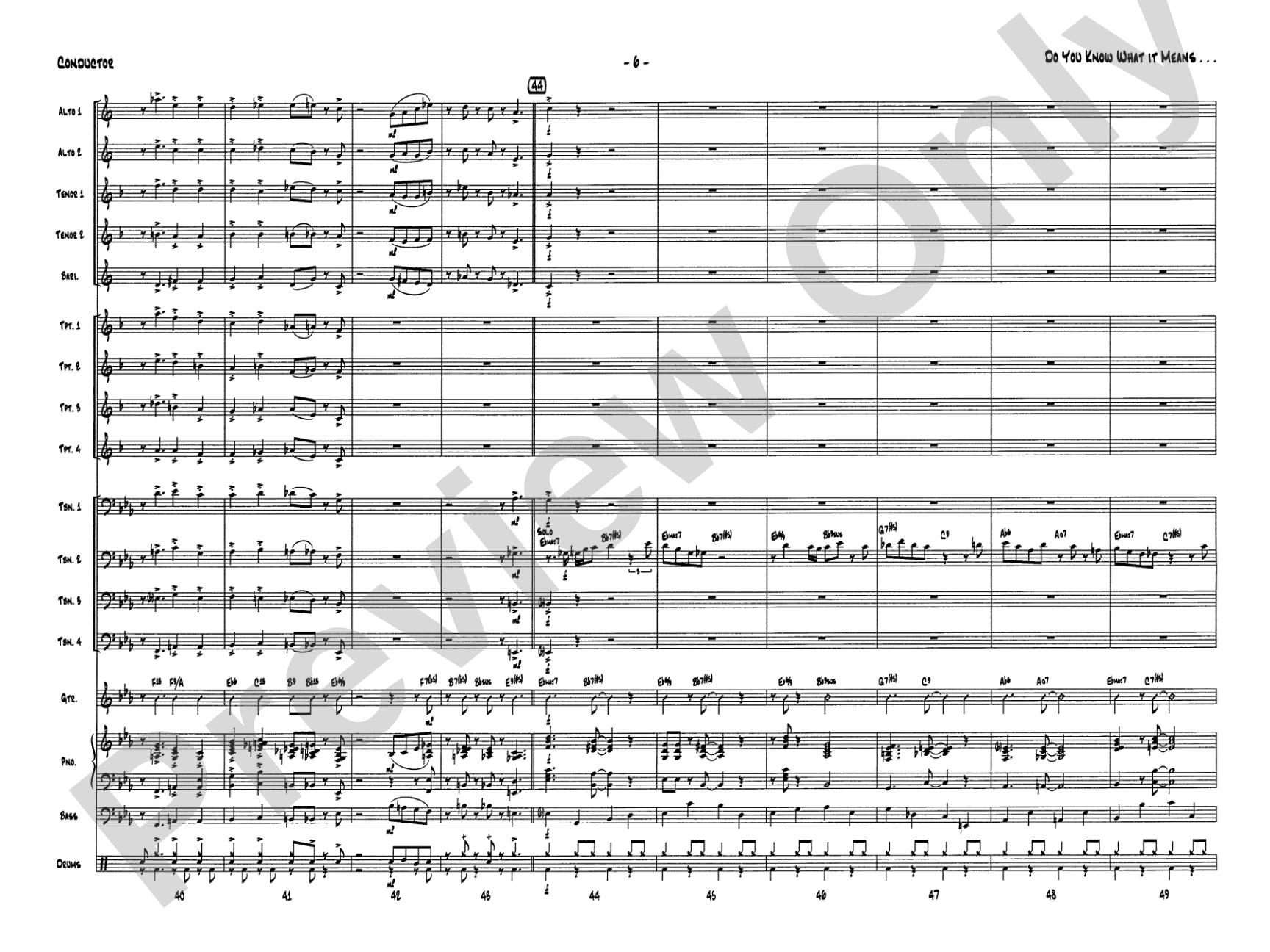
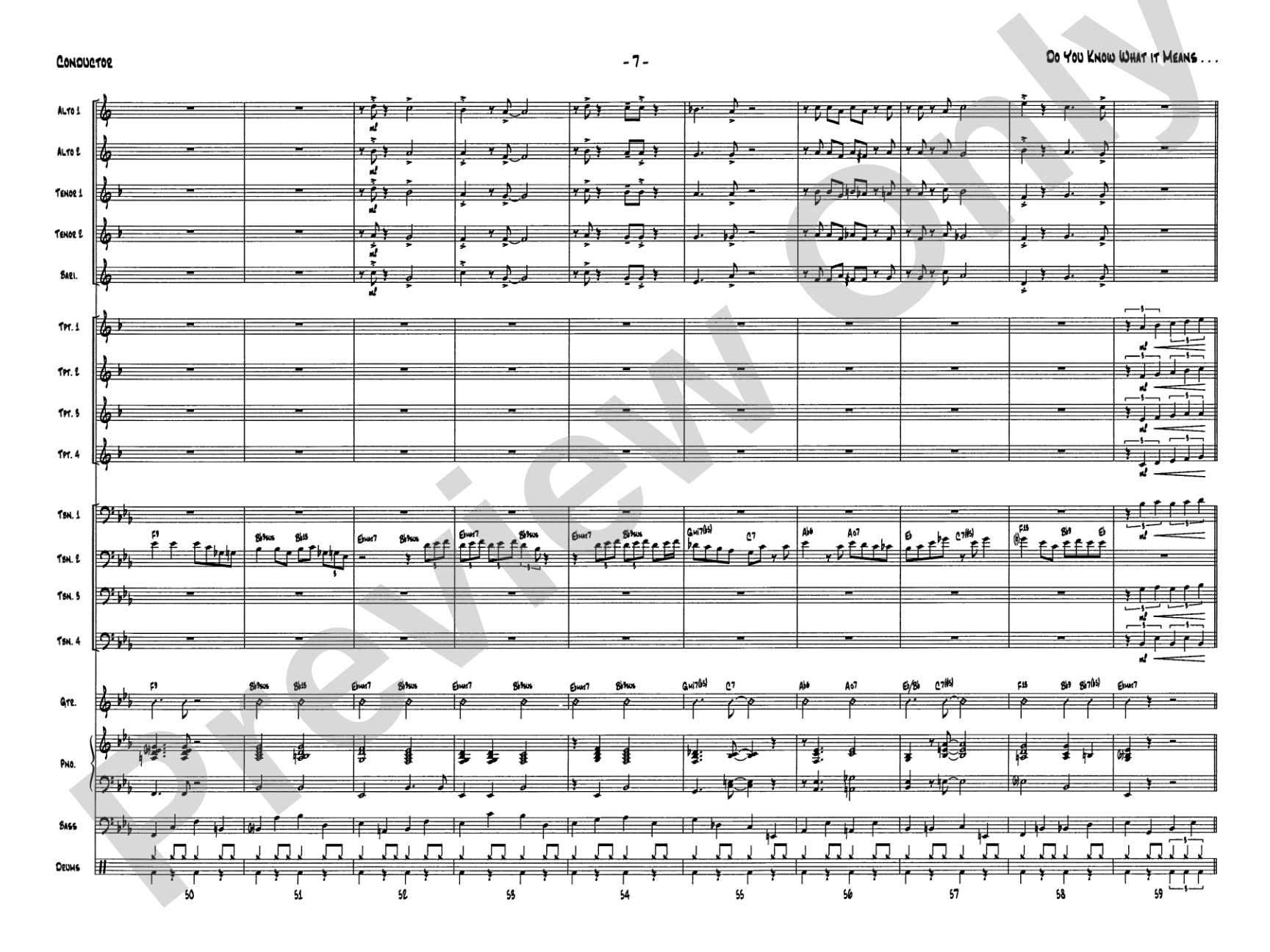
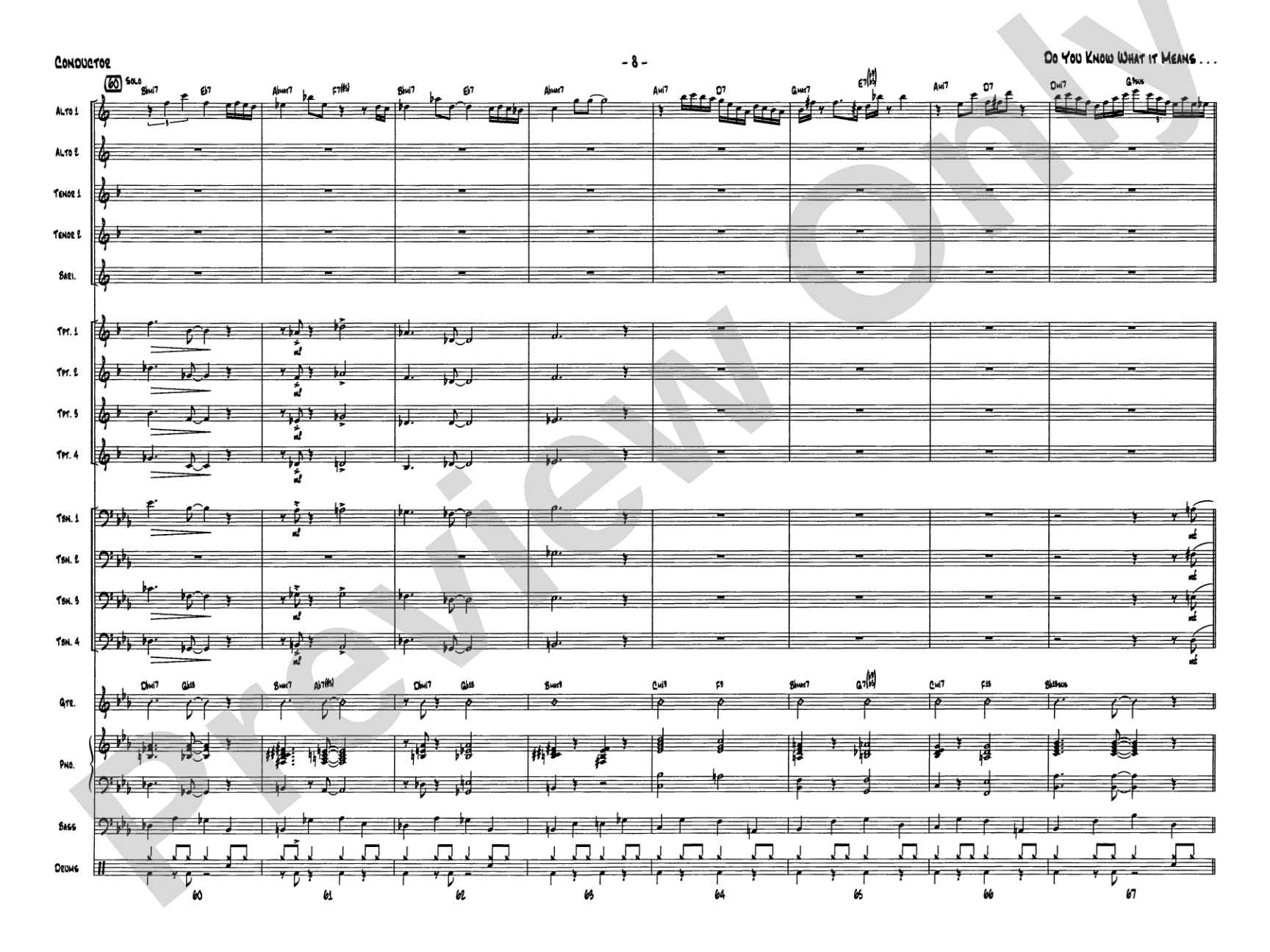
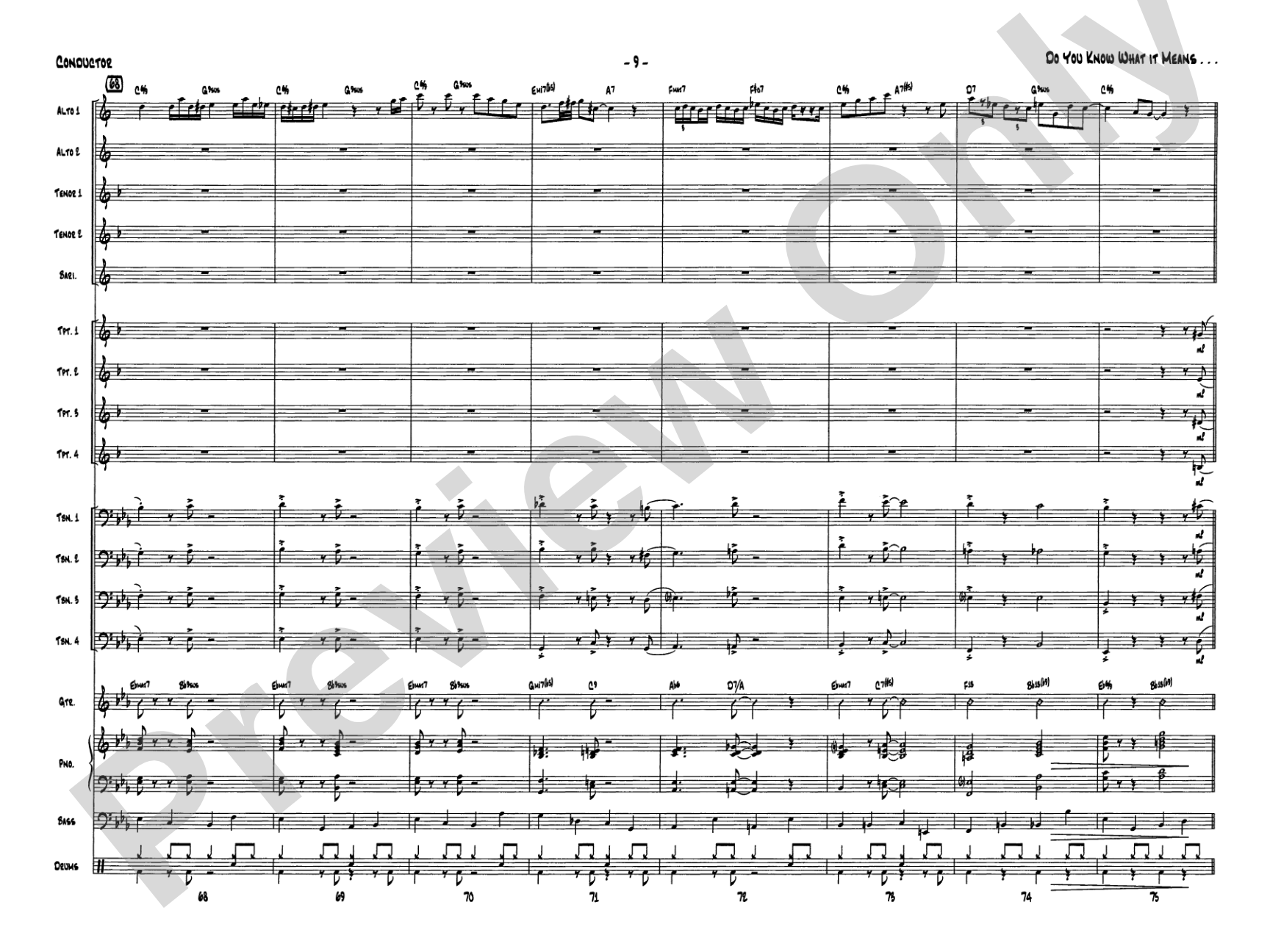
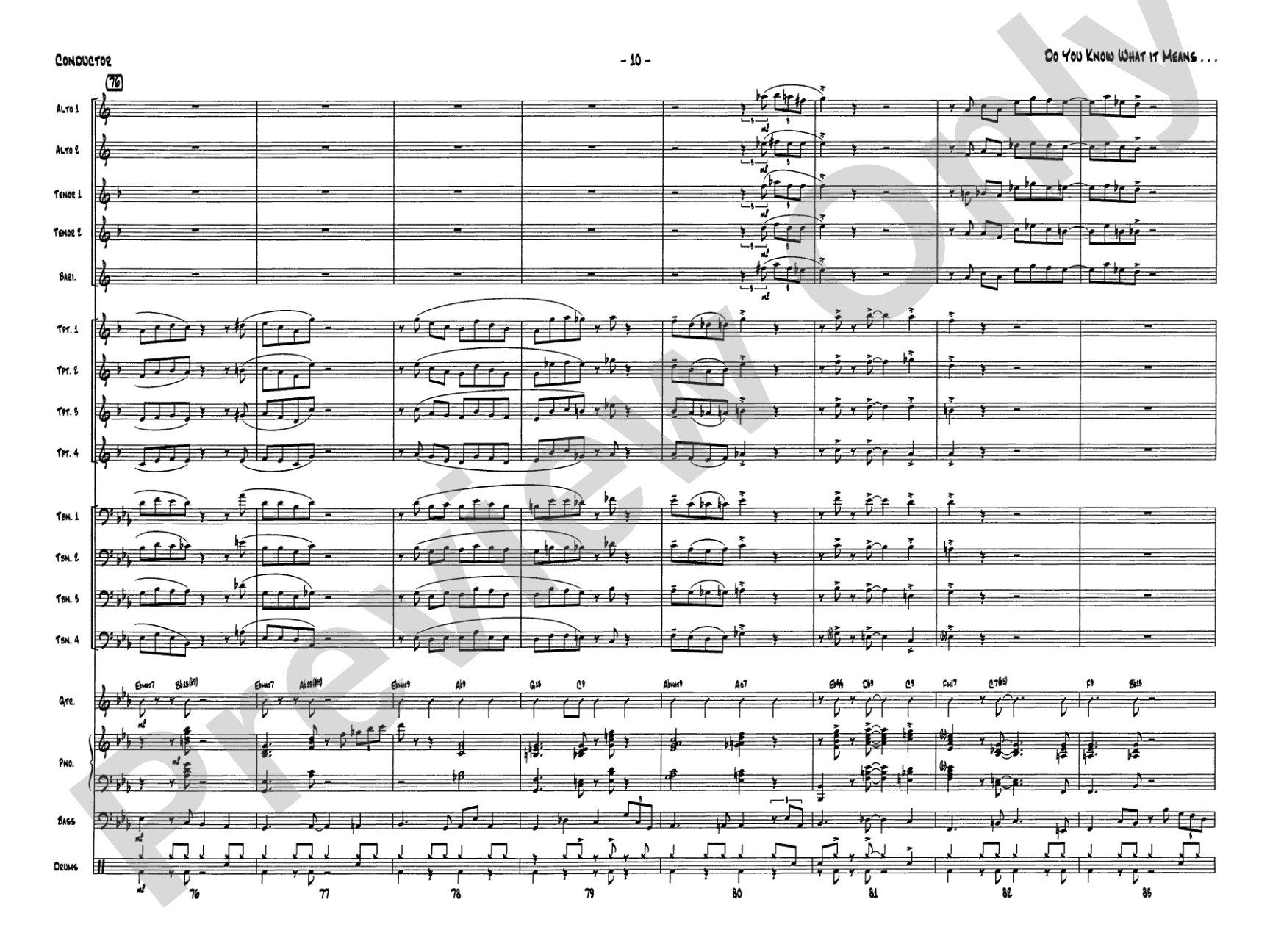
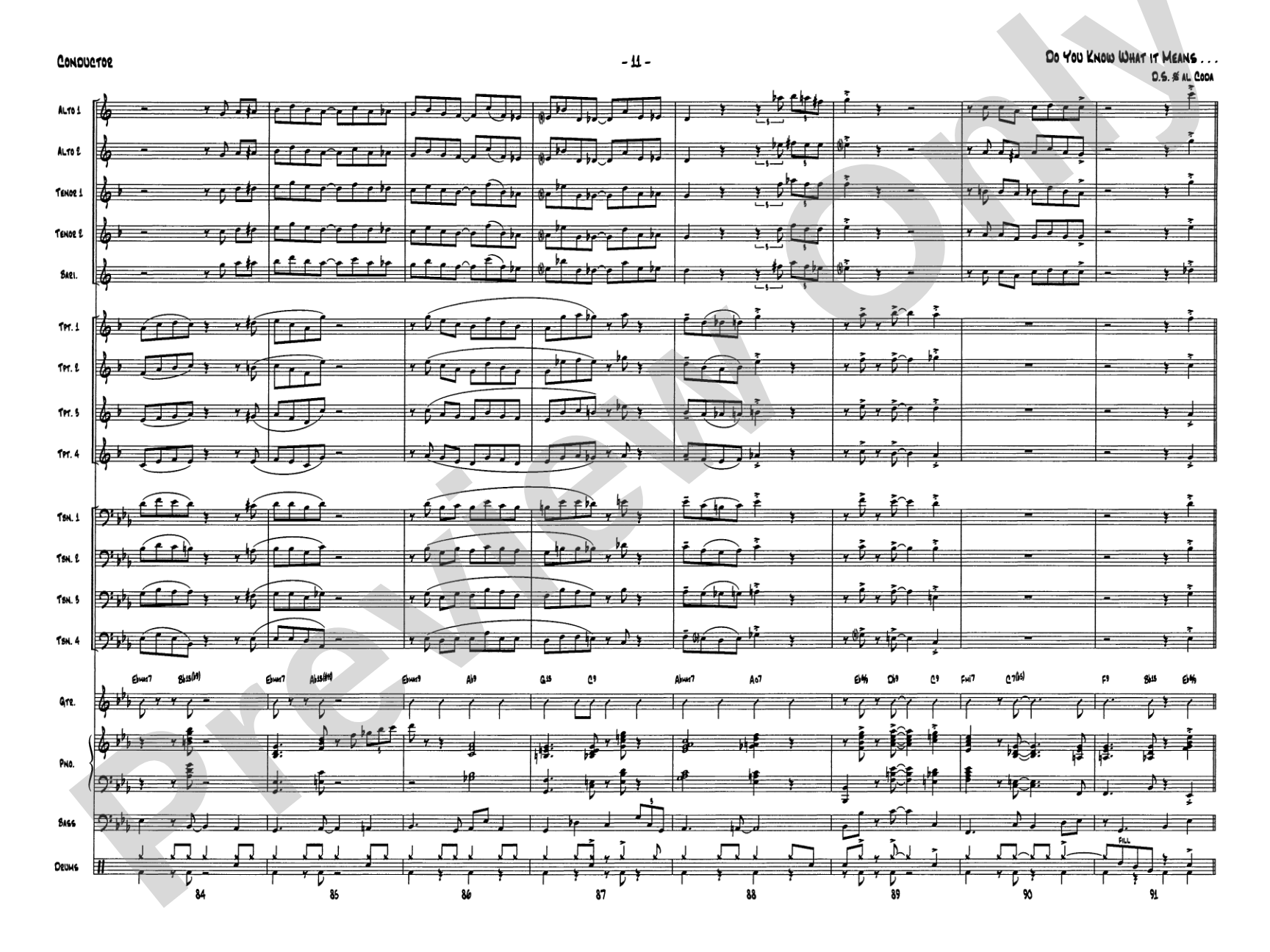
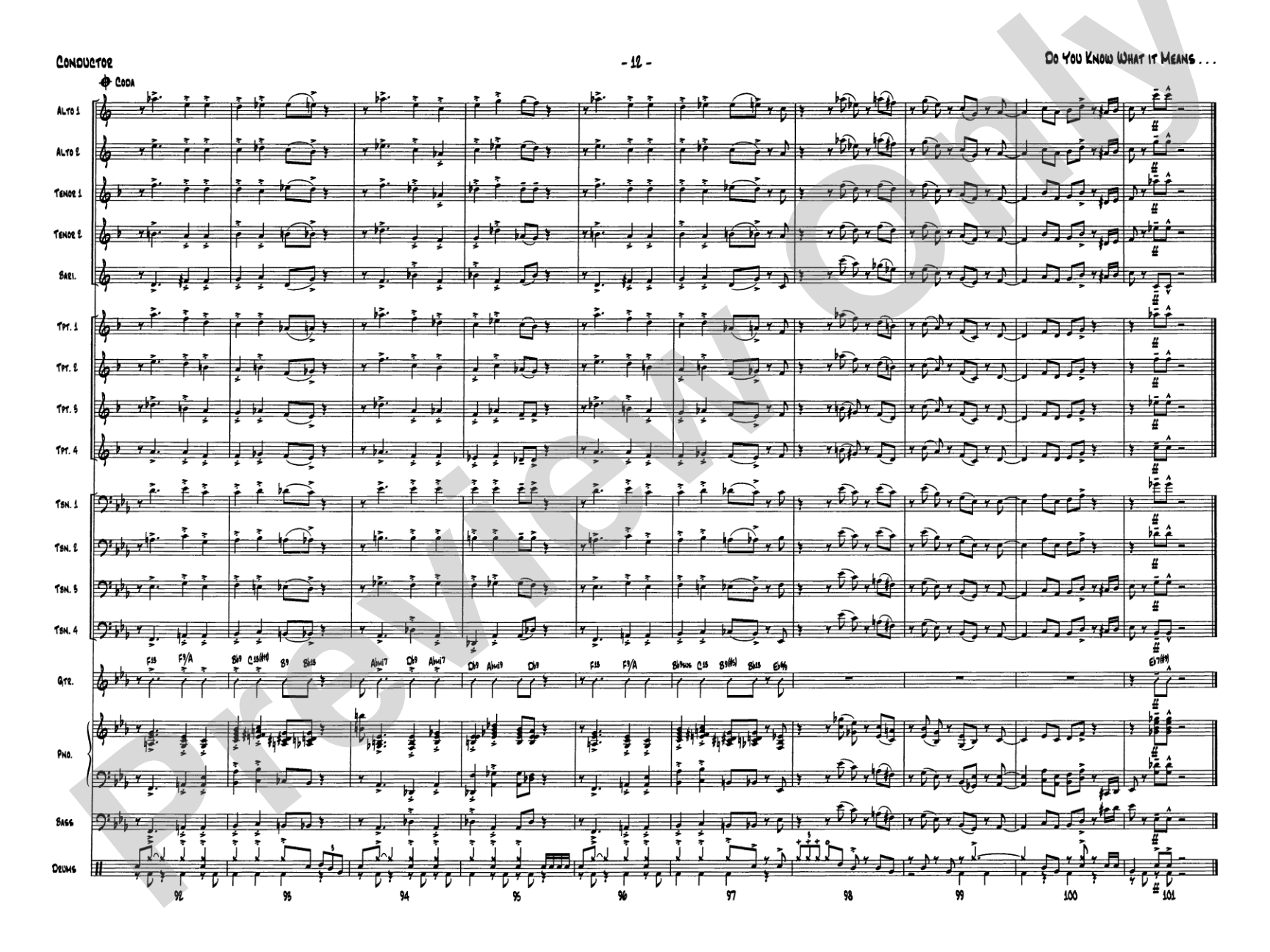
Do You Know What It Means to Miss New Orleans Sheet Music Preview

Do You Know What It Means to Miss New Orleans: Jazz Ensemble Conductor Score & Parts

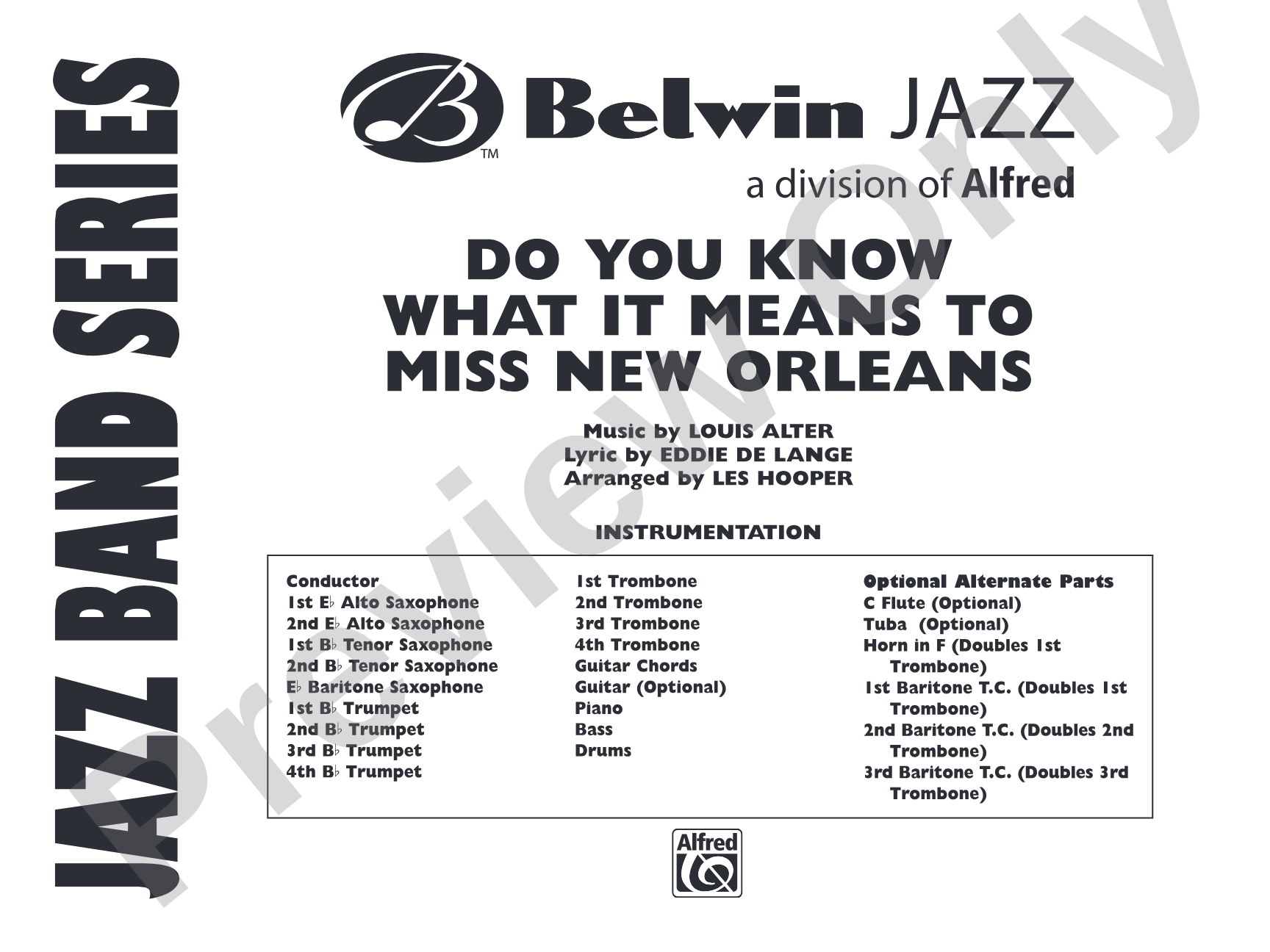
Music by Louis Alter, lyric by Eddie de Lange / arr. Les Hooper

Grade: 3 (Medium)

Item: 00-PK-0002527

Digital Download
$45.00

One moment…

Description
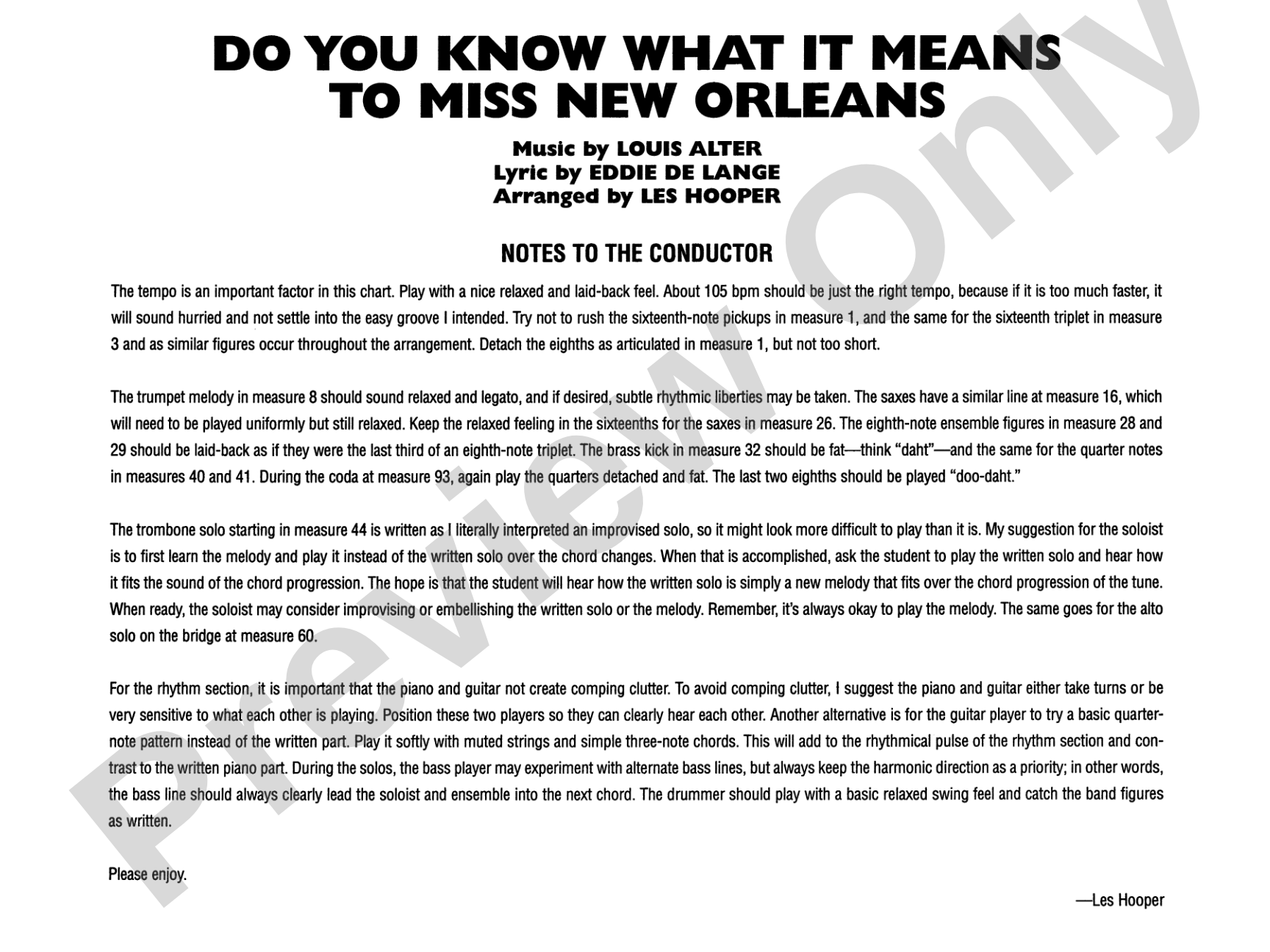
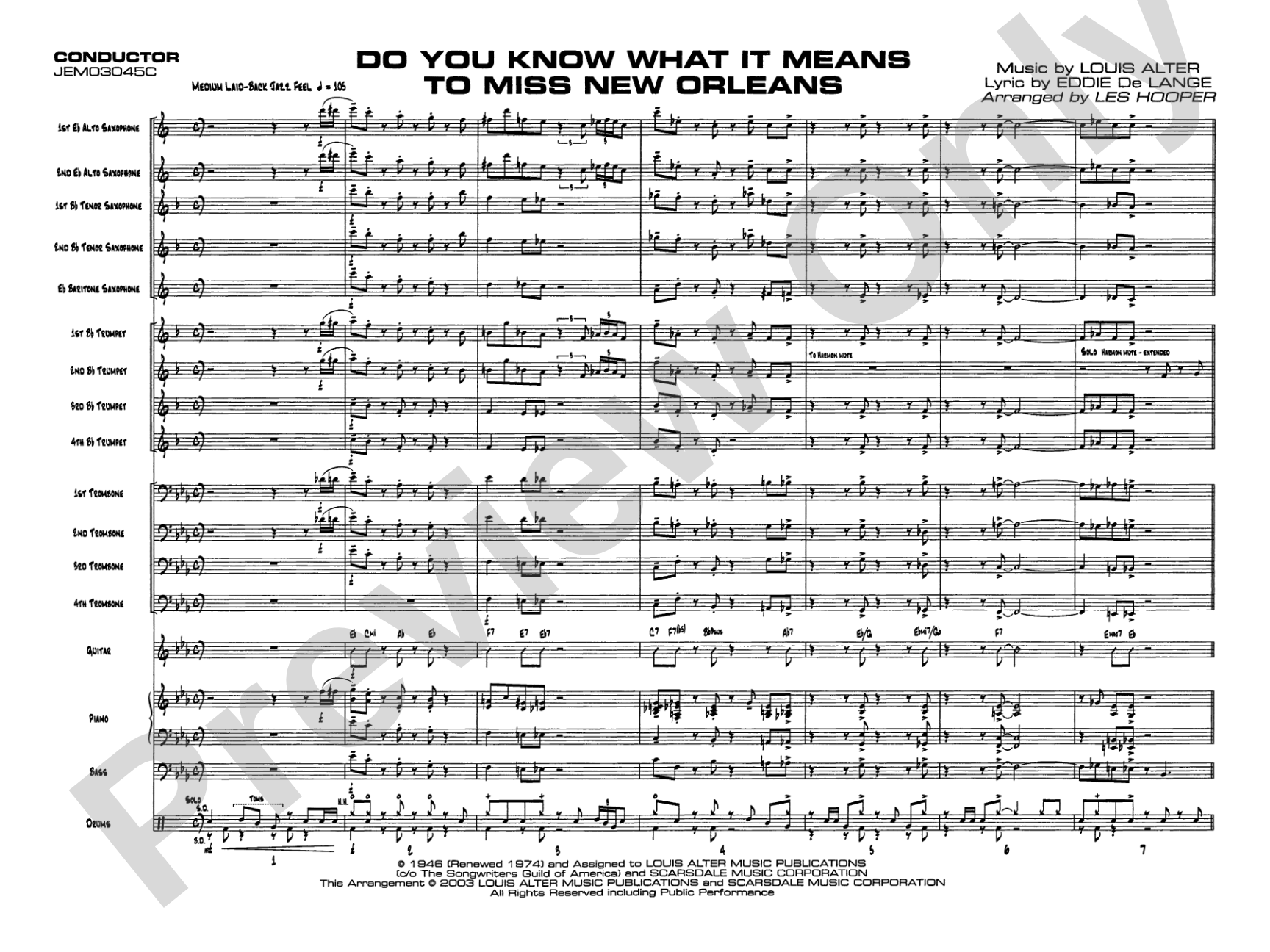
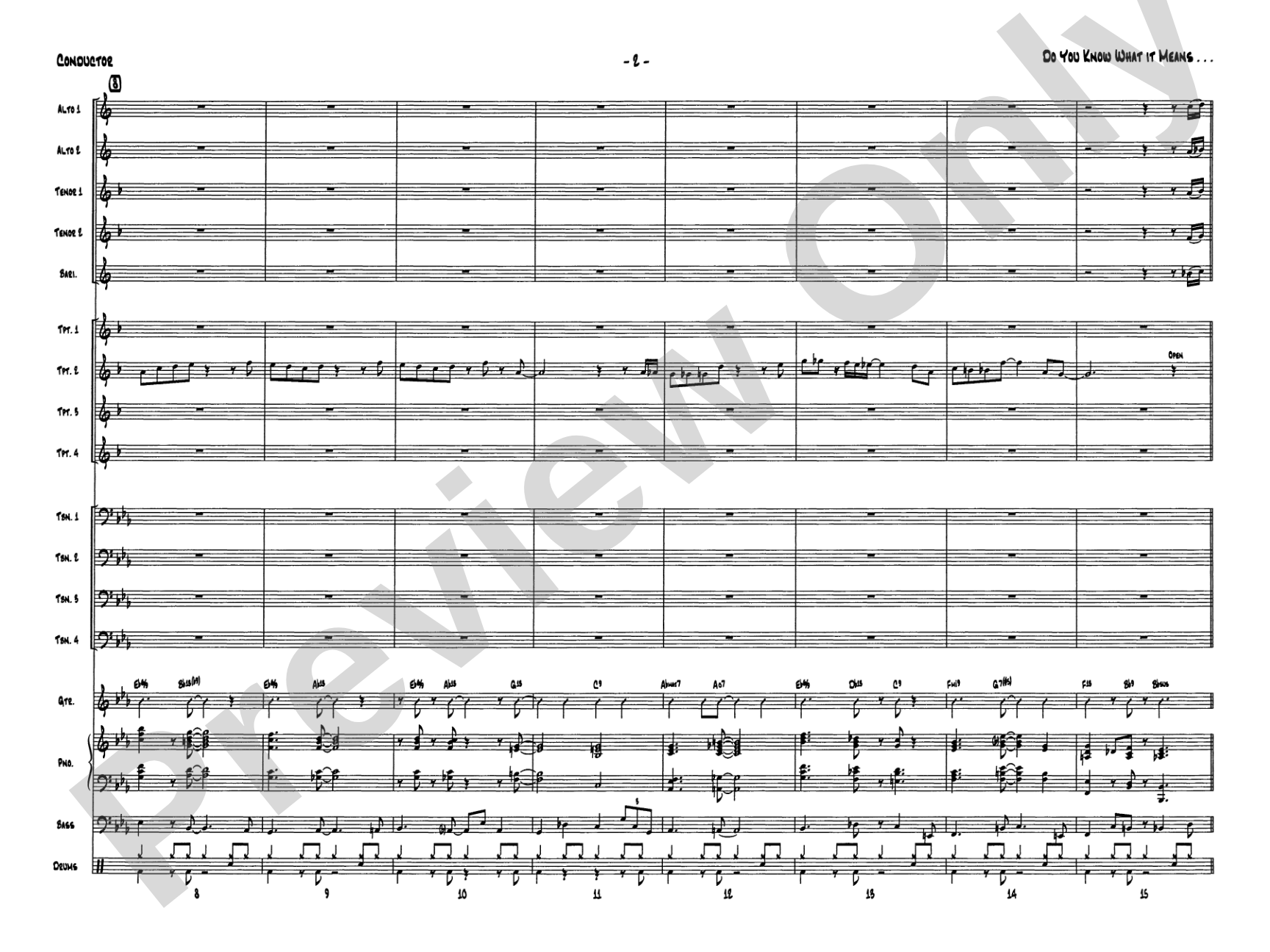
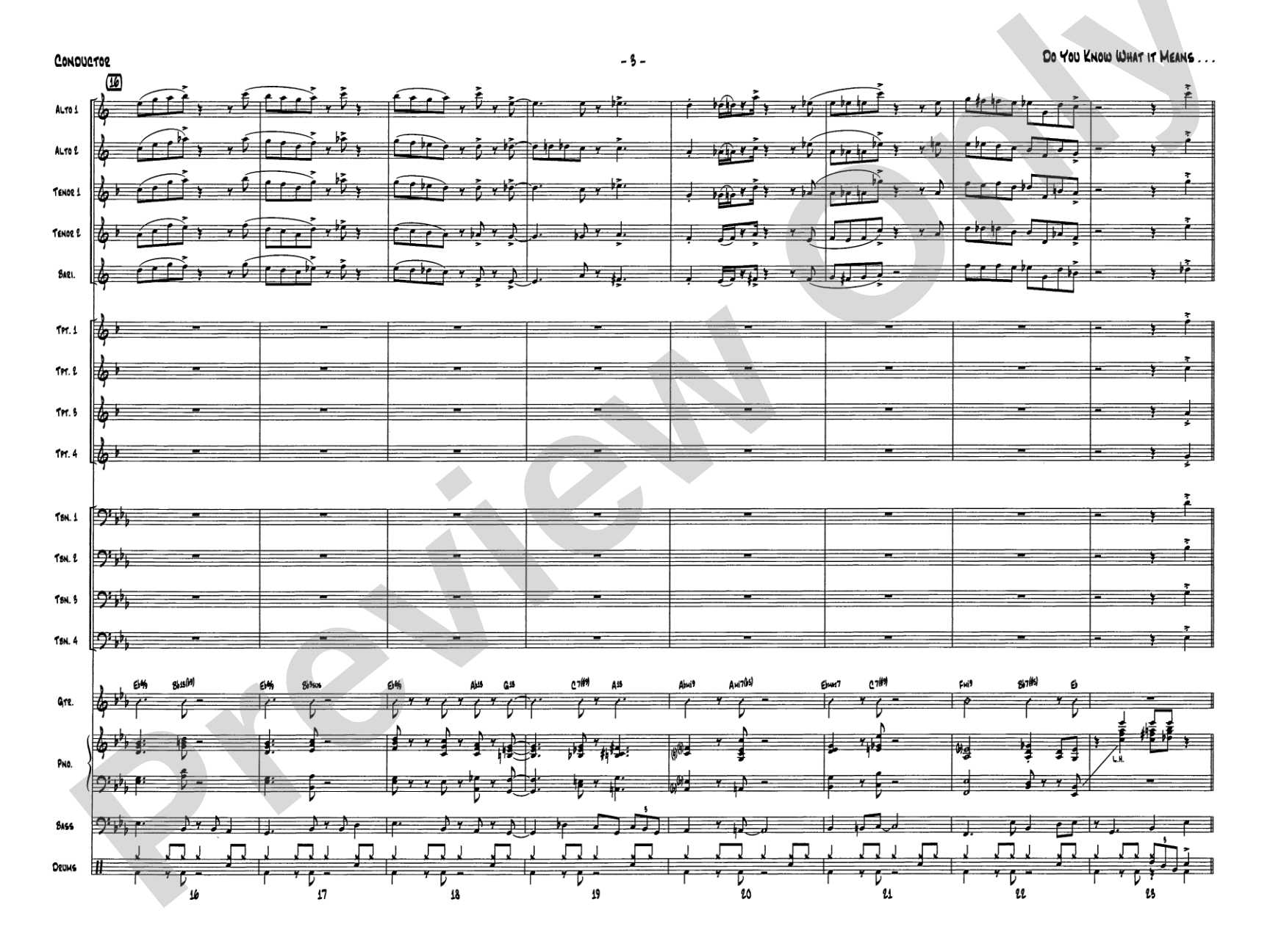
One of the finest writers for jazz ensemble, L.A.-based Les Hooper has lent his unmistakable golden touch to the classic Do You Know What It Means to Miss New Orleans. With a laid-back jazz feel, Les' work offers solo (written or ad-lib) space to trombone 1 and alto 1 with some sweet chord changes. This excellent chart is ideal for festival or concert.

Do You Know What It Means to Miss New Orleans: Jazz Ensemble Conductor Score & Parts isn't in MakeMusic Cloud just yet...but it could be. Let us know you'd like to see it, and you'll help shape what comes next. In the meantime, start a free trial and dive into thousands of interactive titles your students can play along with today.

Sample Audio
0:00
0:00
Sample Video
Additional Details
Series: Jazz Band Series
Publisher: Alfred Music
Page Count: 122
SKU: 00-PK-0002527

More about this title

About the Composer: Louis Alter

Louis Alter (1902-1980) was an American composer and songwriter who contributed significantly to popular music and film scores during the Golden Age of Hollywood. His work ranged from Broadway to motion pictures, and he demonstrated a gift for crafting melodies that became standards in the American songbook. "Do You Know What It Means to Miss New Orleans" remains one of his most recognizable compositions, earning a place in jazz repertoire and popular culture.

Why we love this

Les Hooper's arrangement captures the nostalgic warmth of the original while building in genuine improvisation space for your soloists. The laid-back approach respects the melody's character without sacrificing the ensemble interplay that makes jazz band charts rewarding to conduct and hear.

What to expect

Warm, introspective, and gently swinging. The tune evokes a sense of longing and memory without ever becoming heavy, letting the ensemble explore the song's emotional landscape through Hooper's thoughtful voicings and harmonic color.

Who it's for

Jazz ensemble directors seeking a Grade 3 chart with a classic sensibility and built-in solo opportunities. This works equally well for groups that blend written and improvised sections, or ensembles focused primarily on reading the written parts.

How to get the most out of it

  • Balance the written solo passages between trombone 1 and alto 1 so both voices project through the ensemble without dominating the texture.
  • Establish a comfortable, unhurried tempo that lets the chord changes breathe; rushing this piece diminishes its reflective quality.
  • If you choose to allow ad-lib soloing, discuss the harmonic framework with soloists beforehand so their improvisation stays grounded in Hooper's changes.

How to use it

Pair this with other standards-based charts to build a concert that celebrates the great American songbook through a jazz lens. It works well as a centerpiece piece or as a reflective moment between more uptempo selections, and its accessible difficulty makes it ideal for festival appearances.

Skills your students will build

  • Reading and interpreting jazz articulations and phrasing conventions
  • Balancing solo voices with ensemble textures
  • Responding to harmonic movement through jazz comping and accompaniment
  • Managing tempo and swing feel in a laid-back, conversational context

You May Also Like