
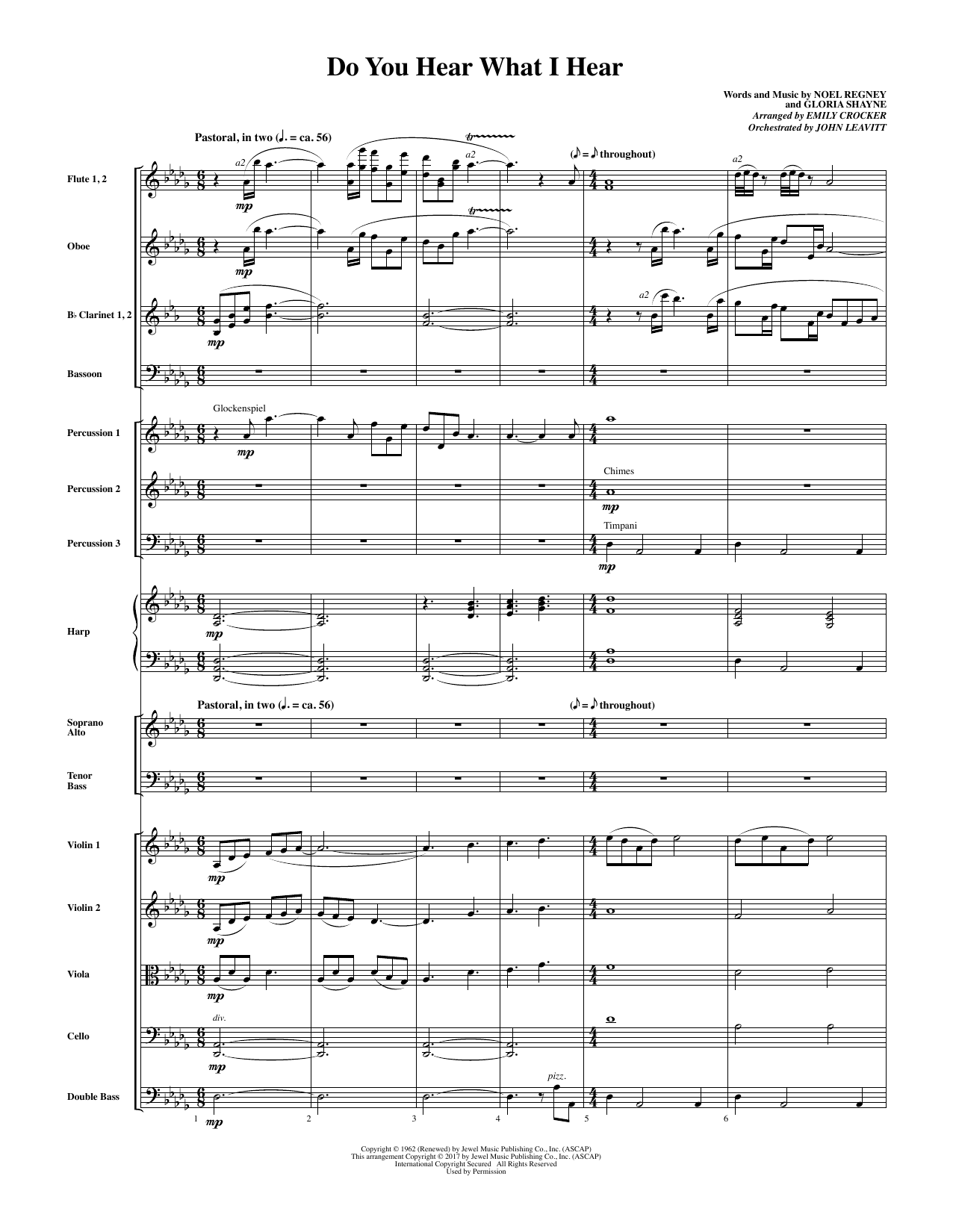

Do You Hear What I Hear: Choral Instrumental Pak
As performed by Carole King / Arranged by Emily Crocker
Item: 35-PK00388586
$60.00
Pickup currently not available
Buy Extra Parts (Digital PDF Download)
Parts Added to Cart!
Description
This setting of the perennial Christmas favorite has a refreshing quality about it with creative style and key changes. Now available with a new orchestration by John Leavitt, it is even more ideal for school, church and community performances.


Do You Hear What I Hear: Choral Instrumental Pak isn't in MakeMusic Cloud just yet...but it could be. Let us know you'd like to see it, and you'll help shape what comes next. In the meantime, start a free trial and dive into thousands of interactive titles your students can play along with today.
Request This Title
Tell us you want it.
Start Your Free Trial
Explore everything that's ready to play right now.
Sample Audio
No sample audio found.
Sample Video
No sample videos found.
Additional Details
Publisher:
Hal Leonard
SKU:
35-PK00388586
More about this title
About the Artist: Carole King
Carole King's songwriting career fundamentally shaped popular music across multiple decades. Her compositions have become standards in American music education, studied for their melodic strength, harmonic sophistication, and emotional directness. King's gift for writing memorable melodies that sit naturally in the voice makes her work particularly valuable for choral settings, where accessibility and singability matter enormously.
Beyond her recording career, King's influence extends into music classrooms and rehearsal halls worldwide. Her songs invite performers to explore authentic expression and genuine connection to lyrics, qualities that transfer directly to the choral repertoire she has inspired.
Why we love this
This arrangement respects the melodic integrity that made King's original so enduring while allowing directors to program something genuinely fresh during the holiday season. The key changes create musical momentum and interest that keeps listeners engaged rather than feeling like a routine holiday selection. John Leavitt's orchestration expands what's possible in school and community settings, transforming a familiar song into something that demands careful musicianship from singers and instrumentalists alike.
What to expect
Warm and inviting, like returning to a beloved song and discovering new layers you hadn't noticed before. The key changes add brightness and momentum that keep the piece feeling alive rather than nostalgic. There's an earnest quality underneath the arrangement that honors both the original melody and the possibility for fresh interpretation.
Who it's for
Directors looking to program Christmas repertoire that avoids predictability while remaining accessible to chamber choirs and community ensembles. This works equally well in school concerts, church services, and community holiday performances where singers need something familiar enough to be recognizable yet contemporary enough to feel genuinely musical.
How to get the most out of it
- Balance the key changes so they feel intentional and exciting rather than abrupt. Each shift should land cleanly with the ensemble moving through it together.
- Highlight the creative stylistic choices in Leavitt's arrangement by drawing singers' attention to them during rehearsal. This builds investment in the details that make this version distinctive.
- Coordinate with your instrumentalists early. The new orchestration likely reshapes how the ensemble sits rhythmically, so instrumental parts need rehearsal time alongside vocal sections.
- Reserve this for a moment in your program where it can breathe. Its refreshed quality deserves space to land with audiences who know the original well.
How to use it
Slot this into the heart of a holiday concert where it can anchor the second half. Its familiarity makes it an excellent bridge between more classical Christmas repertoire and contemporary seasonal material. The stylistic creativity also works beautifully as a transition piece between different moods within a longer winter concert program.
Skills your students will build
- Reading and executing key changes within a single piece
- Maintaining ensemble cohesion through stylistic shifts
- Balancing vocal and instrumental textures in small ensemble settings
- Interpreting creative arrangements of well-known melodies
- Coordinating chamber choir and instrumental parts