Distant Echoes, Book 1 Cover Image

Distant Echoes, Book 1: Piano Book

$4.95 USD
Sale price  $4.95 USD Regular price 
Skip to product information
Distant Echoes, Book 1 Cover Image

Distant Echoes, Book 1: Piano Book

8 Early Intermediate to Intermediate Piano Solos That Reflect and Celebrate Styles of Past Masters

By George Peter Tingley

Level: Early Intermediate / Intermediate

Item: 00-14745

$4.95
Shipped

One moment…

Description
Reflect and celebrate the styles of past masters with these pieces ranging from early to late intermediate in level. One might hear echoes of such composers as Beethoven, Tchaikovsky and sounds suggestive of European folk music. Program notes are included explaining the construction of the solos and specific influences.

Distant Echoes, Book 1: Piano Book isn't in MakeMusic Cloud just yet...but it could be. Let us know you'd like to see it, and you'll help shape what comes next. In the meantime, start a free trial and dive into thousands of interactive titles your students can play along with today.

Sample Pages

Sample Audio
No sample audio found.
Sample Video
Additional Details
Publisher: Alfred Music
Page Count: 16
ISBN10: 1-4706-3792-8
ISBN13: 978-1-4706-3792-7
UPC: 038081133317
SKU: 00-14745

More about this title

About the Composer: George Peter Tingley
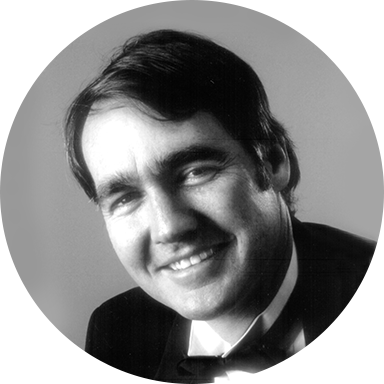
George Peter Tingley

George Peter Tingley grew up in Oakland, California, beginning violin at age four before switching to piano at ten. His early musical education came largely through ear training: playing along with records as a teenager, particularly the Beatles recordings that shaped his improvisational instincts. He earned a Bachelor of Arts in Piano Performance from California State University, Hayward, and completed both Bachelor and Master degrees in Music Theory at USC. During the 1970s, he studied composition privately with Nadia Boulanger in Paris, returning to establish a private teaching practice in the San Francisco Bay Area.

Since 1989, Tingley has focused on composing for students, publishing over 75 piano pieces that balance musical substance with accessible technique. His work has appeared in prominent venues: his 1991 solo Reverie (Alfred) became widely performed, his teacher-student duet collection Fiddle and the Tuba earned recognition from the National Federation of Music Clubs, and in 1992 he composed Kristi's Theme for Olympic figure-skating champion Kristi Yamaguchi, later arranged for full orchestra and recorded with Tingley as piano soloist. He continues to live and teach in Point Richmond, California.

Why we love this

Tingley writes with genuine affection for the classical tradition without resorting to pastiche. Each piece acknowledges a specific influence (Beethoven's architectural clarity, Tchaikovsky's lyric warmth, folk idioms from across Europe) while remaining unmistakably his own voice. The included program notes transform these pieces into teaching moments, showing students how composers learn from and build upon their predecessors.

What to expect

Warm and reflective, as if sitting in a concert hall hearing echoes of beloved music from a distance. The pieces invite contemplation without demanding virtuosity, balancing structural clarity with lyrical moments that linger.

Who it's for

Early intermediate to intermediate pianists ready to encounter composition beyond exercise material. These pieces work well for students who respond to historical context and enjoy understanding why a composer makes specific choices.

How to get the most out of it

  • Read the program notes before working on each piece to understand its structural foundation and historical reference. This context shapes phrasing and helps justify interpretive choices.
  • Attend to the harmonic language in each piece. Tingley's chords often carry the emotional weight, so clarity of voicing matters more than speed.
  • Find the folk melody or classical gesture at the heart of each piece and let it sing through the texture, whether it's in the right hand or embedded within it.

How to use it

These pieces shine in recitals where you're building a program around classical influences or celebrating music history. They also fit naturally into studio repertoire alongside standard educational collections, offering students something more characterful than typical graded anthologies while maintaining accessible technique.

Skills your students will build

  • Recognizing and interpreting classical and folk-inspired musical gestures
  • Voicing chords transparently across the keyboard
  • Sustaining longer lyrical lines without relying on pedal
  • Understanding compositional structure through program notes and score study
  • Balancing technical clarity with musical expression at intermediate difficulty

You May Also Like