

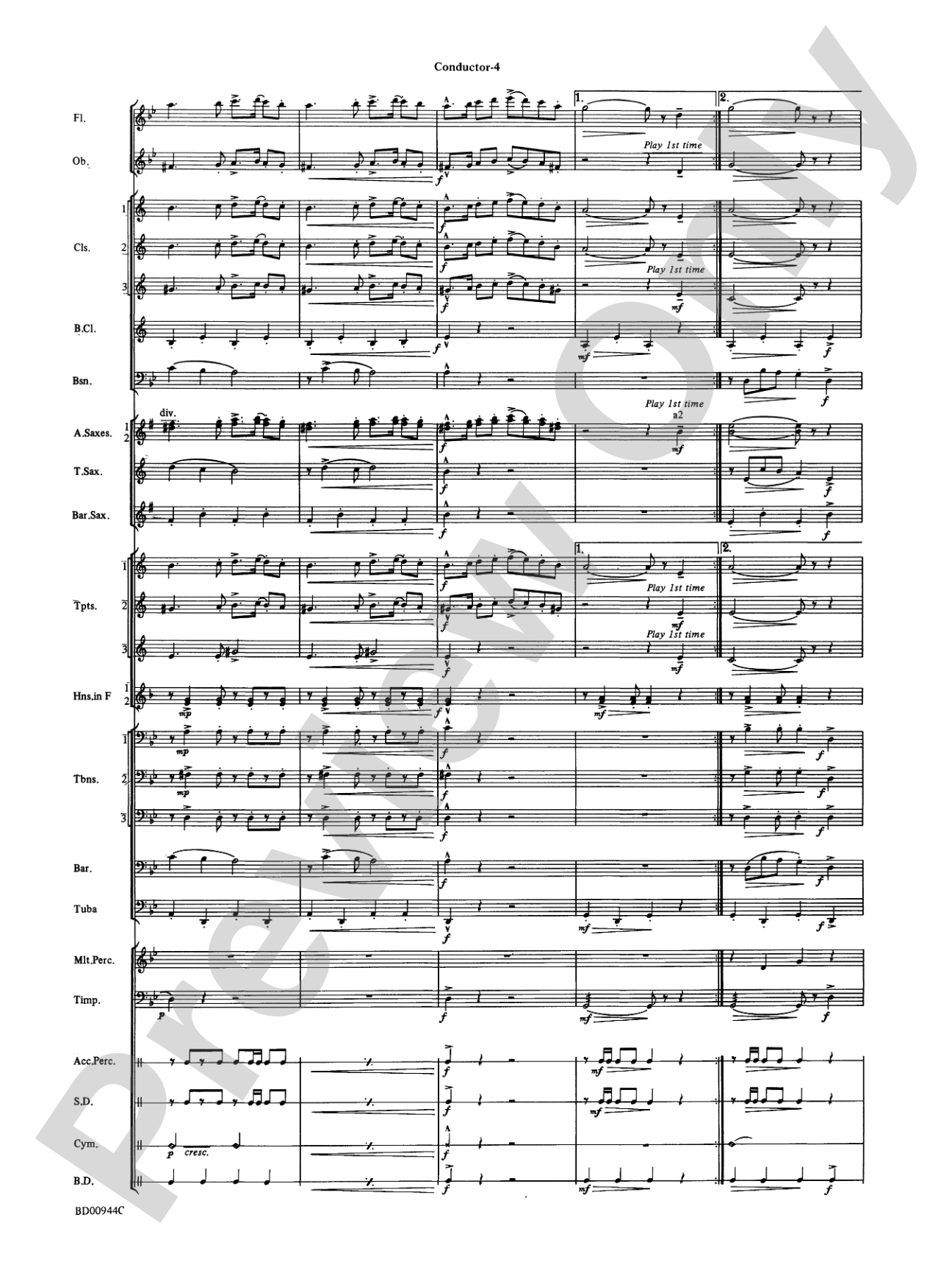
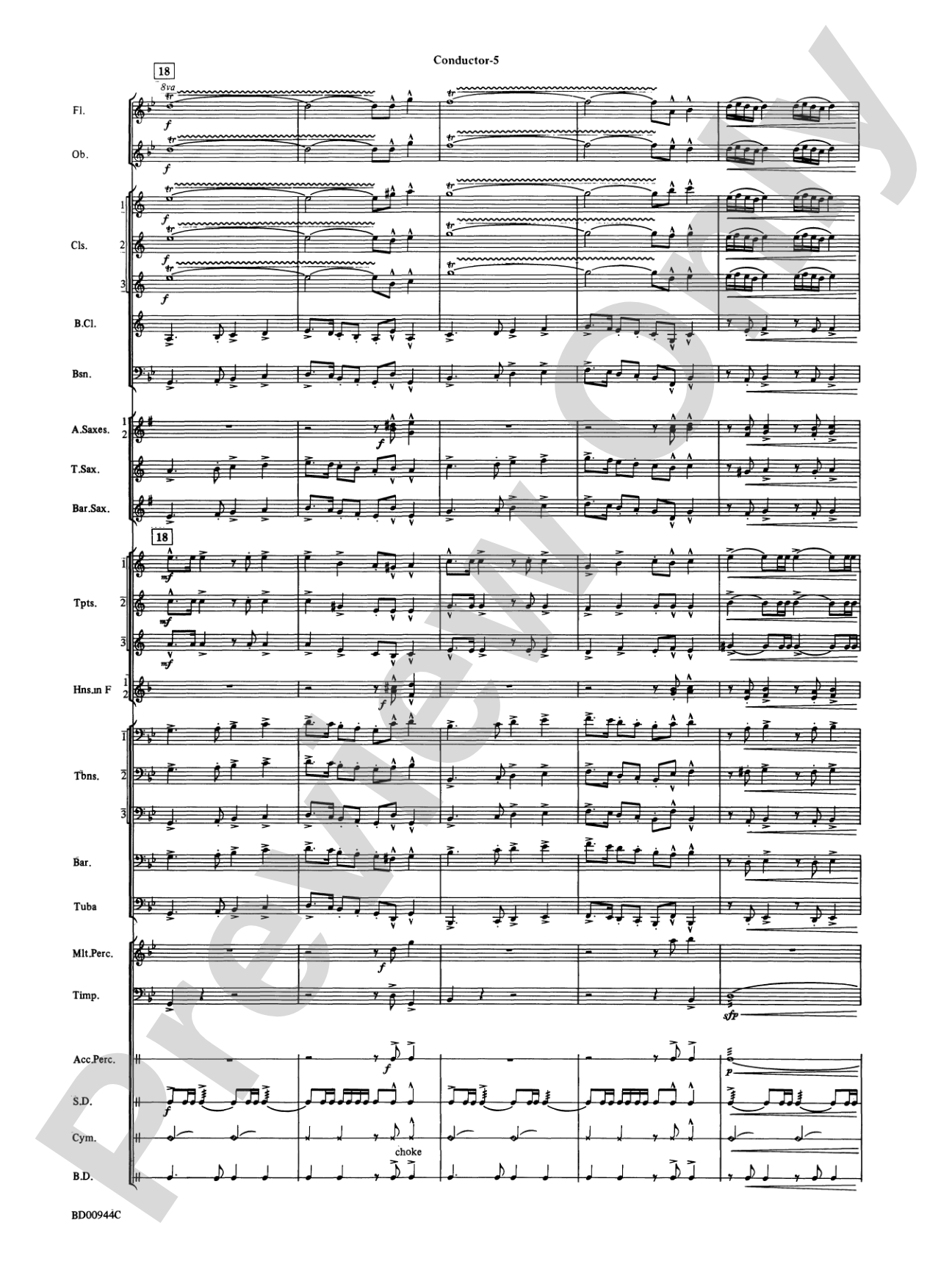
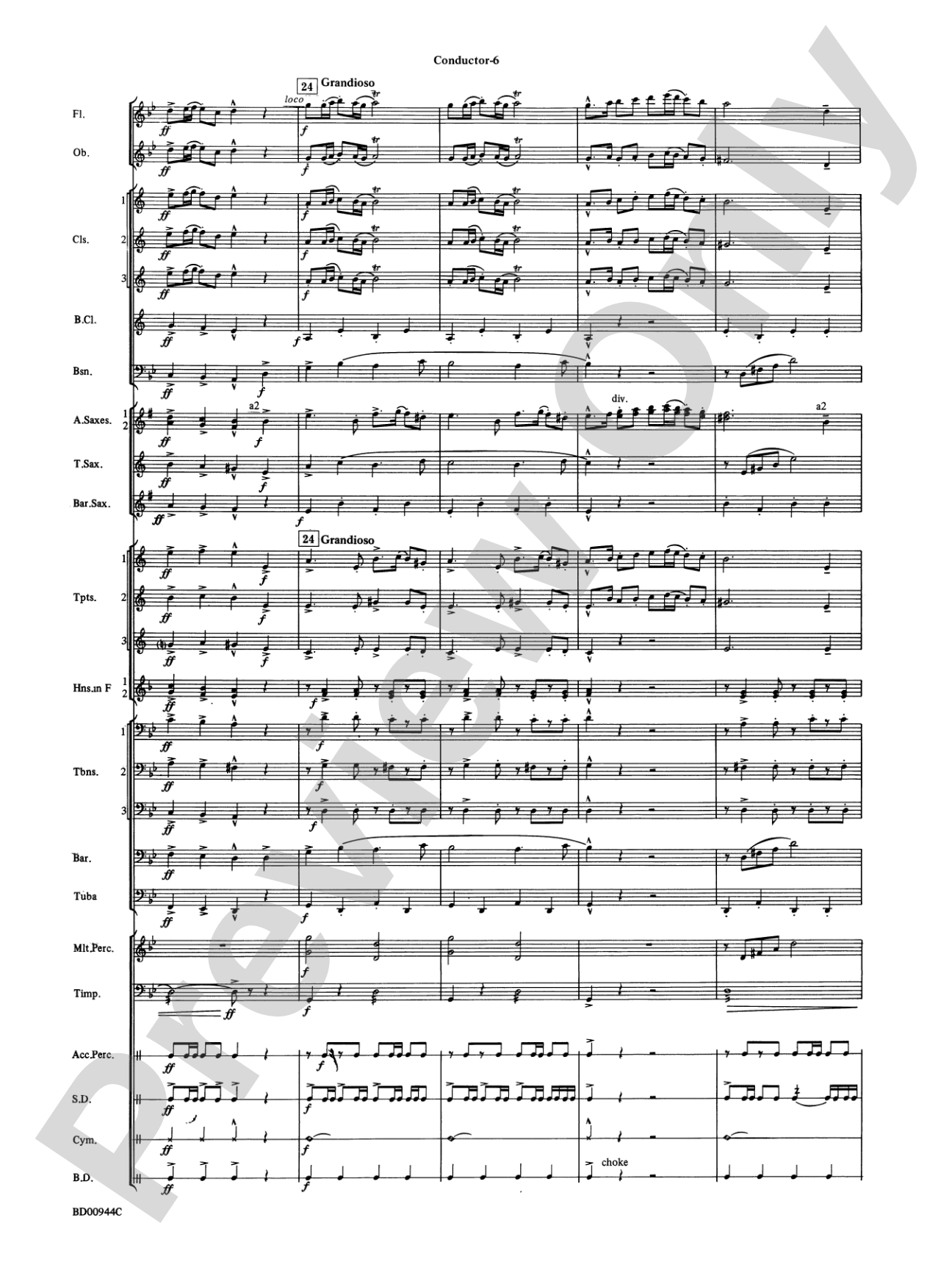
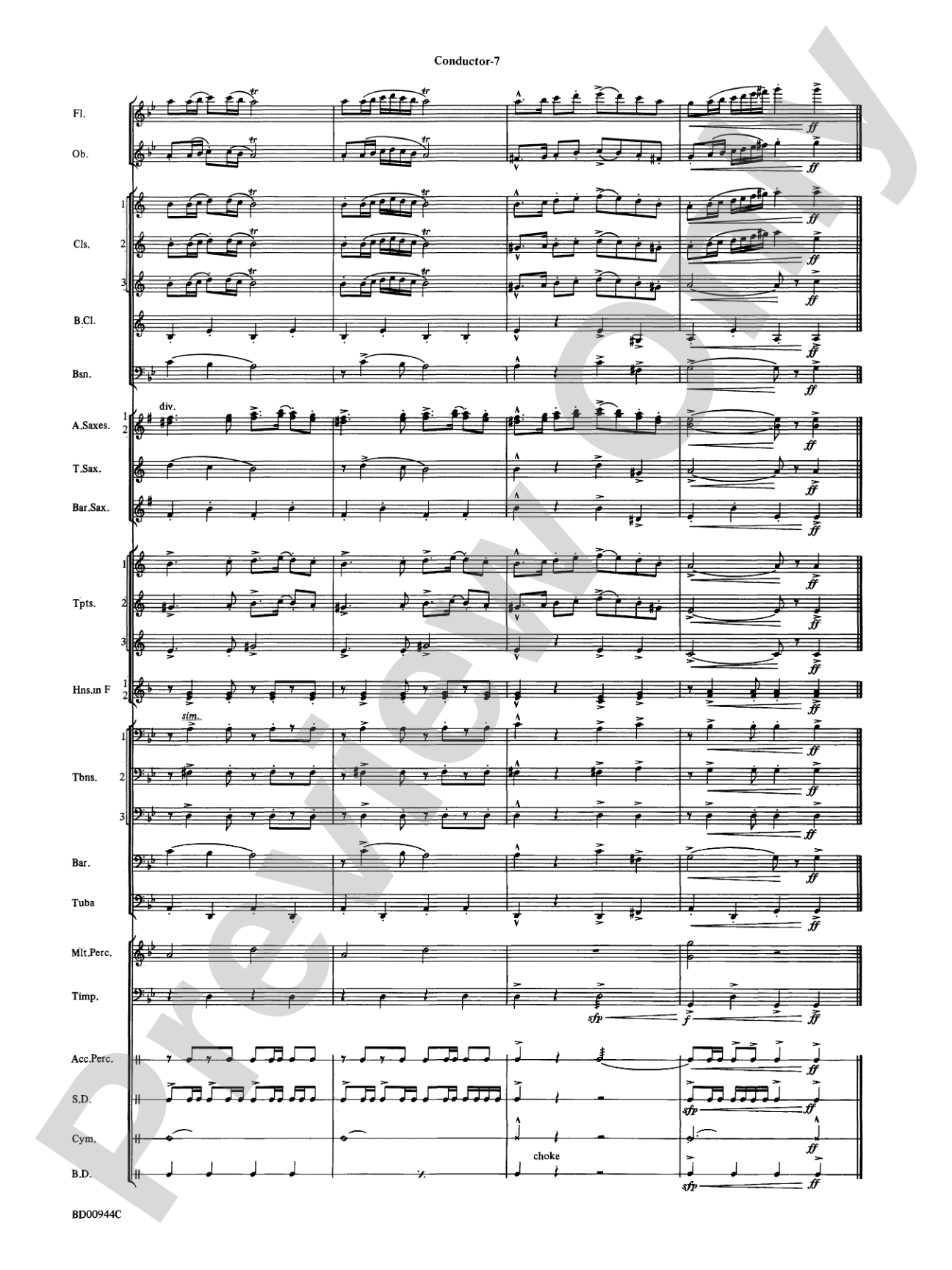
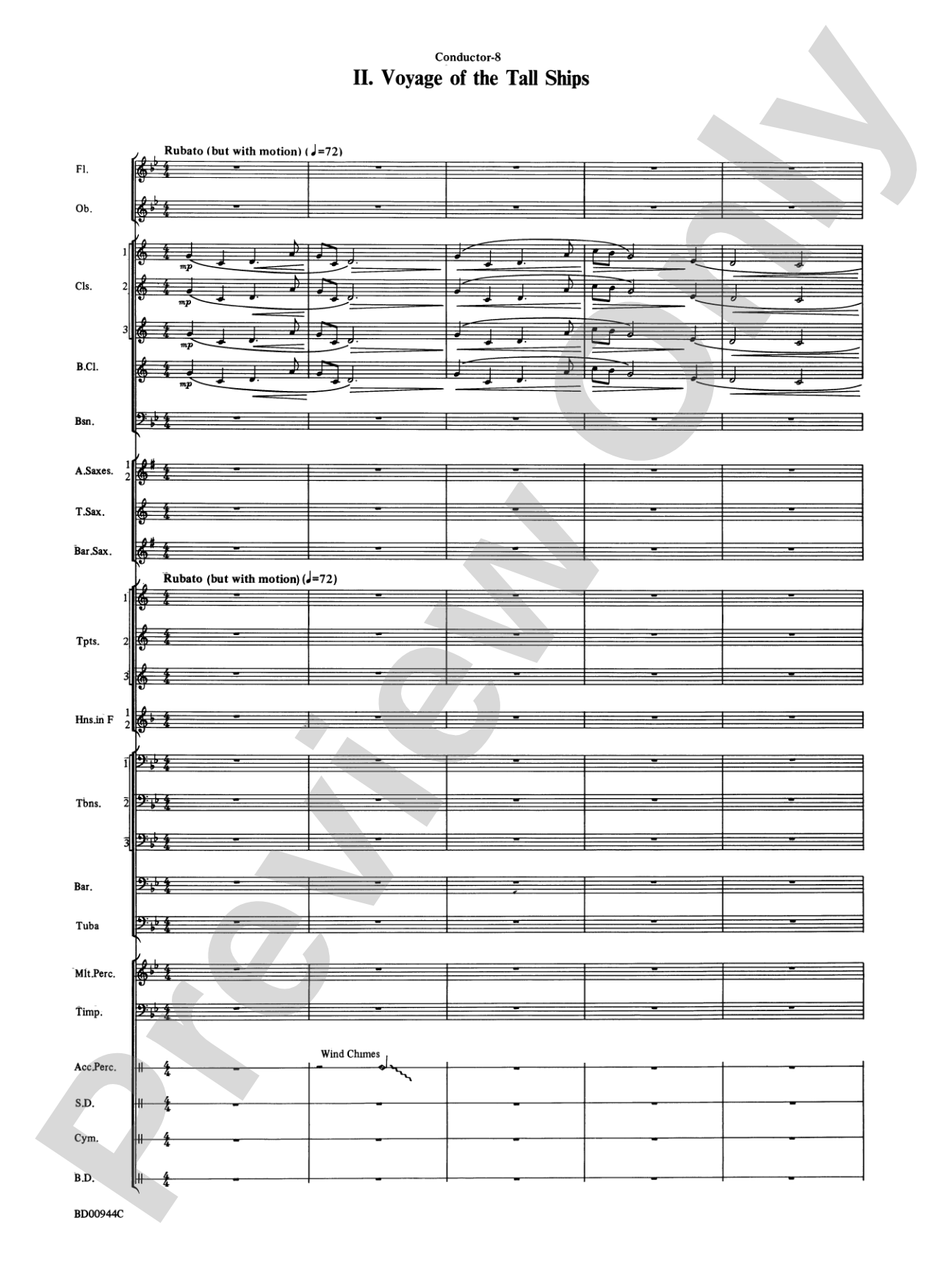
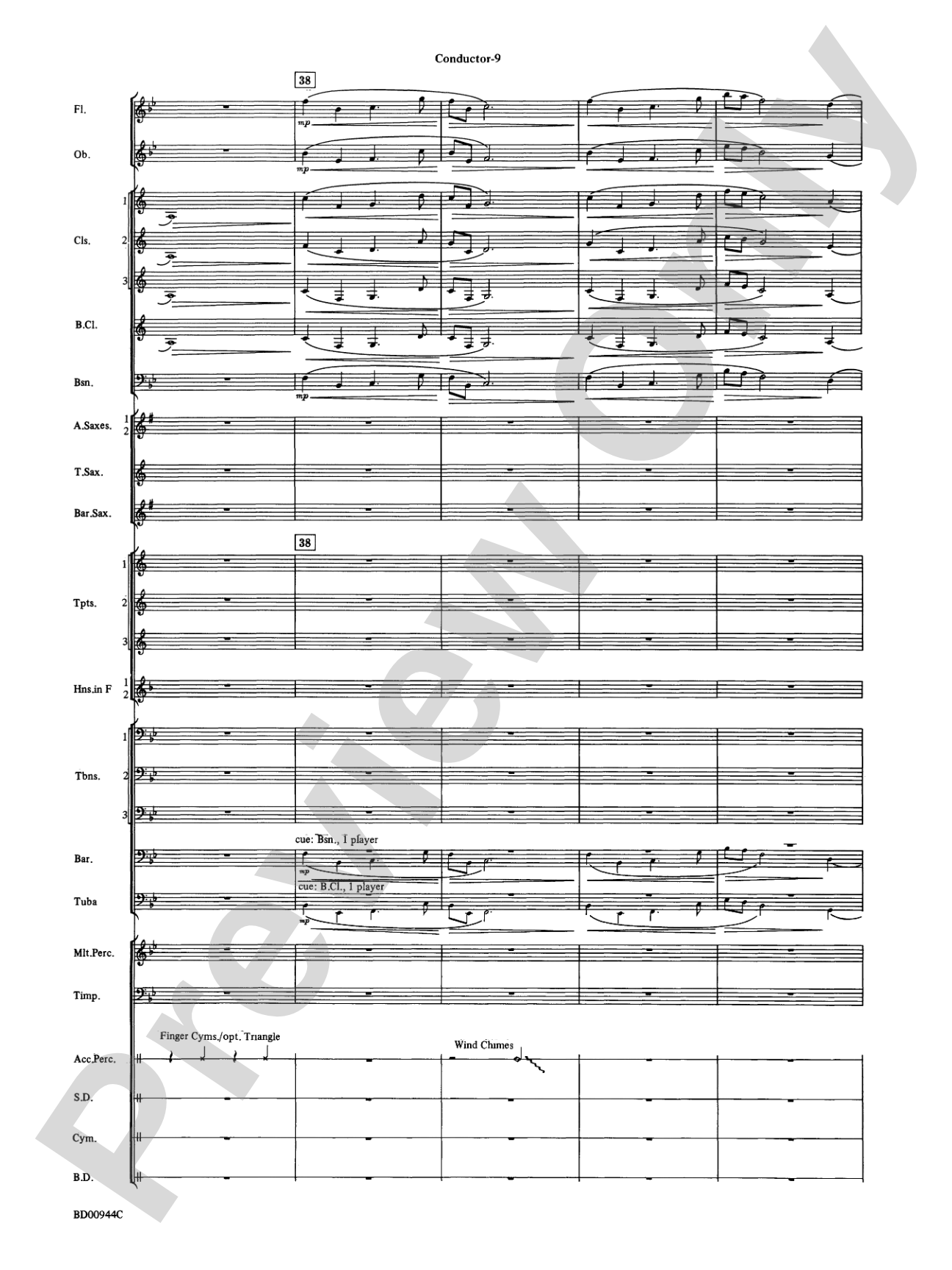
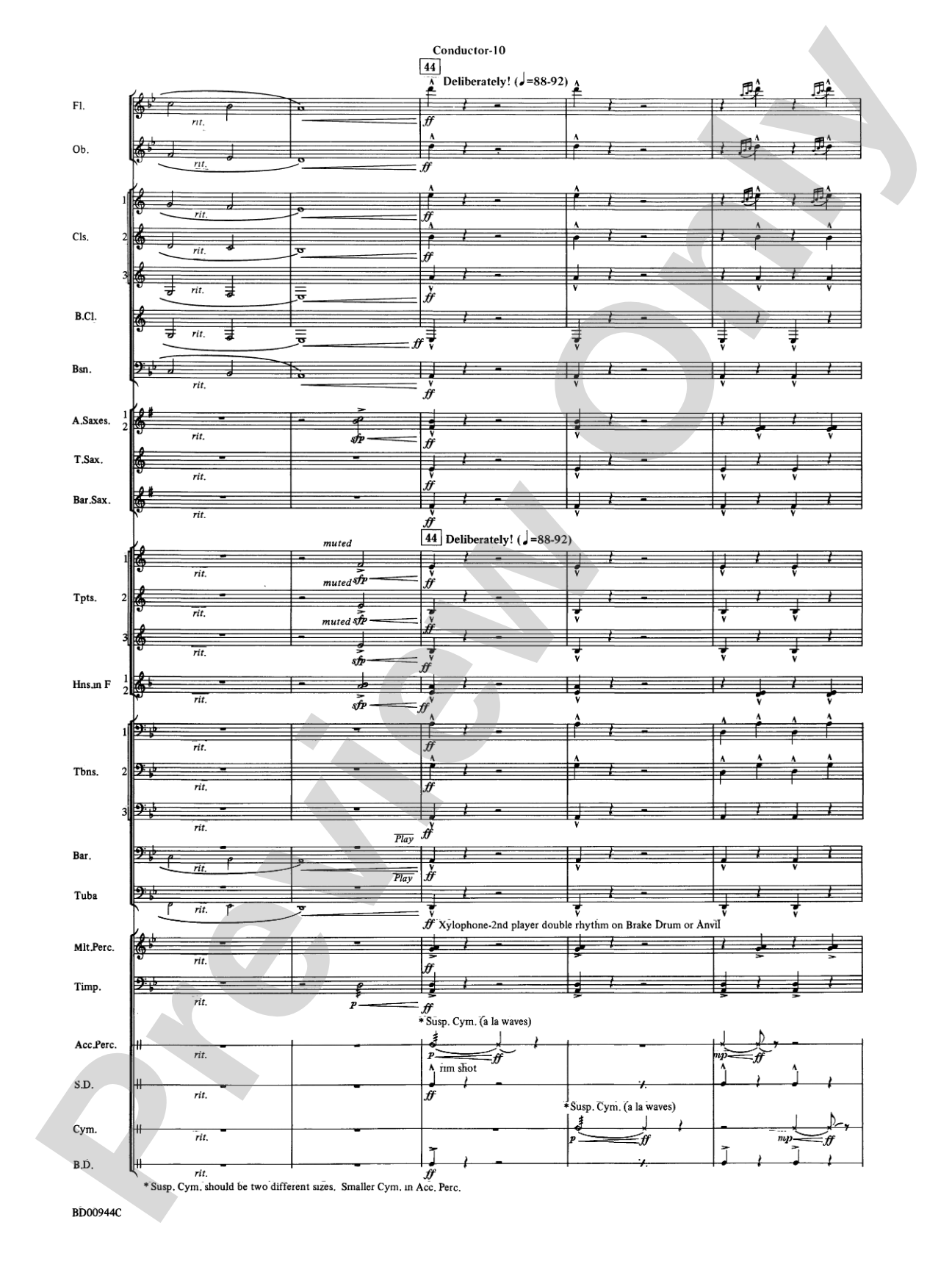
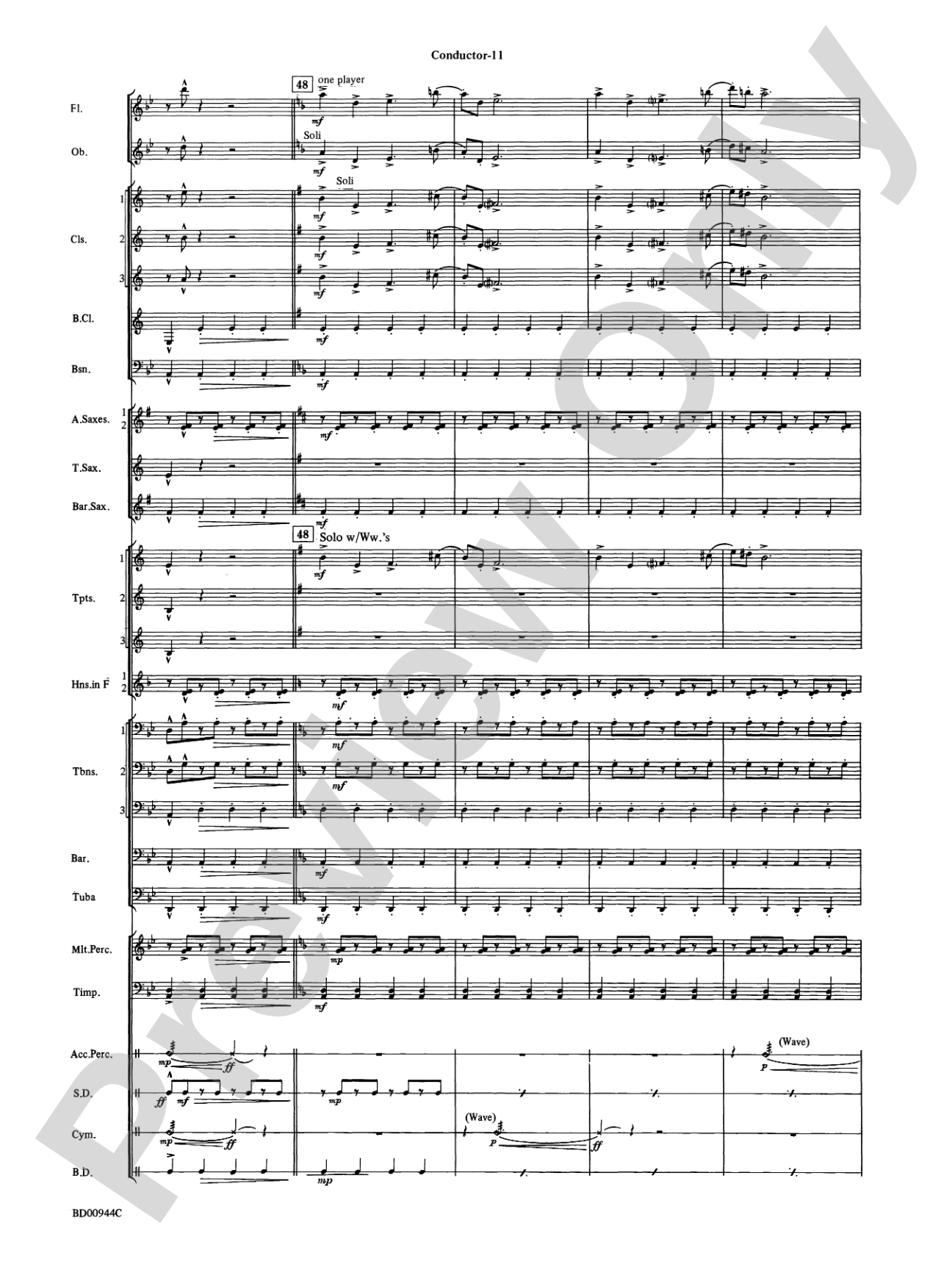
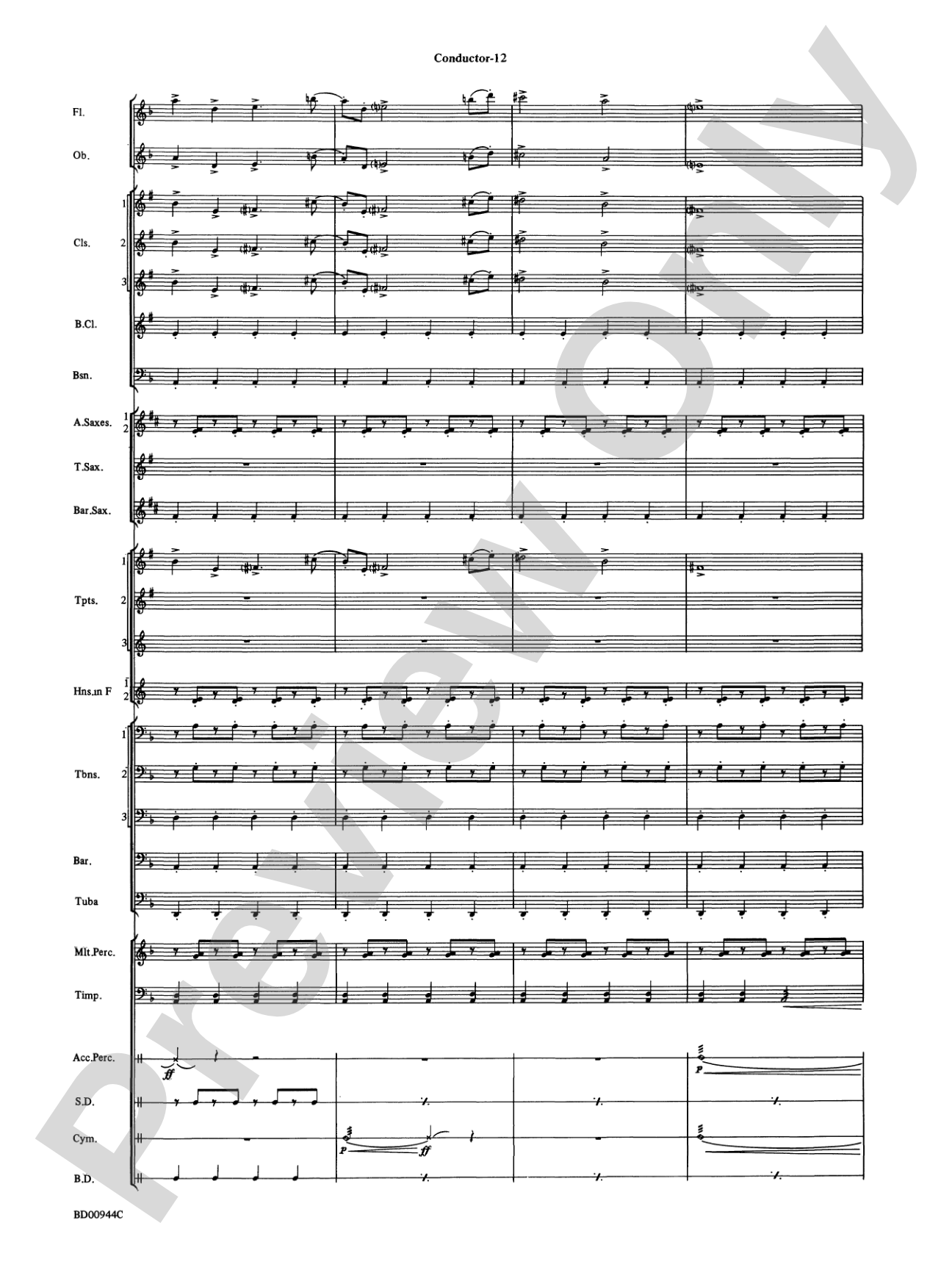
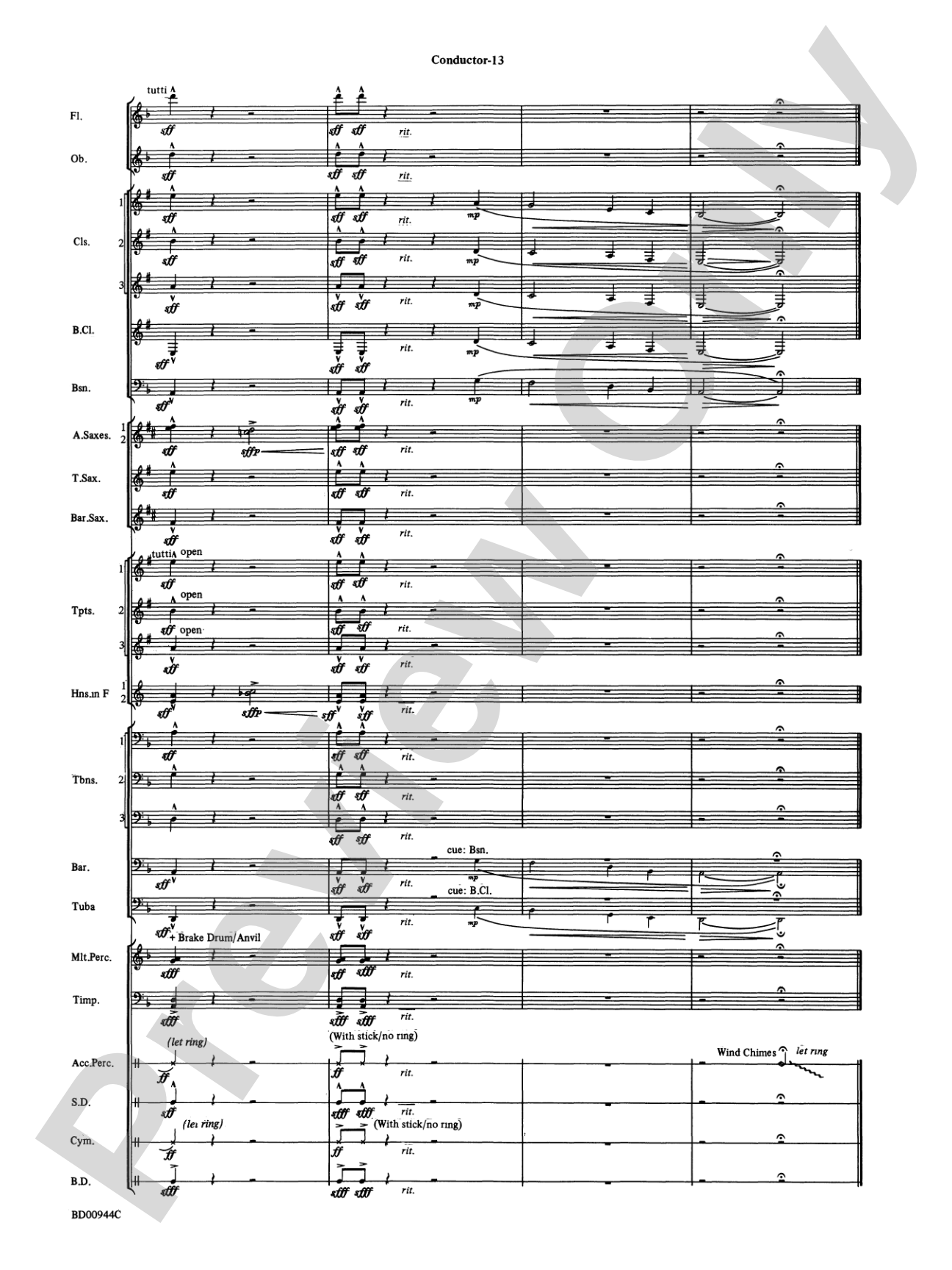
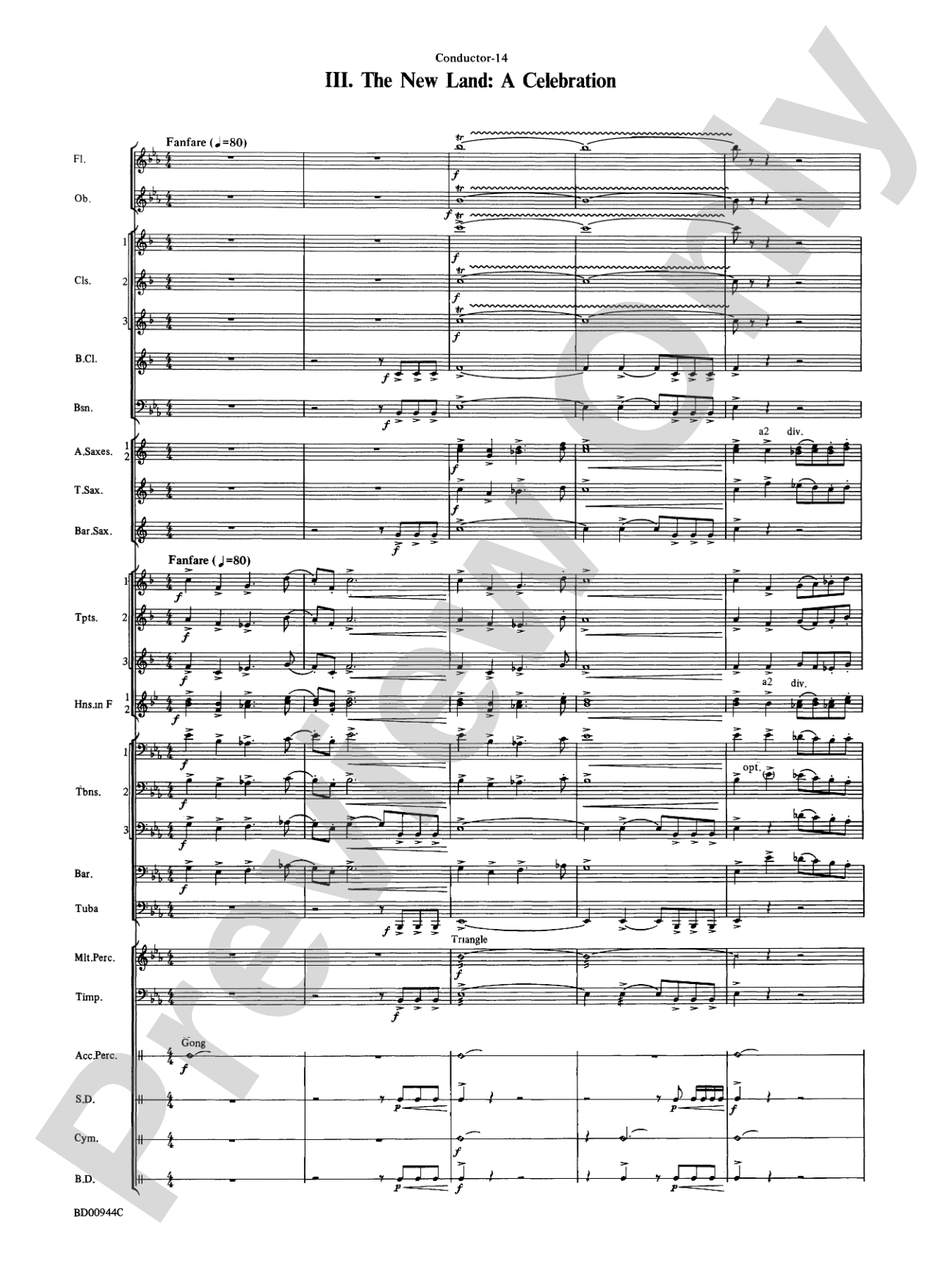
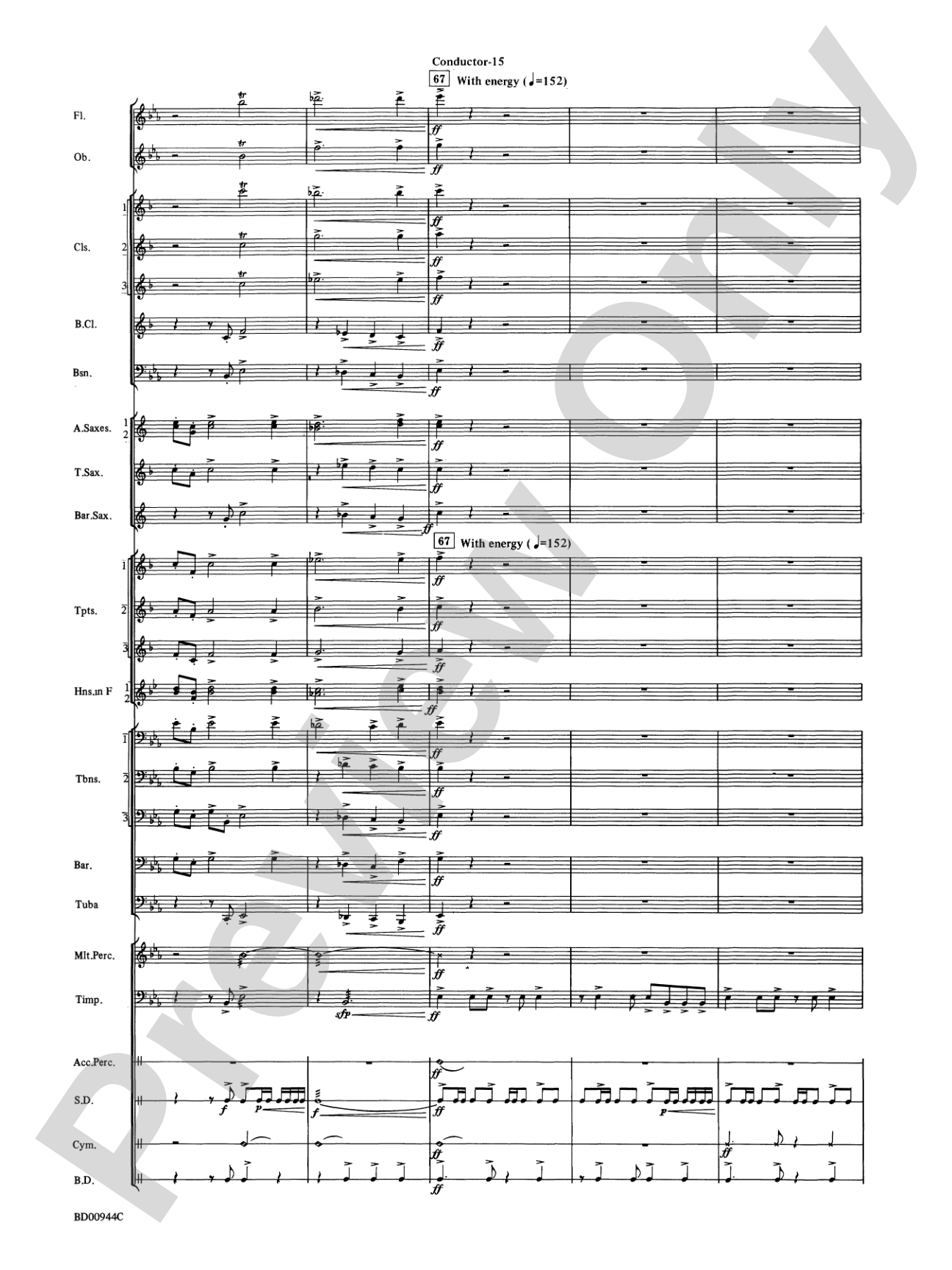
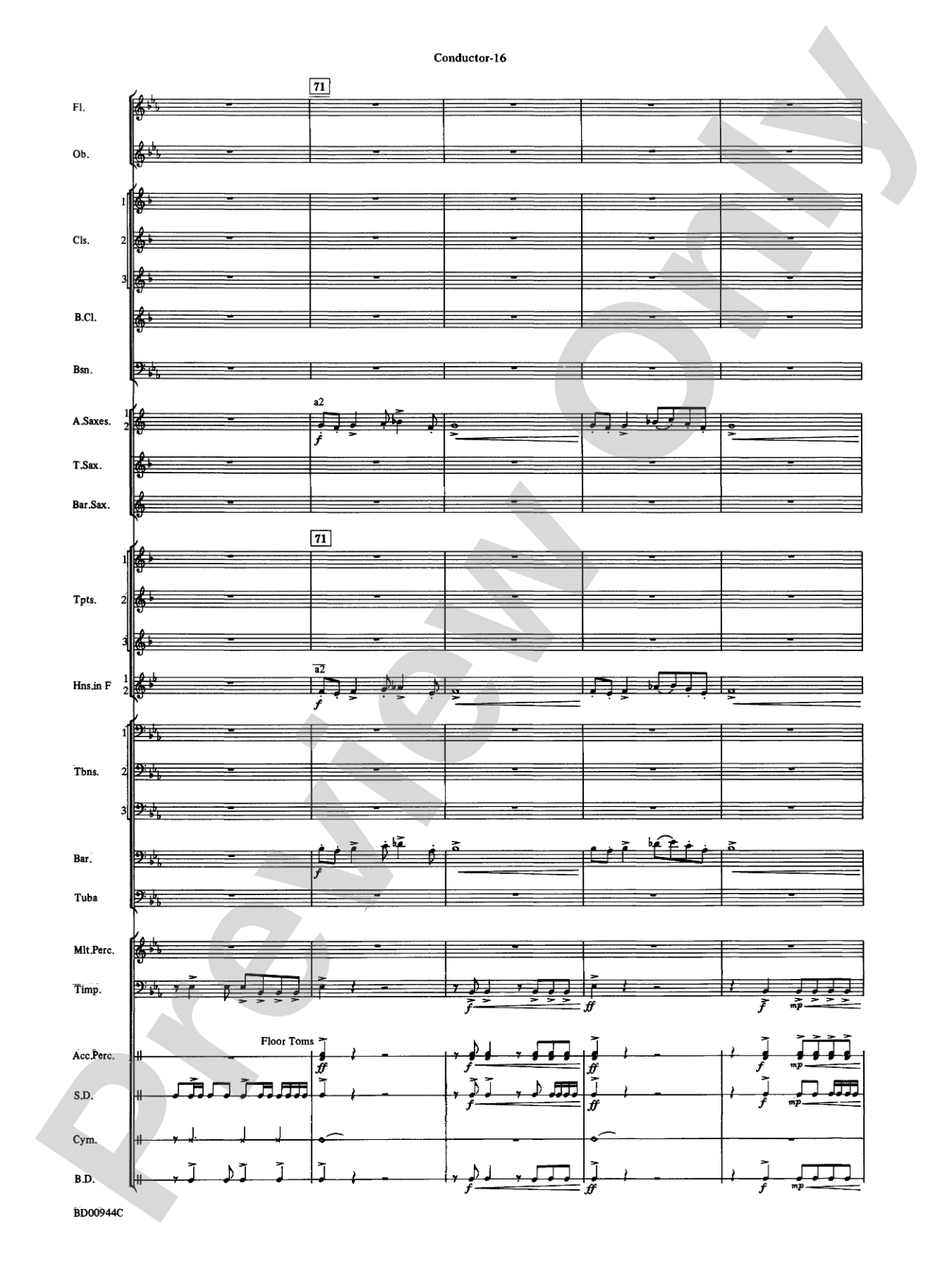
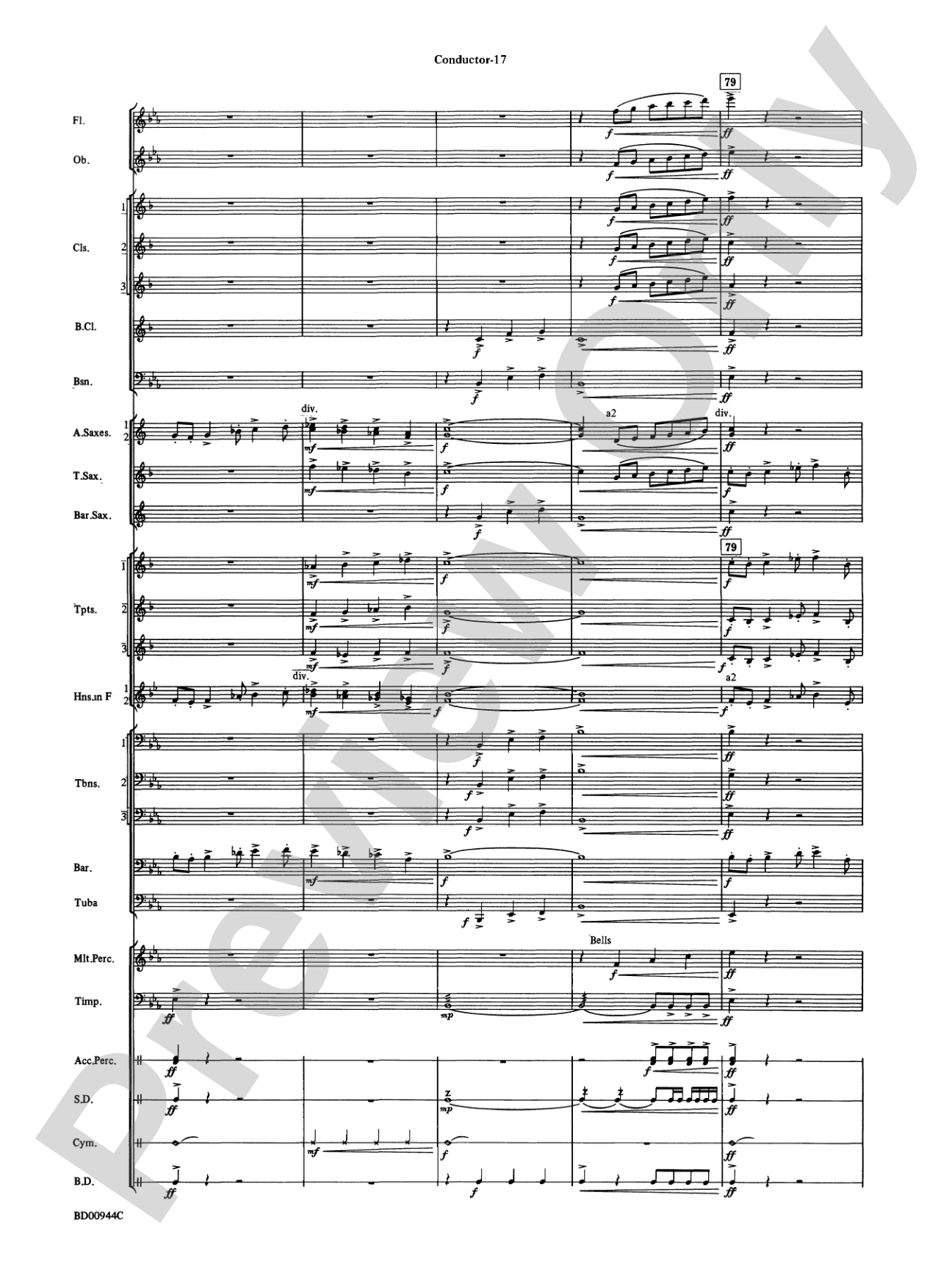
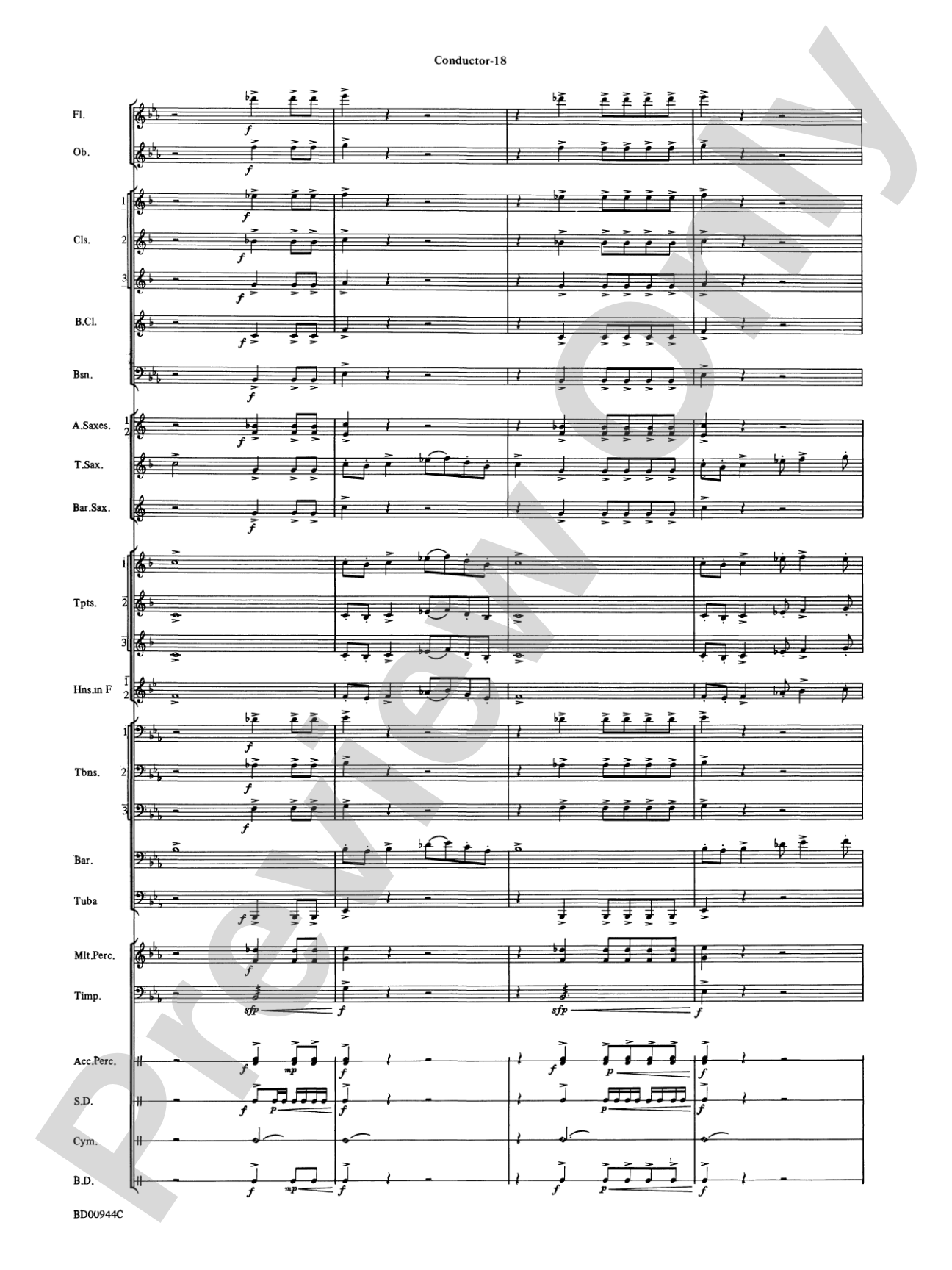
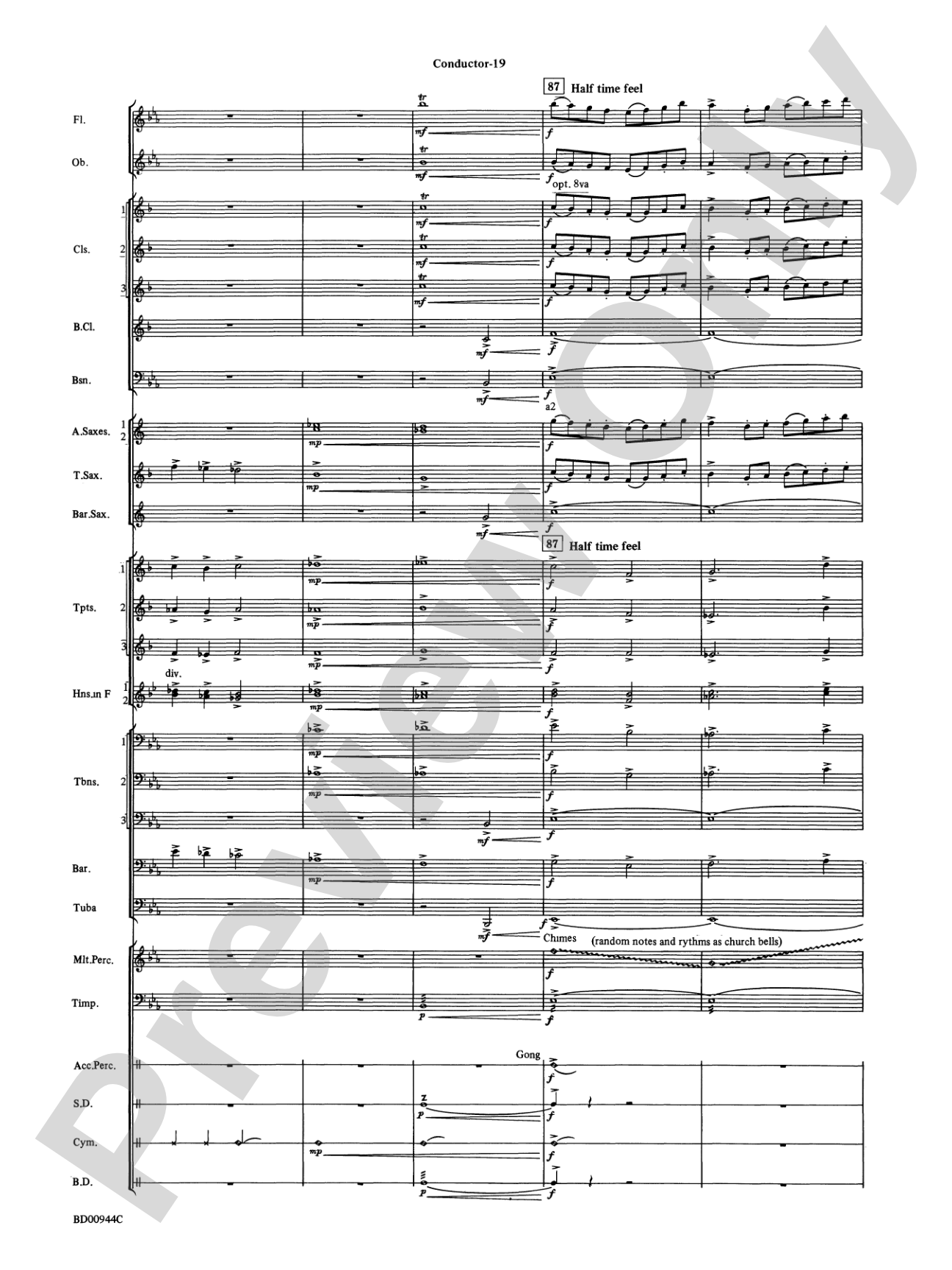
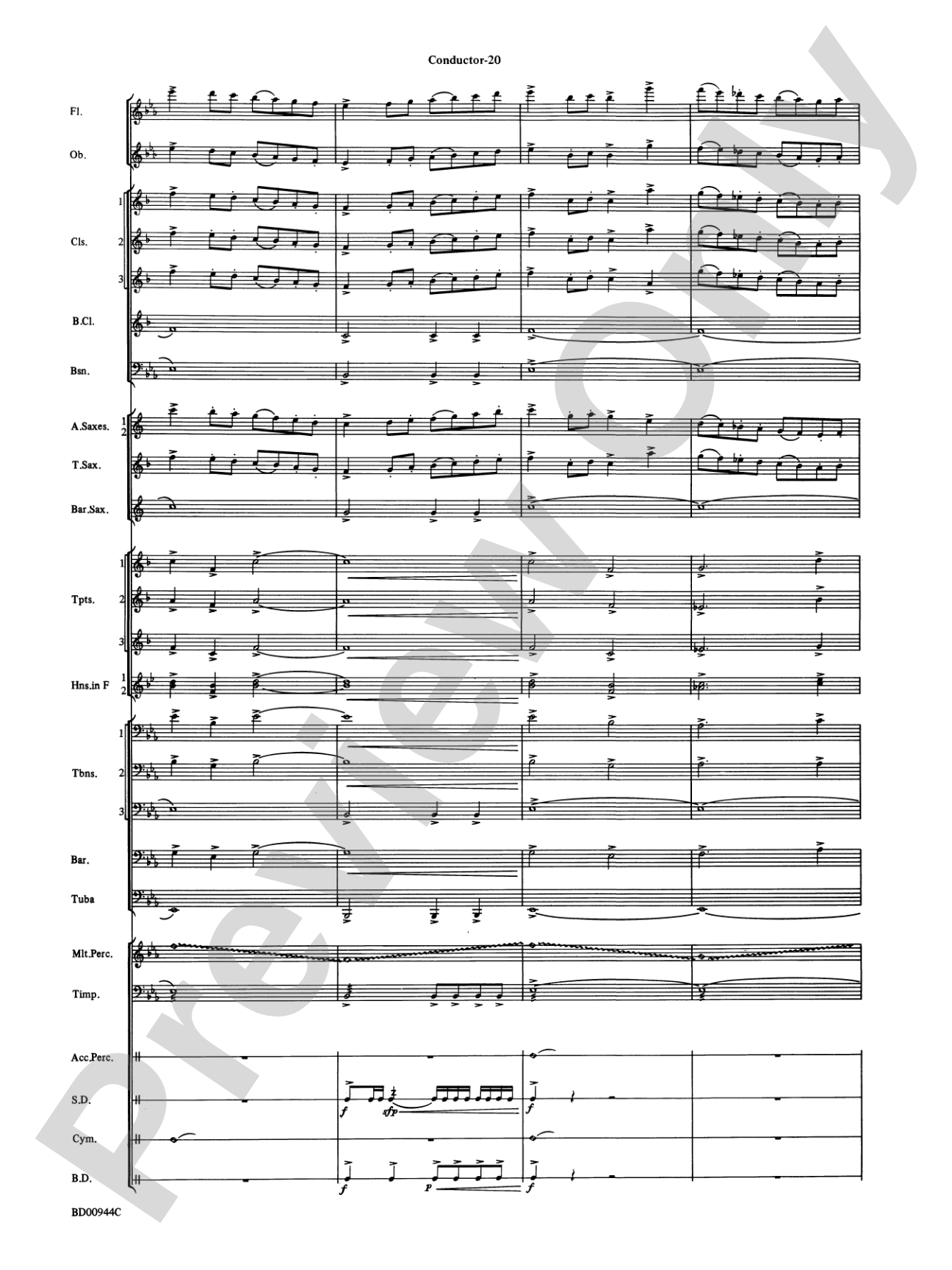
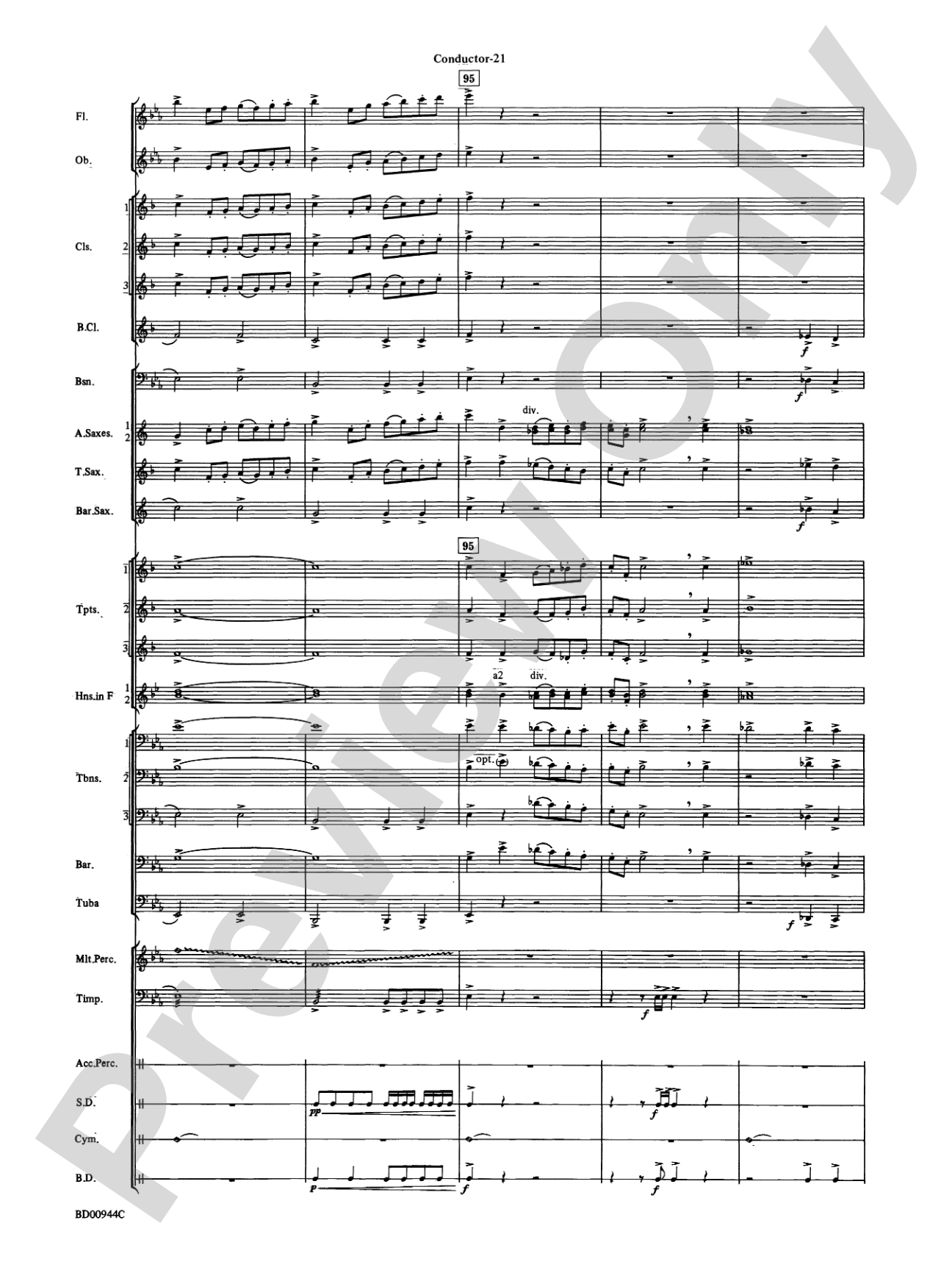
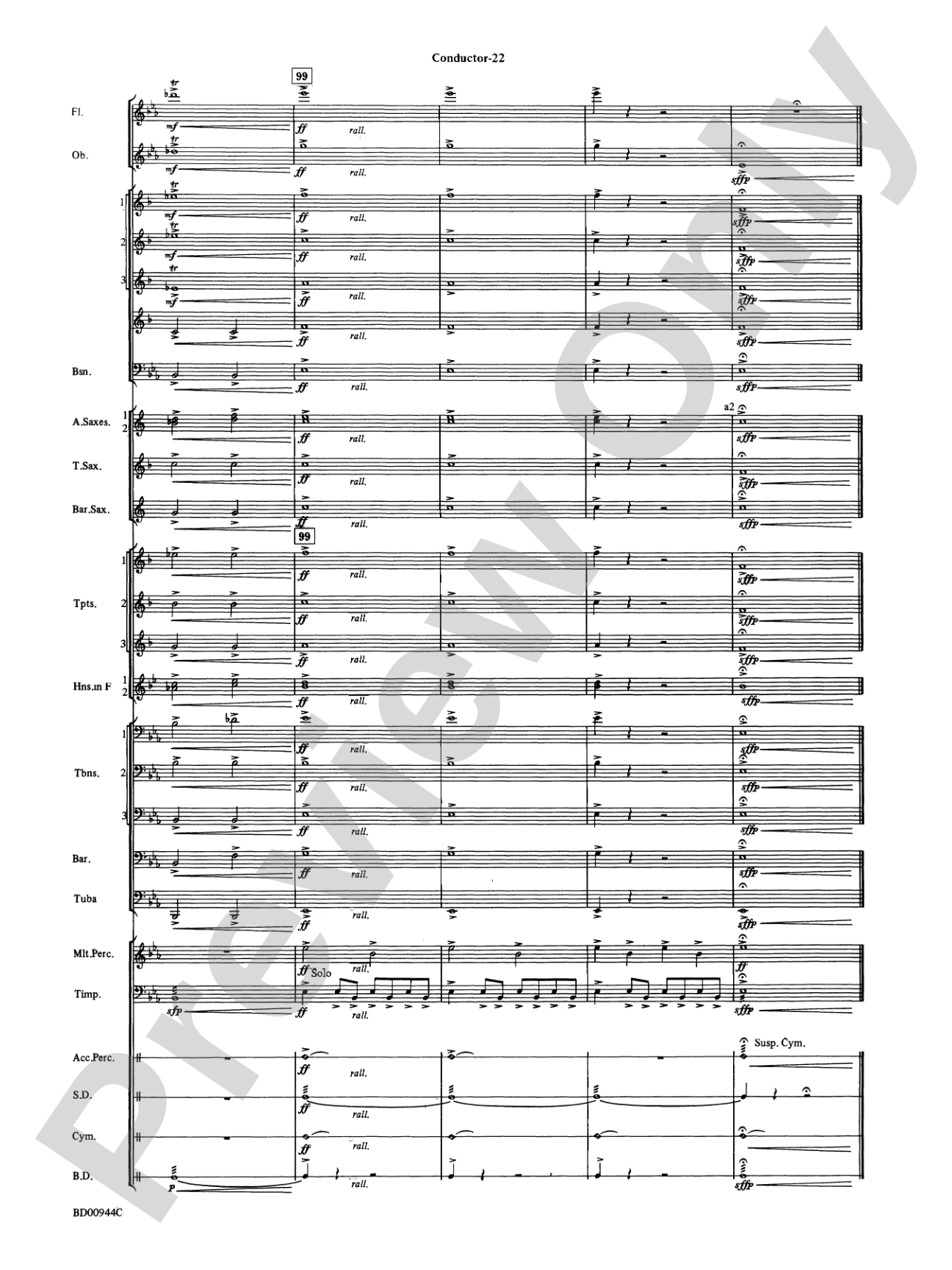

Discovery 1492: Score
An Historic Suite for Band
By Robert W. Smith
Grade: 3 (Medium Easy)
Item: 00-PR-0002960
$10.00
Pickup currently not available
Description
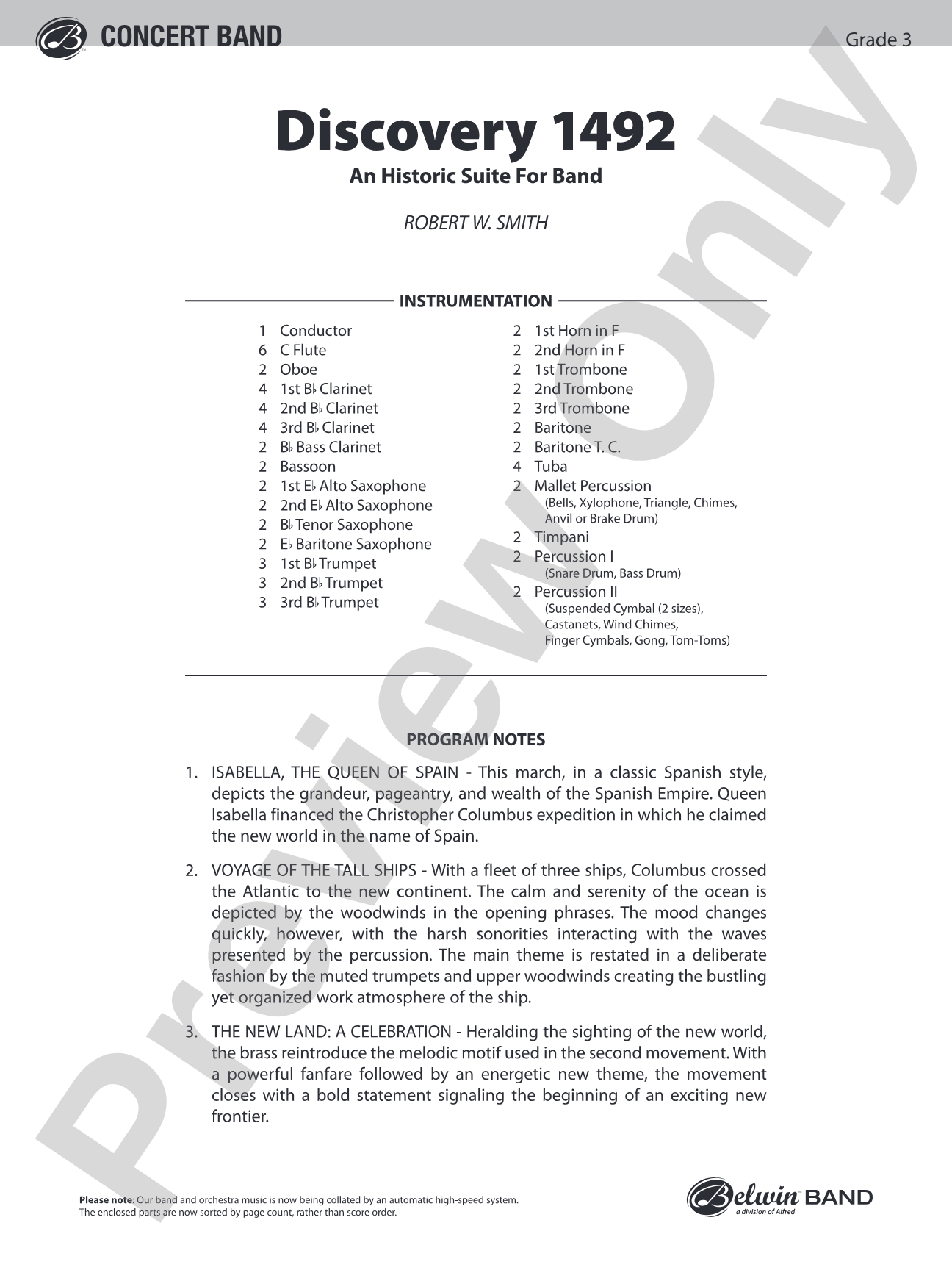
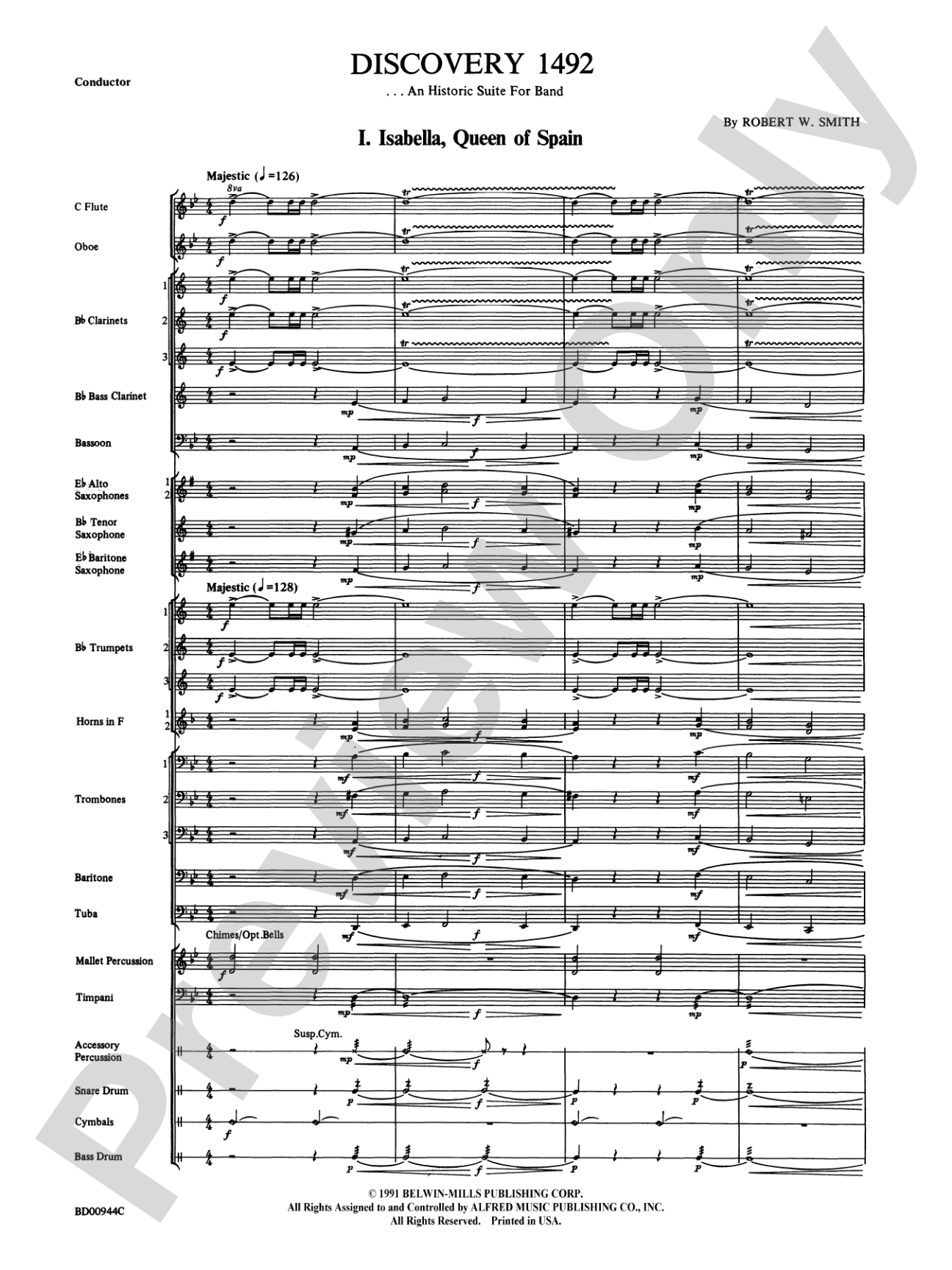
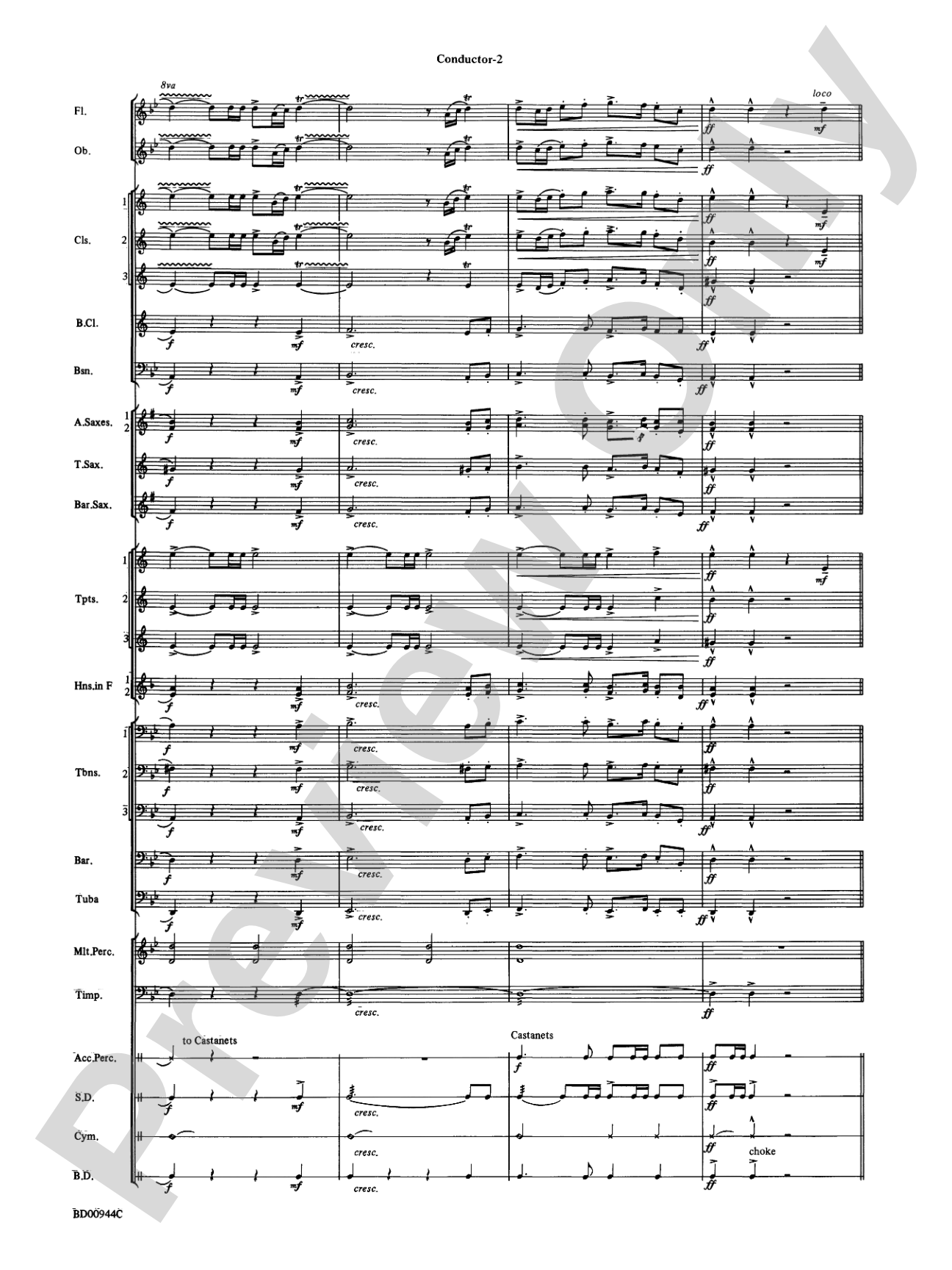
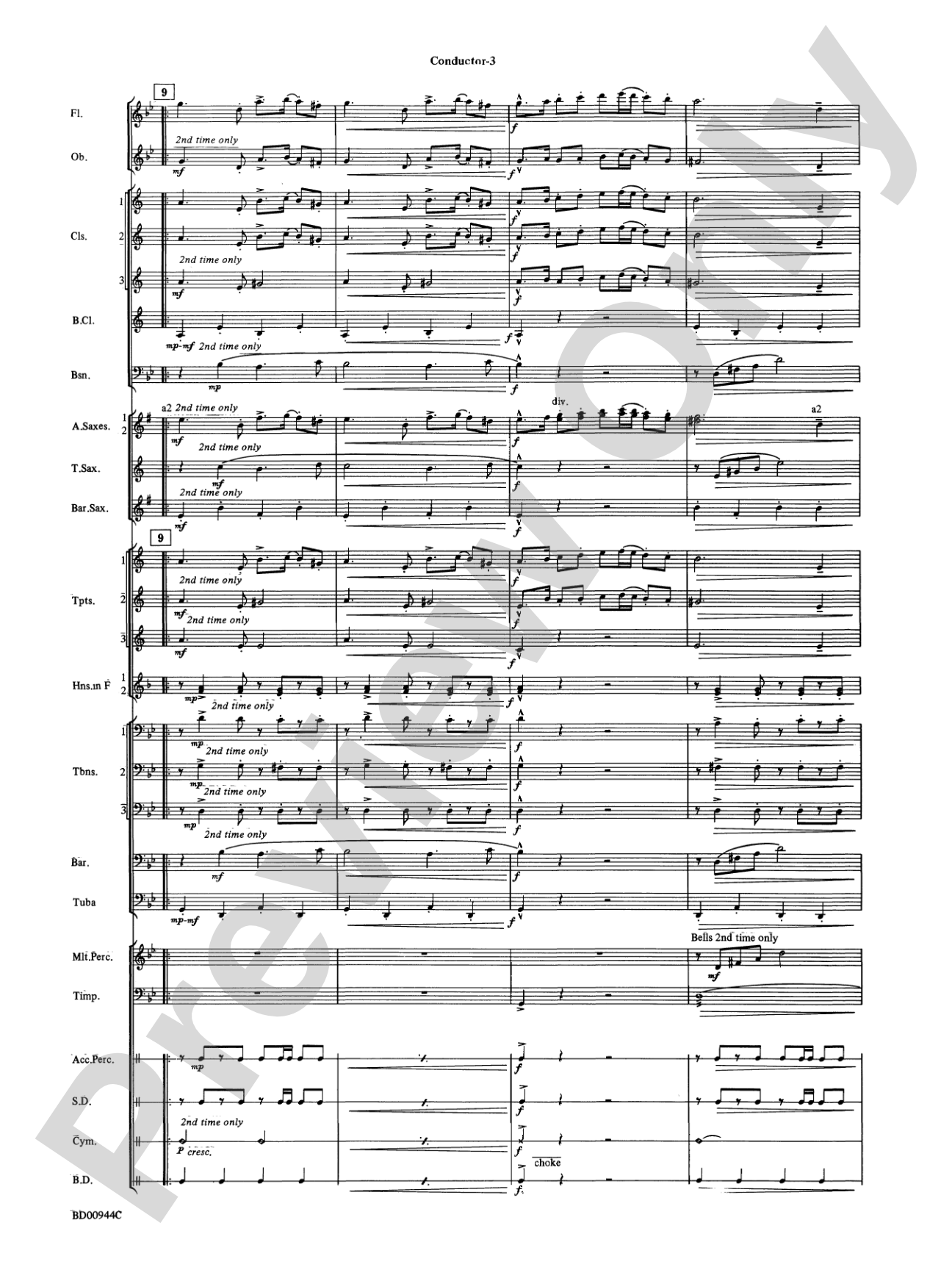
This three-movement work (ISABELLA, THE QUEEN OF SPAIN * VOYAGE OF THE TALL SHIPS * THE NEW LAND: A CELEBRATION) heralds a tribute to the landing of Columbus on the shores of what is now called North America. Timely programming for 1992 or thereafter.


Don't just read it, hear it, play along with it, and watch your students grow with it. In MakeMusic Cloud, Discovery 1492: Score comes alive with professional accompaniment, adjustable tempo, and built-in practice tools that turn solo practice into real progress.
Open in the Player
Jump straight in and assign it today.
Start Your Free Trial
Open this title and explore the full library in minutes.
Sample Audio
1
Audio File
--:--
0:00
0:00
Sample Video
No sample videos found.
Additional Details
Series:
Belwin Concert Band
Publisher:
Alfred Music
Page Count:
268
SKU:
00-PR-0002960
More about this title
About the Composer: Robert W. Smith

Robert W. Smith stands among the most recorded and performed composers of concert band music in America. His catalog exceeds 400 published works, the vast majority distributed through Alfred Music, and his compositions have been heard in concert halls and festival venues across North America, Europe, Australia, and Asia. Smith holds a Bachelor of Music Education from Troy State University in Alabama and a Master of Music from the University of Miami.
Beyond the concert stage, Smith's music has reached audiences through television broadcasts, ceremonial events, and cultural institutions ranging from the Olympic Games to Opening Day at Dodger Stadium. His orchestrations and original compositions for developing ensembles, such as The Tempest, have become repertoire standards. As a guest conductor and clinician, he has worked with musicians throughout the United States, Canada, Japan, Australia, and Europe, bringing his deep understanding of band pedagogy and orchestration directly to the musicians who perform his work.
Why we love this
Smith crafts this three-movement narrative with the kind of melodic clarity and orchestrational balance that makes Grade 3 music feel genuinely musical, not simplified. The structure gives your band a complete concert work that builds momentum across three distinct scenes, each with its own character and technical demands that stay within reach. Programming this at festival or concert gives your students a chance to tell a story together, something far more engaging than disconnected selections.
What to expect
ISABELLA opens with regal restraint, evoking the royal court and the ambition behind the voyage. VOYAGE OF THE TALL SHIPS surges with maritime energy and optimism, capturing the drama of open water and discovery. THE NEW LAND swells into celebration, joyous and grounded in the triumph of arrival.
Who it's for
Band directors looking for Grade 3 concert repertoire with genuine historical resonance and musical substance. This work suits ensembles preparing for festival performances, spring concert programming, or commemorative events where a multi-movement narrative adds context and depth to the concert experience.
How to get the most out of it
- Balance the expressive melody lines in ISABELLA with transparent accompaniment; resist letting full-ensemble textures bury the historical narrative Smith is setting up.
- Anchor the rhythmic integrity of VOYAGE OF THE TALL SHIPS by keeping the section leaders locked; this movement relies on propulsive forward motion rather than rubato.
- Shape the celebration in the final movement with deliberate dynamics and articulation clarity; the festive character depends on crisp ensemble attacks and clean releases, not volume alone.
- Listen through a recording before rehearsals begin; familiarity with Smith's orchestration choices will help you hear what balance adjustments your band needs to make.
How to use it
This three-movement work functions as a standalone concert centerpiece that occupies roughly 10 to 12 minutes, eliminating the need to program smaller selections around it. The historical framing makes it especially effective as an opening number for a concert that honors American themes or exploration narratives, or as a finale that rewards an audience's attention span and your band's preparation.
Skills your students will build
- Sustaining lyrical phrases across extended melodic lines
- Maintaining steady pulse through rhythmic ostinatos in mid-range voices
- Balancing solo lines with accompaniment textures
- Executing clean ensemble articulation in fast-moving passages
- Responding to large-scale dynamic shaping across movements