
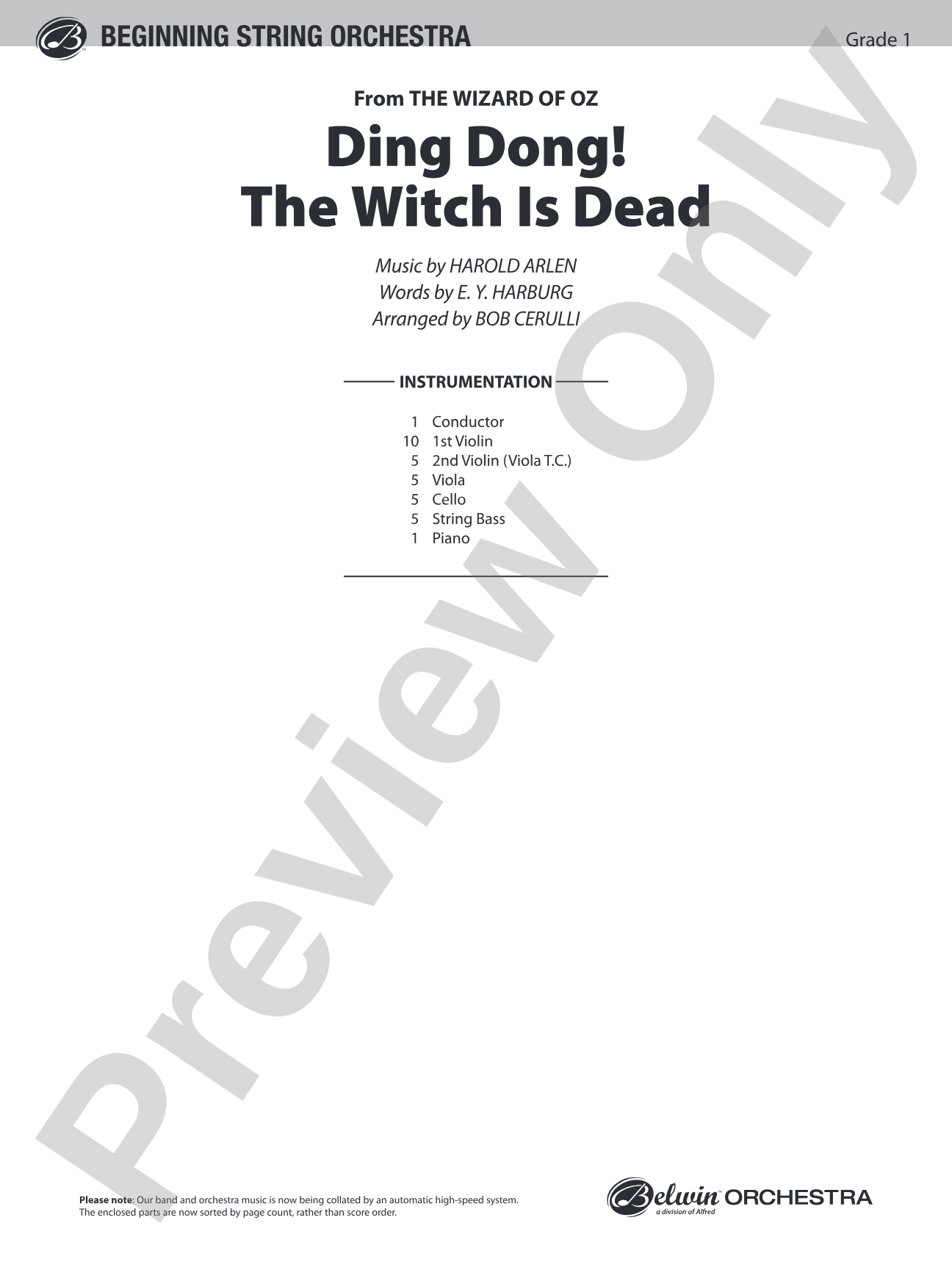

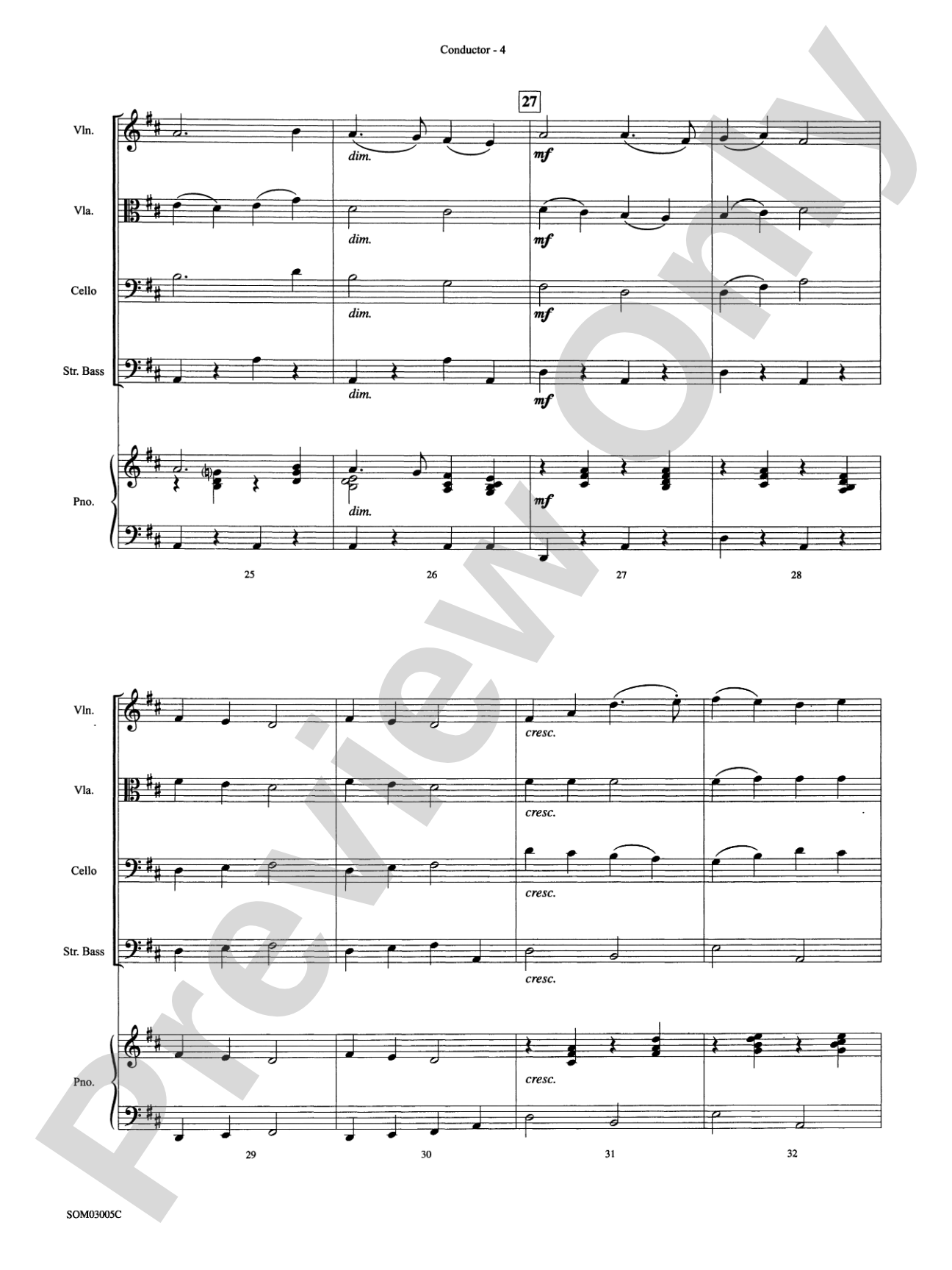
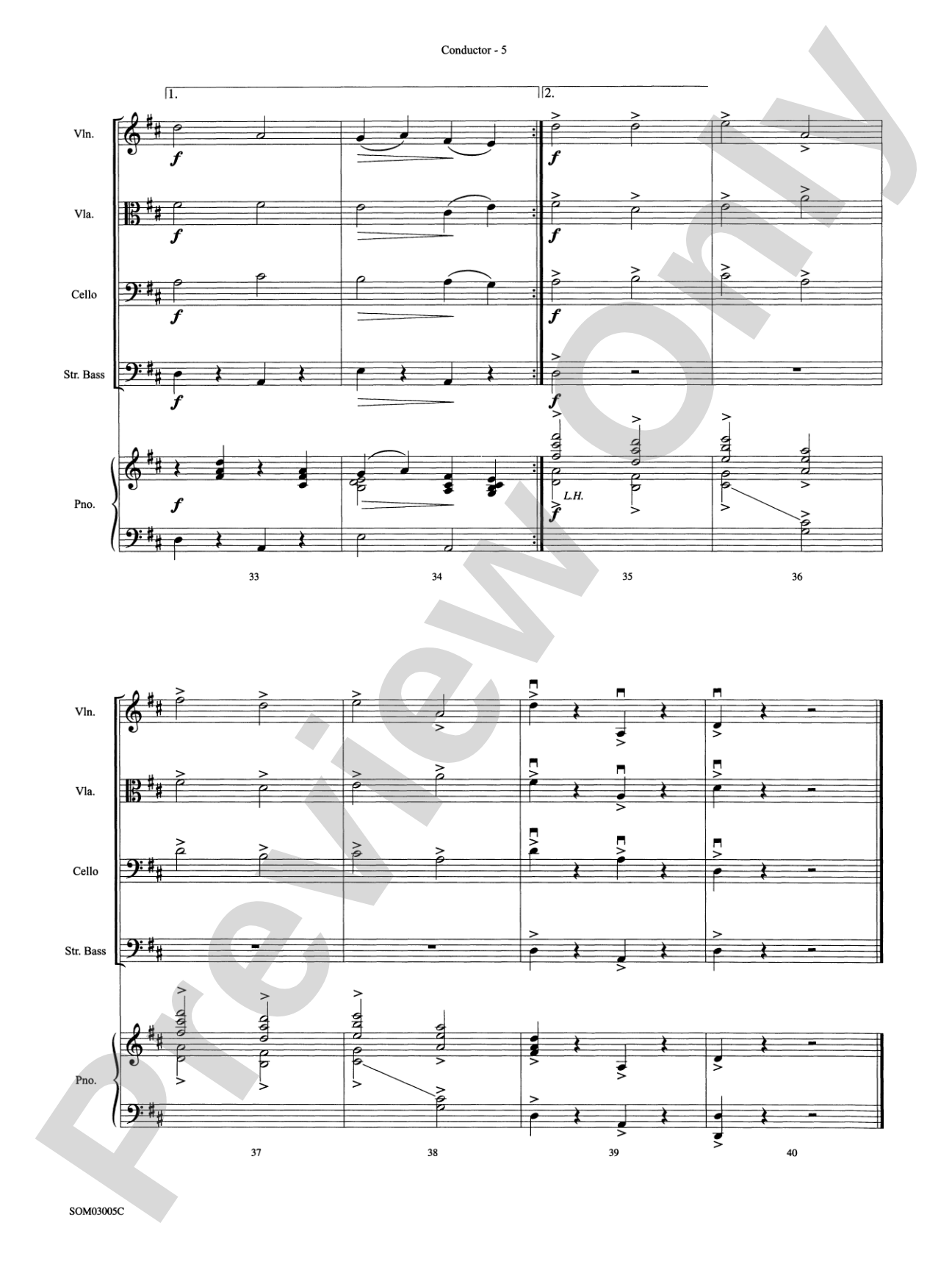


Ding Dong! The Witch Is Dead (from The Wizard of Oz): String Orchestra Conductor Score & Parts
Music by Harold Arlen, words by E. Y. Harburg / arr. Bob Cerulli
Grade: 1
Item: 00-PK-0002628

$45.00
One moment…
Description
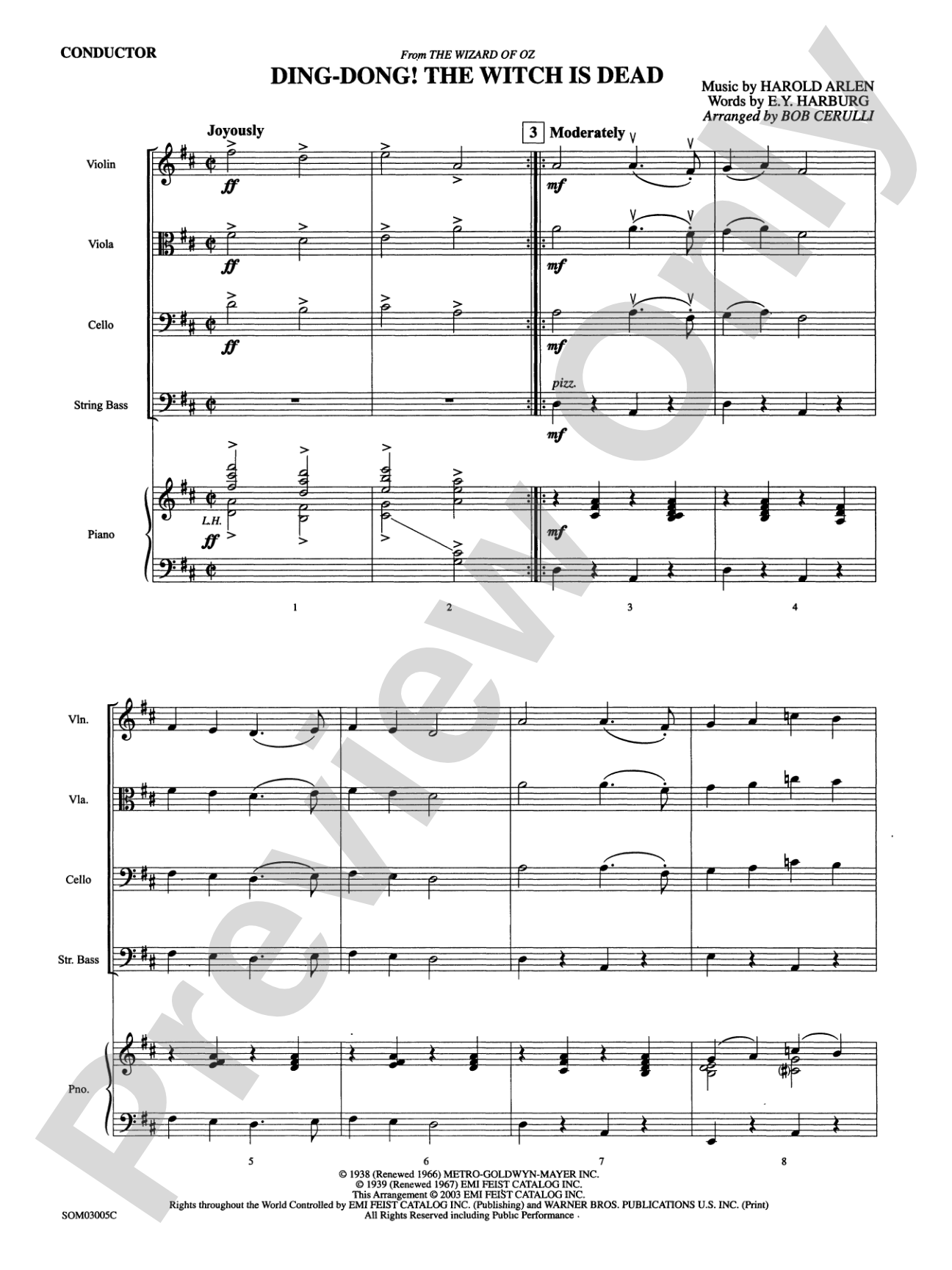
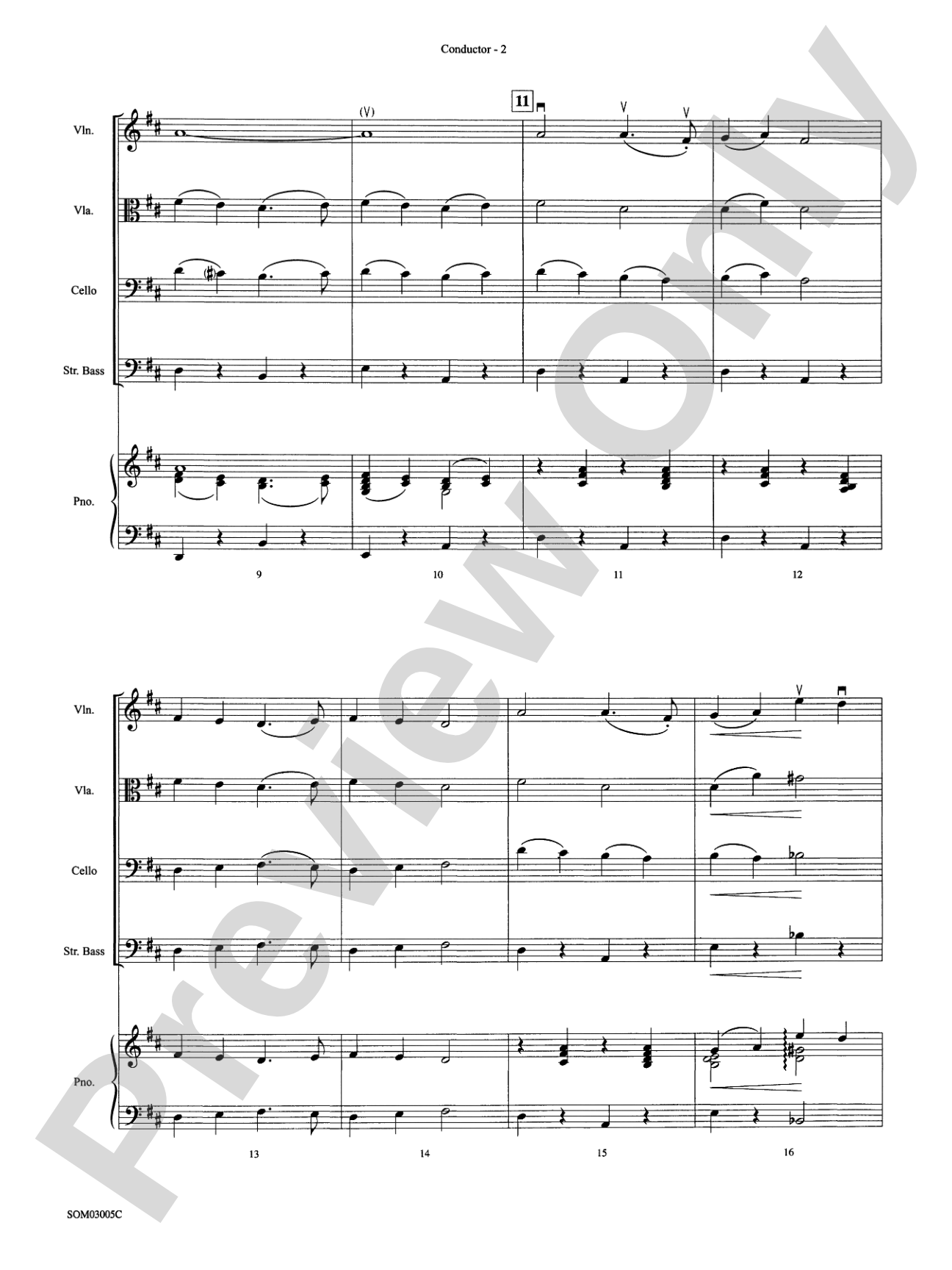
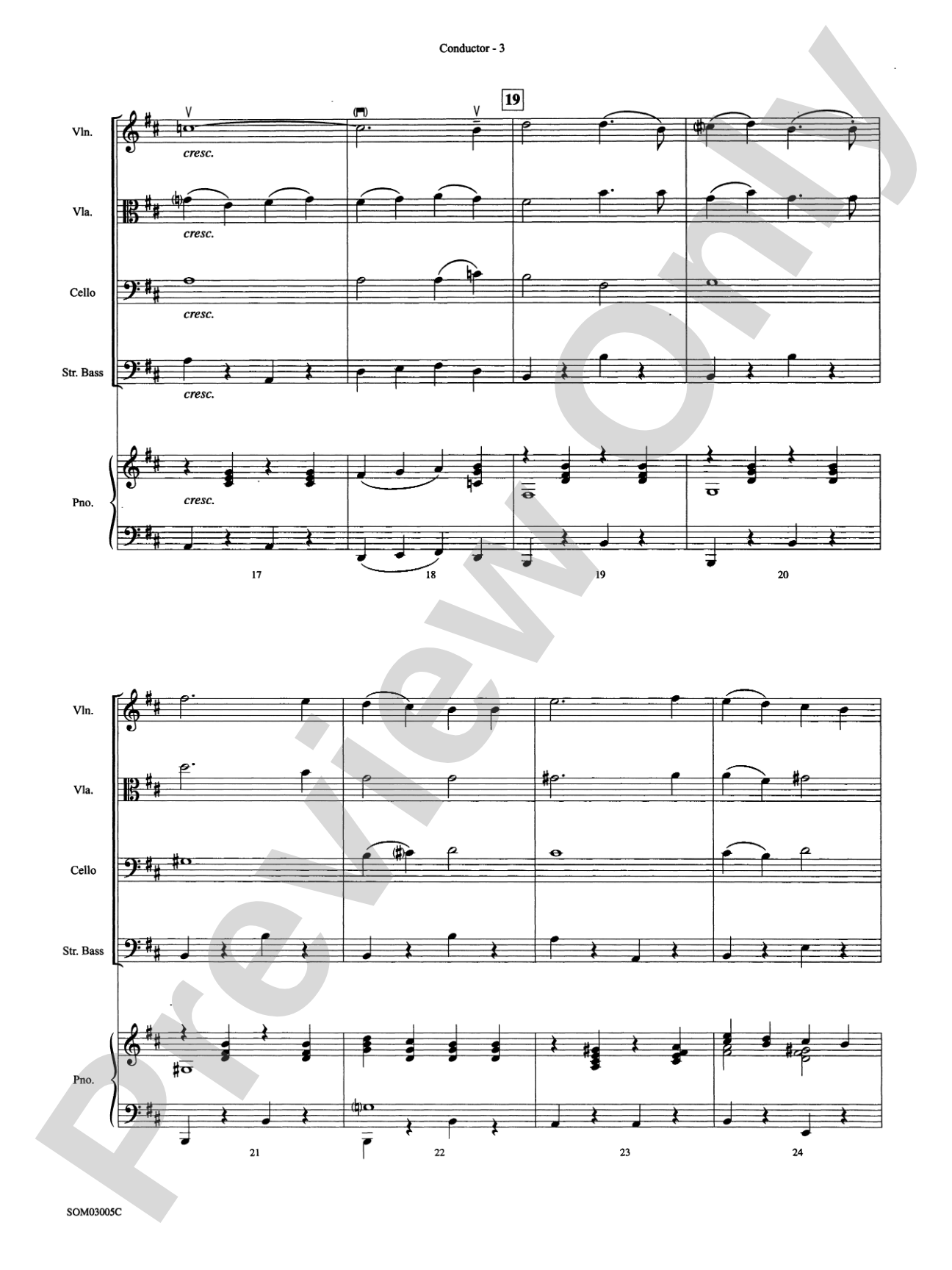
You can hear the bells dinging. A joyous arrangement of this fabled tune from The Wizard of Oz has been added to Bob Cerulli's beginning string library. It works wonderfully as a stand-alone selection or in conjunction with the other beginning string arrangements from the film score. A true winner! (1:17)


Don't just read it, hear it, play along with it, and watch your students grow with it. In MakeMusic Cloud, Ding Dong! The Witch Is Dead (from The Wizard of Oz): String Orchestra Conductor Score & Parts comes alive with professional accompaniment, adjustable tempo, and built-in practice tools that turn solo practice into real progress.
Open in the Player
Jump straight in and assign it today.
Start Your Free Trial
Open this title and explore the full library in minutes.
Sample Audio
1
Audio File
--:--
0:00
0:00
Sample Video
No sample videos found.
Additional Details
Series:
Pop Beginning String Orchestra
Publisher:
Alfred Music
Page Count:
64
SKU:
00-PK-0002628
More about this title
About the Composer: Harold Arlen
Harold Arlen (1905-1986) composed some of the most enduring melodies in American musical theater and film. His gift for singable, emotionally direct themes made him a natural fit for Hollywood; his collaboration with lyricist E. Y. Harburg on The Wizard of Oz produced a score that has remained central to music education for nearly a century.
Arlen's harmonic language blends popular song sensibility with sophisticated chromaticism. For educators, his work offers students accessible entry points into melody writing and orchestration while maintaining musical integrity across all skill levels.
Why we love this
Cerulli's arrangement captures the infectious brightness of this iconic melody while keeping the string writing genuinely Grade 1. Rather than oversimplifying, he preserves the orchestral character that makes The Wizard of Oz such a recognizable and singable tune, giving young string players immediate musical gratification.
What to expect
Bright, celebratory, and buoyant, with the harmless optimism of a classic film moment. The arrangement captures that joyous release when the witch is defeated—triumphant without being bombastic, playful without losing musical substance.
Who it's for
Beginning string orchestras seeking repertoire that combines immediate appeal with solid pedagogical grounding. This arrangement suits directors building programs that include film music alongside traditional classical selections, or who want to engage younger students with material they may already recognize and love.
How to get the most out of it
- Shape the melody line with a gentle swell at the peak of each phrase; the joyous character depends on this forward momentum rather than mechanical evenness.
- Balance the part writing so the melody sits clearly above the supporting voices without requiring the first violins to force tone.
- Let the bell references in the arrangement breathe; resist the urge to rush the articulated figures that suggest the dinging quality.
- Use dynamic contrast between sections to maintain listener engagement; a dip to mezzo-piano before a return to forte keeps the piece from feeling static.
How to use it
Program this as an opening number to set an energetic, uplifting tone for a concert. Its accessibility and recognizability make it ideal for family concerts or events where younger audiences are present; it also works as a complementary piece if you're programming other selections from the Oz score.
Skills your students will build
- Playing sustained passages with consistent tone quality
- Executing articulated rhythmic figures clearly
- Balancing independent part lines within a harmonic texture
- Shaping phrase contours with subtle dynamic control