
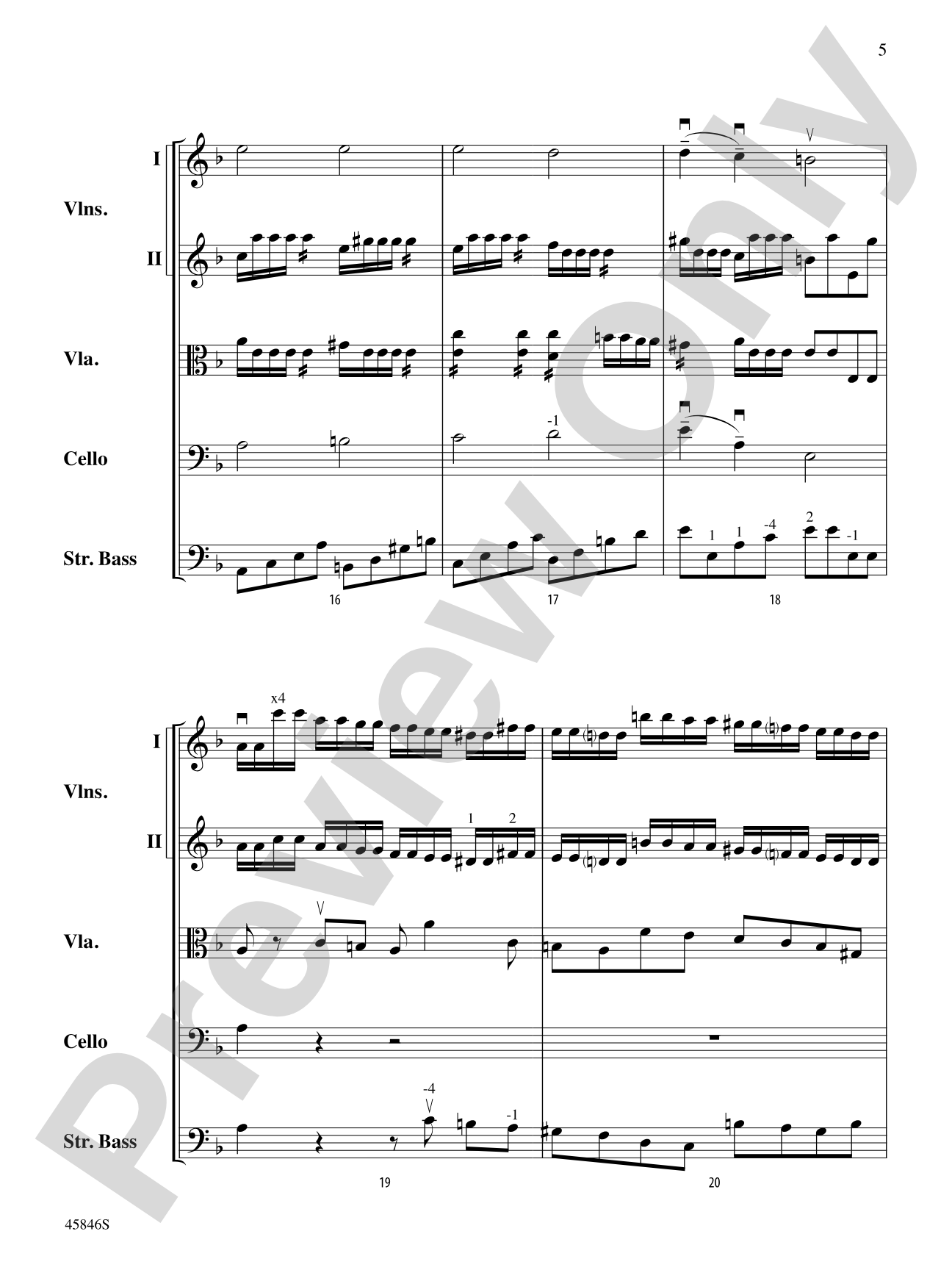
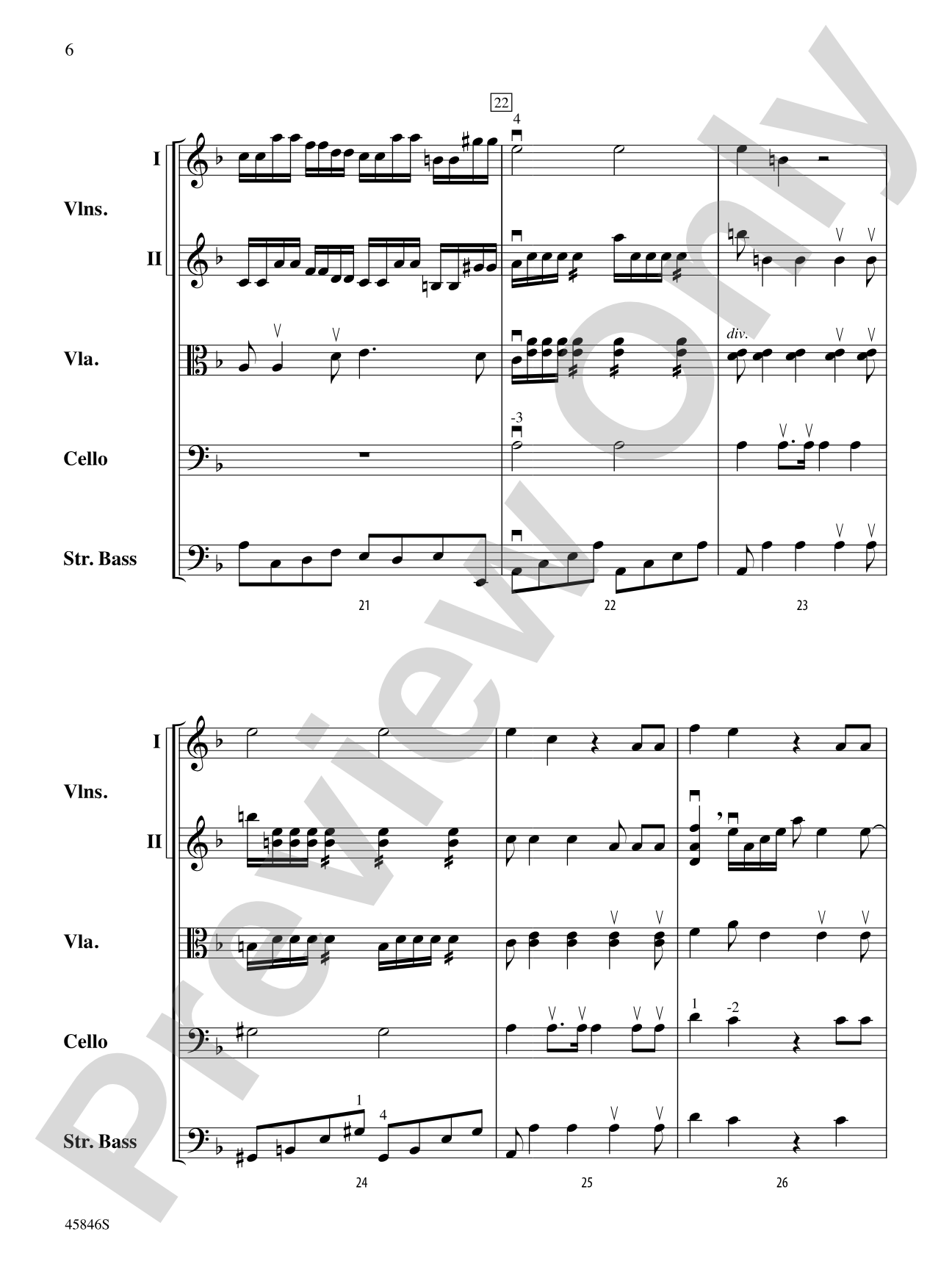
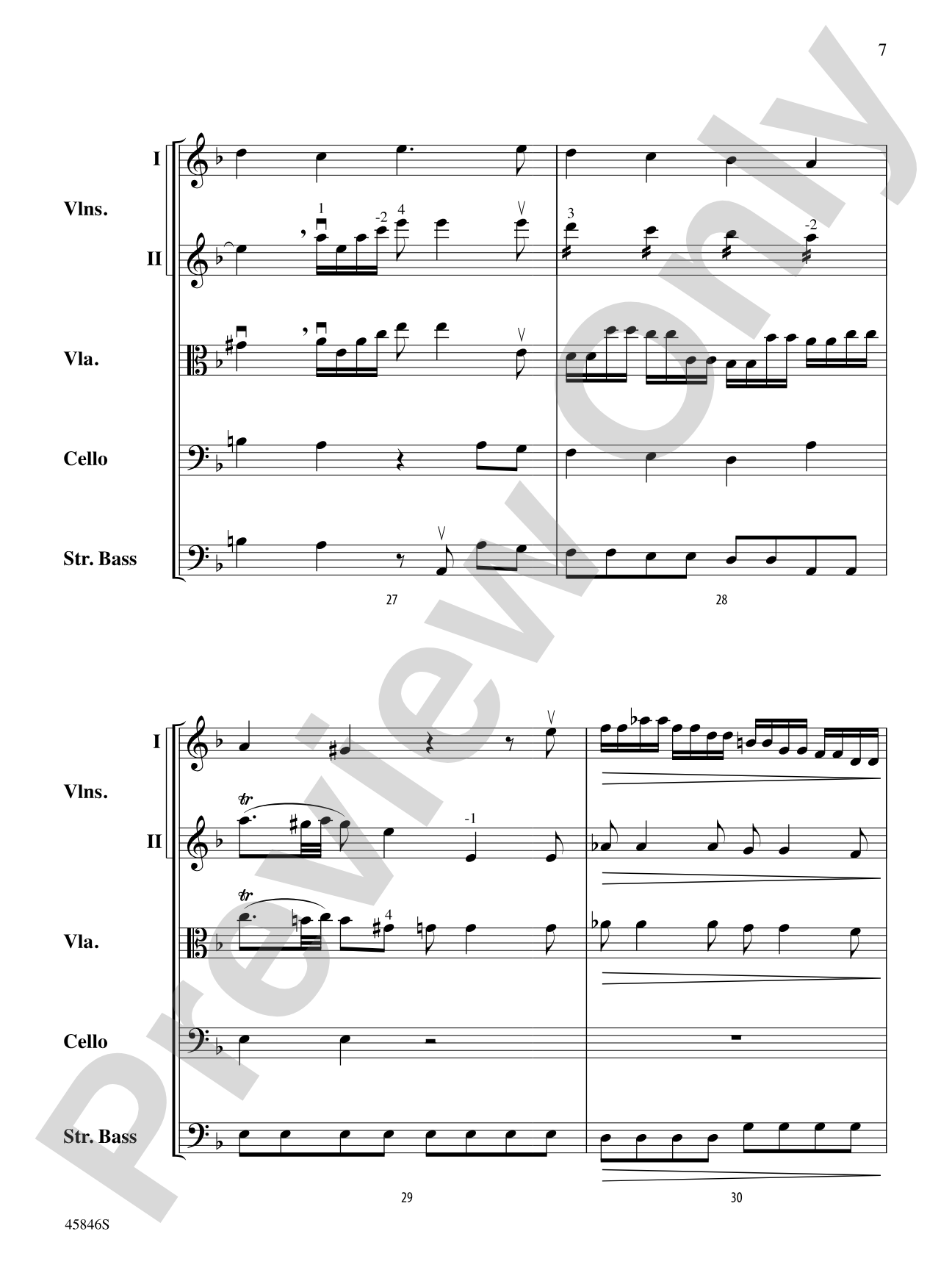
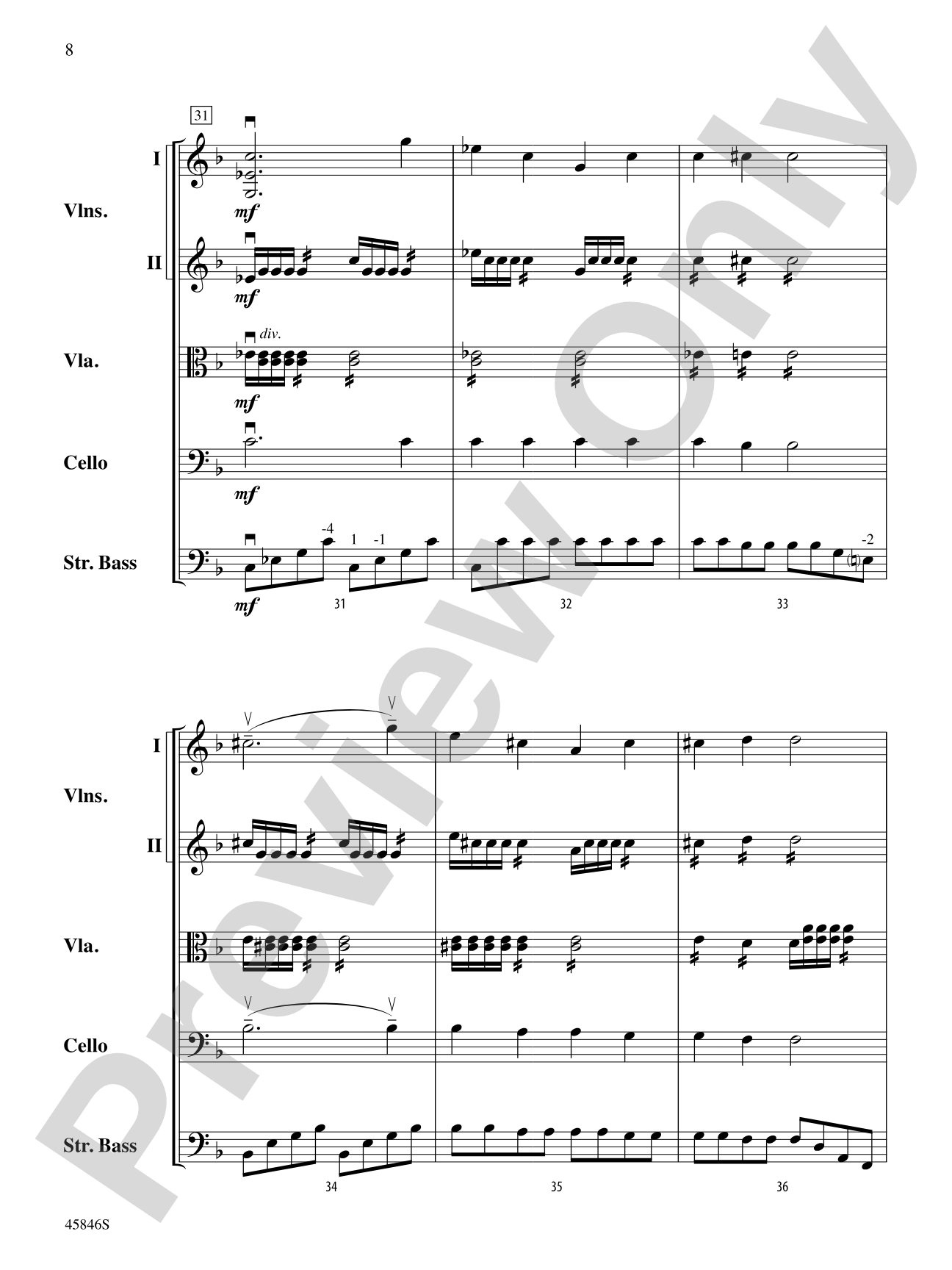
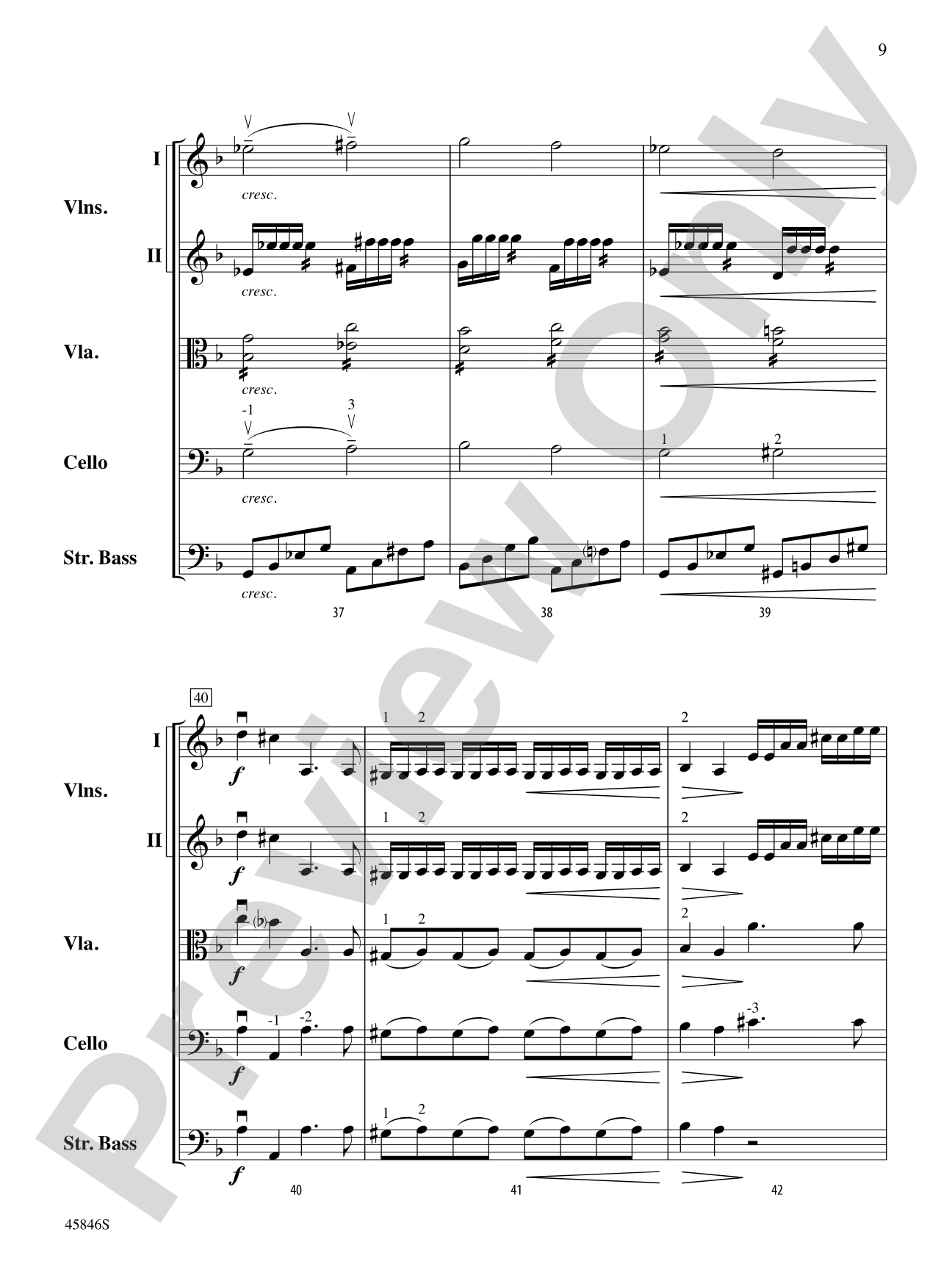
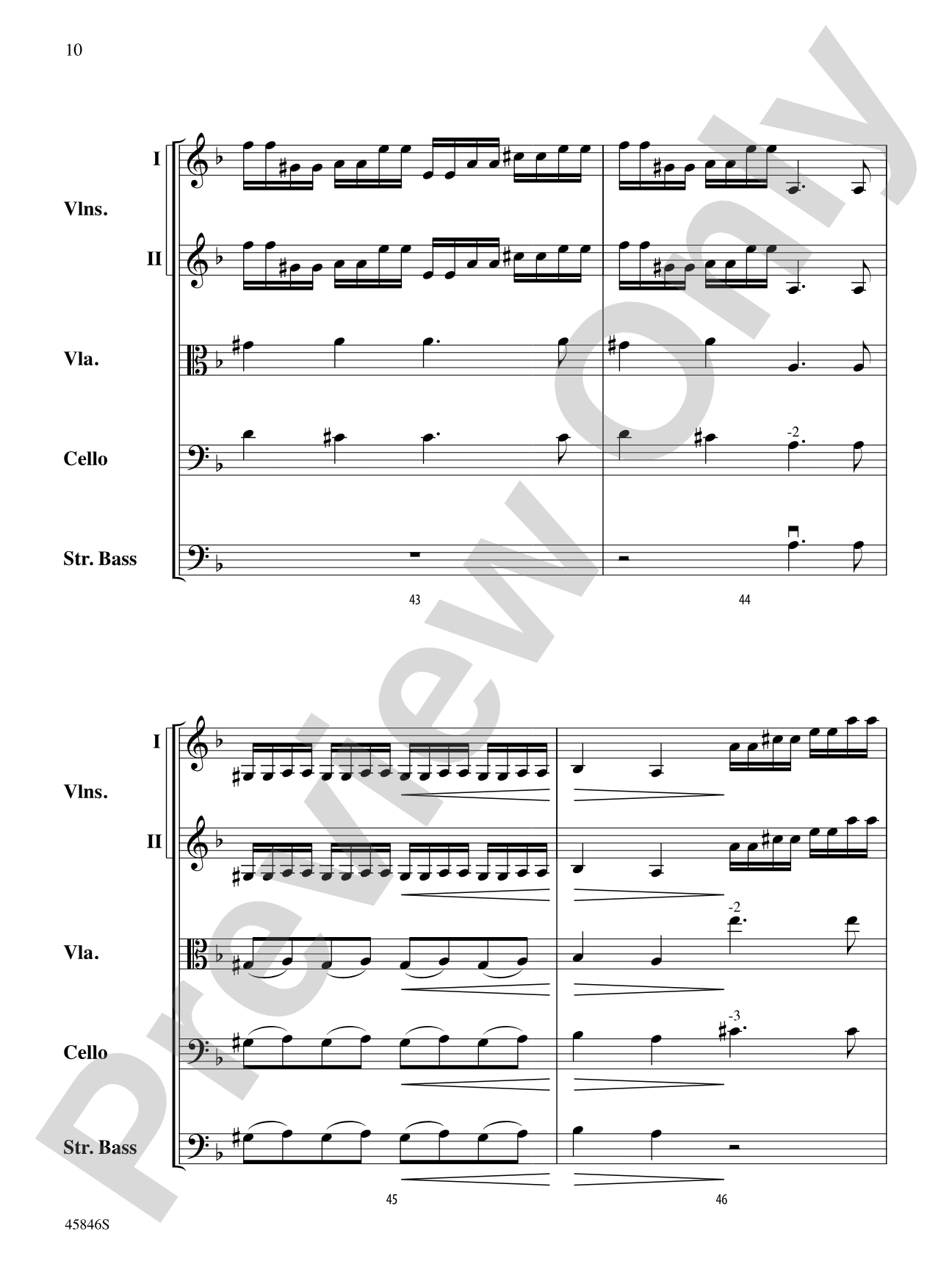
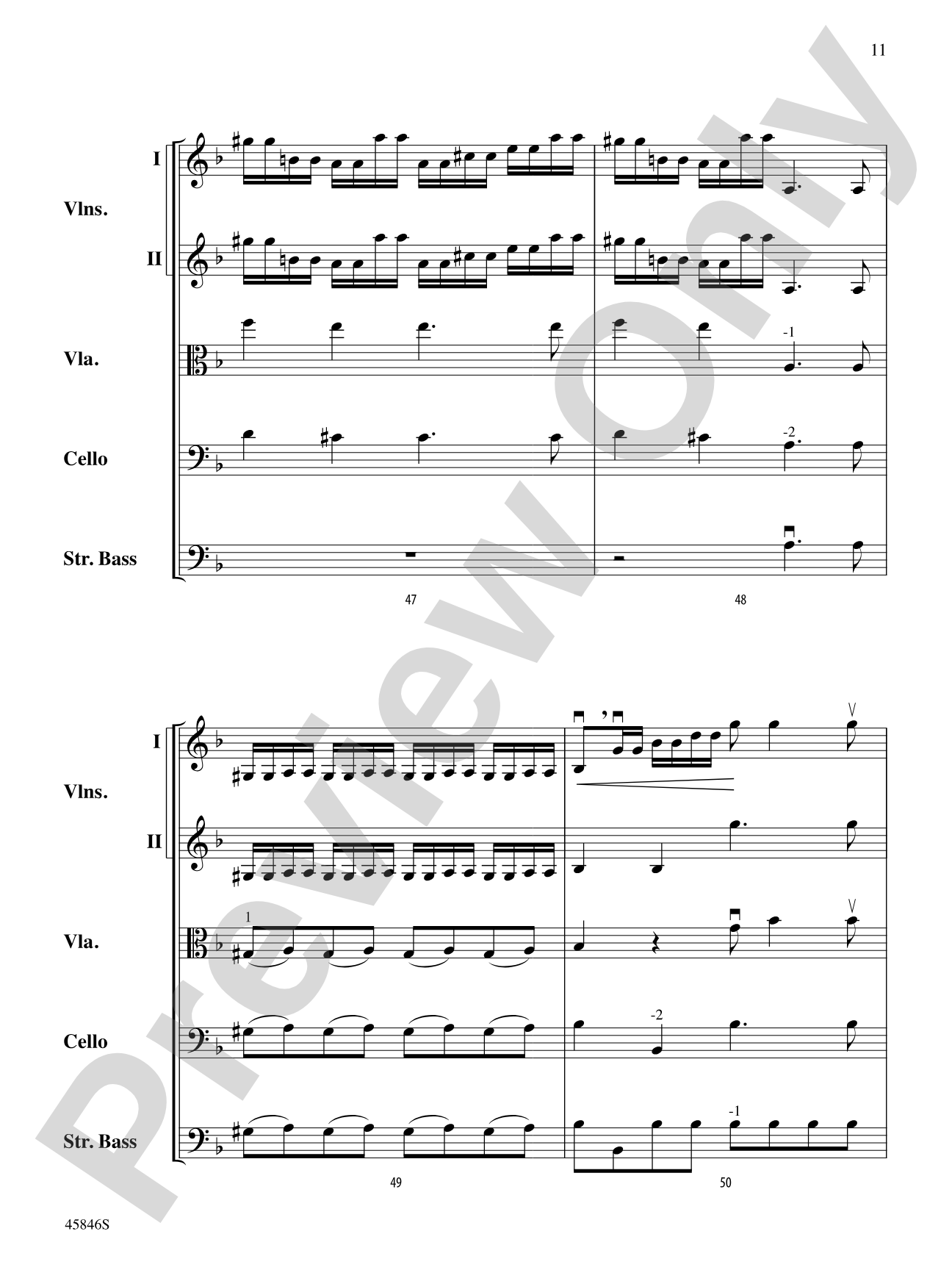
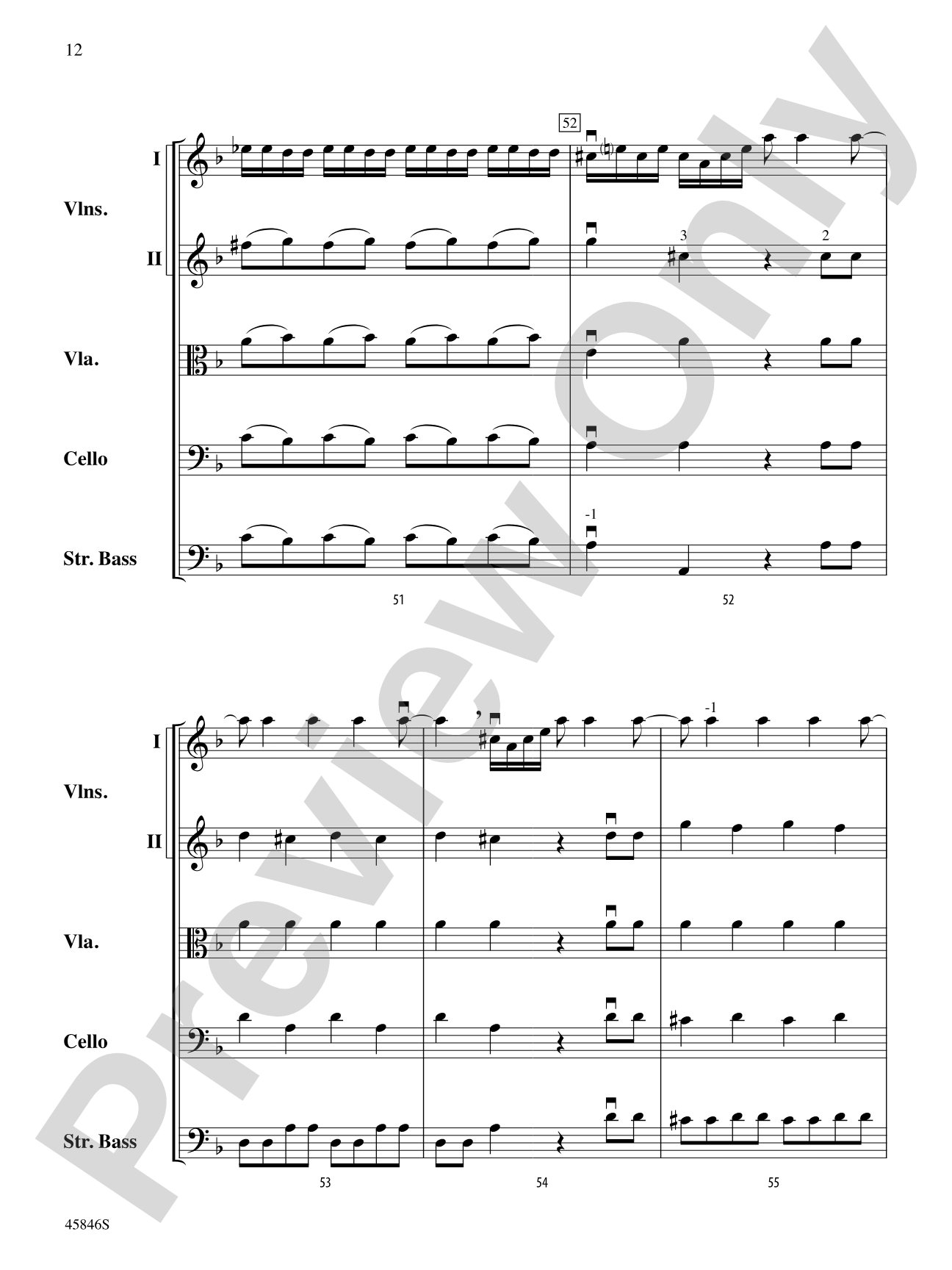
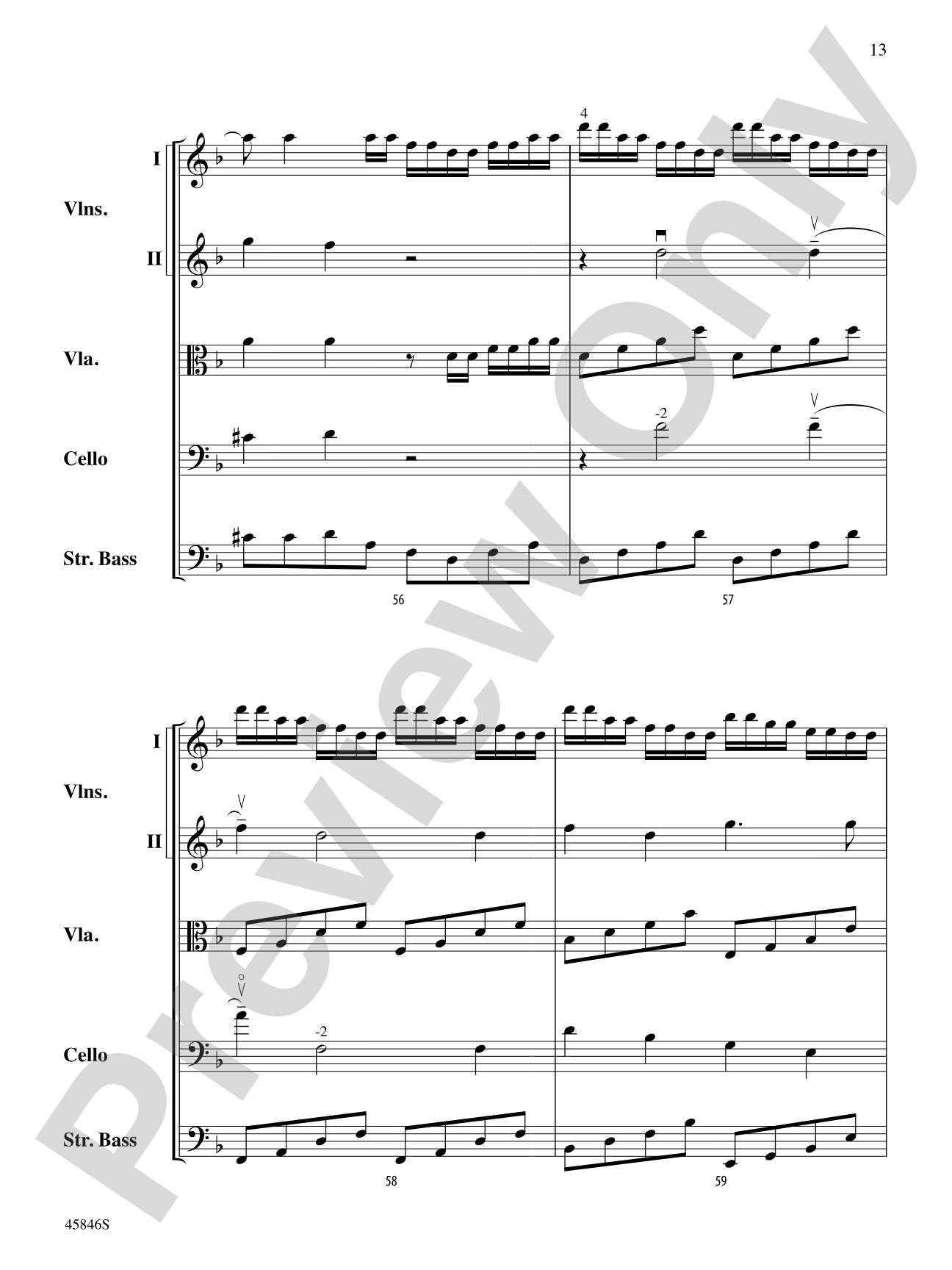
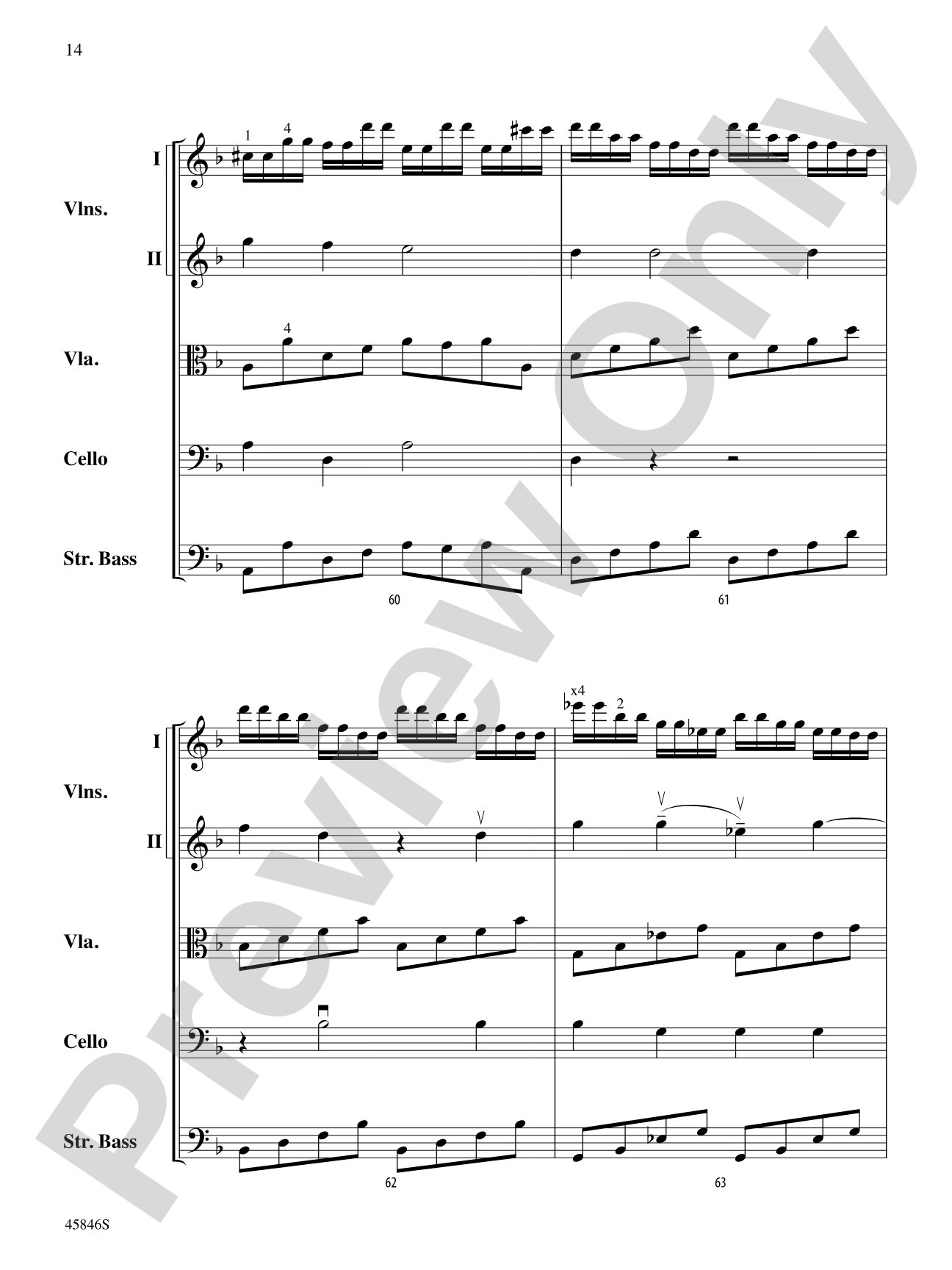
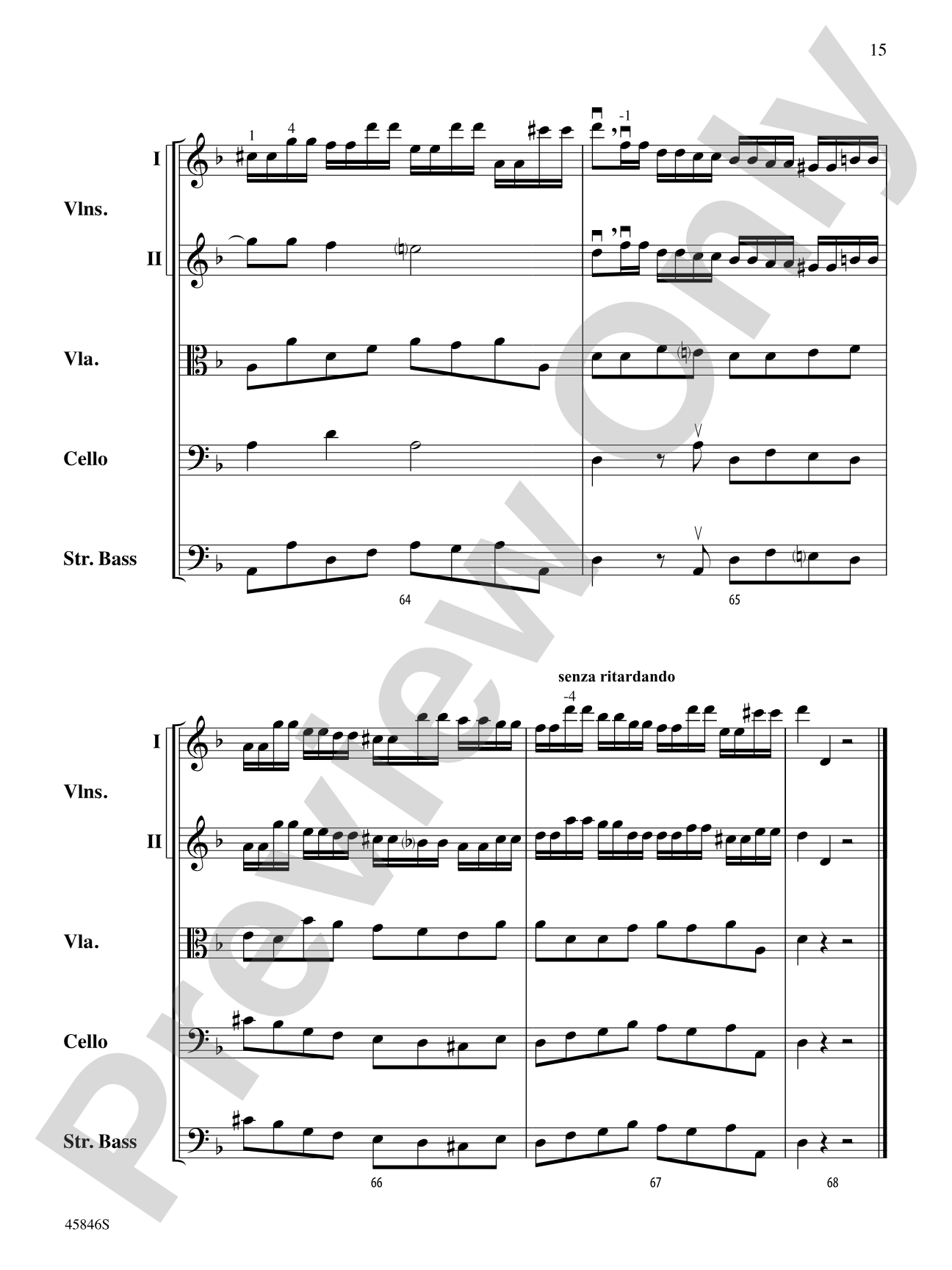

Dies Irae: Score
From Requiem
By Wolfgang Amadeus Mozart / arr. Laura Kenney
Grade: 3
Item: 00-PR-0005894
$10.00
Pickup currently not available
Description
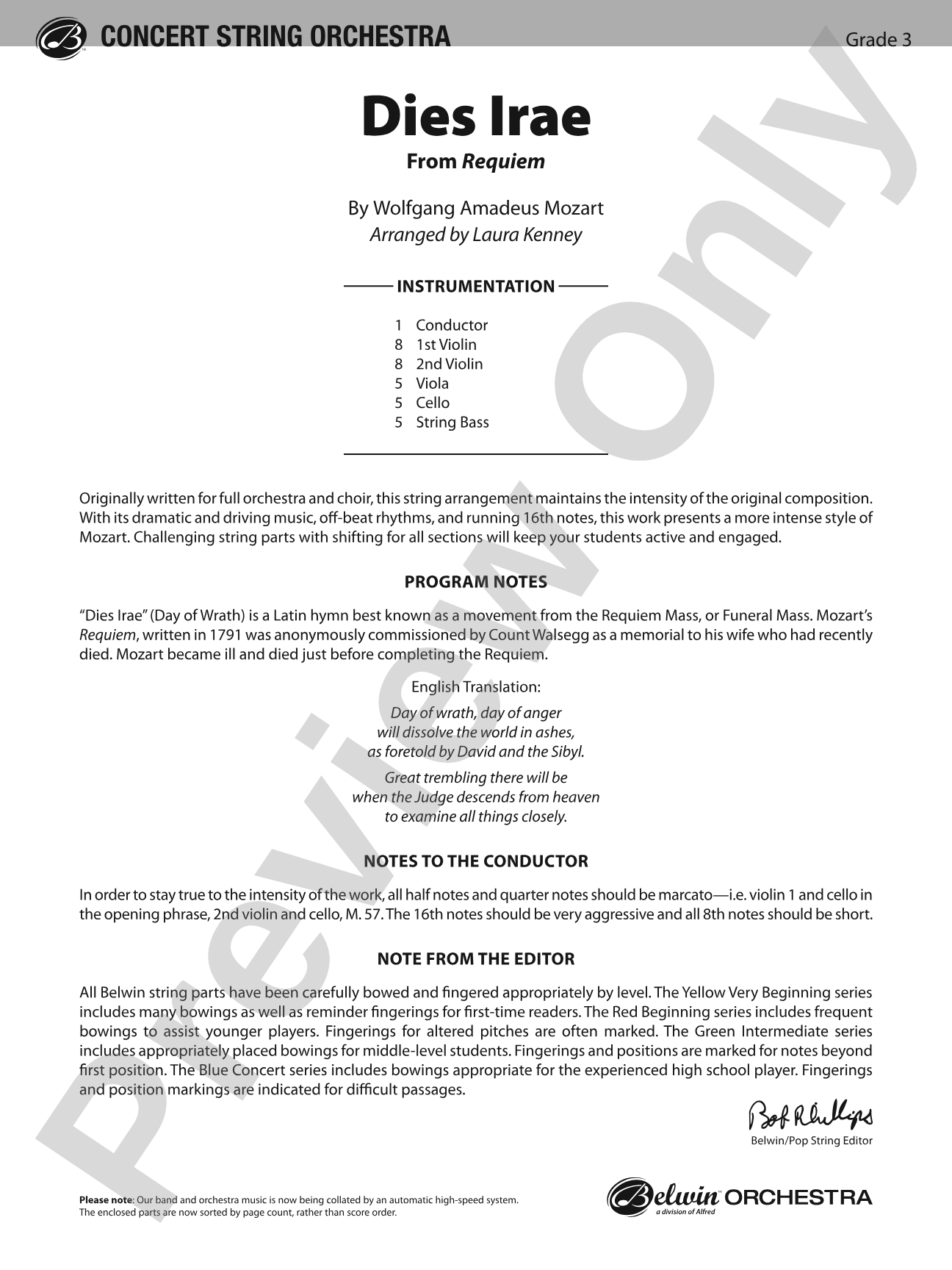
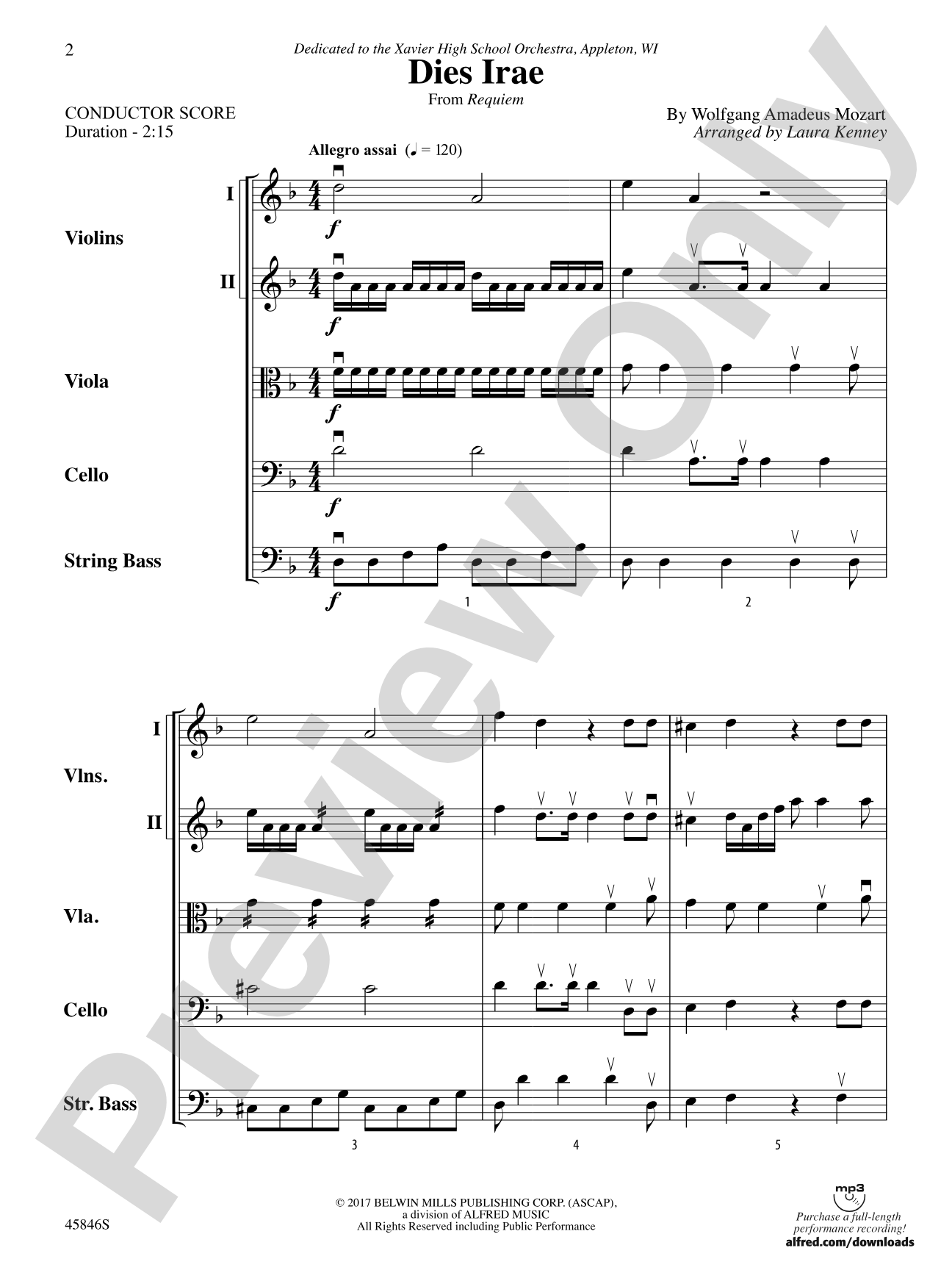
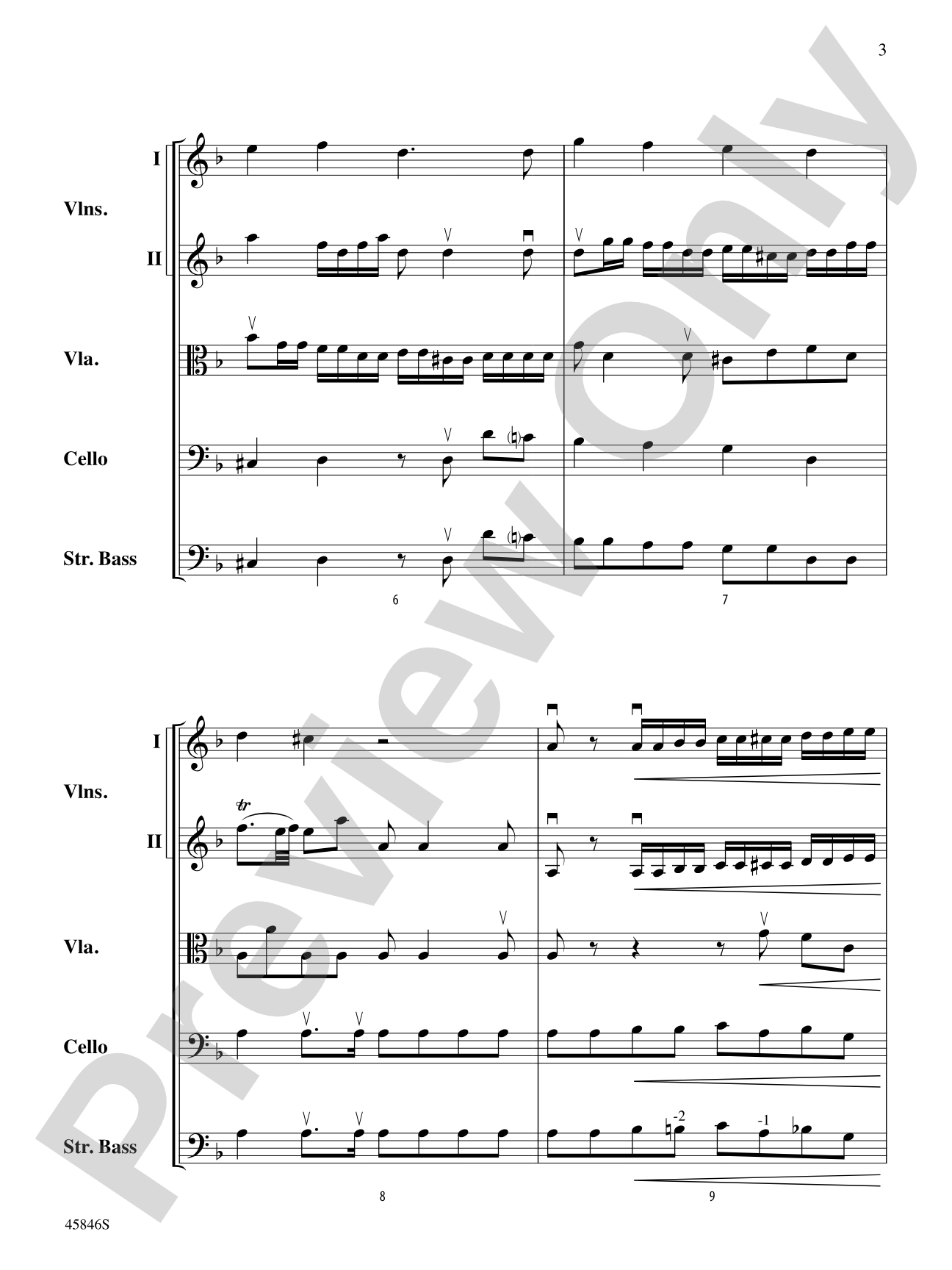
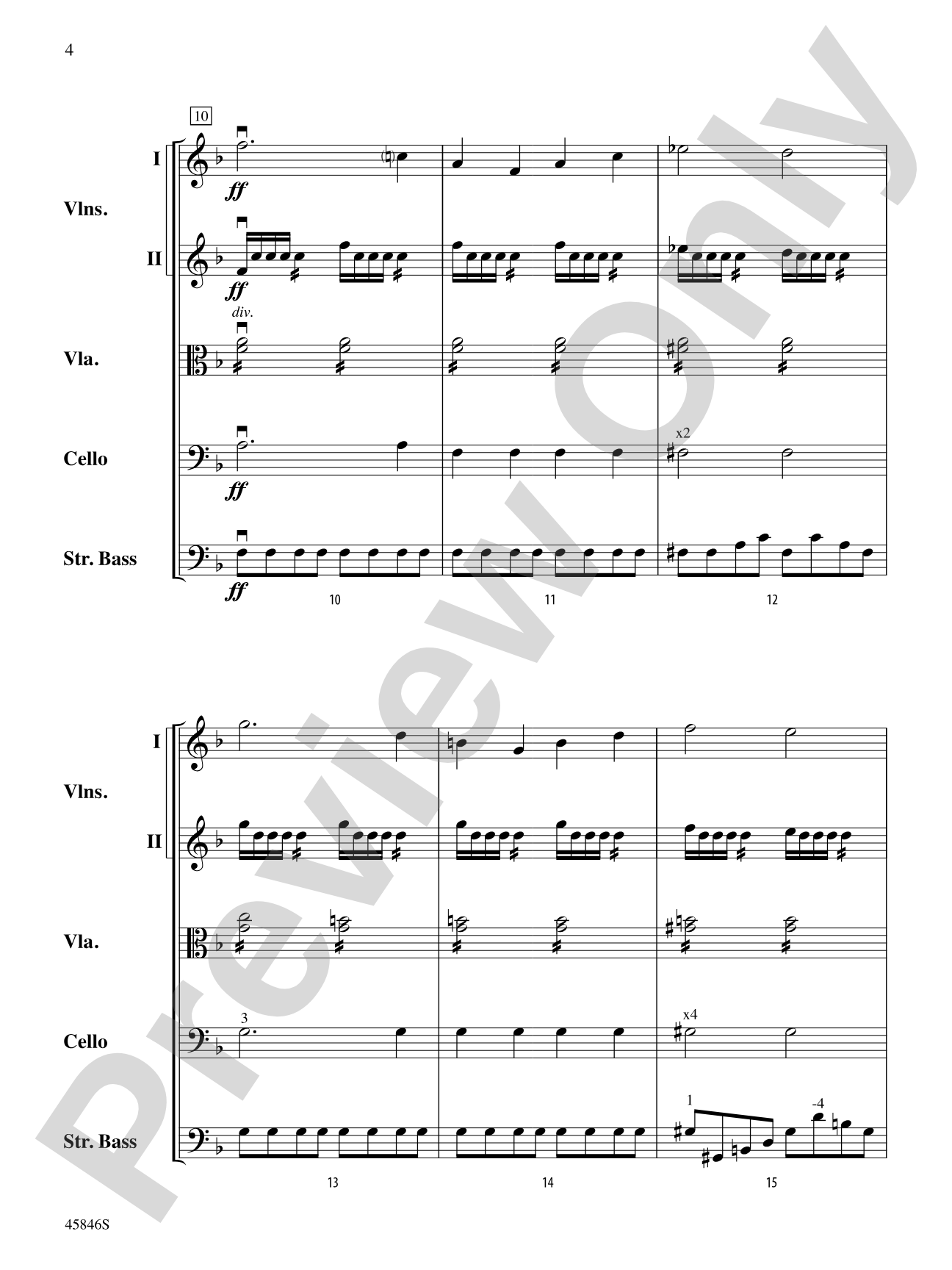
Originally written for full orchestra and choir, this string arrangement by Laura Kenney maintains the intensity of Mozart's original "Dies Irae" from Requiem. With its dramatic and driving music, off-beat rhythms, and running 16th notes, this work presents a more intense style of Mozart. Challenging string parts with shifting for all sections will keep your students active and engaged. (2:15)


Don't just read it, hear it, play along with it, and watch your students grow with it. In MakeMusic Cloud, Dies Irae: Score comes alive with professional accompaniment, adjustable tempo, and built-in practice tools that turn solo practice into real progress.
Open in the Player
Jump straight in and assign it today.
Start Your Free Trial
Open this title and explore the full library in minutes.
Sample Audio
1
Audio File
--:--
0:00
0:00
Sample Video
Additional Details
Series:
Belwin Concert String Orchestra
Publisher:
Alfred Music
Page Count:
124
SKU:
00-PR-0005894
More about this title
About the Composer: Wolfgang Amadeus Mozart
Wolfgang Amadeus Mozart (1756-1791) composed across every major genre of his time, from opera and symphony to chamber music and sacred works. His Requiem, K. 626, stands as one of classical music's most profound spiritual statements, completed near the end of his life and finished by his student Franz Xaver Süssmayr after Mozart's death. The "Dies Irae" movement has become the most frequently performed and arranged section of the work, its dramatic power and structural innovation marking it as one of the defining moments in requiem literature.
Why we love this
This arrangement captures everything that makes the "Dies Irae" unforgettable without requiring the full orchestral and choral forces of Mozart's original. Arranger Laura Kenney preserves the jagged rhythms and relentless forward motion that give the movement its visceral impact, while the string writing remains complex enough to challenge developing musicians across all sections. Programming this work signals serious artistic intent and gives your ensemble a masterwork they'll remember long after the final performance.
What to expect
The "Dies Irae" radiates a primal urgency; the jagged rhythms and dense string textures feel almost violent in their directness, as though Mozart is depicting judgment itself through raw musical gesture. Running 16th notes create an unstoppable momentum while off-beat figures keep the listener off balance, amplifying the work's spiritual intensity and making it feel far more modern than its 18th-century origins.
Who it's for
This score and parts set serves Grade 3 string orchestras ready to tackle substantial classical repertoire with technical demands. Conductors leading advanced middle school orchestras, chamber ensembles, or early-level high school programs will find the part writing scales appropriately for developing violinists, violists, cellists, and bass players while maintaining the integrity of Mozart's conception.
How to get the most out of it
- Establish the off-beat rhythms as a unified ensemble concept during early sectional rehearsals; these syncopations are essential to the movement's agitation and will require focused attention from every player.
- Work the running 16th note passages separately by section before assembling them vertically, as rhythmic precision here directly impacts the driving quality Mozart demands.
- Balance the drama with clarity by avoiding heavy vibrato in exposed passages; let the directness of the writing speak while maintaining a resonant, connected tone.
- Mark all shifting passages clearly in the parts and rehearse them methodically with a consistent approach to hand position and intonation at each new register.
How to use it
This work anchors a concert exploring sacred music across centuries or serves as a dramatic centerpiece in a program dedicated to Mozart's choral and sacred output. The 2:15 runtime and high energy make it an effective contrast piece when placed alongside lighter contemporary works, and its concert and festival designation makes it suitable for both standard performances and competitive settings.
Skills your students will build
- Navigating off-beat rhythmic figures and syncopations
- Executing rapid 16th note passages with rhythmic precision and evenness
- Executing position shifts across multiple registers
- Balancing individual lines within a dense polyphonic texture
- Interpreting dramatic musical gestures and sustaining intensity
- Reading complex string orchestration across multiple parts