
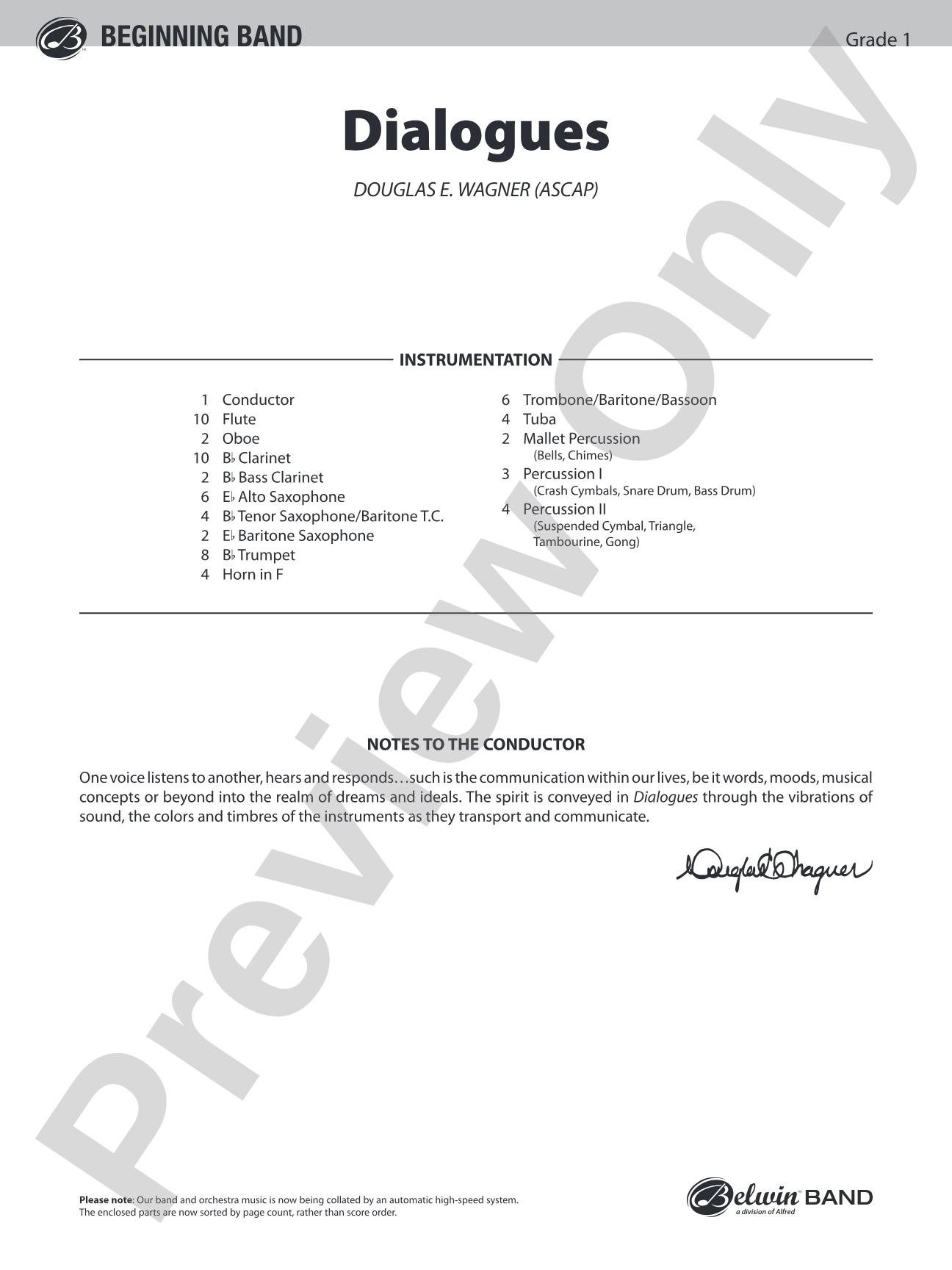
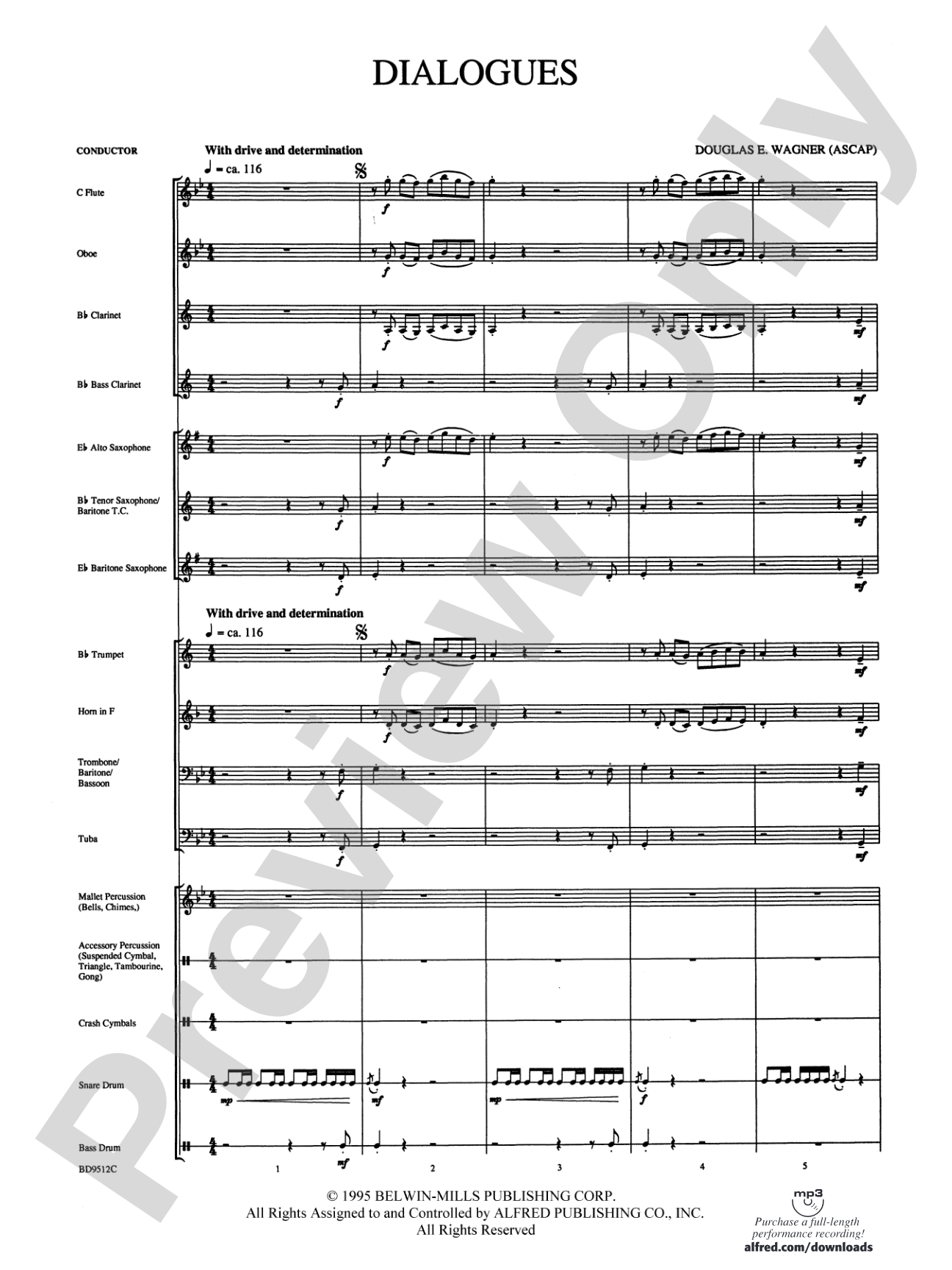
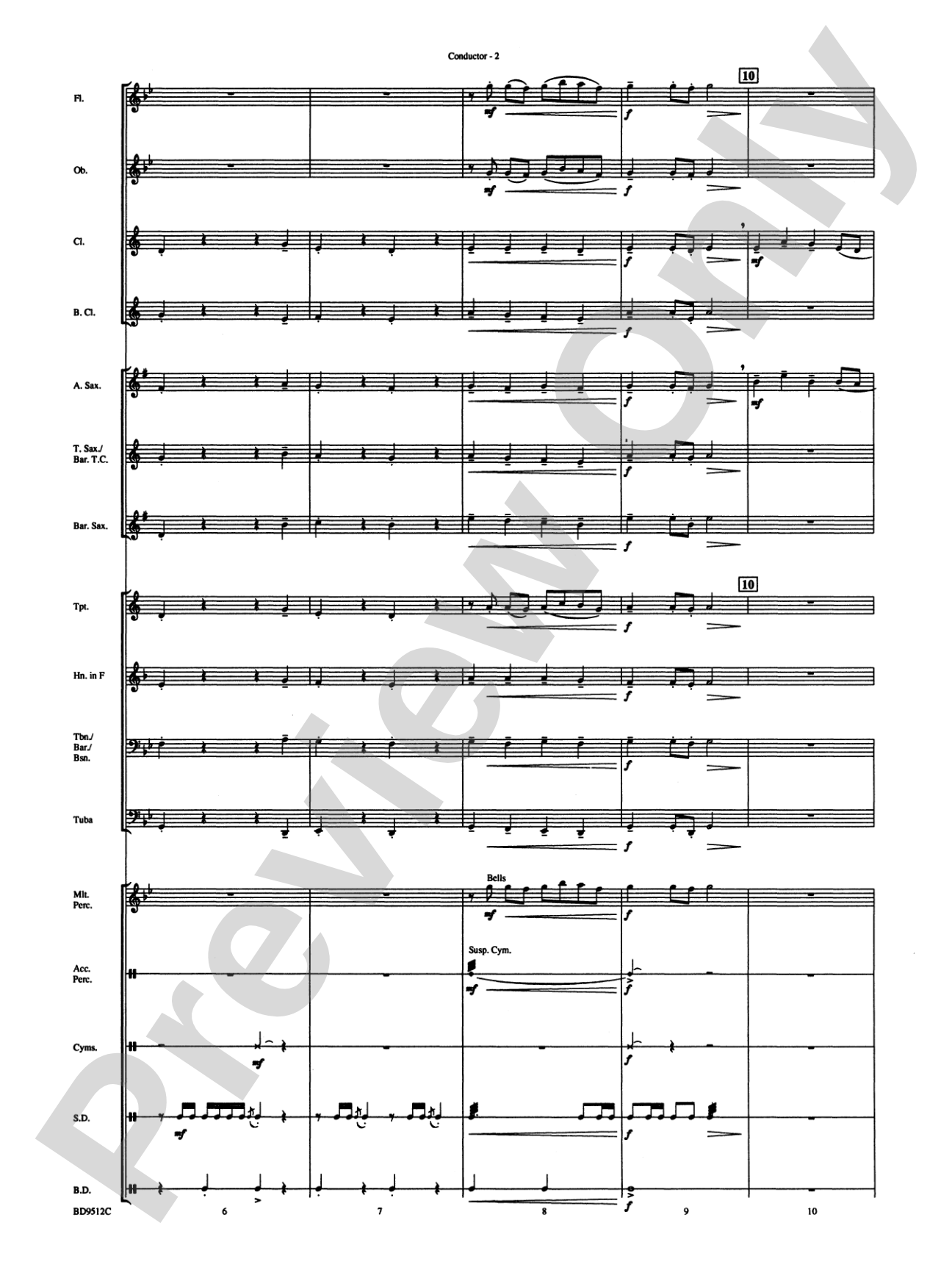
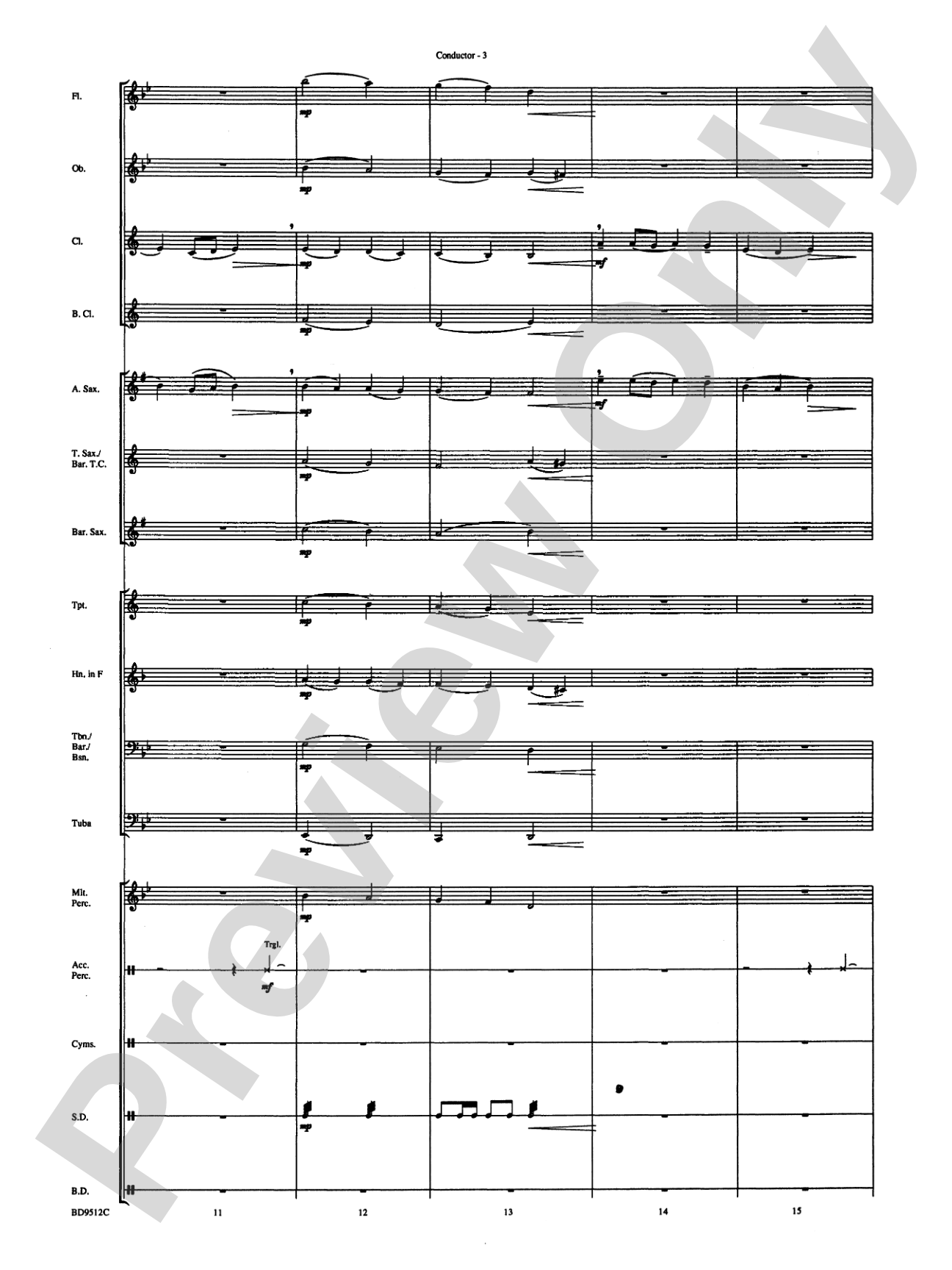
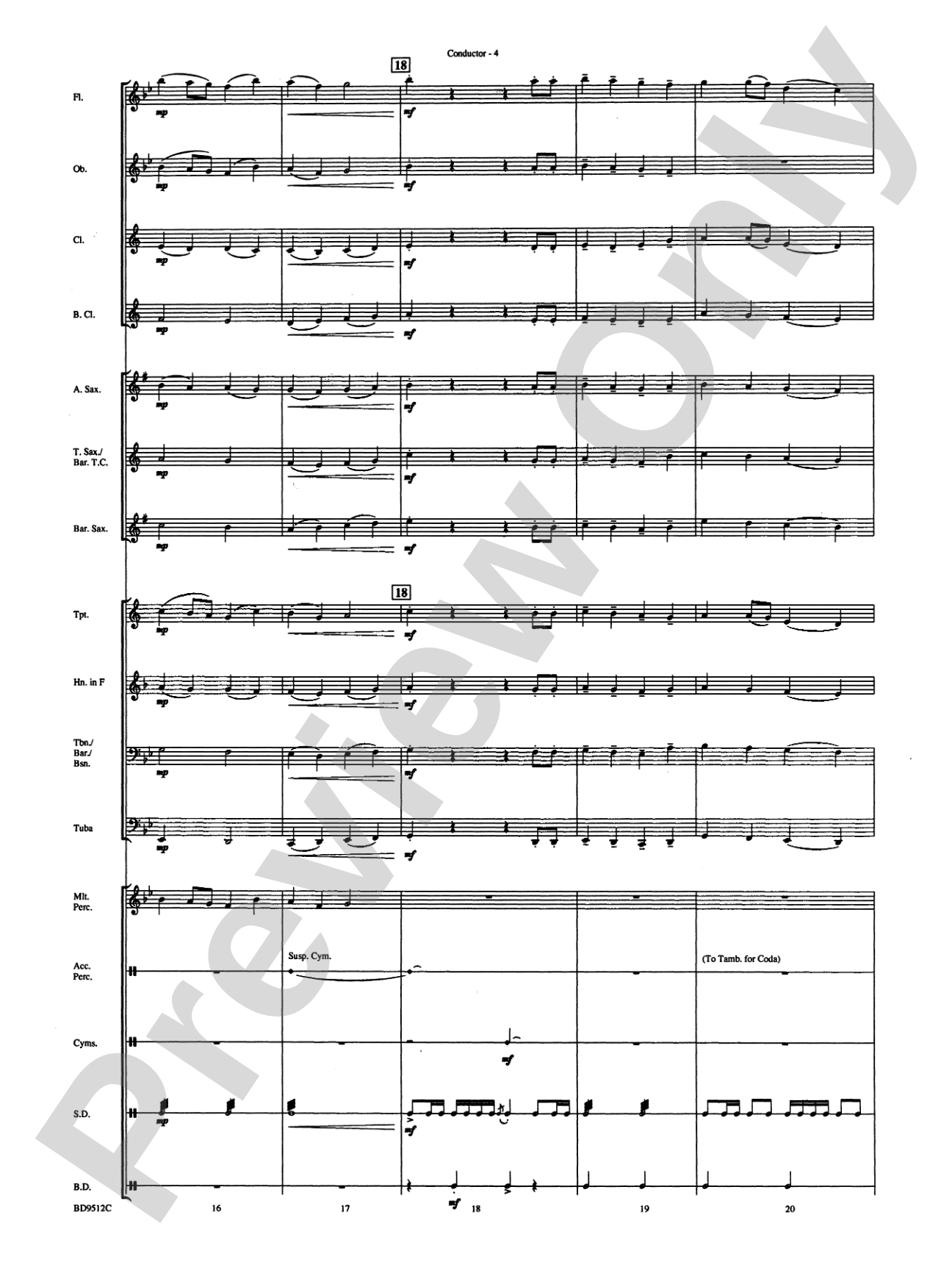
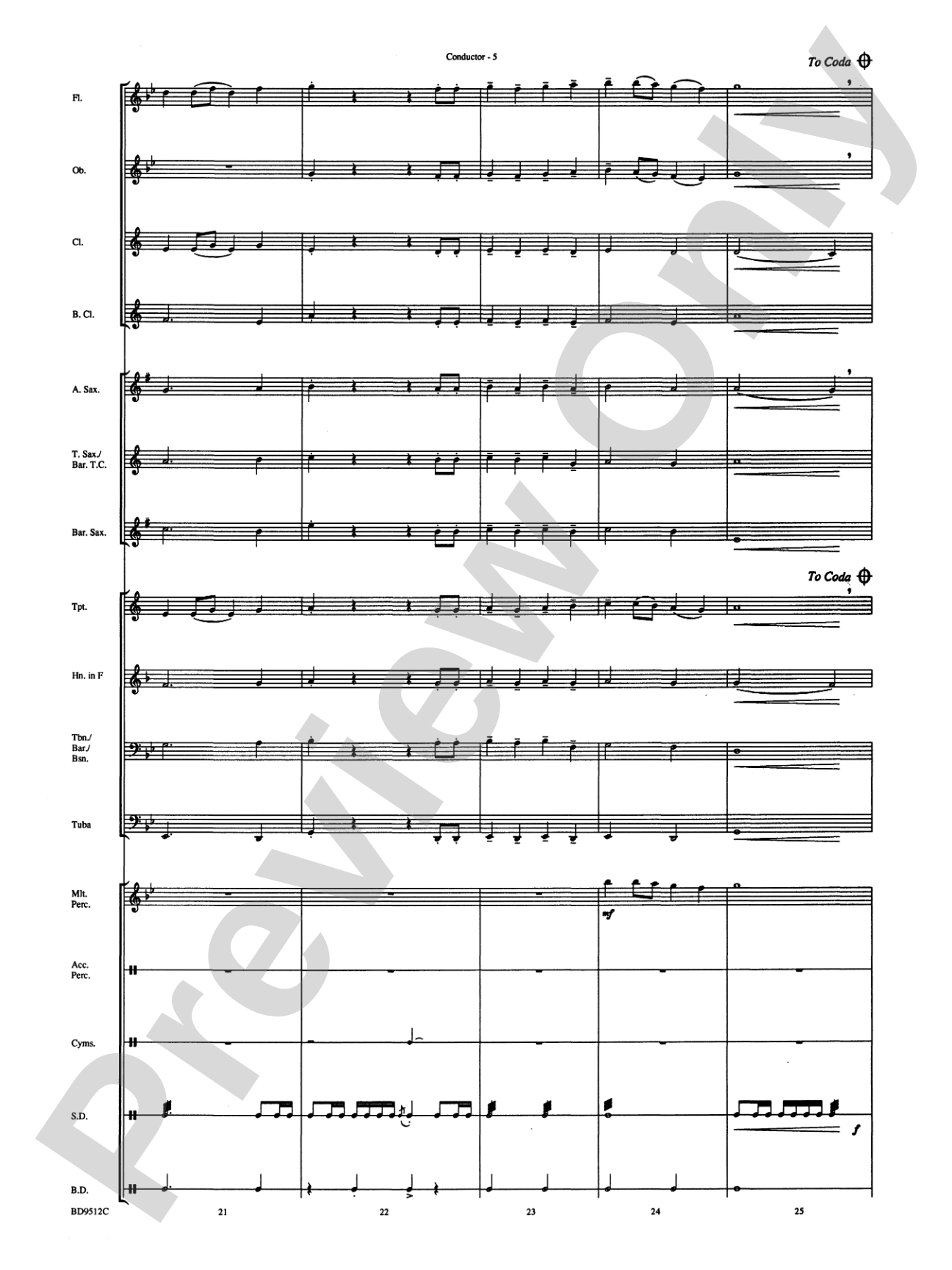
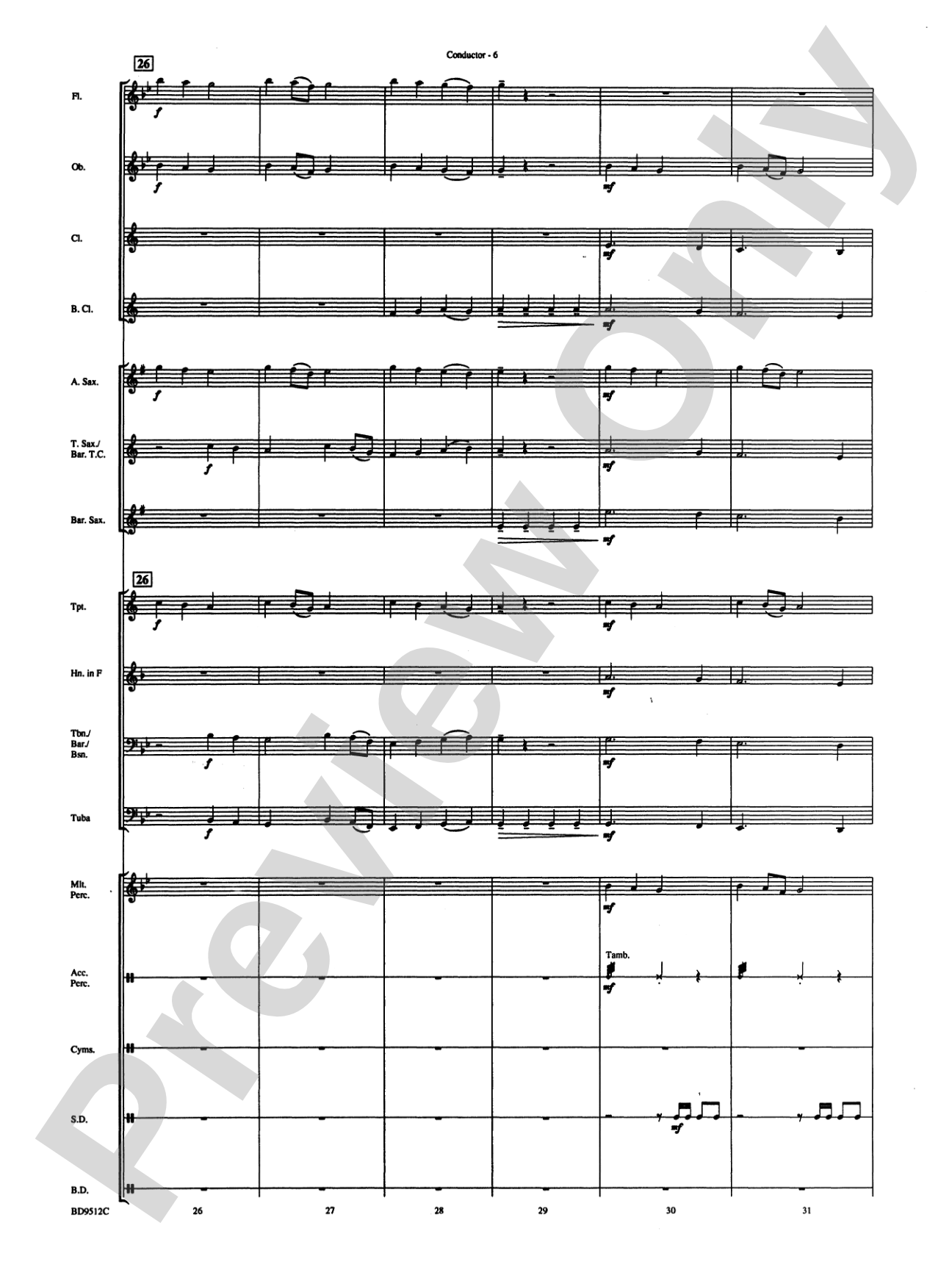
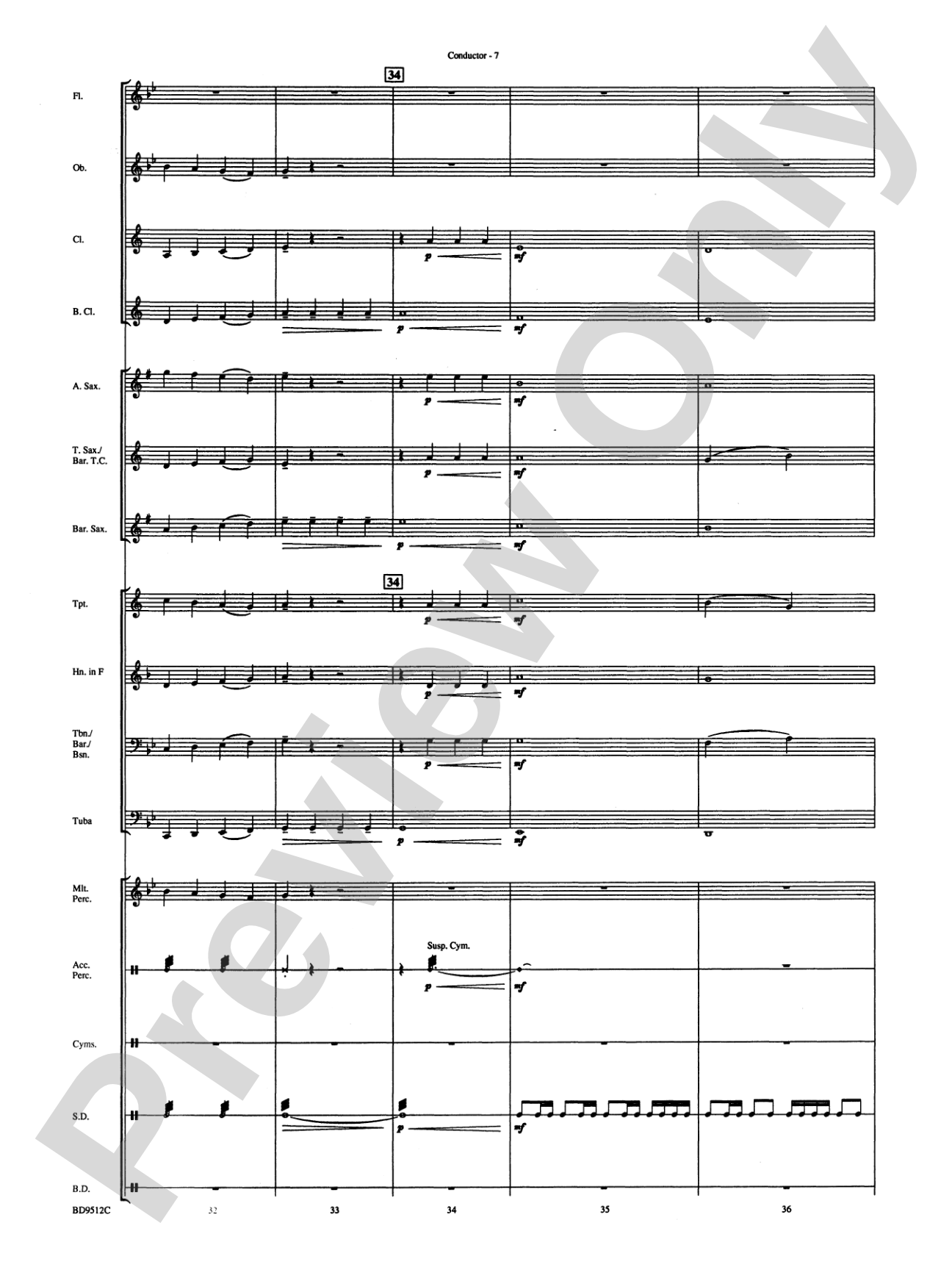
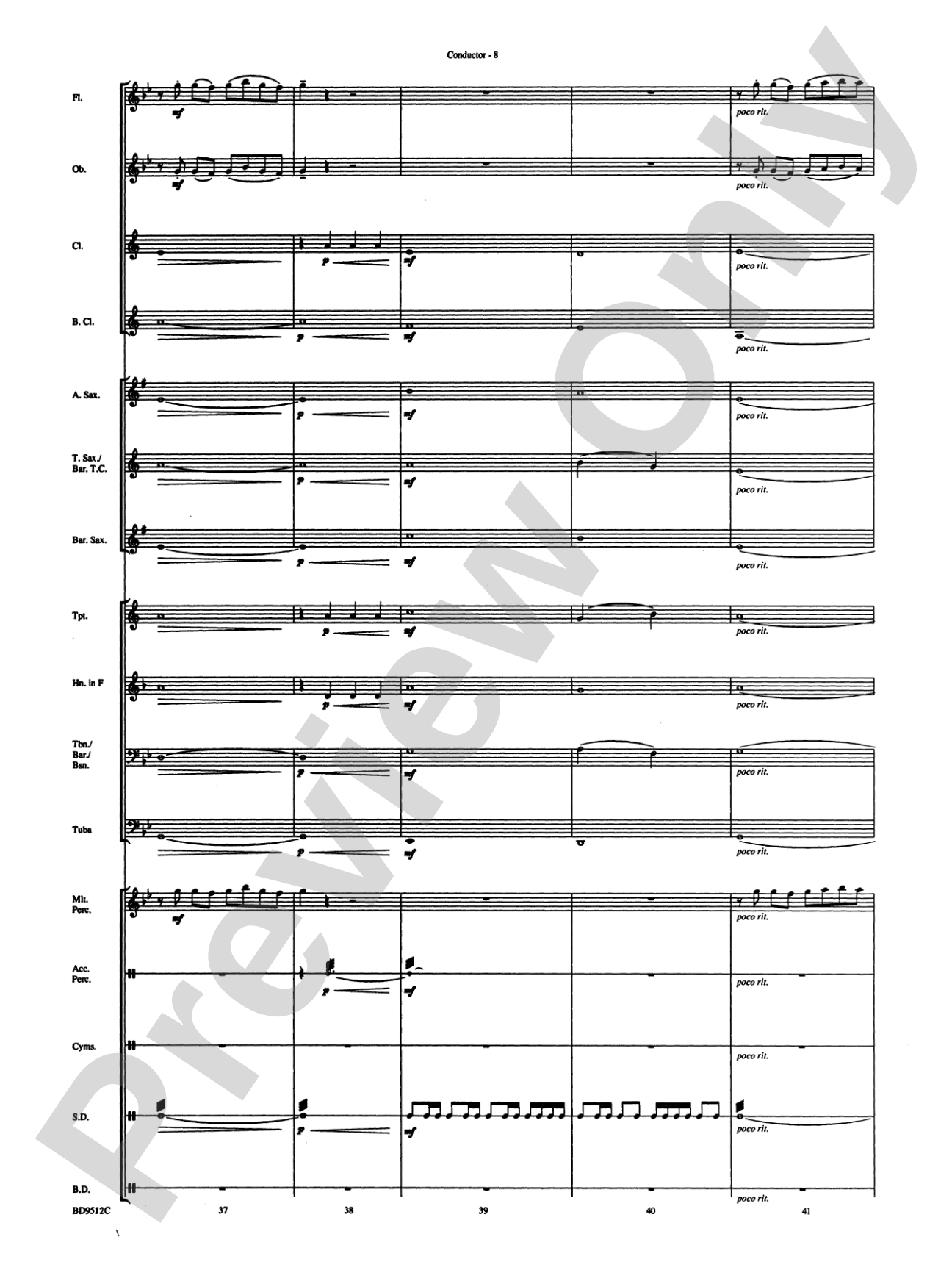
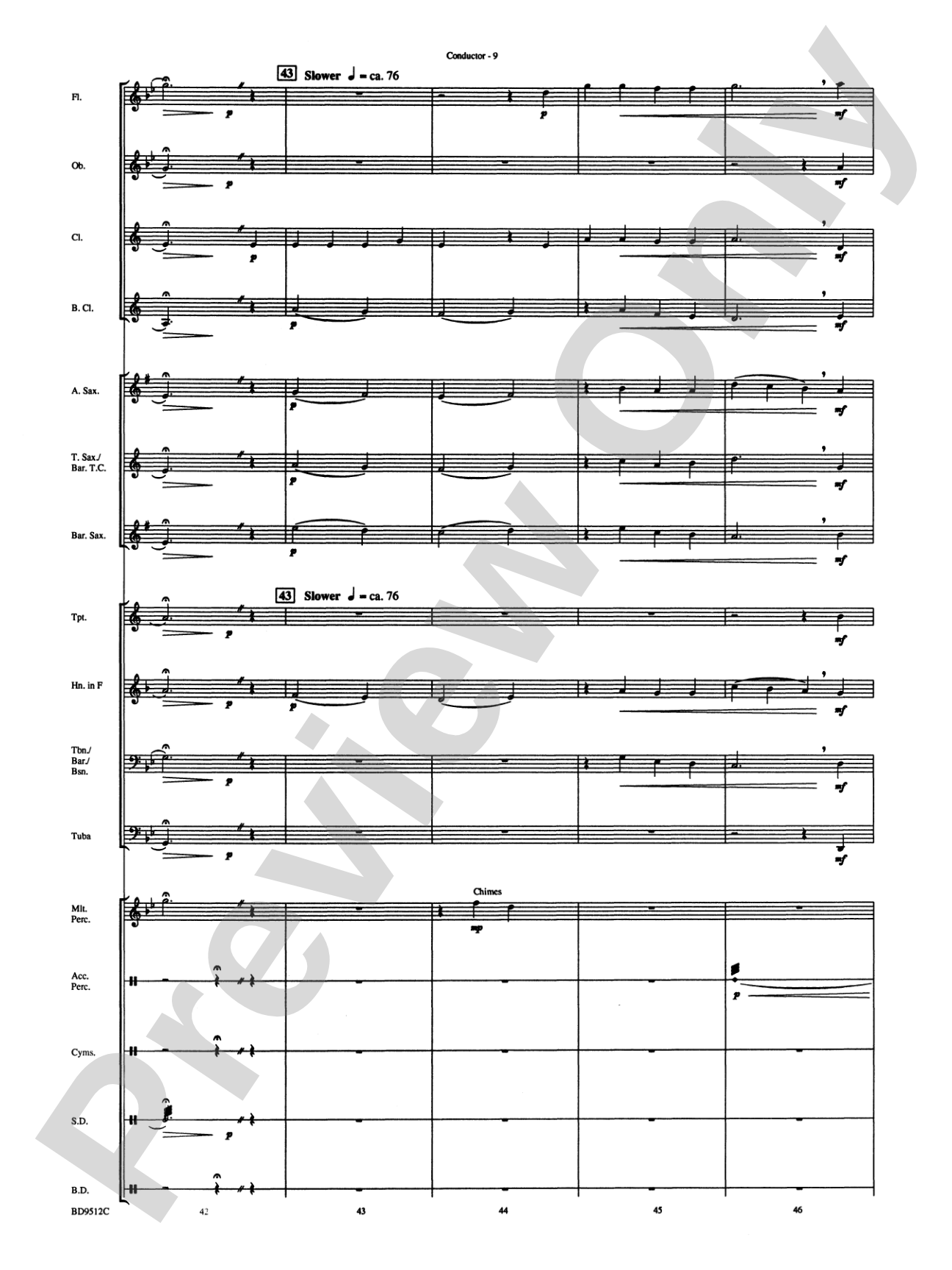
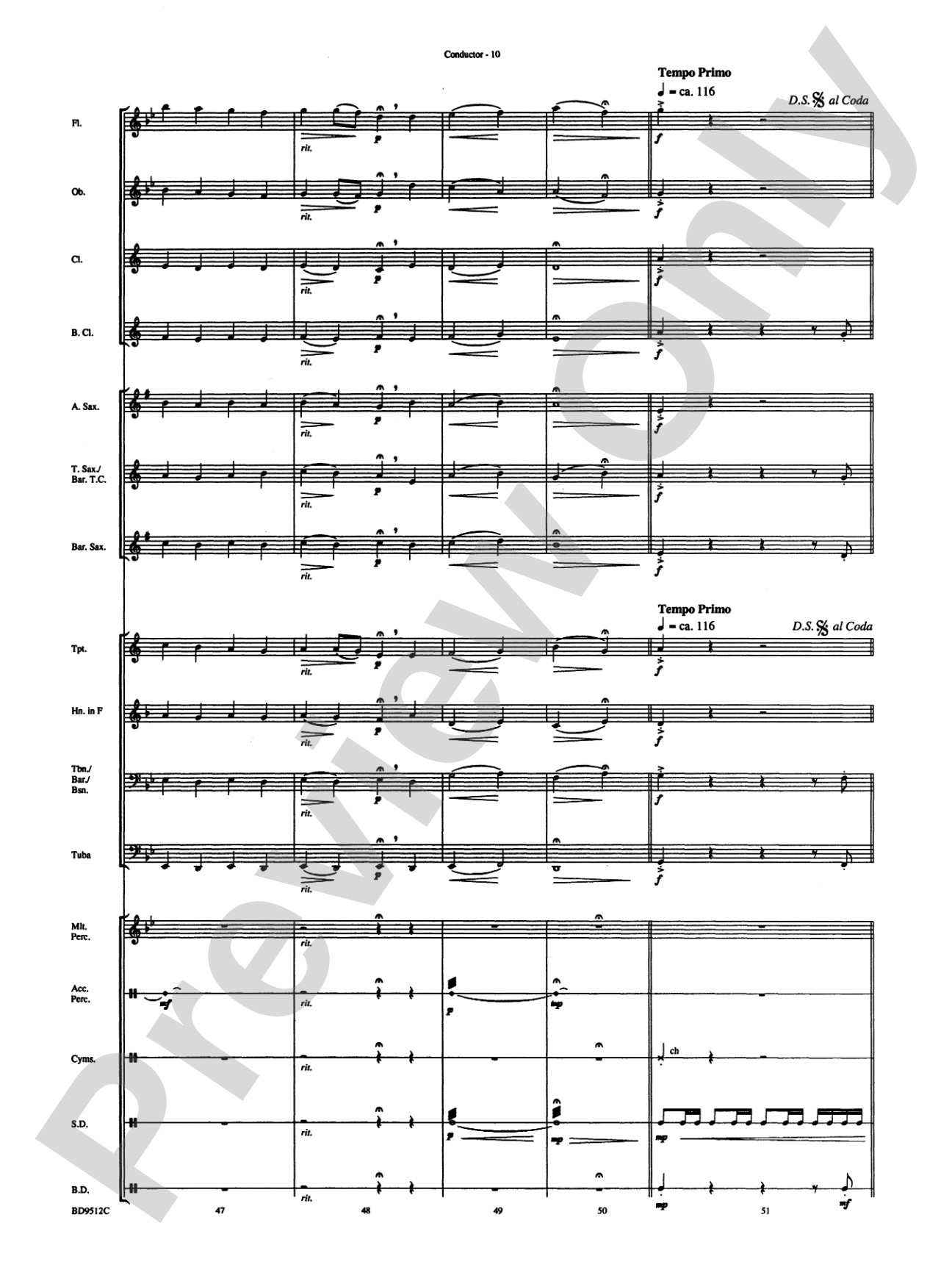
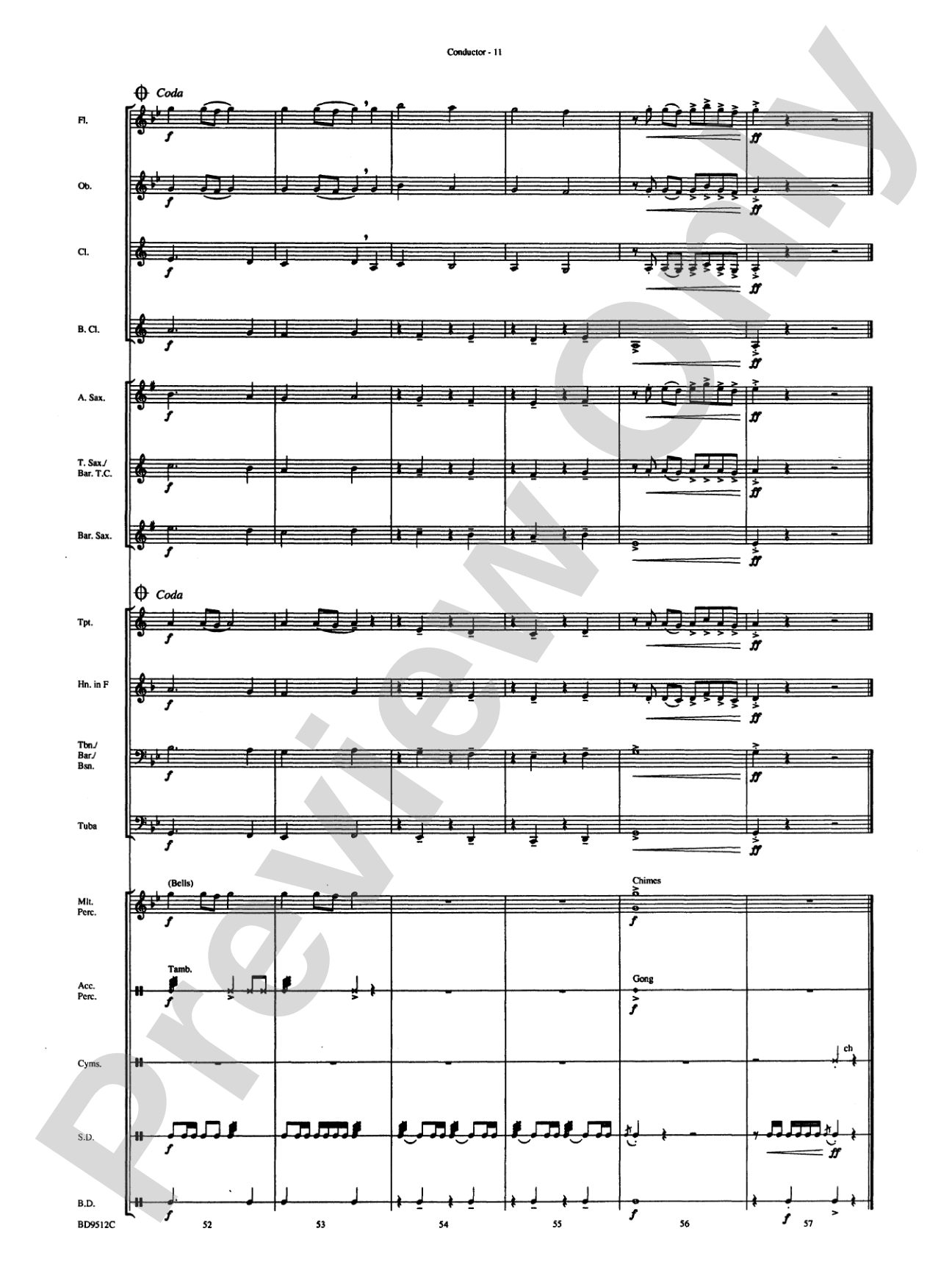

Dialogues: Concert Band Conductor Score & Parts
By Douglas E. Wagner
Grade: 1 (Very Easy)
Item: 00-PK-0002029

$56.00
Pickup currently not available
Buy Extra Parts (Digital PDF Download)
| Product | Price | Quantity |
|---|---|---|
| Dialogues: Score | $8.00 | |
| Dialogues: Flute | $3.00 | |
| Dialogues: Oboe | $3.00 | |
| Dialogues: 1st B-flat Clarinet | $3.00 | |
| Dialogues: B-flat Bass Clarinet | $3.00 | |
| Dialogues: E-flat Alto Saxophone | $3.00 | |
| Dialogues: B-flat Tenor Saxophone | $3.00 | |
| Dialogues: E-flat Baritone Saxophone | $3.00 | |
| Dialogues: 1st B-flat Trumpet | $3.00 | |
| Dialogues: 1st F Horn | $3.00 | |
| Dialogues: 1st Trombone | $3.00 | |
| Dialogues: Tuba | $3.00 | |
| Dialogues: Mallets | $3.00 | |
| Dialogues: 1st Percussion | $3.00 | |
| Dialogues: 2nd Percussion | $3.00 |
Parts Added to Cart!
Description
'One voice listens to another, hears and responds...' So begins the 'Notes to the Conductor' from this musical investigation of communication. The choirs within the ensemble state their comments and then interweave and give response. Sensitive dynamic structuring underlines the programmatic and educational significance of this fascinating work. (3:04)


Don't just read it, hear it, play along with it, and watch your students grow with it. In MakeMusic Cloud, Dialogues: Concert Band Conductor Score & Parts comes alive with professional accompaniment, adjustable tempo, and built-in practice tools that turn solo practice into real progress.
Open in the Player
Jump straight in and assign it today.
Start Your Free Trial
Open this title and explore the full library in minutes.
Sample Audio
1
Audio File
--:--
0:00
0:00
Sample Video
No sample videos found.
Additional Details
Series:
Belwin Beginning Band
Publisher:
Alfred Music
Page Count:
140
SKU:
00-PK-0002029
More about this title
About the Composer: Douglas E. Wagner

Douglas E. Wagner grew up in Chicago and studied music at Butler University, earning both undergraduate and graduate degrees. A high school music director and administrator for thirty years, he has since dedicated himself fully to composition, creating over 3,500 works across multiple genres including concert band, choir, orchestra, handbell ensemble, and keyboard music.
Wagner's prolific output has reached performance stages worldwide. More than seventeen million copies of his music have been purchased, with performances documented in concert halls, on television, and through radio broadcasts across the United States and internationally. He currently lives in Indianapolis with his wife, Sandy.
Why we love this
Wagner crafts a genuinely musical introduction to compositional dialogue without sacrificing artistic integrity. The programmatic concept invites young musicians to listen actively for musical conversations unfolding within their own ensemble, which deepens their investment in ensemble blend and balance. At Grade 1, this work proves that meaningful musical communication doesn't require technical complexity.
What to expect
The work unfolds like a conversation at a dinner table where voices overlap, listen, and respond in kind. There's an intimate quality despite the full ensemble texture, with moments of clarity interrupted by gentle interweaving, creating a sense of genuine musical exchange rather than simple call-and-response.
Who it's for
Beginning and early intermediate concert bands seeking repertoire that is musically rewarding without technical demands. Directors working with younger ensembles or those building toward contest/festival appearances will find this piece both accessible and substantive.
How to get the most out of it
- Highlight the dynamic shaping as a roadmap for the musical narrative. Each dynamic shift should feel intentional and tied to the conversation between sections, not merely loud or soft.
- Balance your choirs carefully so that when one group states an idea and another responds, both are clearly heard. Adjust section volumes in rehearsal to ensure the dialogue remains transparent.
- Consider the timing of entrances and transitions as part of the dialogue itself. Slight rubato or breathing space between statements can reinforce the call-and-response character.
How to use it
Program this as an opener or early-year piece when you want to establish a culture of listening within the ensemble. Its brevity (3:04) and Grade 1 accessibility make it ideal for a concert or festival where you're also performing more technically challenging works, since it showcases musicality and balance rather than individual virtuosity.
Skills your students will build
- Active listening to other sections within the ensemble
- Dynamic control and shaping in response to musical context
- Identifying and responding to melodic or rhythmic statements from other voices
- Maintaining clarity and balance within transparent ensemble textures