
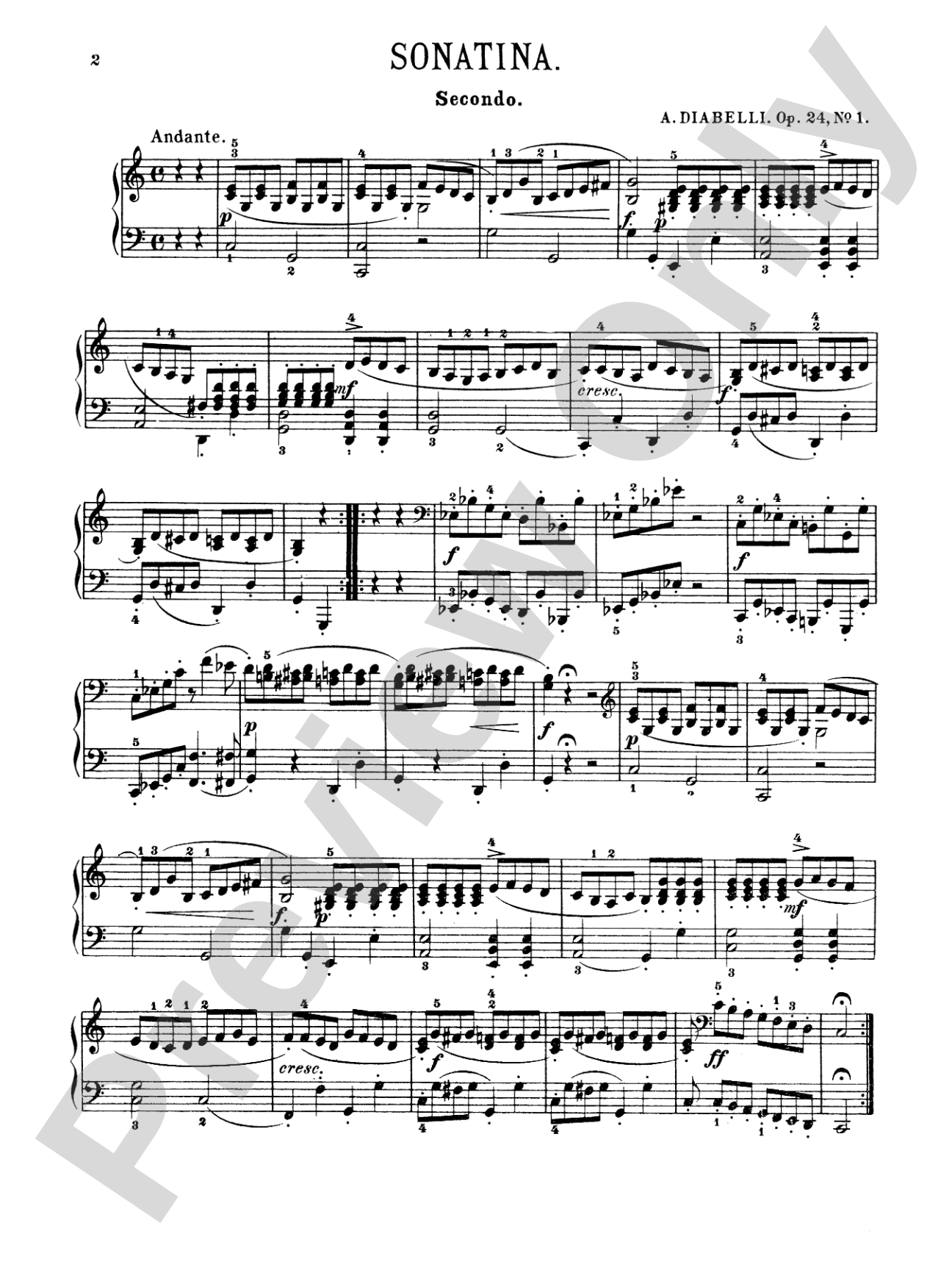
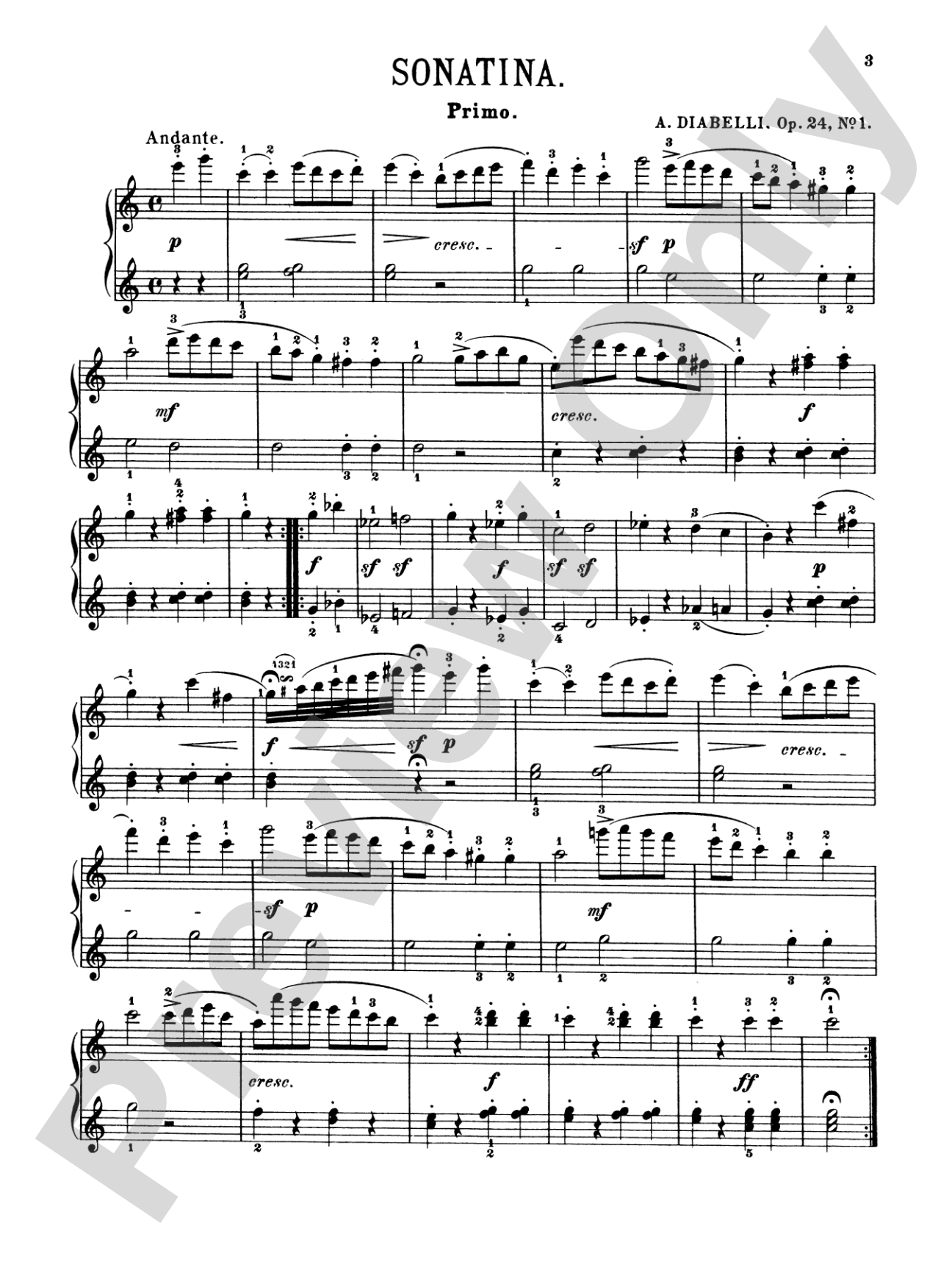
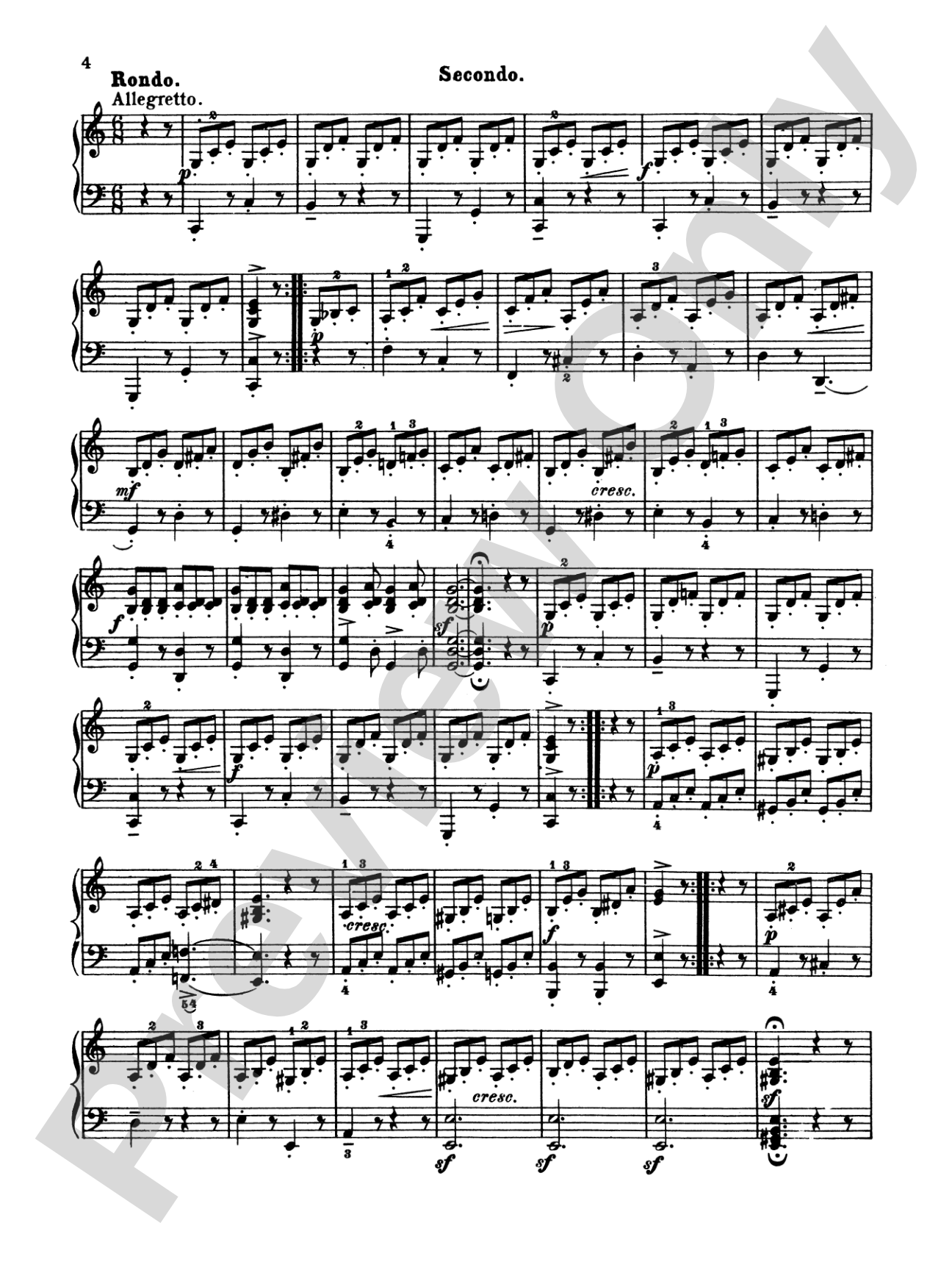
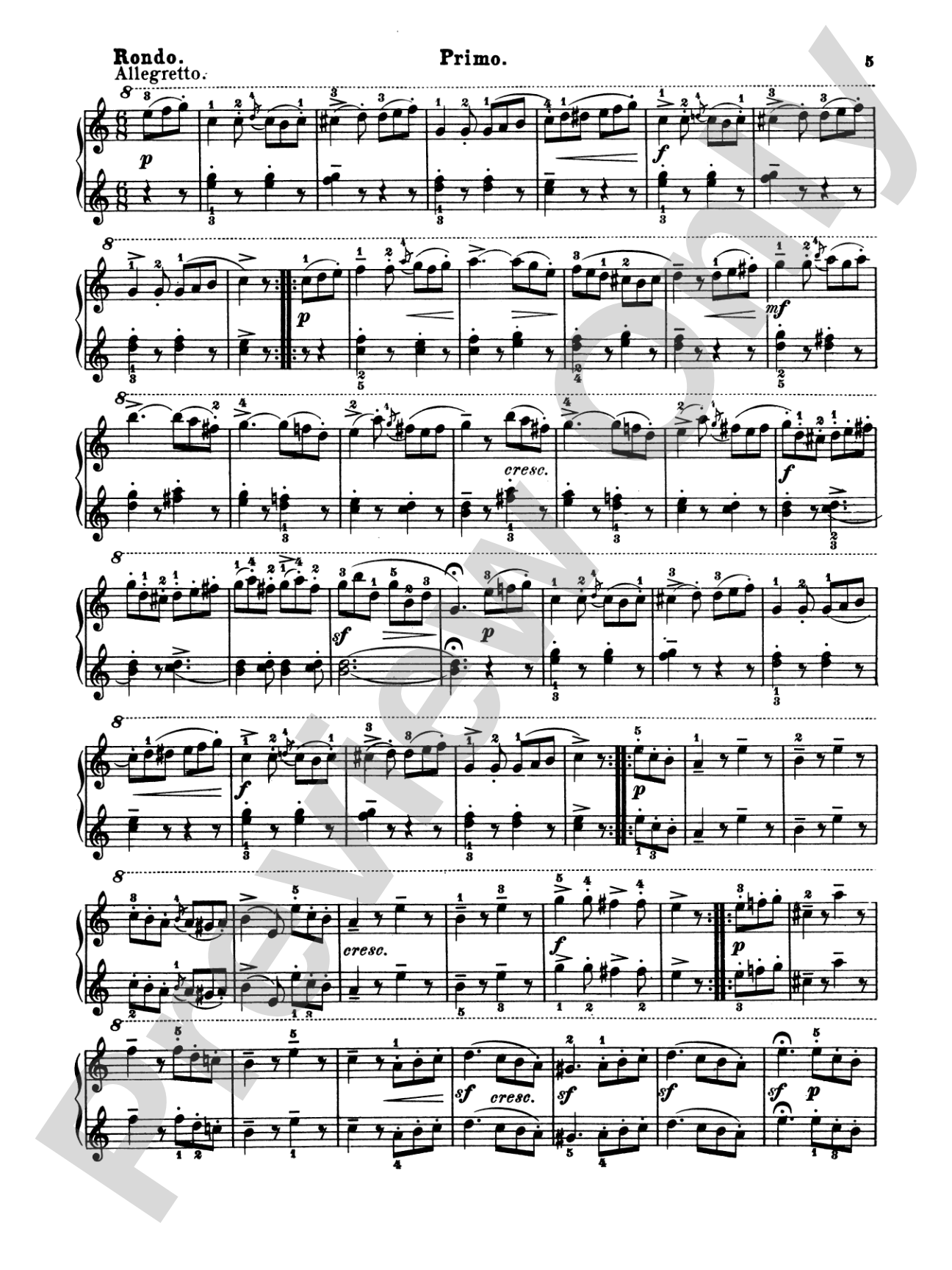
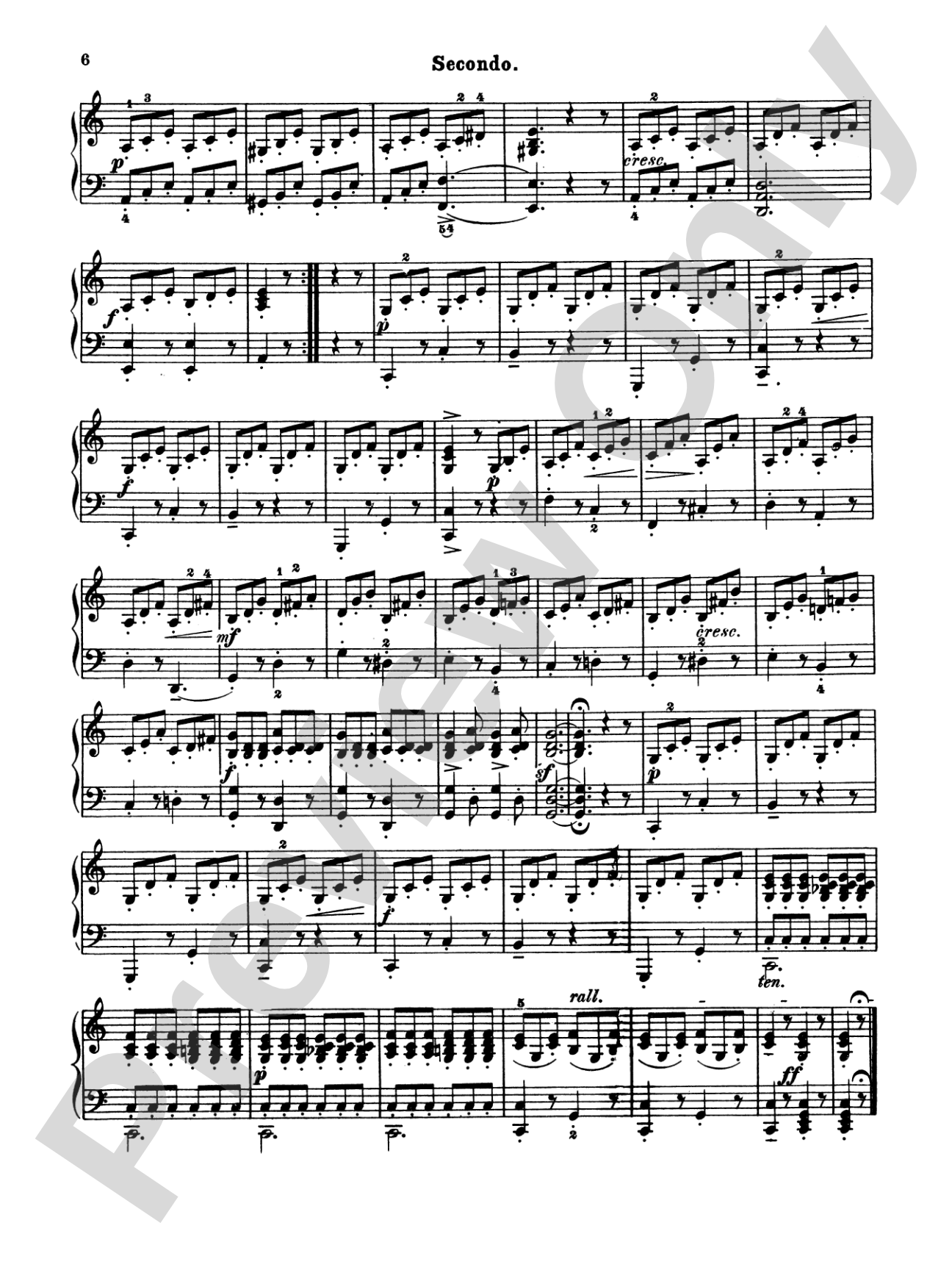
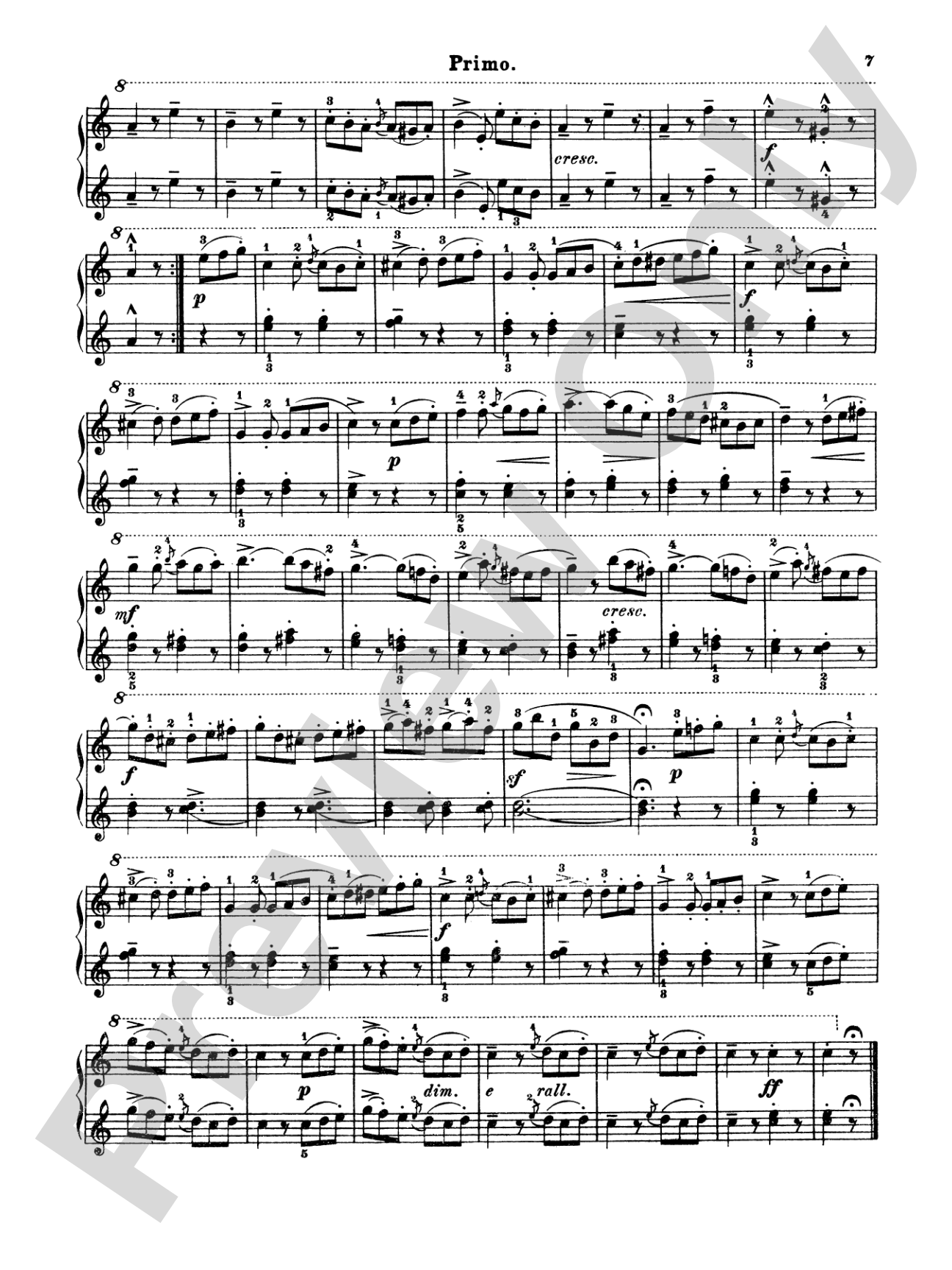

Diabelli: Sonatinas, Op. 24, 54, 58, 60: Piano Duet (1 Piano, 4 Hands) Book
By Anton Diabelli
Item: 00-PK-0003066

$9.99
Pickup currently not available
Buy Extra Parts (Digital PDF Download)
| Product | Price | Quantity |
|---|---|---|
| Diabelli: Sonatinas, Op. 24, 54, 58, 60 | $0.99 | |
| Diabelli: Sonatinas, Op. 24, 54, 58, 60 | $0.99 | |
| Diabelli: Sonatinas, Op. 24, 54, 58, 60 | $0.99 | |
| Diabelli: Sonatinas, Op. 24, 54, 58, 60 | $0.99 | |
| Diabelli: Sonatinas, Op. 24, 54, 58, 60 | $0.99 |
Parts Added to Cart!
Related Items
Sonatinas, Opus 24, 54, 58, 60: Piano Duet (1 Piano, 4 Hands) Book |
$9.95
|
View |
Description
Op. 24, 54, 58, 60


Don't just read it, hear it, play along with it, and watch your students grow with it. In MakeMusic Cloud, Diabelli: Sonatinas, Op. 24, 54, 58, 60: Piano Duet (1 Piano, 4 Hands) Book comes alive with professional accompaniment, adjustable tempo, and built-in practice tools that turn solo practice into real progress.
Open in the Player
Jump straight in and assign it today.
Start Your Free Trial
Open this title and explore the full library in minutes.
Sample Audio
No sample audio found.
Sample Video
No sample videos found.
Additional Details
Series:
Kalmus Edition
Publisher:
Alfred Music
Page Count:
48
SKU:
00-PK-0003066
More about this title
About the Composer: Anton Diabelli
Anton Diabelli (1781, 1858) was an Austrian composer and music publisher whose prolific output shaped early 19th-century keyboard pedagogy. Though often remembered as the subject of Beethoven's "Diabelli Variations," Diabelli's own sonatinas and lighter works demonstrated genuine craft and melodic charm, making them staples of piano instruction for generations.
Diabelli's genius lay in writing music that was genuinely appealing to play rather than merely functional. His sonatinas balance Classical clarity with emerging Romantic warmth, offering students pieces that sound mature without demanding virtuosity. As a publisher, he also had a keen ear for what young pianists needed: accessible forms, memorable themes, and reasonable technical demands that still reward careful musical playing.
Why we love this
These four sonatinas offer accessible yet musically rewarding repertoire for pianists ready to explore the Classical and early Romantic idiom without the technical demands of more virtuosic works. The duet format invites collaboration and ensemble thinking while remaining manageable for intermediate students, and Diabelli's gift for memorable themes ensures both players stay engaged throughout.
What to expect
Straightforward and graceful, these sonatinas unfold with the unhurried confidence of early 19th century drawing room music. Melodies are direct and memorable, harmonies are functional but never dull, and the forms are clear enough to follow but engaging enough to hold attention.
Who it's for
Intermediate pianists (grades 4-6) studying duet literature, whether in private lessons or ensemble classes, and teachers looking for musically solid repertoire that doesn't demand advanced technique. Primo and secondo parts are designed so neither player dominates; both parts are rewarding to play.
How to get the most out of it
- Balance the primo and secondo parts by listening for where the melodic interest lies in each movement, then shade the accompaniment accordingly rather than playing both hands at the same dynamic.
- Work out rhythmic precision before worrying about tempo; these sonatinas reveal their elegance only when all voices land together cleanly.
- Pay attention to Diabelli's phrasing marks and articulation; his Classical style depends on clarity of line, so honor rests and staccato marks as structural elements, not ornaments.
How to use it
Feature these sonatinas in student recitals to highlight ensemble musicianship, or use them as stepping stones between method book duets and more demanding collaborative repertoire. Their accessibility makes them ideal for mixed-level programs where advanced and intermediate students can pair up meaningfully.
Skills your students will build
- Reading two independent voices across a single grand staff
- Balancing melody and accompaniment in a shared instrument
- Listening and ensemble awareness in a non-conductor setting
- Understanding Classical sonata form and phrase structure
- Executing clear articulation and shaping in a homophonic texture