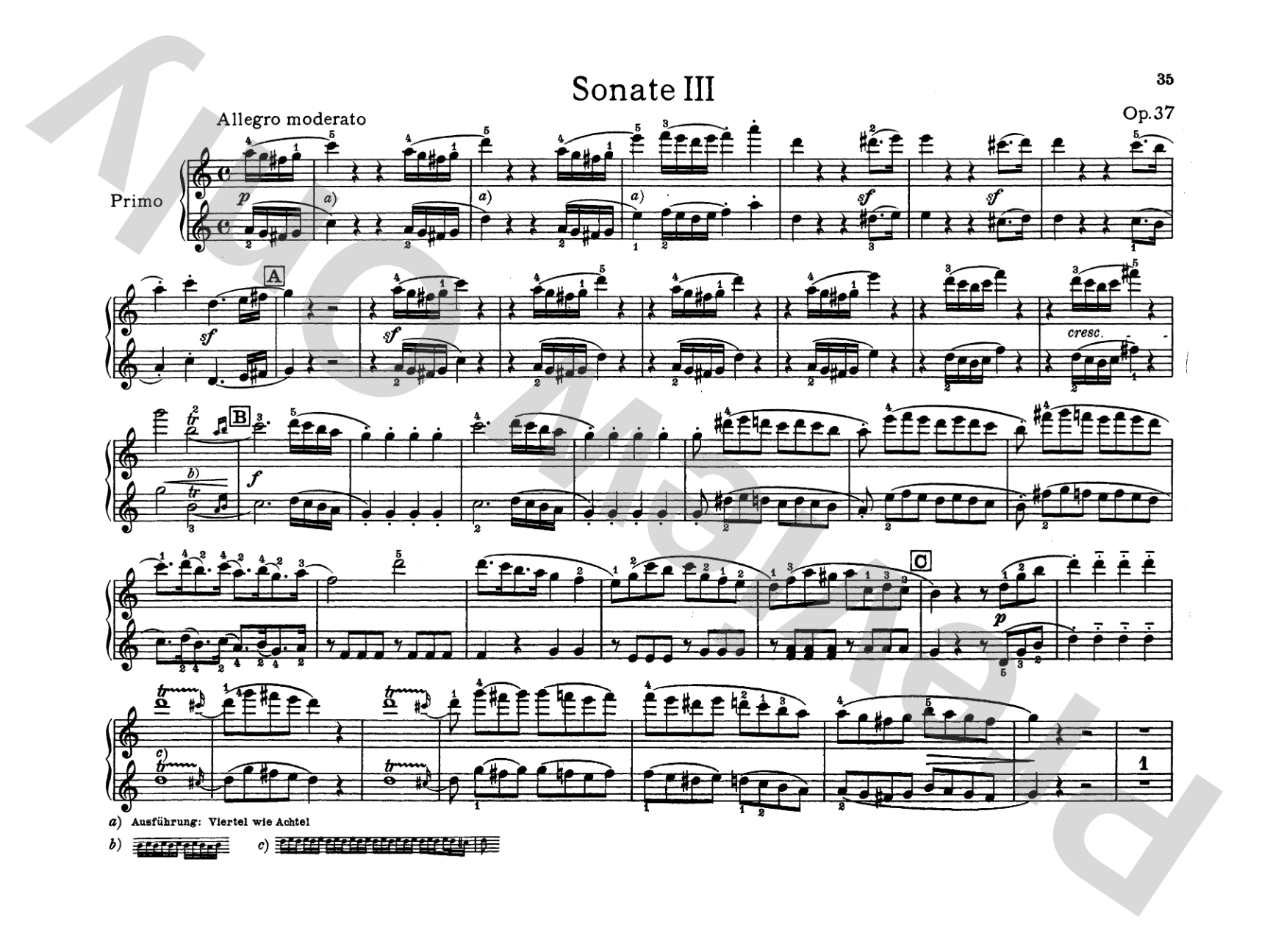
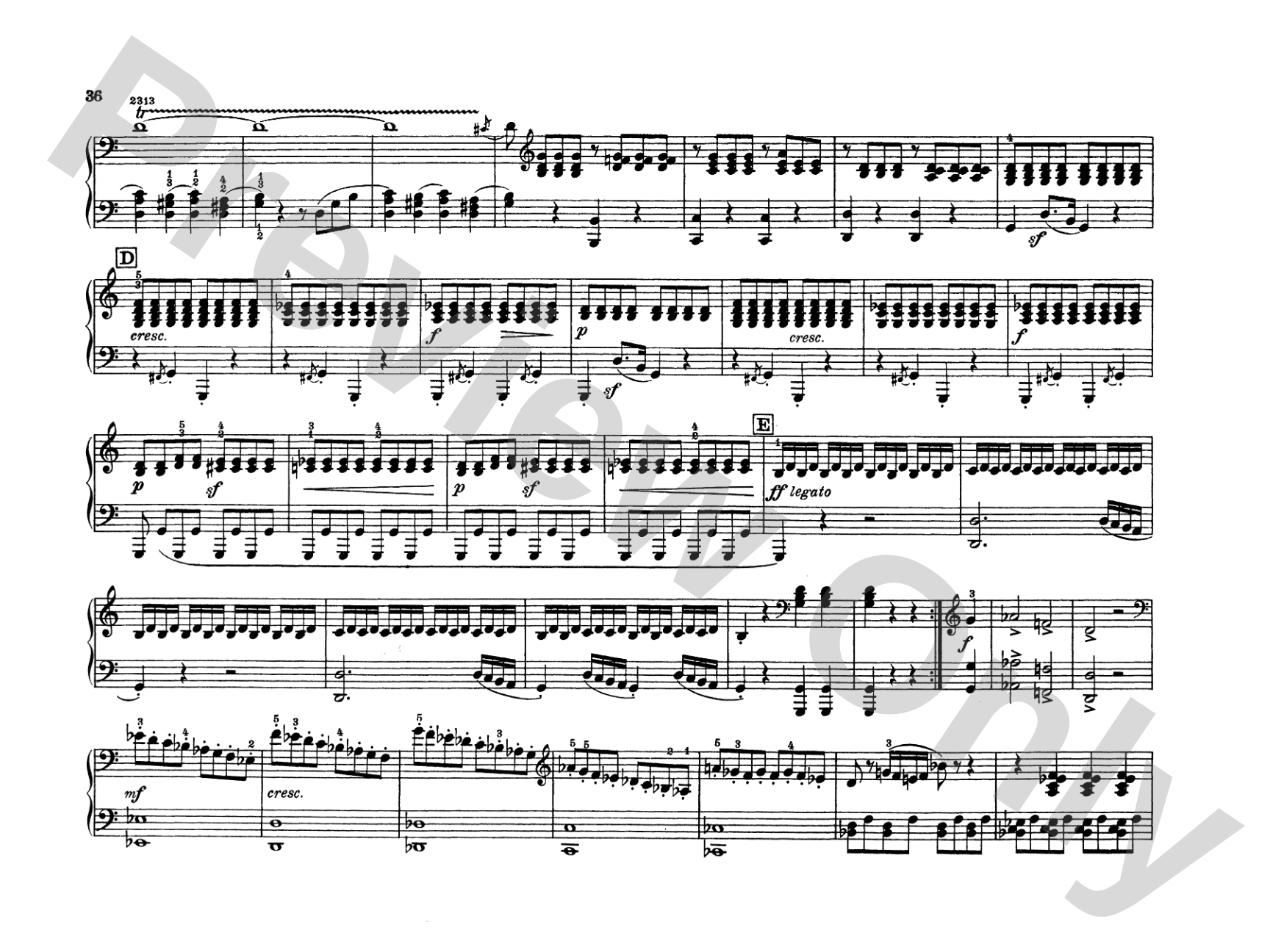
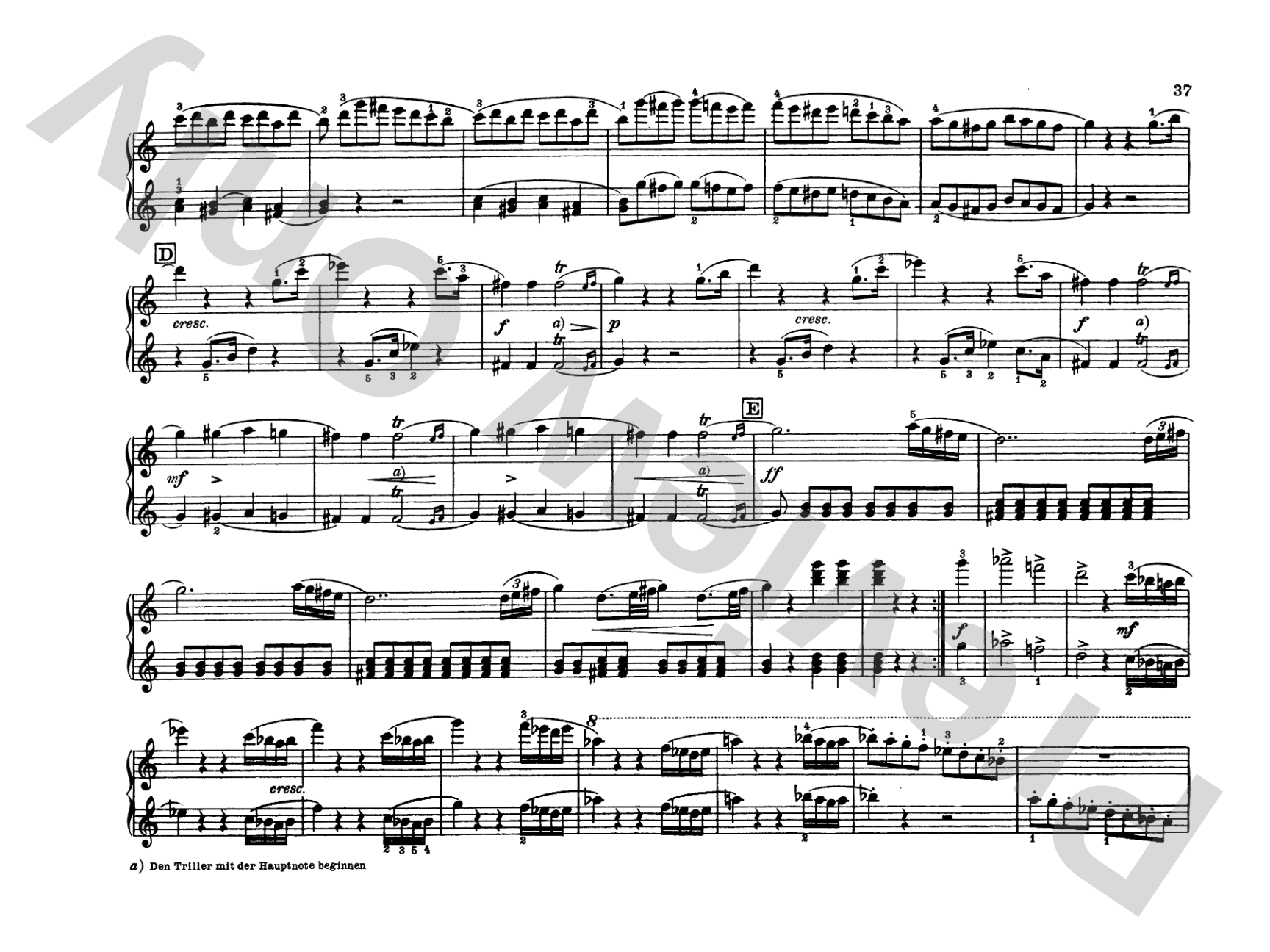
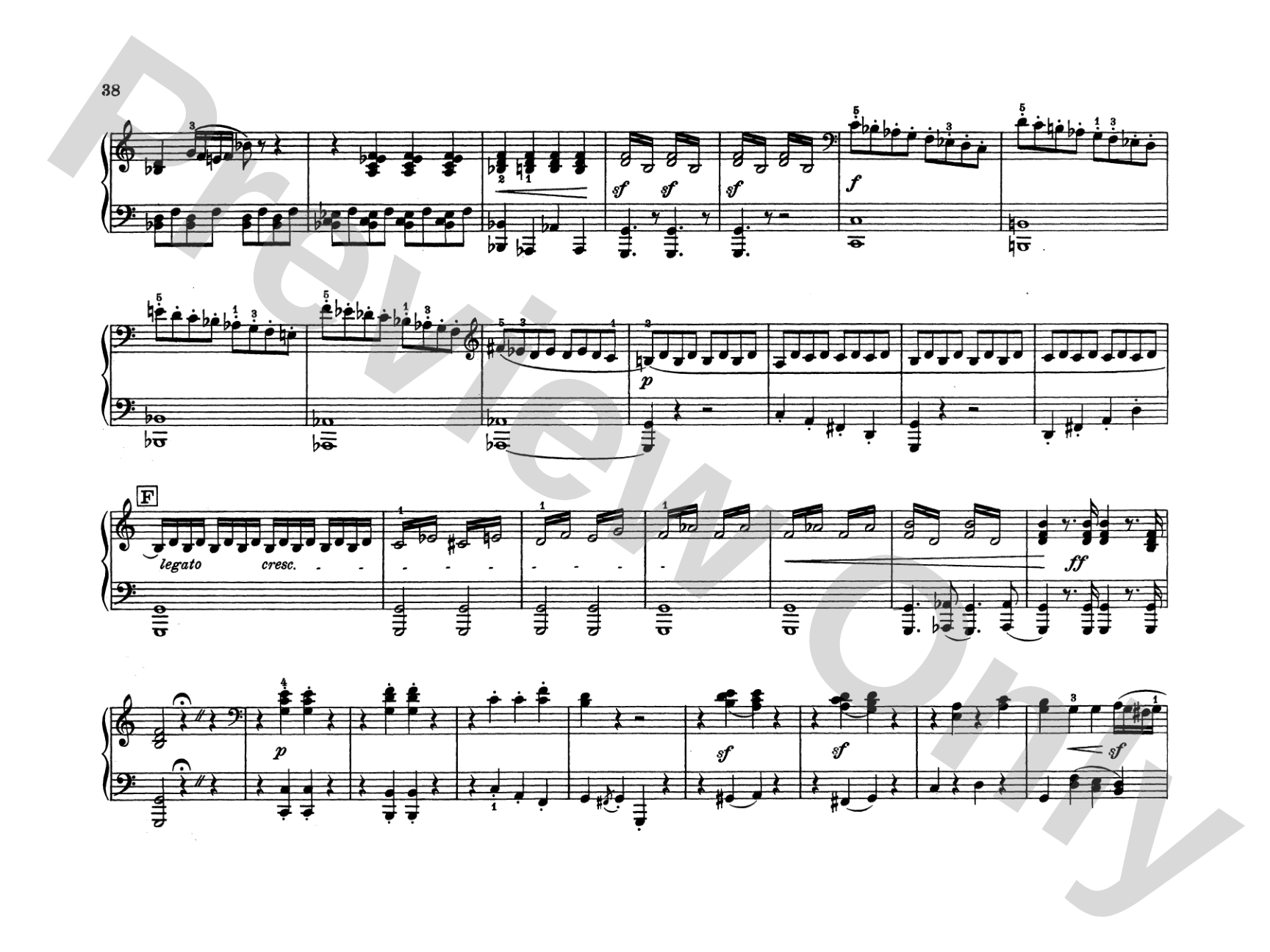
Diabelli: Sonatas, Op. 32, 33, 37 Sheet Music Preview

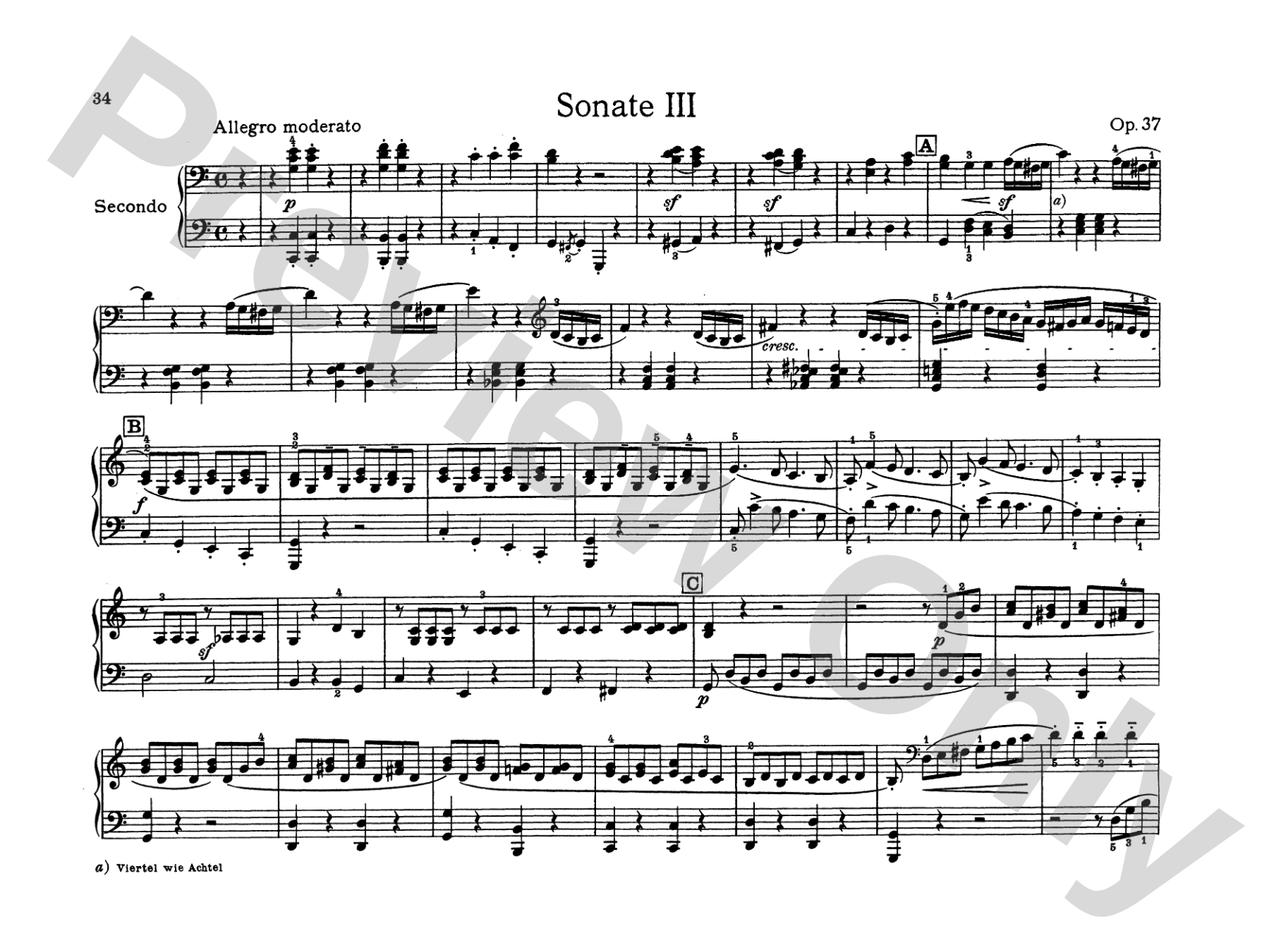
Diabelli: Sonatas, Op. 32, 33, 37

By Anton Diabelli

Item: 00-PC-0006985

Digital Download
$3.95
Description
Expertly arranged piano duet (1 piano, 4 hands) from our Kalmus Edition.

Don't just read it, hear it, play along with it, and watch your students grow with it. In MakeMusic Cloud, Diabelli: Sonatas, Op. 32, 33, 37 comes alive with professional accompaniment, adjustable tempo, and built-in practice tools that turn solo practice into real progress.

Sample Audio
No sample audio found.
Sample Video
Additional Details
Series: Kalmus Edition
Publisher: Alfred Music
Page Count: 56
SKU: 00-PC-0006985

More about this title

About the Composer: Anton Diabelli

Anton Diabelli (1781–1858) was an Austrian composer and music publisher whose prolific output shaped early 19th-century keyboard pedagogy. Though he composed symphonies, masses, and chamber works, his legacy rests largely on accessible piano sonatas and variations designed for talented amateurs and serious students. His technical clarity and melodic warmth made him a fixture in European music rooms during the Classical and early Romantic periods.

Diabelli's publishing house (established with partner Cappi) issued hundreds of works, many his own. He understood the practical needs of students and performers, crafting sonatas that were neither trivial nor forbiddingly difficult. This balance between craftsmanship and approachability earned him respect from contemporaries including Beethoven, who based a set of 33 variations on a Diabelli minuet.

Why we love this

These sonatas arrive in an arrangement that expands the repertoire for four-hand pianists without losing Diabelli's transparent voice writing and Classical clarity. The duet format transforms what could feel like salon pieces into genuine collaborative experiences, requiring partners to balance independence with rhythmic cohesion across the keyboard.

What to expect

Elegant and forthright. Diabelli writes with Classical purity: clean textures, balanced phrasing, and melodic lines that sing without ornamental excess. The sonata forms unfold logically, allowing both players to follow harmonic logic while enjoying the rhythmic interplay and antiphonal gestures that make four-hand writing rewarding.

Who it's for

Intermediate to advanced piano duet partners preparing for recitals, studio showcases, or chamber music collaborations. These sonatas suit pairs of high school pianists or adult amateurs seeking Classical literature that is genuinely musical without excessive technical demands.

How to get the most out of it

  • Establish the body position before the first note: primo (upper part) sits slightly higher on the bench, with secondi's left elbow having natural clearance when primo plays middle-range passages.
  • Listen through to the accompaniment patterns in secondi before rehearsal; these sonatas often feature repeated figures that anchor harmonic structure, and secondi must play them with rhythmic security rather than as background filler.
  • Test the hand crossing points in advance, particularly where primo and secondi navigate shared ranges; mark these moments clearly so neither player hesitates or pulls away from the bench.
  • Shape the melodic line as a unified voice across both players rather than treating primo's role as primary; Diabelli's textures demand transparency, which fails if one part dominates dynamically.

How to use it

Ideal for a duet recital exploring the Classical sonata across different composers, or as a bridge piece between student ensemble work and chamber repertoire. These pieces also work well in educational settings where a teacher and advanced student perform together, modeling interpretive choices and collaborative listening.

Skills your students will build

  • Balancing melodic line and accompaniment texture across two players
  • Managing hand independence and spatial awareness at a shared keyboard
  • Reading and executing Classical sonata form with transparent voice leading
  • Coordinating rhythmic precision without external conducting
  • Responding to a partner's phrasing and dynamics in real time

You May Also Like