
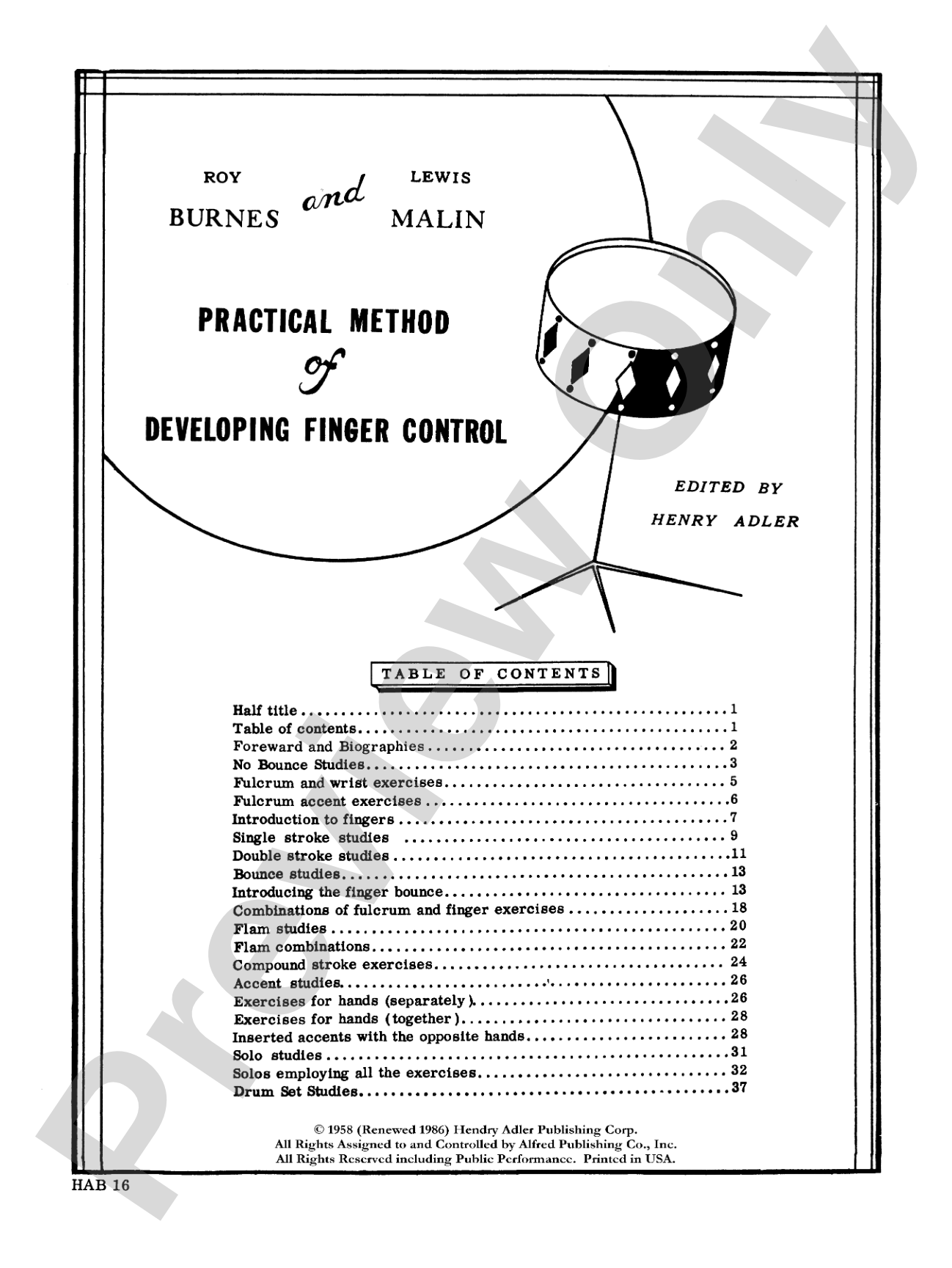

Developing Finger Control
By Roy Burns and Lewis Malen / ed. Henry Adler
Item: 00-PB-0001972
$7.95
Pickup currently not available
Related Items
Developing Finger Control: Snare Drum Book |
$7.95
|
View |
Description
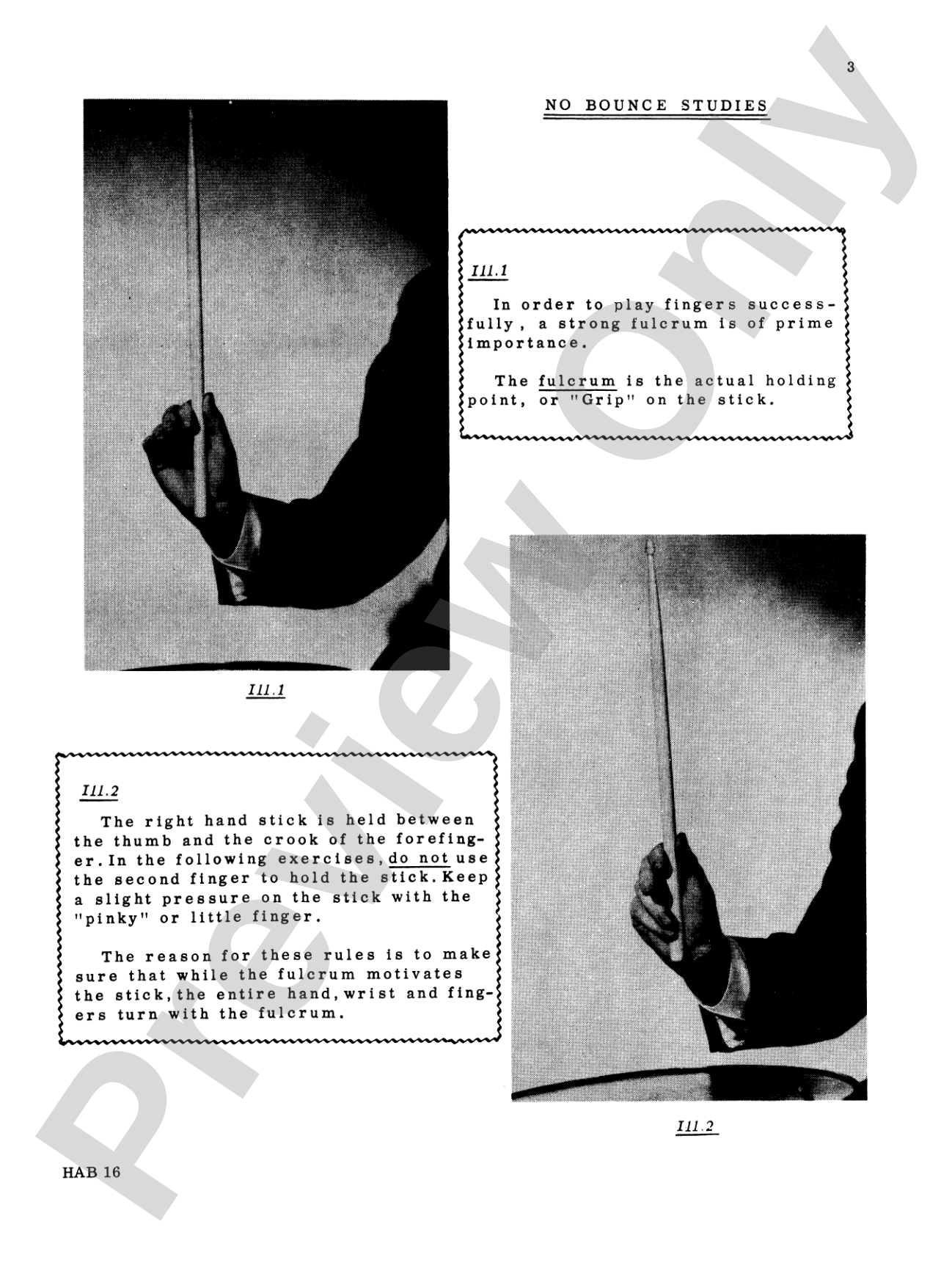
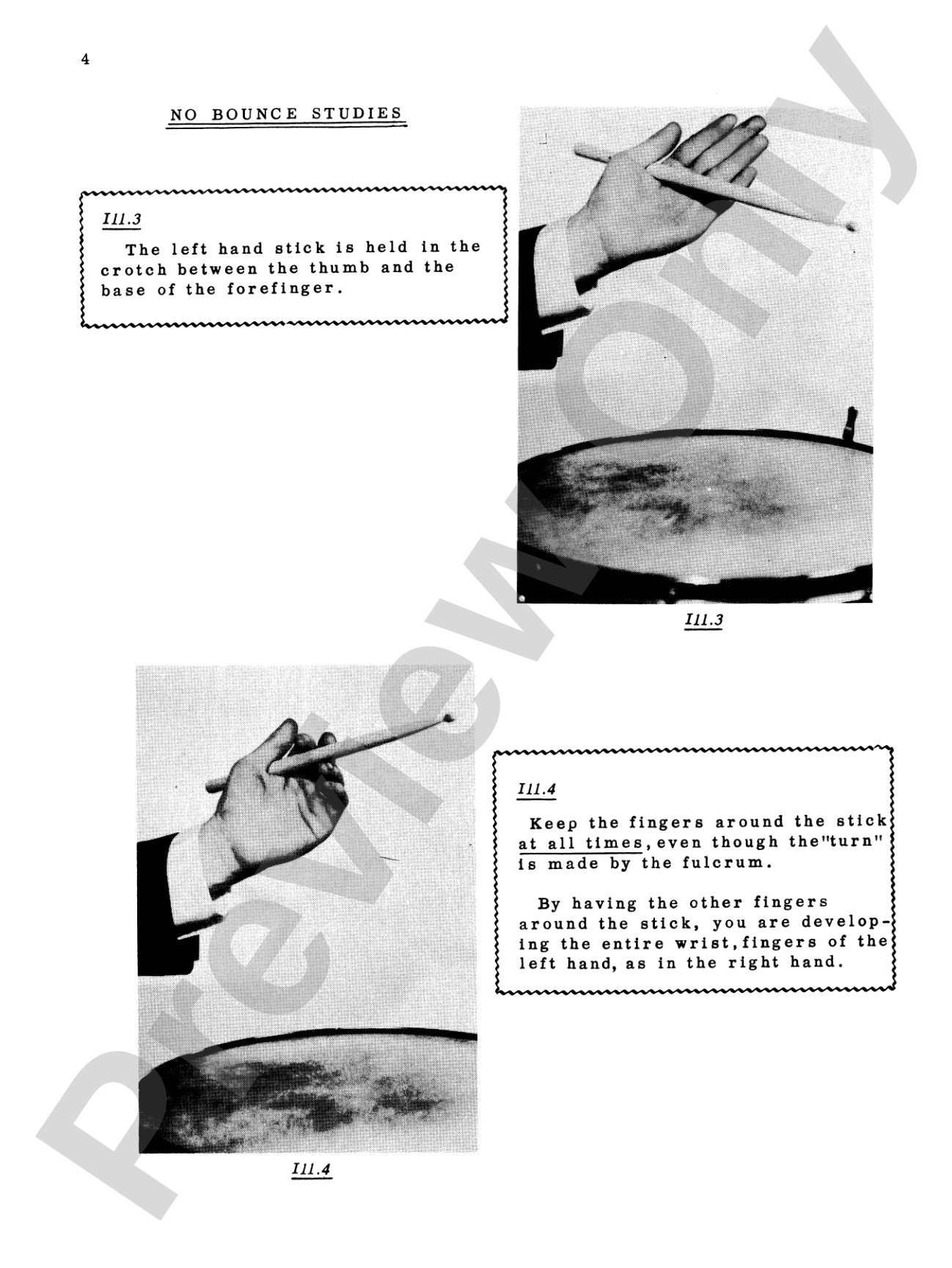
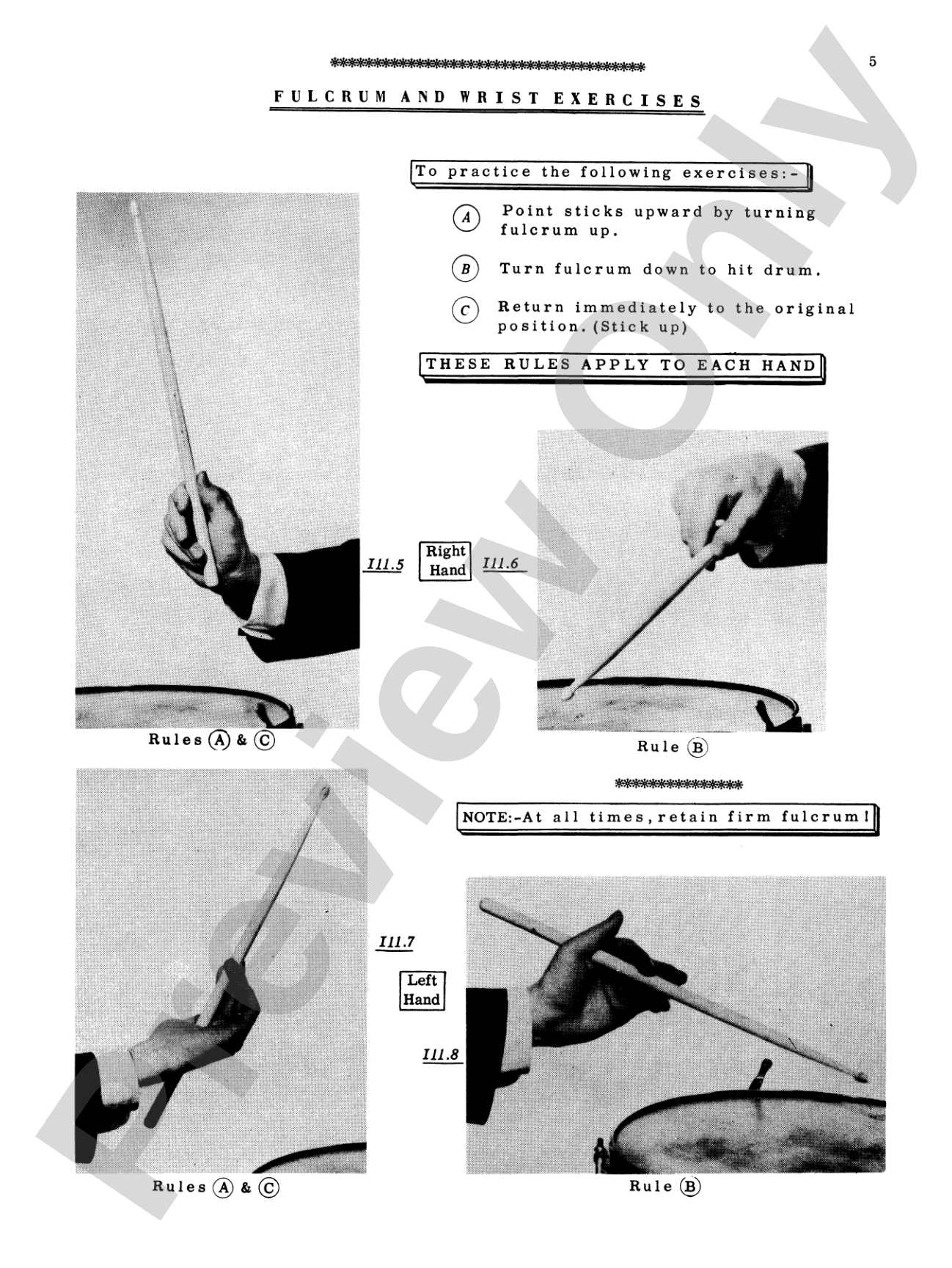
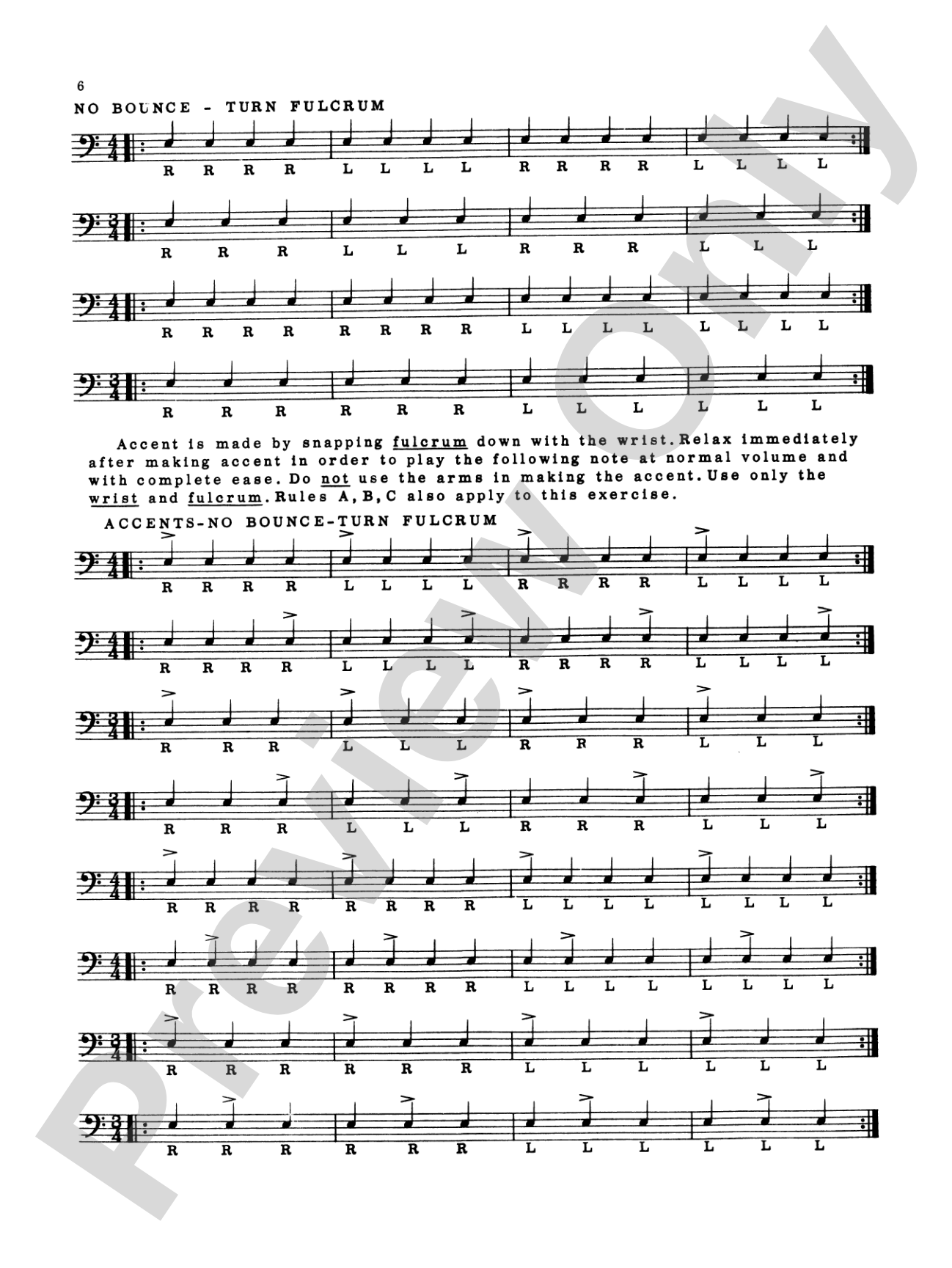
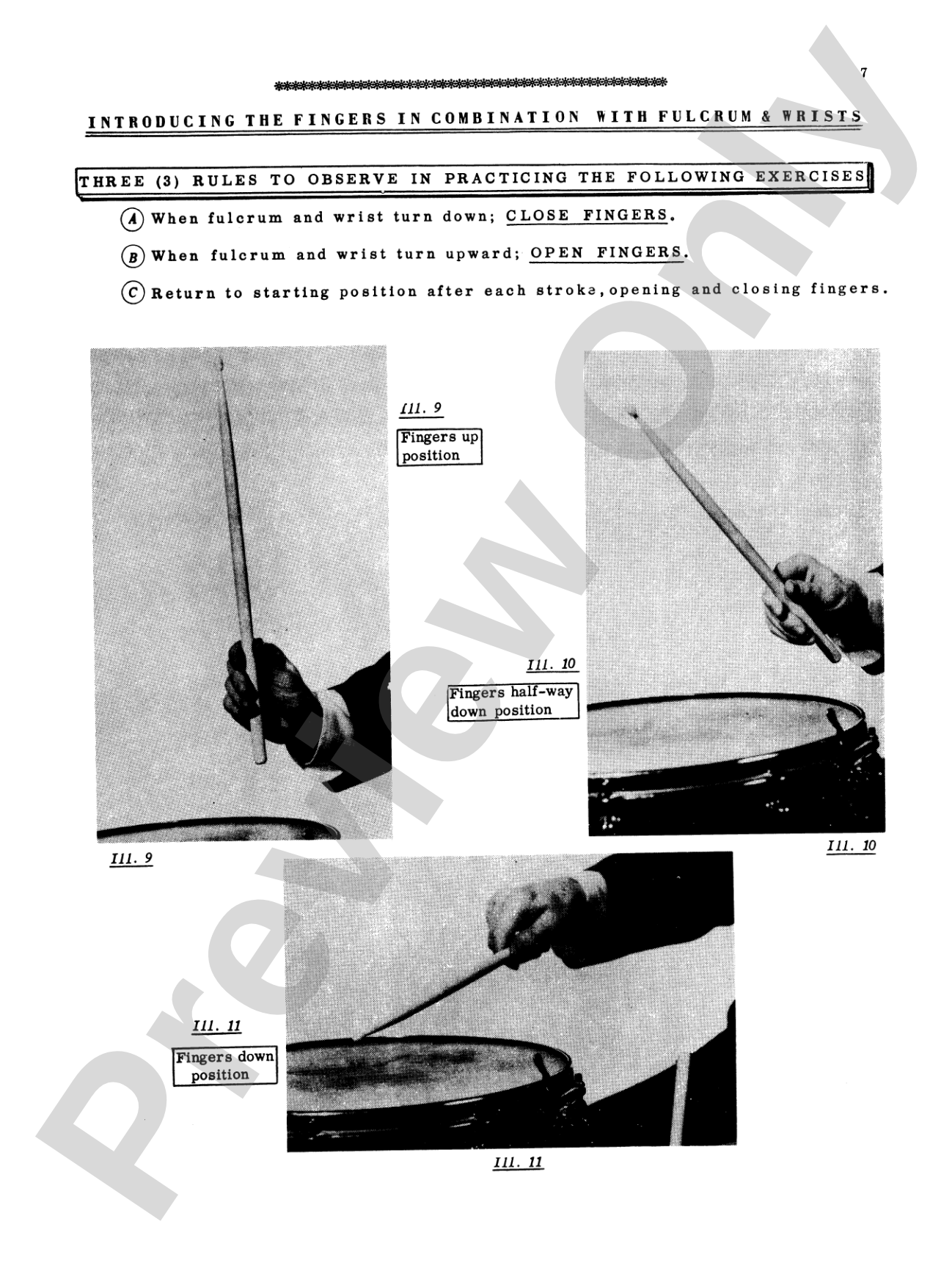
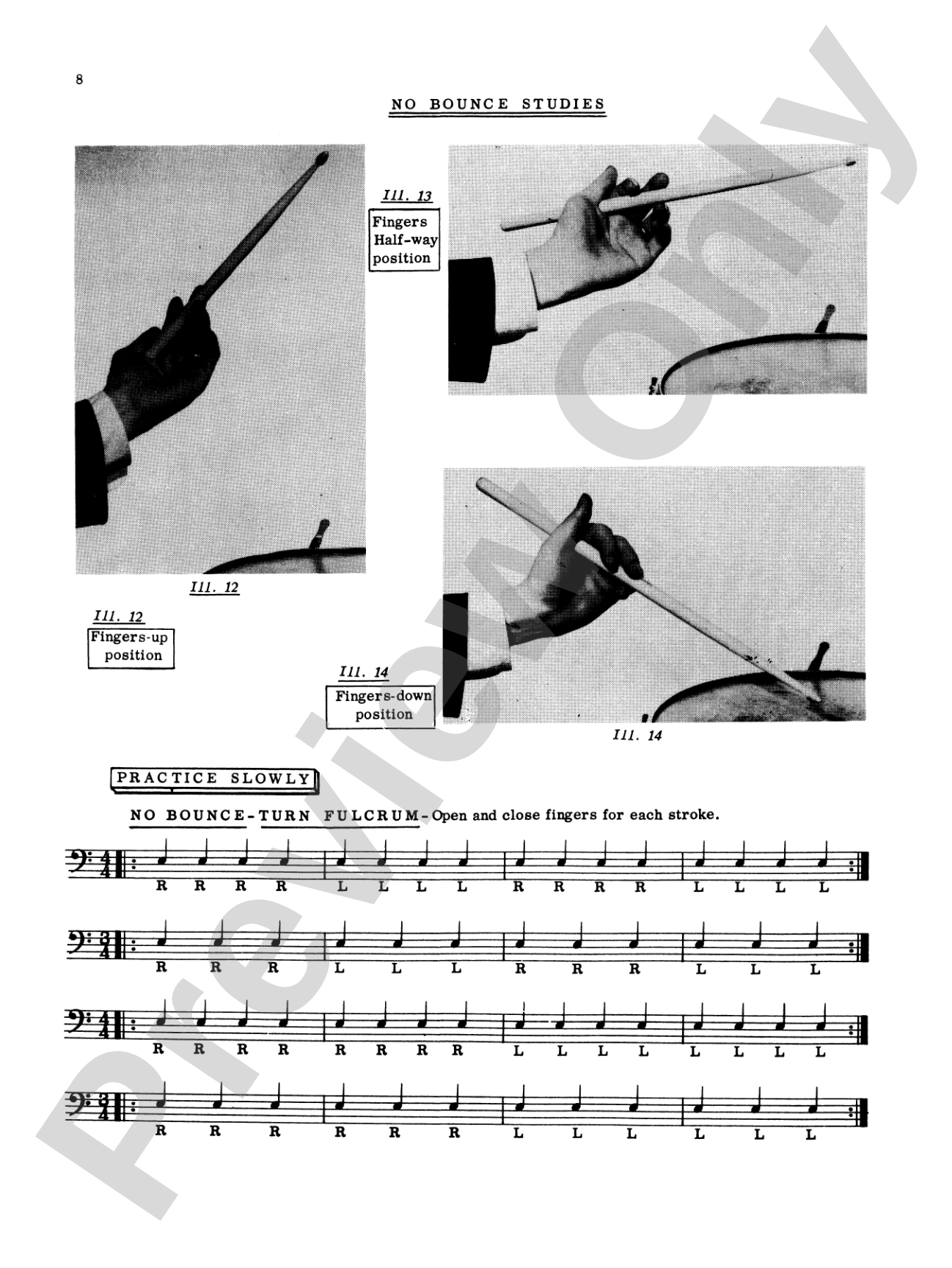
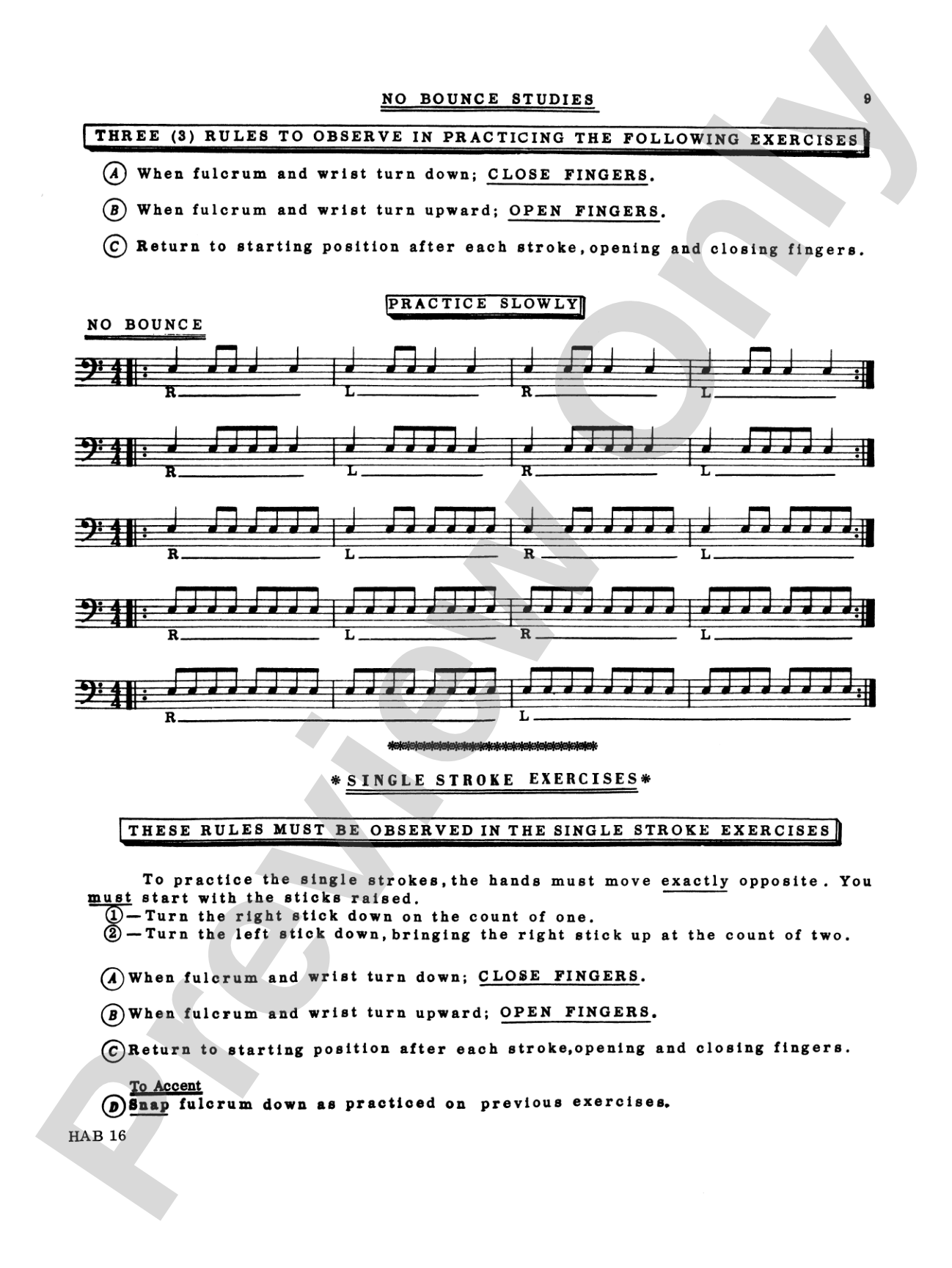
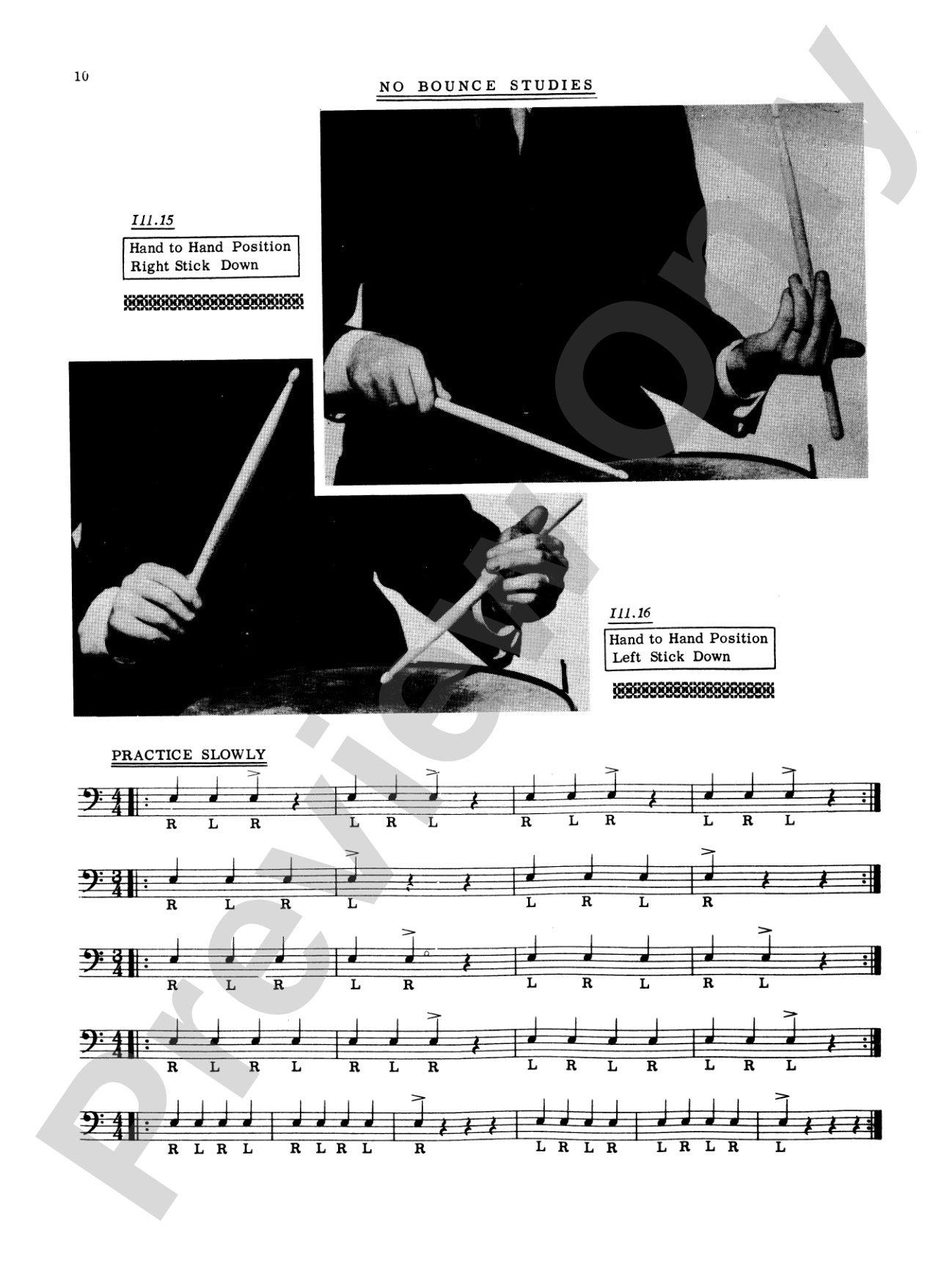
A practical method of developing finger control for snare drum technique.


Developing Finger Control isn't in MakeMusic Cloud just yet...but it could be. Let us know you'd like to see it, and you'll help shape what comes next. In the meantime, start a free trial and dive into thousands of interactive titles your students can play along with today.
Request This Title
Tell us you want it.
Start Your Free Trial
Explore everything that's ready to play right now.
Sample Audio
No sample audio found.
Sample Video
No sample videos found.
Additional Details
Publisher:
Alfred Music
Page Count:
52
SKU:
00-PB-0001972
More about this title
About the Composer: Roy Burns
Roy Burns was a legendary percussionist and pedagogue whose contributions to snare drum technique fundamentally shaped how the instrument is taught in American schools and drum corps. His method books and etudes remain cornerstones of percussion curricula because they address the technical realities of the instrument with clarity and purpose, moving students systematically from foundational control to sophisticated technical command.
Burns understood that finger control is the gateway to everything else on snare drum. His collaborative work with Lewis Malen produced materials that balance mechanical precision with musical application, ensuring students develop not just mechanical proficiency but the subtle control needed for expressive playing across all styles.
Why we love this
Burns and Malen refuse to treat finger control as an abstract technical exercise. Every page builds systematically toward real musical application, which keeps students engaged and gives them concrete reasons to refine their technique. At 52 pages, this method offers the depth needed to transform technique over an entire season without feeling repetitive or detached from actual drumming.
What to expect
Working through these exercises feels methodical and purposeful, never flashy. You are developing a conversation between your fingers and the drum, learning what control actually feels like in your hands. Progress arrives quietly but unmistakably; after weeks of focused work, passages that felt impossible become almost automatic, and your overall sound tightens and matures.
Who it's for
This method serves students building their first real technical foundation on snare drum, typically in middle school through early high school years, though older students working to clean up foundational issues will find it equally valuable. Band directors and percussion instructors use it as a core resource because it addresses the most common control problems students encounter when learning to play with consistent tone and precision. It works especially well for students preparing for auditions or drum corps training.
How to get the most out of it
- Start each practice session with the foundational exercises at tempo, establishing clean strokes before moving to compound patterns. This primes your hands for the more complex fingerwork ahead.
- Record yourself working through a full section, then listen back with the book closed. You will hear technical inconsistencies that your hands masked during practice.
- Alternate between playing exercises at a comfortable tempo and pushing slightly faster. The margin between control and speed reveals where your technique genuinely needs work.
- Return to earlier exercises periodically as warm-ups. You will discover how much your control has improved and reinforce the foundations that support advanced technique.
How to use it
Assign this systematically rather than sporadically; designate specific exercises as the foundation for all percussionists in your program during fall season, ensuring everyone develops consistent technique before tackling more demanding repertoire. Its methodical design also makes it ideal for independent study contracts, allowing advanced students to strengthen weak technical areas while managing rehearsal time efficiently.
Skills your students will build
- Single and double stroke roll control and consistency
- Finger independence and relaxed hand position
- Consistent stick height and rebound management
- Control dynamics without sacrificing technique
- Speed development grounded in clean technique
- Rudiment execution with precision and musicality