

Dervish: String Orchestra Conductor Score & Parts
By Ralph Ford
Grade: 1.5
Item: 00-PK-0004553

$40.00
Pickup currently not available
Buy Extra Parts (Digital PDF Download)
| Product | Price | Quantity |
|---|---|---|
| Dervish: Score | $6.00 | |
| Dervish: 1st Violin | $5.99 | |
| Dervish: 2nd Violin | $5.99 | |
| Dervish: 3rd Violin (Viola [TC]) | $5.99 | |
| Dervish: Viola | $5.99 | |
| Dervish: Cello | $5.99 | |
| Dervish: String Bass | $5.99 | |
| Dervish: 1st Percussion | $5.99 | |
| Dervish: Piano Accompaniment | $5.99 |
Parts Added to Cart!
Description
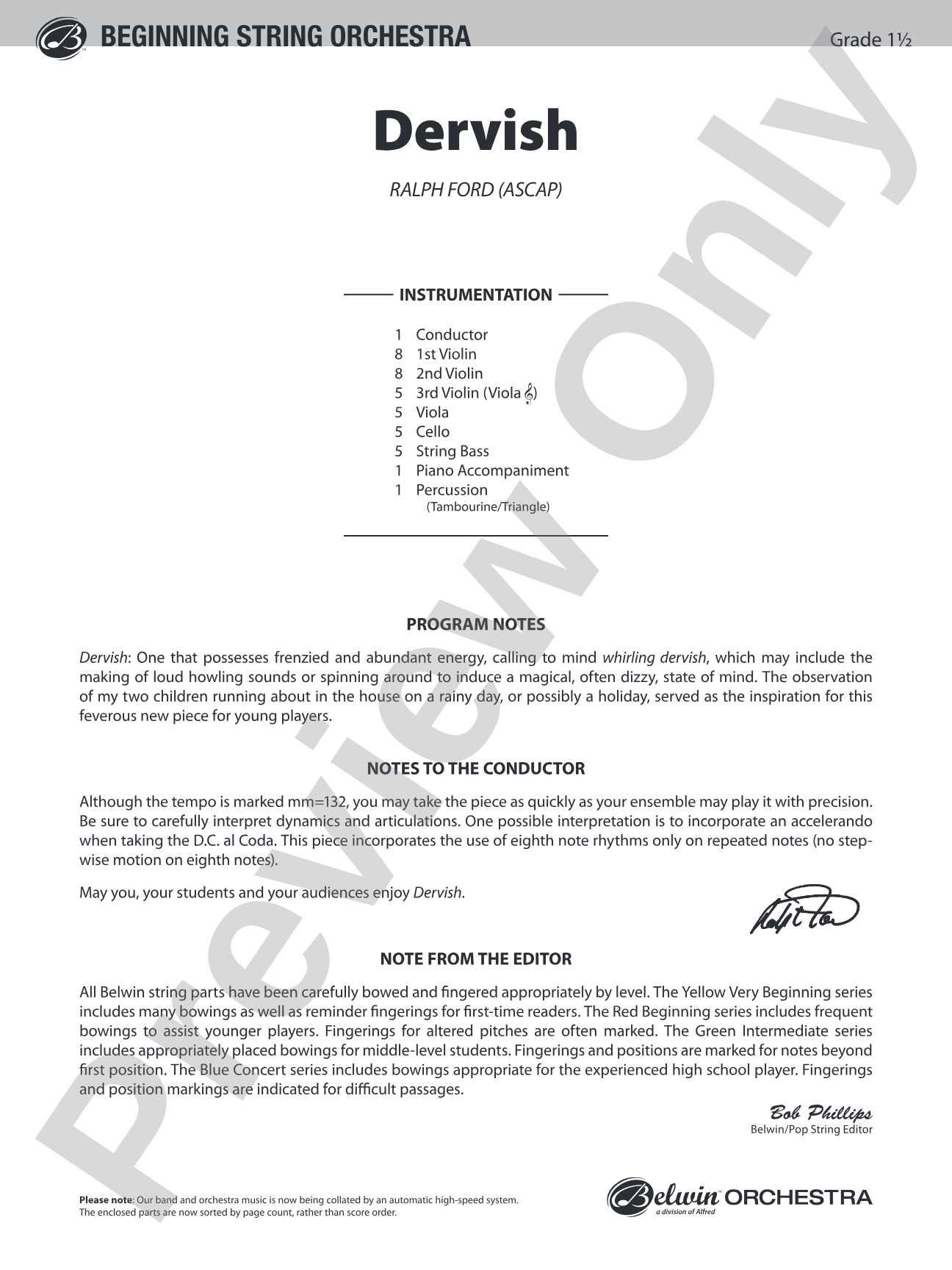
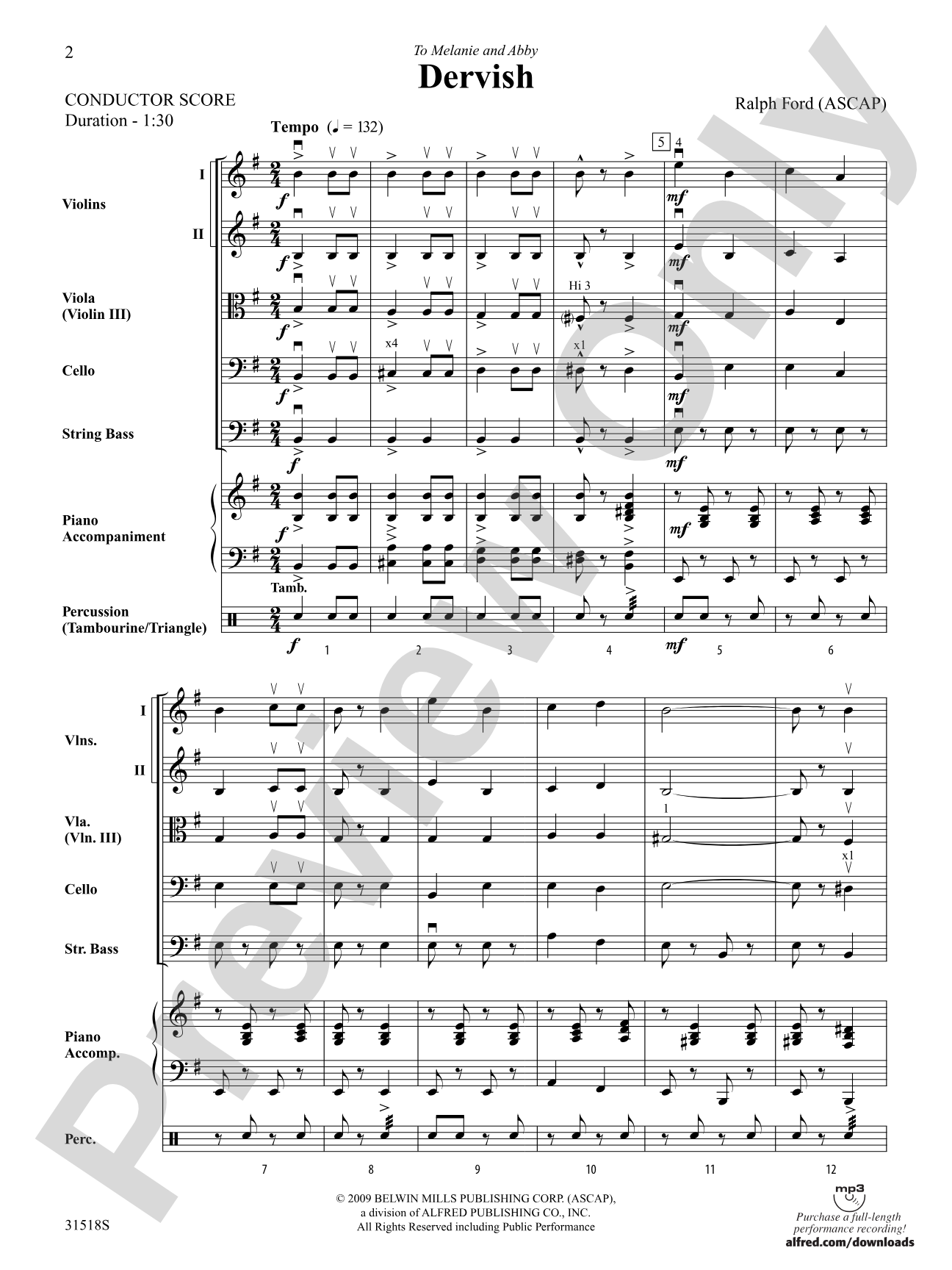
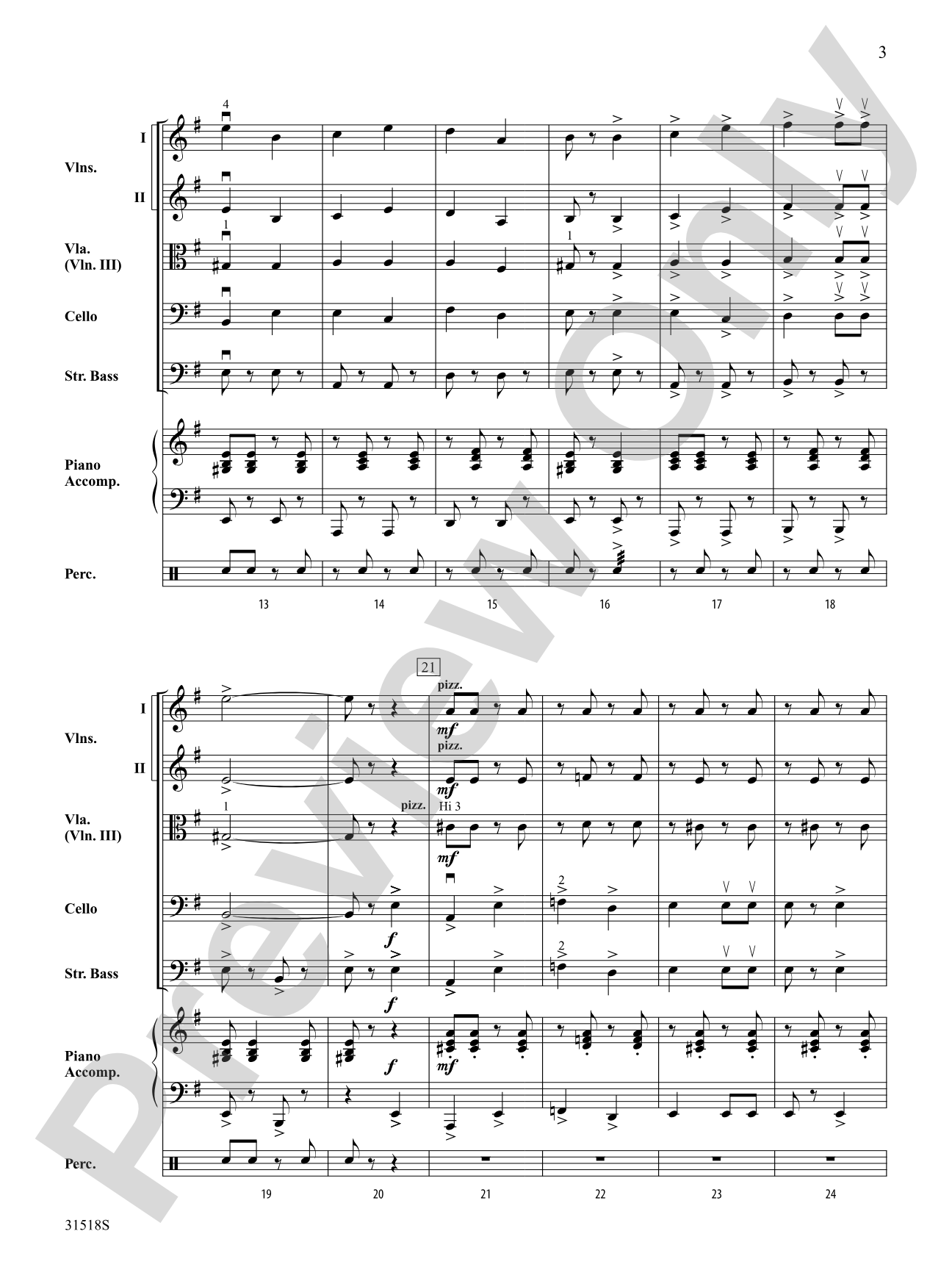
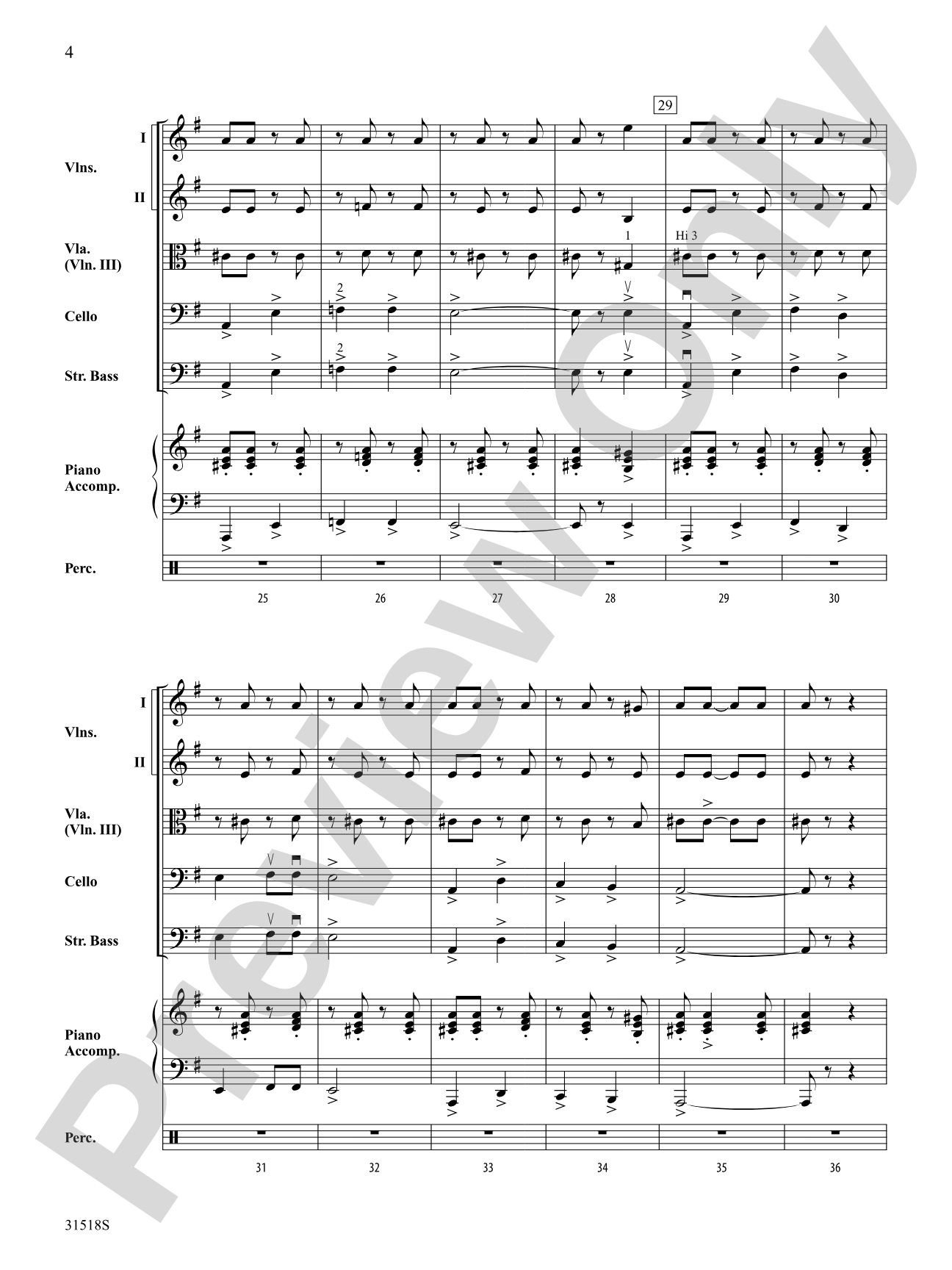
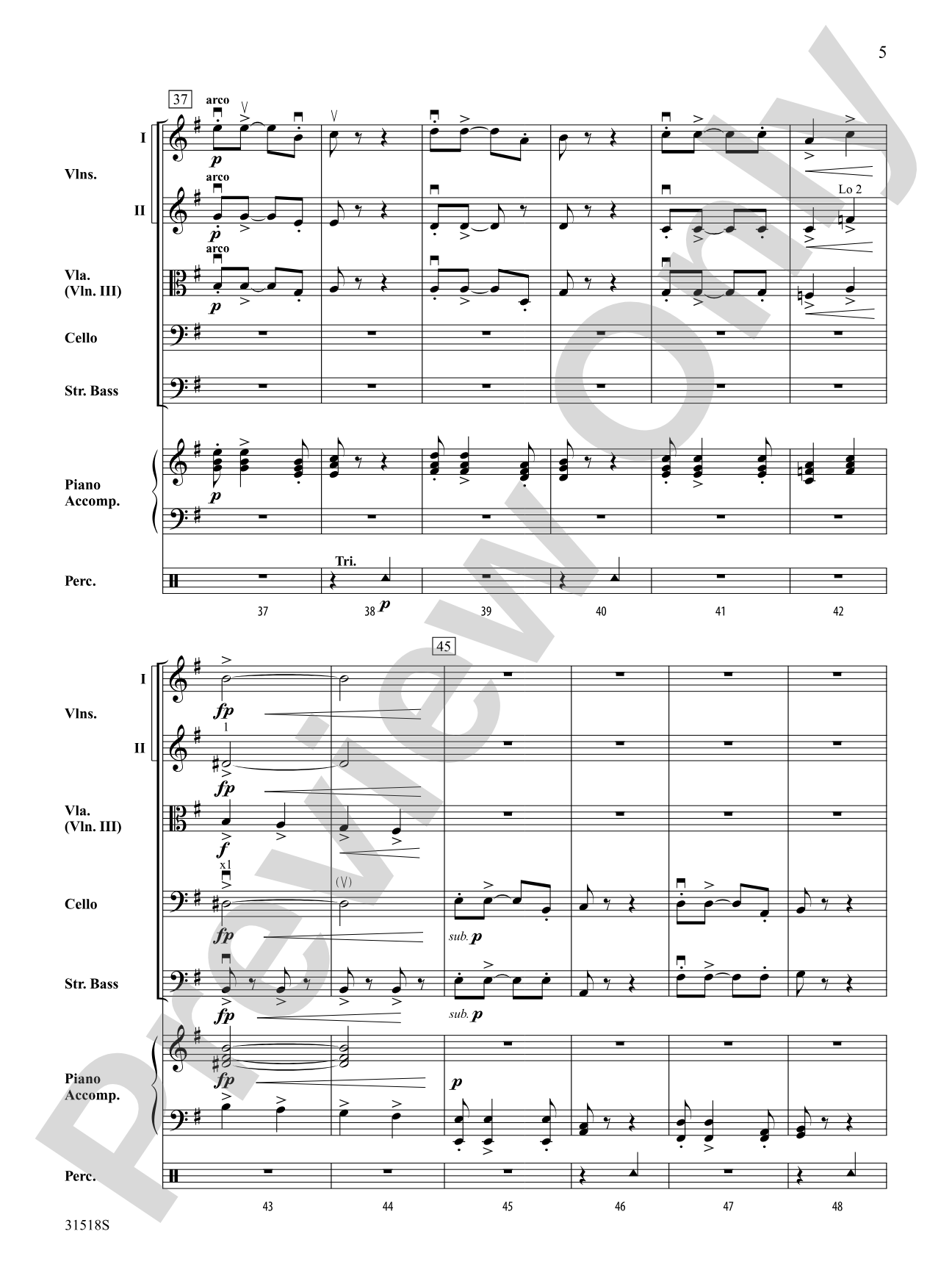
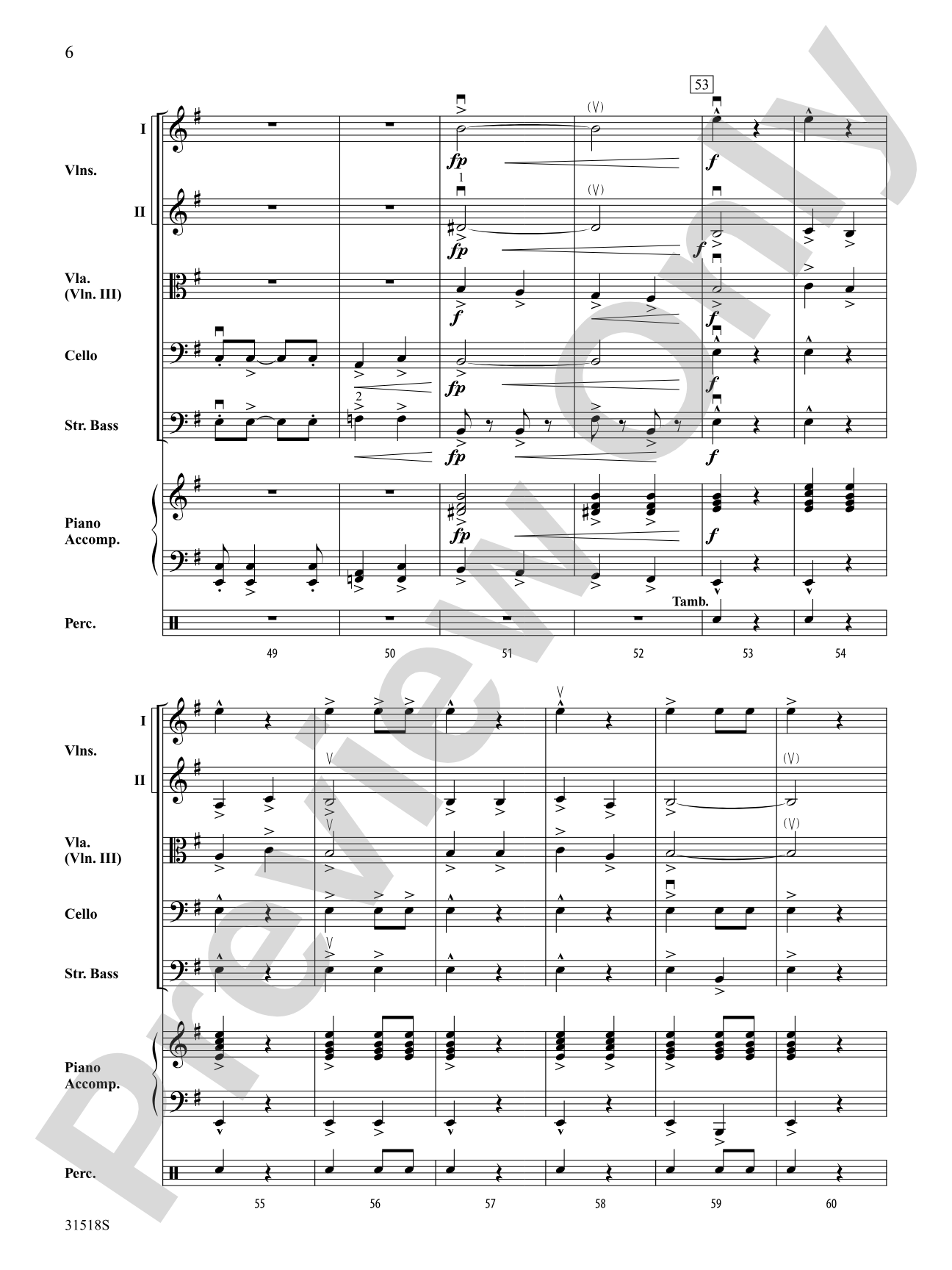
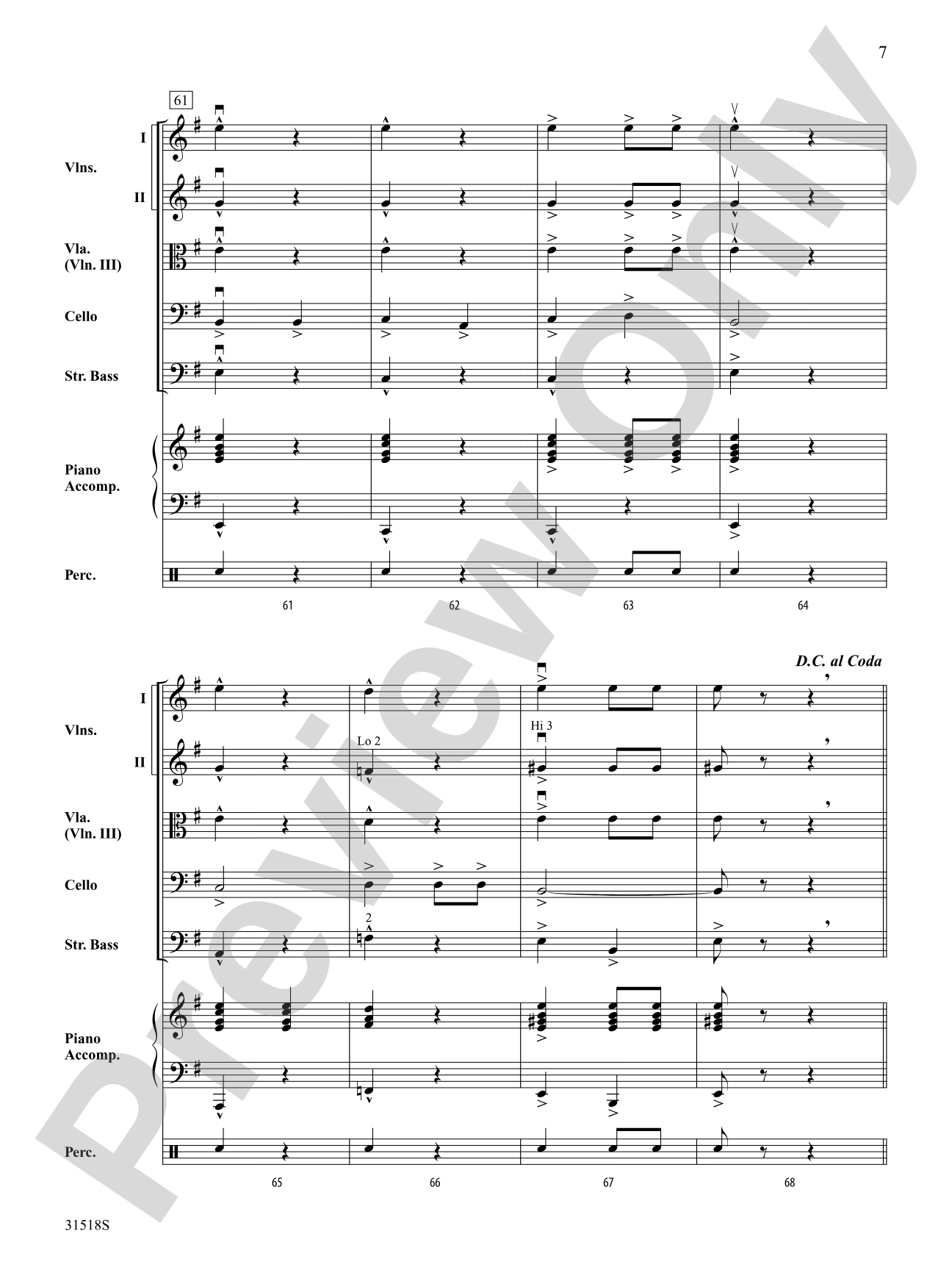
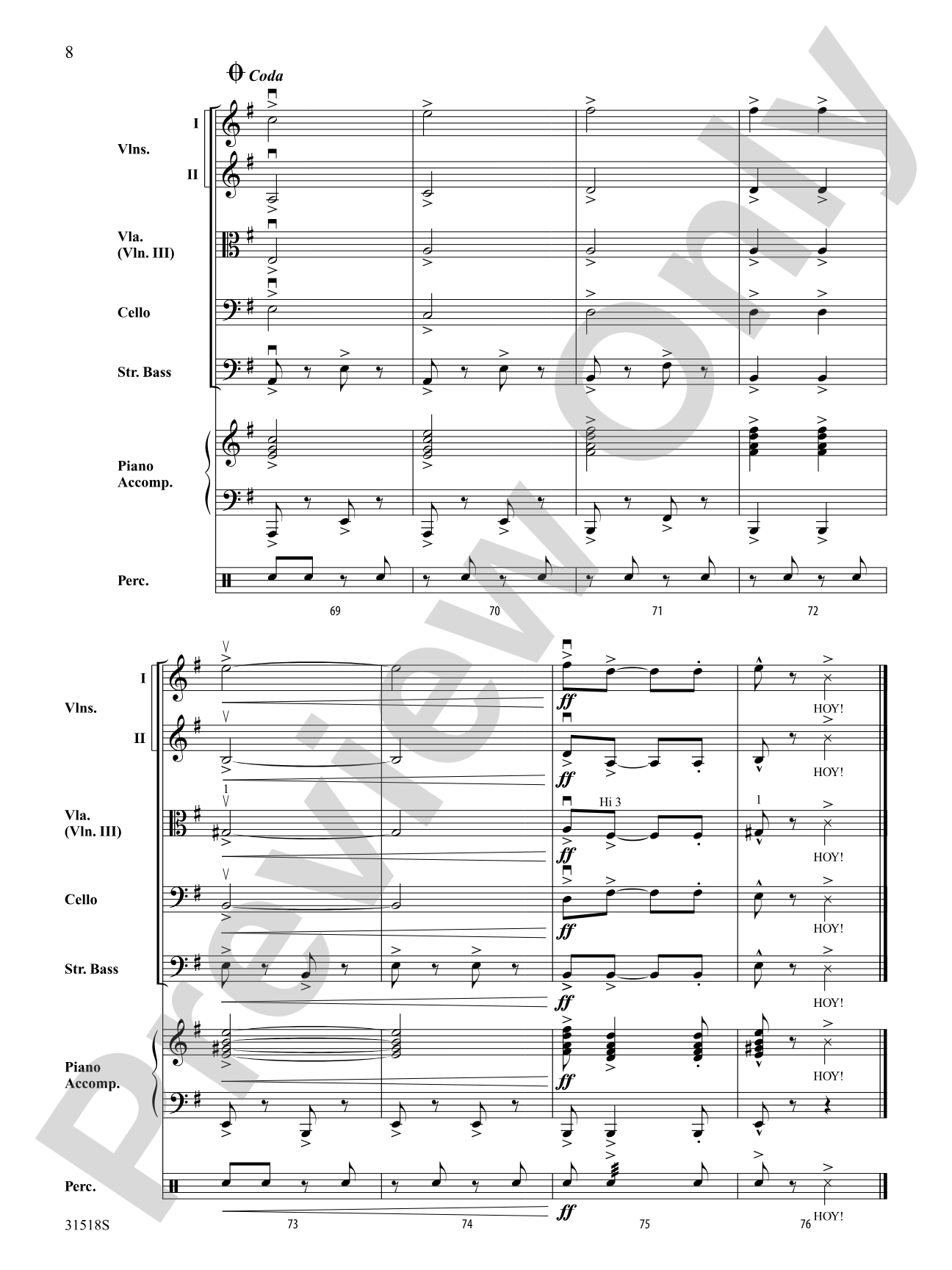
The energy of this piece is inspired by and matches the energy level of beginning players! Imagine the whirling, spinning excitement that occurs among children stuck in the house on a rainy day or celebrating a holiday with family and you have the picture of this piece! Eighth note rhythms occur only on repeated notes, providing motion without difficulty and a technical exercise in playing in a fast but precise manner (1:30)


Don't just read it, hear it, play along with it, and watch your students grow with it. In MakeMusic Cloud, Dervish: String Orchestra Conductor Score & Parts comes alive with professional accompaniment, adjustable tempo, and built-in practice tools that turn solo practice into real progress.
Open in the Player
Jump straight in and assign it today.
Start Your Free Trial
Open this title and explore the full library in minutes.
Sample Audio
1
Audio File
--:--
0:00
0:00
Sample Video
No sample videos found.
Additional Details
Series:
Belwin Beginning String Orchestra
Publisher:
Alfred Music
Page Count:
78
SKU:
00-PK-0004553
More about this title
About the Composer: Ralph Ford
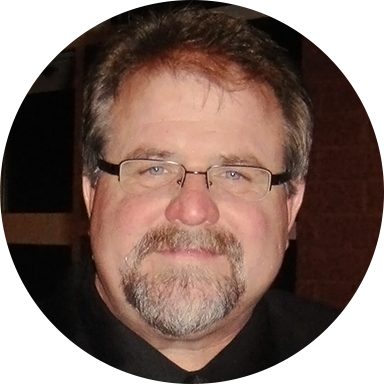
Ralph Ford brings three decades of experience across composition, arranging, conducting, and education to his work. A prolific creator with over 250 published titles for orchestra, concert band, jazz ensemble, and marching band, Ford has balanced university teaching with an exclusive arrangement with Alfred Music's Belwin division. His output spans concert hall premieres performed by university and professional ensembles worldwide, alongside media work including broadcast composition, commercial scoring, and television production.
Ford's career began as an arranger at fifteen and solidified during his undergraduate years at Troy State University, where he directed the jazz ensemble and served as staff arranger before joining the faculty. He earned his Master of Science degree in 1988 while teaching orchestration, arranging, theory, jazz studies, and applied brass. His work has garnered international recognition, and his prolific output for school ensembles reflects deep understanding of pedagogical needs at every level.
Why we love this
Ford captures genuine kinetic energy without overcomplicating the technical demands. Beginning orchestras need pieces that feel alive and purposeful, and Dervish delivers both through its rhythmic propulsion and smart scoring choices that let young players feel the drive without getting tangled in complexity.
What to expect
Unbridled excitement and perpetual motion. The whirling, spinning imagery Ford describes captures something primal: the unbounded energy of children celebrating, the restless vitality of a rainy day indoors transformed into play. The music cascades forward with infectious momentum, full of life but never frantic.
Who it's for
String orchestras in their first or second year of training. The piece meets players where they are, delivering excitement and motion through rhythmic confidence rather than technical virtuosity. Directors will appreciate a piece that sounds energetic and purposeful while reinforcing fundamental ensemble skills.
How to get the most out of it
- Keep the pulse steady and unwavering; the repeated-note eighth notes create momentum only when the conductor's beat remains rock solid. This teaches rhythm section discipline early.
- Shape the dynamic contours even at this level. Young players often flatten out fast passages, so conductor gestures that emphasize crescendos and decrescendos within the spinning figures will add character without slowing tempo.
- Let the repeating figures breathe naturally rather than mechanically. The piece mimics the spontaneous energy of children playing, not the clockwork precision of a machine.
- Use sectional rehearsals to lock the rhythmic unison before full orchestra run-throughs. When all strings hit those repeated notes together, the effect is immediate and rewarding for the ensemble.
How to use it
Open a concert with Dervish to set a bright, energetic tone, or place it mid-program as a palate cleanser between lyrical pieces. Its accessibility makes it ideal for festival or contest performance early in the school year when technique is still developing but confidence is building.
Skills your students will build
- Playing repeated notes with rhythmic precision at tempo
- Maintaining intonation during sustained fast passages
- Listening to ensemble pulse and tuning within a homogeneous texture
- Dynamic control and phrasing within repetitive figures
- Reading simple string bowings (the piece emphasizes efficiency over complexity)