

Delibes: Sylvia: Piano Book
By Léo Delibes
Item: 00-PK-0003869

$22.99
Pickup currently not available
Buy Extra Parts (Digital PDF Download)
| Product | Price | Quantity |
|---|---|---|
| Delibes: Sylvia | $0.99 | |
| Delibes: Sylvia | $0.99 | |
| Delibes: Sylvia | $0.99 | |
| Delibes: Sylvia | $0.99 | |
| Delibes: Sylvia | $0.99 | |
| Delibes: Sylvia | $0.99 | |
| Delibes: Sylvia | $0.99 | |
| Delibes: Sylvia | $0.99 | |
| Delibes: Sylvia | $0.99 | |
| Delibes: Sylvia | $0.99 | |
| Delibes: Sylvia | $0.99 | |
| Delibes: Sylvia | $0.99 | |
| Delibes: Sylvia | $0.99 | |
| Delibes: Sylvia | $0.99 | |
| Delibes: Sylvia | $0.99 | |
| Delibes: Sylvia | $0.99 | |
| Delibes: Sylvia | $0.99 | |
| Delibes: Sylvia | $0.99 | |
| Delibes: Sylvia | $0.99 | |
| Delibes: Sylvia | $0.99 | |
| Delibes: Sylvia | $0.99 | |
| Delibes: Sylvia | $0.99 | |
| Delibes: Sylvia | $0.99 | |
| Delibes: Sylvia | $0.99 | |
| Delibes: Sylvia | $0.99 | |
| Delibes: Sylvia | $0.99 | |
| Delibes: Sylvia | $0.99 | |
| Delibes: Sylvia | $0.99 | |
| Delibes: Sylvia | $0.99 |
Parts Added to Cart!
Related Items
Sylvia: Piano Book |
$22.95
|
View |
Description
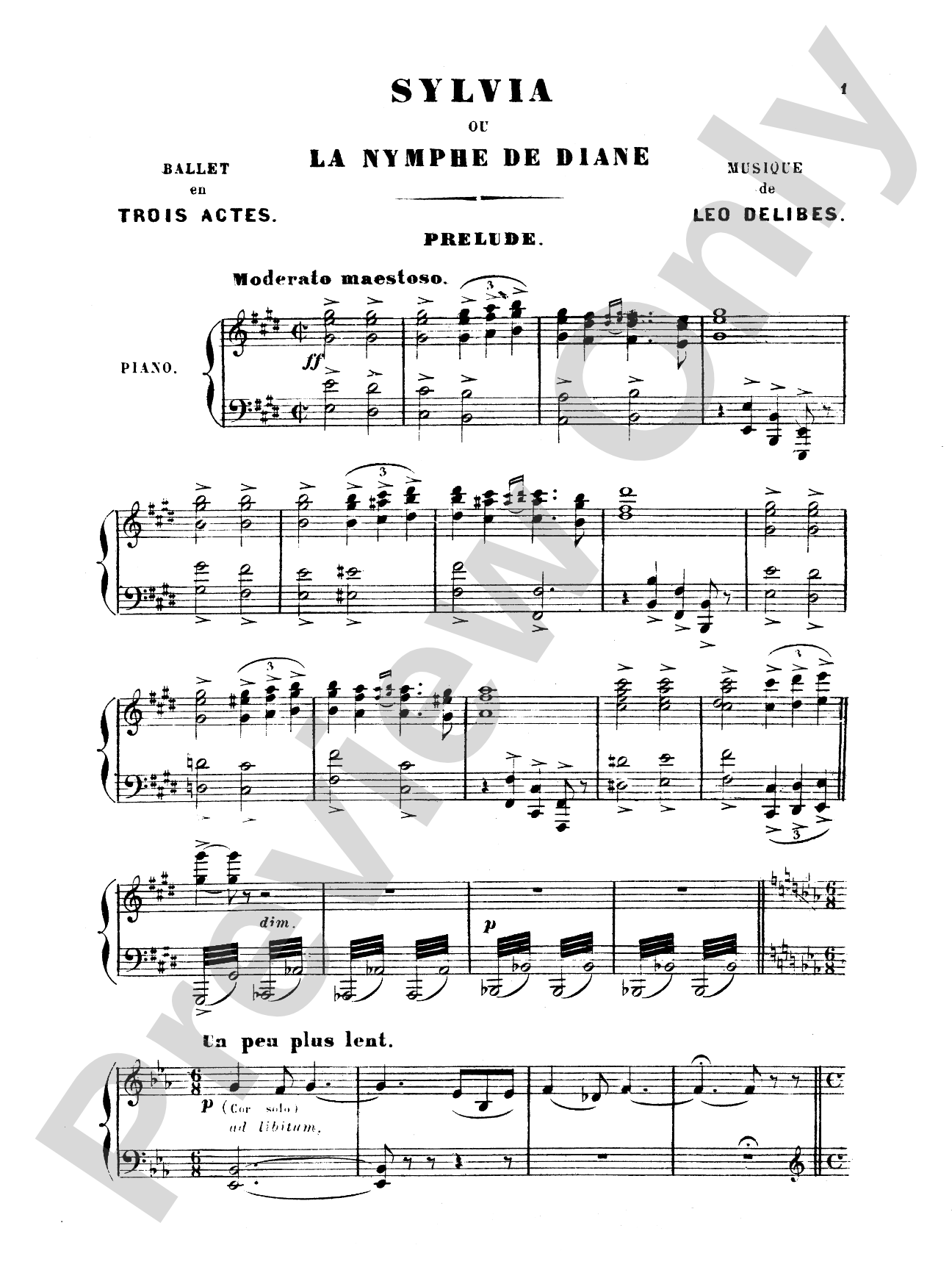
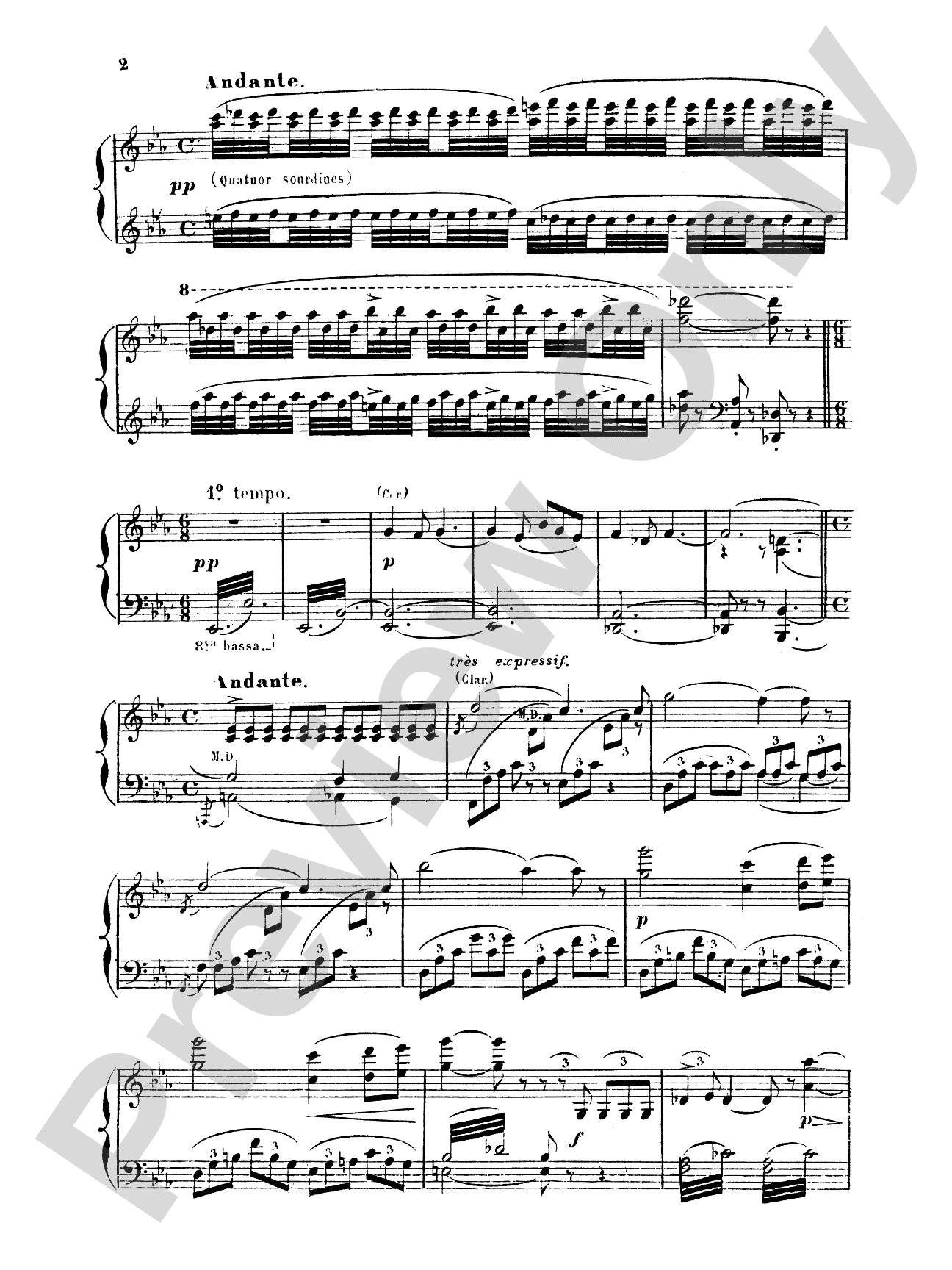
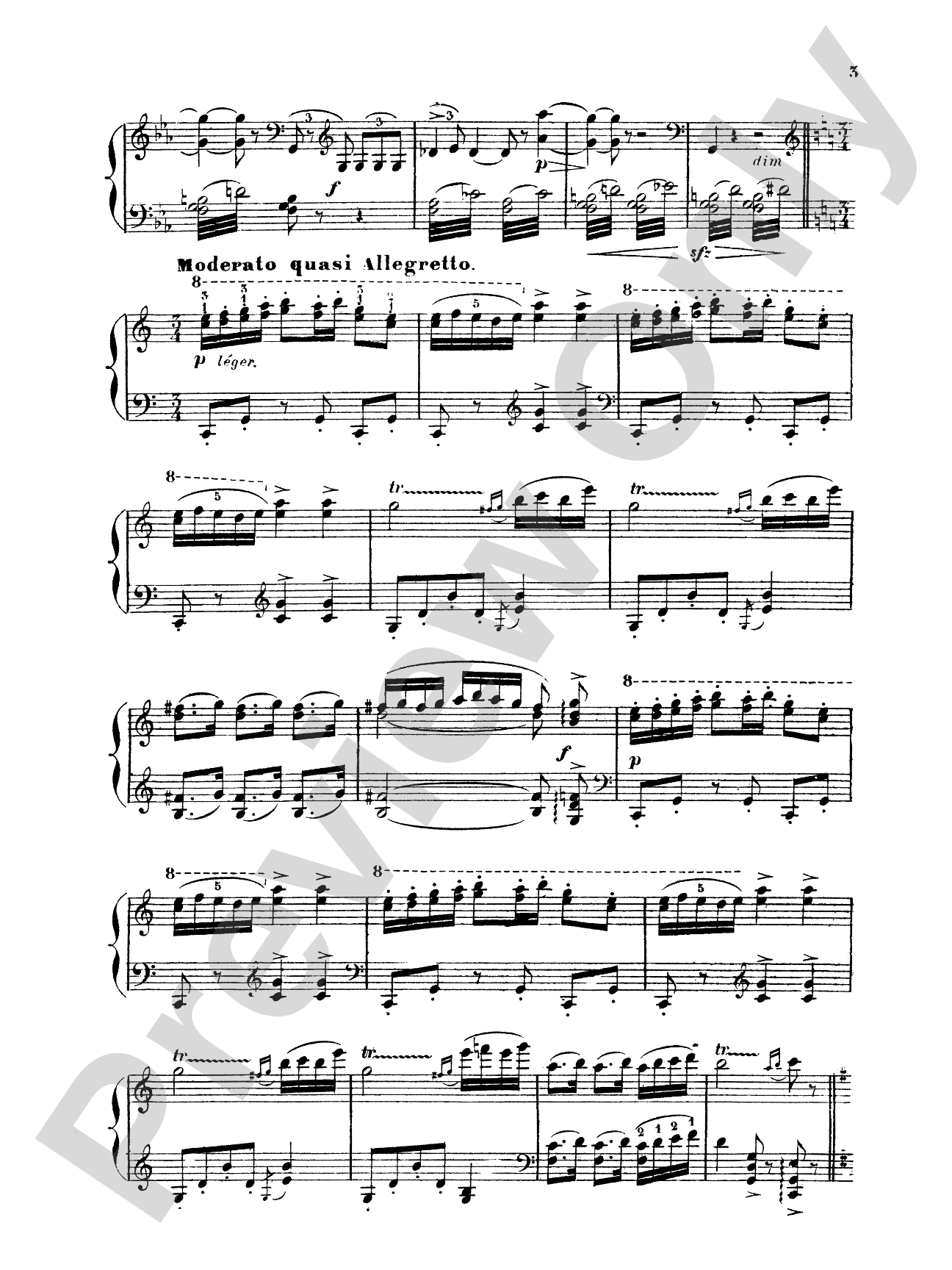
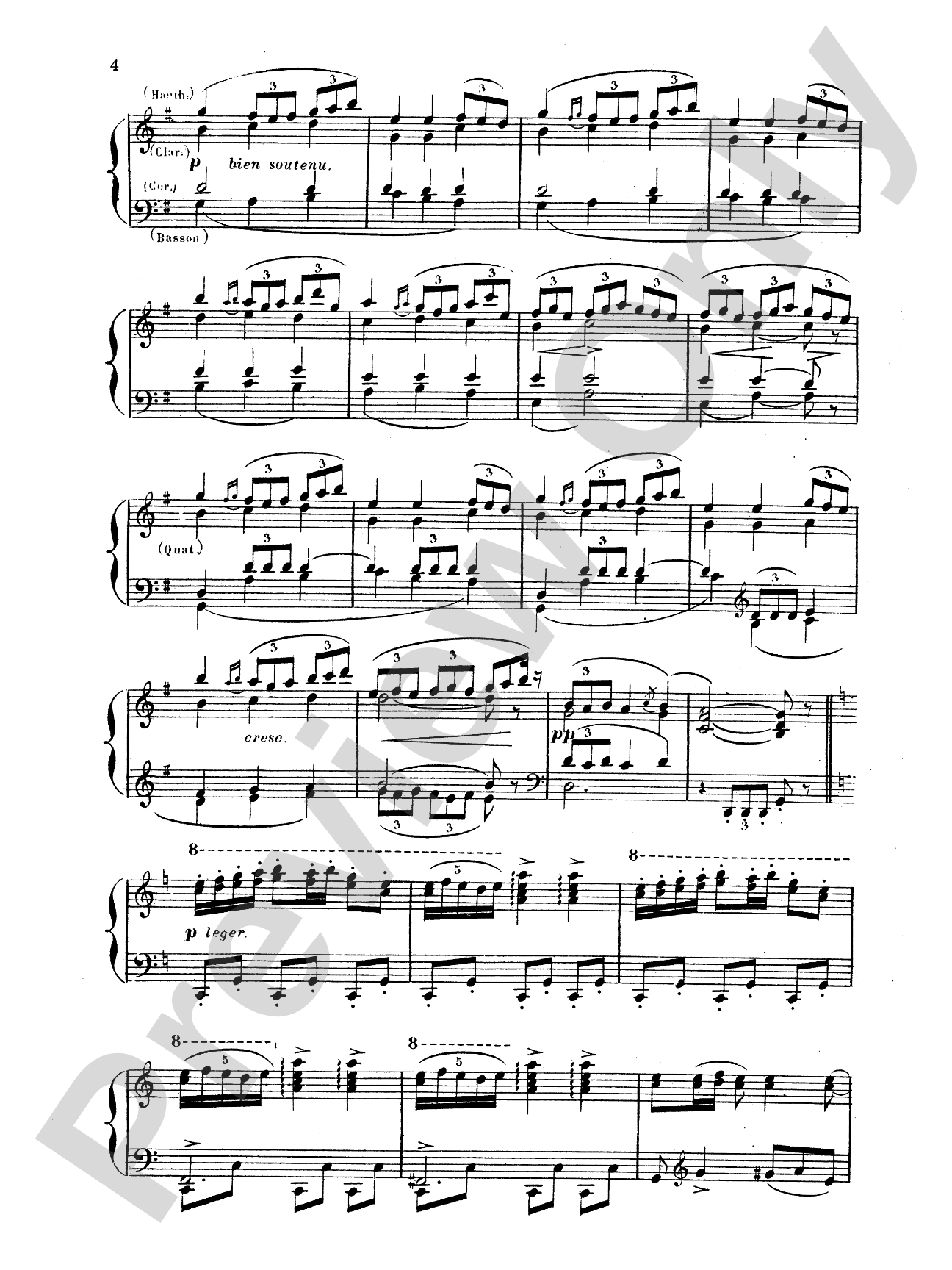
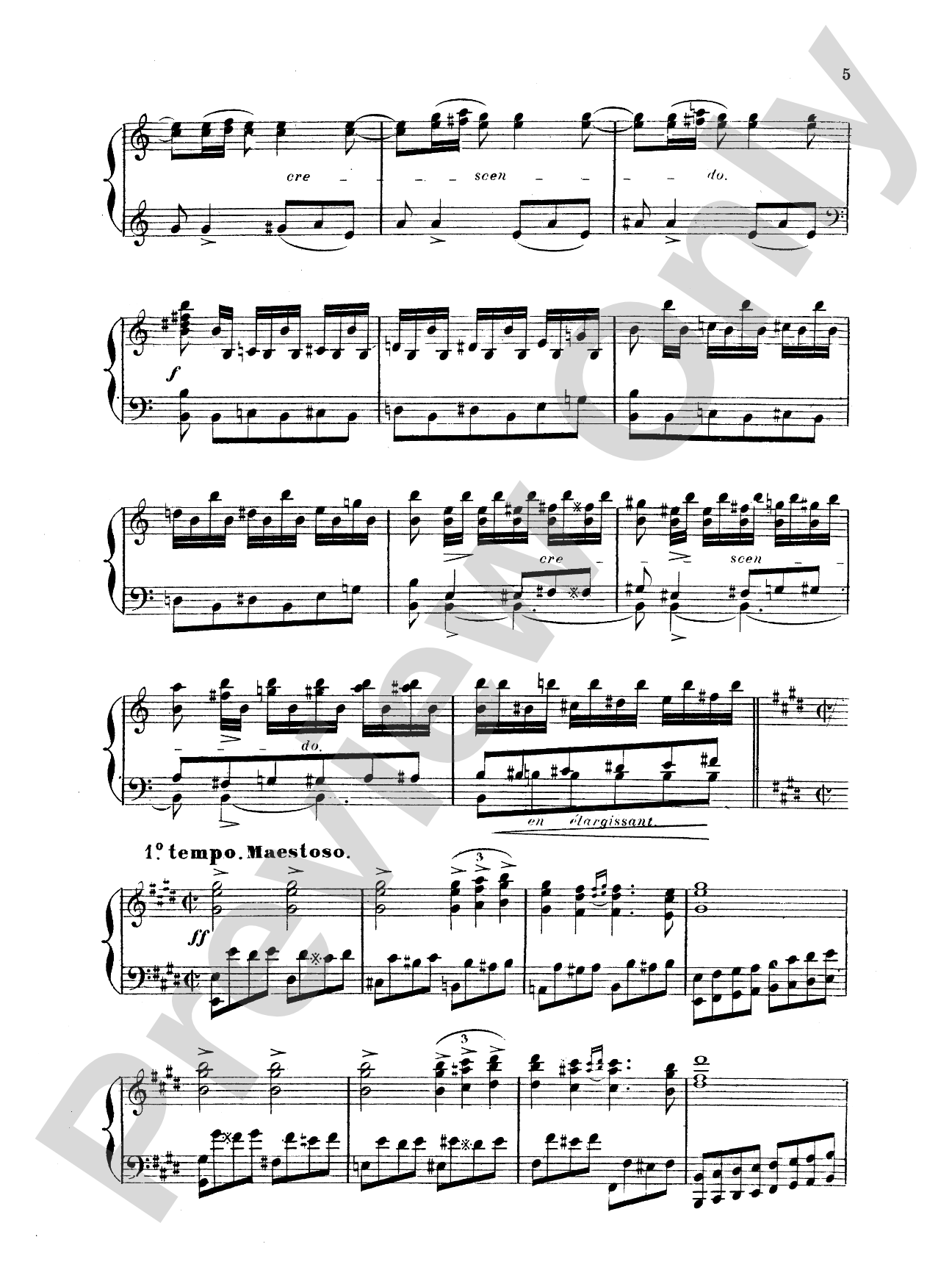
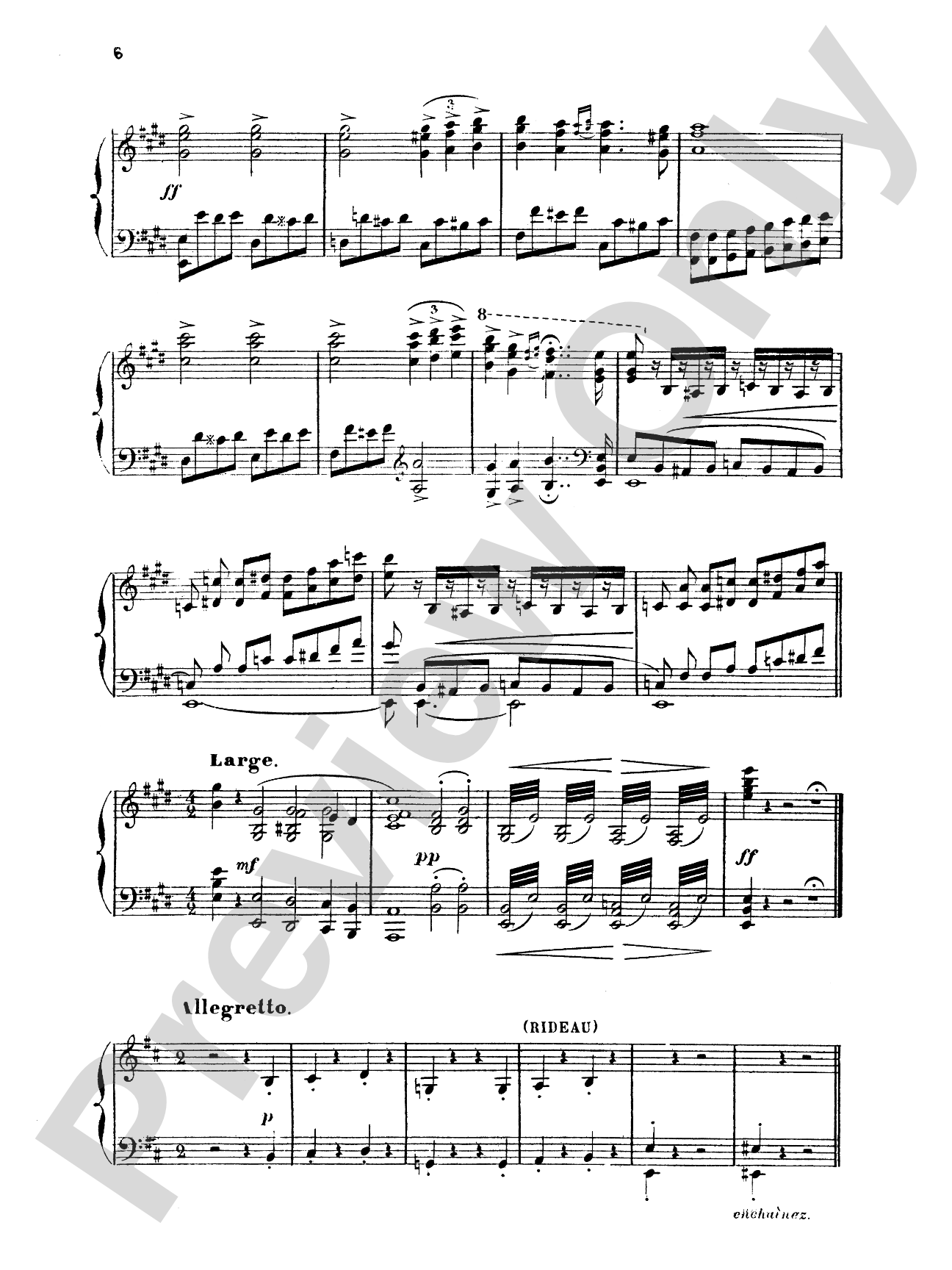
A ballet in three acts and four scenes by Léo Delibes.


Don't just read it, hear it, play along with it, and watch your students grow with it. In MakeMusic Cloud, Delibes: Sylvia: Piano Book comes alive with professional accompaniment, adjustable tempo, and built-in practice tools that turn solo practice into real progress.
Open in the Player
Jump straight in and assign it today.
Start Your Free Trial
Open this title and explore the full library in minutes.
Sample Audio
No sample audio found.
Sample Video
No sample videos found.
Additional Details
Series:
Kalmus Edition
Publisher:
Alfred Music
Page Count:
152
SKU:
00-PK-0003869
More about this title
About the Composer: Léo Delibes
Léo Delibes (1836, 1891) shaped the trajectory of ballet music by proving that the genre could sustain sophisticated orchestration and memorable melodic writing across an entire evening. His work in the theater, especially at the Opéra-Comique and later the Opéra in Paris, taught him how to write for dancers without sacrificing musical substance. Sylvia and Coppélia remain his most enduring legacies because they balance accessibility with genuine compositional craft.
For pianists and teachers, Delibes offers an entry point into orchestral thinking. His ballet scores demand clarity of line, control of texture, and sensitivity to the dialogue between melody and accompaniment. The piano reductions capture the essential character of the orchestral writing while remaining idiomatically playable.
Why we love this
Sylvia sits at the apex of classical ballet music, and this piano reduction grants you access to Delibes's architectural brilliance without requiring an orchestra. The score balances virtuosic showpieces with deeply lyrical passages, giving advanced pianists room to demonstrate both technical fluency and expressive maturity. Programming an excerpt or movement from Sylvia signals serious musical taste while offering a satisfying performance experience.
What to expect
Sylvia evokes a world of mythological grace, flowing between dreamy pastoral scenes and moments of crystalline brilliance. The music moves with natural elegance, never straining for effect; instead, Delibes lets clean orchestration, memorable melody, and warm harmonic color carry the storytelling. Whether in a gentle nocturne or a spirited divertissement, the score maintains an unfussy sophistication that feels both accessible and deeply crafted.
Who it's for
This reduction serves advanced pianists seeking substantial concert repertoire rooted in 19th-century ballet tradition. It suits pianists comfortable with extended forms, clear harmonic language, and the technical demands of Victorian-era compositional style. Teachers and pianists preparing for competitions or recitals will find movements or acts that work as standalone selections.
How to get the most out of it
- Respect the theatrical pacing embedded in the score. Delibes writes clear sectional divisions; use them as rehearsal anchors and allow each new material to breathe rather than rush transitions.
- Shape the accompaniment voices with the same attention you give the melody. Transparent texture is central to Delibes's aesthetic; muddied harmony undermines the entire design.
- Employ subtle rubato, especially in lyrical passages and cadence zones. The score rewards a conductor's sense of line without indulgent tempo distortion.
- Balance ornamental figuration against structural harmony. Many passages invite light pedaling to blend without obscuring bass movement or harmonic progression.
How to use it
A single act or dramatic excerpt works as a standalone recital piece for an advanced student, offering substantial musical content without demanding a full evening's performance. Pairing movements from Sylvia with other Romantic ballet music (Tchaikovsky, Petipa) creates a thematic concert focused on 19th-century dance and musical narrative. Teachers may also use selected passages for score study in theory or piano literature courses.
Skills your students will build
- Reading extended musical forms (three-act structure with recurring themes and dance sequences)
- Voice leading in lightly textured accompaniment figures
- Balancing melody against transparent harmonic accompaniment
- Phrasing across moderate to extended phrases without losing harmonic direction
- Stylistic interpretation of Romantic ballet music and period rubato