
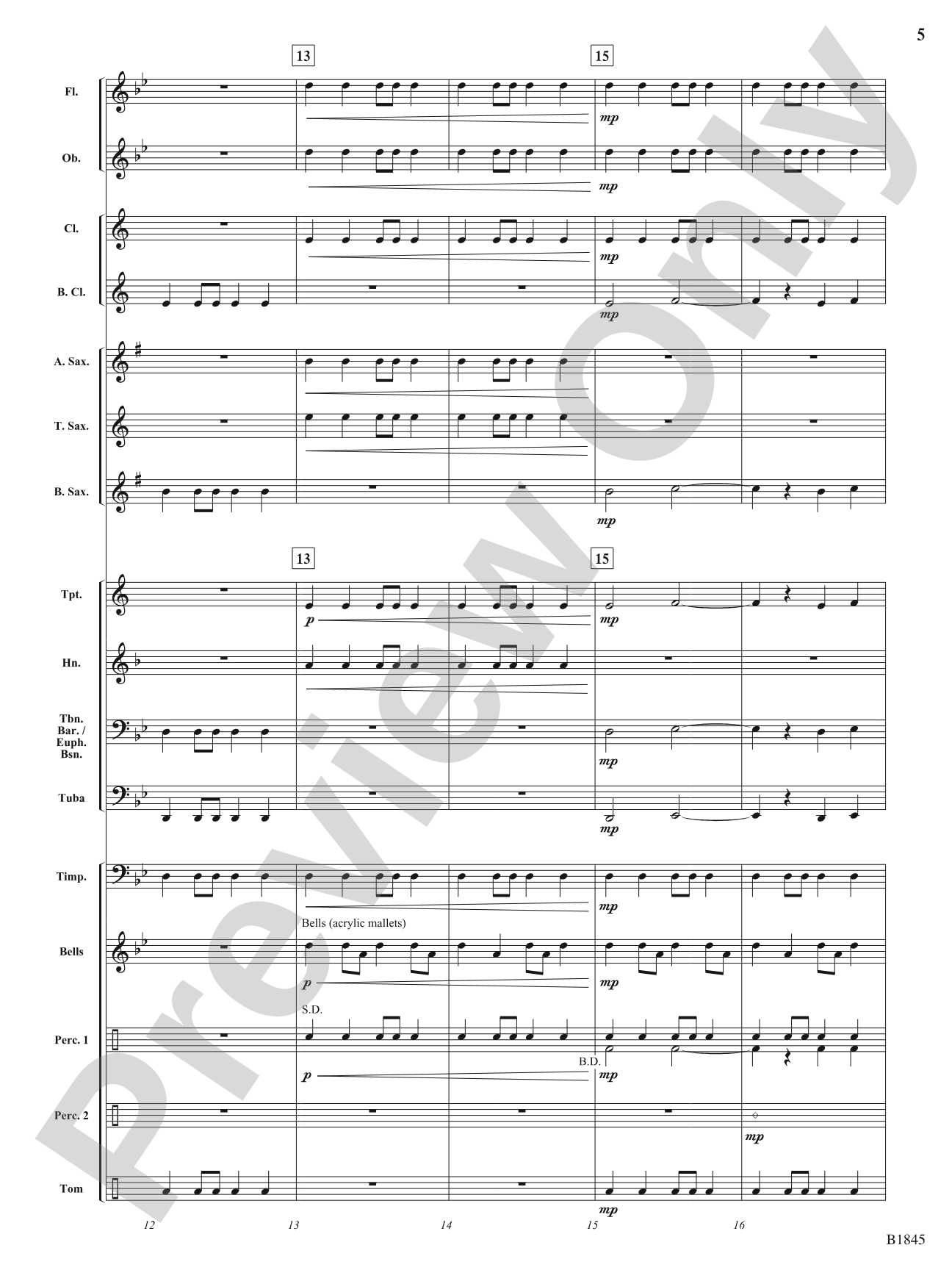
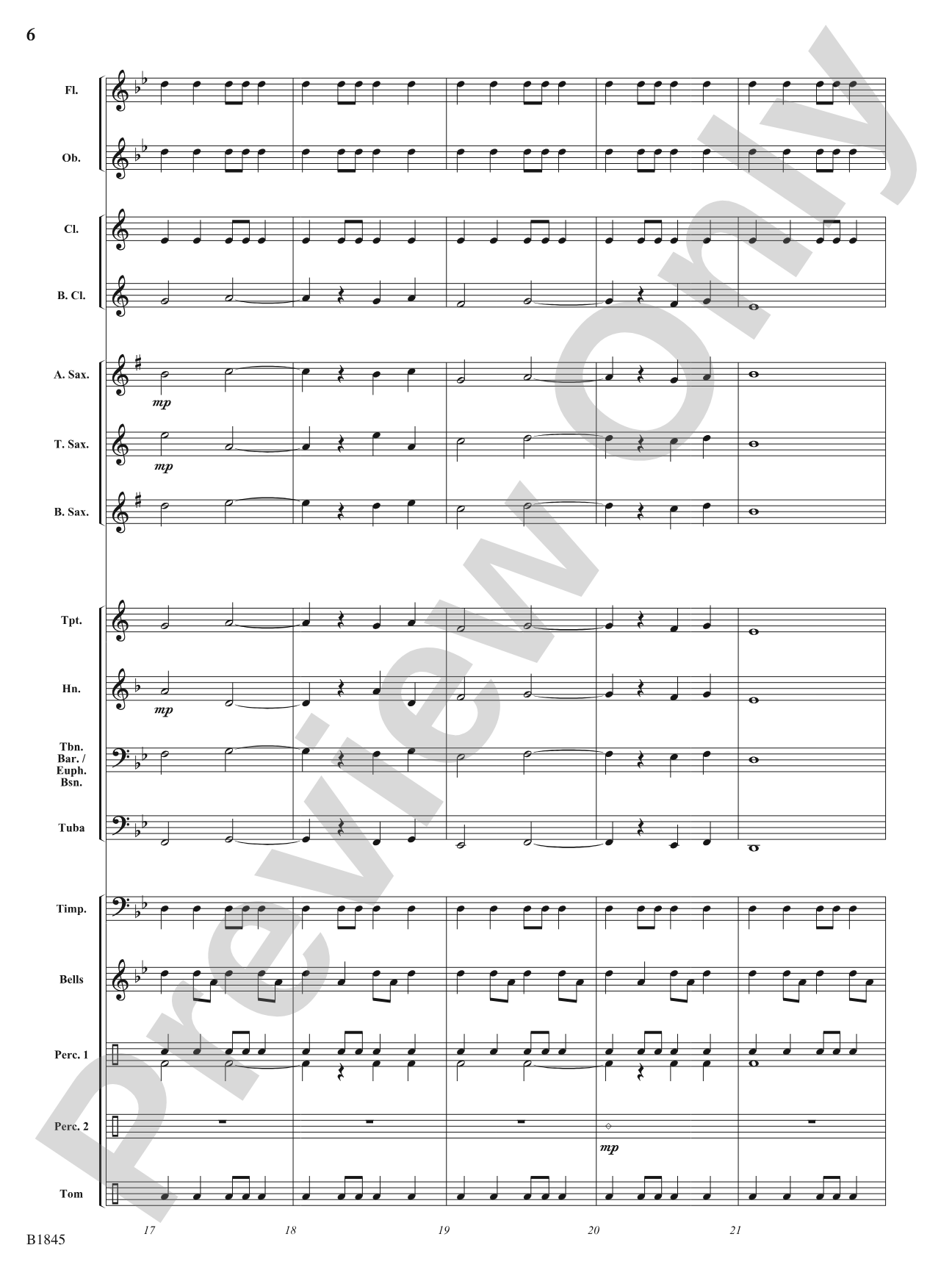
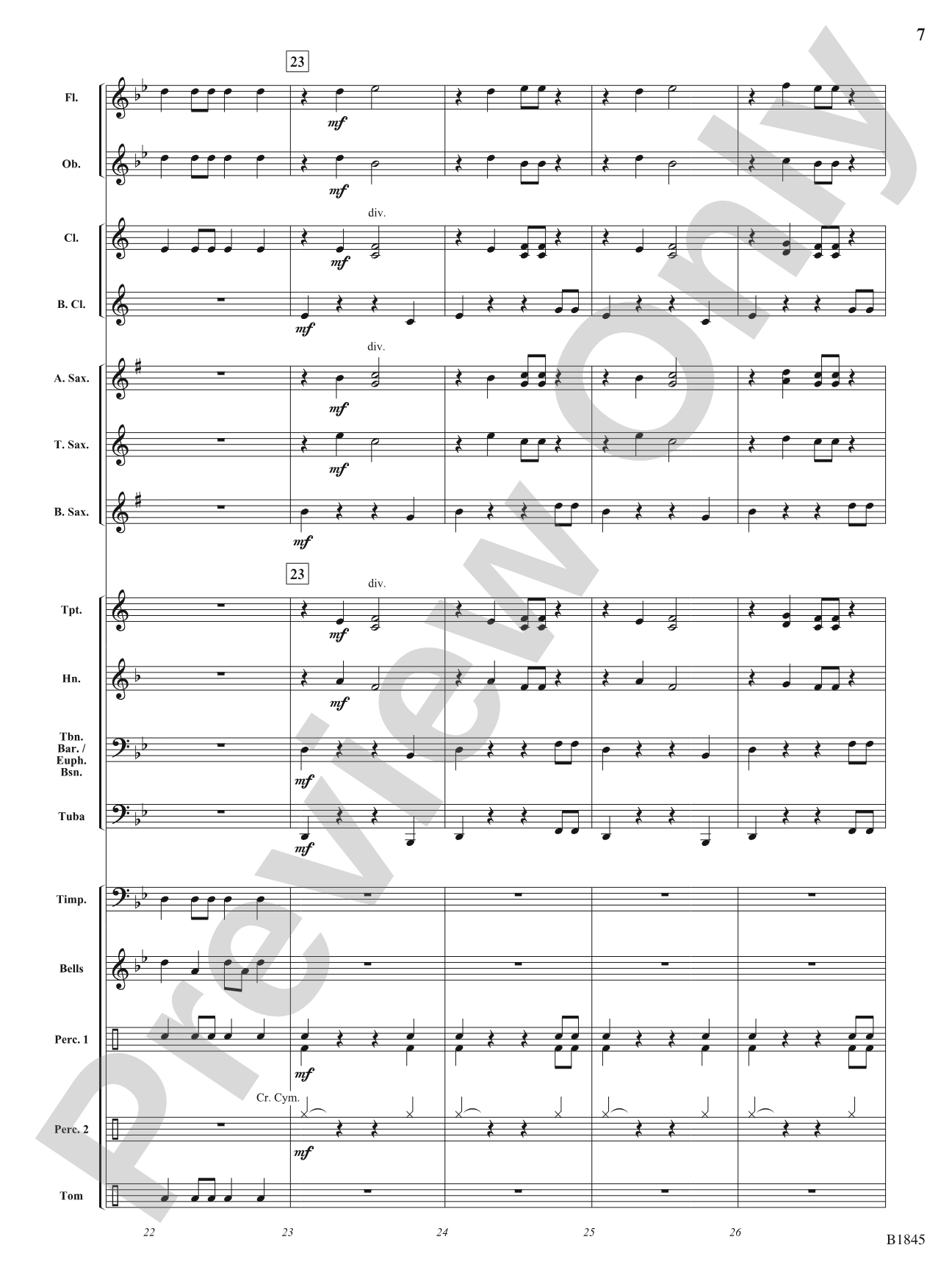
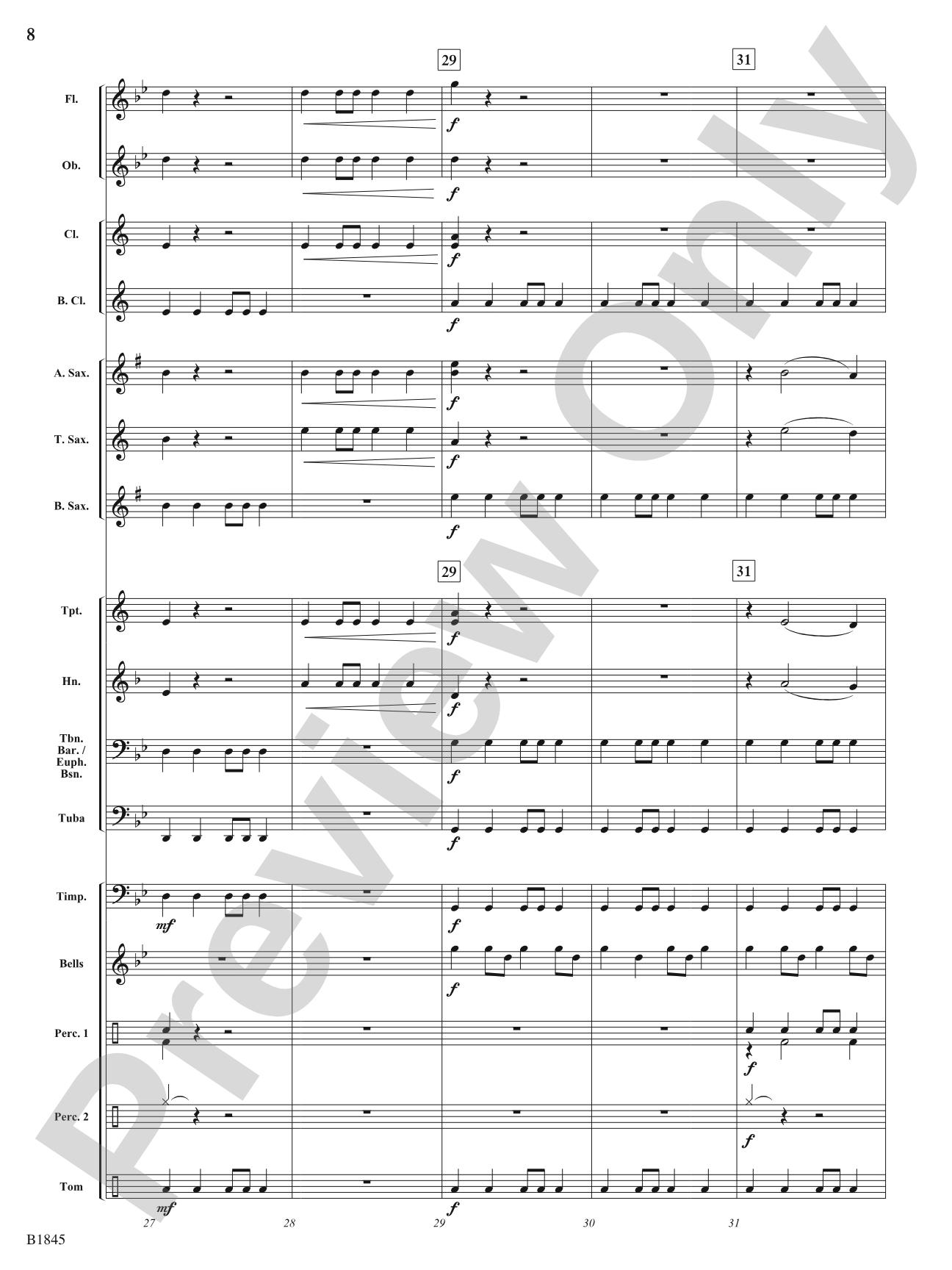
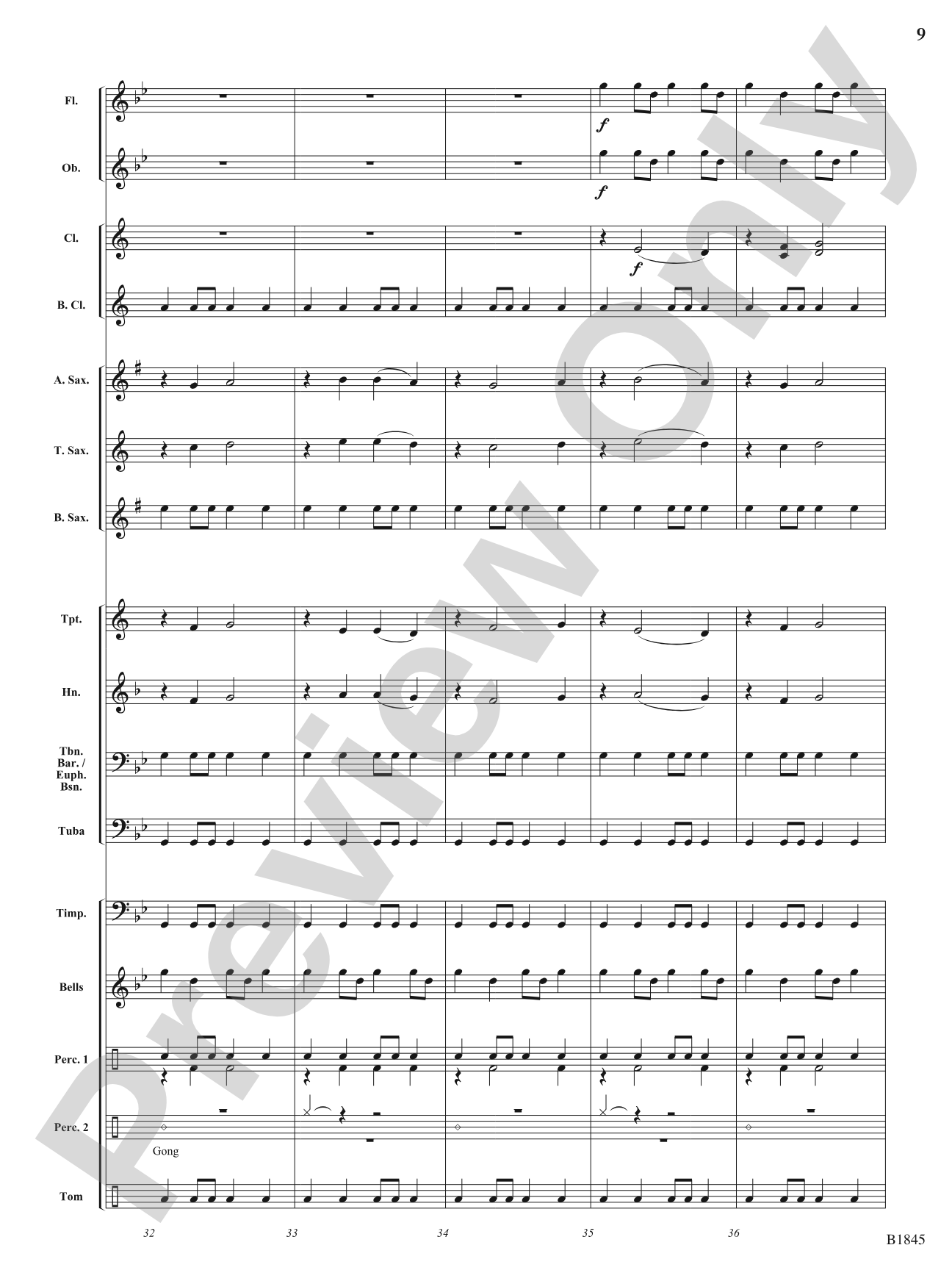
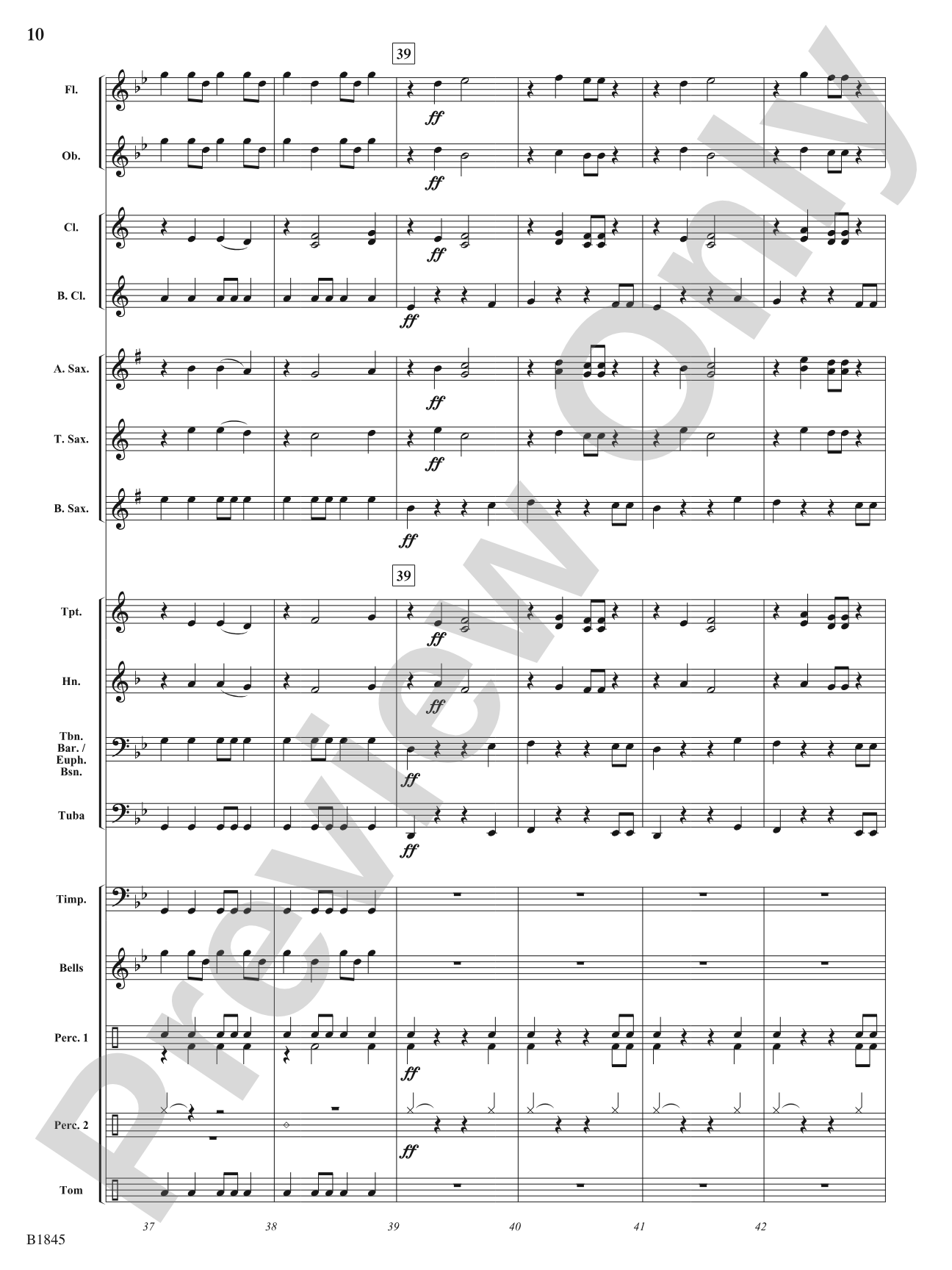
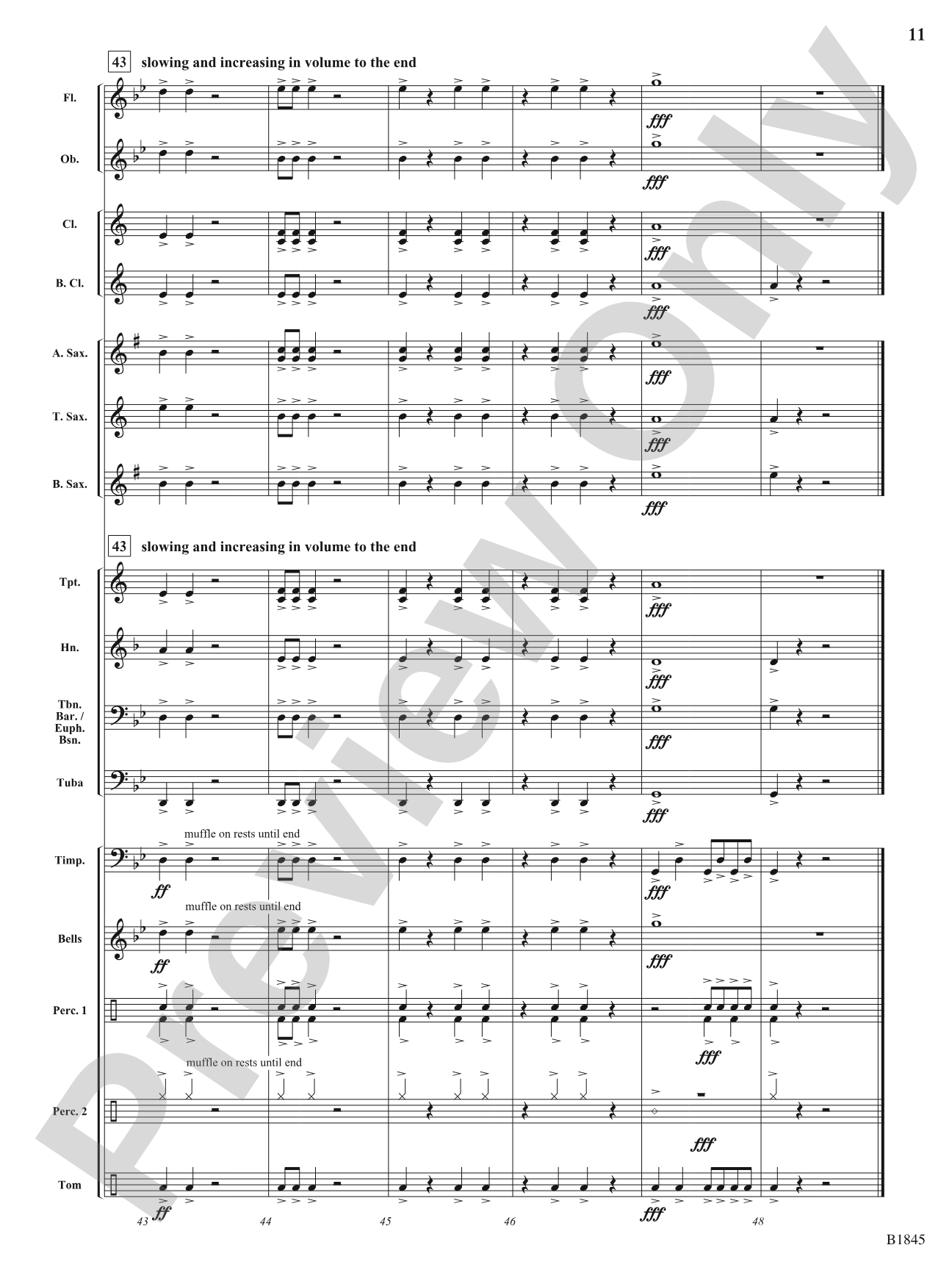
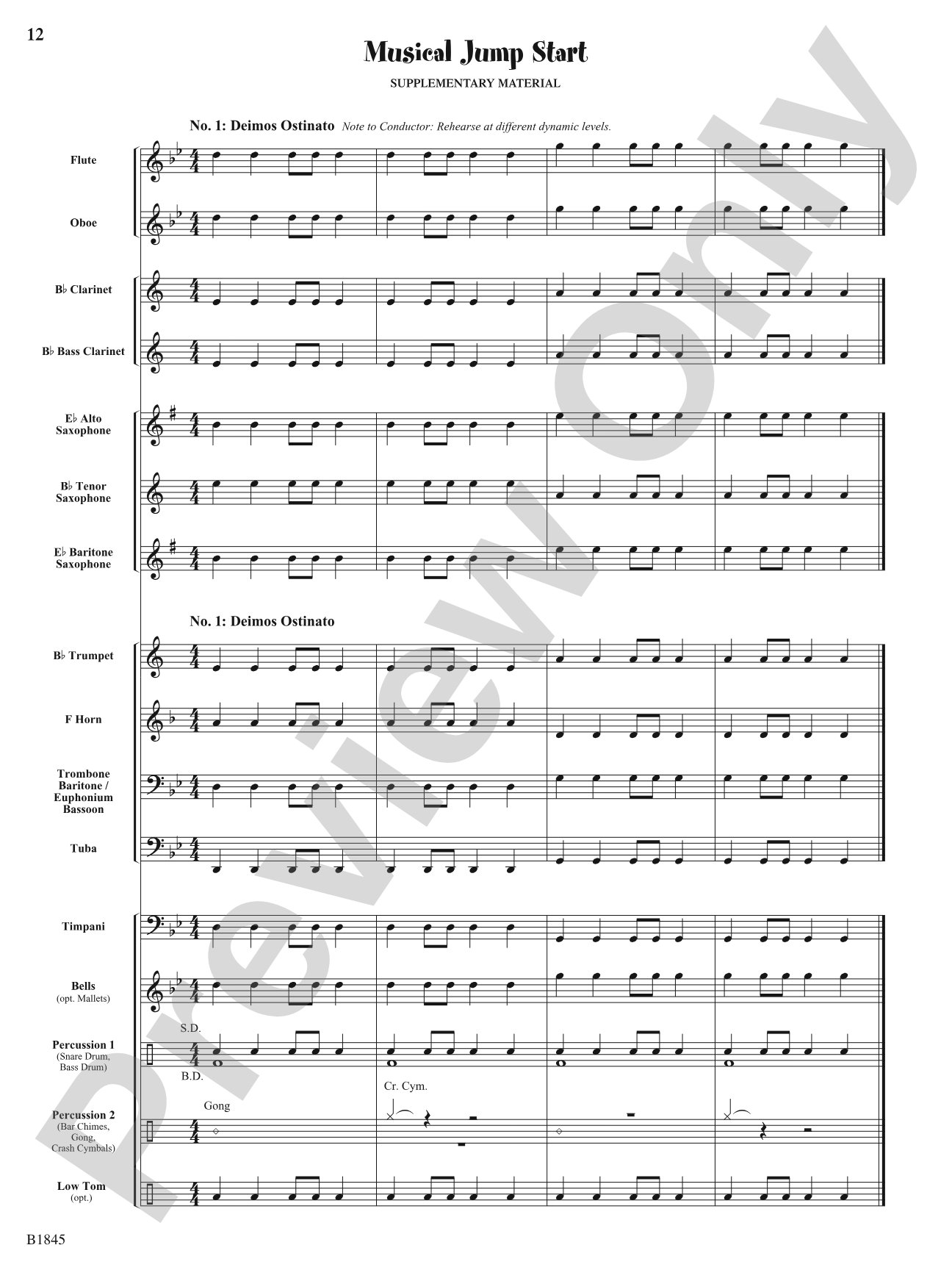
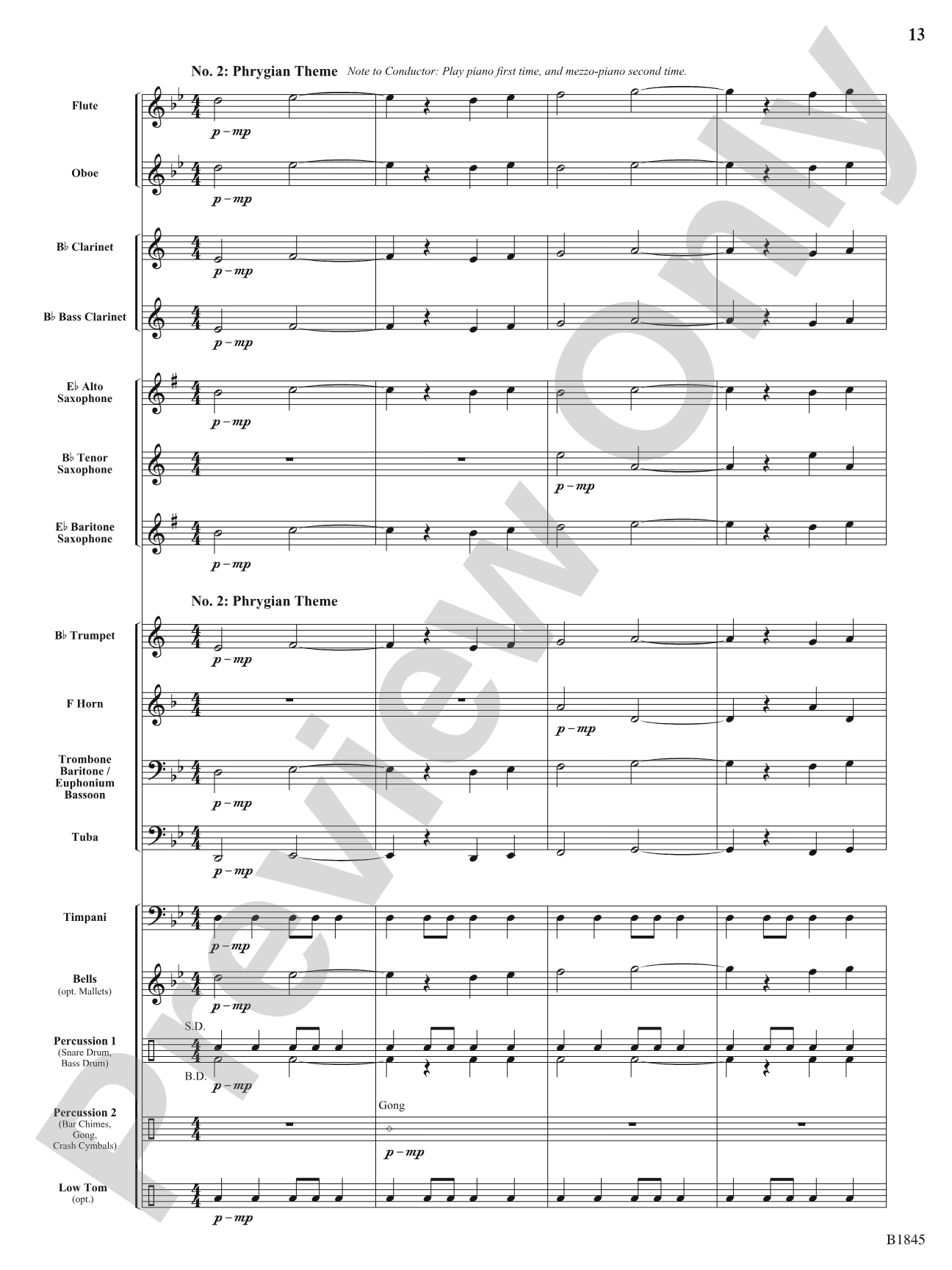
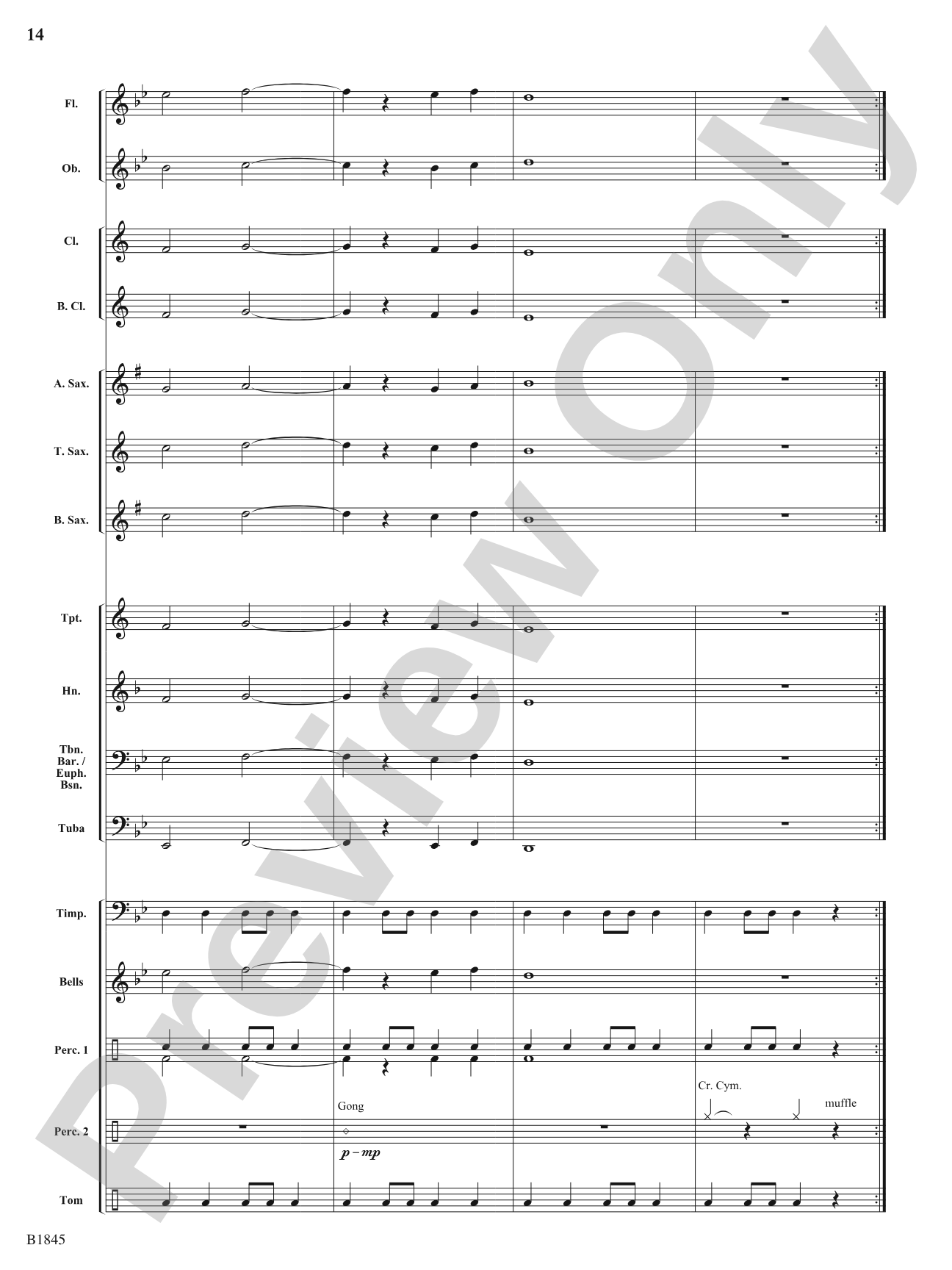

Deimos (Bringer of Terror): Score
Bringer of Terror
By Timothy Loest
Level:.5
Item: 98-DB1845S
$6.00
Pickup currently not available
Description
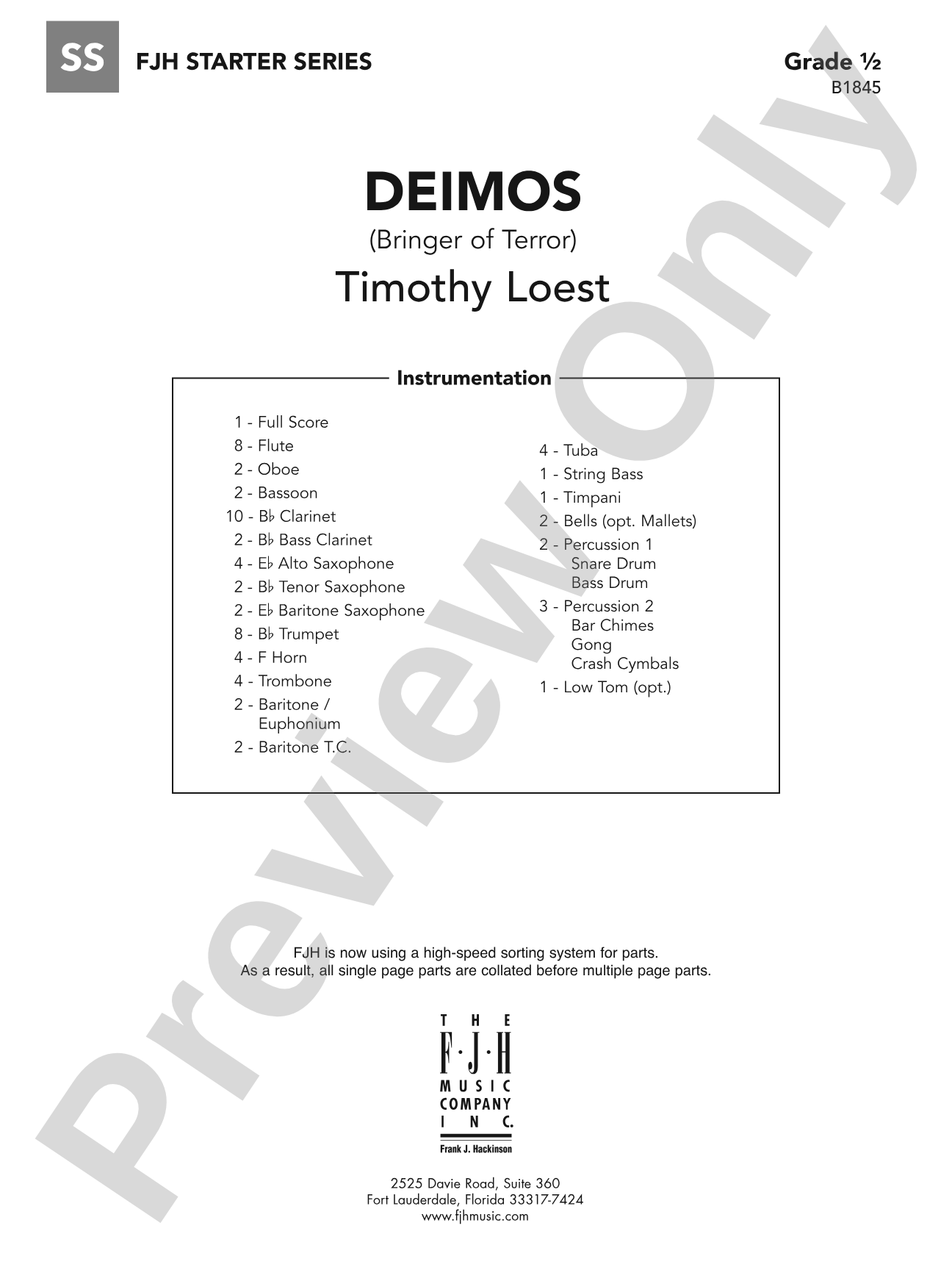
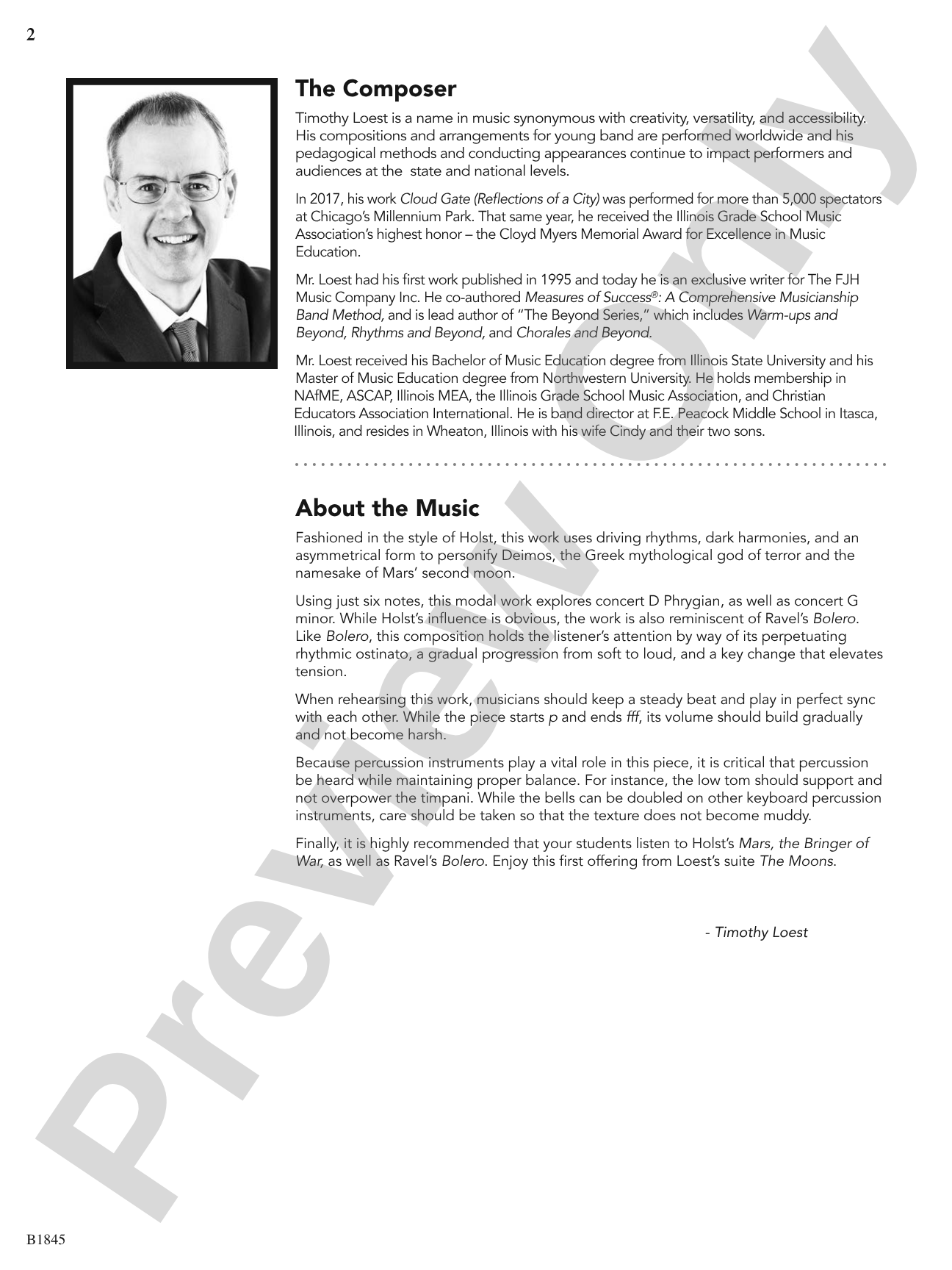
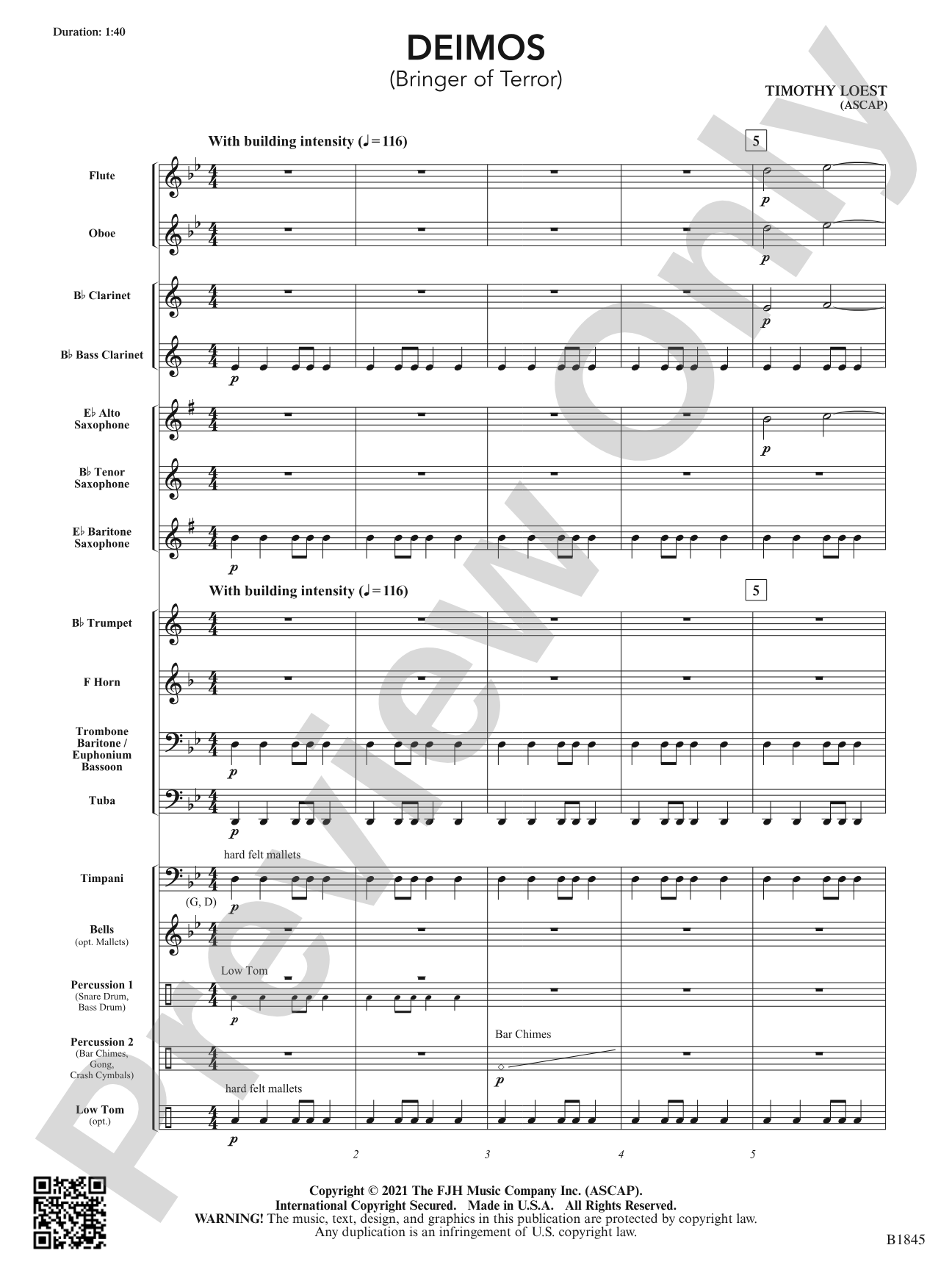
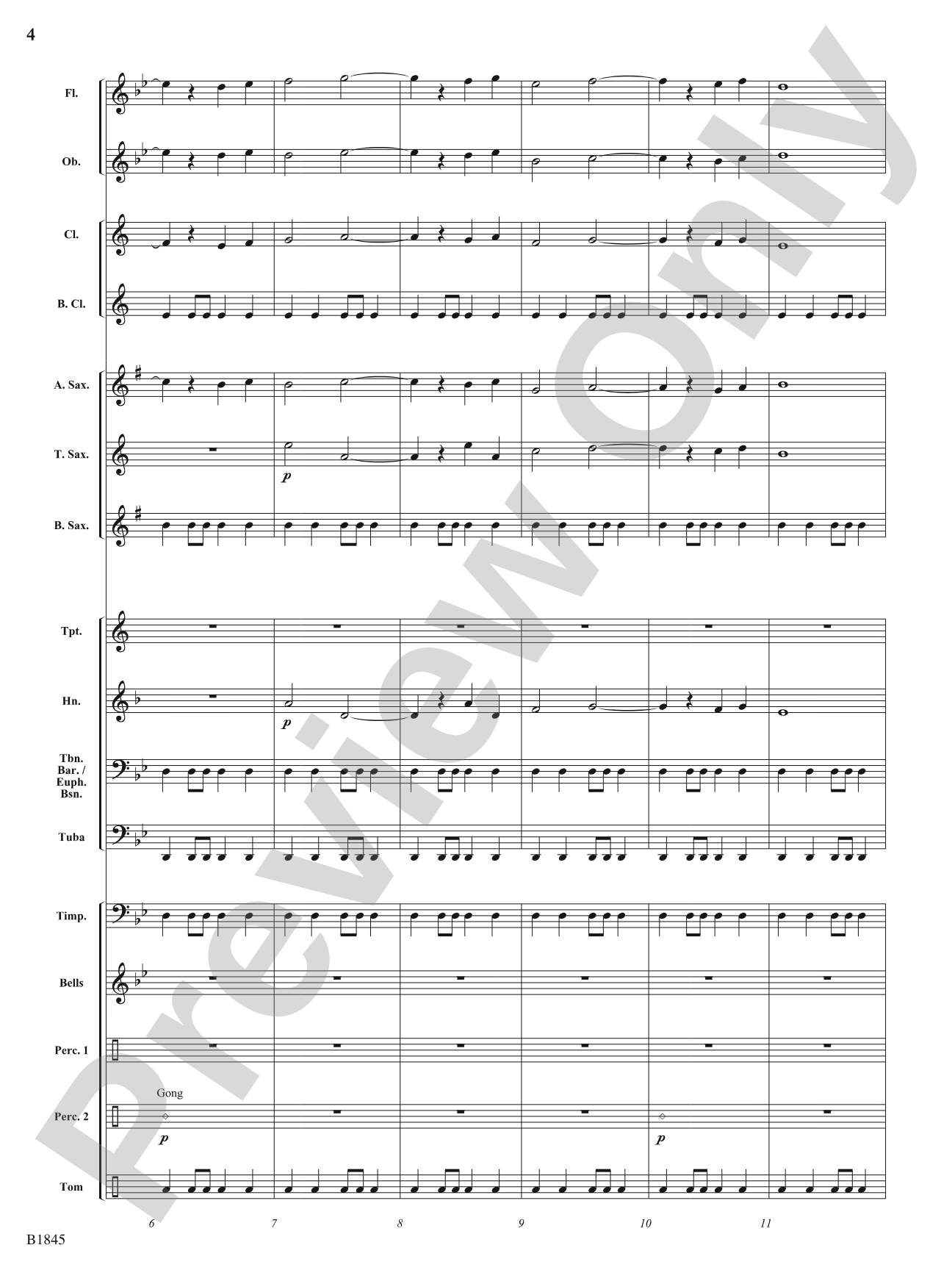
Many know Mars, the Bringer of War. Now meet his diabolical son Deimos, the Bringer of Terror. Fashioned in the style of Holst, this work uses driving rhythms, dark harmonies, and an asymmetrical form to personify Deimos, the Greek mythological god of terror and the namesake of Mars’ second moon. Enjoy this first offering from Loest’s suite The Moons.


Don't just read it, hear it, play along with it, and watch your students grow with it. In MakeMusic Cloud, Deimos (Bringer of Terror): Score comes alive with professional accompaniment, adjustable tempo, and built-in practice tools that turn solo practice into real progress.
Open in the Player
Jump straight in and assign it today.
Start Your Free Trial
Open this title and explore the full library in minutes.
Sample Audio
1
Audio File
--:--
0:00
0:00
Sample Video
Additional Details
Series:
FJH Starter Series
Publisher:
The FJH Music Company, Inc.
SKU:
98-DB1845S
More about this title
About the Composer: Timothy Loest

Timothy Loest has spent over three decades in the classroom at F.E. Peacock Middle School in Itasca, Illinois, where he developed both his compositional voice and deep understanding of young musicians' needs. His works for concert band have reached audiences across the country and internationally; in 2017, over 5,000 people heard his composition Cloud Gate performed at Chicago's Millennium Park. That same year, he received the Illinois Grade School Music Association's Cloyd Myers Memorial Award for Excellence in Music Education.
Loest's catalog spans three decades of publication with major houses including FJH Music Company, C.L. Barnhouse, and others. He is closely associated with best-selling pedagogical resources such as Measures of Success, Warm-ups and Beyond, and Rhythms and Beyond. His music has appeared on network television programs including The Tonight Show Starring Jimmy Fallon and Good Morning America. He holds degrees from Illinois State University and Northwestern University, maintains ASCAP membership, and founded Fanfare Music Press in 2022 to continue publishing high-quality band compositions and arrangements.
Why we love this
Loest captures the mythology and swagger of Holst's Mars while building an entirely new character around Deimos. The driving rhythms and dark harmonic language feel immediately accessible to younger ensembles yet genuinely engaging to perform; there is real compositional craft here, not a simplified knockoff. This piece positions itself perfectly in a concert program where you want impact without overwhelming a developing group.
What to expect
Deimos stalks across the stage in relentless waves of driving rhythm and dissonant color. The asymmetrical form mirrors the chaotic nature of terror itself, never settling into predictable phrases; dark harmonies pulse beneath the surface like an approaching threat. This is the anxious, malevolent younger sibling of Holst's Mars, captured in sound.
Who it's for
This work fits developing concert bands at the Level 0.5 standard, making it ideal for middle school or young high school ensembles. Students at this level gain immediate success with the piece's accessibility while encountering real compositional sophistication in form, harmony, and character work.
How to get the most out of it
- Lock the asymmetrical rhythmic figures early in rehearsal. The irregular phrasing is the character of the piece, not a problem to solve. Once your students feel secure in the rhythm's architecture, the musical story emerges.
- Balance the dark harmonies against clarity. Voicing must be deliberate; muddy sonority will flatten the drama. Spend time on balance within each section before bringing everyone together.
- Shape the driving rhythms with dynamic control rather than just volume. Terrifying doesn't require relentless intensity; strategic articulation and accent choices will serve the mythological narrative better.
How to use it
Program this as a centerpiece for a thematic concert exploring mythology or classical reimagining in modern composition. It pairs beautifully alongside Holst's original Mars to highlight how contemporary composers continue his legacy, or place it in the second half of a concert where you want to shift audience energy from lighter material into something more dramatic.
Skills your students will build
- Maintaining asymmetrical rhythmic phrases without loss of pulse
- Balancing dark harmonic sonorities with textural clarity
- Shaping character through dynamic control and articulation in driving rhythmic contexts
- Reading and executing contemporary compositional forms that diverge from traditional structures