
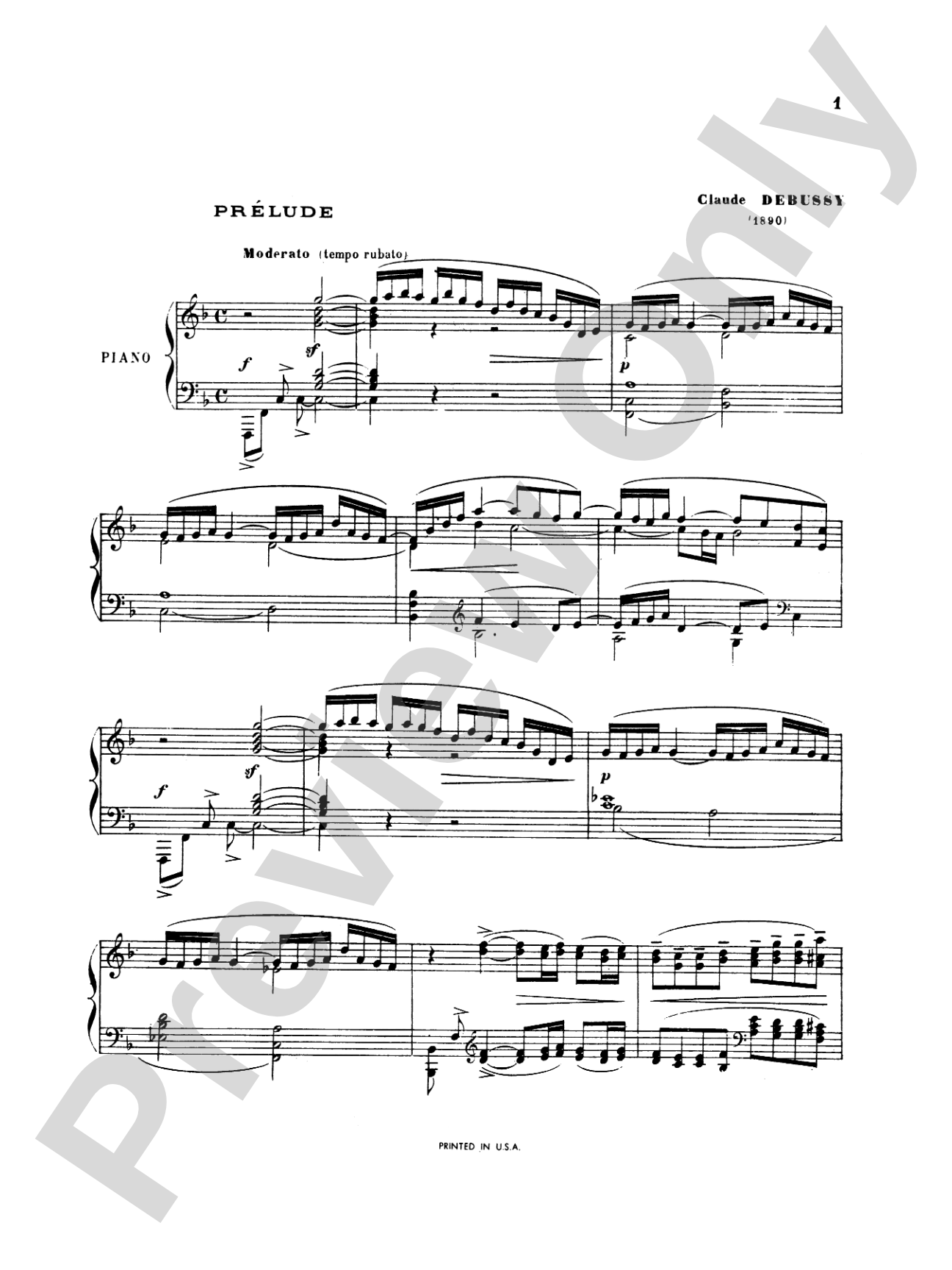
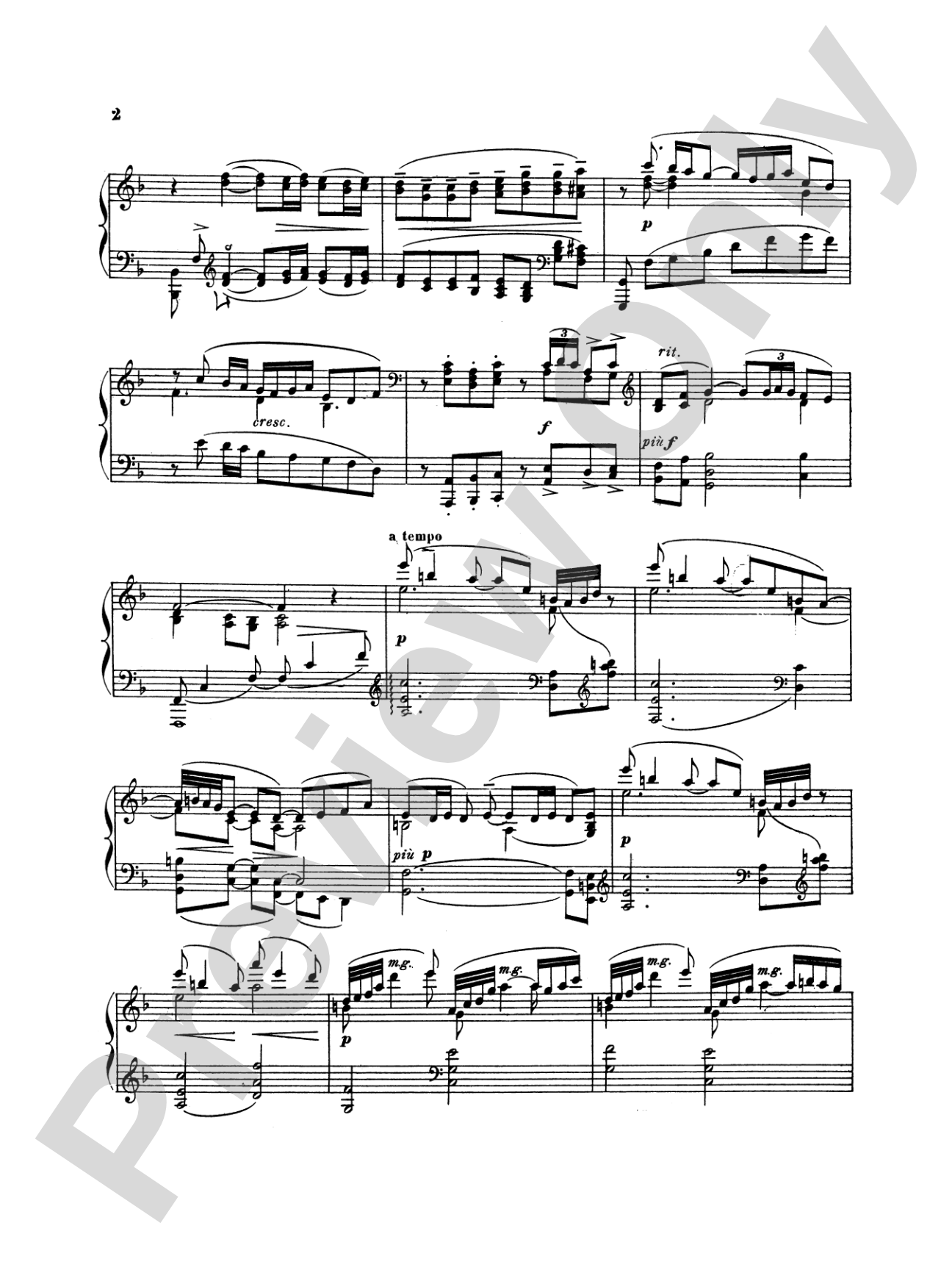
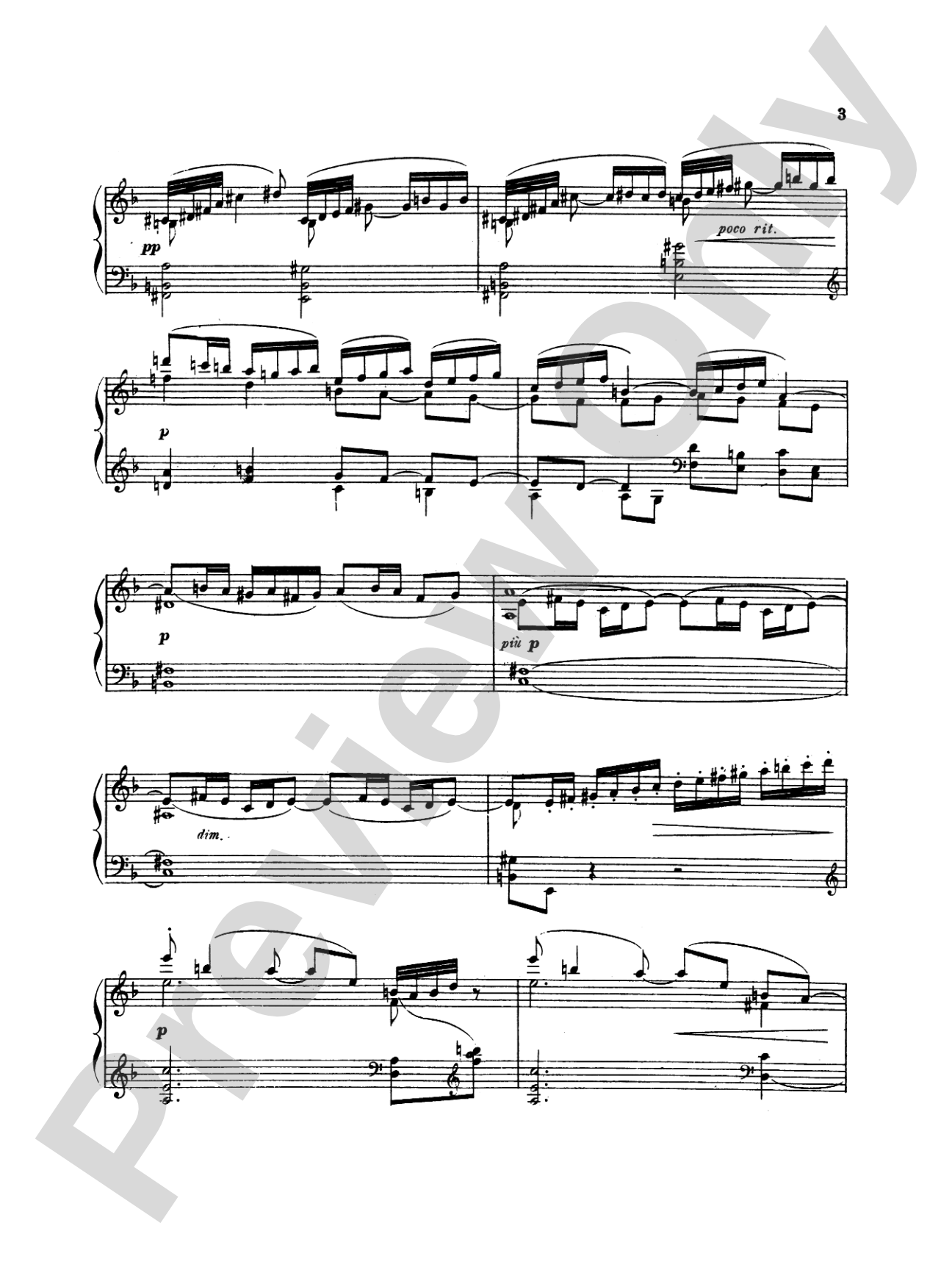
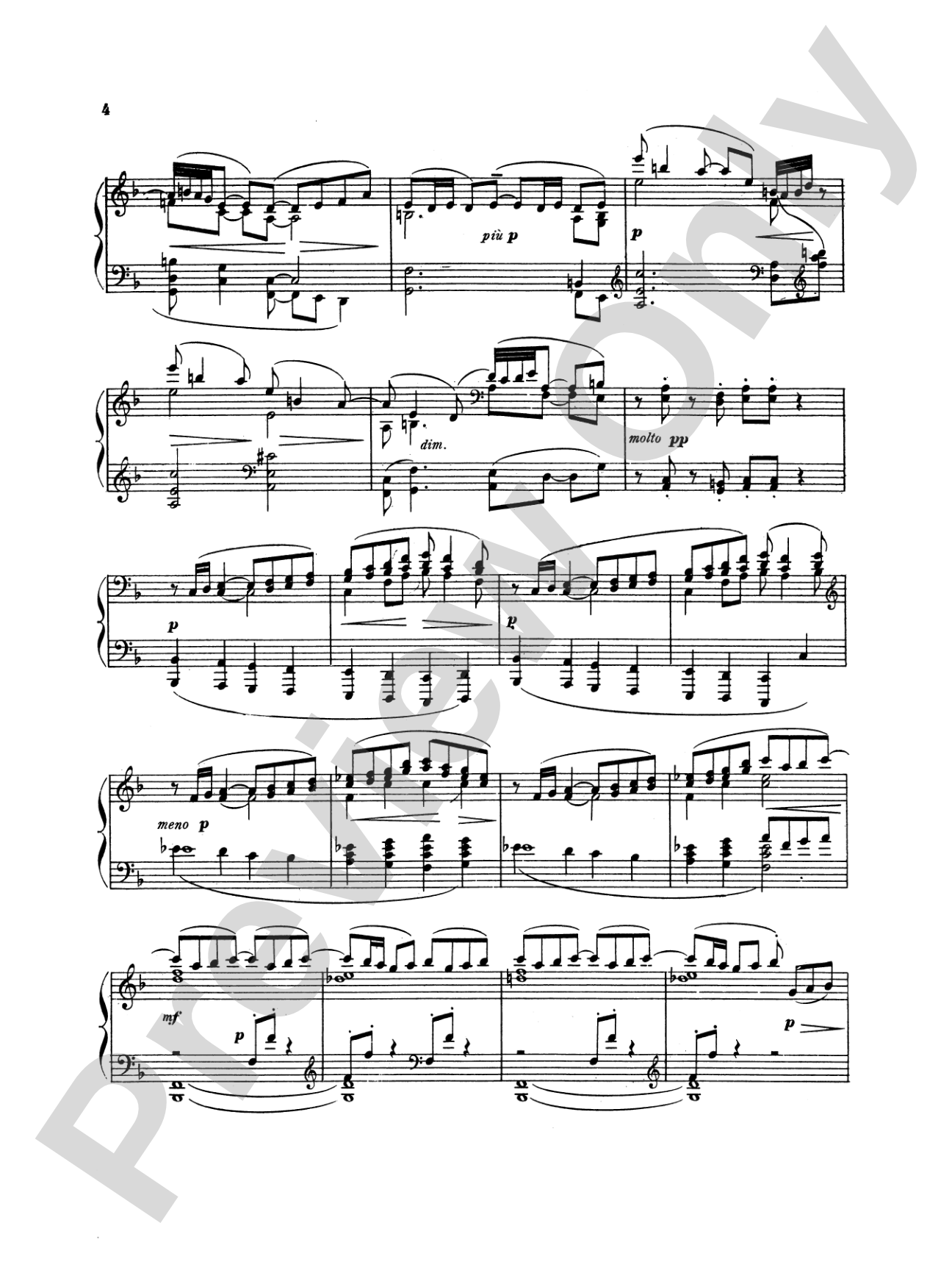

Debussy: Suite Bergamasque, Complete: Piano Book
Urtext Edition
By Claude Debussy
Level: Advanced
Item: 00-PK-0003061

$9.99
Pickup currently not available
Buy Extra Parts (Digital PDF Download)
| Product | Price | Quantity |
|---|---|---|
| Debussy: Suite Bergamasque, Complete | $1.99 | |
| Debussy: Suite Bergamasque, Complete | $1.99 | |
| Debussy: Suite Bergamasque, Complete | $1.99 | |
| Debussy: Suite Bergamasque, Complete | $1.99 |
Parts Added to Cart!
Related Items
Suite Bergamasque, Complete: Piano Book |
$9.95
|
View |
Description
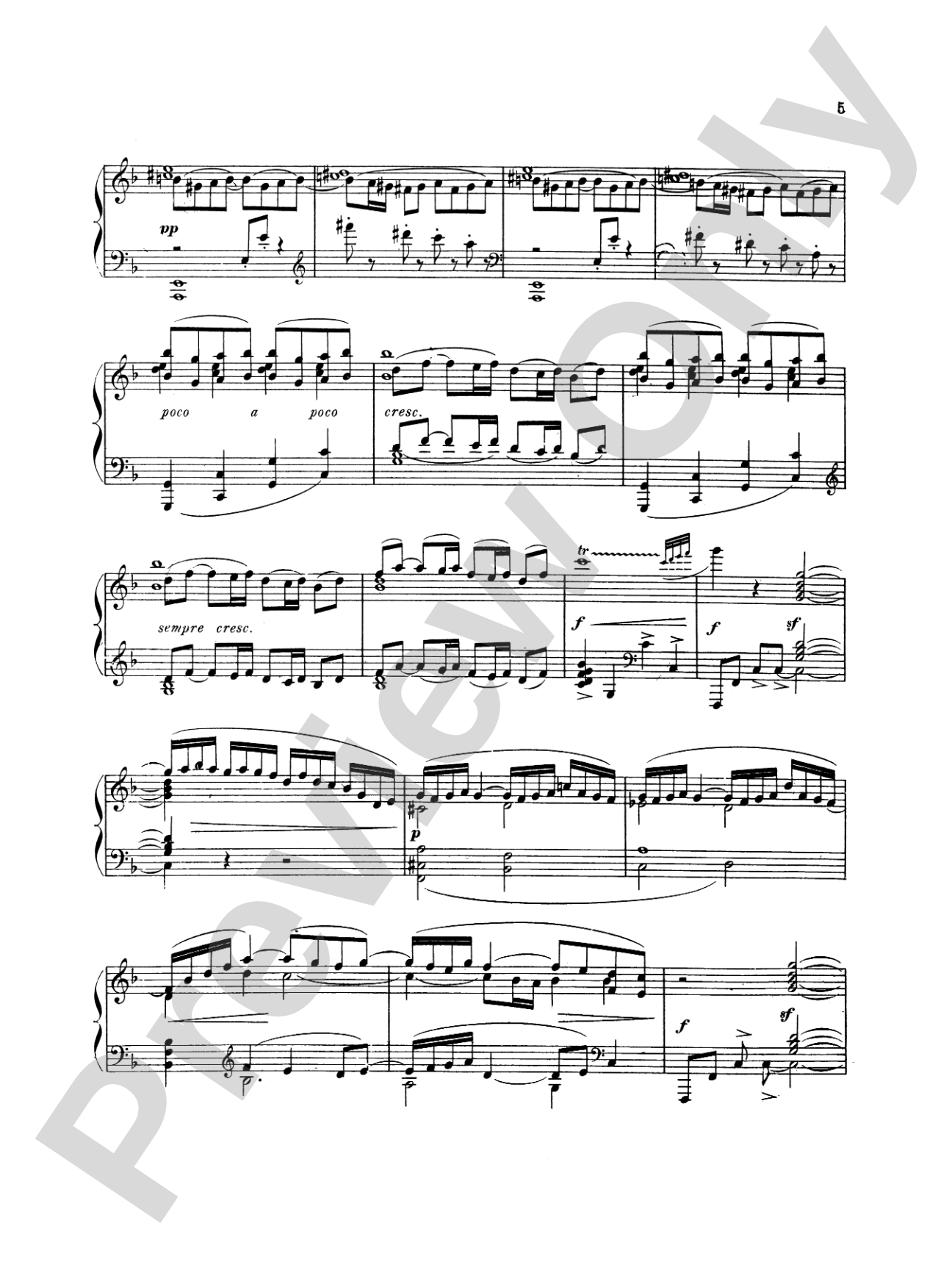
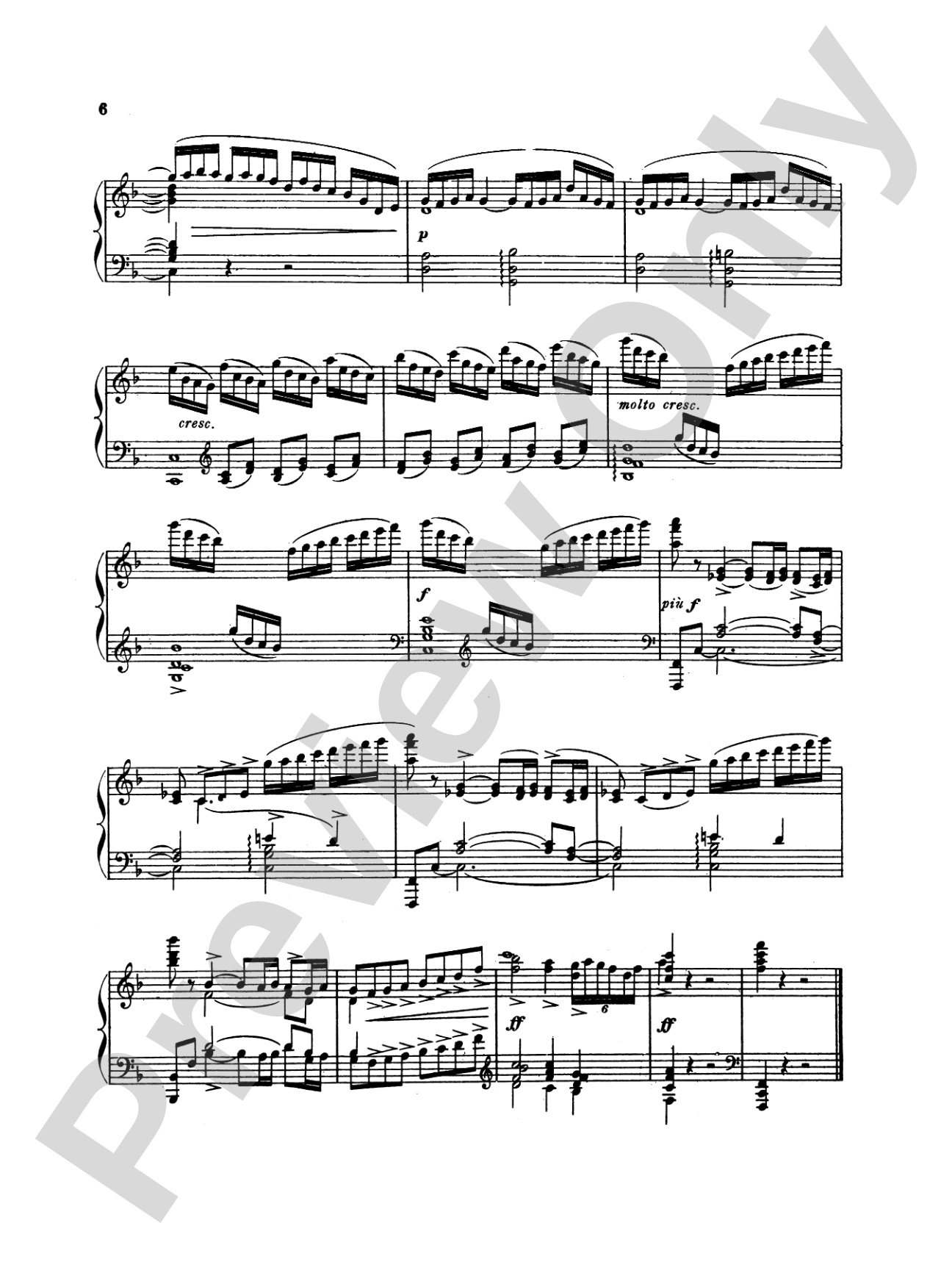
This is the Urtext Edition. Titles: Prélude * Menuet * Clair de Lune * Passepied.


Don't just read it, hear it, play along with it, and watch your students grow with it. In MakeMusic Cloud, Debussy: Suite Bergamasque, Complete: Piano Book comes alive with professional accompaniment, adjustable tempo, and built-in practice tools that turn solo practice into real progress.
Open in the Player
Jump straight in and assign it today.
Start Your Free Trial
Open this title and explore the full library in minutes.
Sample Audio
No sample audio found.
Sample Video
No sample videos found.
Additional Details
Series:
Kalmus Edition
Publisher:
Alfred Music
Page Count:
32
SKU:
00-PK-0003061
More about this title
About the Composer: Claude Debussy
Claude Debussy (1862, 1918) fundamentally changed how composers approached harmony, texture, and form. Rather than viewing music through the architectural lens of sonata structures, he treated the piano as an instrument capable of evoking color, atmosphere, and impressionistic imagery. His innovations in voicing, pedal technique, and harmonic ambiguity became foundational to twentieth-century piano writing and continue to shape how advanced pianists think about sound production.
Debussy's approach to teaching through composition remains vital to music education. His works demand that students develop refined listening skills, cultivate independence between hands, and understand how structural clarity can coexist with impressionistic surfaces. For advanced pianists, learning his language is essential preparation for understanding modern repertoire across all genres.
Why we love this
Suite Bergamasque offers pianists a complete, cohesive journey through Debussy's most intimate and accessible masterworks without sacrificing musical substance. The Urtext edition ensures performers encounter Debussy's actual notation, free from editorial intervention, which is crucial when teaching students to recognize the compositional choices that define impressionistic piano writing.
What to expect
Suite Bergamasque unfolds like a series of impressionist landscapes viewed through a half-light: delicate and precise, yet emotionally elusive. Clair de Lune's famous moon-lit meditation anchors the collection, while the rhythmic buoyancy of Prélude and Passepied frames it with wit and refinement; Menuet provides contemplative depth between moments of shimmer and motion.
Who it's for
Advanced pianists preparing ambitious recital programs, music majors deepening their understanding of early modernist piano writing, and experienced teachers seeking an authoritative score for coaching advanced students through works that blend technical demand with sophisticated harmonic language.
How to get the most out of it
- Treat pedal as an instrument rather than a sustain tool; Debussy's sonorities depend on precise pedal changes synchronized with harmonic shifts, not blanket dampening.
- Investigate the printed dynamics and articulation marks scrupulously; they are rarely arbitrary and often signal shifts in register, color, or emotional terrain.
- Shape phrases through tone color and weight distribution rather than tempo manipulation; impressionistic music typically resists traditional rubato in favor of timbral subtlety.
- Listen to multiple recordings before practicing to develop sonic reference points; Debussy's notation requires interpretive choices that benefit from exposure to how different pianists balance clarity and atmosphere.
How to use it
Program Suite Bergamasque as a standalone recital work for advanced pianists or excerpt individual movements alongside other impressionistic or early modernist repertoire to contextualize Debussy's harmonic innovations. The complete suite also serves as the foundation for masterclasses on pedal technique, harmonic analysis, and the relationship between notation and sonic imagination in early twentieth-century piano literature.
Skills your students will build
- Executing precise pedal changes in relation to harmonic and registral shifts
- Rendering impressionistic texture through color and weight rather than traditional dynamic shaping
- Reading and interpreting sparse but intentional articulation and phrasing marks
- Balancing technical figuration with atmospheric sound production
- Understanding harmonic function in music that moves beyond traditional tonal progressions