
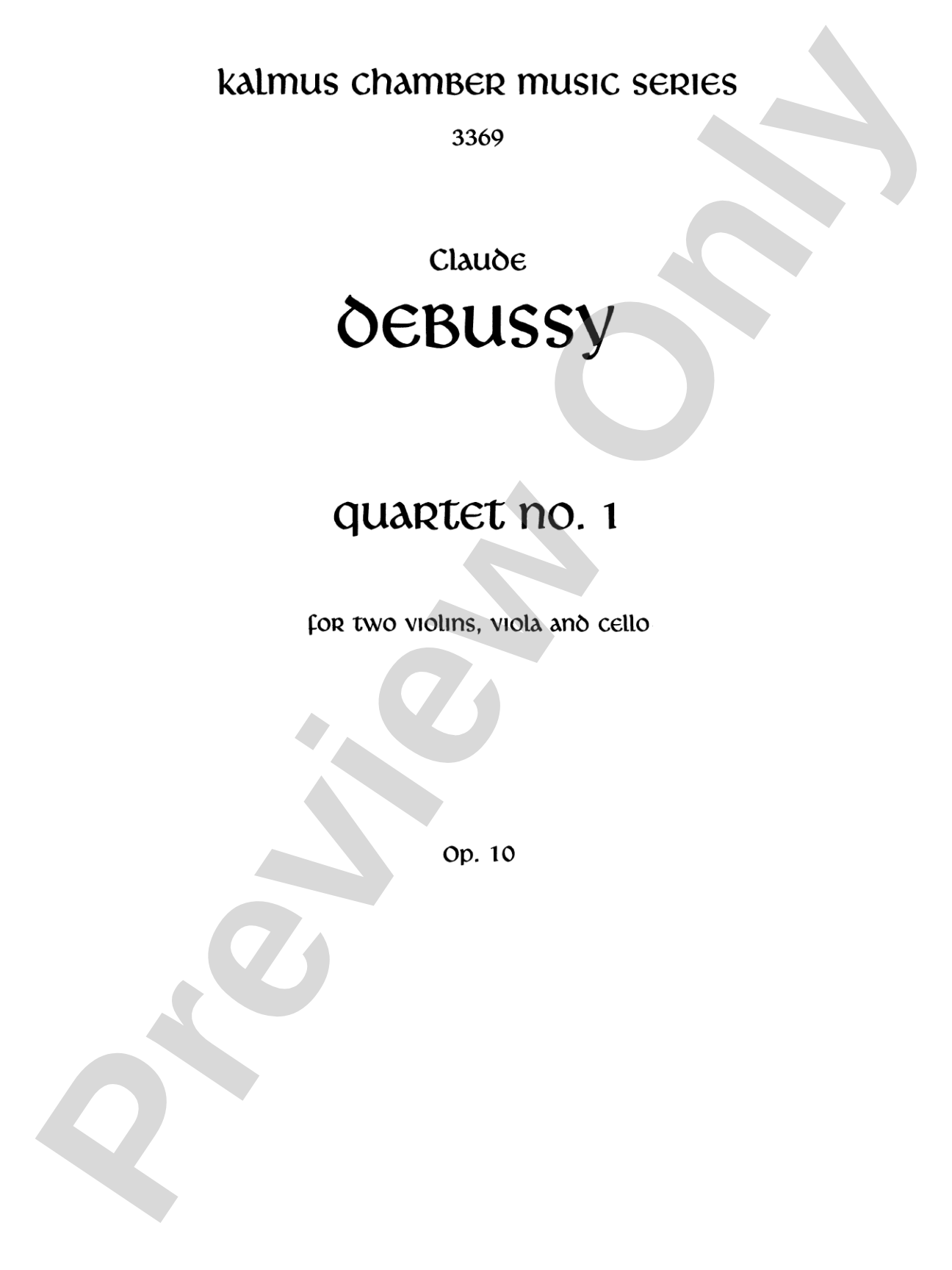
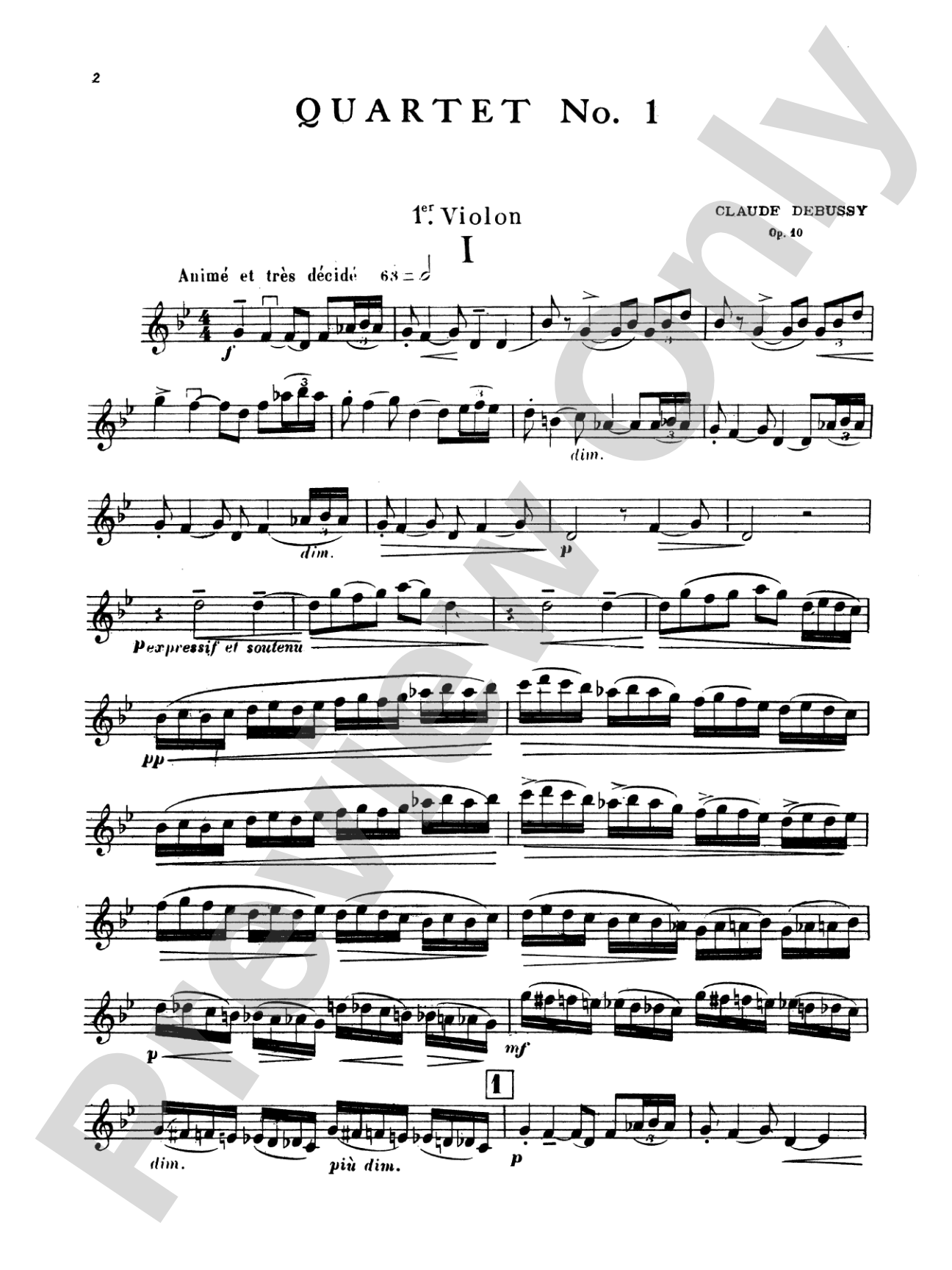
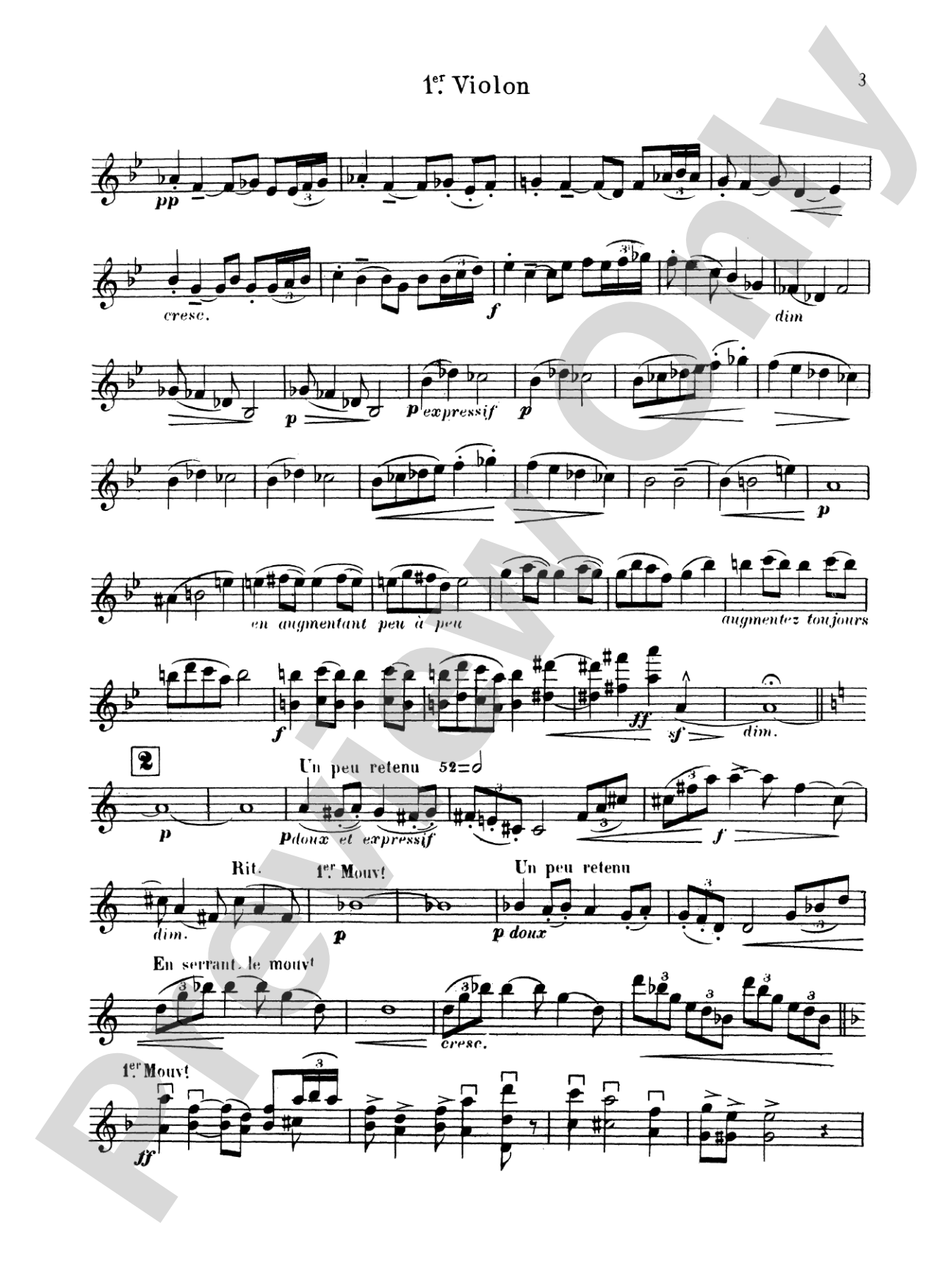
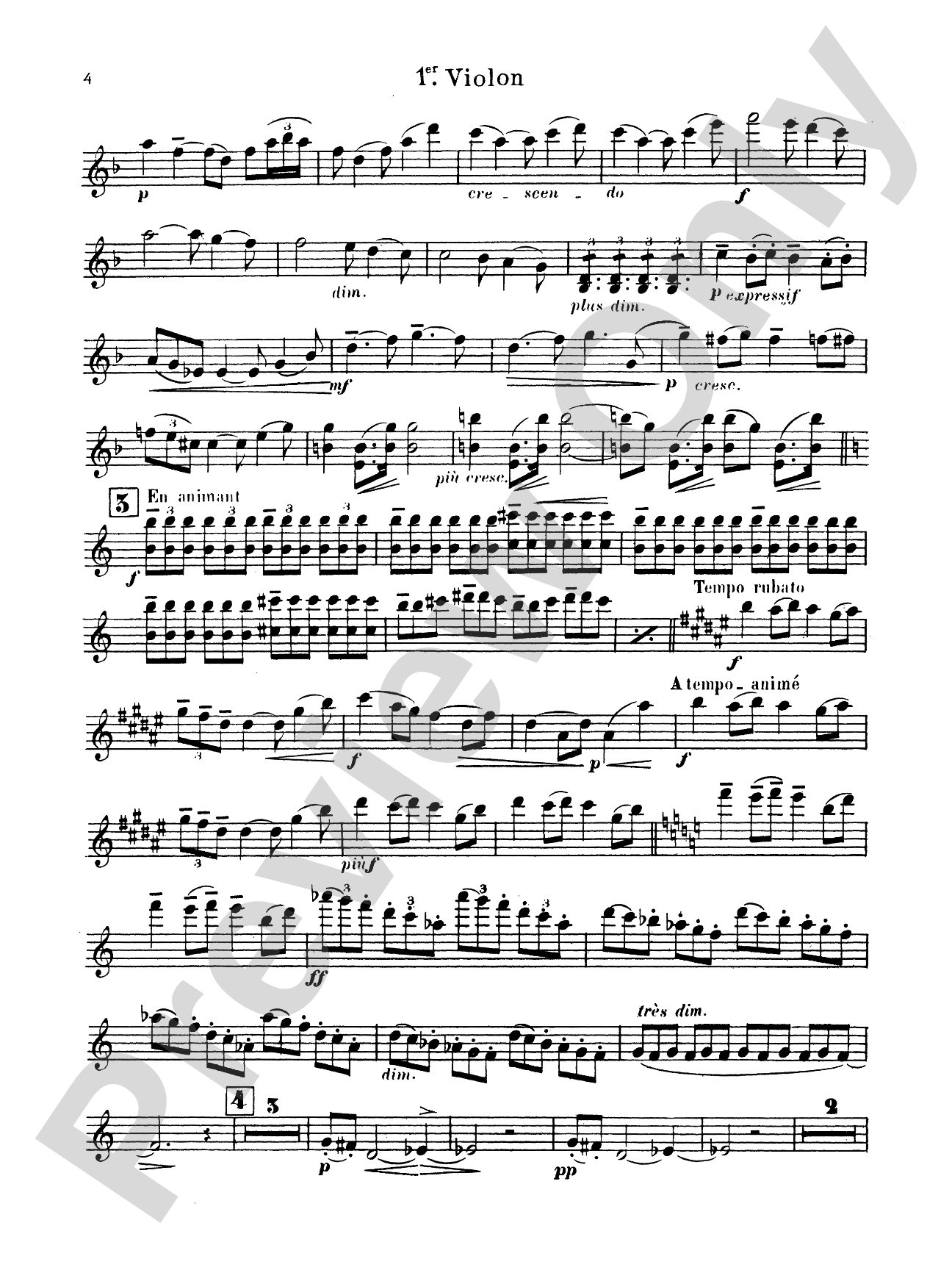
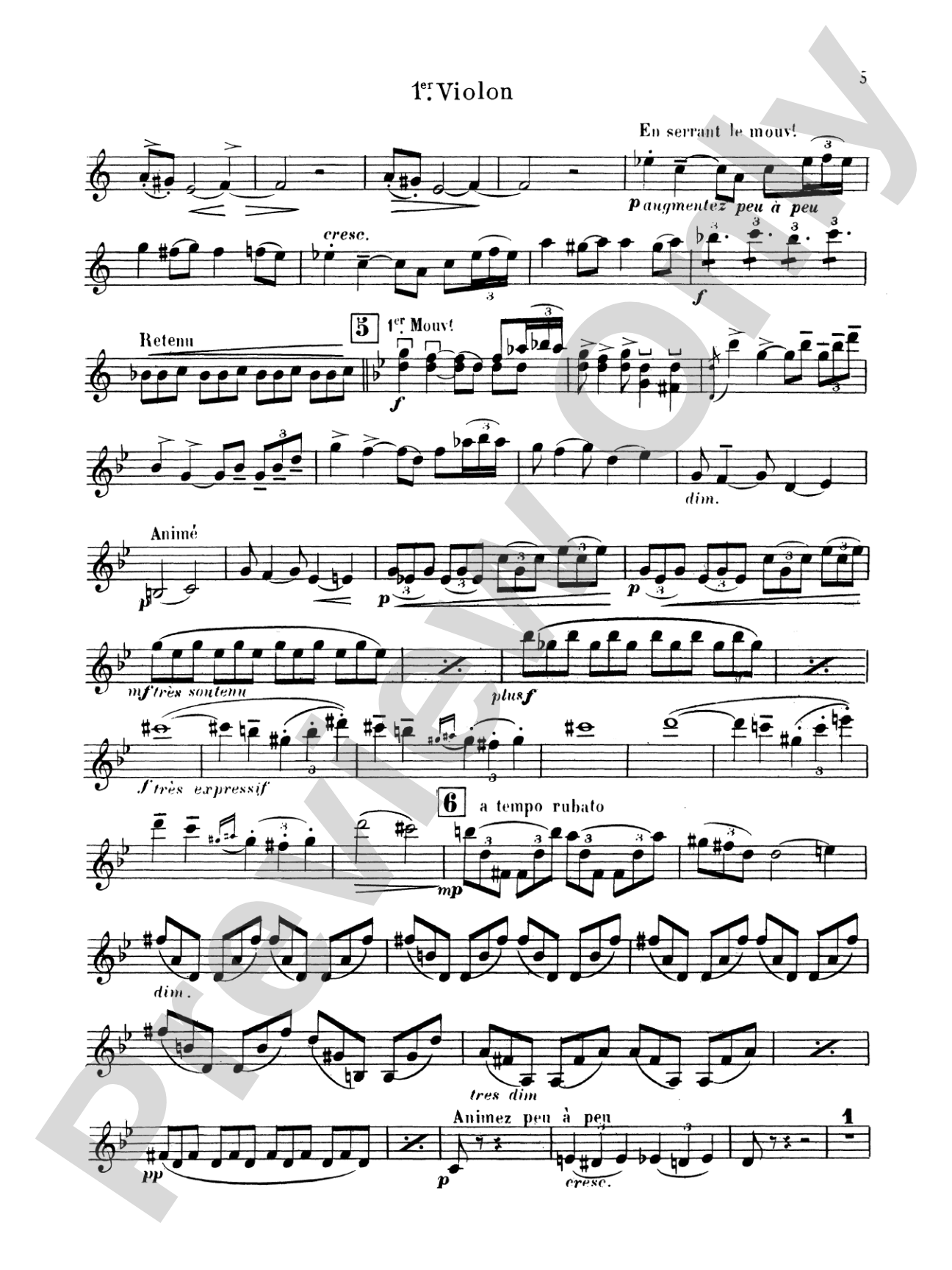
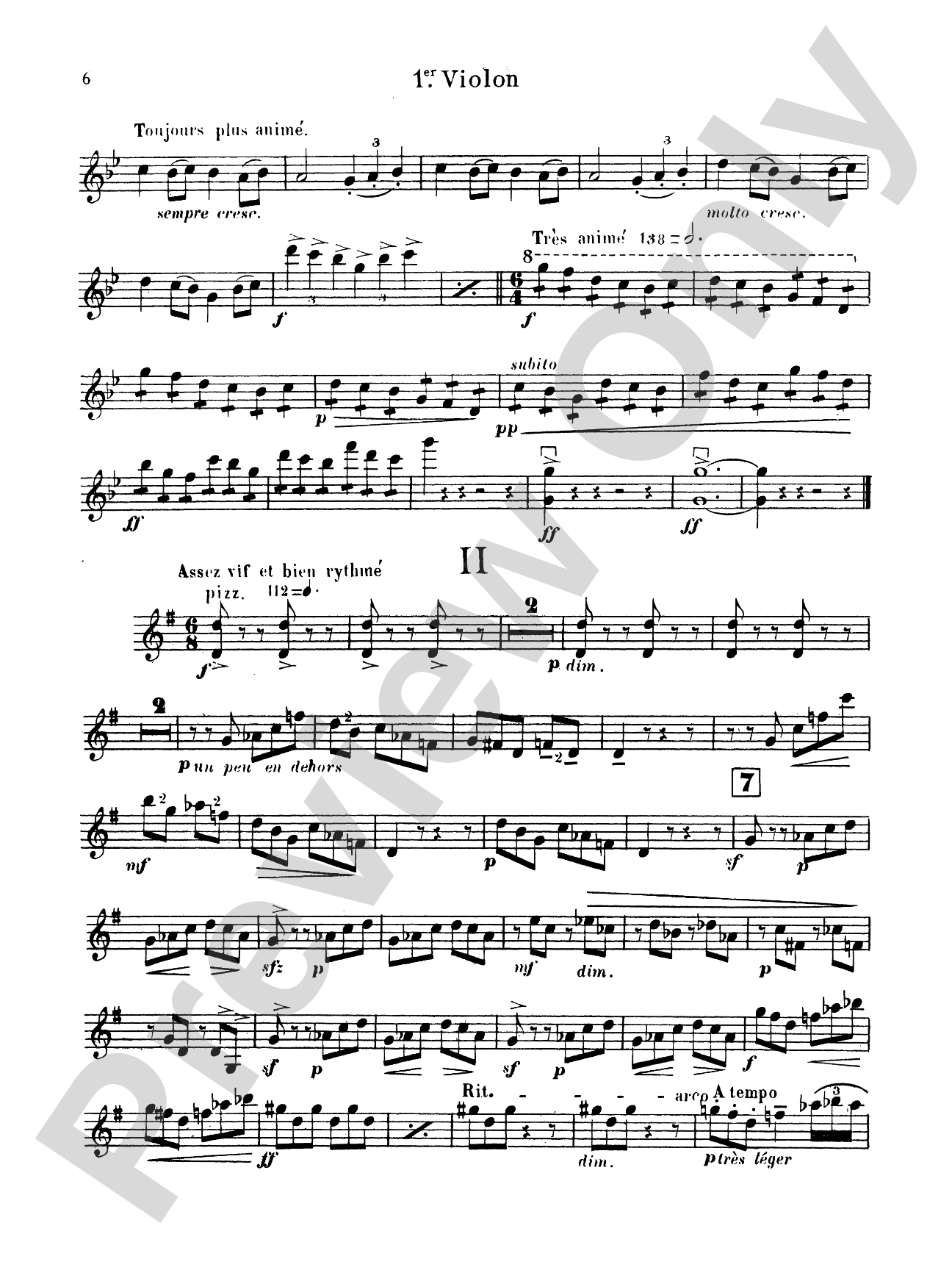
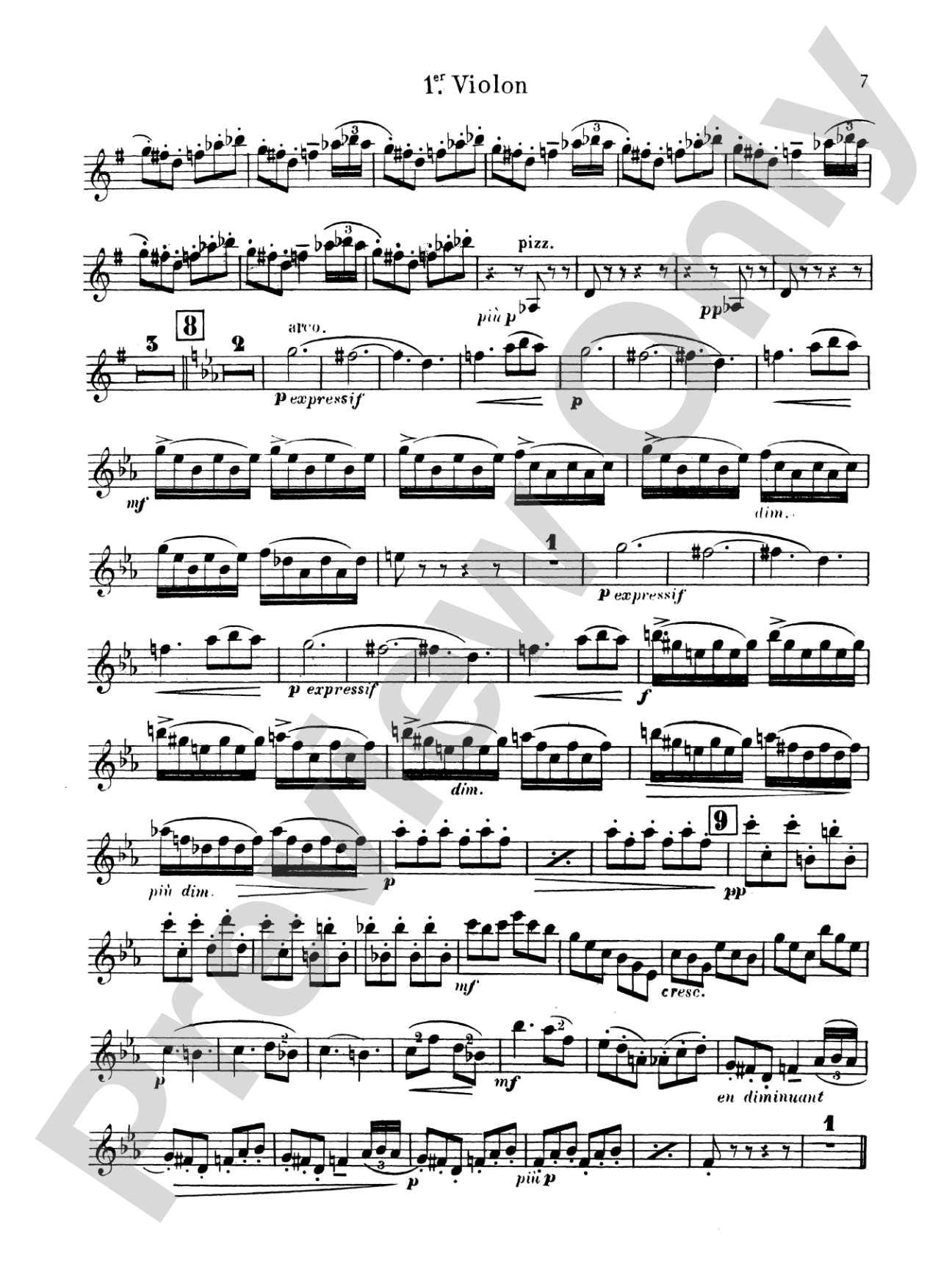
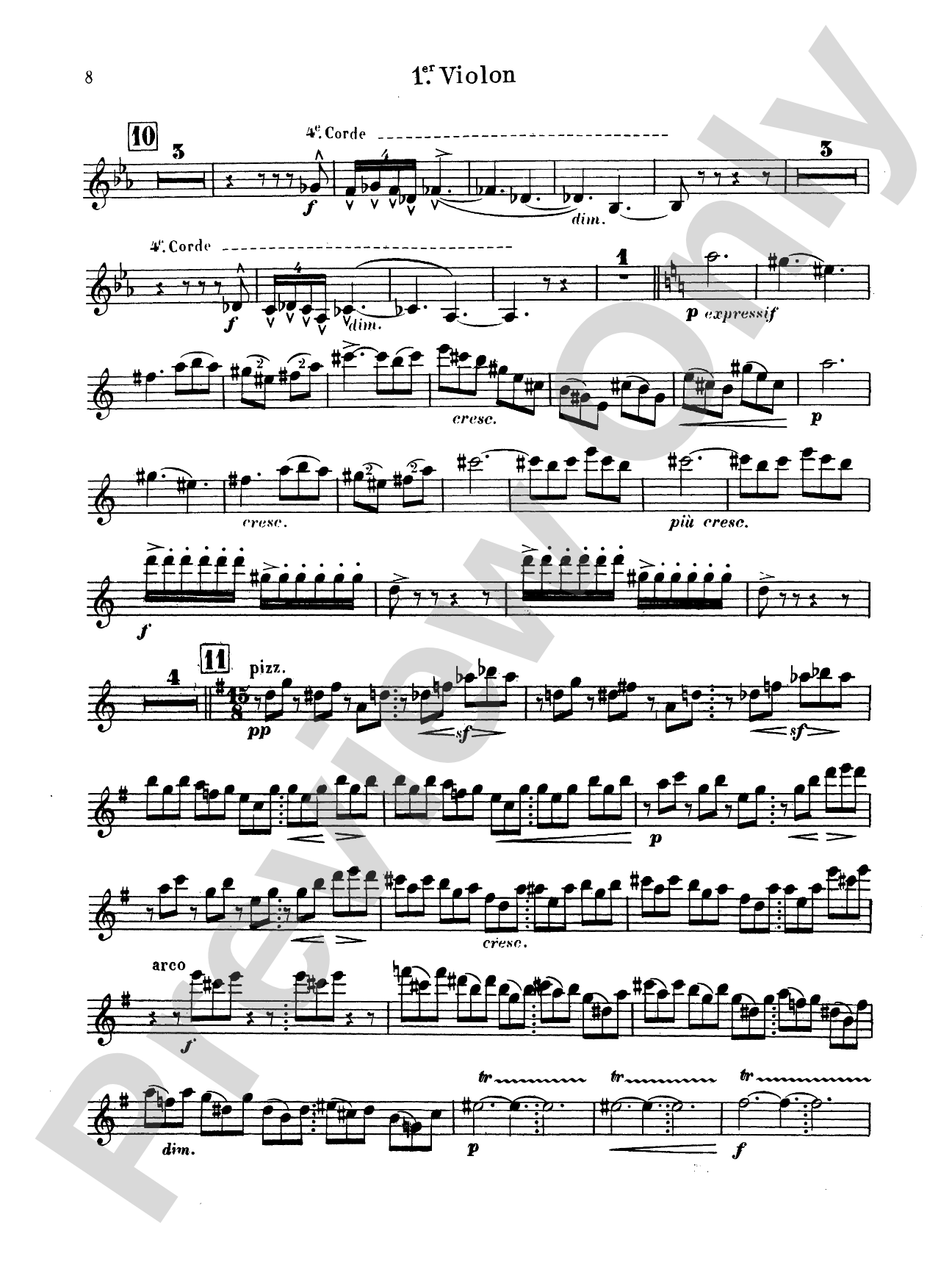
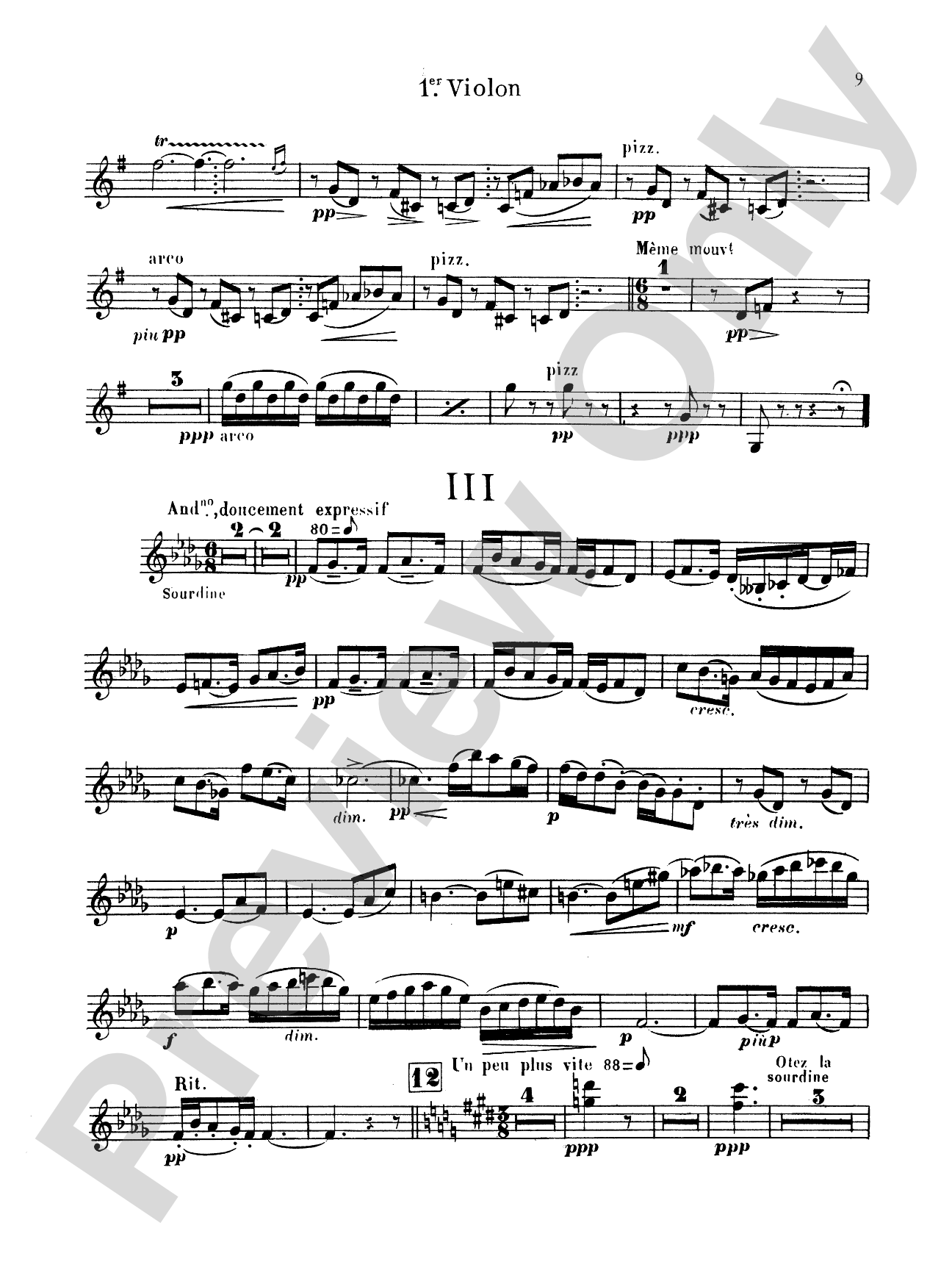
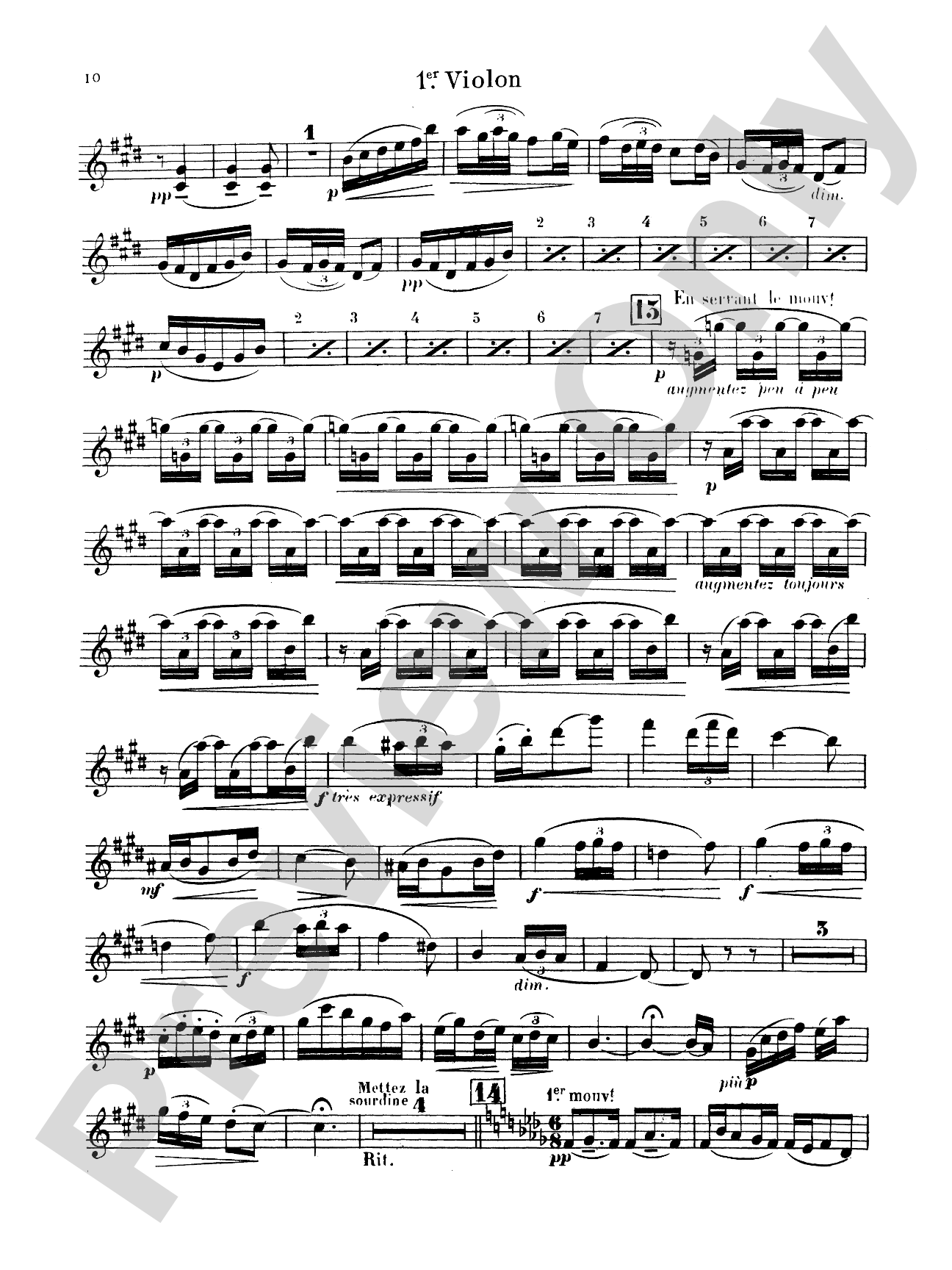
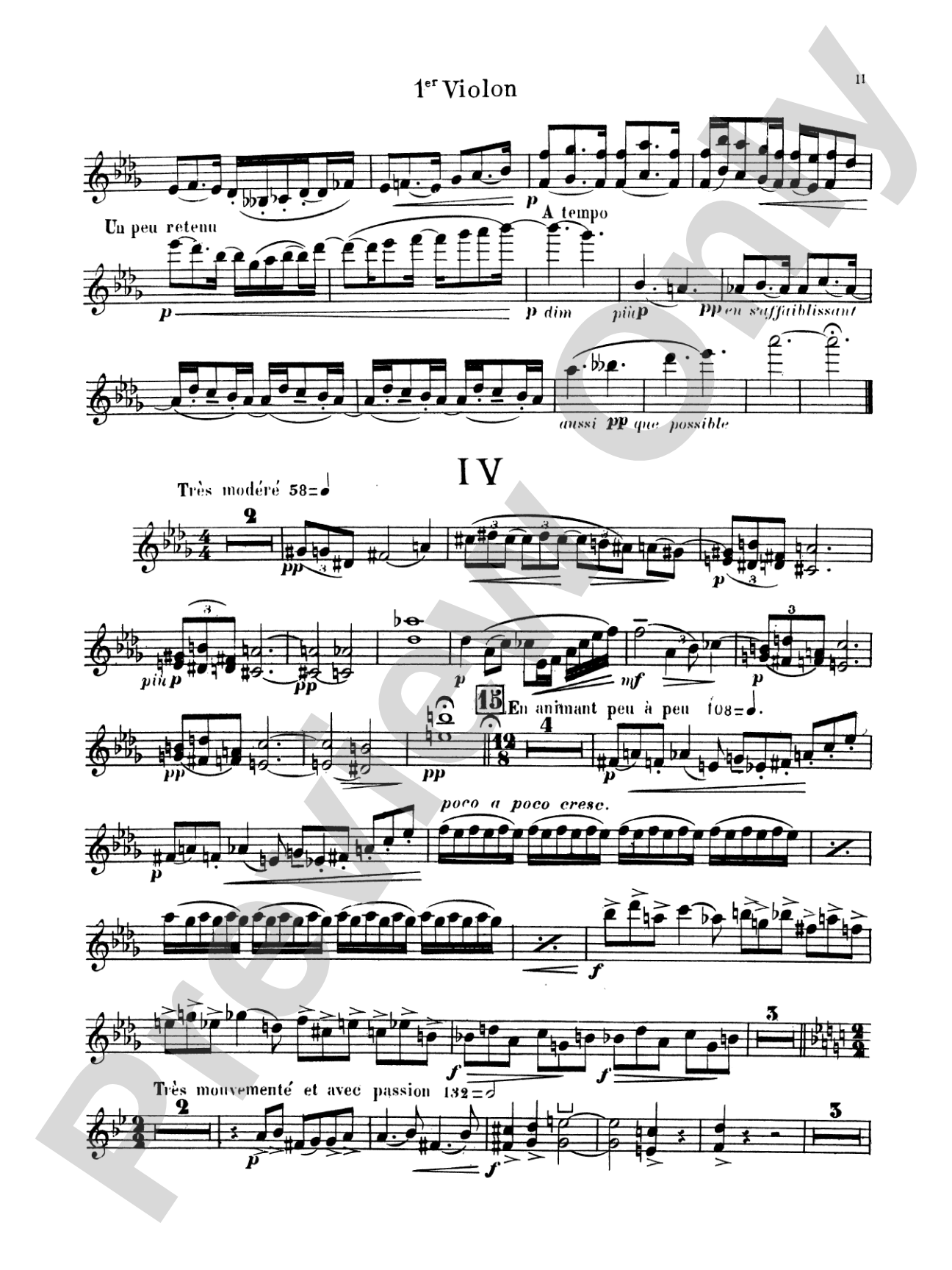
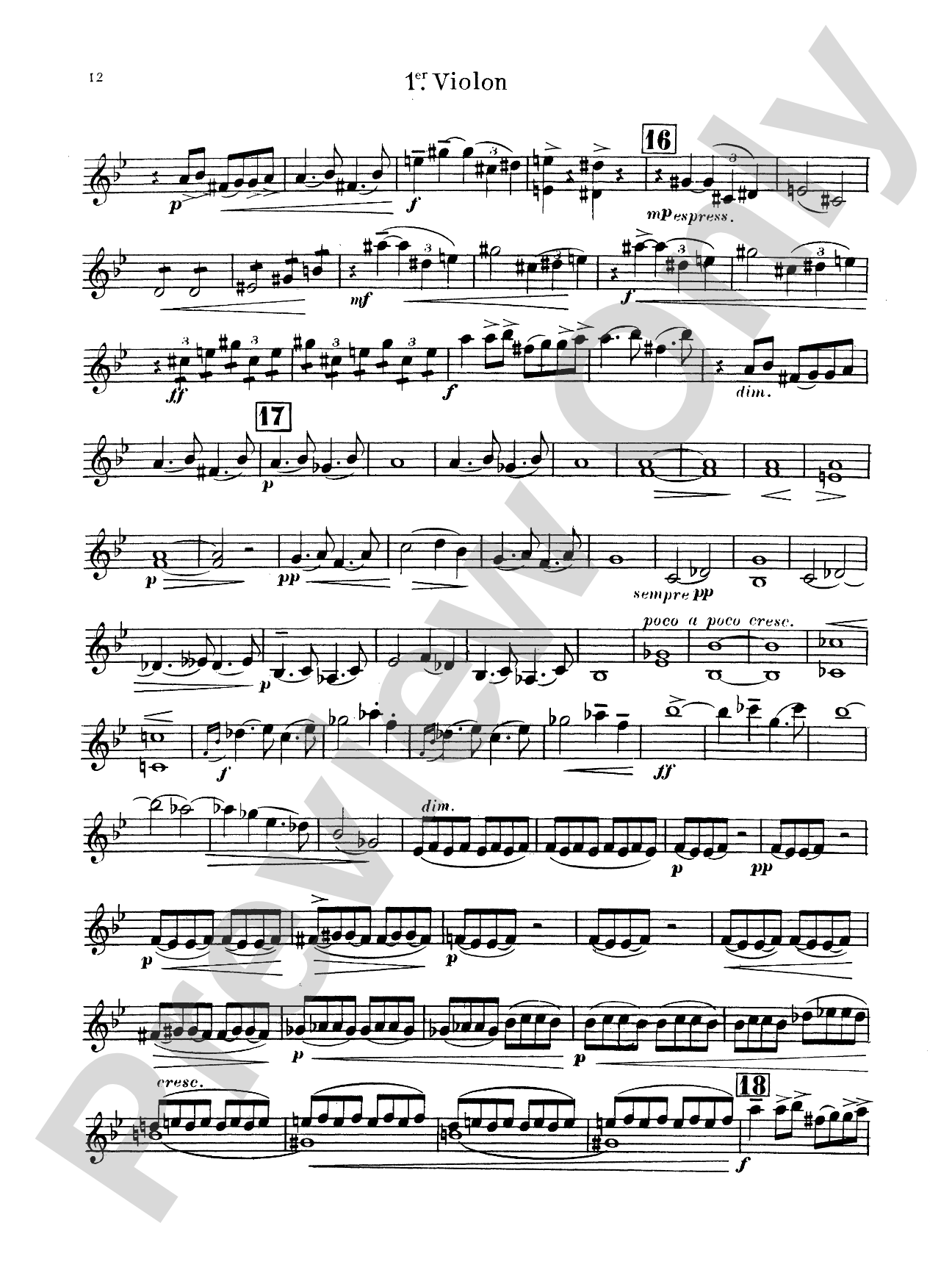
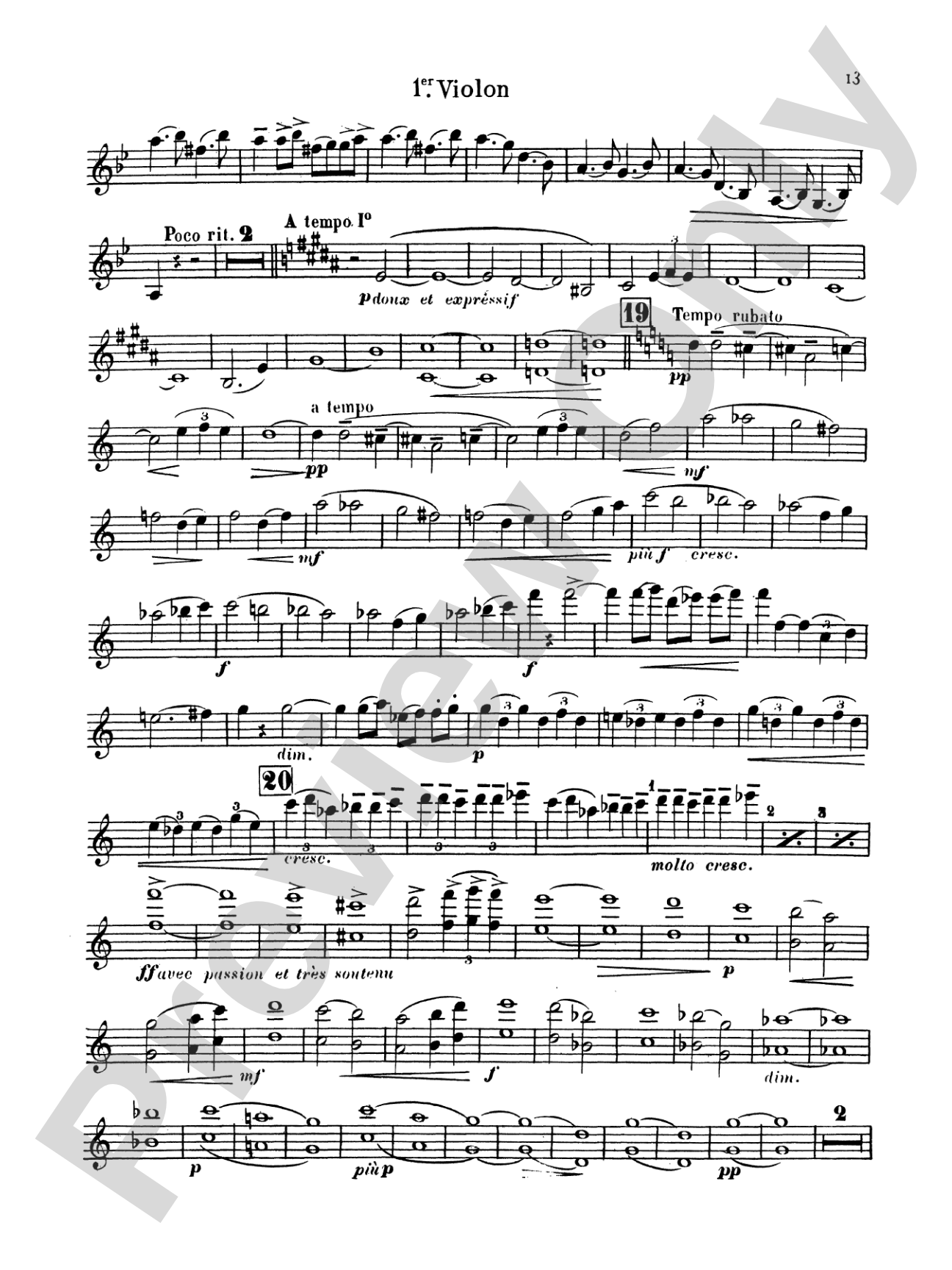
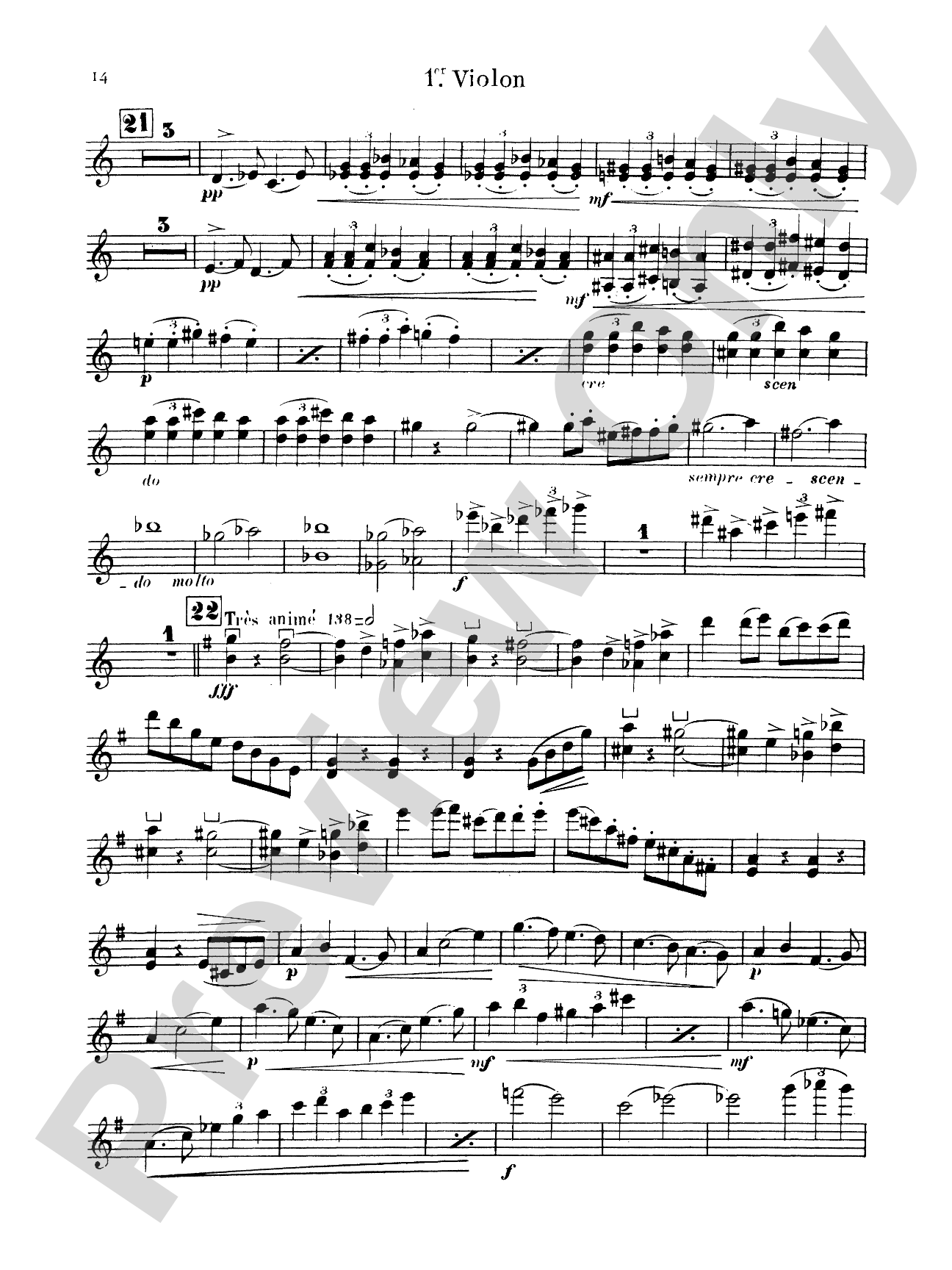
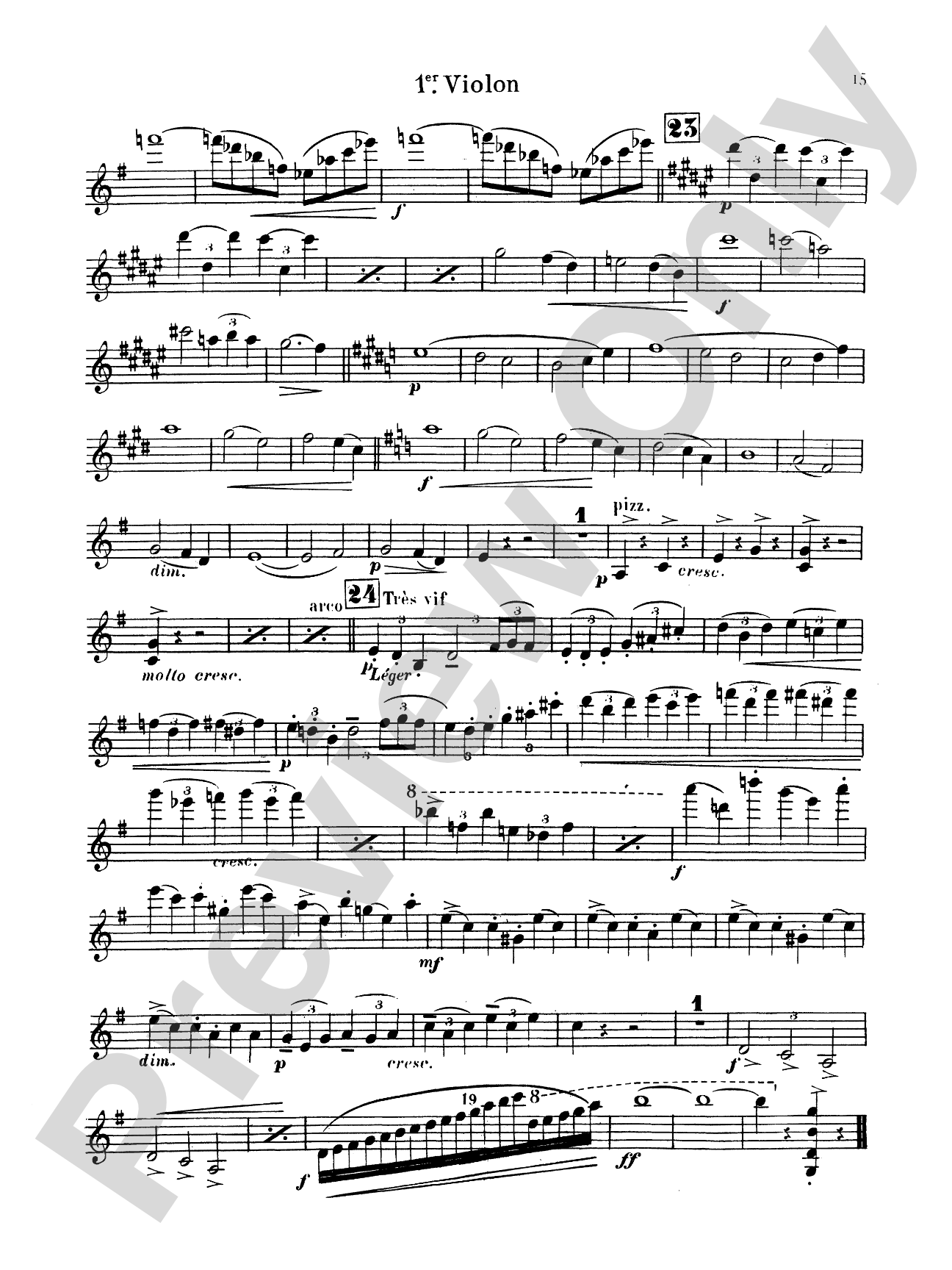


Debussy: String Quartet, Op. 10: String Quartet Book
For Two Violins, Viola and Cello
By Claude Debussy
Item: 00-PK-0003044

$17.99
Pickup currently not available
Buy Extra Parts (Digital PDF Download)
| Product | Price | Quantity |
|---|---|---|
| Debussy: String Quartet, Op. 10 | $3.99 | |
| Debussy: String Quartet, Op. 10 | $3.99 | |
| Debussy: String Quartet, Op. 10 | $3.99 | |
| Debussy: String Quartet, Op. 10 | $3.99 |
Parts Added to Cart!
Related Items
String Quartet, Opus 10: String Quartet Book |
$17.95
|
View |
Description
Expertly arranged string quartet from our Kalmus Edition.


Don't just read it, hear it, play along with it, and watch your students grow with it. In MakeMusic Cloud, Debussy: String Quartet, Op. 10: String Quartet Book comes alive with professional accompaniment, adjustable tempo, and built-in practice tools that turn solo practice into real progress.
Open in the Player
Jump straight in and assign it today.
Start Your Free Trial
Open this title and explore the full library in minutes.
Sample Audio
No sample audio found.
Sample Video
No sample videos found.
Additional Details
Series:
Kalmus Edition
Publisher:
Alfred Music
Page Count:
64
SKU:
00-PK-0003044
More about this title
About the Composer: Claude Debussy
Claude Debussy (1862-1918) revolutionized Western music by breaking from traditional harmonic rules and embracing the expressive possibilities of timbre, texture, and subtle color shifts. His compositional innovations created an entirely new sound world, one that influenced generations of composers across multiple genres. In the classroom and rehearsal hall, his work teaches musicians how to listen differently—to value sonority as a compositional material equal to melody and harmony.
Why we love this
Debussy's String Quartet remains the gateway to impressionistic chamber music for advanced students and a perennial contest favorite because it refuses easy answers. The work demands genuine listening and collaboration from every player; there are no moments where one musician can coast on autopilot. Programming it signals serious artistic intent while offering an unforgettable experience for ensemble and audience alike.
What to expect
Debussy's quartet unfolds like a dream half-remembered; themes shimmer into focus and dissolve, harmonic ground shifts beneath your fingers, and traditional expectations give way to pure sensory experience. The opening undulates with gentle mystery; the scherzo dances with an almost surreal lightness; the finale builds from whispered gestures into urgent, driving energy. Playing it feels like discovering a new palette of colors you didn't know existed.
Who it's for
Advanced string quartets preparing for chamber music festivals, competitions, or concert performances will find this Kalmus Edition a reliable, accessible score. Music educators introducing serious young musicians to 20th-century chamber repertoire and impressionistic harmony benefit from having a clean, legible text. Quartets ready to move beyond standard Romantic repertoire into genuinely challenging modern works.
How to get the most out of it
- Attend closely to dynamic shading within passages that appear static on the surface; Debussy's impressionistic writing rewards a willingness to find infinite gradations between pp and p.
- Balance transparency with blend in the opening theme, letting each voice contribute distinctly to the overall harmonic wash without sacrificing ensemble cohesion.
- Approach tempo relationships between movements as fluid rather than metronomic; the quartet's architecture depends on breathing space and flexible phrasing across formal boundaries.
- Experiment with bow speed and pressure to shape the characteristic wavering, ethereal textures that define the second movement.
How to use it
Position this work as a centerpiece on a chamber concert exploring early 20th-century innovation, pairing it with Ravel's quartets or works by Debussy's contemporaries for maximum context and impact. In a festival or competition setting, it signals maturity and serious preparation. For educational outreach, program it alongside accessible orchestral works by Debussy to help audiences understand his harmonic language across different ensembles.
Skills your students will build
- Impressionistic harmonic language and non-traditional voice leading
- Ensemble balance and blend in open, transparent textures
- Flexibility in tempo and meter without losing structural coherence
- Attention to timbre and sonority as primary compositional elements
- Control of dynamic nuance across a wide range of expression
- Collaborative listening and response to colleagues' phrasing