
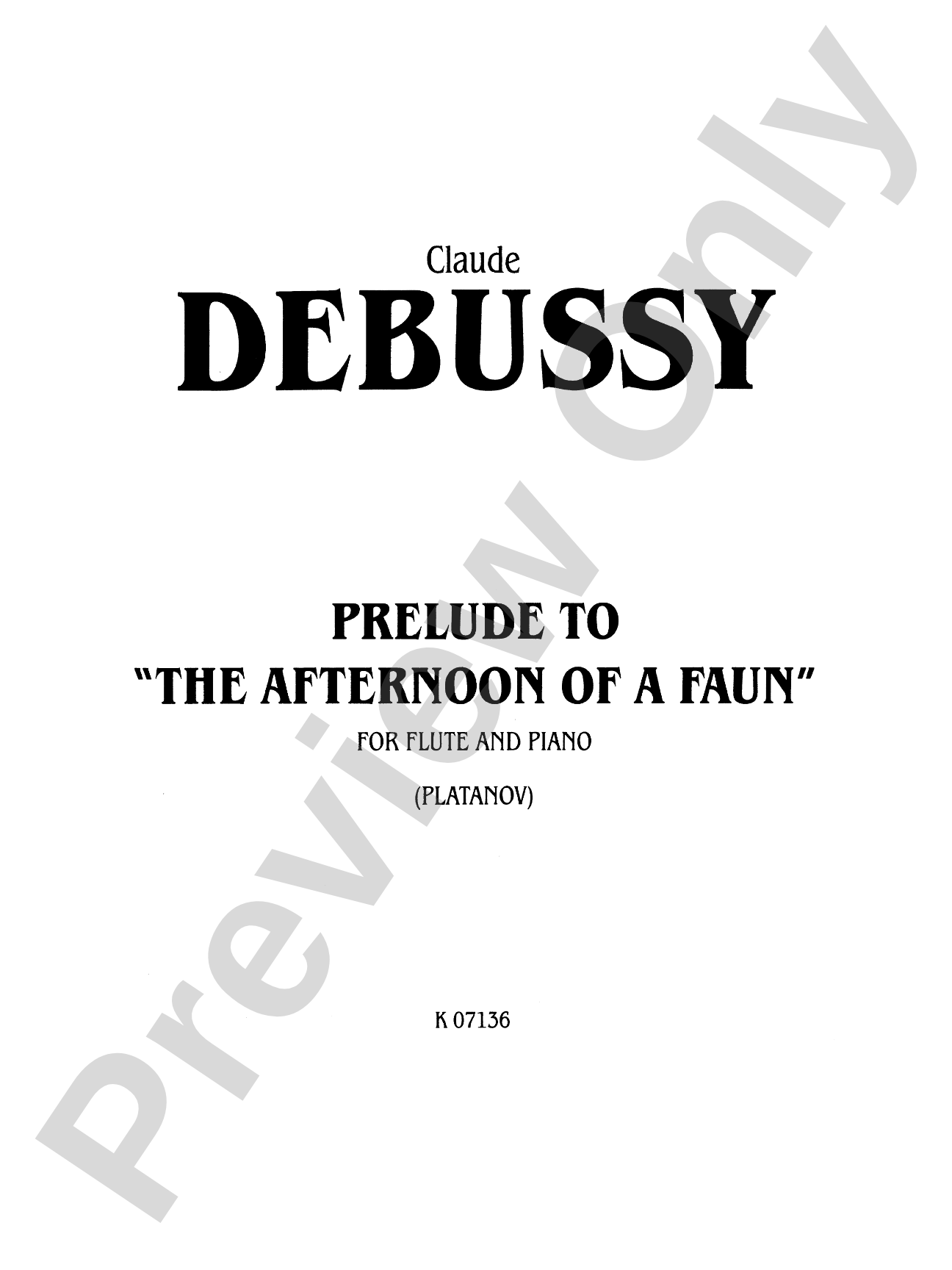
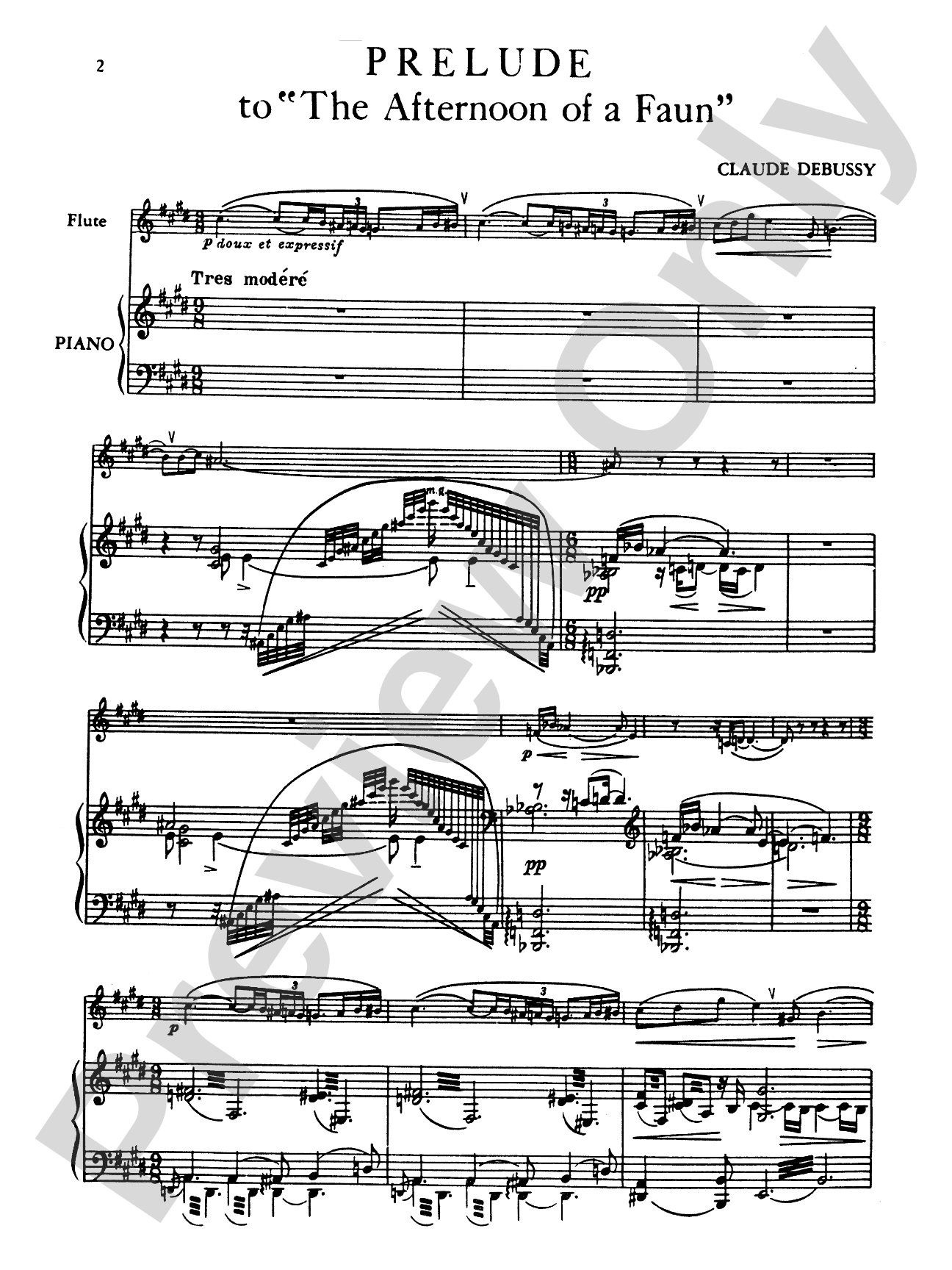
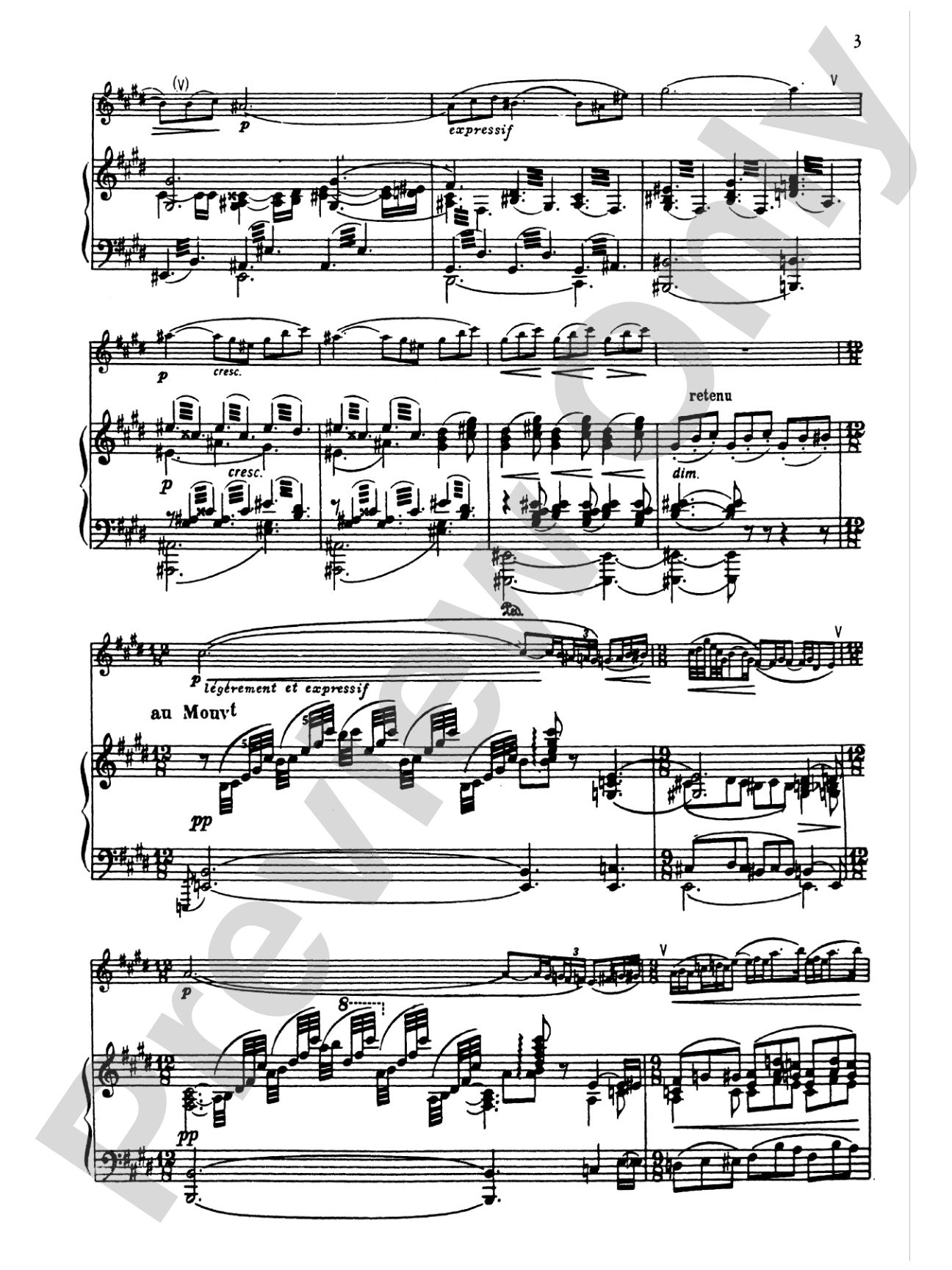
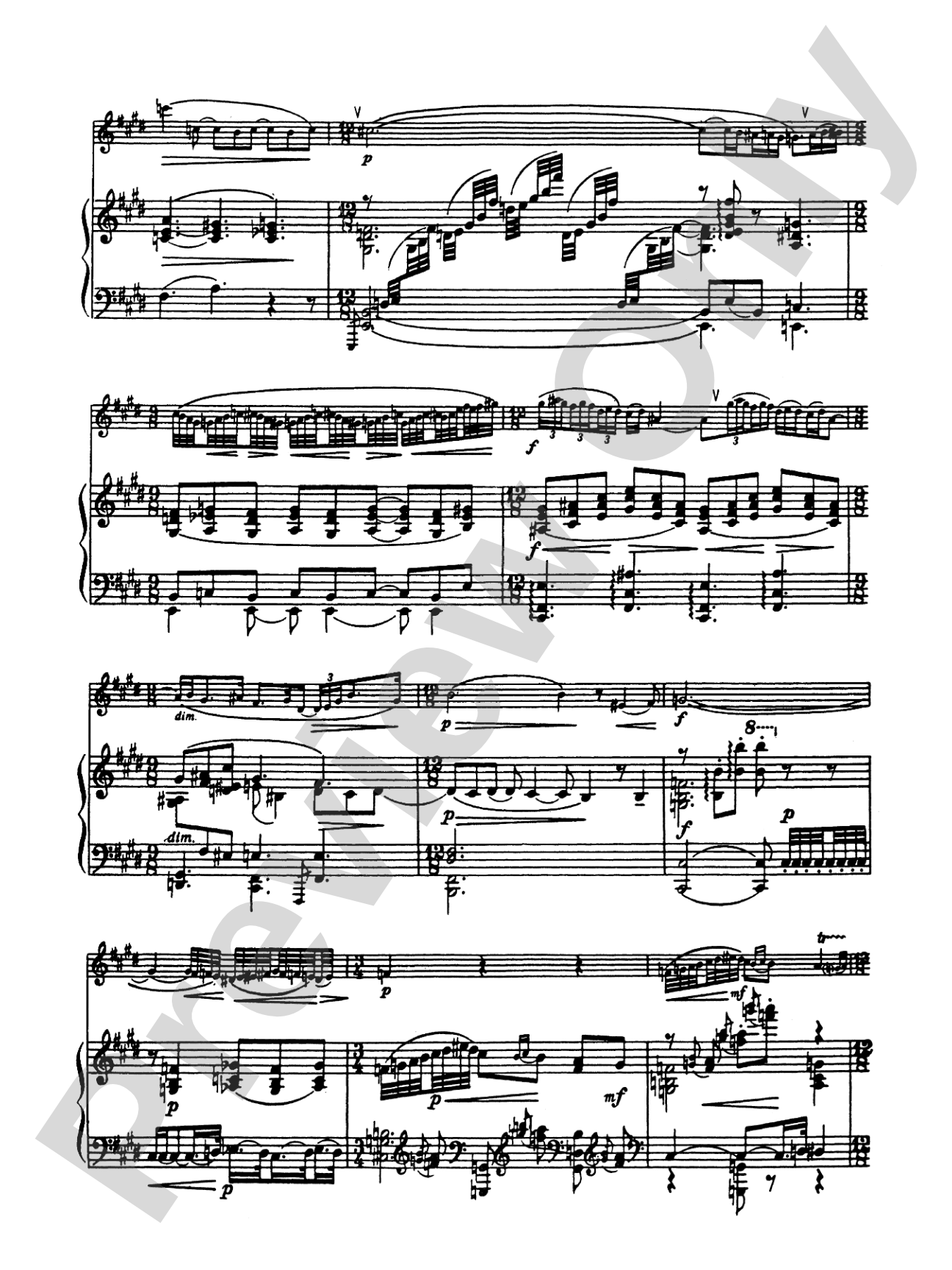
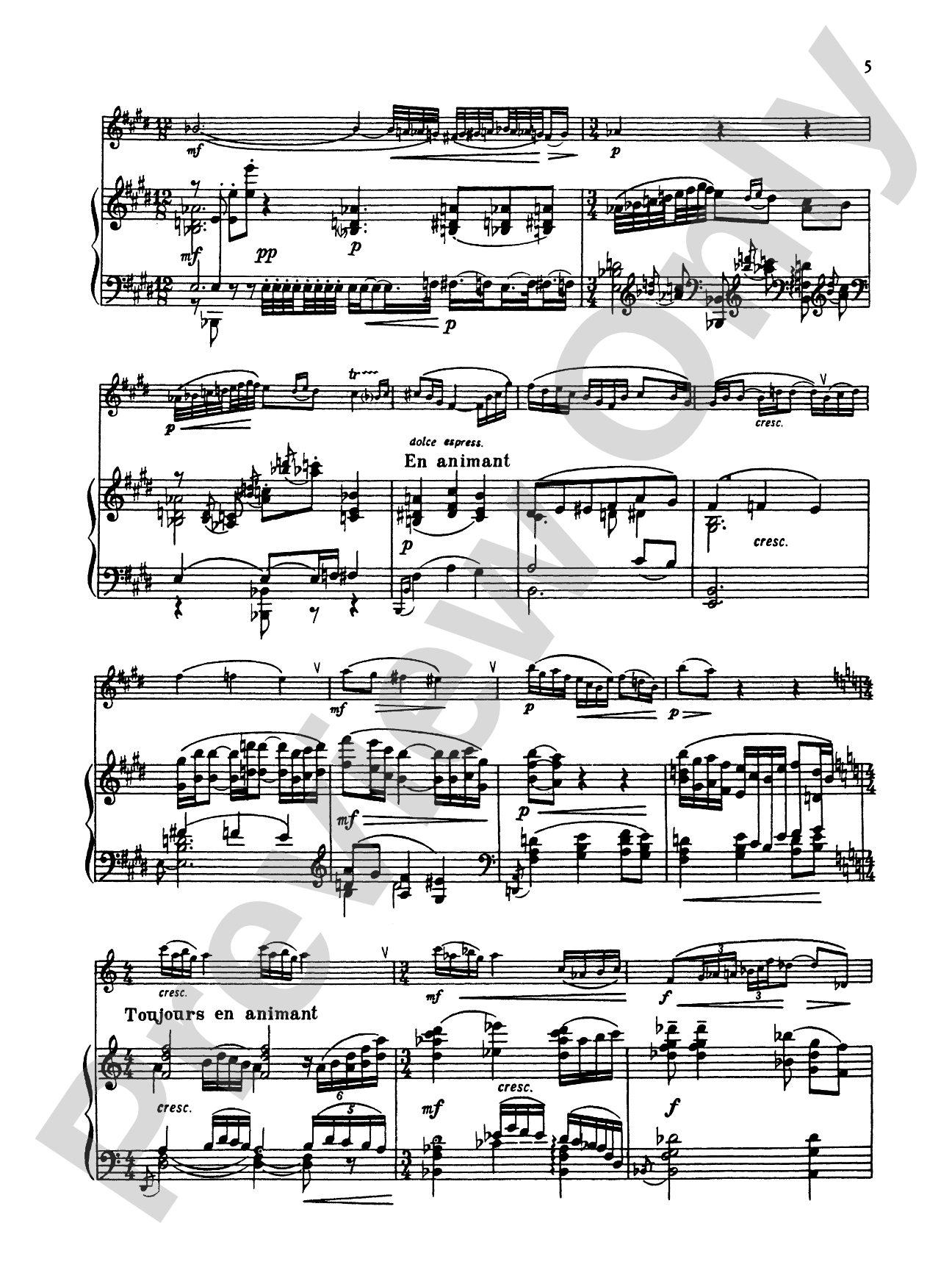
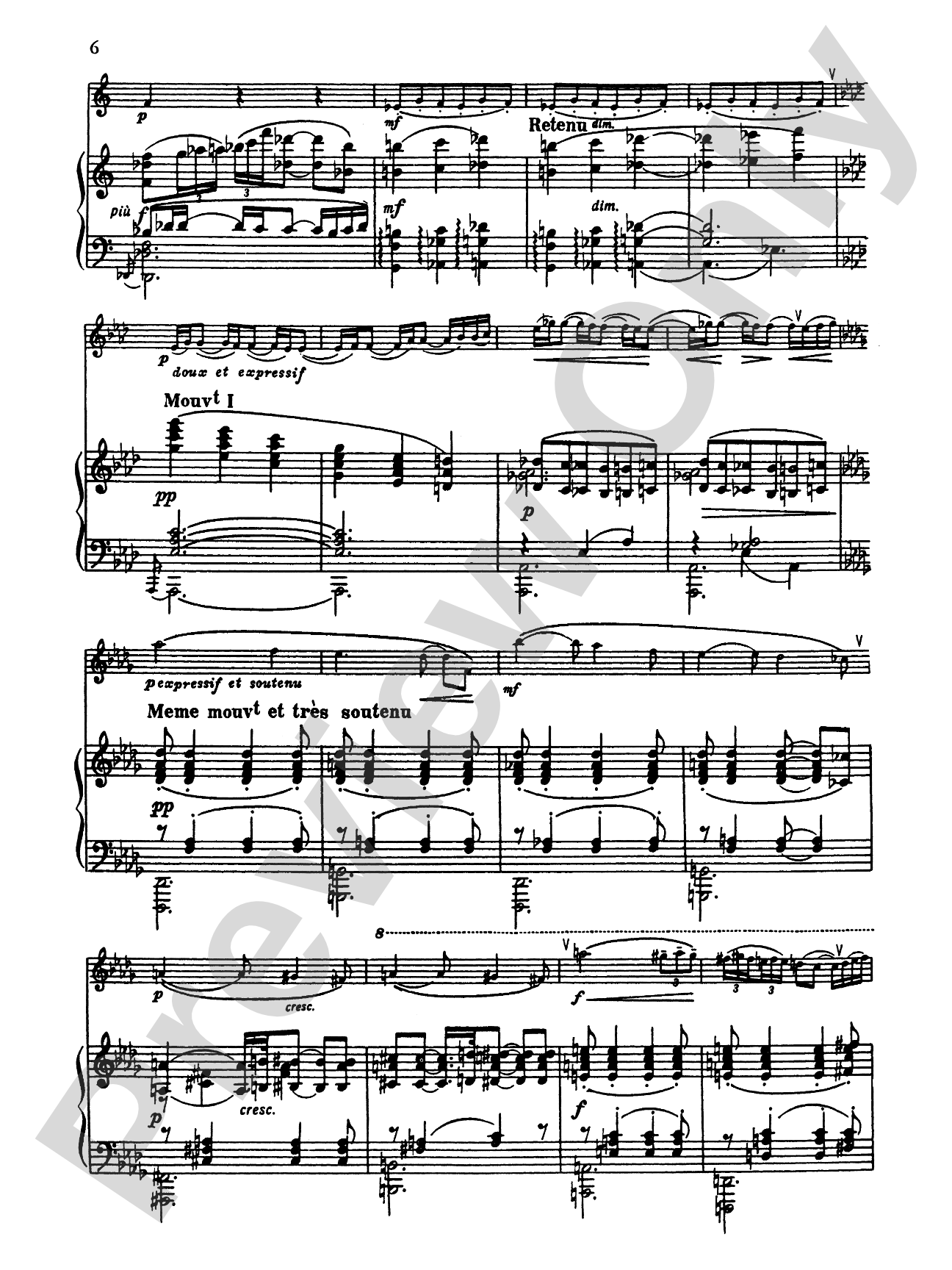
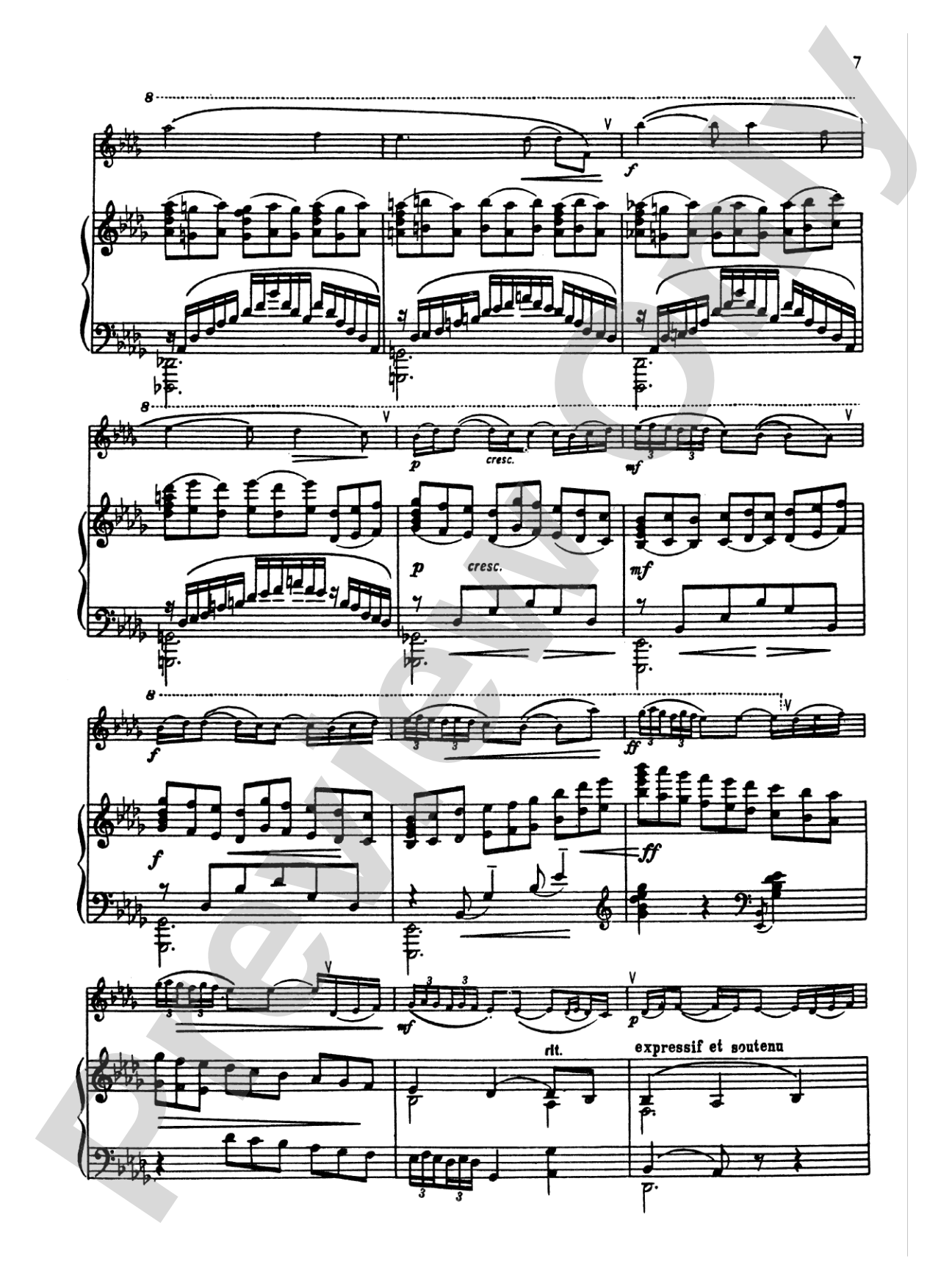
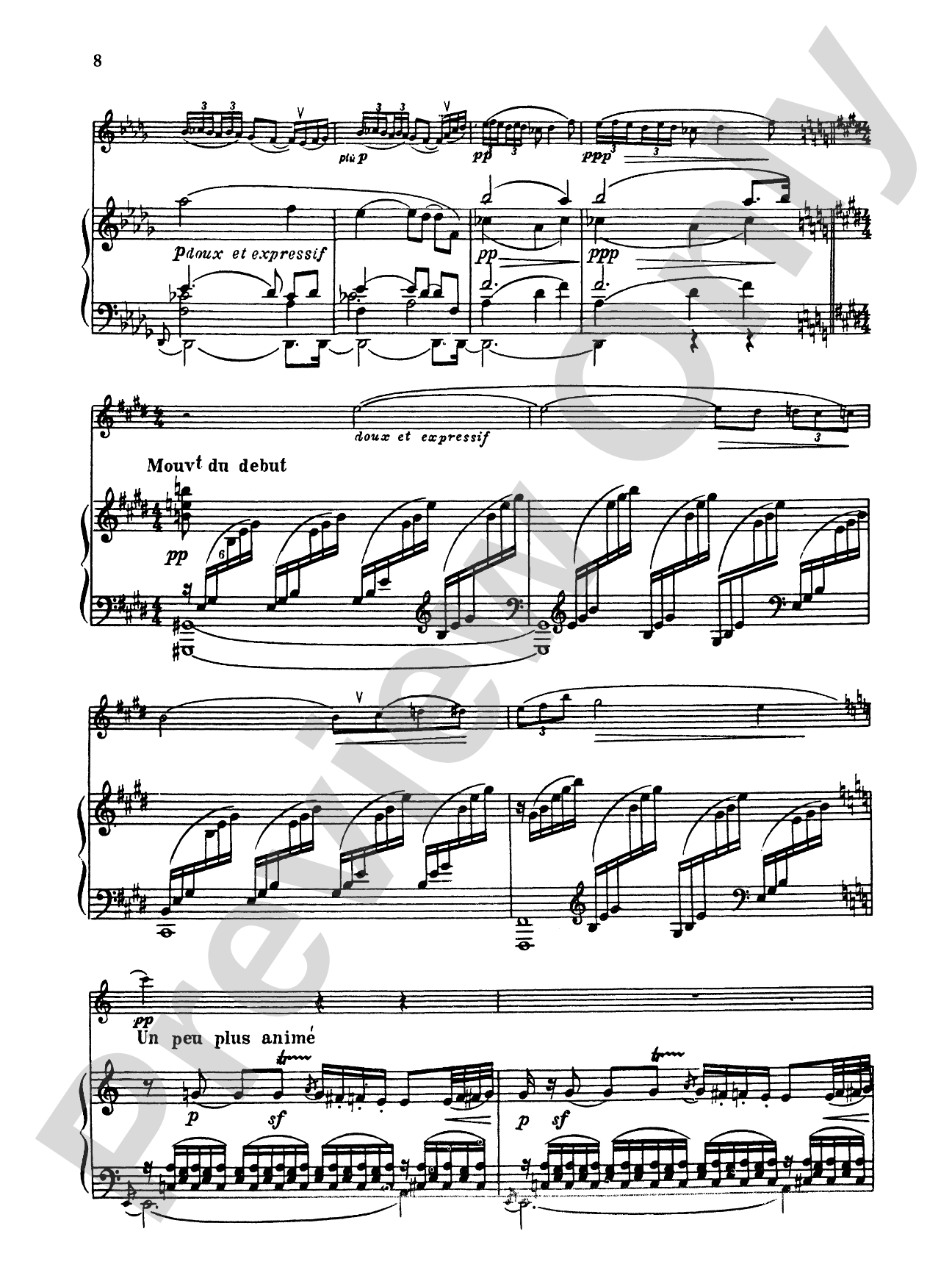
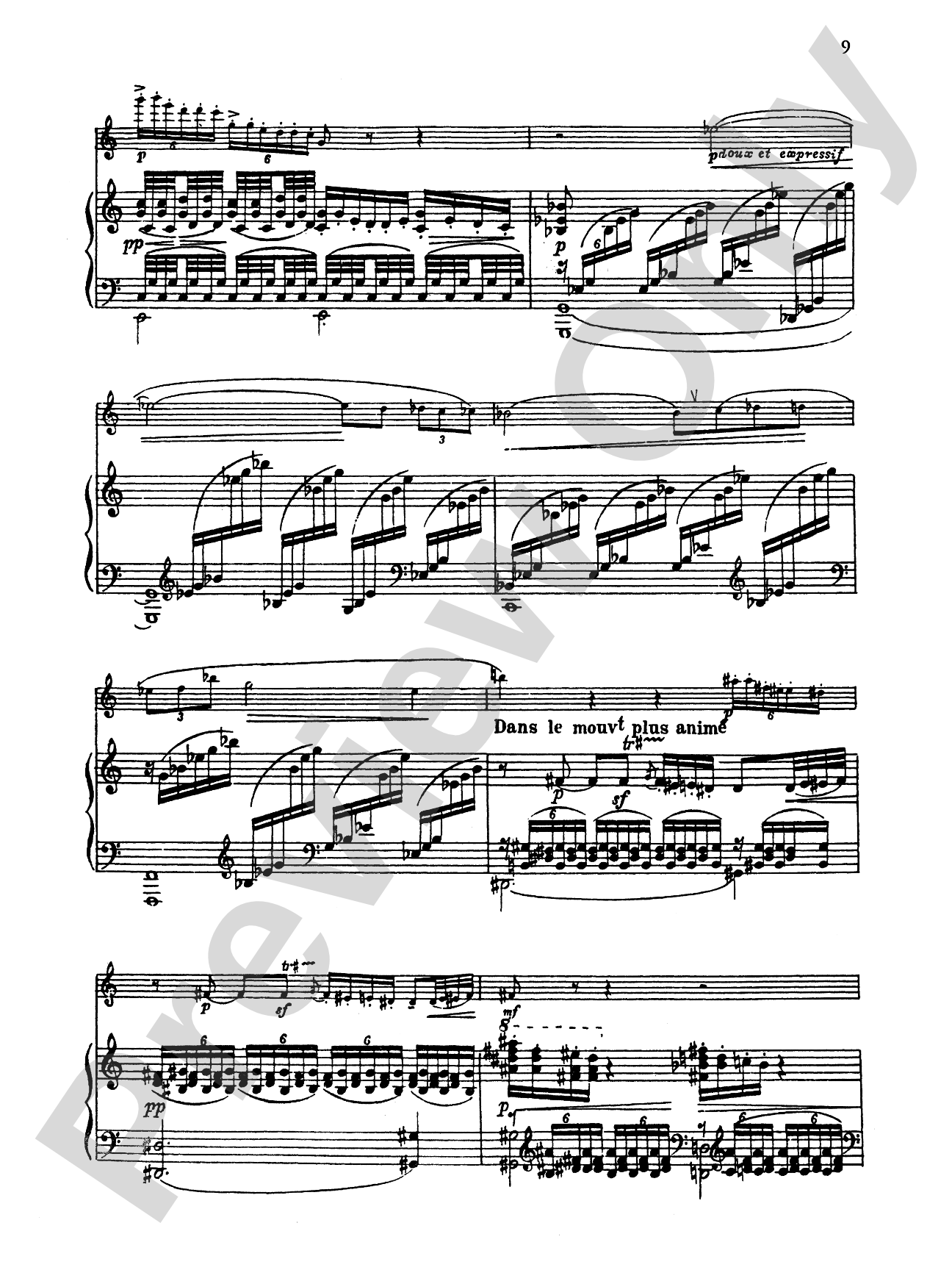
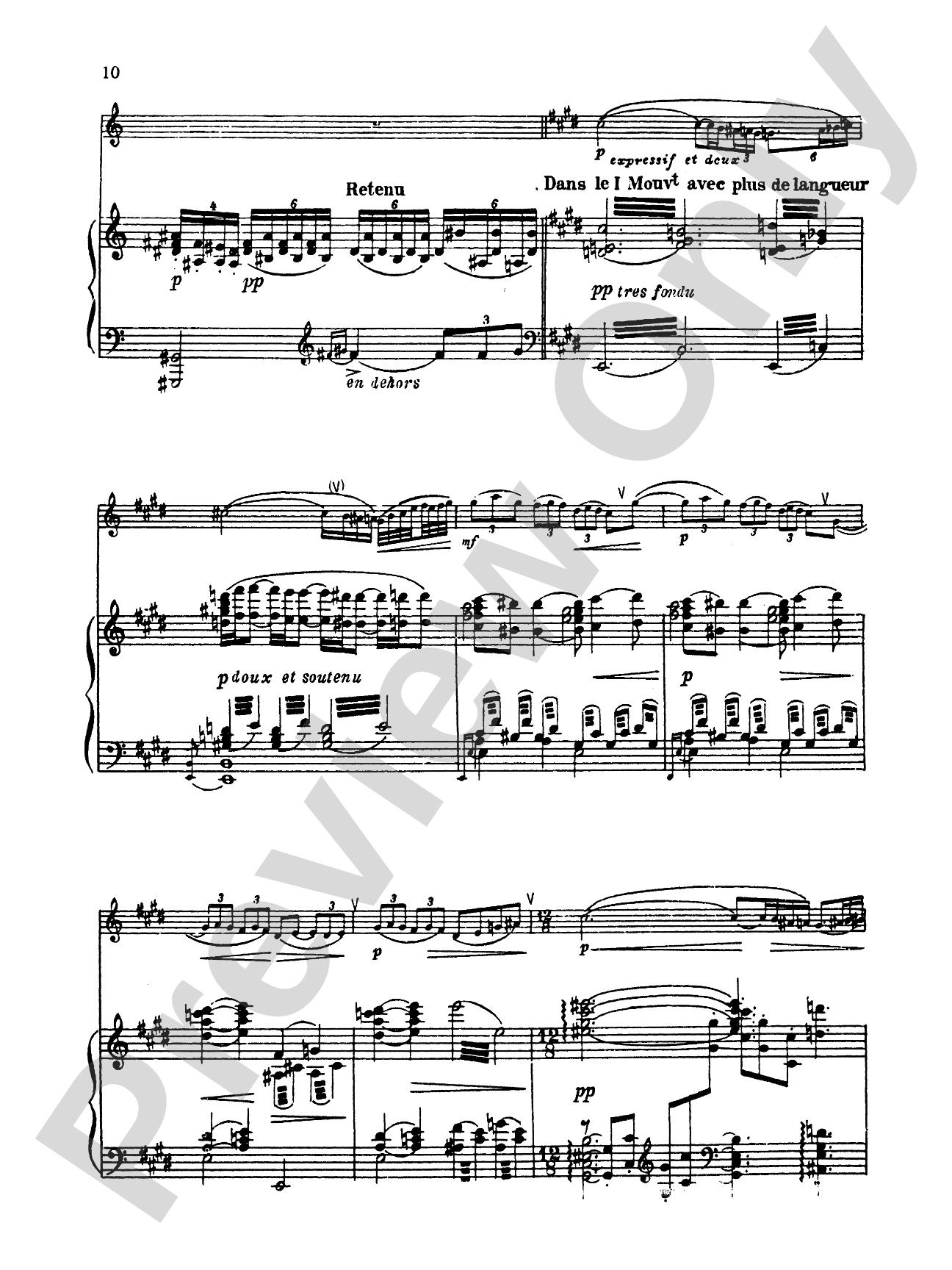
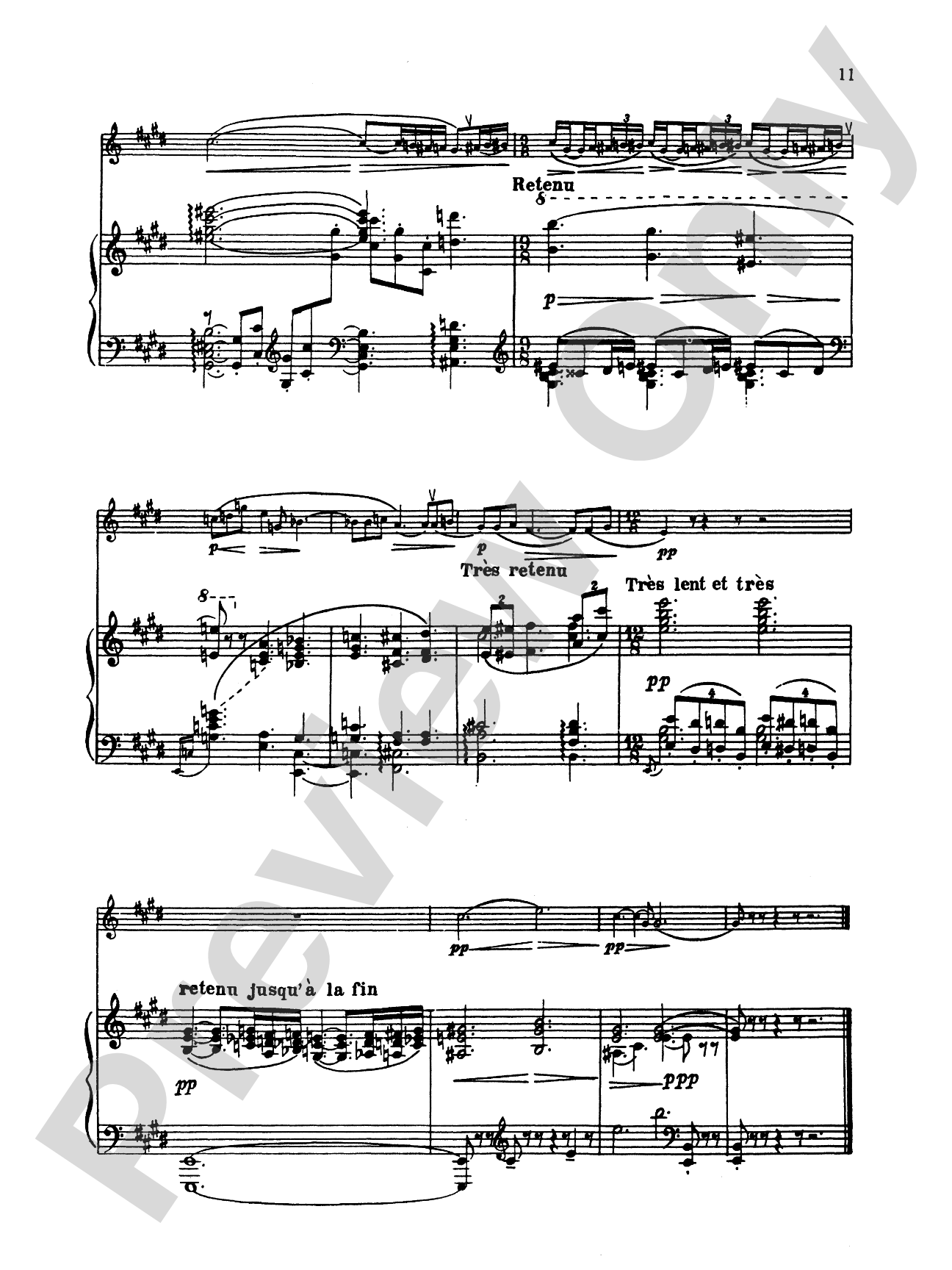


Debussy: Prelude to "The Afternoon of a Faun": Flute Part(s)
By Claude Debussy
Item: 00-PK-0003666

$12.99
Pickup currently not available
Buy Extra Parts (Digital PDF Download)
| Product | Price | Quantity |
|---|---|---|
| Debussy: Prelude to "The Afternoon of a Faun" | $11.99 |
Parts Added to Cart!
Related Items
Prelude to "Afternoon of a Faun": Flute Part(s) |
$12.95
|
View |
Description
A Flute solo with Piano Accompaniment composed by Claude Debussy.


Don't just read it, hear it, play along with it, and watch your students grow with it. In MakeMusic Cloud, Debussy: Prelude to "The Afternoon of a Faun": Flute Part(s) comes alive with professional accompaniment, adjustable tempo, and built-in practice tools that turn solo practice into real progress.
Open in the Player
Jump straight in and assign it today.
Start Your Free Trial
Open this title and explore the full library in minutes.
Sample Audio
No sample audio found.
Sample Video
No sample videos found.
Additional Details
Series:
Kalmus Edition
Publisher:
Alfred Music
Page Count:
16
SKU:
00-PK-0003666
More about this title
About the Composer: Claude Debussy
Claude Debussy (1862-1918) revolutionized musical language by prioritizing color, texture, and harmonic ambiguity over traditional form and resolution. His impressionistic approach freed composers from functional harmony and opened new possibilities for orchestration and instrumental writing. Debussy remains essential listening and performing repertoire for understanding modern classical music.
Why we love this
This transcription captures one of the most beautiful flute lines in all of classical music, showcasing the instrument's lyrical capacity and expressive range. The writing sits comfortably in the flute's middle register while demanding nuanced dynamic control and tonal coloration. Audiences recognize this melody instantly, making it a program piece that consistently resonates.
What to expect
Prelude to The Afternoon of a Faun unfolds like a daydream, beginning in languid solitude before gradually gathering texture and movement. The flute's opening statement is contemplative and intimate, floating above shimmering accompaniment that evokes sunlight filtering through trees. By the piece's climax, urgency and passion emerge, then dissolve back into reverie.
Who it's for
Advanced flute students and professionals preparing repertoire for auditions, festivals, or recitals will find this transcription essential. The piece demands maturity in breath control, dynamic sensitivity, and interpretive judgment, making it ideal for players ready to explore Impressionistic aesthetics.
How to get the most out of it
- Shape the opening solo phrases with long, sustained breath support; the legato line depends on seamless voice leading rather than articulation.
- Explore the full spectrum of dynamics between the ppppp and mf markings; Impressionism thrives on subtle gradations of volume and color.
- Balance transparency with presence when the piano enters; the flute line should float above the accompaniment without forcing the tone.
- Treat the piece as a study in tonal flexibility; each register shift requires a recalibration of timbre to maintain the dreamy, floating quality Debussy intended.
How to use it
This work functions beautifully as a recital centerpiece or opening selection, establishing an artistic tone for the program. Pair it with other French or Impressionistic repertoire, or position it between works of contrasting character to highlight its distinctive harmonic language. Festival judges respond to the musical maturity and interpretive depth this piece demands.
Skills your students will build
- Long-line phrasing across extended melodies without breath interruption
- Dynamic control through subtle gradations in the ppp to mf range
- Tonal flexibility and color shifting across register changes
- Expressive interpretation of harmony-driven (rather than rhythm-driven) musical architecture
- Sustaining musical interest in slowly unfolding, non-traditional forms