
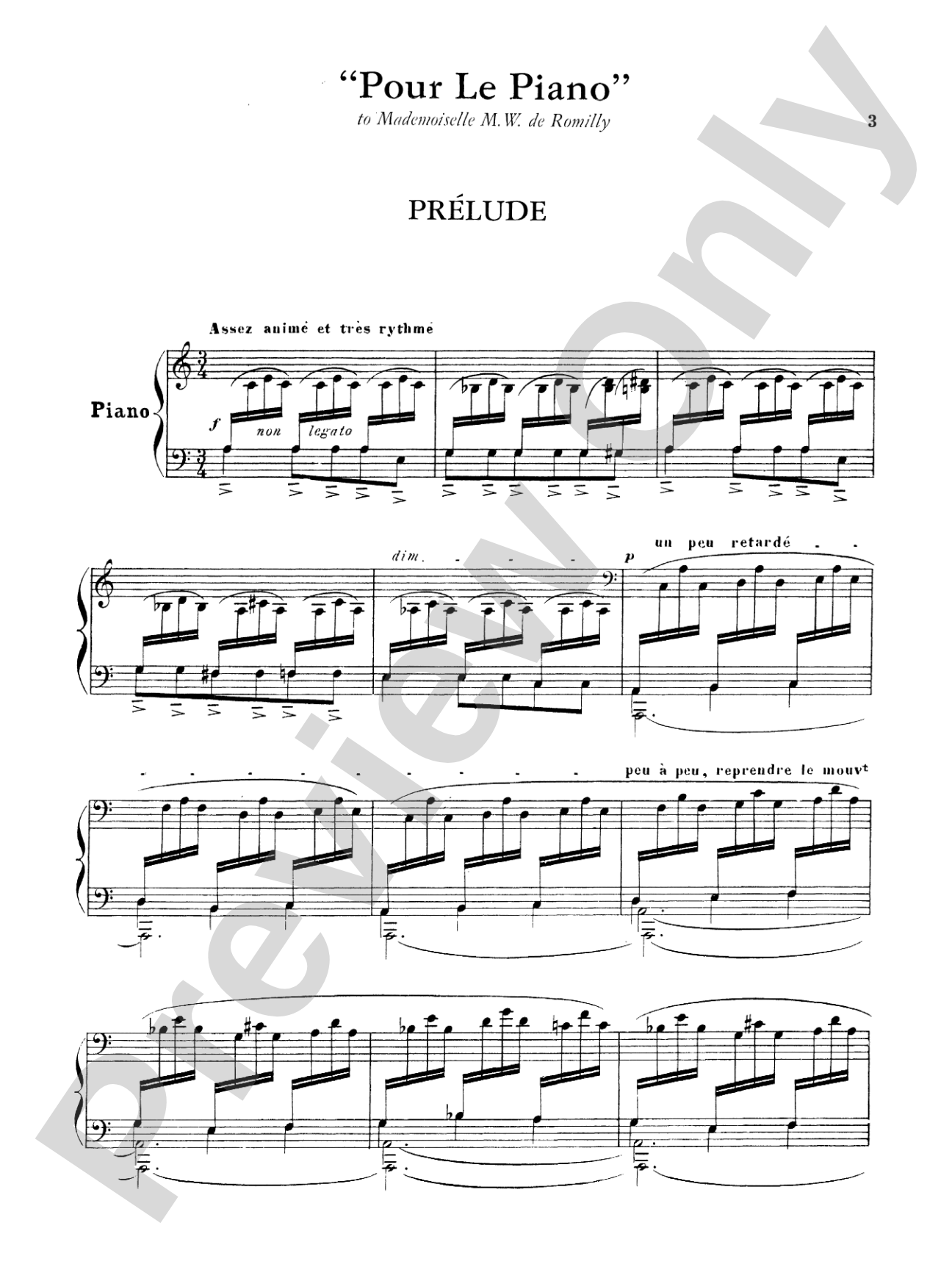
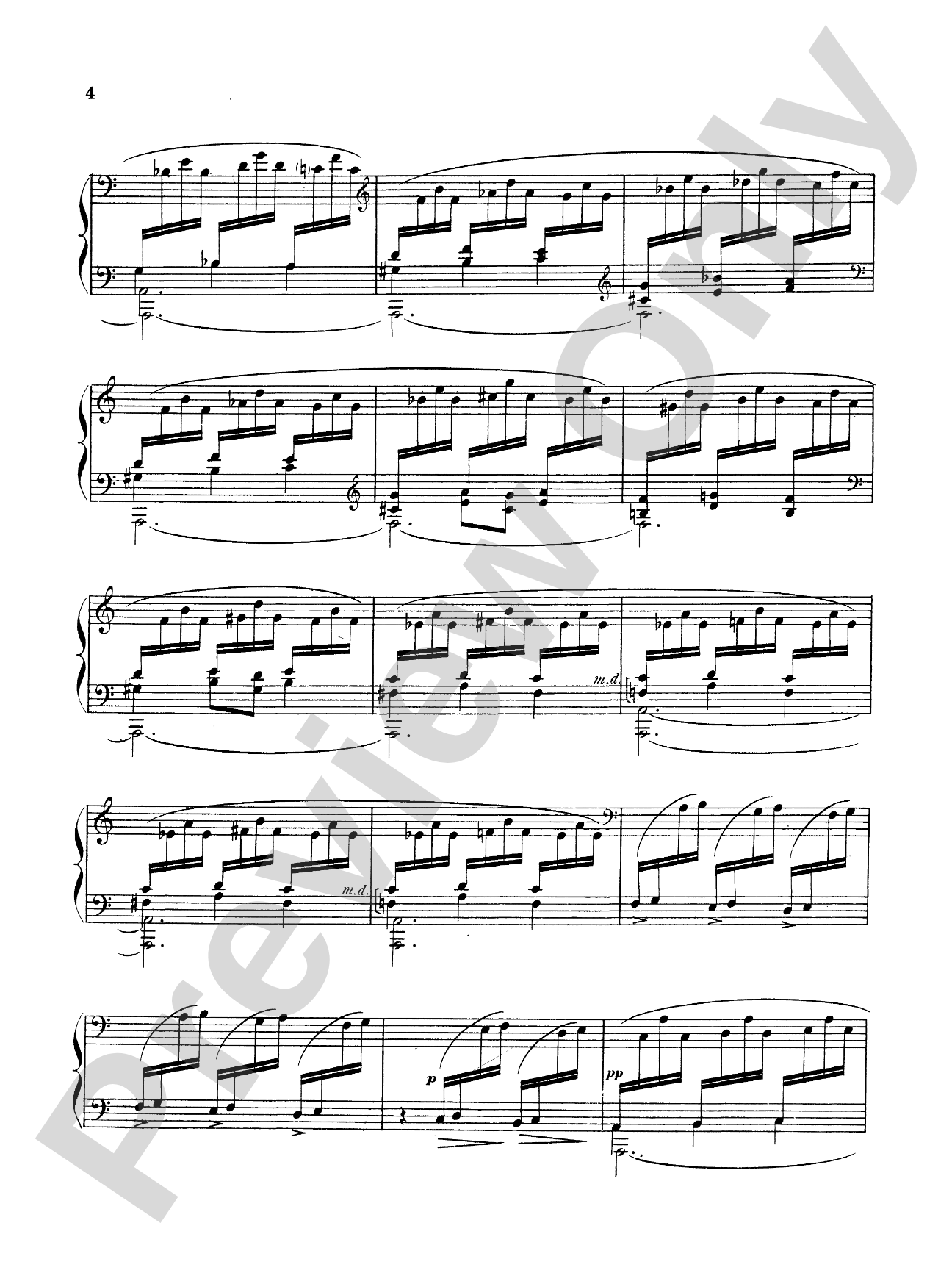
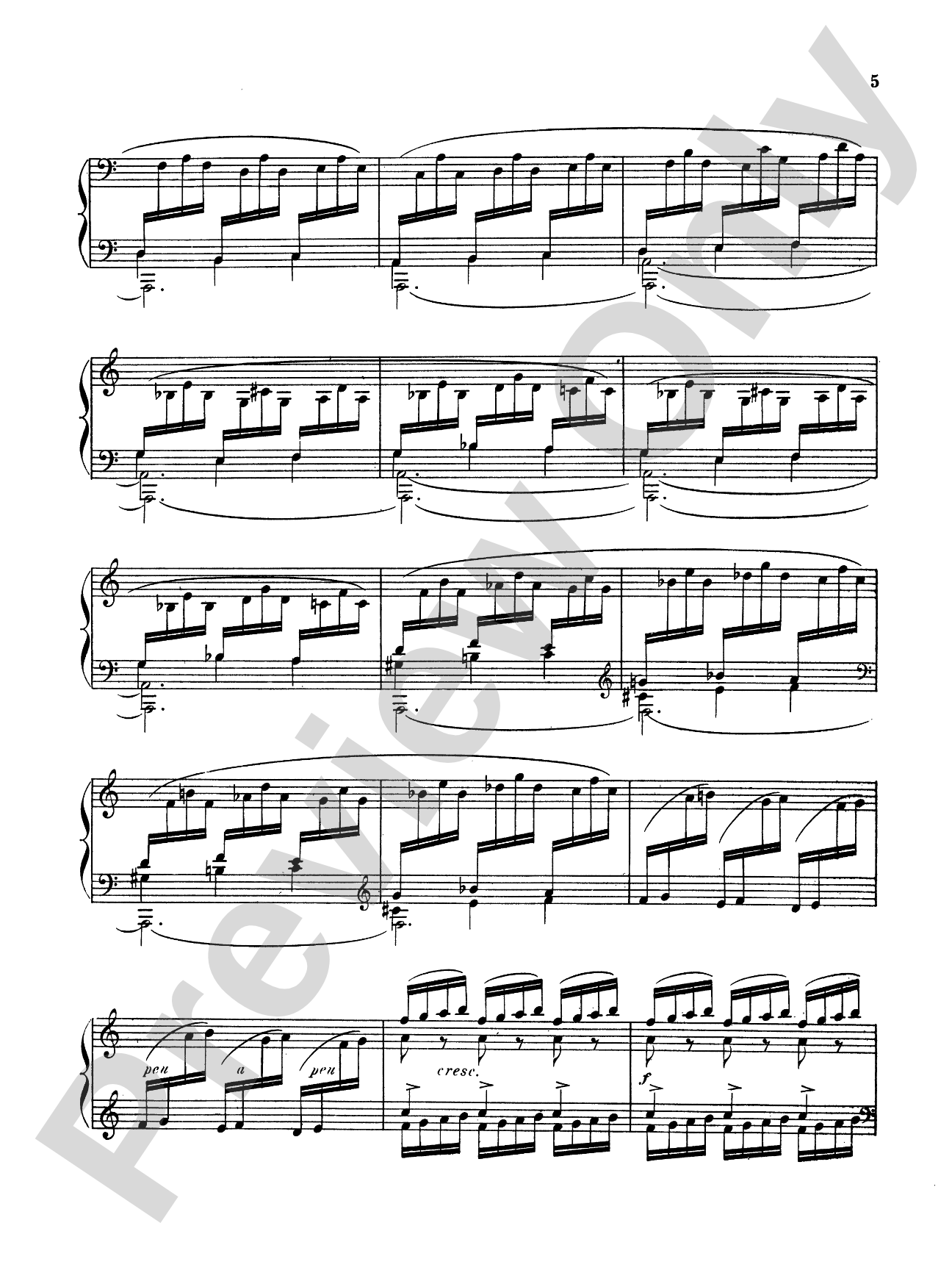
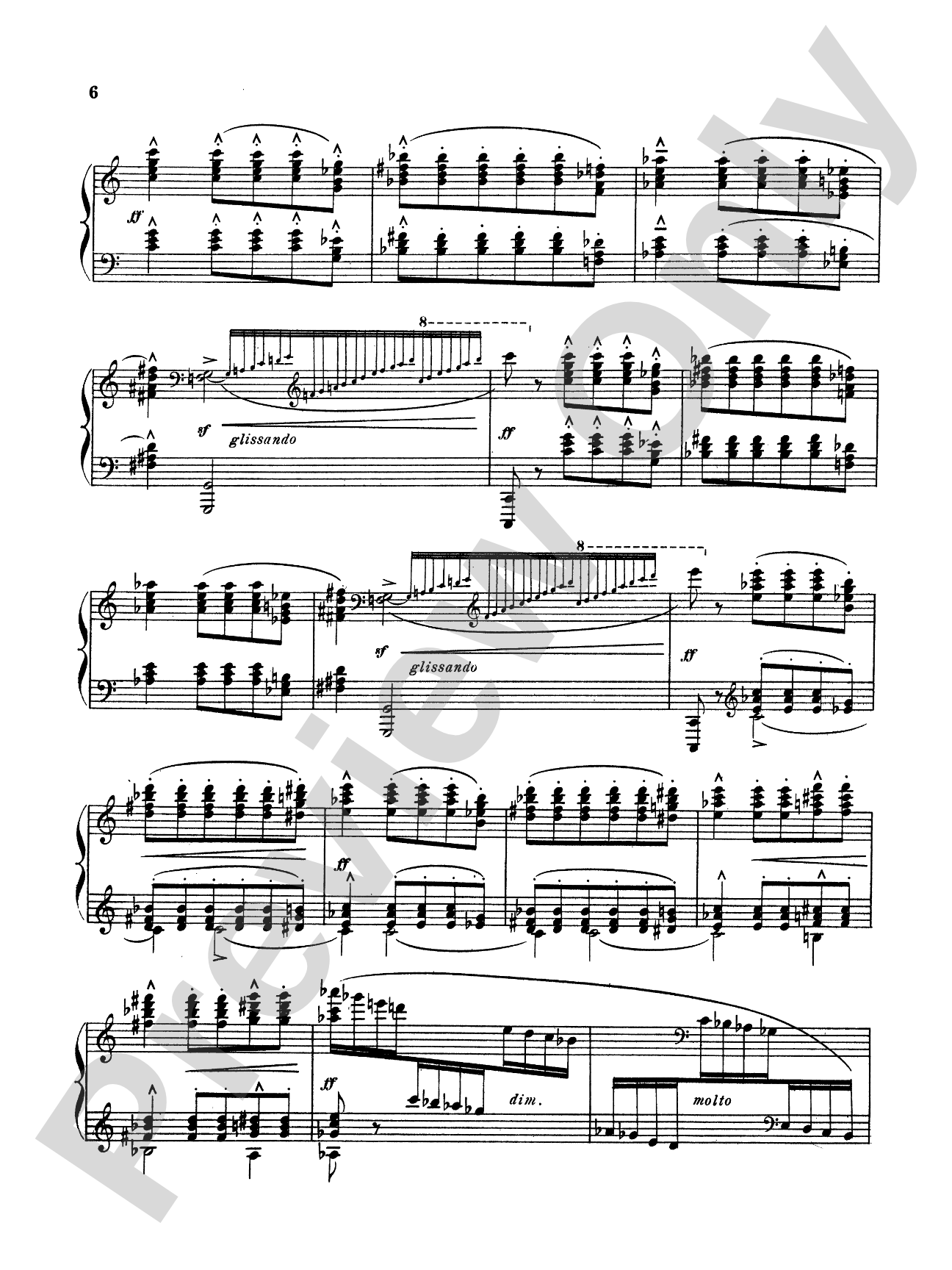
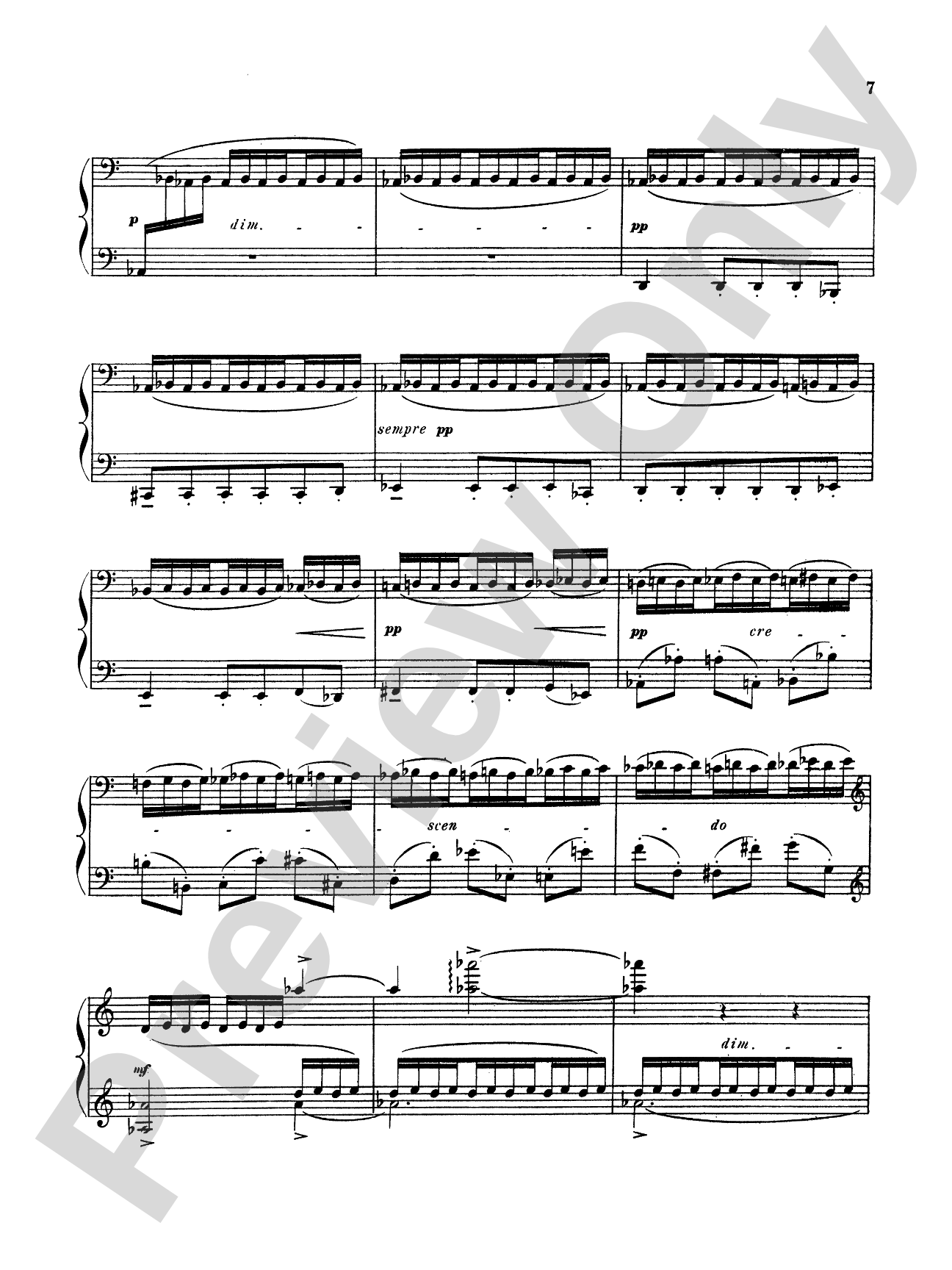
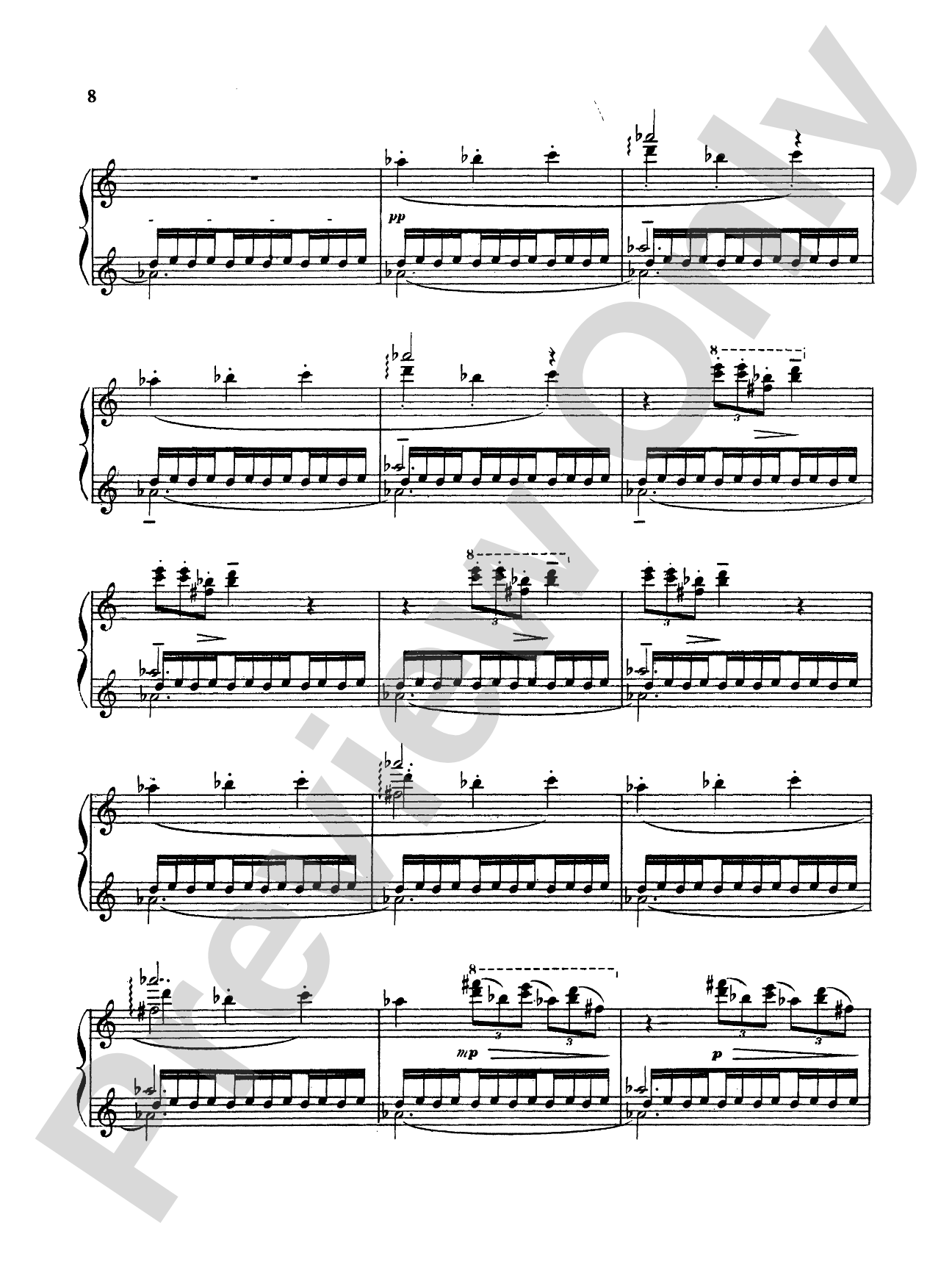
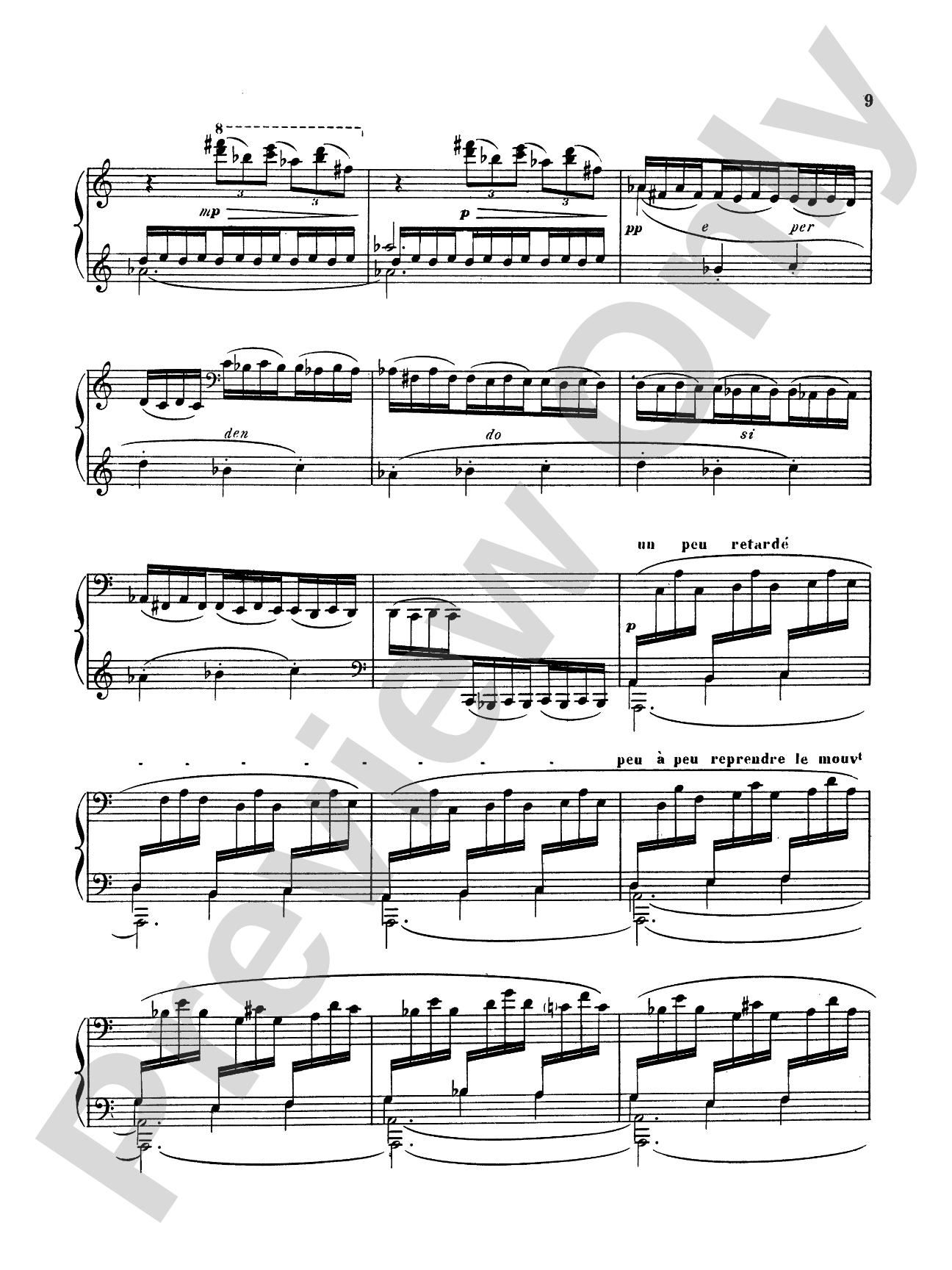
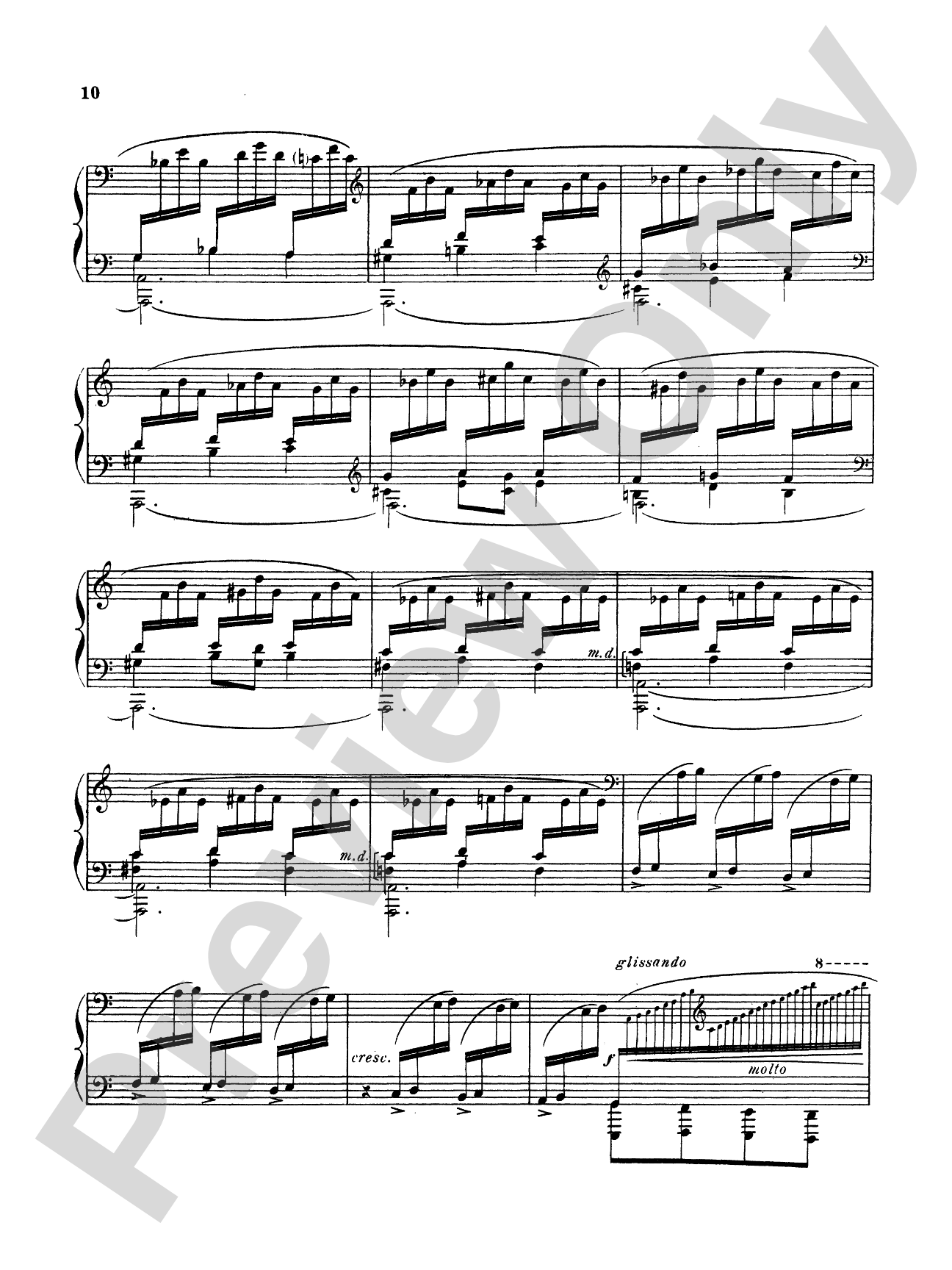
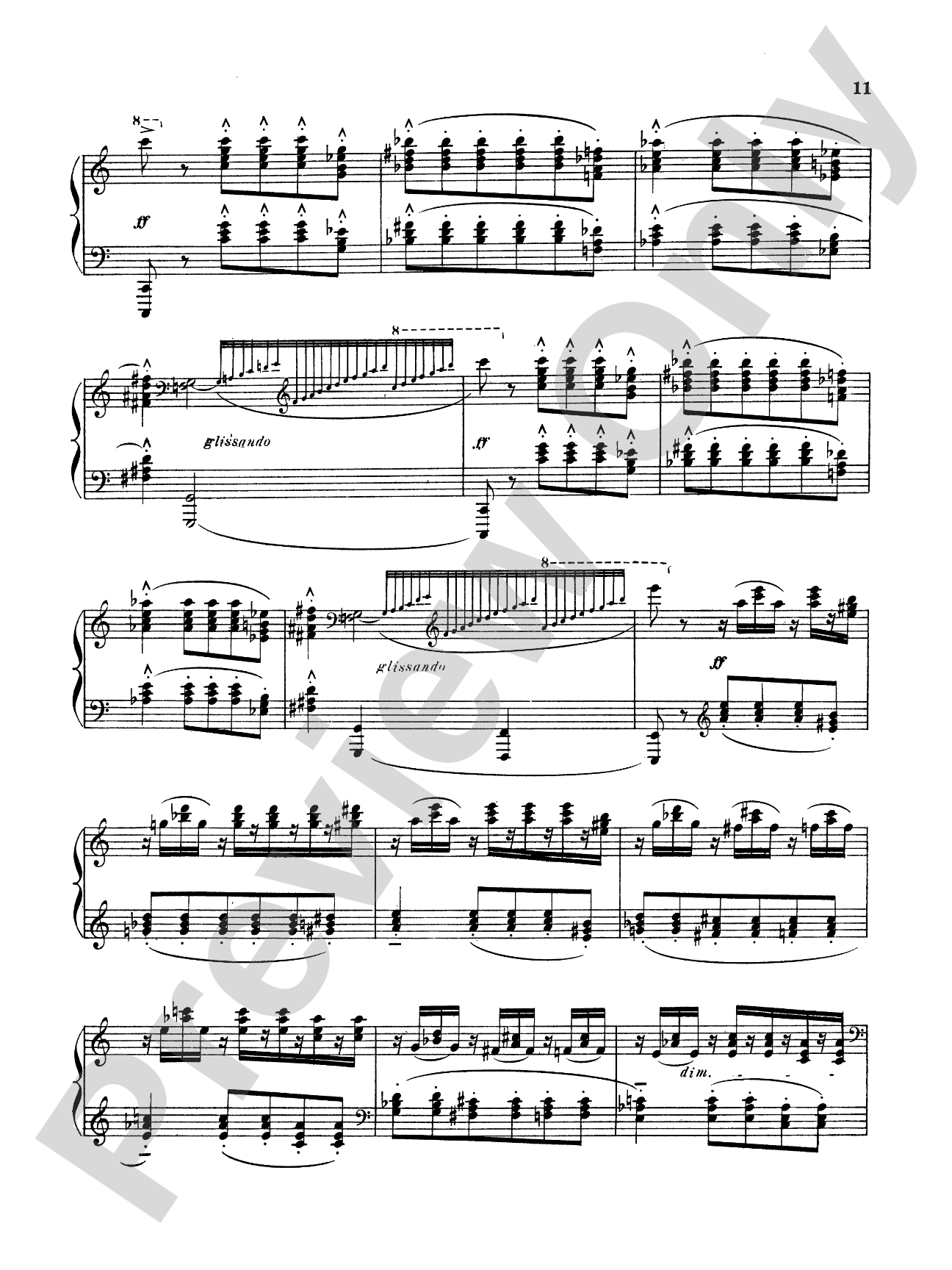
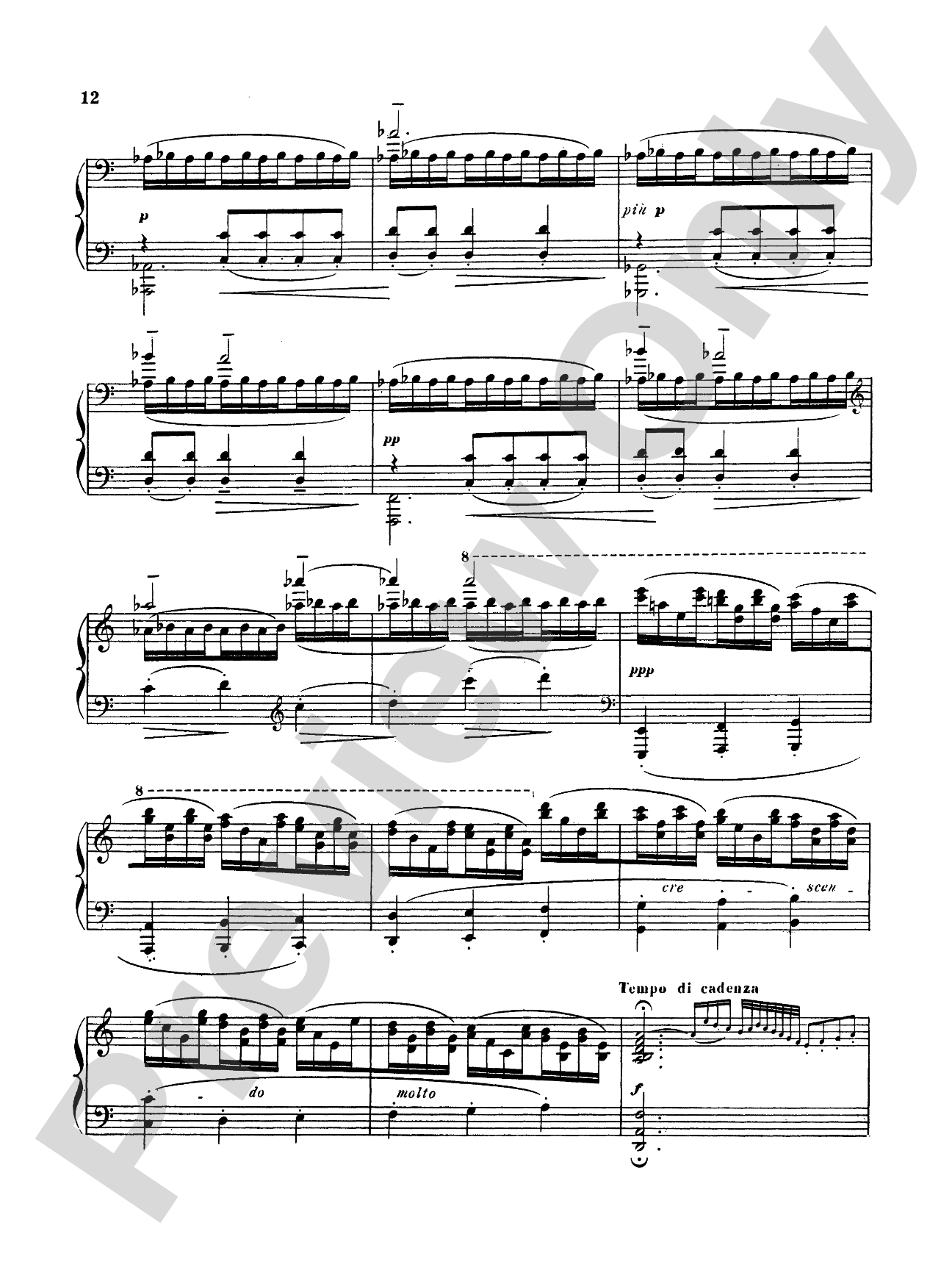
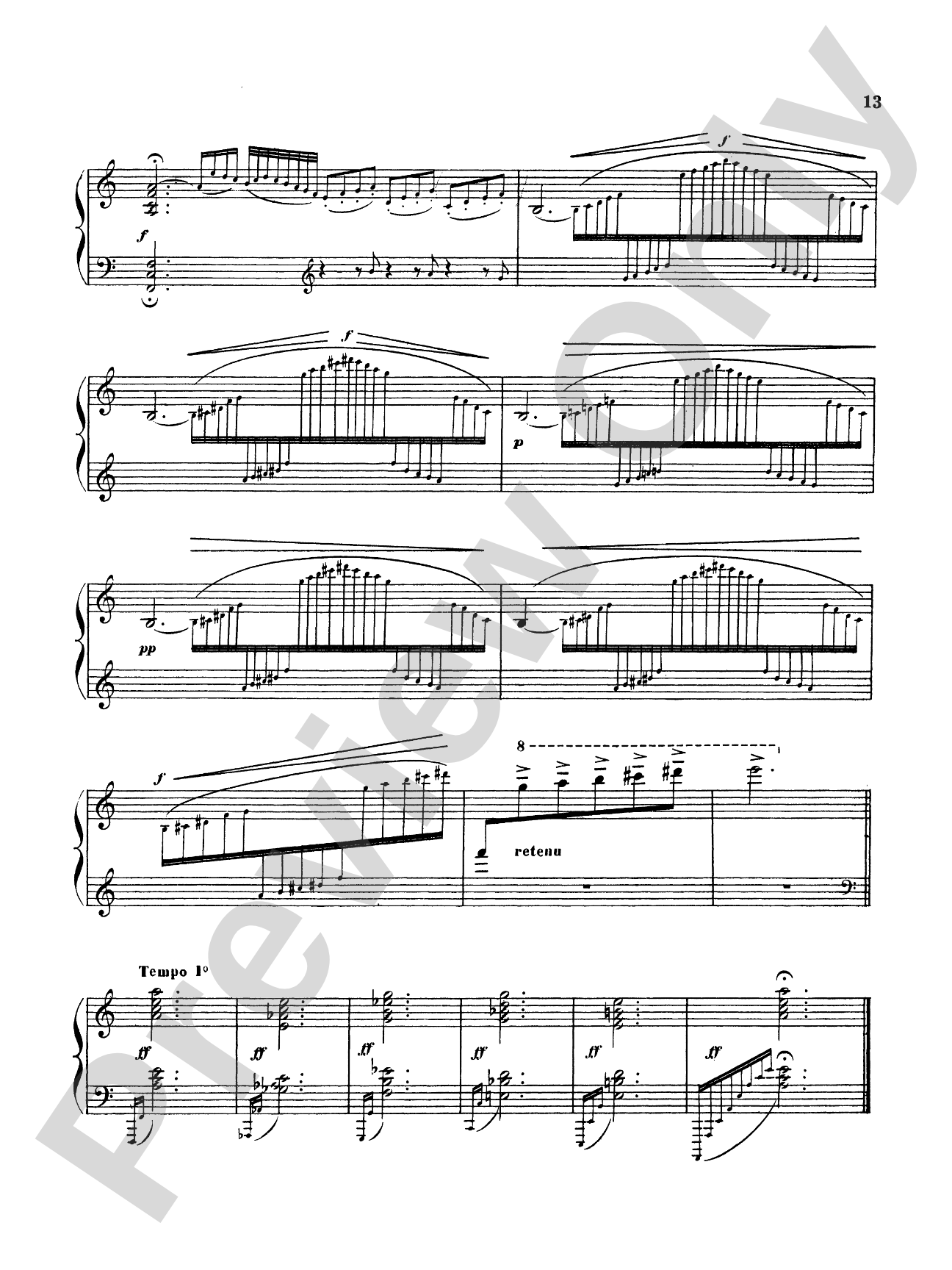

Debussy: Pour le Piano (Suite): Piano
By Claude Debussy
Level: Advanced
Item: 00-PK-0003058

$8.99
Pickup currently not available
Buy Extra Parts (Digital PDF Download)
| Product | Price | Quantity |
|---|---|---|
| Debussy: Pour le Piano (Suite) | $1.99 | |
| Debussy: Pour le Piano (Suite) | $1.99 | |
| Debussy: Pour le Piano (Suite) | $1.99 |
Parts Added to Cart!
Related Items
Pour le Piano (Suite): Piano |
$8.95
|
View |
Description
Expertly arranged piano solo from our Kalmus Edition.


Don't just read it, hear it, play along with it, and watch your students grow with it. In MakeMusic Cloud, Debussy: Pour le Piano (Suite): Piano comes alive with professional accompaniment, adjustable tempo, and built-in practice tools that turn solo practice into real progress.
Open in the Player
Jump straight in and assign it today.
Start Your Free Trial
Open this title and explore the full library in minutes.
Sample Audio
No sample audio found.
Sample Video
No sample videos found.
Additional Details
Series:
Kalmus Edition
Publisher:
Alfred Music
Page Count:
32
SKU:
00-PK-0003058
More about this title
About the Composer: Claude Debussy
Claude Debussy (1862, 1918) fundamentally altered how composers thought about harmony, texture, and timbre. His innovations in whole-tone scales, parallel chords, and impressionistic color transformed piano writing from the Romantic tradition into something radically modern. As a pianist and composer trained at the Paris Conservatoire, Debussy understood the instrument's possibilities intimately and pushed them toward orchestral sonority.
For music educators, Debussy represents a watershed moment in 20th-century piano literature. His works demand that advanced students engage with non-functional harmony, nuanced pedal work, and the architectural relationship between sound and silence. Teaching Debussy teaches students to listen differently and to understand that musical progress wasn't inevitable but chosen.
Why we love this
Pour le Piano opens the door to impressionistic piano writing without the extreme technical demands of later Debussy works, making it genuinely playable for advanced high school students and early college pianists. The suite's three movements each demand something different, the Prelude needs color and rubato, the Fugue requires clarity of voice-leading, and the Toccata builds genuine virtuosity, so students emerge from it as more complete musicians. This is repertoire that rewards interpretation and makes students think about sound itself as a compositional material.
What to expect
The suite unfolds with luminous restraint, replacing nineteenth-century piano grandeur with delicate architectural designs built from broken chords, whole-tone fragments, and harmonic suspensions. Each movement reveals new colors and textural possibilities within Debussy's refined harmonic palette, from the elegant counterpoint of Prelude to the rhythmic precision of Toccata.
Who it's for
Advanced pianists ready to engage with early twentieth-century modernism through a work that demands technical fluency and mature interpretive judgment. Teachers of intermediate-advanced students will find Pour le Piano an ideal bridge between Romantic-era concert repertoire and more radical contemporary idioms.
How to get the most out of it
- Treat the whole-tone and modal passages as harmonic spaces rather than scalar patterns; let your ear guide the tonal weight and resonance of each sonority.
- Work the pedal changes precisely in the Prelude so that harmonic clouds dissolve cleanly rather than blur; this is where Debussy's impressionism lives or dies.
- Approach the Fugue's counterpoint with textural clarity, each voice should have presence without weight, so resist the urge to play heavily.
- Balance speed and articulation in the Toccata; the figuration should shimmer and flow rather than clatter, even at tempo.
How to use it
Program Pour le Piano in recitals that trace modernist approaches to the keyboard, pairing it with earlier Romantic-era works to highlight compositional evolution. It also serves as an essential repertoire choice for concert programs centering French twentieth-century piano music or for showcasing advanced student achievement at competitions and recitals.
Skills your students will build
- Pedal technique in twentieth-century contexts (using sustain pedal to blur harmonic color)
- Whole-tone harmony and non-functional chord progression
- Balance and independence between hands in impressionistic textures
- Interpretive flexibility and tempo modification as structural tools
- Control of dynamic subtlety across a wide range of sonority