
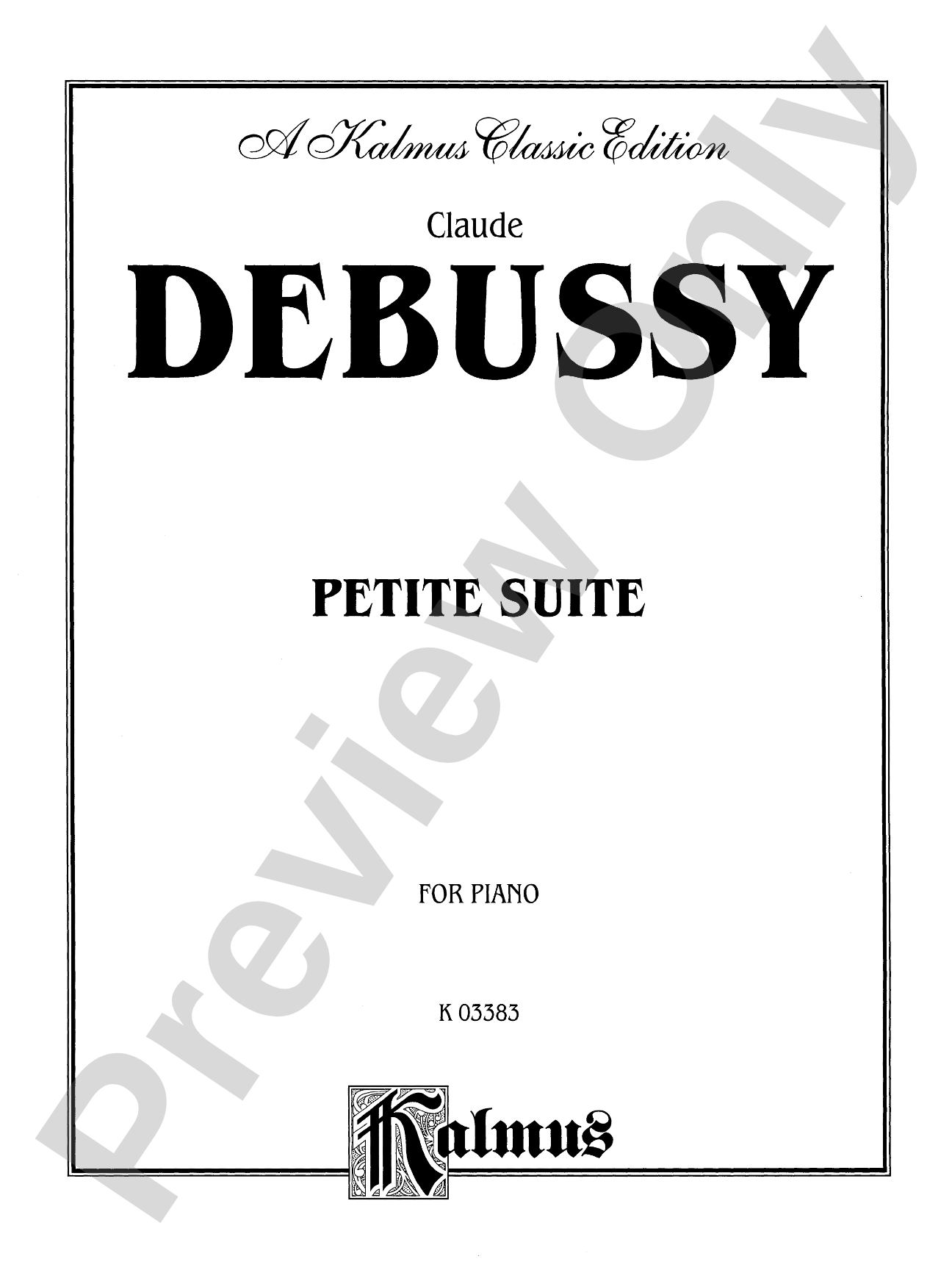
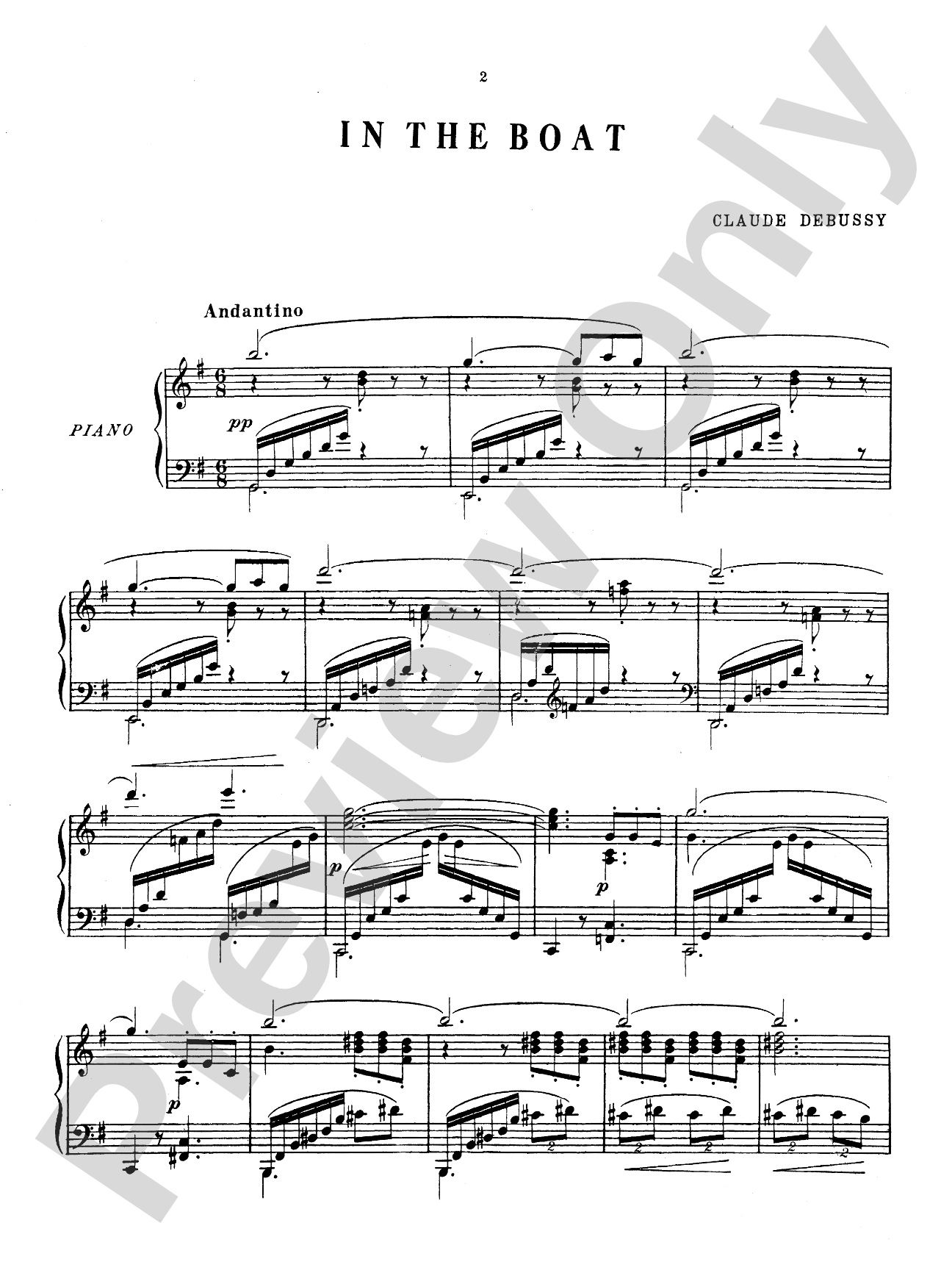
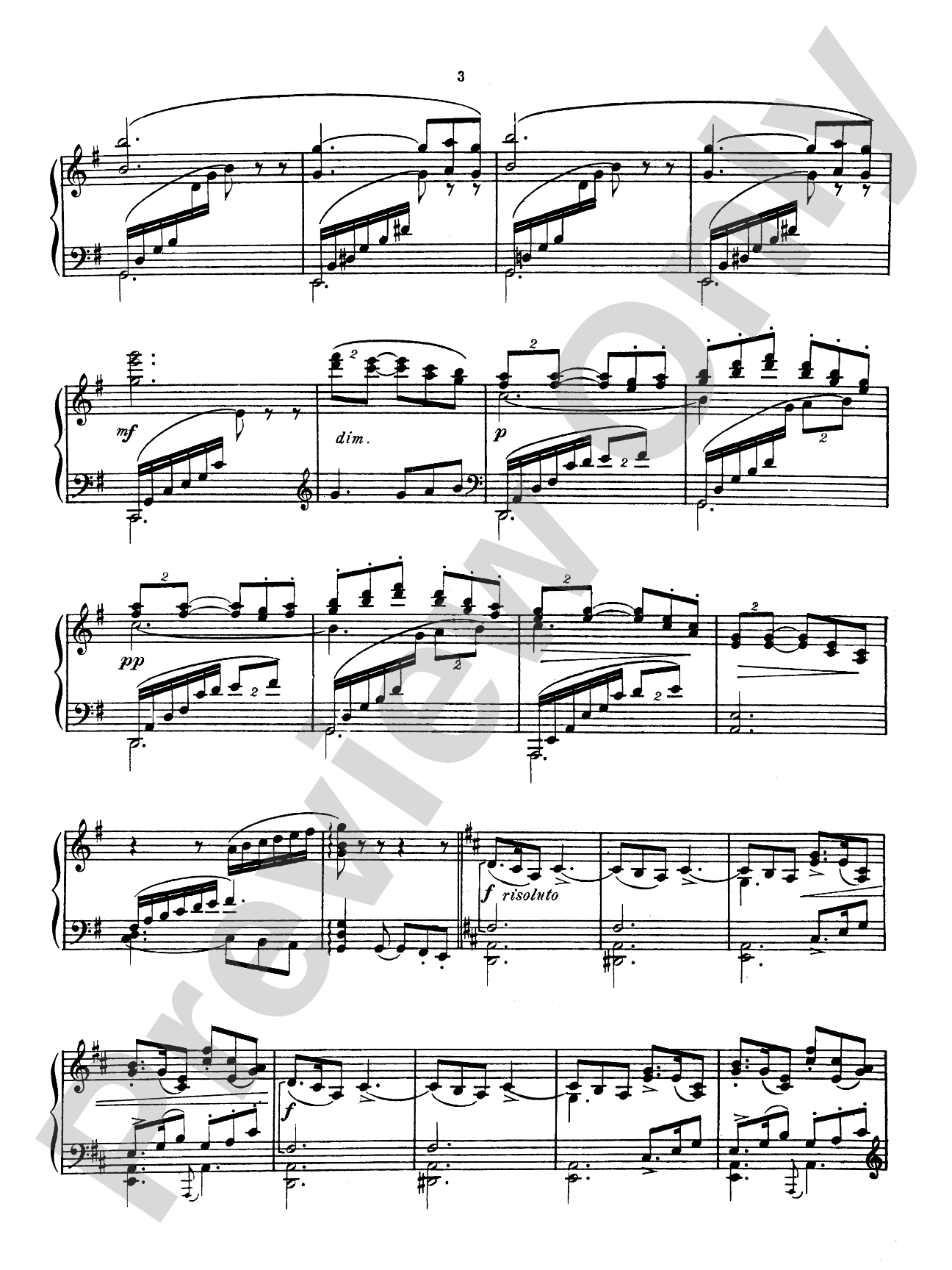
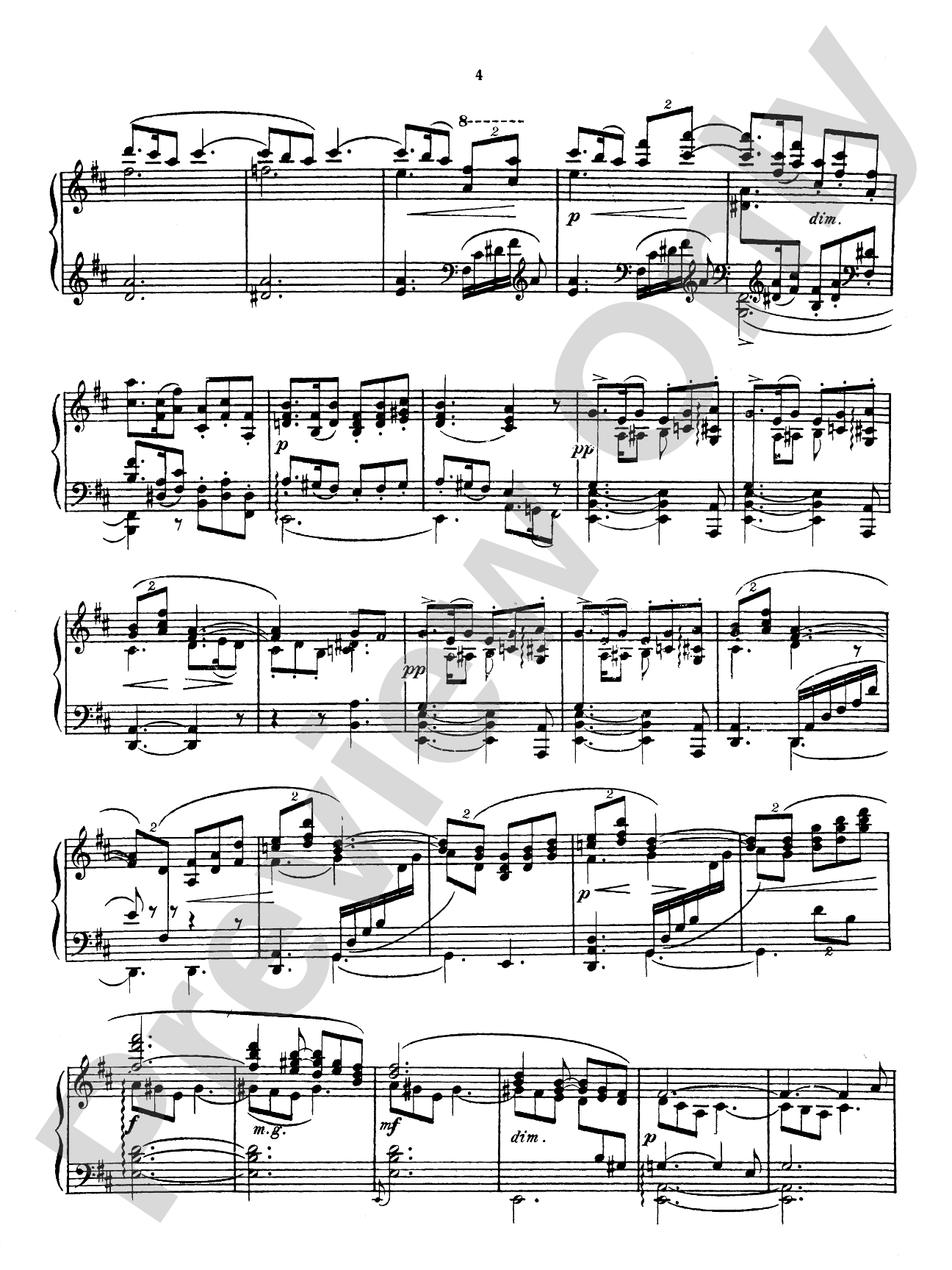
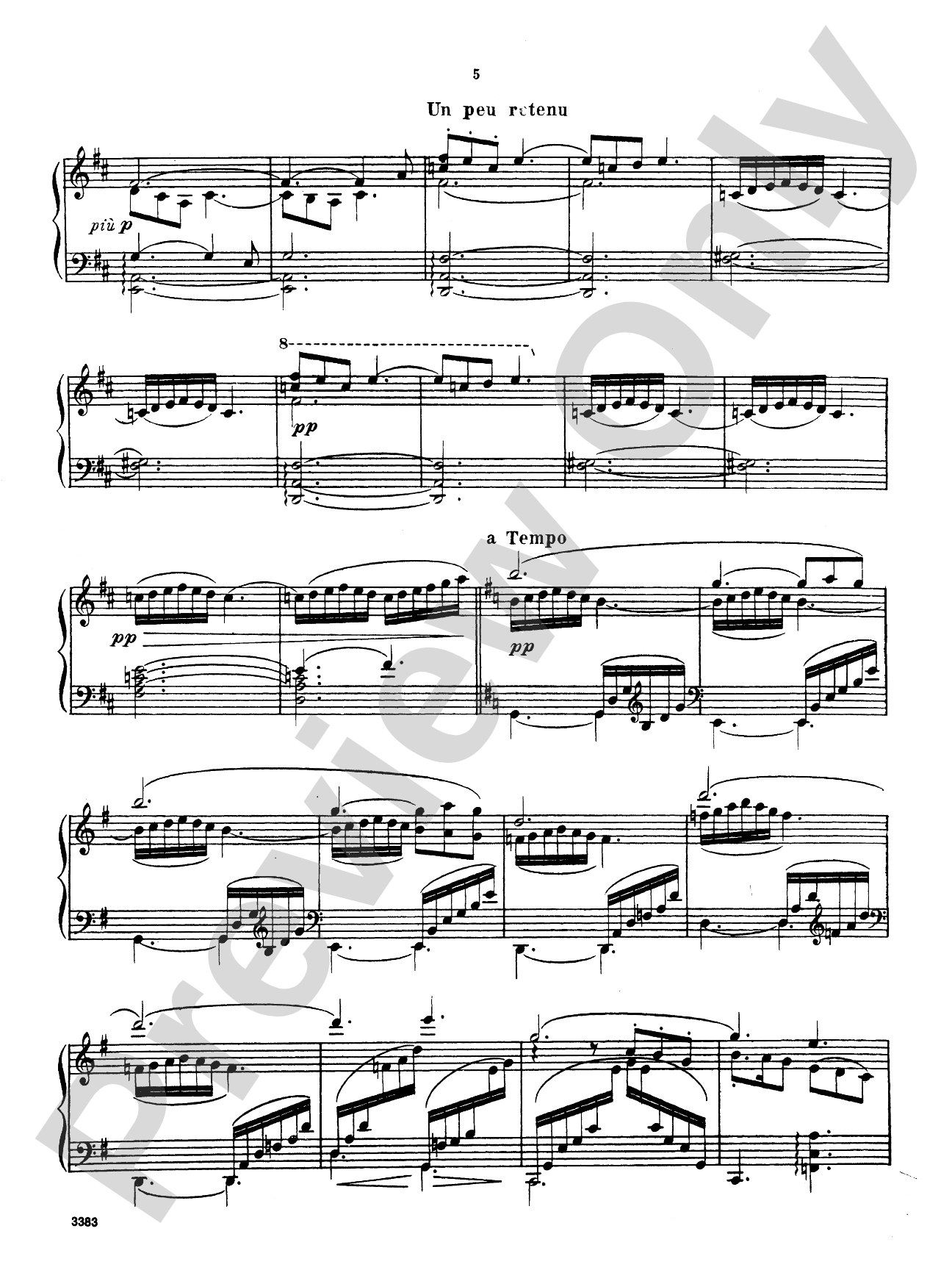
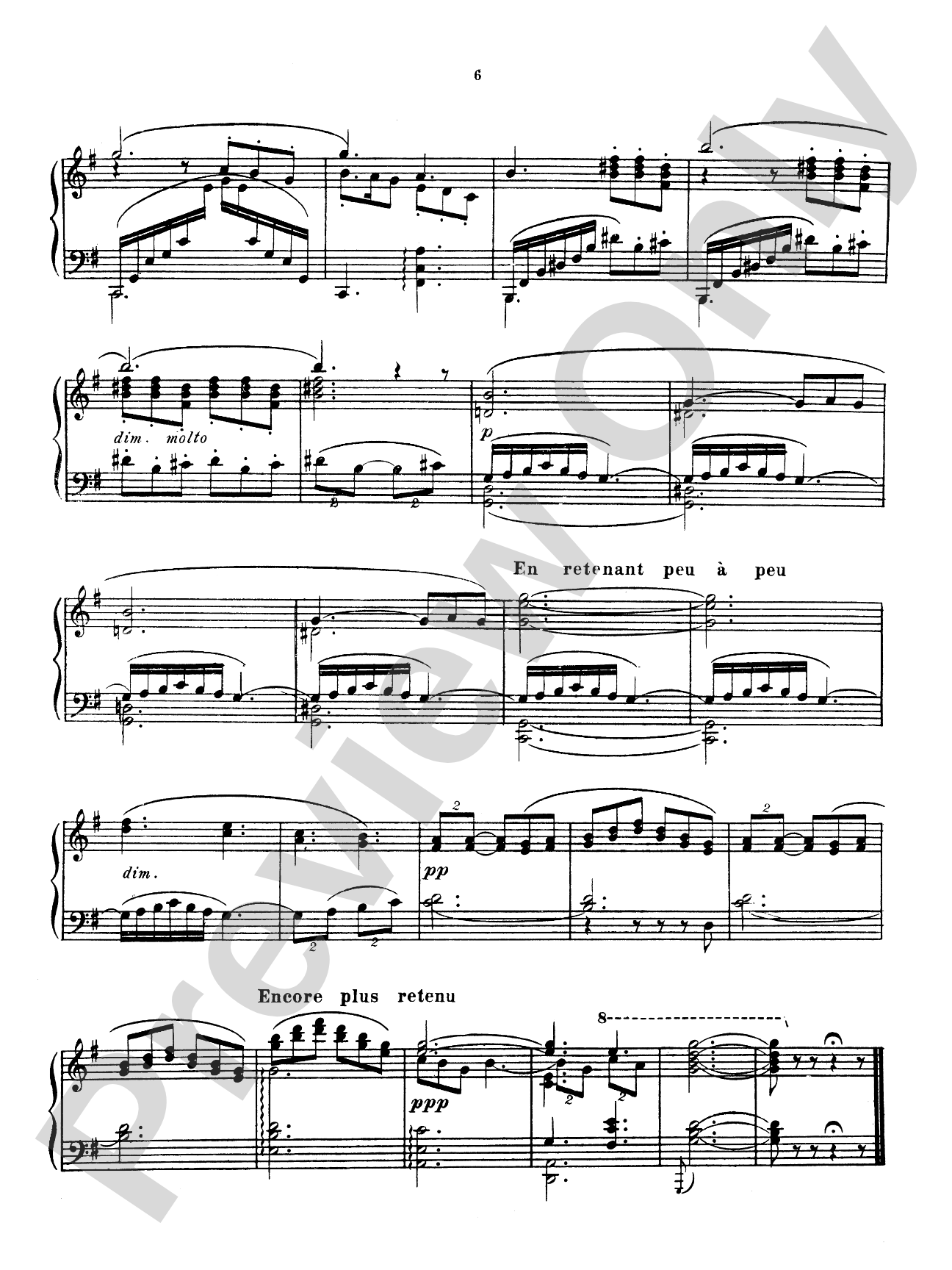
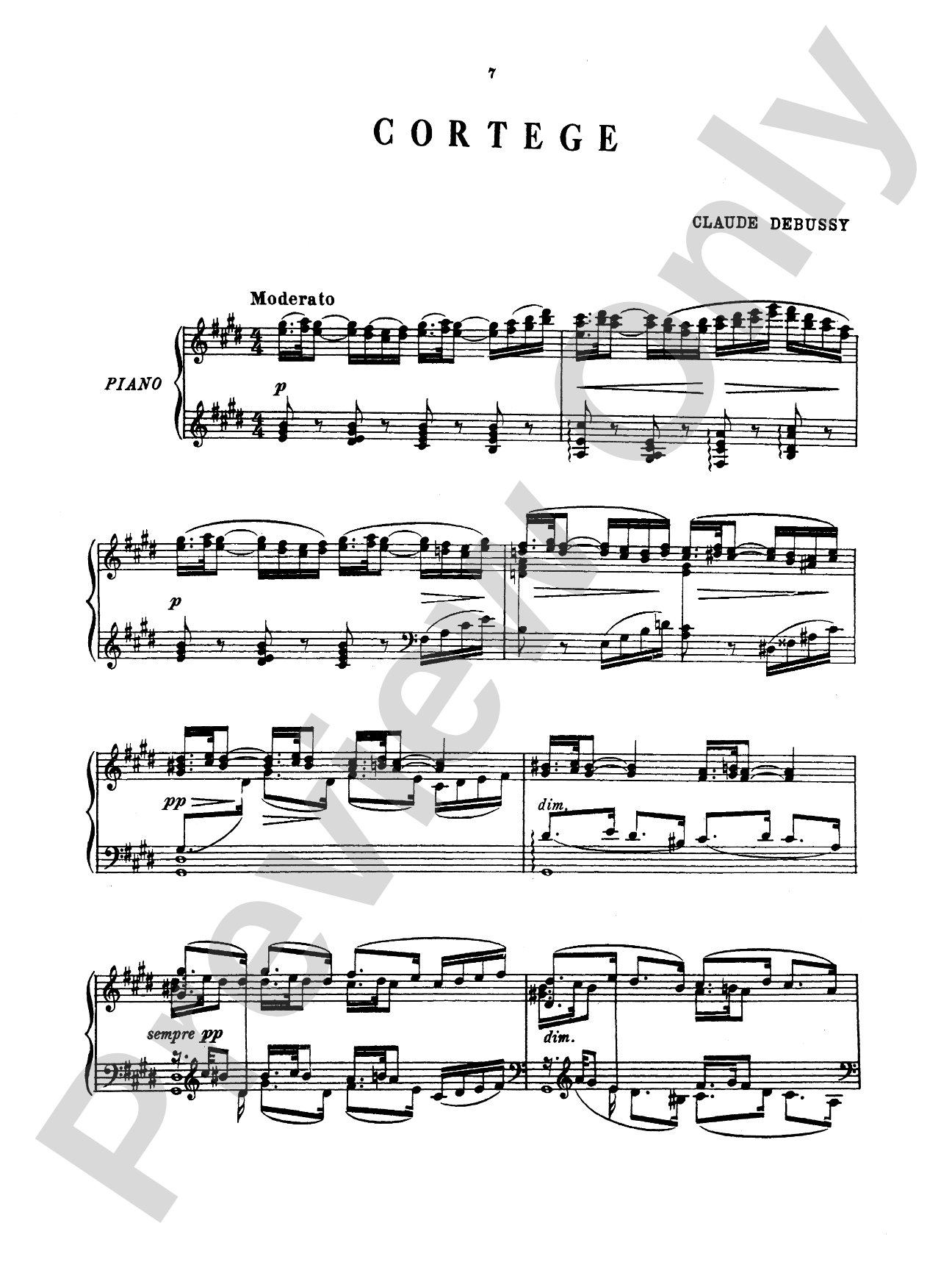
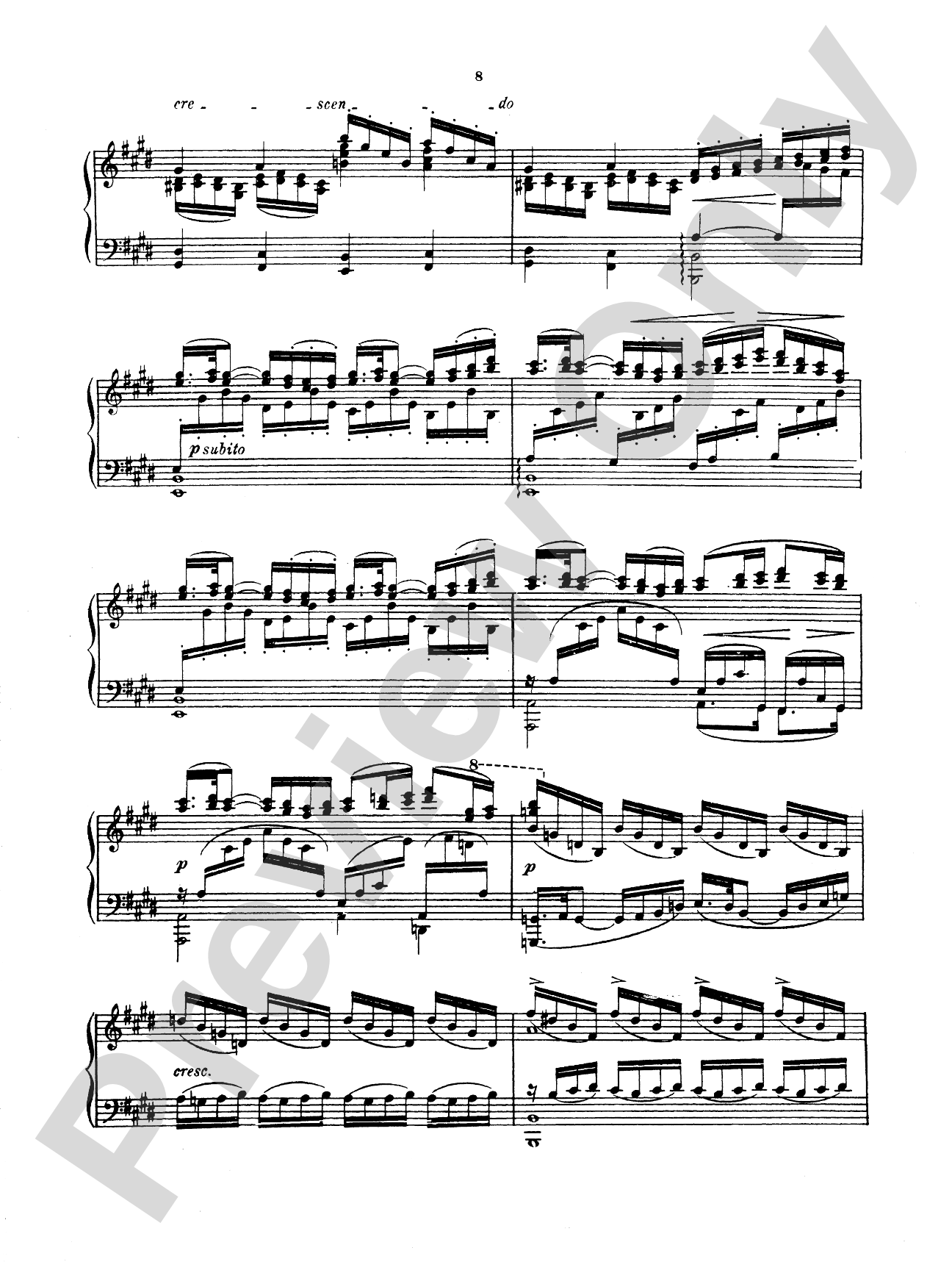
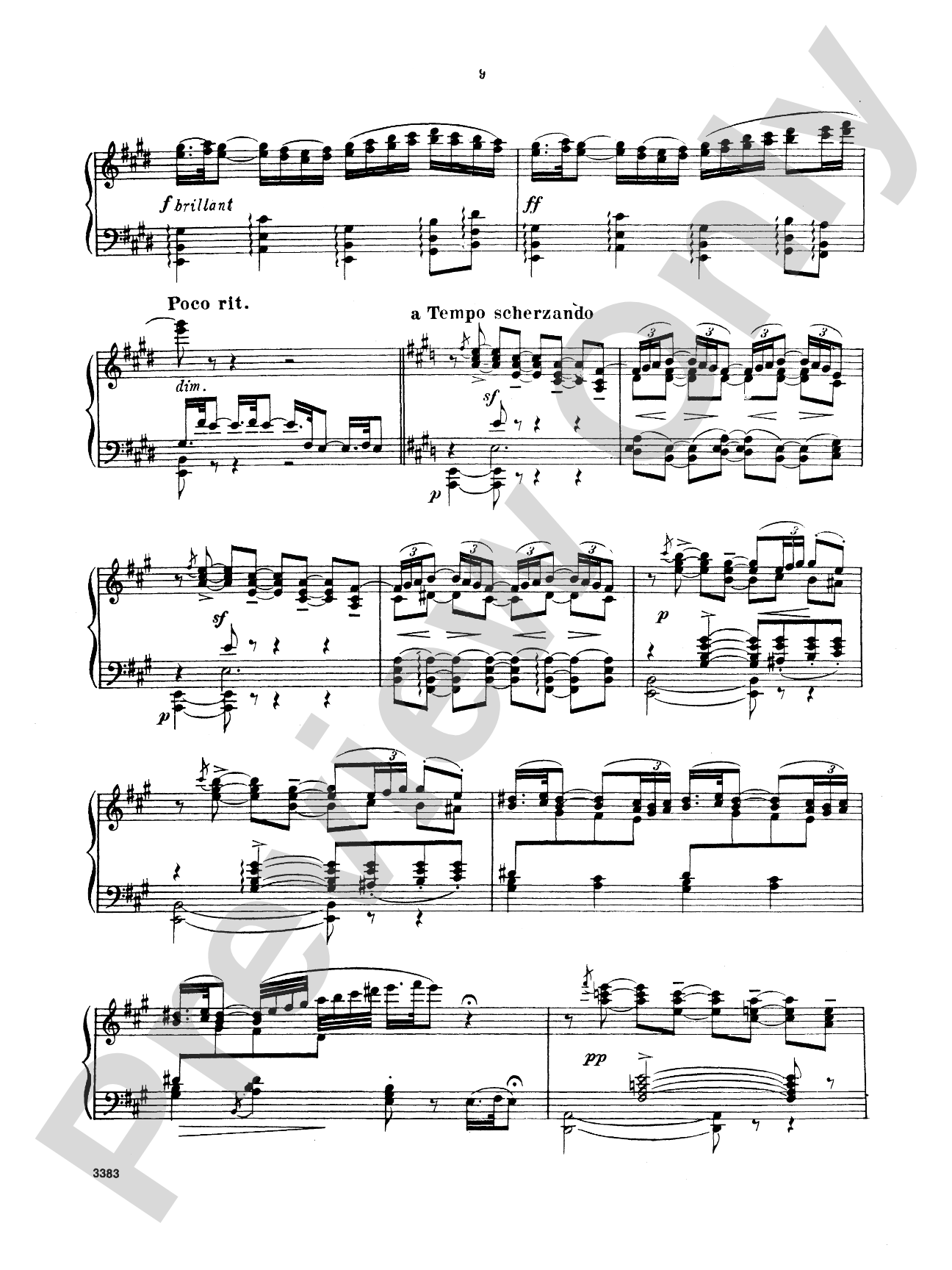
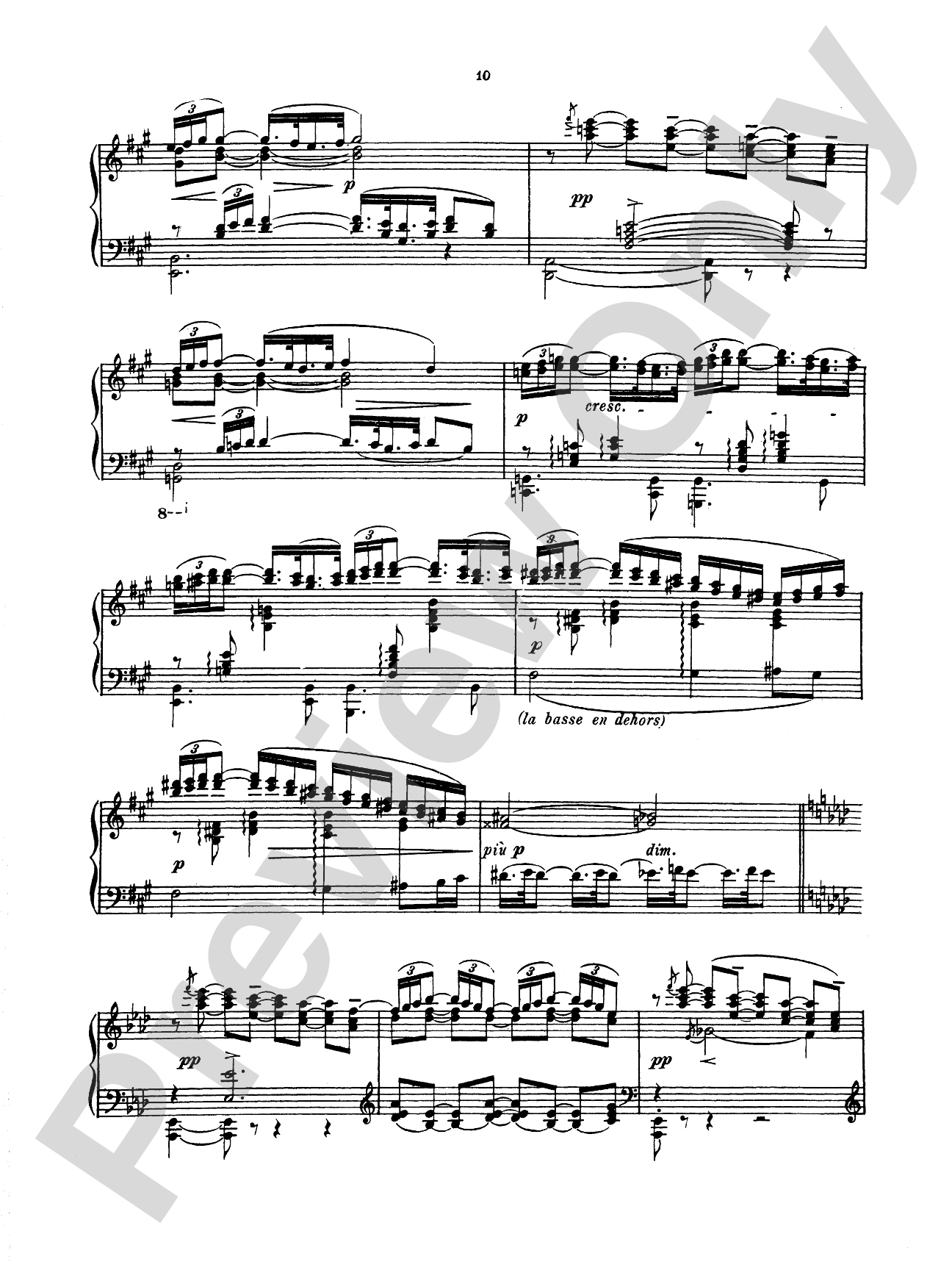
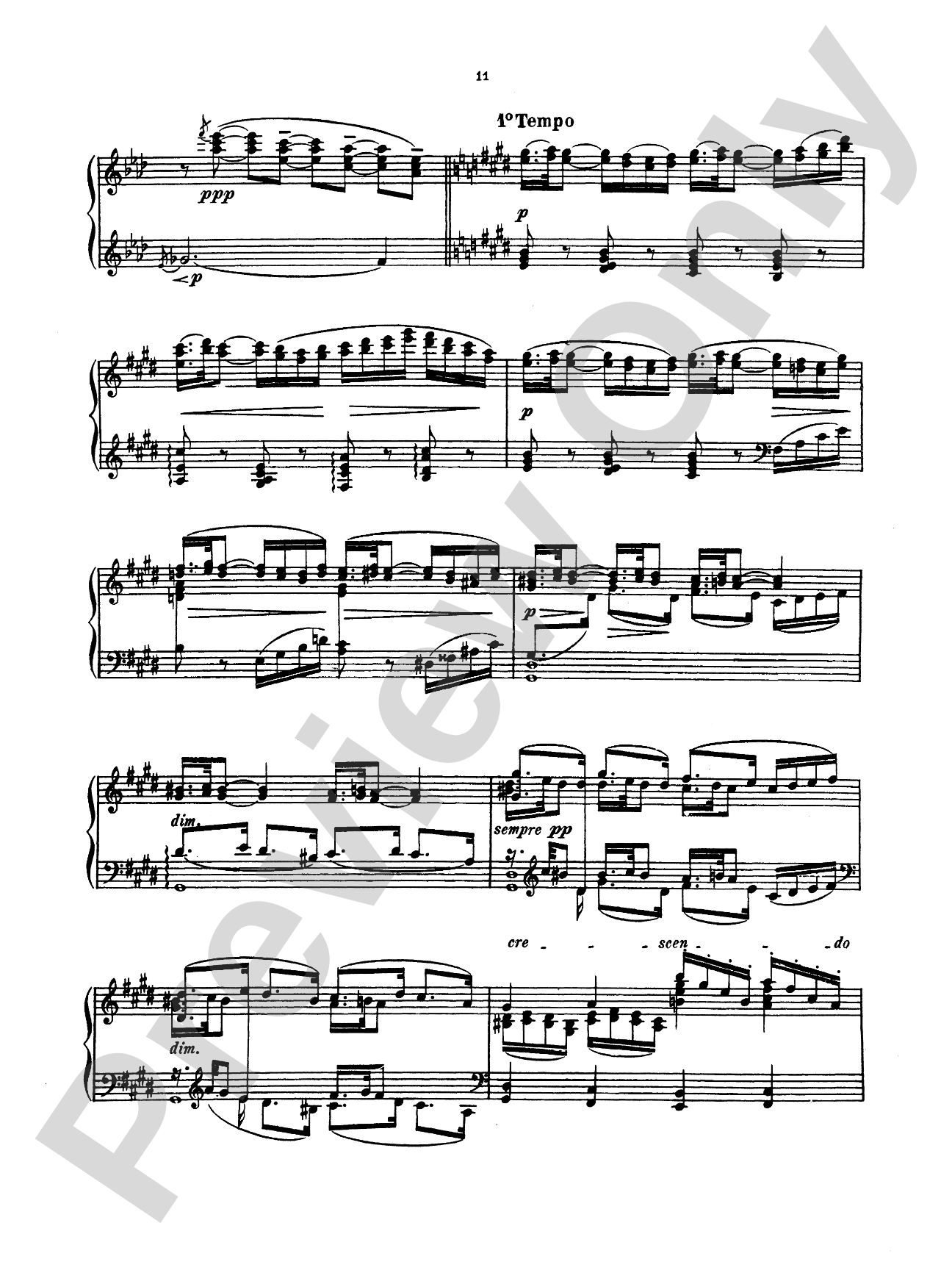
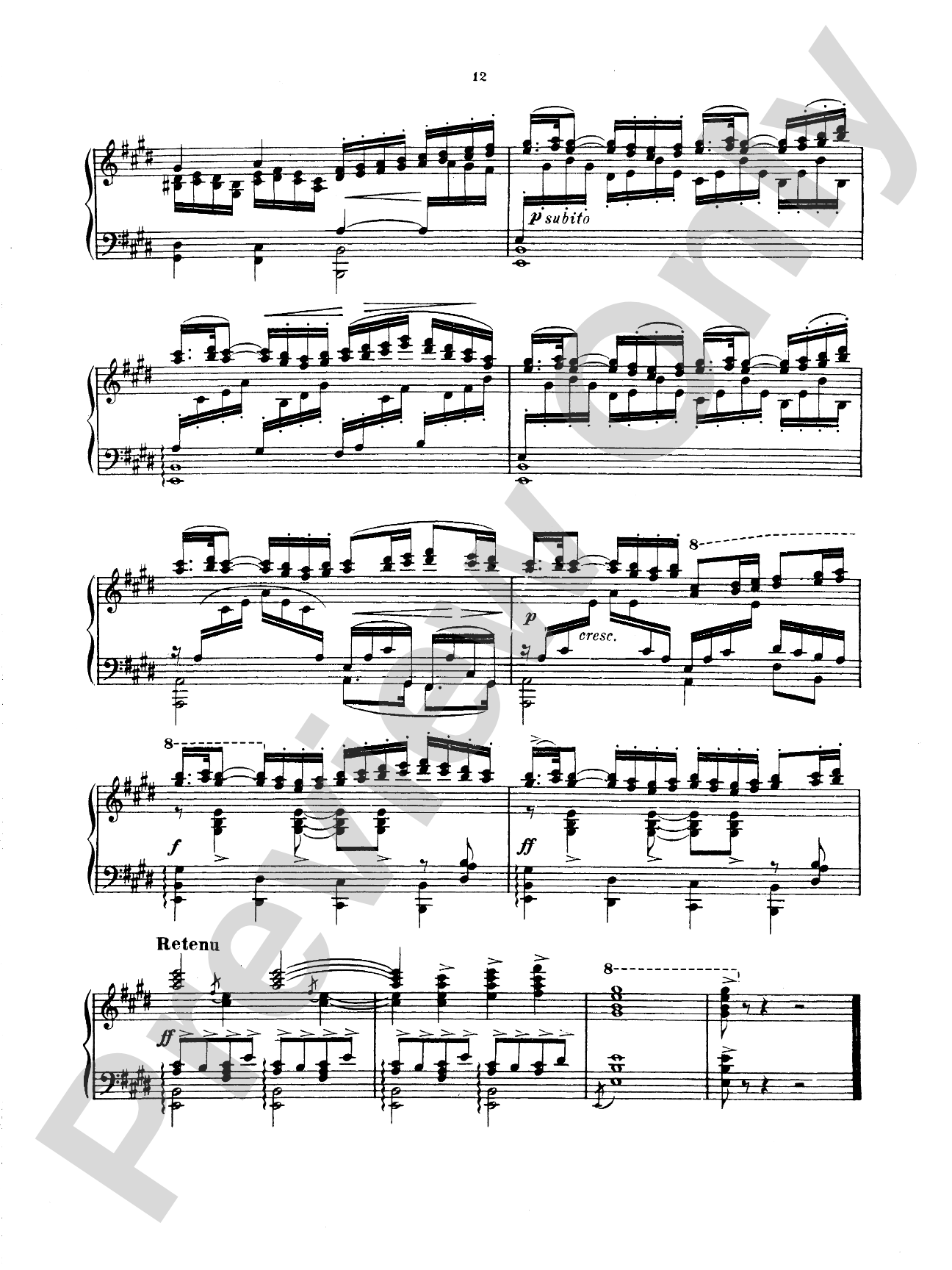
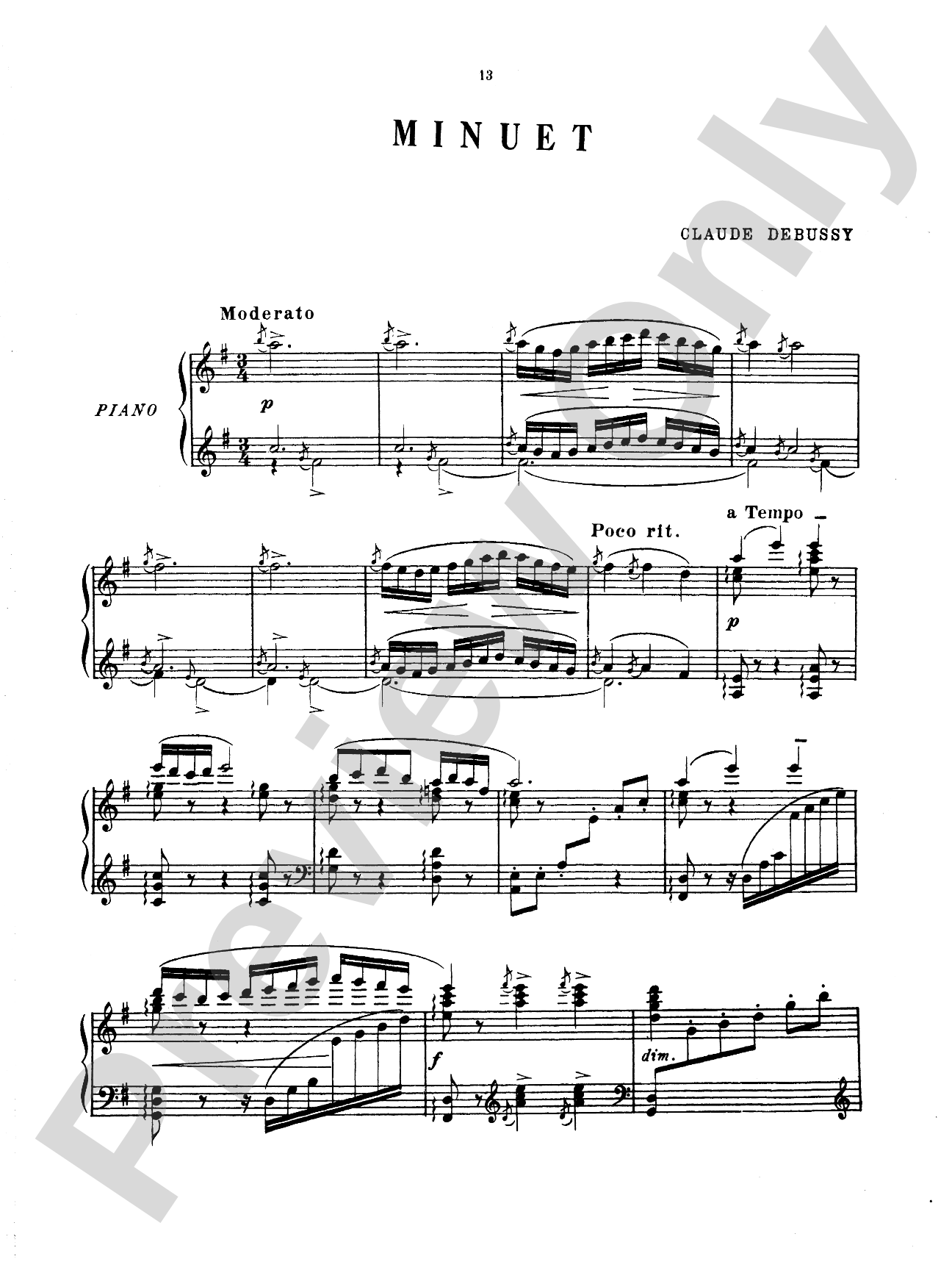
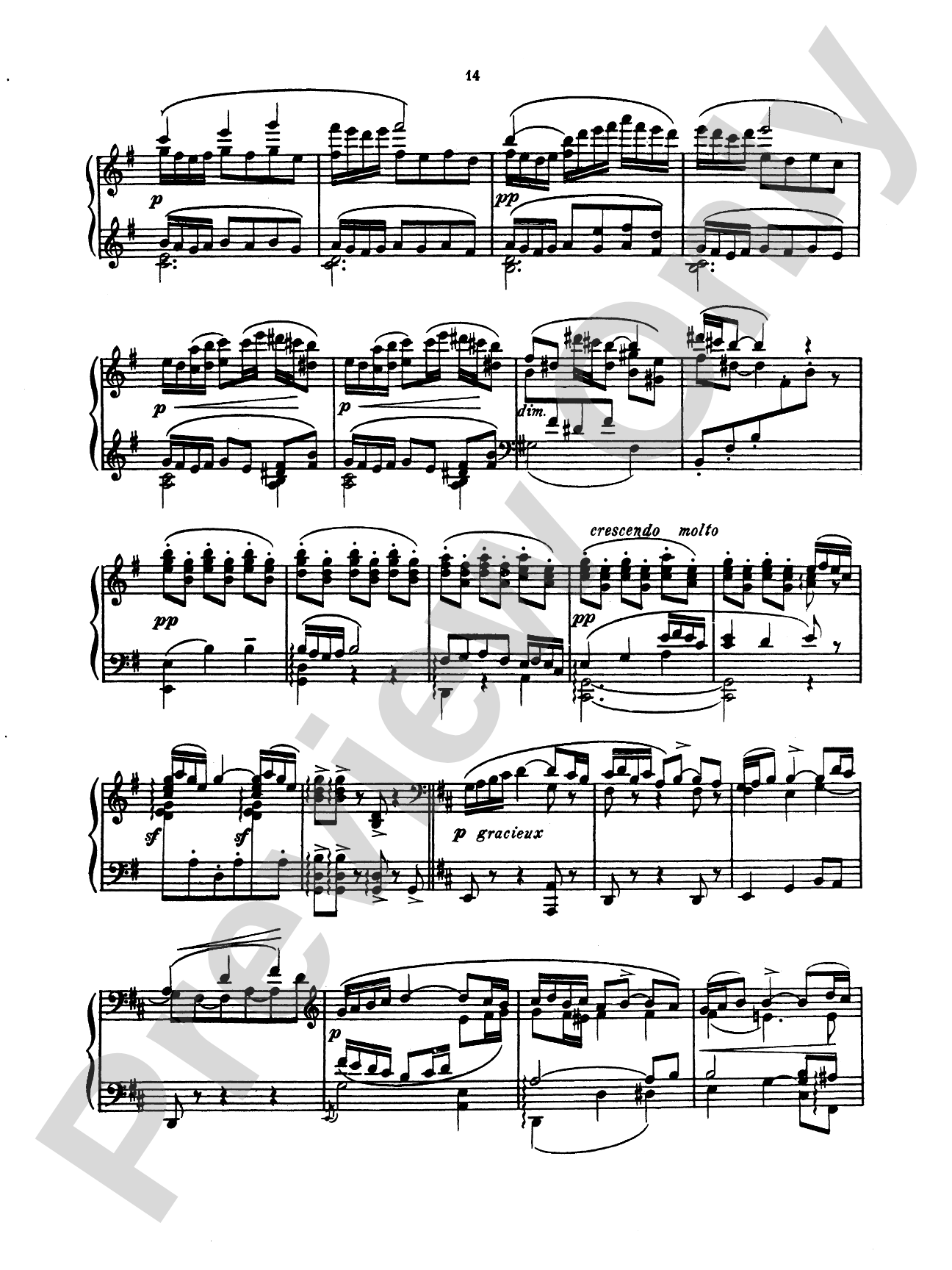
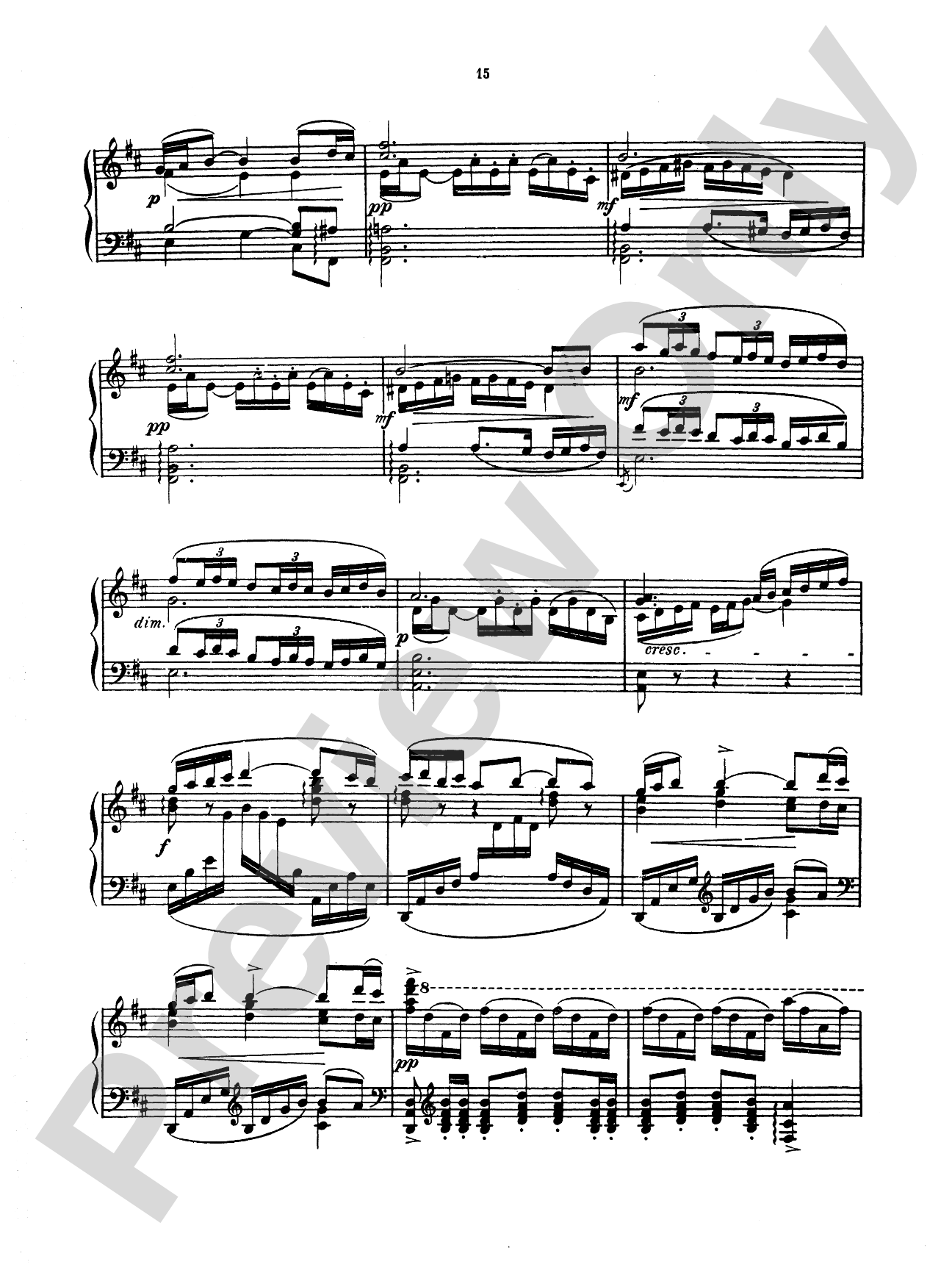
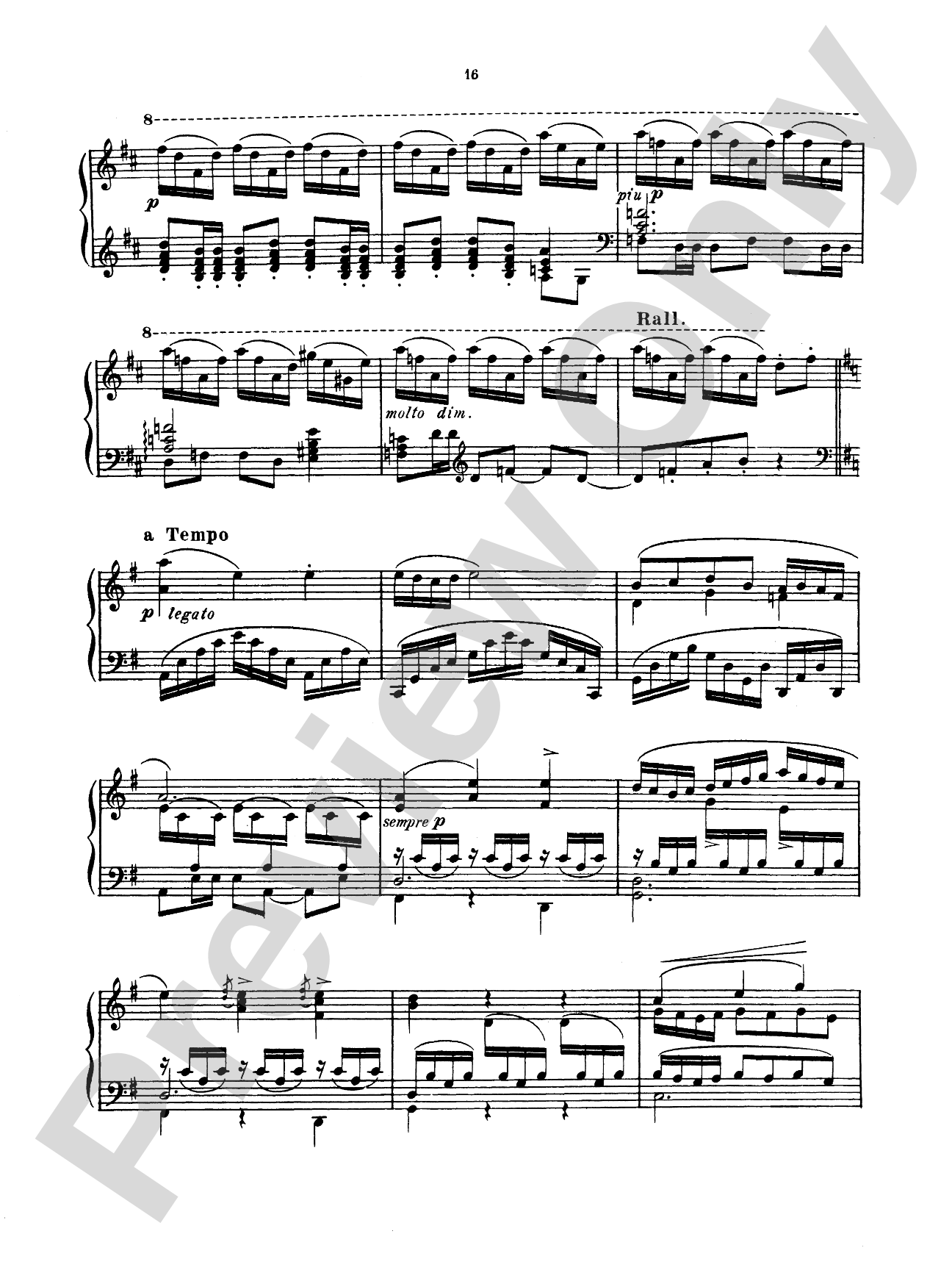
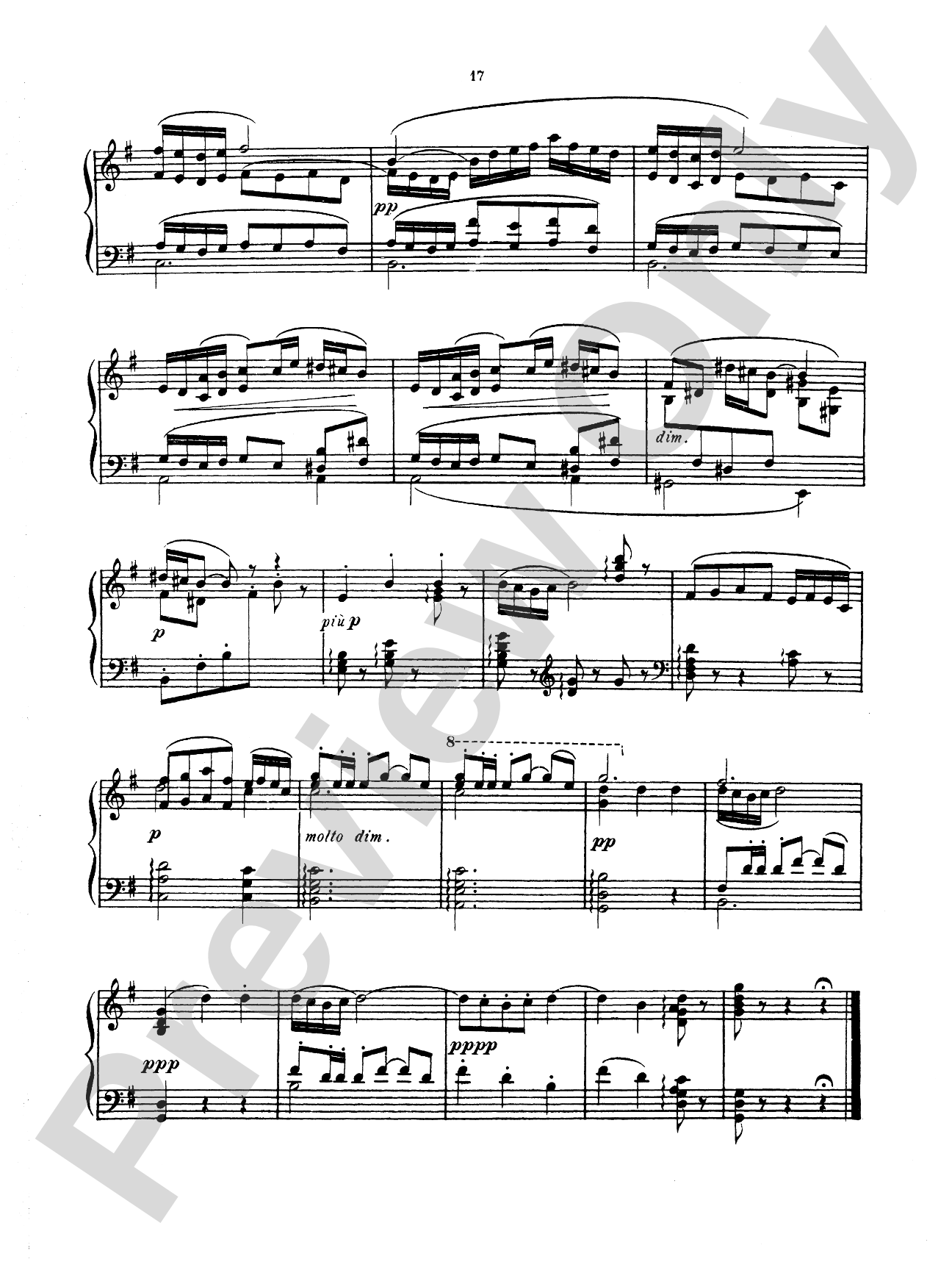
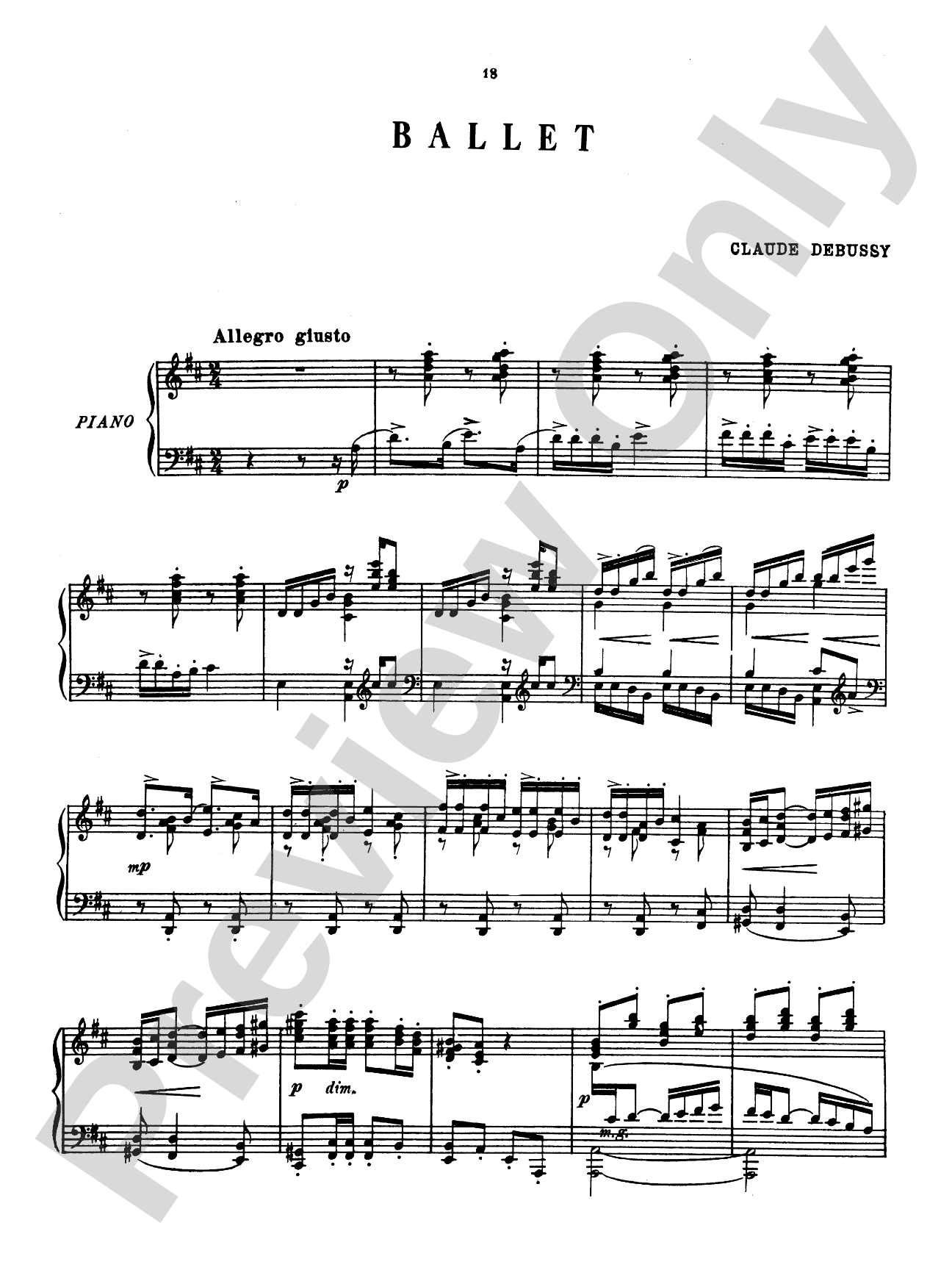
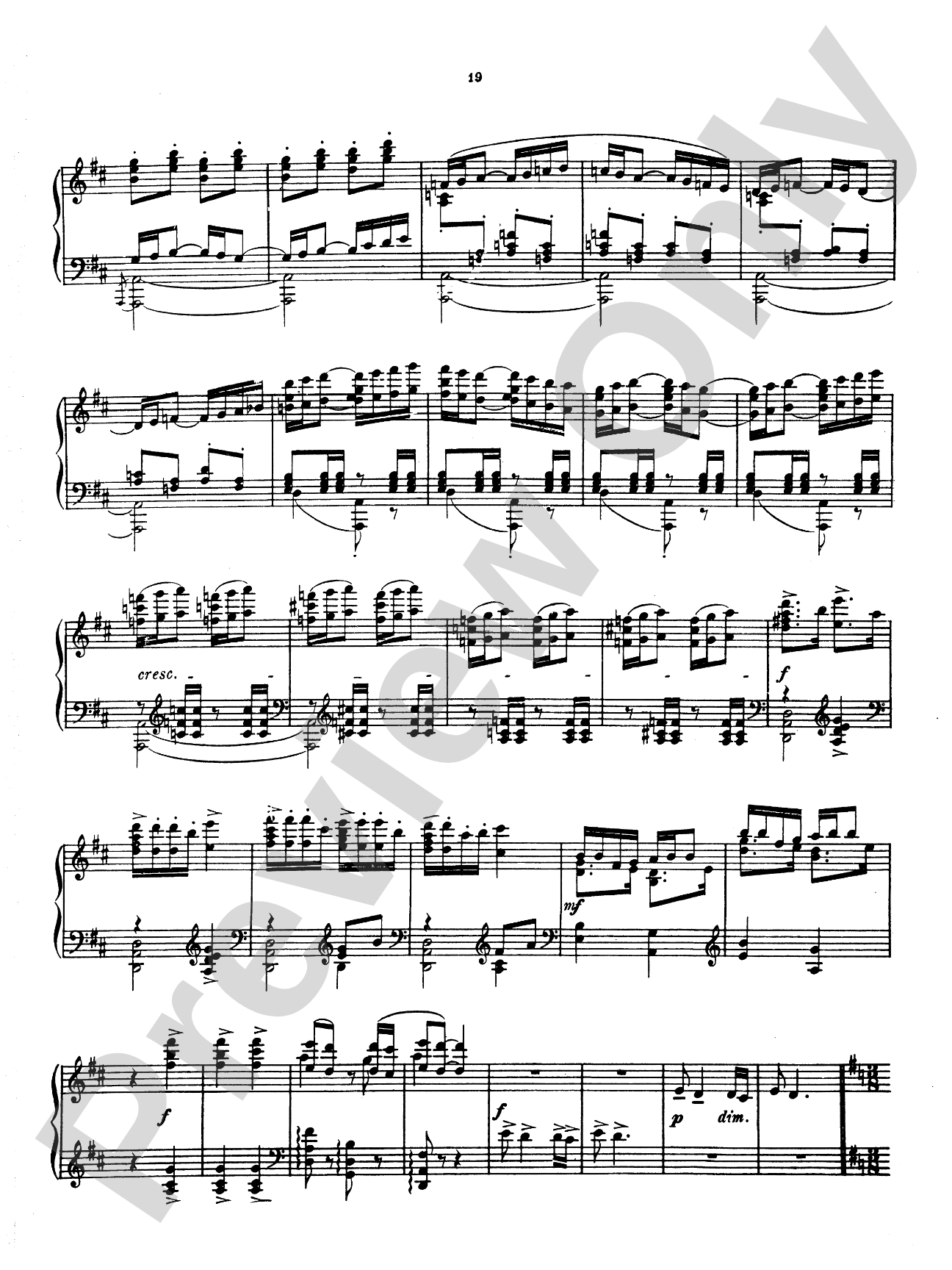
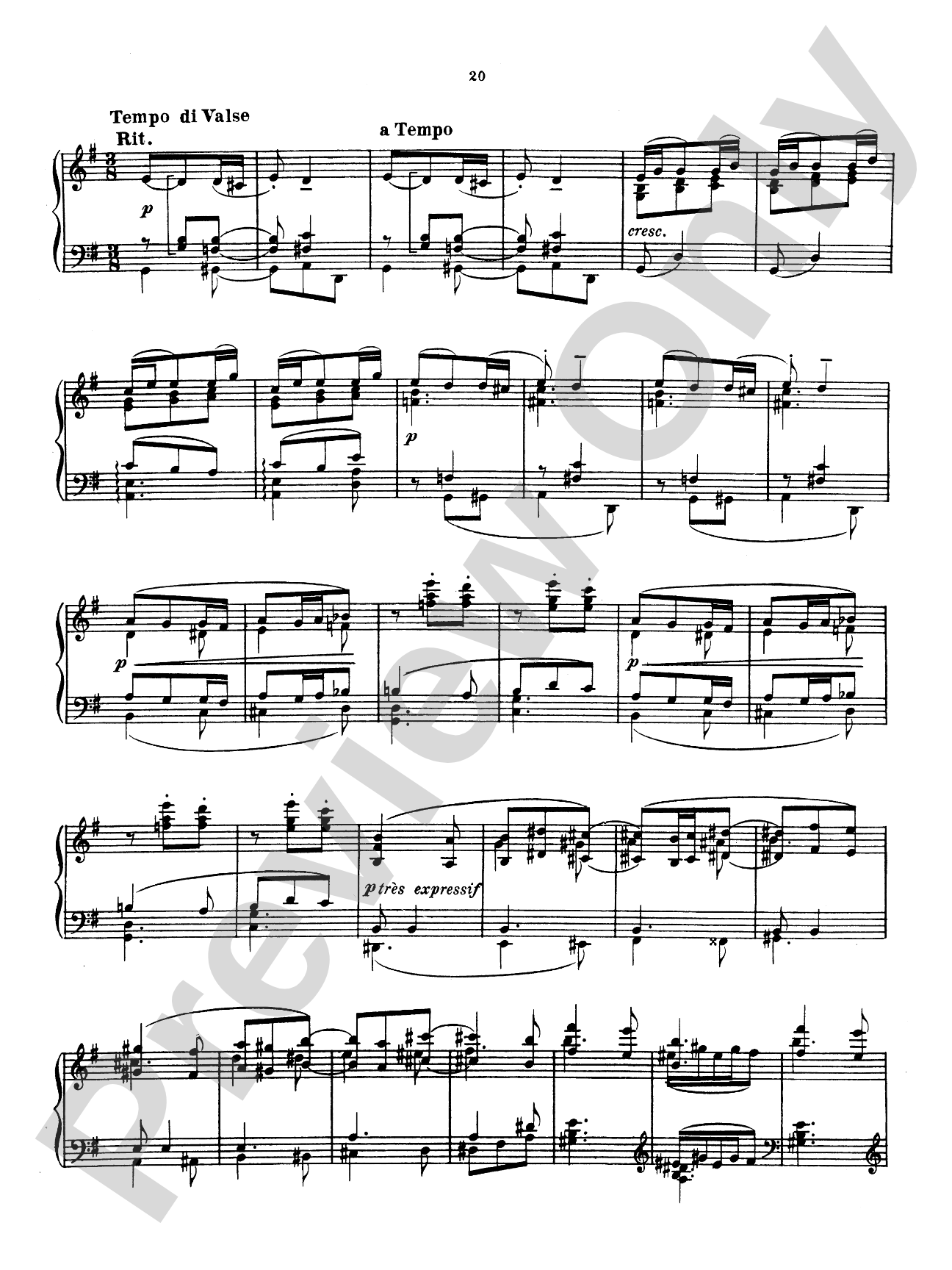
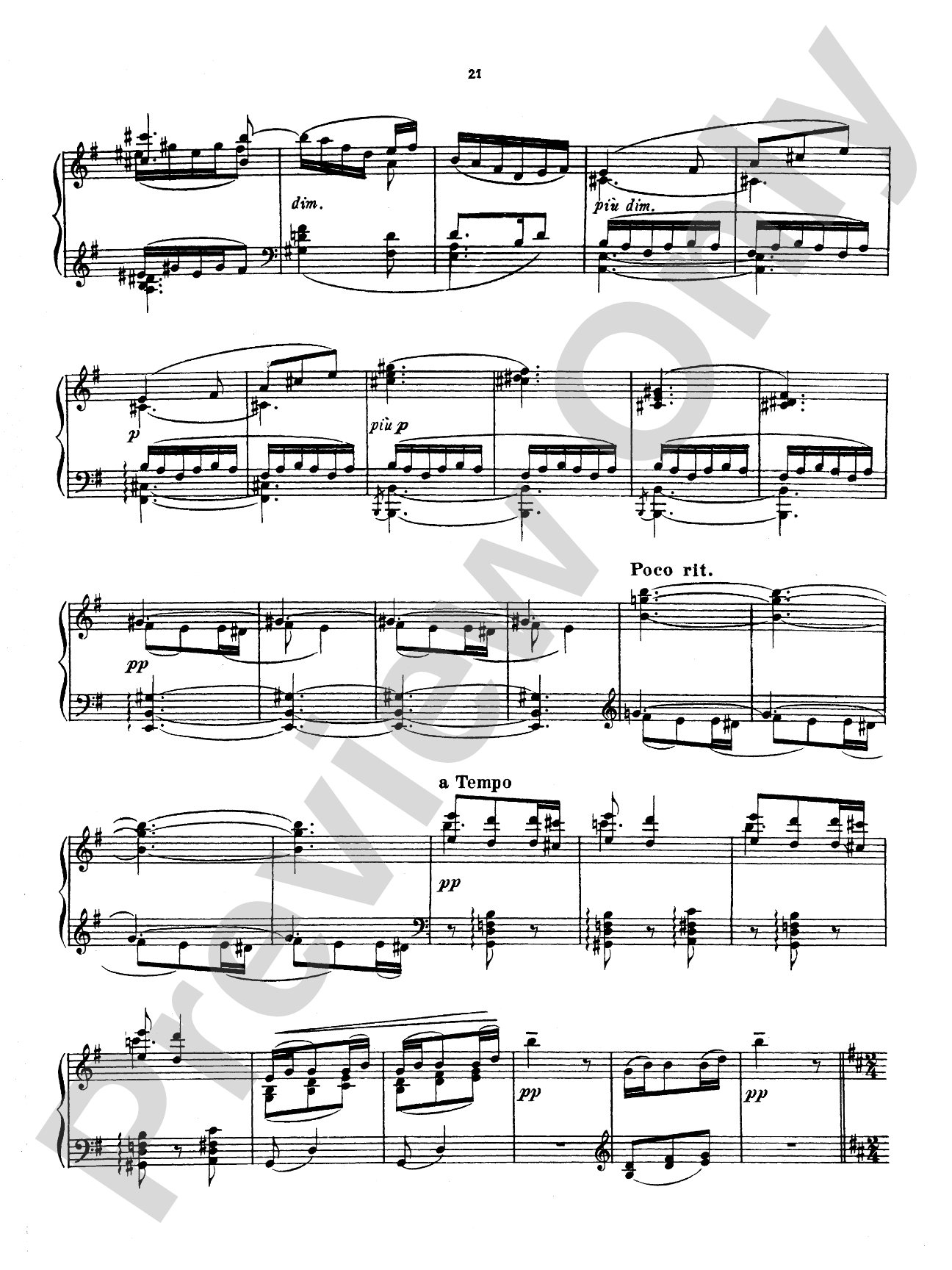
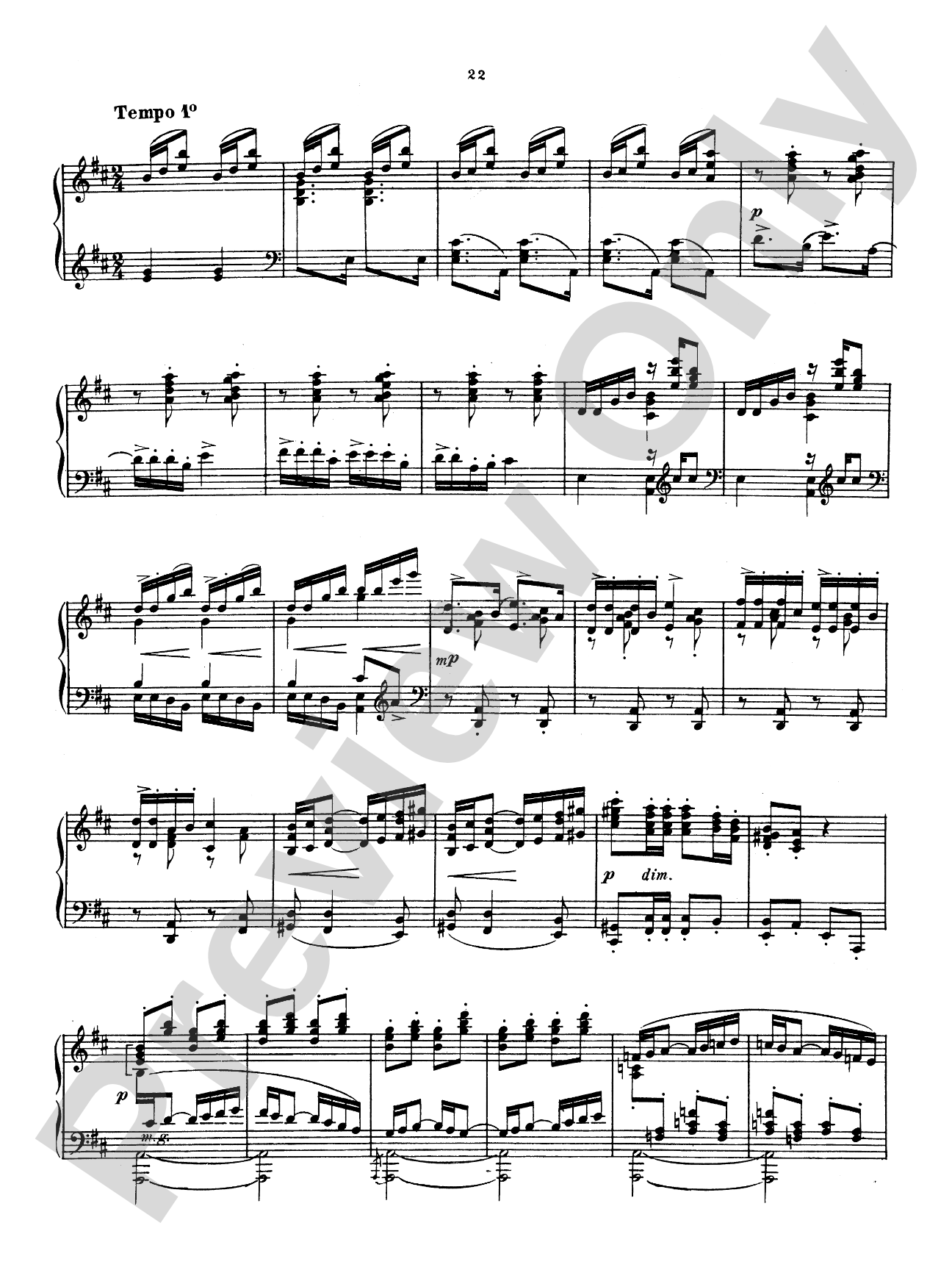
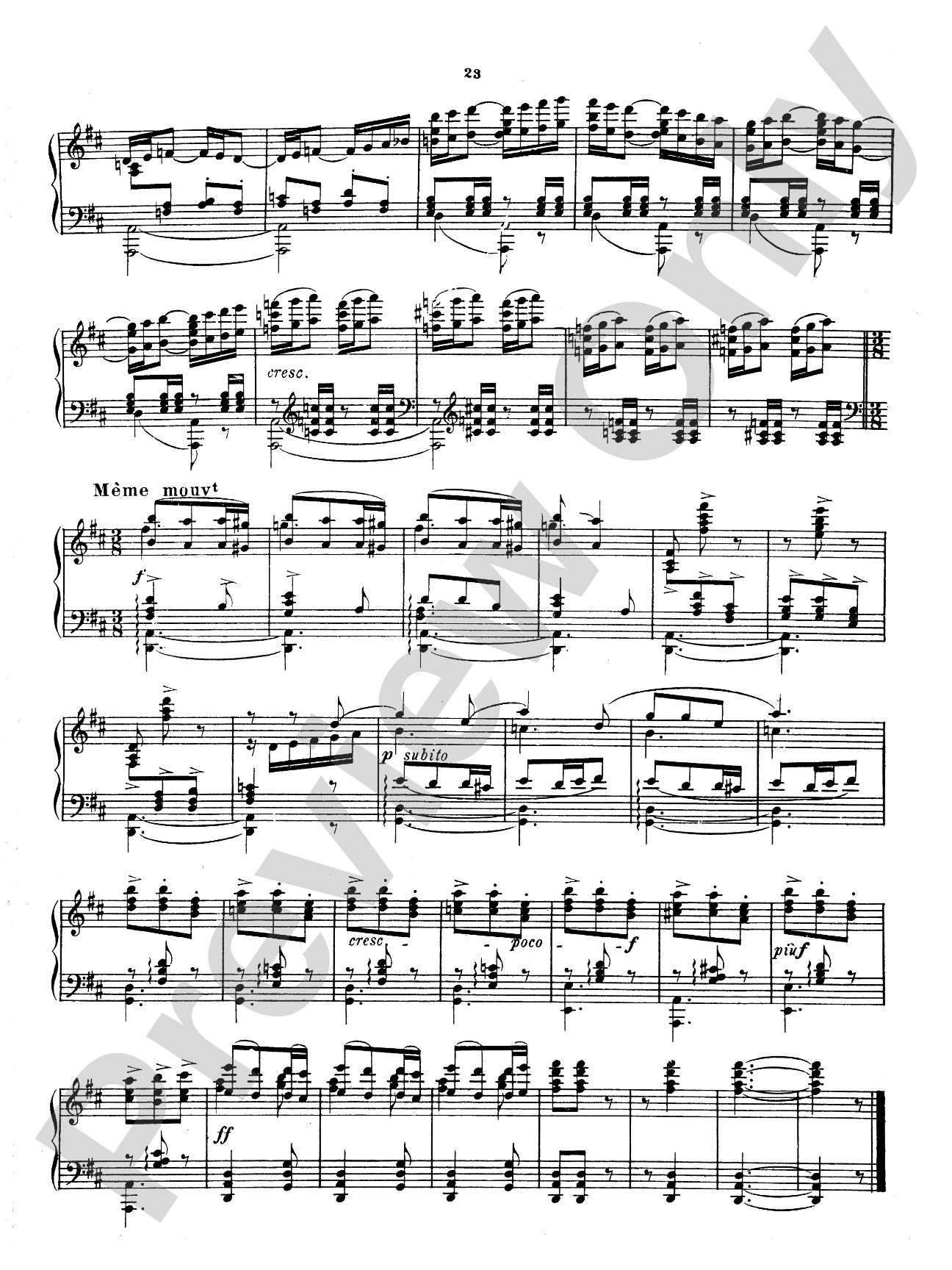


Debussy: Petite Suite, Complete: Piano
By Claude Debussy
Item: 00-PK-0003057

$7.95
Pickup currently not available
Parts Added to Cart!
Related Items
Petite Suite, Complete: Piano |
$7.95
|
View |
Description
Expertly arranged piano solo from our Kalmus Edition.


Don't just read it, hear it, play along with it, and watch your students grow with it. In MakeMusic Cloud, Debussy: Petite Suite, Complete: Piano comes alive with professional accompaniment, adjustable tempo, and built-in practice tools that turn solo practice into real progress.
Open in the Player
Jump straight in and assign it today.
Start Your Free Trial
Open this title and explore the full library in minutes.
Sample Audio
No sample audio found.
Sample Video
No sample videos found.
Additional Details
Series:
Kalmus Edition
Publisher:
Alfred Music
Page Count:
24
SKU:
00-PK-0003057
More about this title
About the Composer: Claude Debussy
Claude Debussy (1862, 1918) transformed European music by rejecting the rigid harmonic structures of Romanticism and building a language based on color, texture, and suggestion. His innovations in modal harmony, whole-tone scales, and orchestral sonority opened pathways that composers are still exploring today. For pianists and teachers, Debussy's work demands a complete rethinking of touch, pedaling, and interpretive freedom, skills that deepen musical maturity across all repertoire.
Debussy's piano writing remains central to any serious student's education. His technical demands are real, but they serve expressive purposes rather than virtuosity for its own sake. Teaching his music teaches listening itself.
Why we love this
The Petite Suite distills Debussy's impressionistic language into movements that are immediately engaging but endlessly rewarding to explore. Four distinct character pieces give students clear architectural landmarks, Prélude, Fugue, Minuet, and Toccata, while the harmonic language never settles into predictability. This complete collection offers the perfect introduction to Debussy's piano style without overwhelming intermediate and advanced players.
What to expect
Petite Suite evokes shifting moods through delicate harmonic color and suggestive melodic fragments. The music inhabits a world of subtle gradations and shimmering textures, inviting the pianist and listener alike into Debussy's distinctive soundworld where atmosphere matters as much as structure.
Who it's for
Intermediate to advanced pianists seeking repertoire that bridges Romantic and modern sensibilities without requiring virtuosic pyrotechnics. This suite works for students ready to engage with chromatic harmony, unconventional voice leading, and the interpretive freedom that Impressionistic music demands.
How to get the most out of it
- Treat each movement as a distinct character study; avoid rushing transitions. Allow silence between movements to reset the listener's ear and let the previous atmosphere dissipate.
- Prioritize tonal control and pedal clarity over speed. Debussy's harmonies depend on precise voicing and judicious use of the sustain pedal to blur lines without muddying sonority.
- Listen carefully to the printed dynamic markings and resist the urge to overdrive climactic moments. Restraint and suggestion are central to the Impressionistic aesthetic.
- Practice each movement separately to internalize its harmonic language before assembling them into the full suite. This approach clarifies structural relationships and prevents the music from becoming generalized impressionism.
How to use it
Program the entire suite as a four-movement recital work to showcase stylistic range within a single composer's voice. Alternatively, select individual movements to complement contemporary or classical repertoire on a mixed program, the Minuet pairs well with works from other eras. Students preparing comprehensive exams benefit from studying all four movements as a unit.
Skills your students will build
- Pedal control and tonal blending in chromatic harmony
- Reading and interpreting unconventional voice leading and intervallic relationships
- Translating orchestral textures and impressionistic imagery to keyboard technique
- Phrasing and structural understanding across multiple connected movements
- Dynamic nuance and restraint in Impressionistic context