

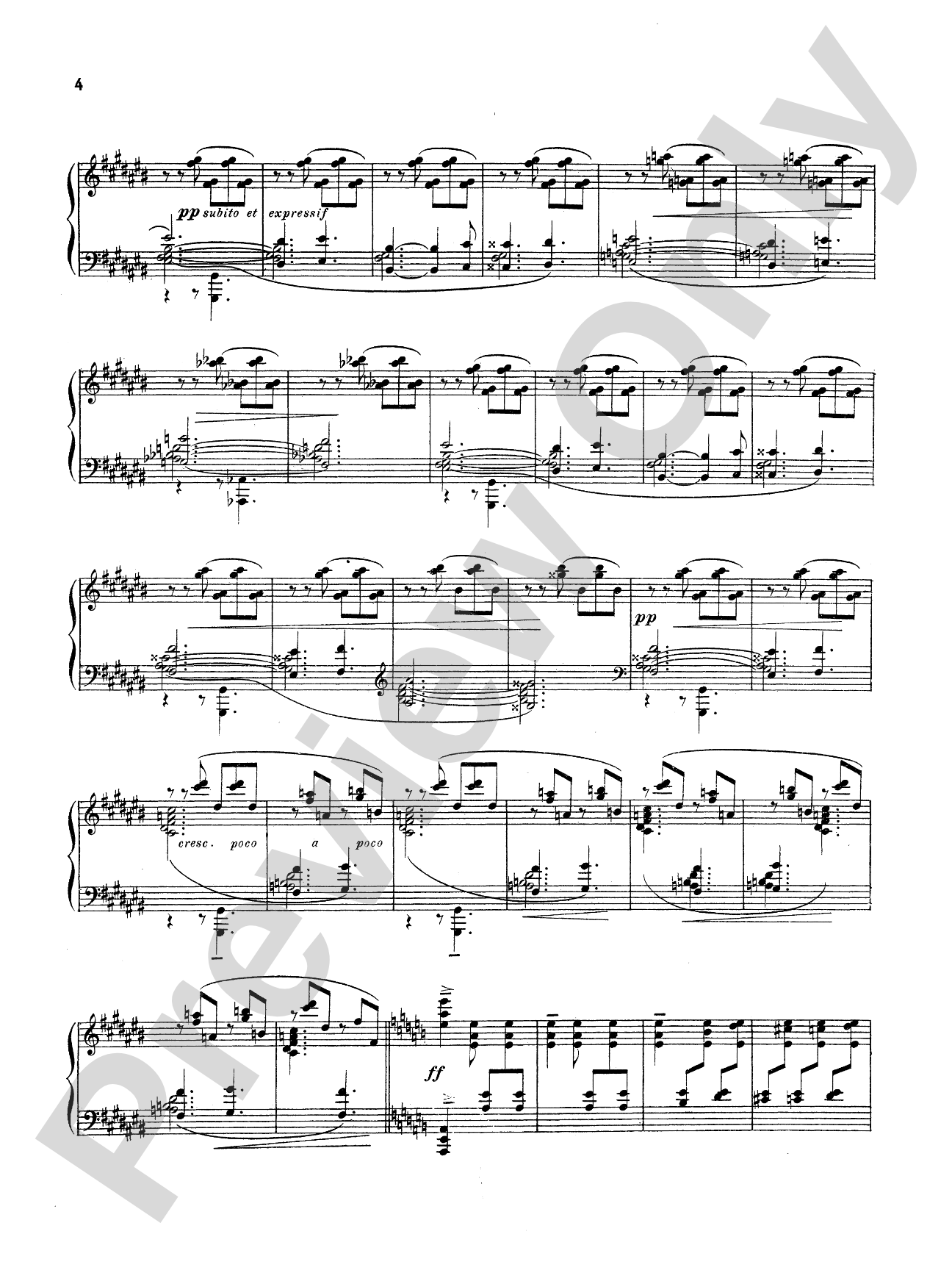
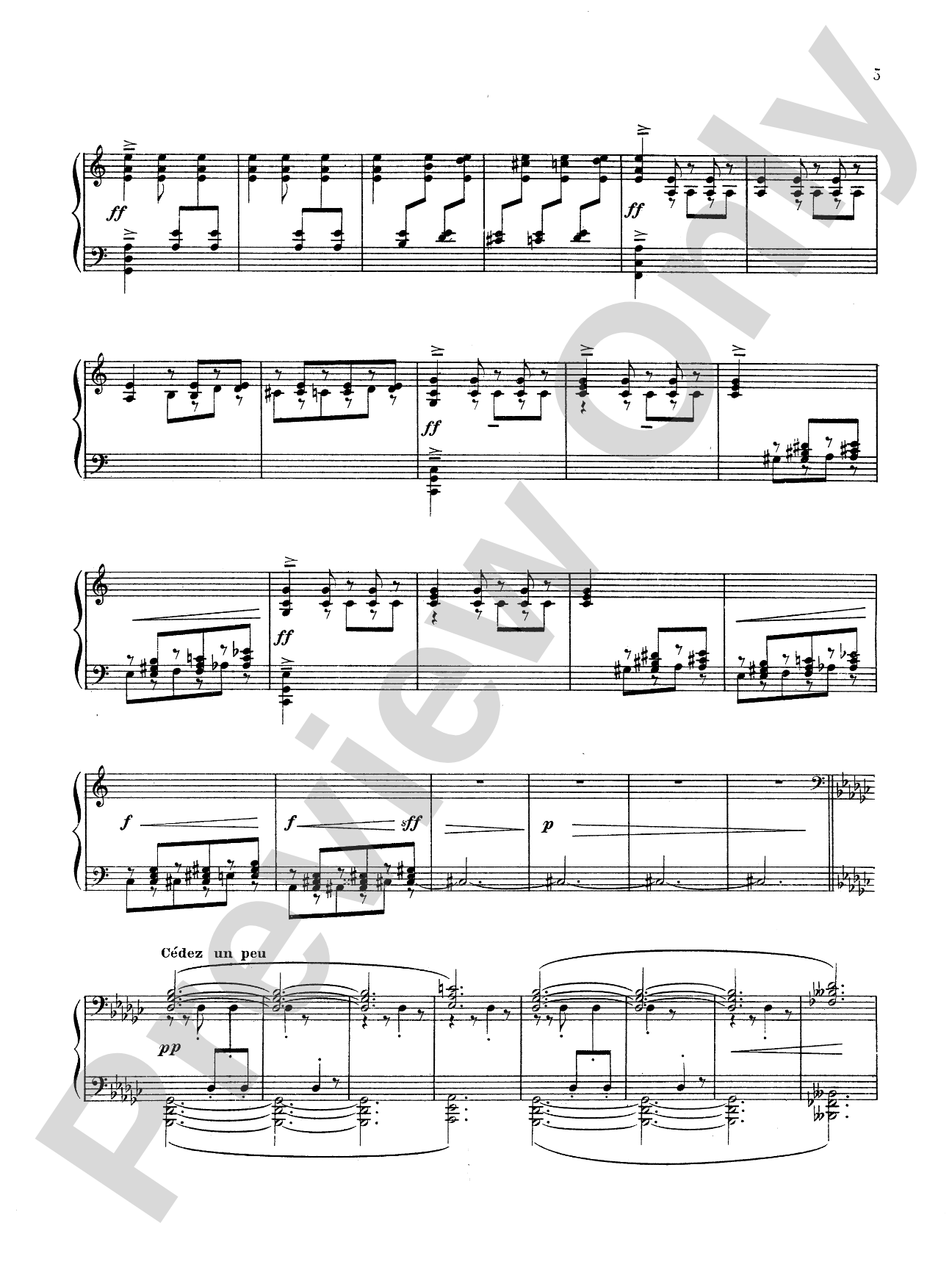
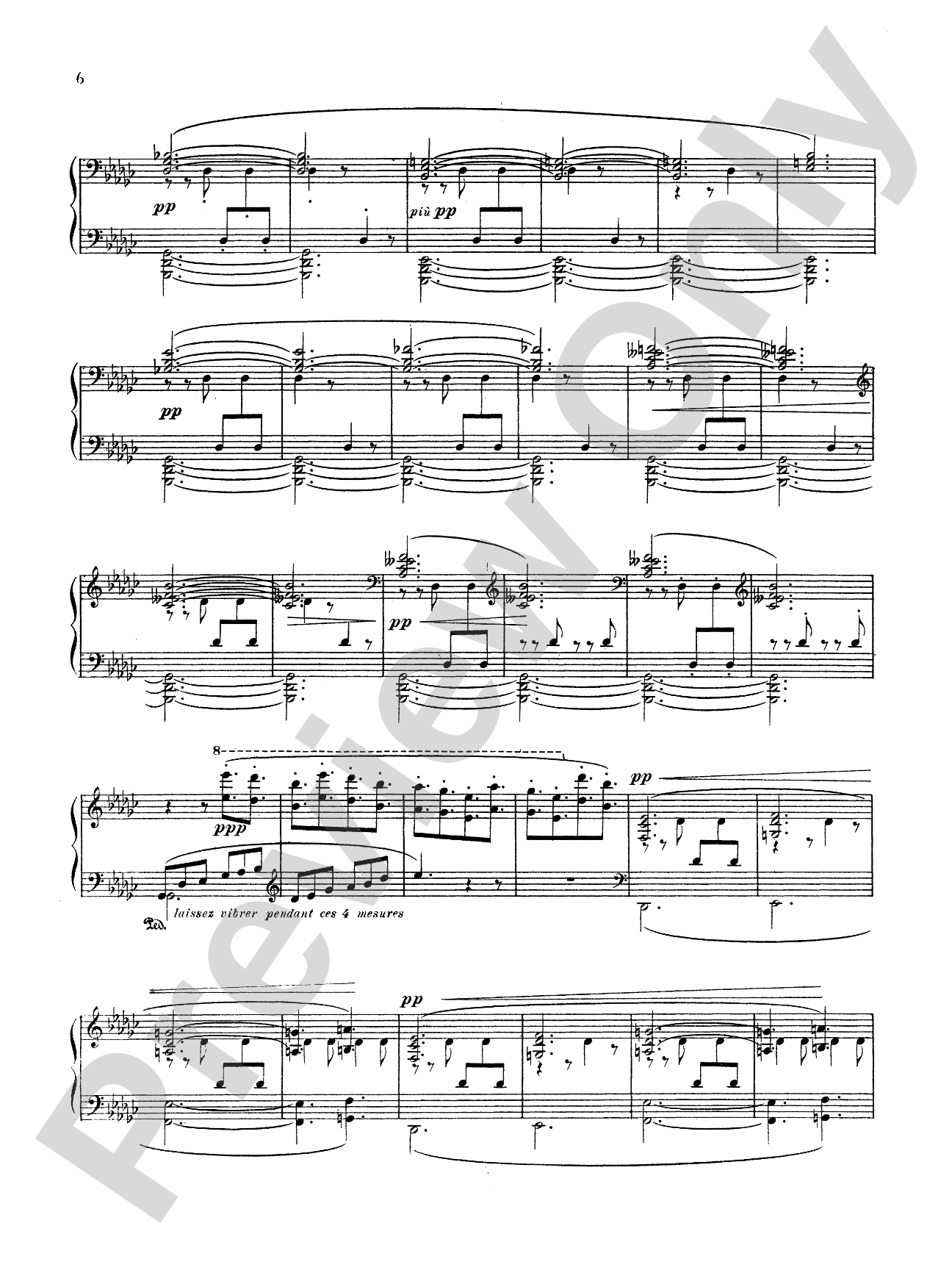
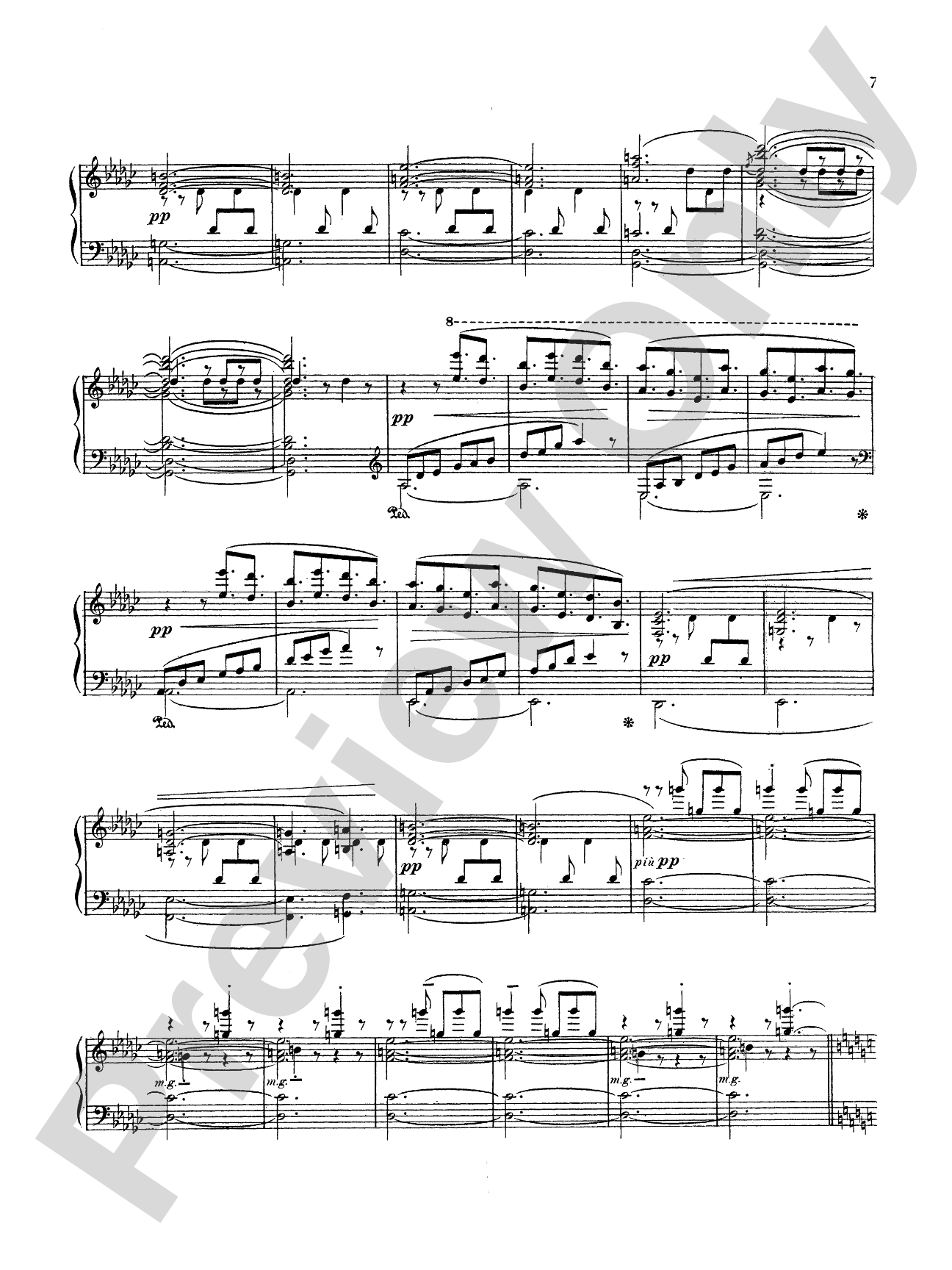
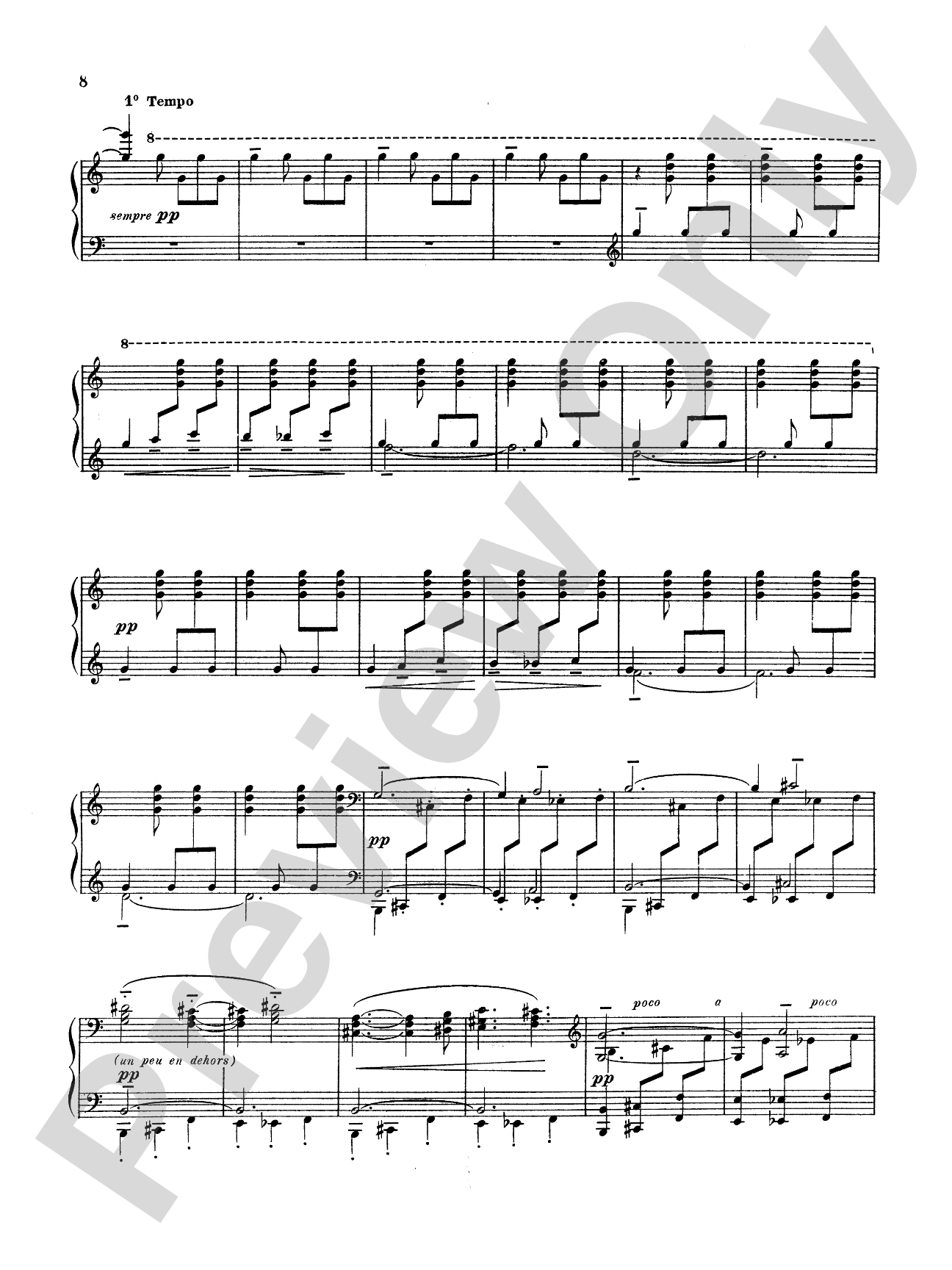
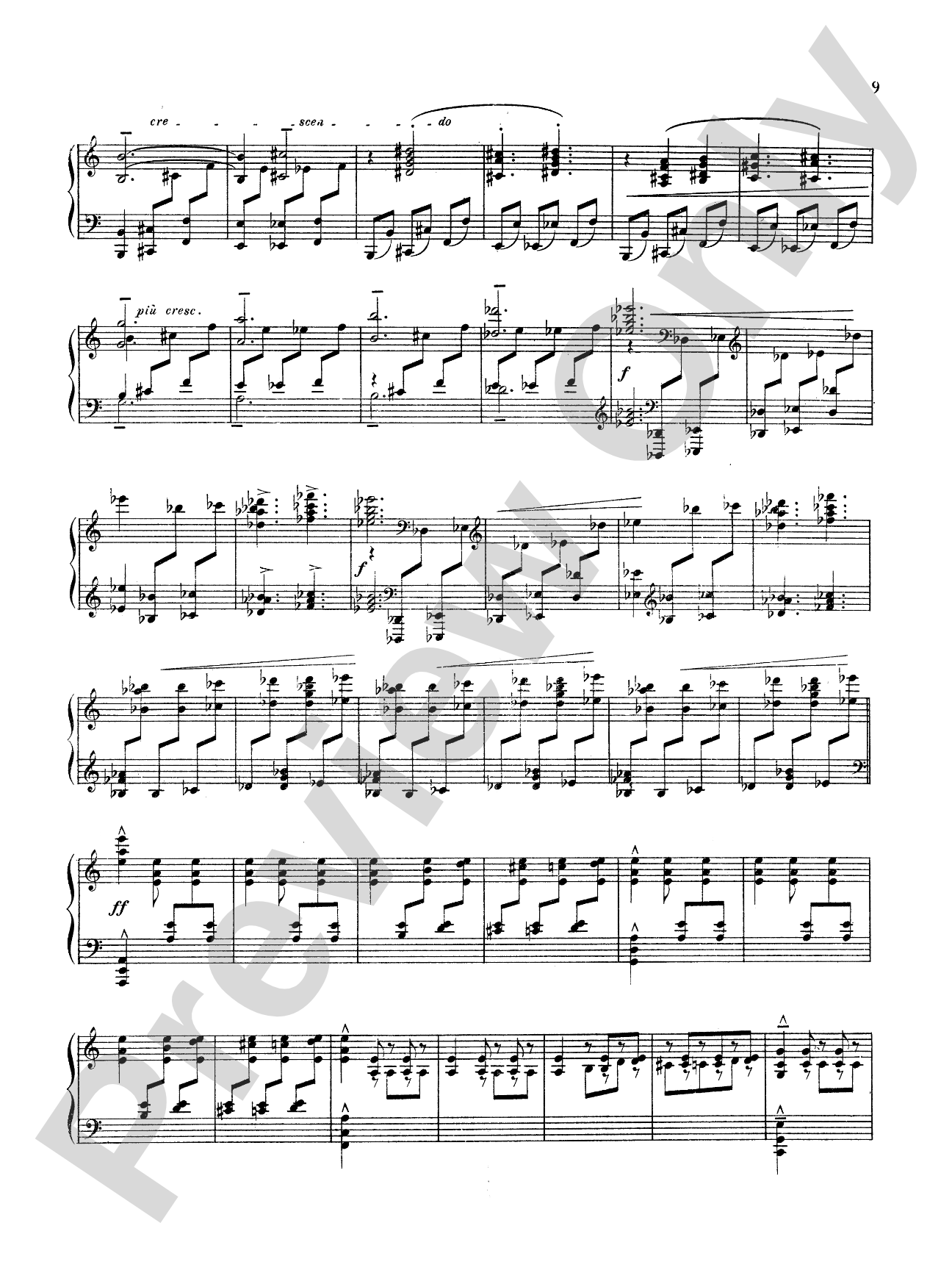
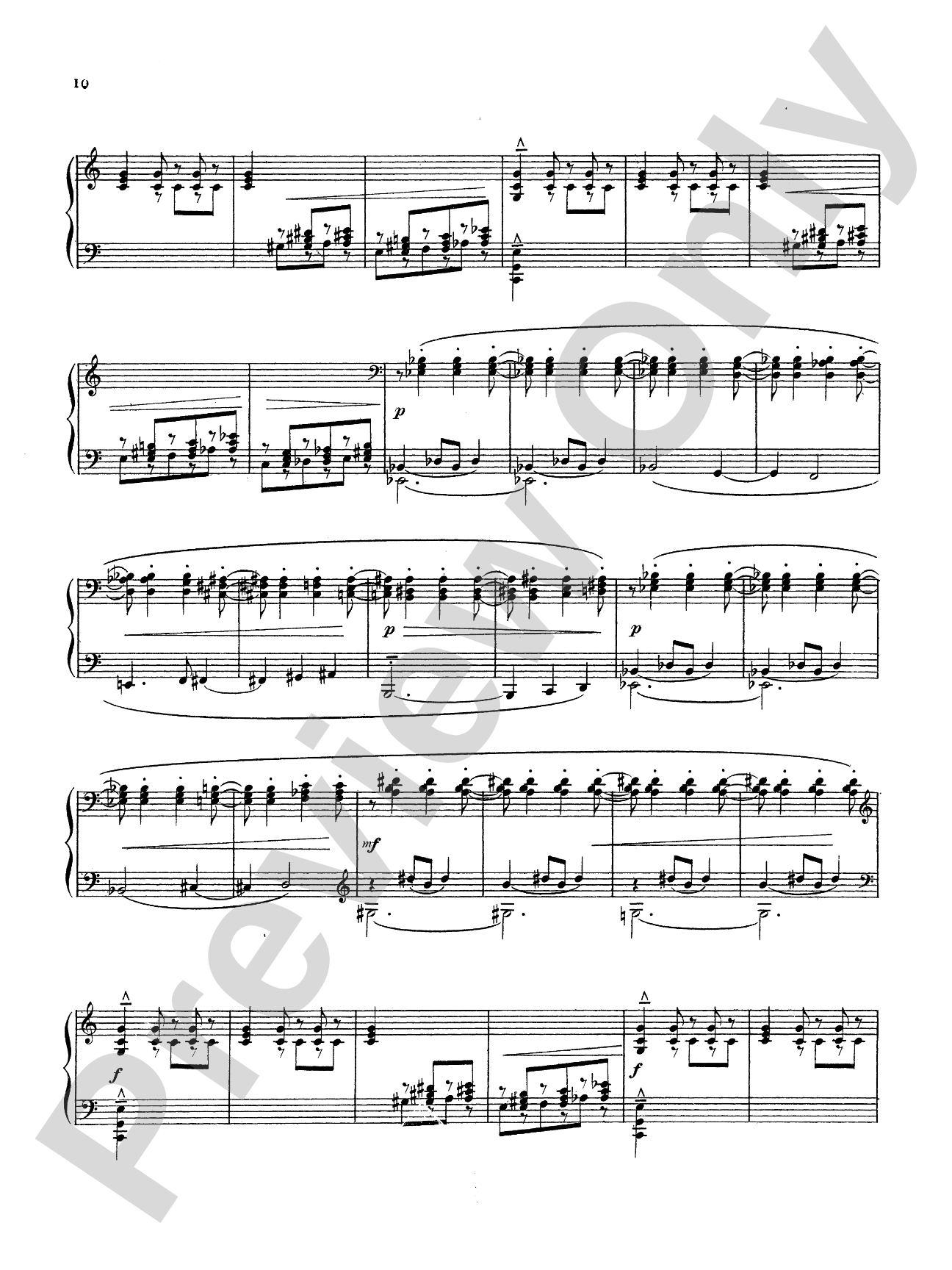
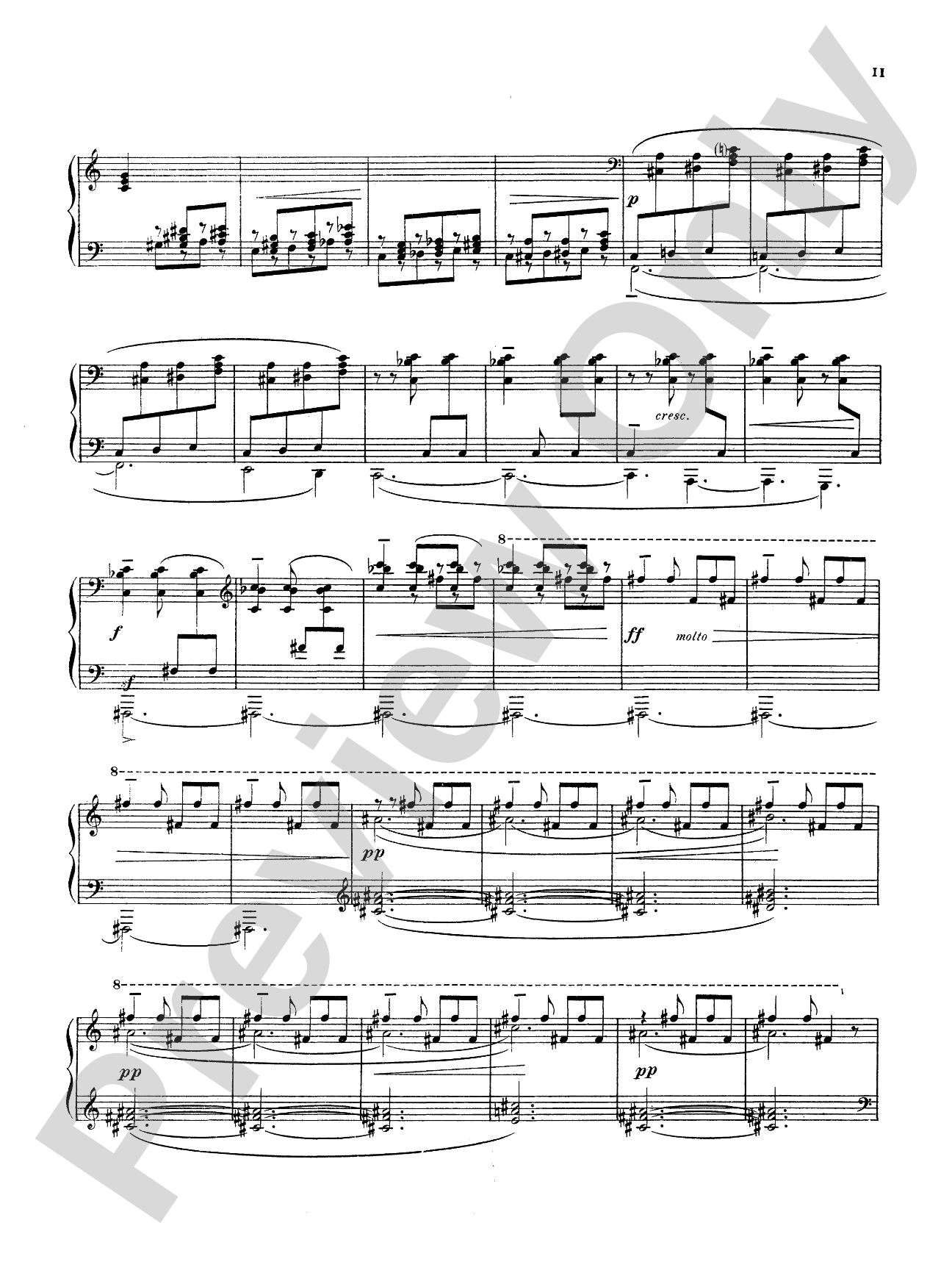
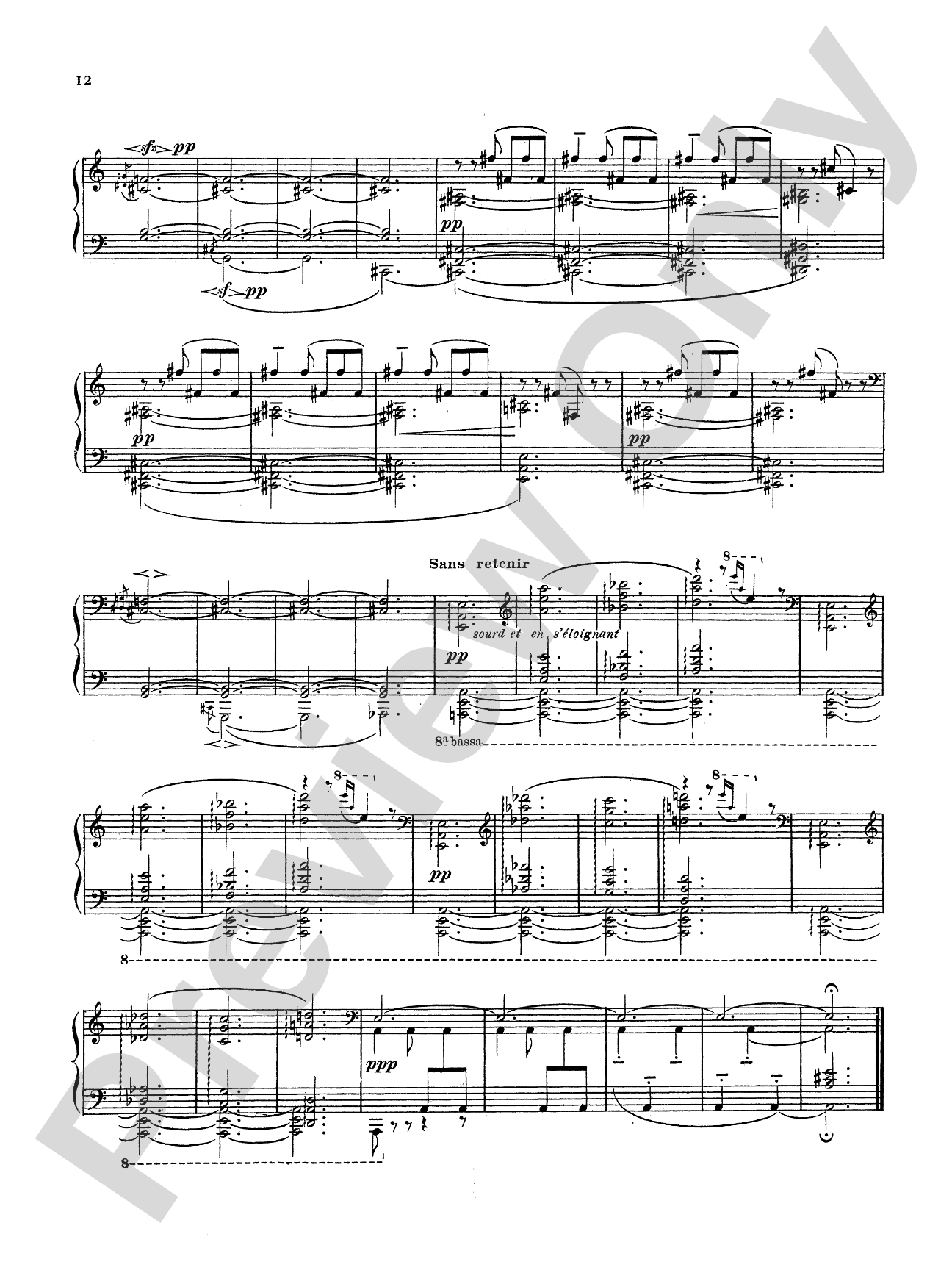



Debussy: Masques
By Claude Debussy
Item: 00-PK-0003055

$6.99
Pickup currently not available
Parts Added to Cart!
Description


Don't just read it, hear it, play along with it, and watch your students grow with it. In MakeMusic Cloud, Debussy: Masques comes alive with professional accompaniment, adjustable tempo, and built-in practice tools that turn solo practice into real progress.
Open in the Player
Jump straight in and assign it today.
Start Your Free Trial
Open this title and explore the full library in minutes.
Sample Audio
No sample audio found.
Sample Video
No sample videos found.
Additional Details
Series:
Kalmus Edition
Publisher:
Alfred Music
Page Count:
16
SKU:
00-PK-0003055
More about this title
About the Composer: Claude Debussy
Claude Debussy (1862, 1918) fundamentally reshaped piano writing by treating the instrument as an orchestra of color and resonance. His innovations in harmony, texture, and pedal technique opened entirely new possibilities for what the piano could express, influencing generations of composers and pianists who followed.
Debussy's music asks pianists to think beyond note-by-note execution and instead craft entire soundscapes. His technical demands are inseparable from interpretive ones; mastering his works develops the kind of refined ear and nuanced control that transfers directly to any repertoire a pianist encounters.
Why we love this
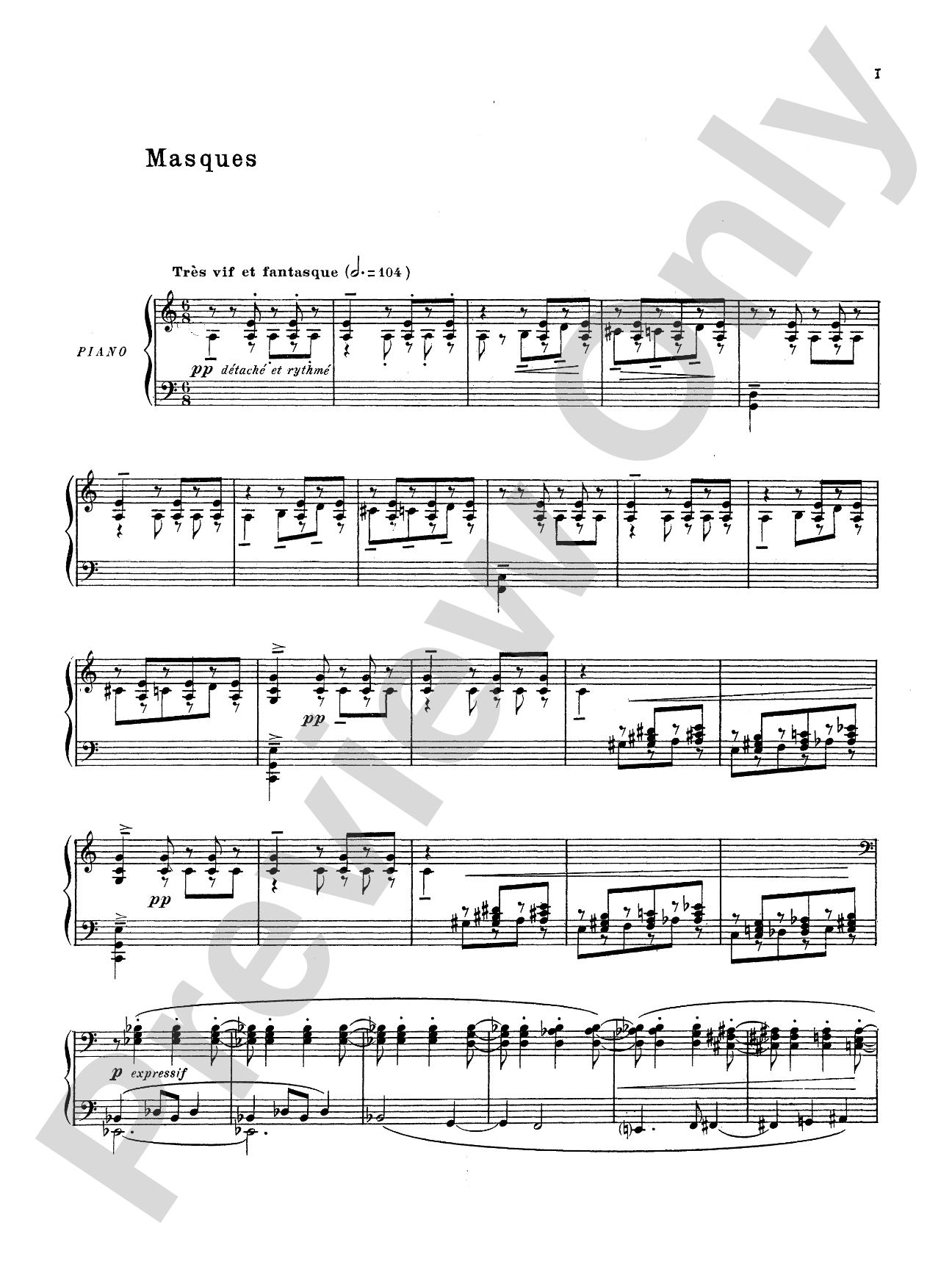
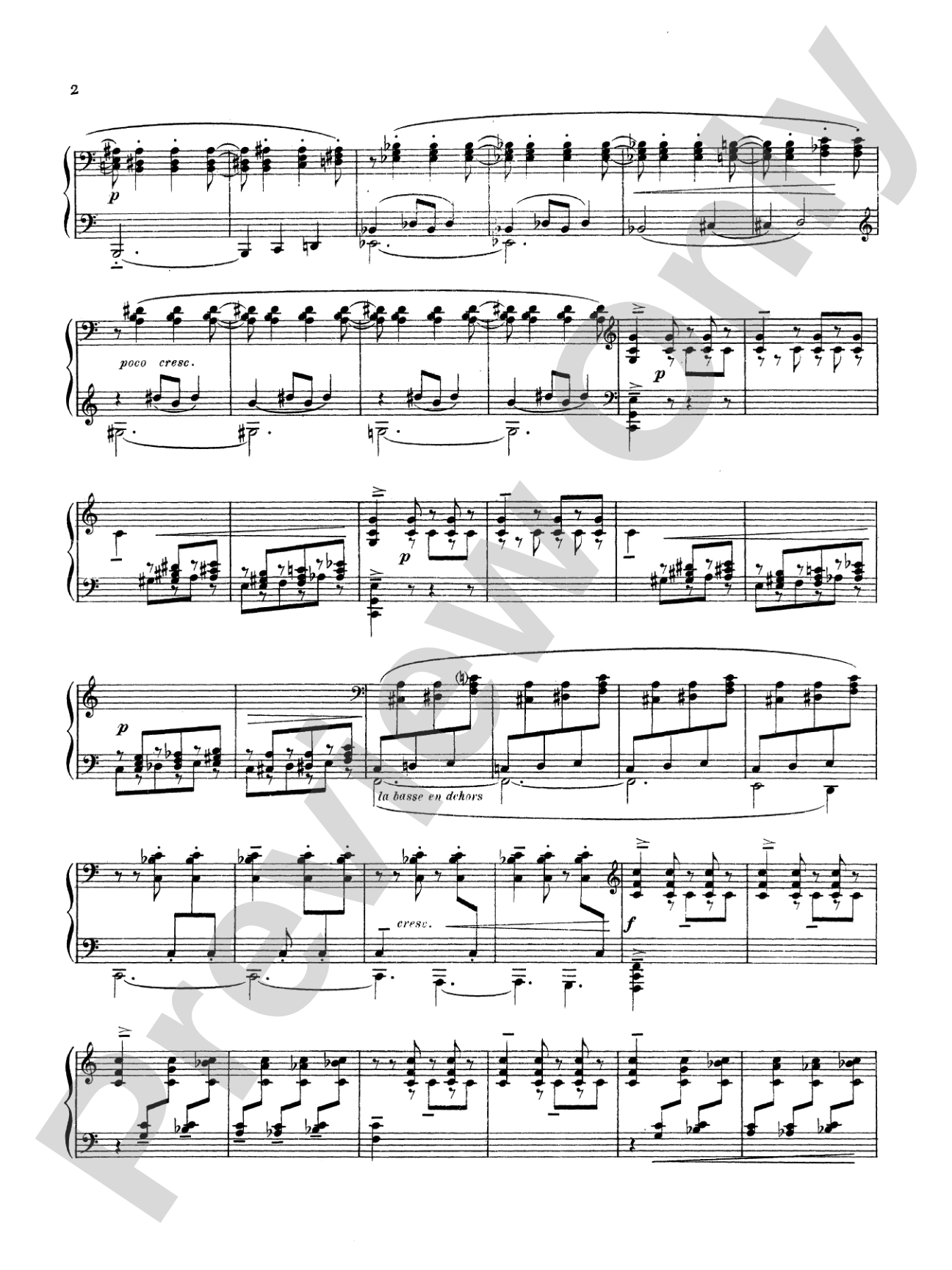
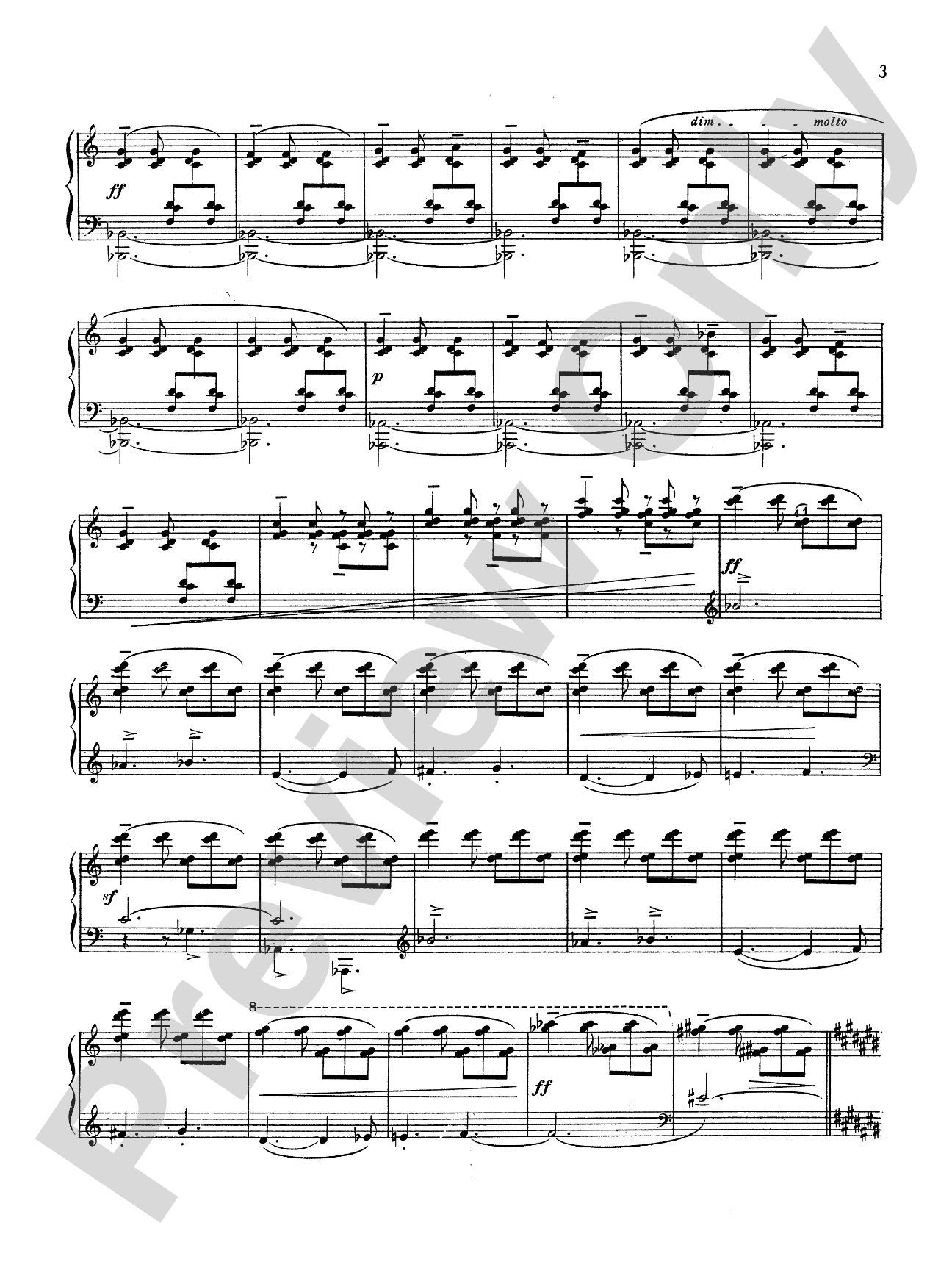
Masques showcases the architectural sophistication beneath Debussy's impressionistic surface. The piece rewards careful attention to harmonic voice-leading and pedal technique while remaining musically evocative rather than purely technical, making it ideal for advanced pianists seeking works that challenge both hands and ears.
What to expect
Masques evokes a theatrical, slightly unsettling atmosphere through shifting harmonic language and ambiguous tonal centers. The music shifts between moments of luminous clarity and shadowed complexity, creating a sense of intrigue and revelation as familiar musical gestures emerge from unfamiliar harmonic contexts.
Who it's for
This work suits accomplished pianists preparing advanced solo repertoire, music conservatory students exploring 20th-century modernism, and teachers seeking performance material that demonstrates post-Romantic harmonic and textural innovation. Pianists should have secure technique in both hands and experience with contemporary pedaling and voicing challenges.
How to get the most out of it
- Treat the pedal as an instrument. Debussy's notation indicates specific pedal changes that blur and clarify harmonic color; changing the pedal at marked points reveals the harmonic progressions rather than obscuring them.
- Shape phrasing through dynamic contouring rather than relying on tempo changes. Masques uses relatively stable tempos, so subtle variations in volume articulate the musical architecture.
- Balance the melodic lines against accompanimental figures by listening to how each layer sits in the overall texture. The piece often masks its main voice, requiring intentional projection.
- Approach dissonance with confidence. Debussy's harmonic language may sound uncertain to ears trained only on functional harmony; commit fully to the colors he specifies.
How to use it
Program Masques as a centerpiece demonstrating impressionistic piano writing, or pair it with other early-20th-century works to show divergent approaches to modernism. Its 16 pages make it substantial enough to anchor a recital segment devoted to French piano literature.
Skills your students will build
- Advanced pedal technique and harmonic color through sustain pedal manipulation
- Voice-leading and harmonic analysis in non-functional tonal contexts
- Balancing multiple textures and veiled melodic lines
- Interpretation of impressionistic notation and aesthetic values
- Stamina and concentration in moderately large-scale solo forms