
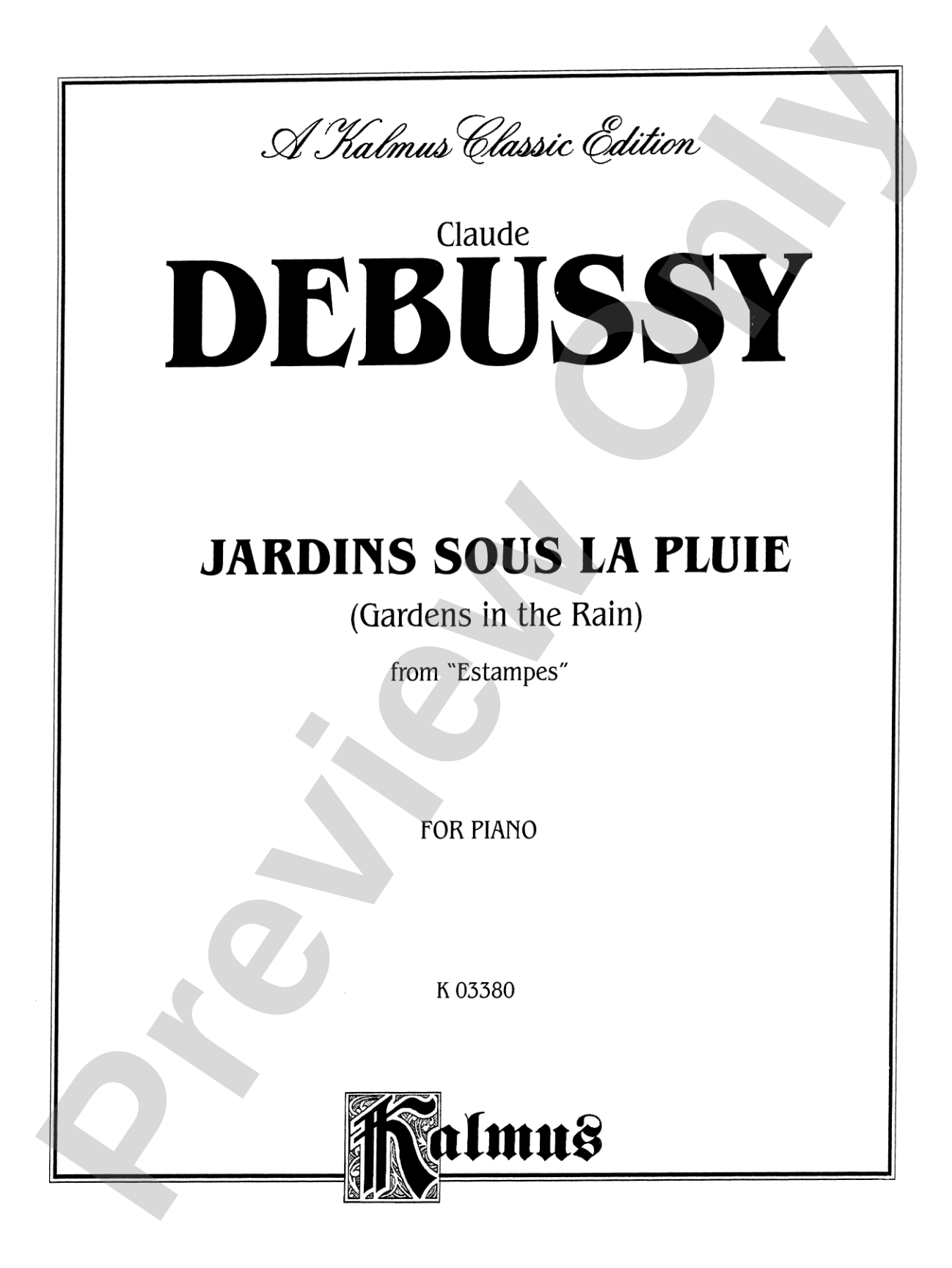

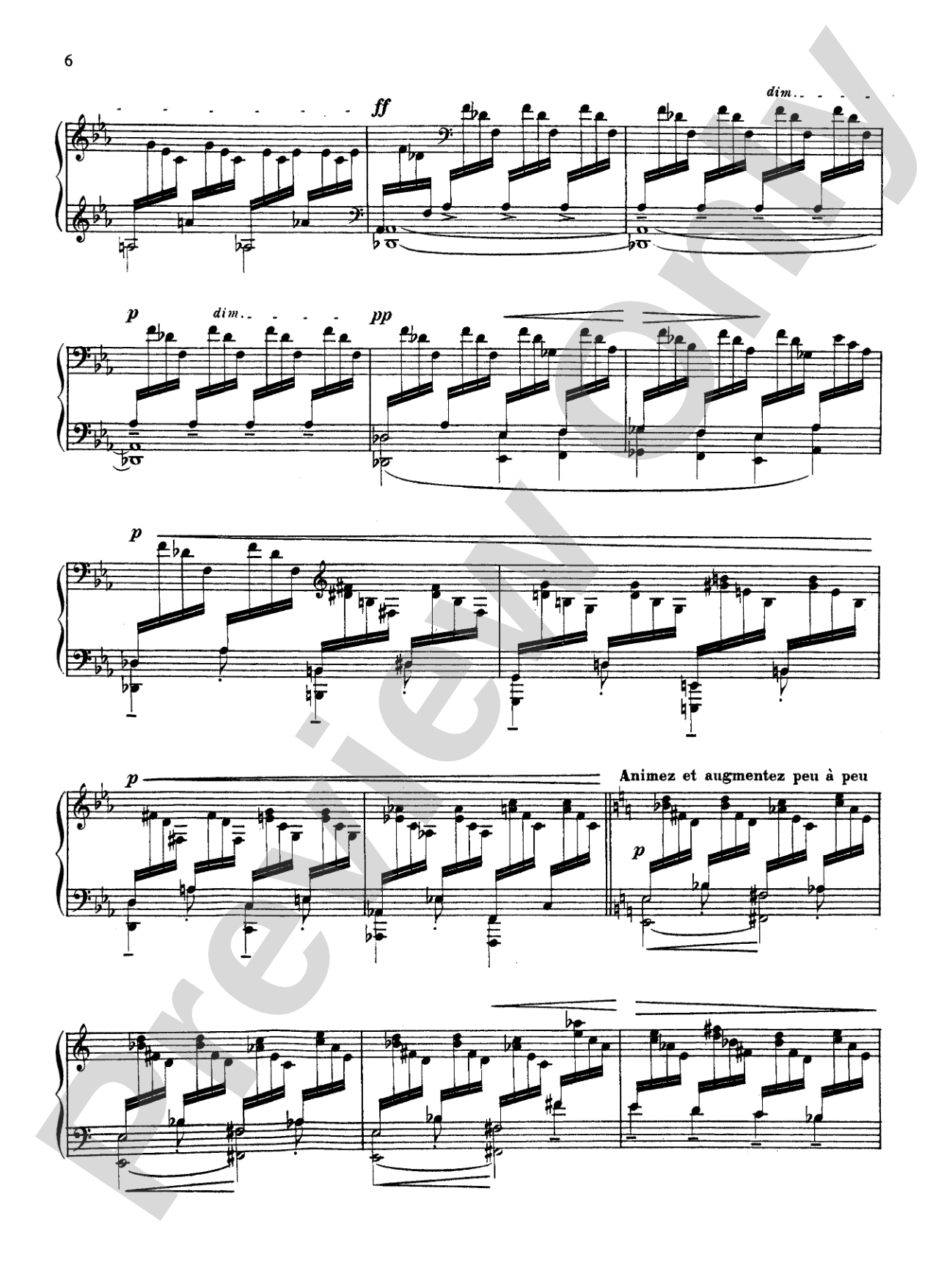
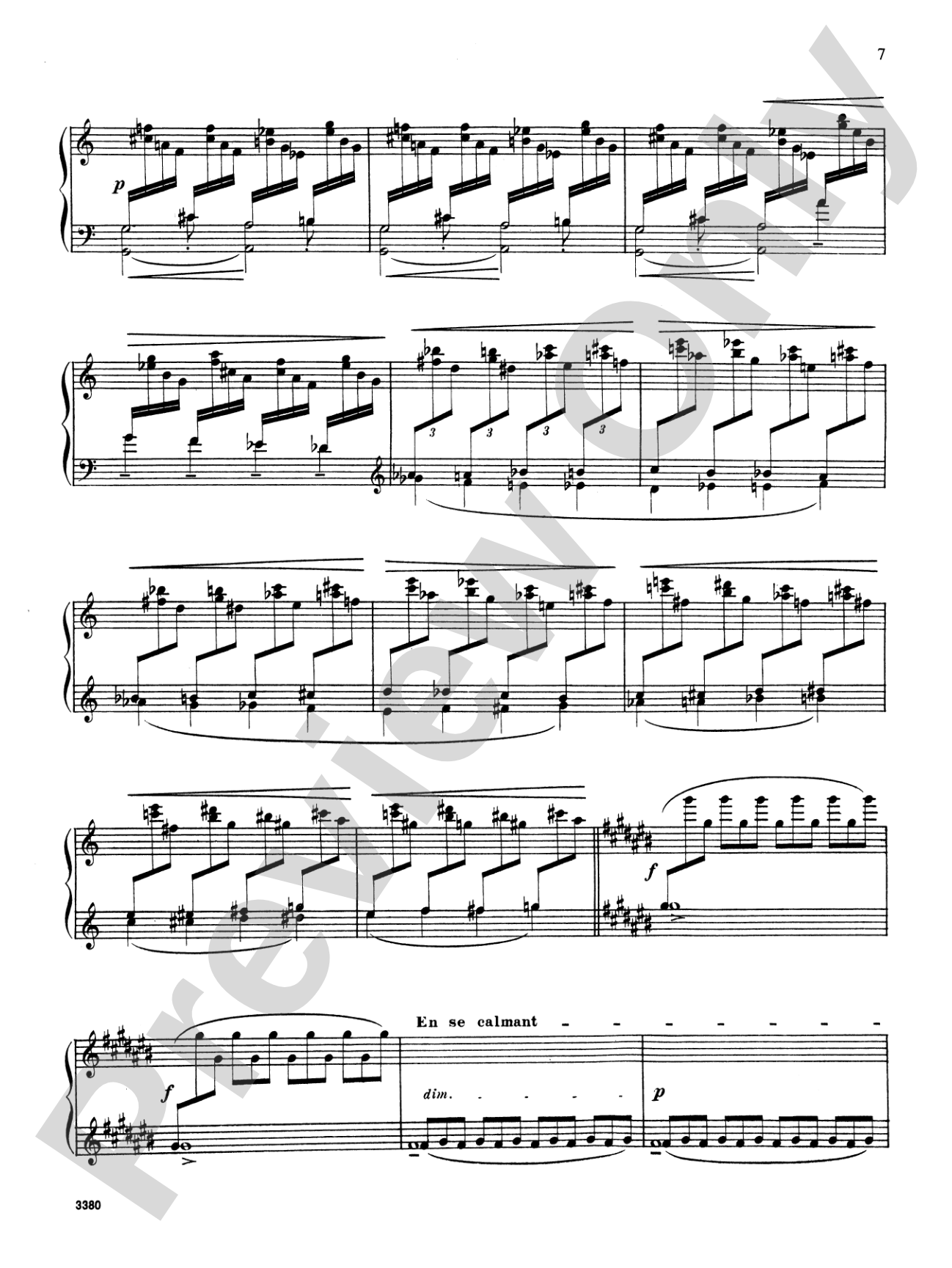
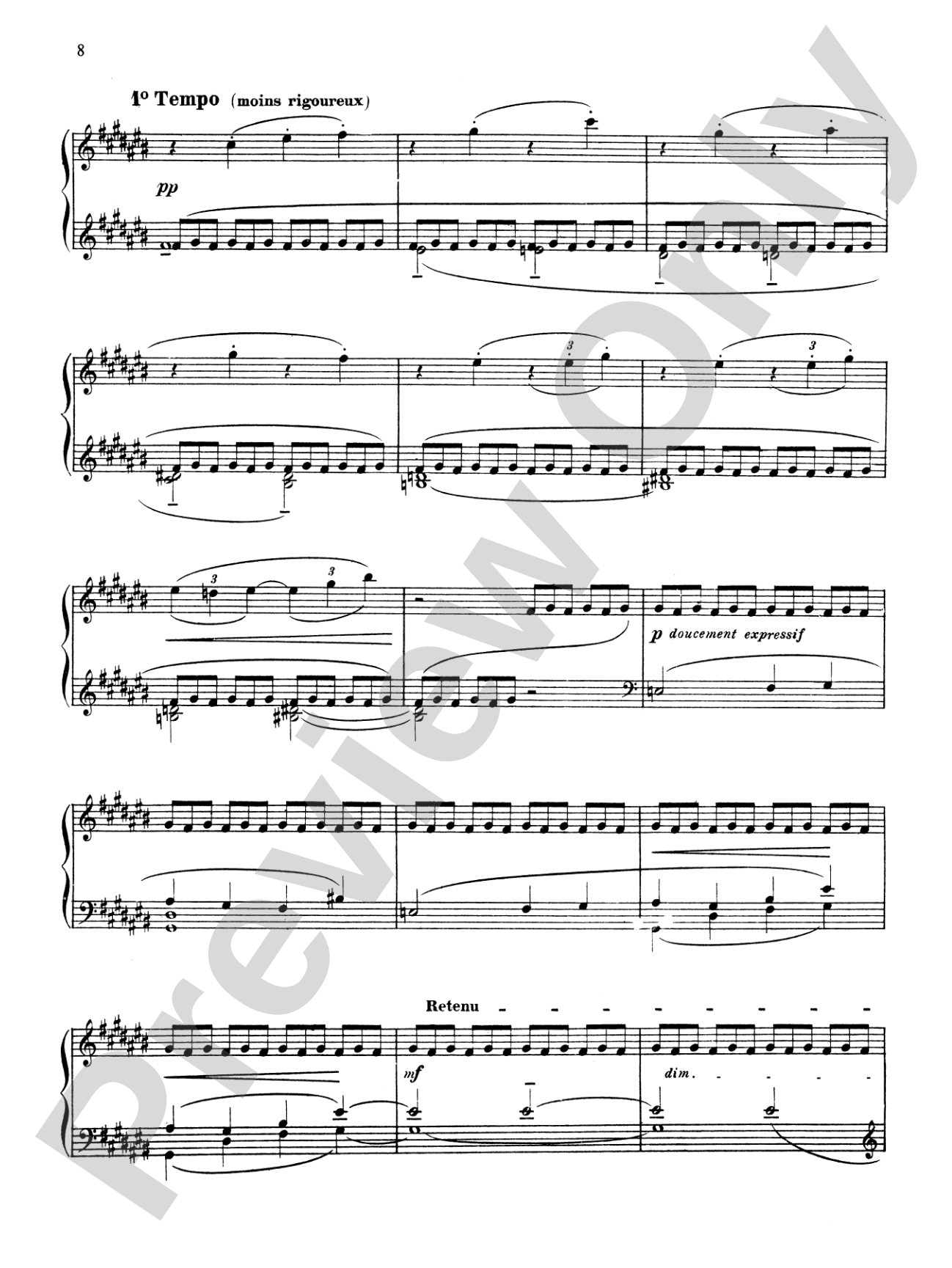
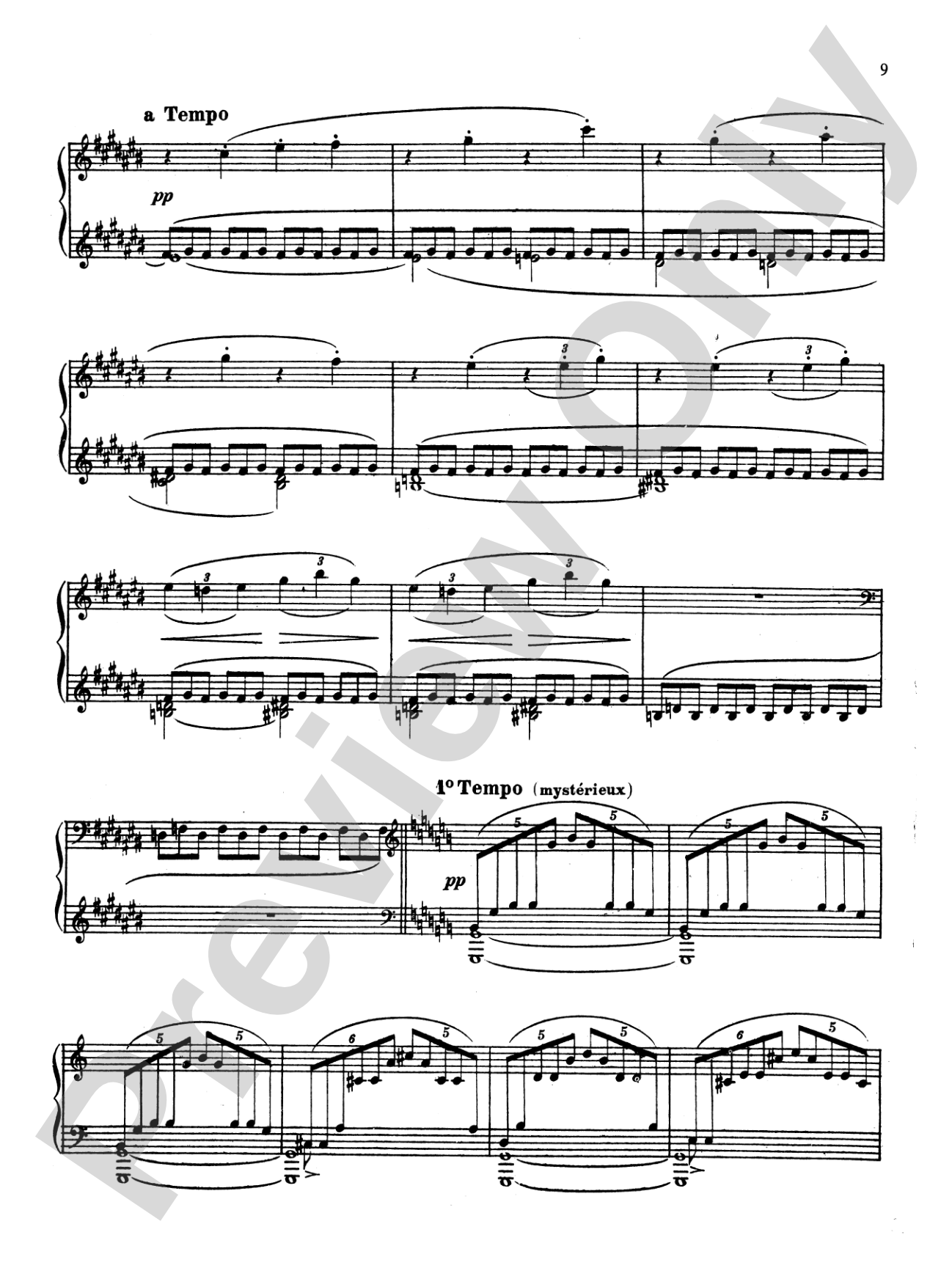
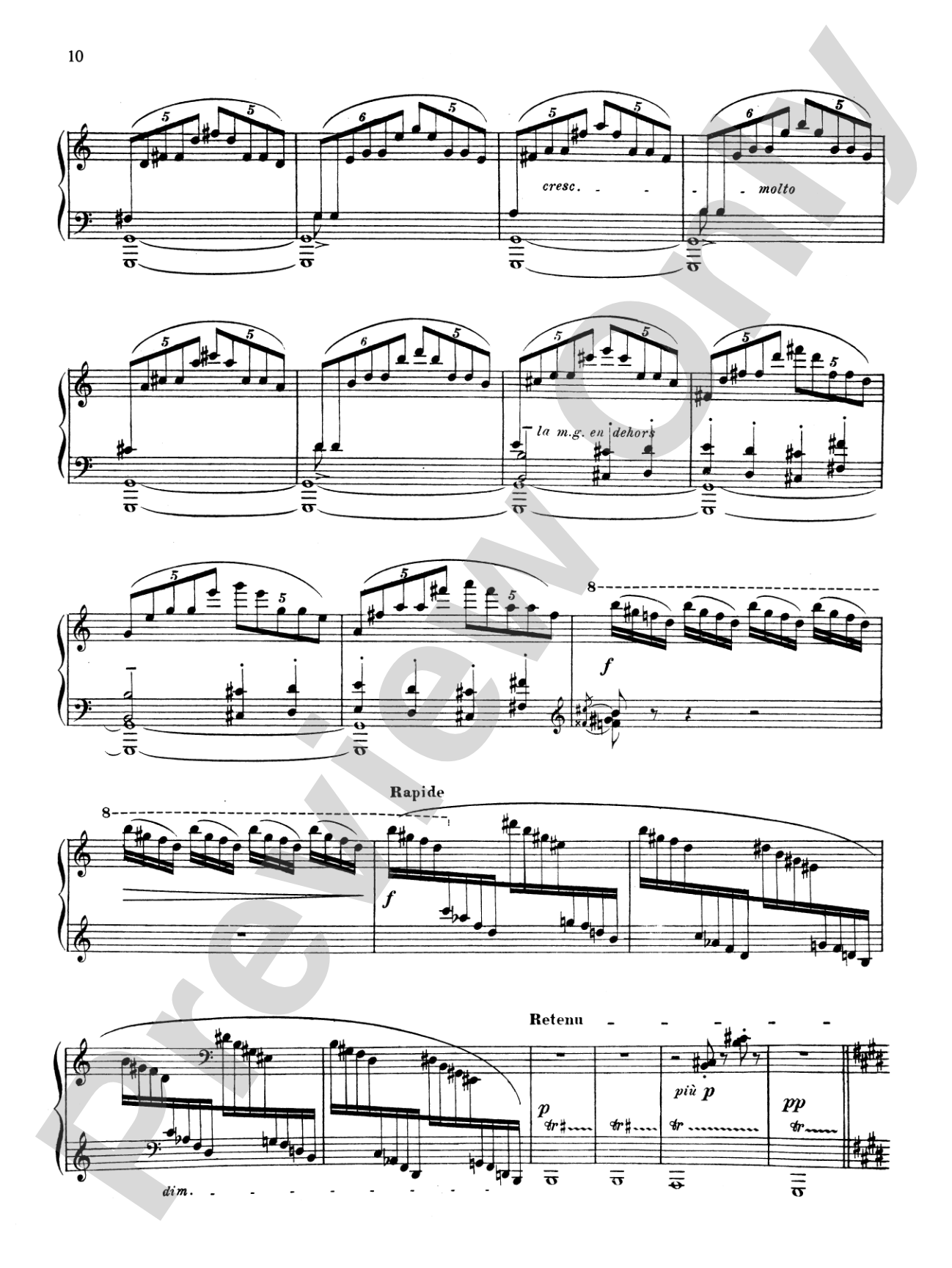
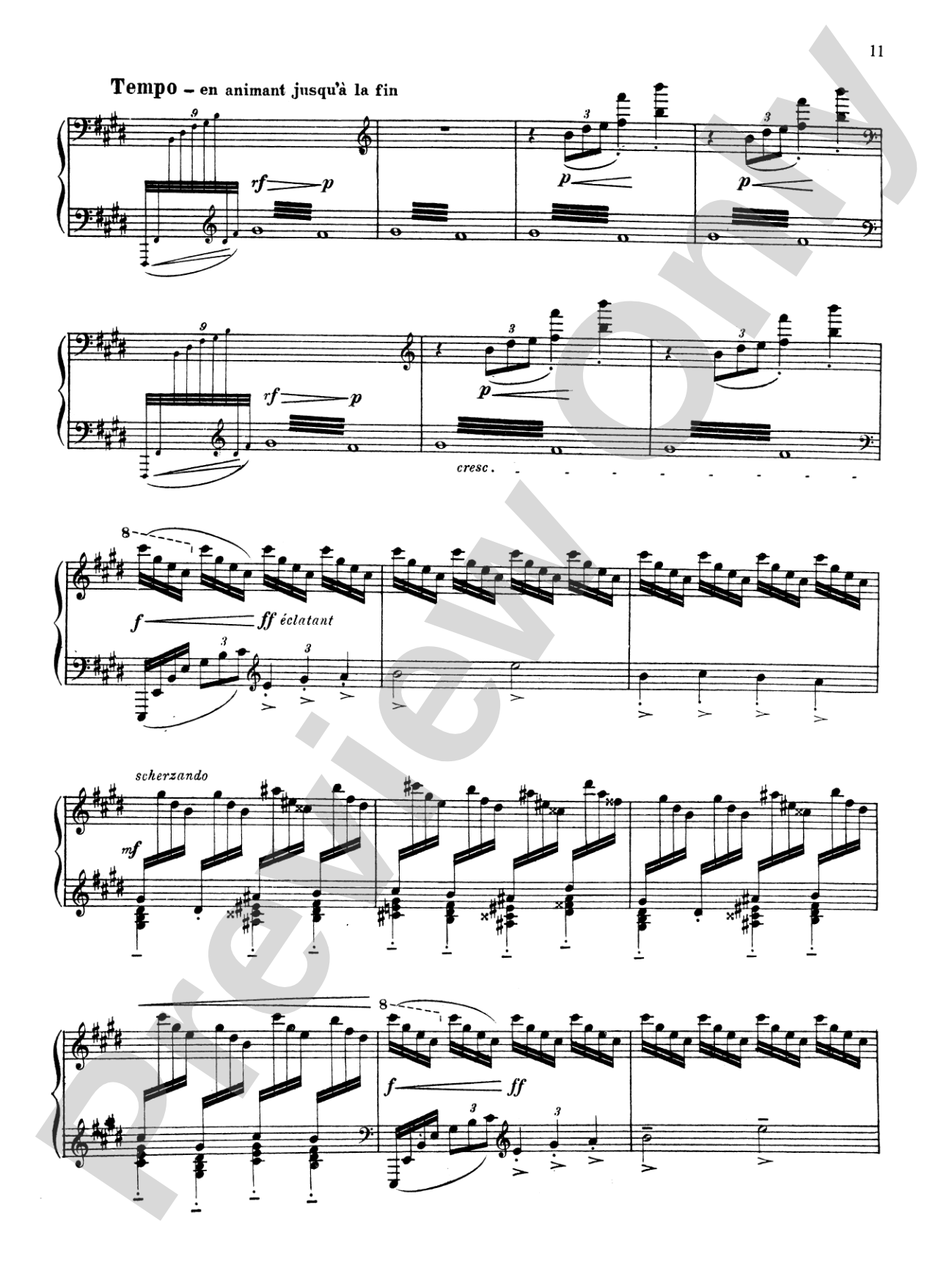
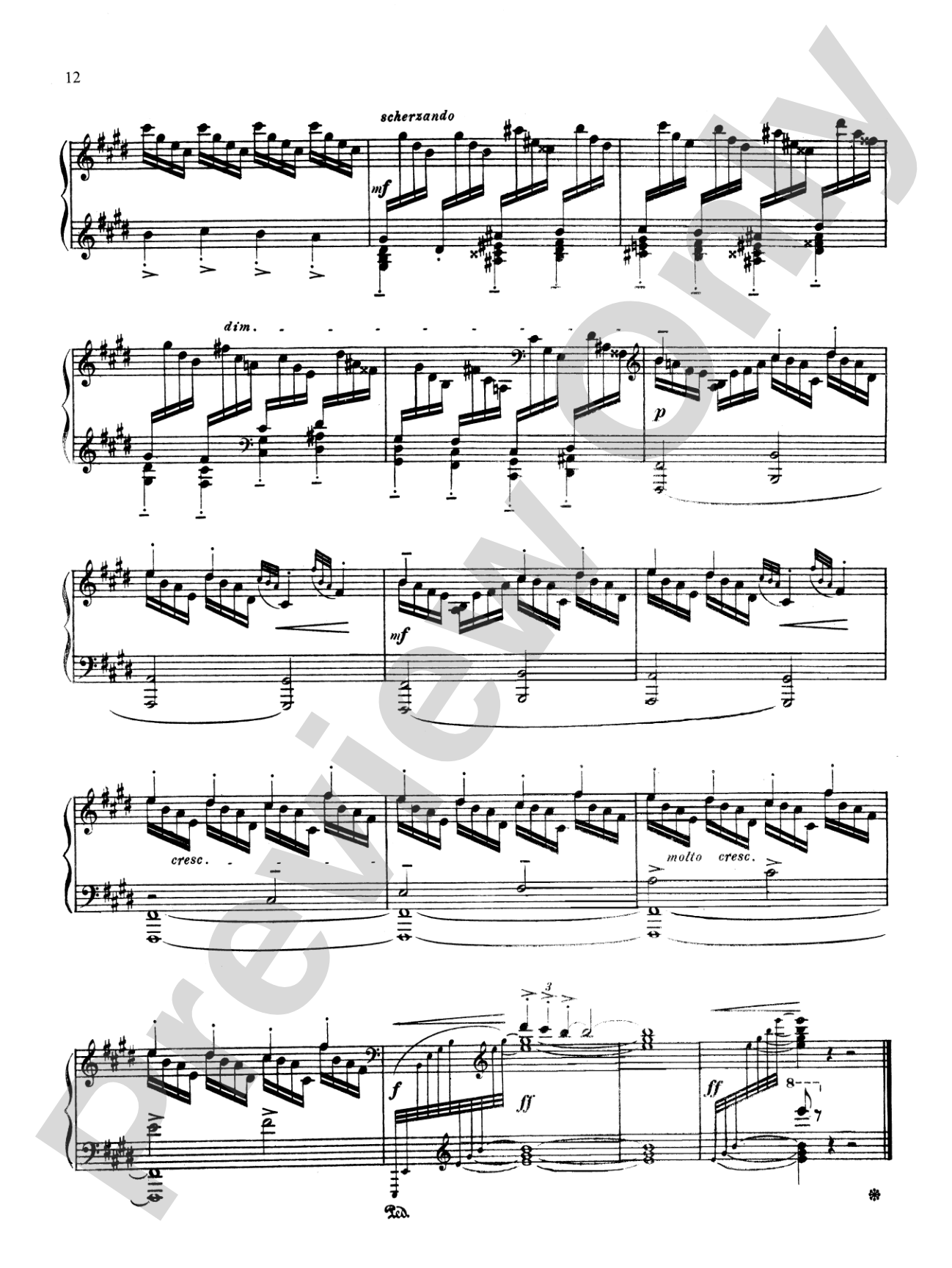

Debussy: Jardins Sous la Pluie: Piano
By Claude Debussy
Level: Advanced
Item: 00-PK-0003054

$7.99
Pickup currently not available
Parts Added to Cart!
Related Items
Jardins Sous la Pluie: Piano |
$7.95
|
View |
Description
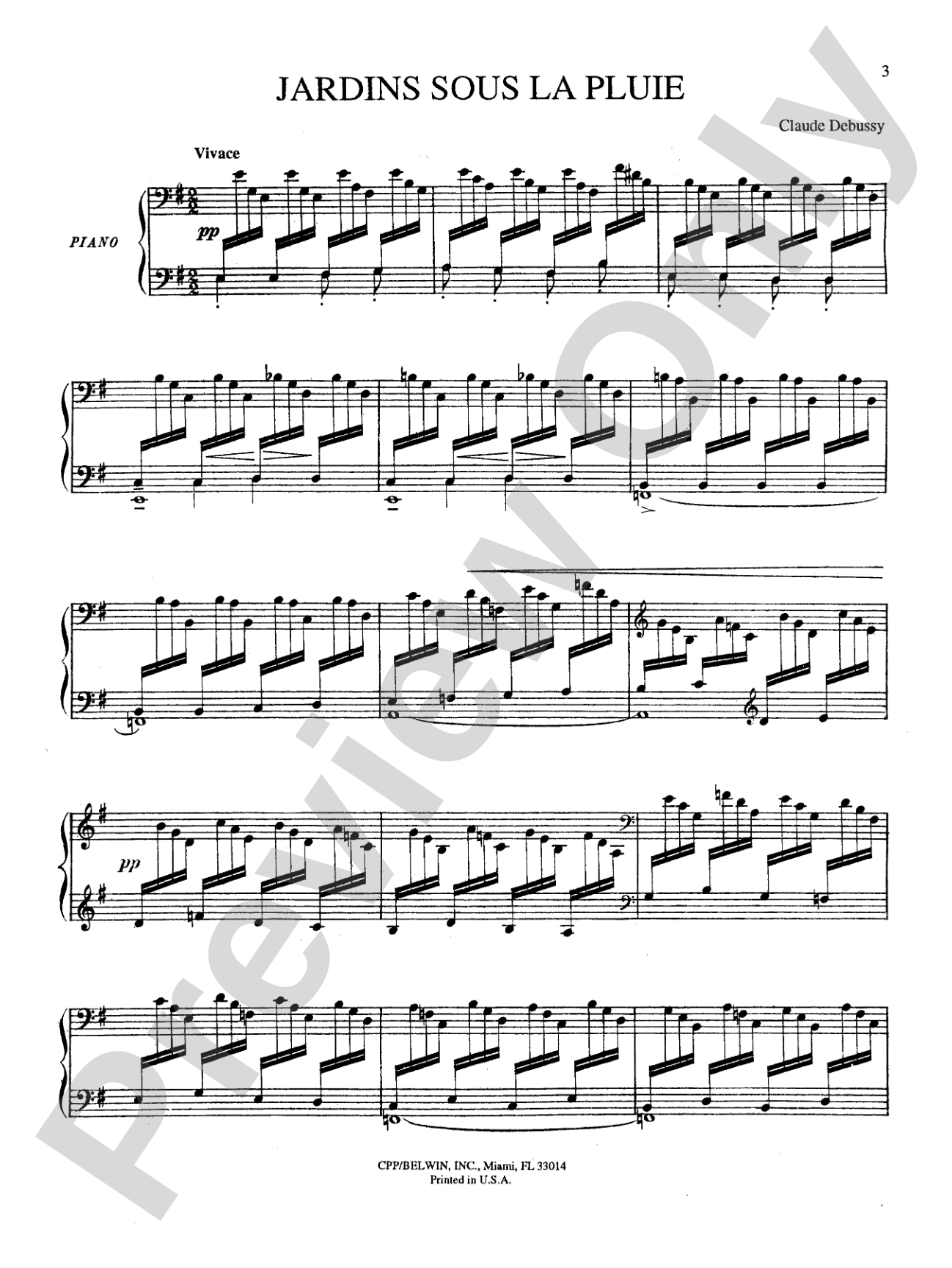
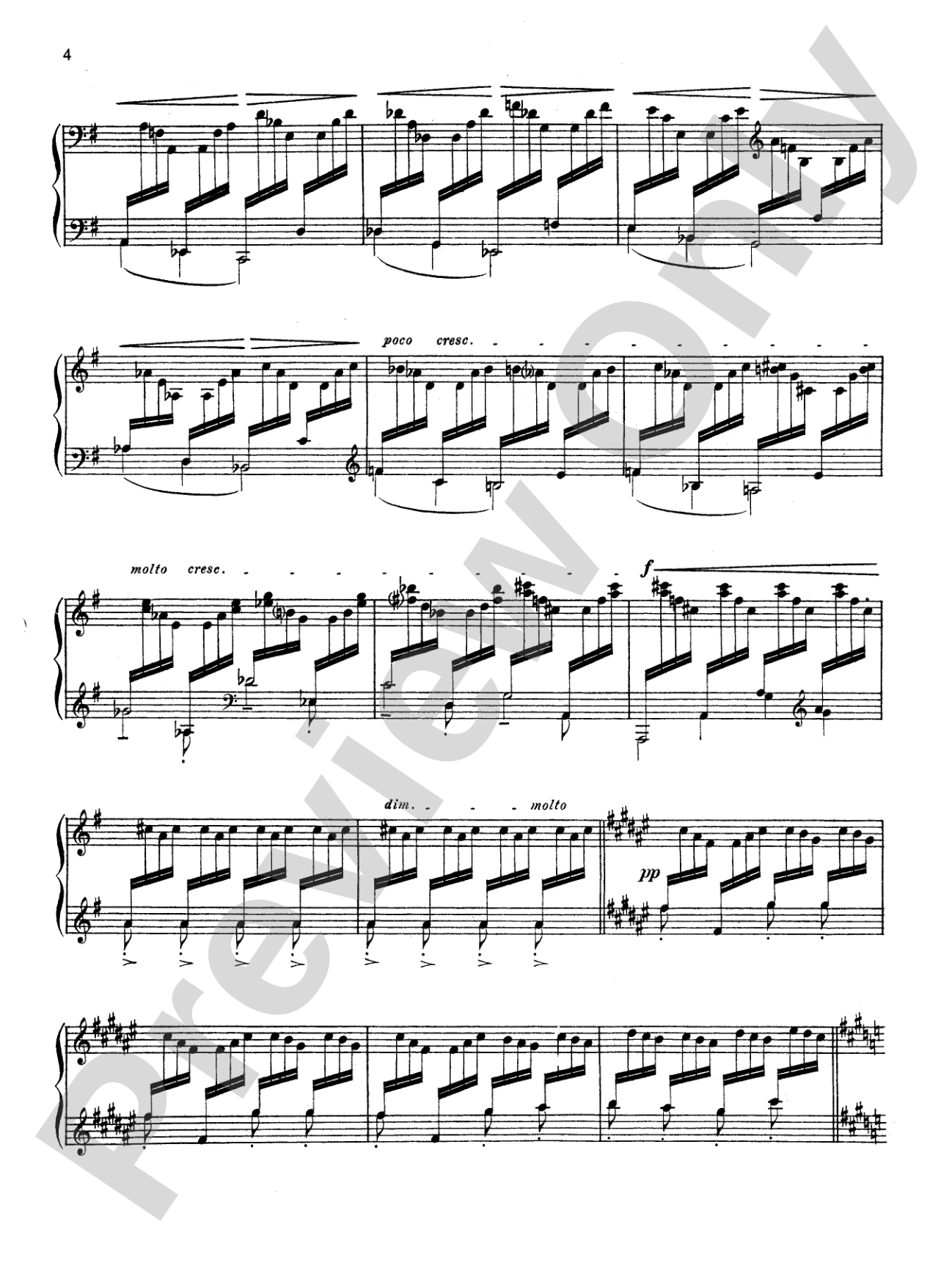
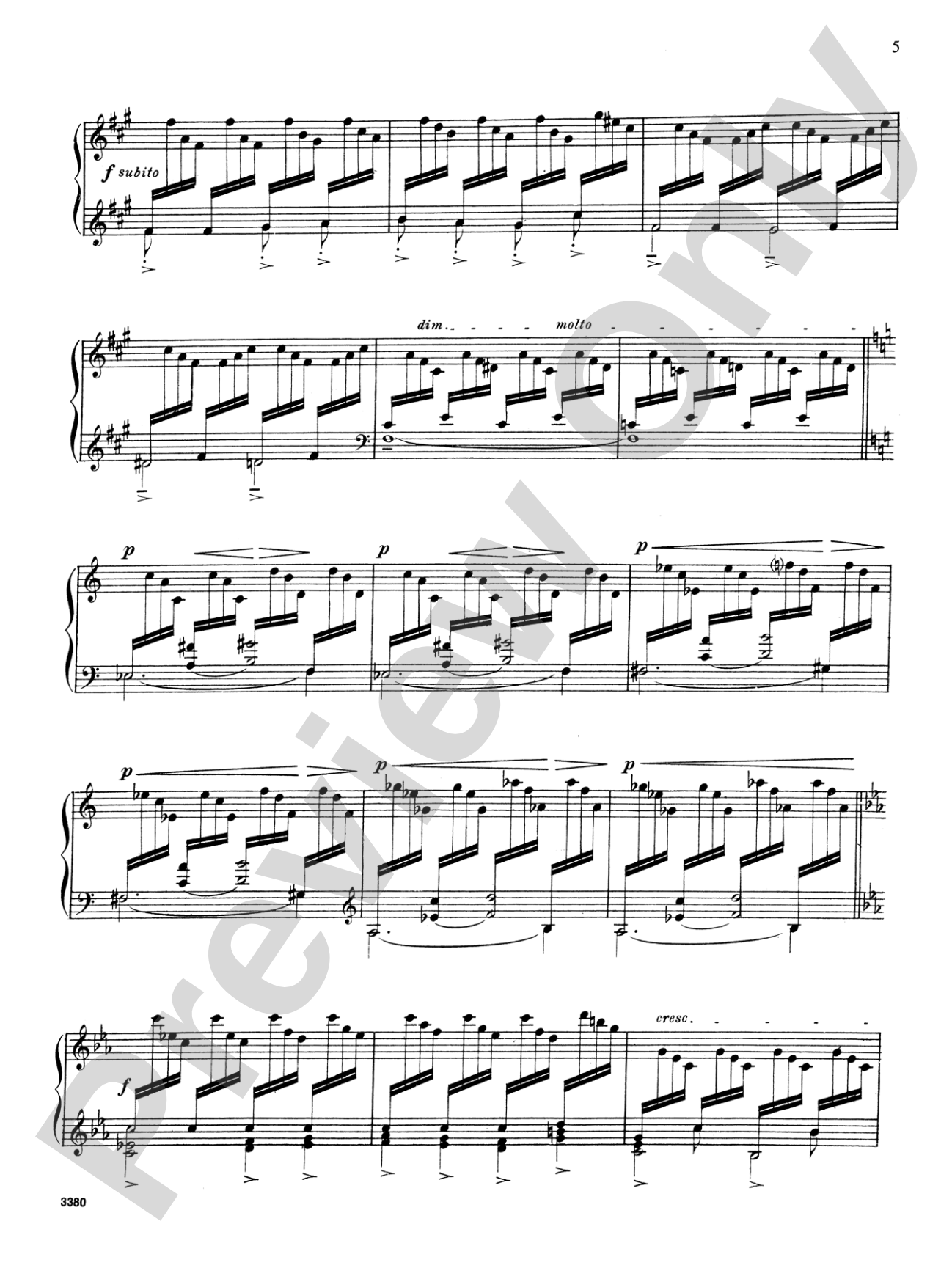
Written in 1903, Gardens in the Rain (Jardins Sous La Pluie), from Debussy's solo piano work, "Estampes," describes a garden in France during an extremely violent rainstorm. There are sections of the piece that suggest blowing wind, thunderstorm, and raindrops. It also uses portions of French folk melodies "We'll Not Return to the Woods" and "Sleep, Child, Sleep." Chromatic, whole tone, major and minor scales are used.


Don't just read it, hear it, play along with it, and watch your students grow with it. In MakeMusic Cloud, Debussy: Jardins Sous la Pluie: Piano comes alive with professional accompaniment, adjustable tempo, and built-in practice tools that turn solo practice into real progress.
Open in the Player
Jump straight in and assign it today.
Start Your Free Trial
Open this title and explore the full library in minutes.
Sample Audio
No sample audio found.
Sample Video
No sample videos found.
Additional Details
Series:
Kalmus Edition
Publisher:
Alfred Music
Page Count:
12
SKU:
00-PK-0003054
More about this title
About the Composer: Claude Debussy
Claude Debussy (1862-1918) fundamentally reshaped how composers approached harmony, texture, and form in the early 20th century. His training at the Paris Conservatoire was rigorous, but he rejected the rigid harmonic systems of his predecessors in favor of sound as an independent expressive element. This philosophical shift made him one of the most influential figures in modern music.
Debussy's piano works stand as cornerstones of the instrument's repertoire. His approach to the keyboard emphasized color and resonance over virtuosic display, requiring pianists to reimagine what technique means. Teachers and serious students return to his scores repeatedly because they reward both technical mastery and imaginative interpretation.
Why we love this
Jardins Sous la Pluie delivers vivid impressionistic narrative without sacrificing structural integrity. The piece demands advanced pianistic control while remaining deeply musical rather than gratuitously difficult, making it an ideal choice for students ready to engage with early modern language and for recital programming that moves beyond Romantic conventions.
What to expect
The piece immerses you in a storm's sensory details: wind gusts swirl through rapidly articulated passages, sheets of rain cascade in shimmering figurations, and thunderous rumbles anchor dramatic peaks. Beneath the atmospheric turbulence, familiar folk melodies surface like memories glimpsed through rain-streaked glass, grounding the impressionistic impressions in human emotion.
Who it's for
This is repertoire for advanced pianists with solid command of chromatic and whole-tone harmony and the independence to manage complex textures. It suits recital performers seeking substantial solo works in the impressionistic idiom, as well as serious students preparing for upper-level conservatory auditions or competitions.
How to get the most out of it
- Attend carefully to the score's dynamic gradations and pedal markings. Debussy's notation often specifies exactly when to change the pedal, and respecting these indications shapes the harmonic wash that defines the piece's atmosphere.
- Distinguish between the folk melody fragments and the surrounding figurative writing through subtle voicing and color. These themes emerge from impressionistic texture rather than sitting on top of it.
- Shape the cascading rainfall figures through consistent weight and evenness in the hand rather than artificial acceleration. Let the written rhythm speak; the sense of motion comes from harmonic progression and dynamic architecture.
- Balance the chromatic and whole-tone passages by understanding their harmonic function. Whole-tone sections feel less grounded; chromatic passages suggest movement and tension. This distinction clarifies the form for listeners.
How to use it
Jardins Sous la Pluie anchors a recital devoted to early modern piano literature or impressionistic orchestral transcriptions. Its 12-page scope allows it to stand as a substantial centerpiece on a mixed program, or pair it with other Debussy works from Estampes to explore his stylistic evolution within a single collection.
Skills your students will build
- Whole-tone and chromatic scale navigation and harmonic application
- Pedal control for blending chromatic and whole-tone colors without muddiness
- Independent voice management across multiple registers simultaneously
- Interpretation of impressionistic notation and non-traditional harmonic language
- Structural listening and form recognition in non-sonata contexts
- Rhythmic evenness in rapid figurations without mechanical execution