

Debussy: Images (Volume I) (Transcr. Caplet)
By Claude Debussy / transcr. André Caplet
Item: 00-PC-0014226
$2.95
Pickup currently not available
Description
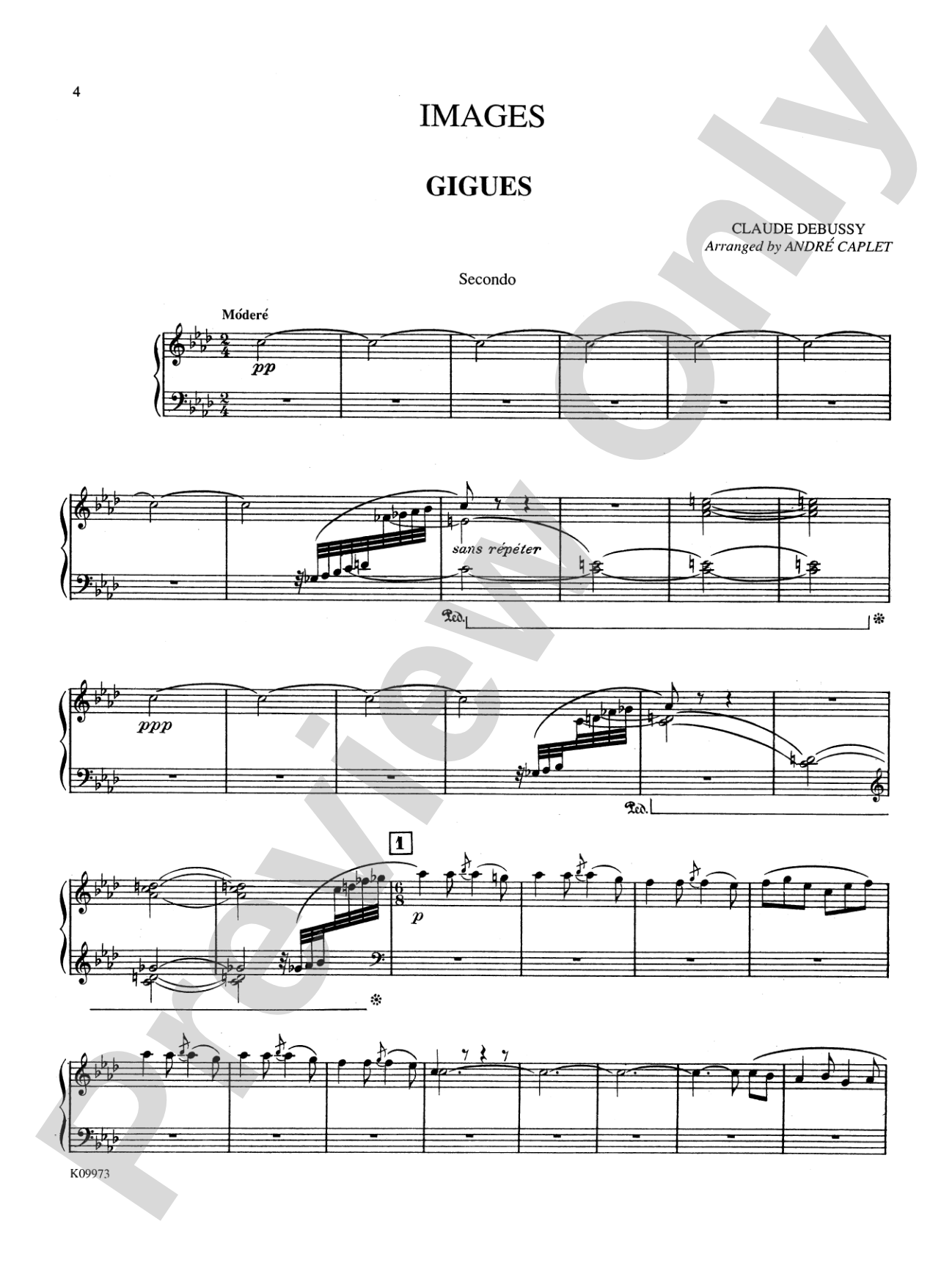
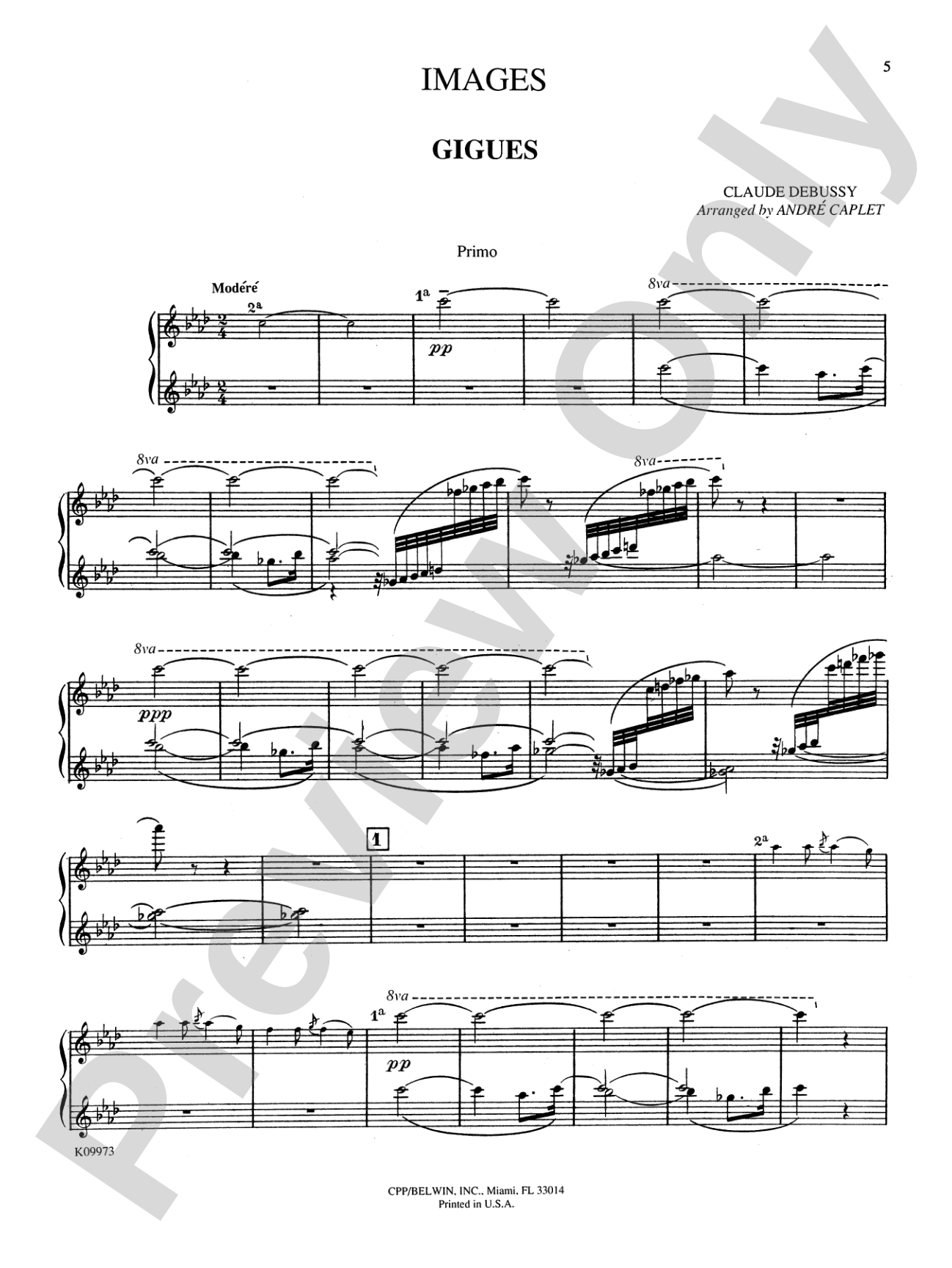
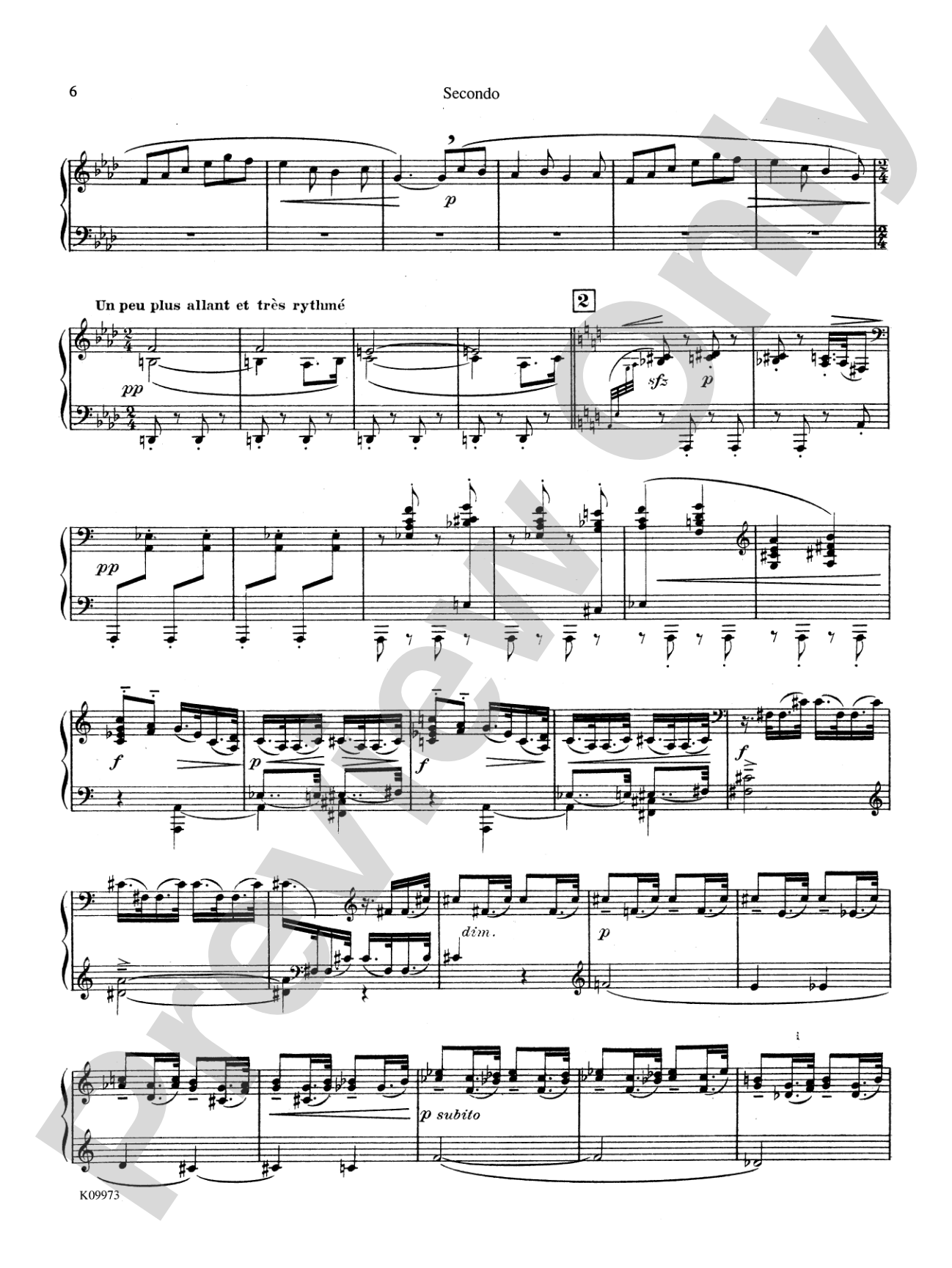
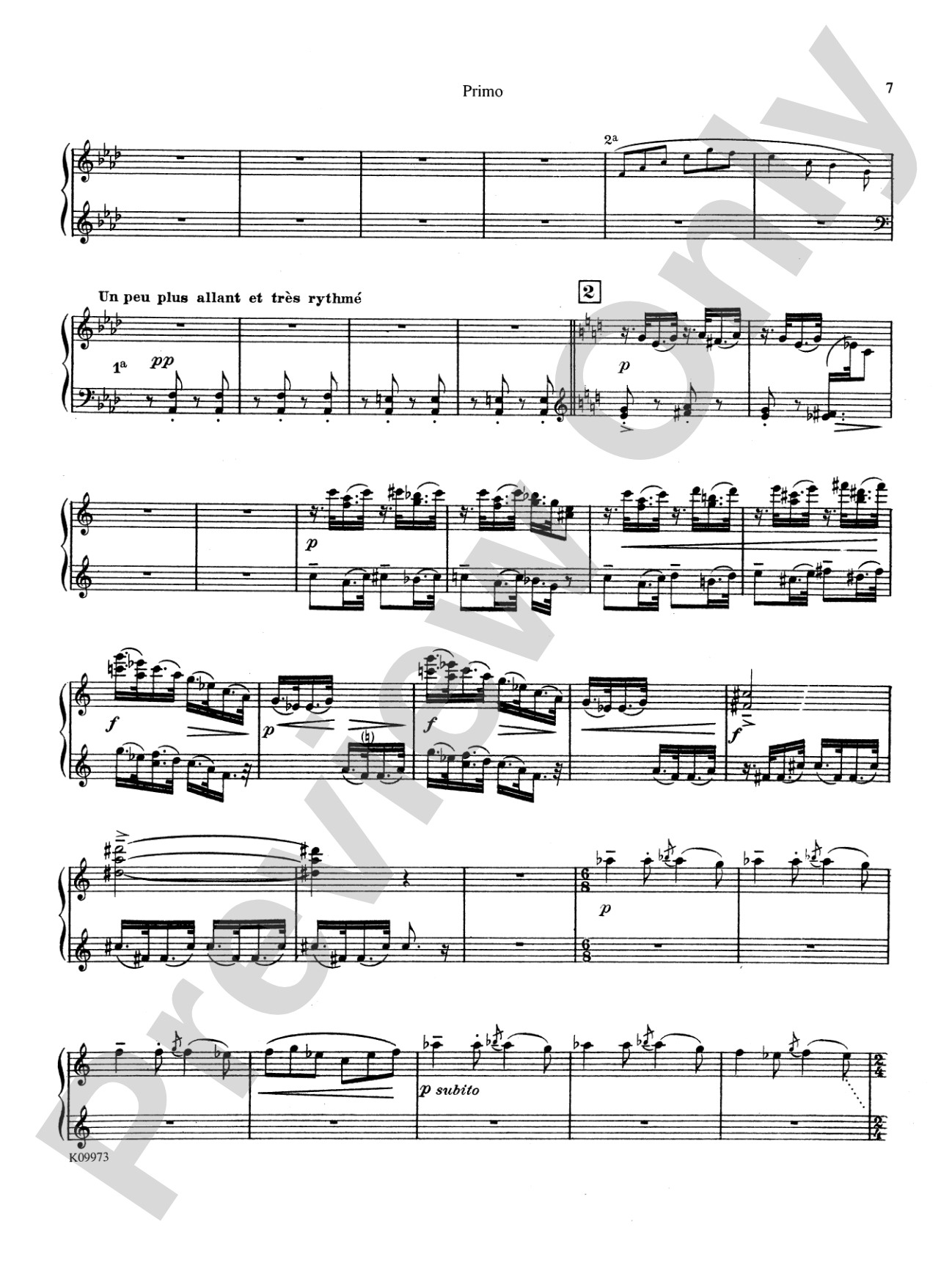
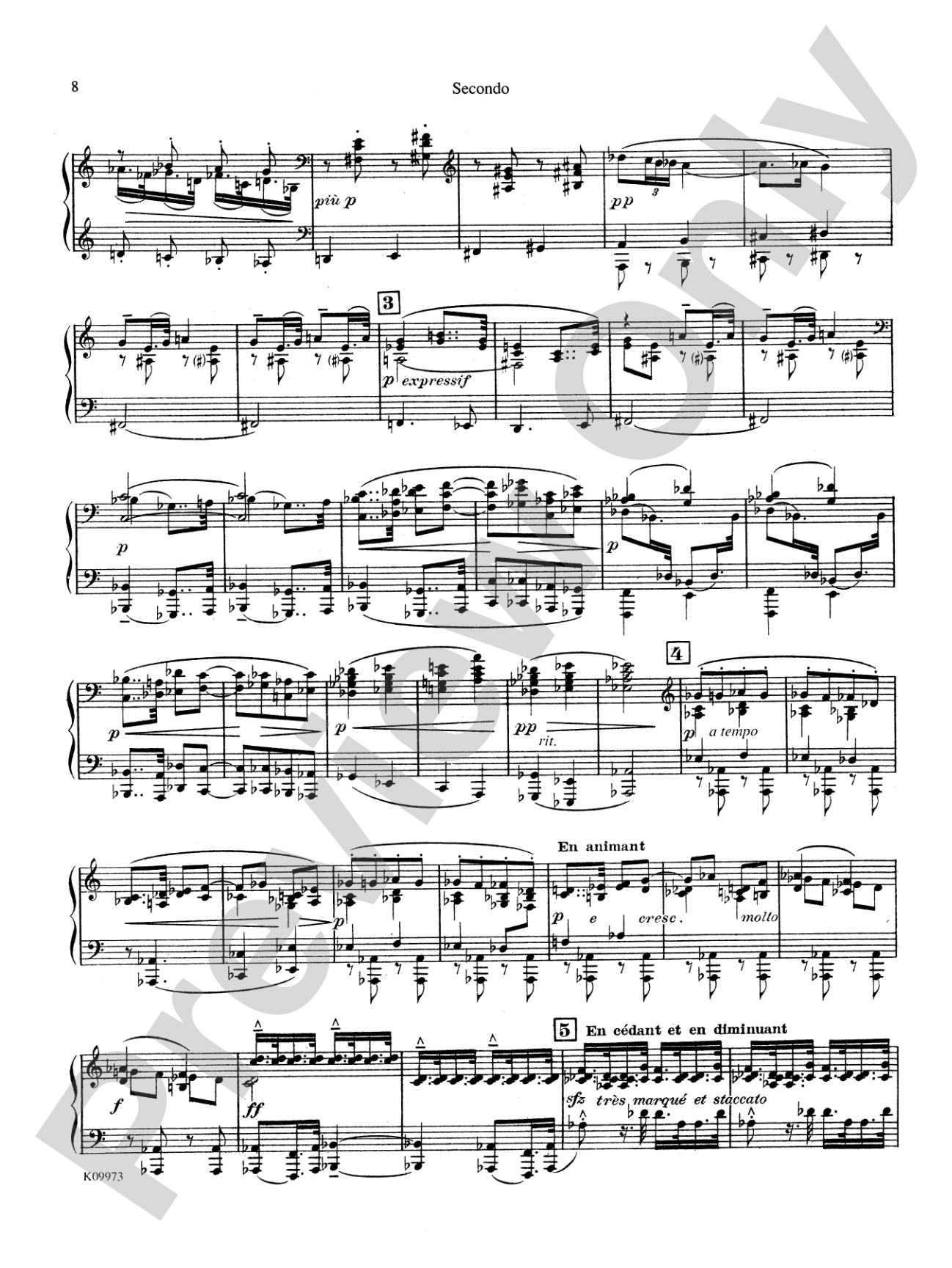
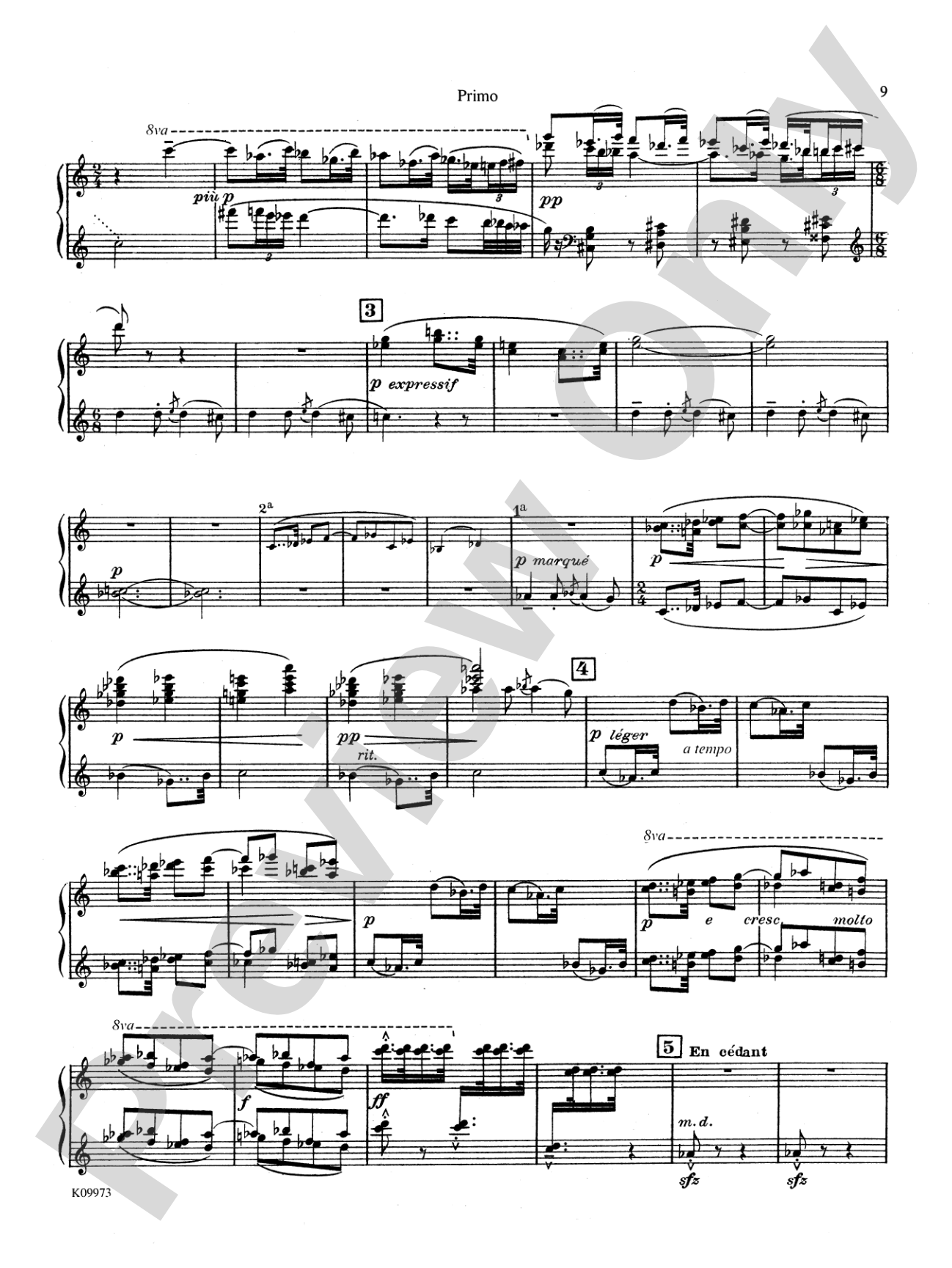
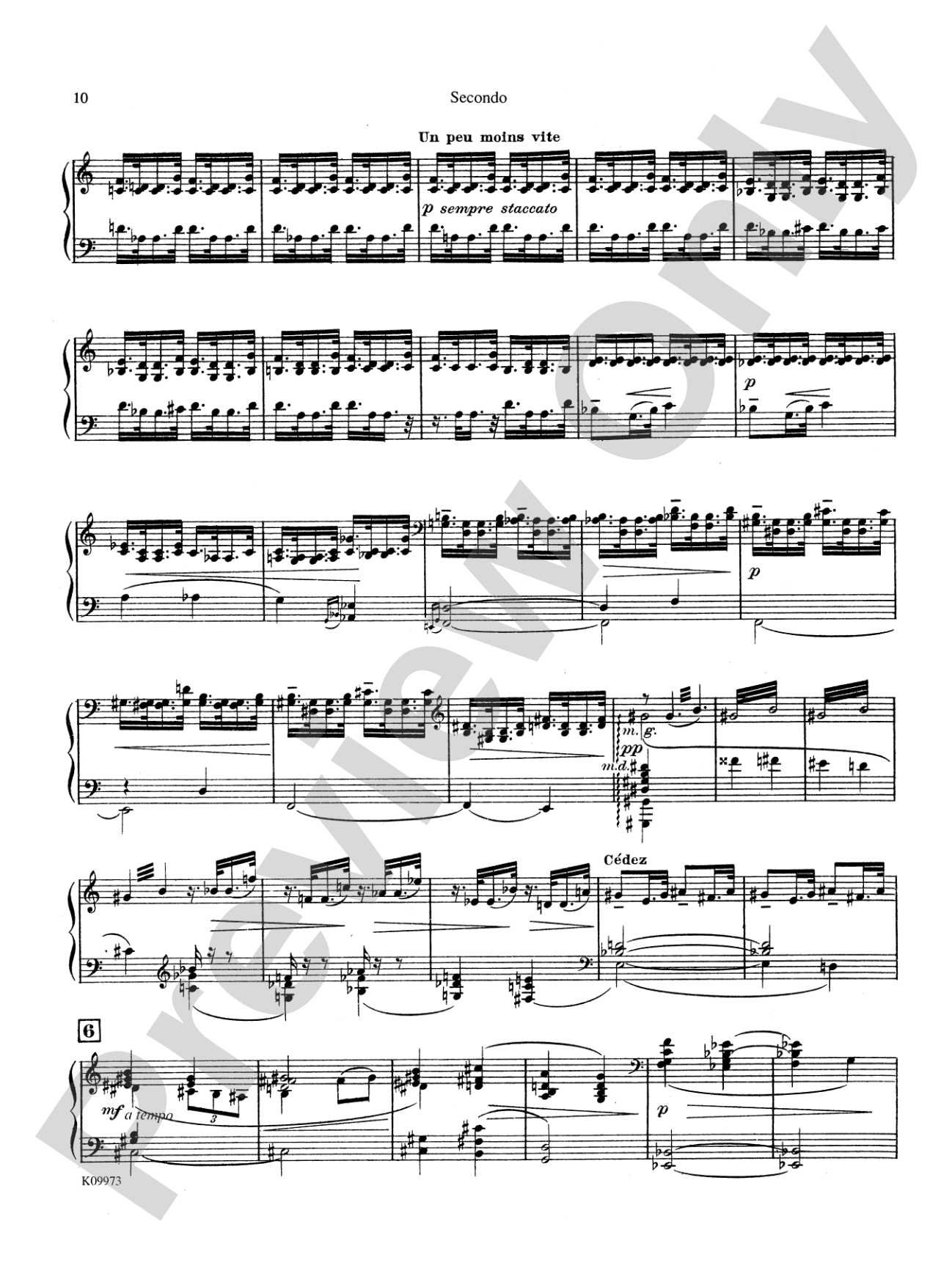
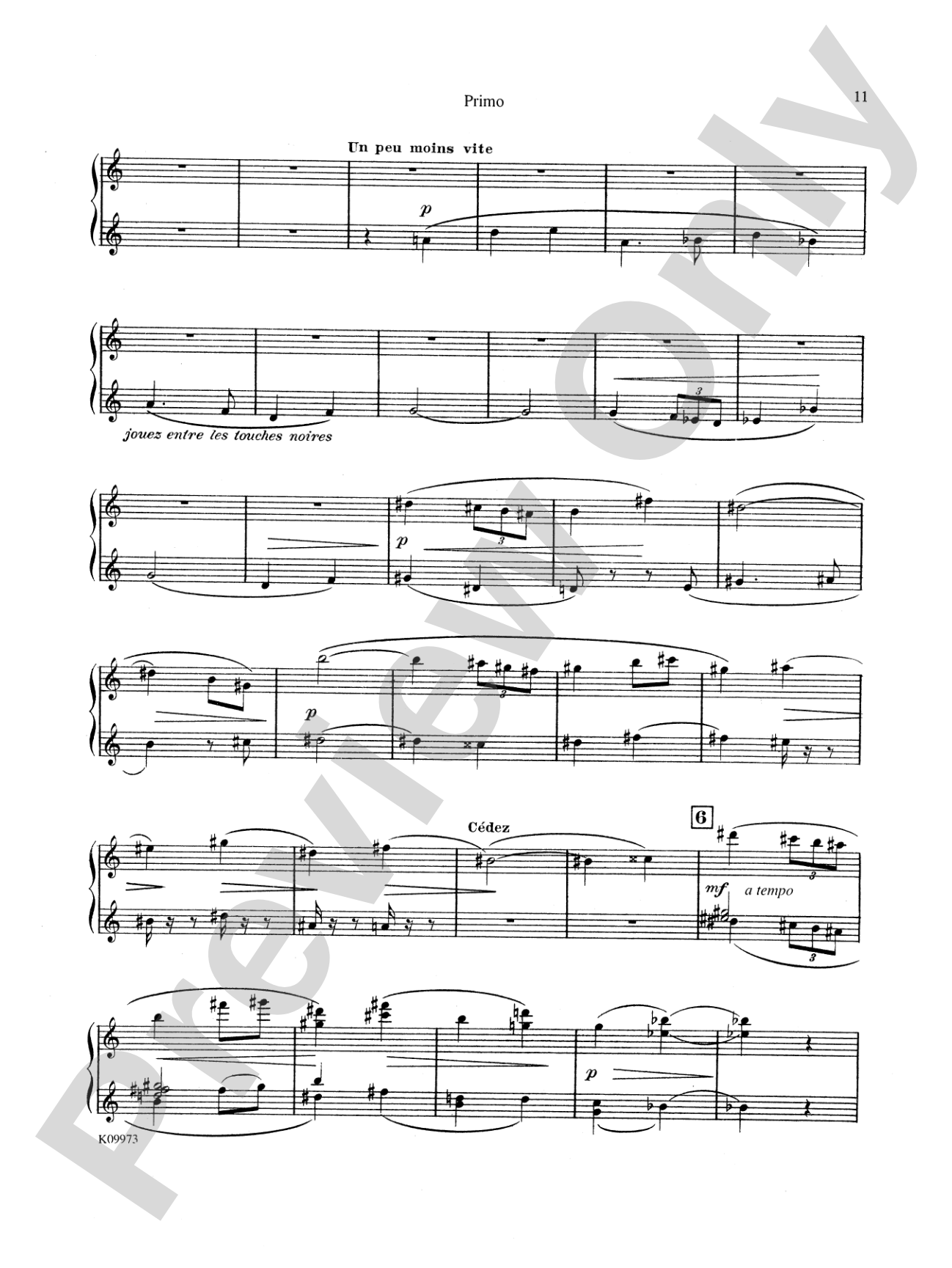
New to our Kalmus catalog is this transcription for one piano/four hands of the famous Debussy IMAGES, Volume I. Closely following the original orchestration, this arrangement can be enjoyed by students and piano teams. The three movements may be performed as a set, or individually.


Don't just read it, hear it, play along with it, and watch your students grow with it. In MakeMusic Cloud, Debussy: Images (Volume I) (Transcr. Caplet) comes alive with professional accompaniment, adjustable tempo, and built-in practice tools that turn solo practice into real progress.
Open in the Player
Jump straight in and assign it today.
Start Your Free Trial
Open this title and explore the full library in minutes.
Sample Audio
No sample audio found.
Sample Video
No sample videos found.
Additional Details
Series:
Kalmus Edition
Publisher:
Alfred Music
Page Count:
80
SKU:
00-PC-0014226
More about this title
About the Composer: Claude Debussy
Claude Debussy (1862-1918) fundamentally changed how composers approached harmony, orchestration, and form. Rather than following the rigid structures of Romantic tradition, Debussy treated the orchestra as a palette of colors and textures, building music from impressionistic images and subtle shifts in sonority. His harmonic language—built on unresolved chords, whole-tone scales, and parallel voice-leading—became foundational to twentieth-century music.
Debussy's piano works and orchestral scores remain central to music education because they demand and develop refined listening skills. His Images (1905-1912) exemplifies his mature style: three interconnected movements that paint soundscapes rather than tell narratives. For pianists, his works teach independence between hands, color variation within a single instrument, and the structural clarity that underlies his seemingly impressionistic surfaces.
Why we love this
This transcription gives duet pianists access to one of Debussy's most sophisticated orchestral works without requiring an ensemble. The arrangement preserves the orchestral color and drama of the original while remaining playable by two pianists sharing one keyboard, making it an ideal choice for intermediate-to-advanced students seeking repertoire that deepens their understanding of modern harmonic language and ensemble listening.
What to expect
Shifting colors emerge from sustained harmonies, with sudden ripples of motion breaking through sustained textures. The music breathes in waves rather than lines, evoking water, light, and shadow rather than narrative gesture. Each movement creates distinct impressionistic moods: the first glimmering and fragmented, the second rhythmically vital and playful, the third luminous and evocative.
Who it's for
This duet works well for two intermediate-to-advanced pianists looking to explore Debussy's orchestral thinking at the keyboard. It suits students preparing for college auditions, adult amateur duet partnerships, and studio teachers seeking demanding yet rewarding four-hand repertoire.
How to get the most out of it
- Balance the textural independence between primo and secondo parts by practicing separately first; the secondo often carries harmonic foundation while primo floats above, requiring different dynamic control from each player.
- Pedal conservatively and change it precisely with harmonic shifts rather than holding it through entire phrases; Debussy's chords often create murky sounds if over-pedaled, and clarity becomes muddy when two pianists share resonance.
- Shape phrases through subtle tempo rubato and color variation rather than obvious dynamics; Debussy's impressionistic style relies on timbral shaping that mirrors the original orchestration's instrumental voices.
- Coordinate hand-crossings and shared registers between players during rehearsal, marking exactly where transitions occur; this Caplet transcription likely requires seamless handoffs that take focused rehearsal time.
How to use it
Program the three movements as a set for a recital focused on twentieth-century transcriptions, or select individual movements to flank lighter repertoire and provide harmonic contrast. This work also serves as a bridge in a concert exploring impressionism across instruments, giving solo pianists a chamber music context without requiring other ensembles.
Skills your students will build
- Reading and executing whole-tone and quartal harmonies
- Coordinating independent textural layers between two pianists at one keyboard
- Translating orchestral color into keyboard technique and pedal control
- Shaping impressionistic phrasing through rubato and timbral variation rather than traditional dynamic arcs
- Managing hand-crossings and close register-sharing in duet writing