

Debussy: Images (Volume I)
By Claude Debussy
Level: Advanced
Item: 00-PC-0006903
$1.99
Pickup currently not available
Description
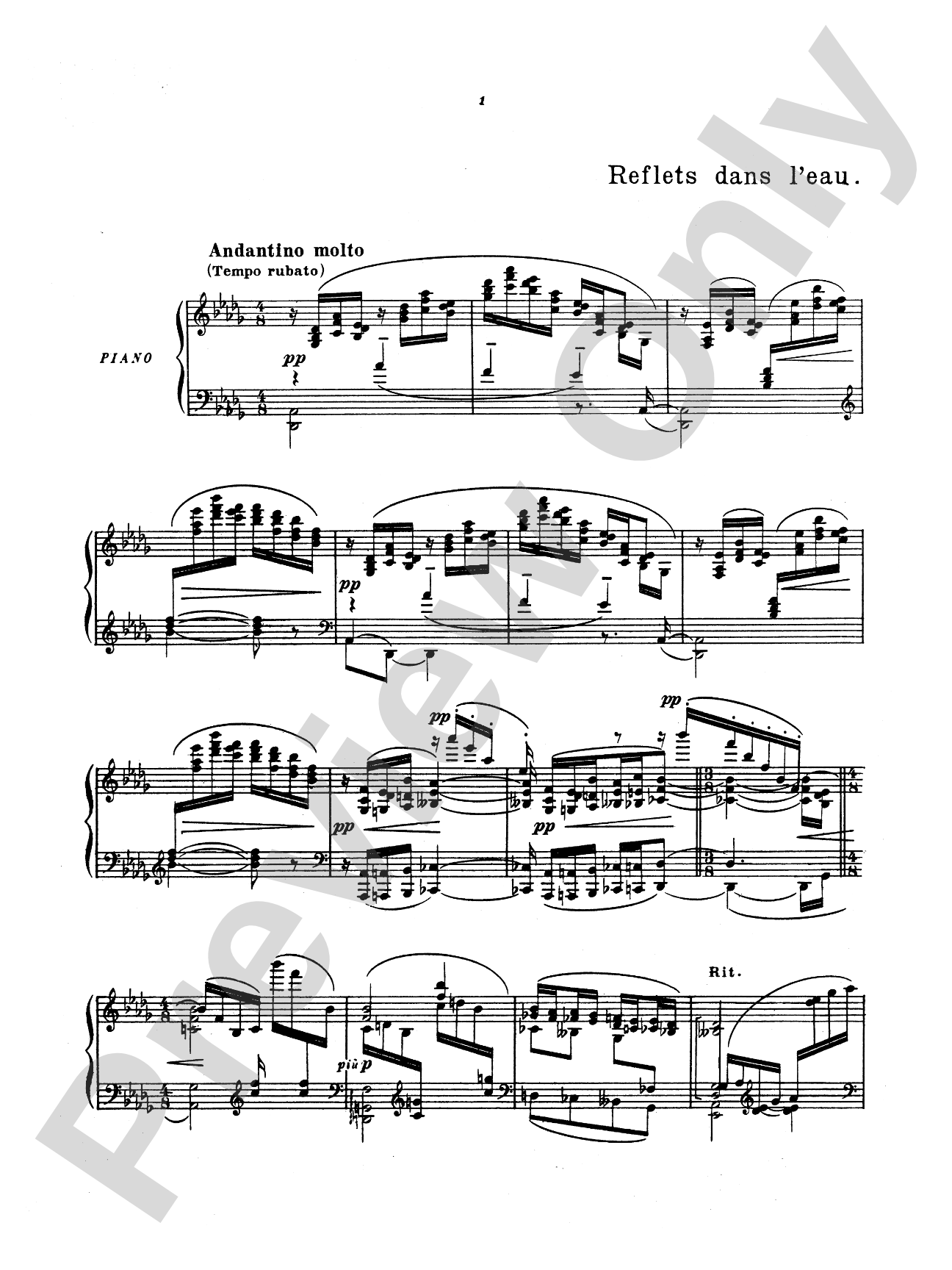
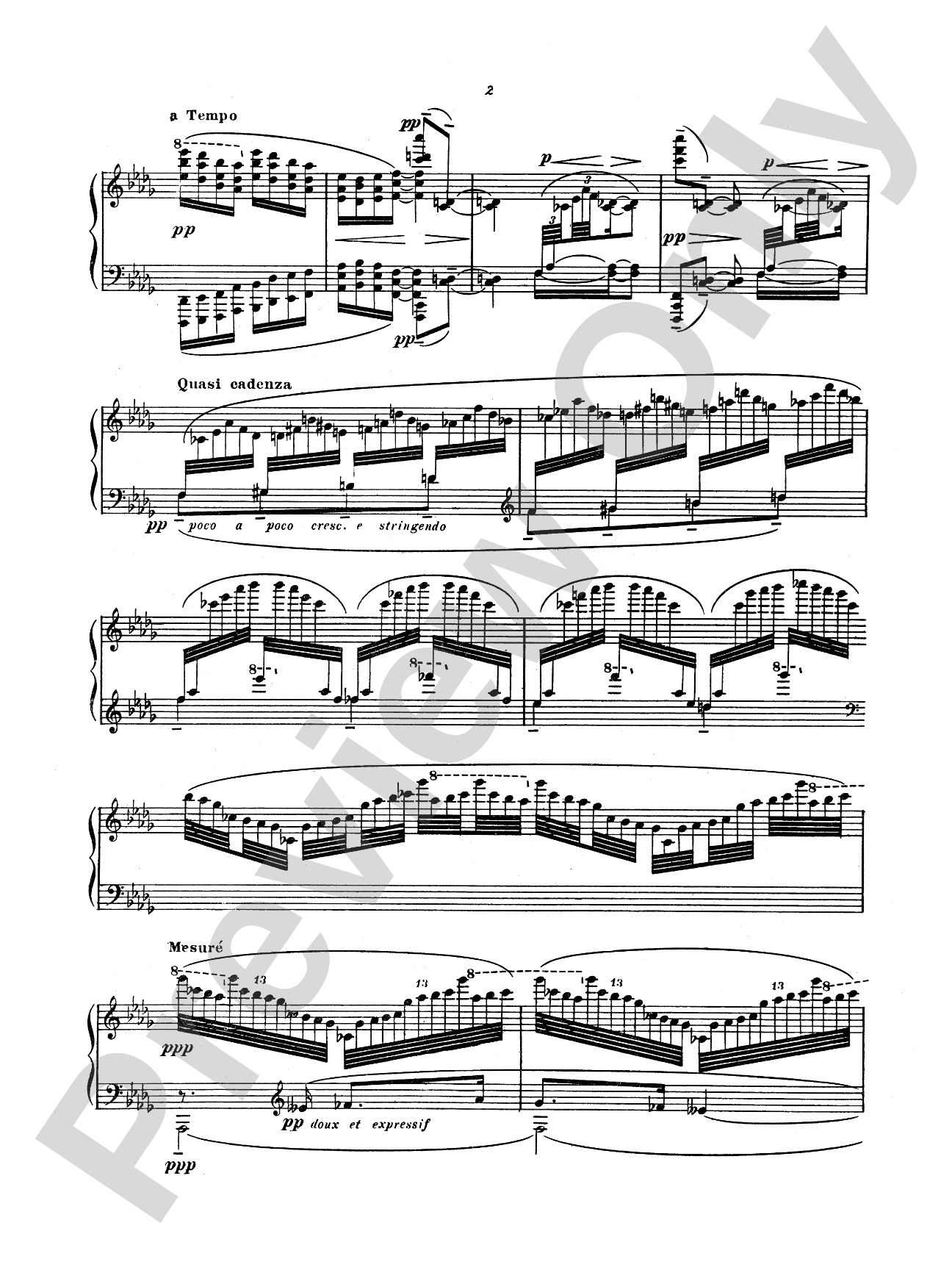
Claude Debussy wrote two sets of virtuosic pieces called "Images." This set, from 1905, includes: Reflets dans l'eau * Hommage à Rameau * Mouvement.


Don't just read it, hear it, play along with it, and watch your students grow with it. In MakeMusic Cloud, Debussy: Images (Volume I) comes alive with professional accompaniment, adjustable tempo, and built-in practice tools that turn solo practice into real progress.
Open in the Player
Jump straight in and assign it today.
Start Your Free Trial
Open this title and explore the full library in minutes.
Sample Audio
No sample audio found.
Sample Video
No sample videos found.
Additional Details
Series:
Kalmus Edition
Publisher:
Alfred Music
Page Count:
24
SKU:
00-PC-0006903
More about this title
About the Composer: Claude Debussy
Claude Debussy (1862-1918) fundamentally reshaped how composers approached harmony, orchestration, and form in the early 20th century. His harmonic innovations—parallel chords, whole-tone scales, and unresolved dissonance—challenged the functional harmony that had governed European music for centuries, opening doors for generations of composers to follow.
For pianists, Debussy's output remains essential study. His piano works demand not just technical facility but also a refined sense of color, balance, and pedal control. The Images sets showcase his mature voice: pieces that are simultaneously virtuosic and introspective, demanding total command of the instrument's sonic palette.
Why we love this
These three pieces represent Debussy at his most inventive with the instrument's resources. Reflets dans l'eau alone justifies the collection, with its shimmering textures and asymmetrical phrasing that reward deep listening from an audience. Advanced pianists thrive on the interpretive freedom Debussy grants; there is no single "correct" tempo or voicing, only informed choices grounded in understanding impressionistic color and orchestral thinking at the keyboard.
What to expect
Water, light, and structural clarity blur together. Reflets dans l'eau shimmers with broken reflections and iridescent harmonies that seem to dissolve and reform. Hommage à Rameau shifts into a more grounded, almost baroque sensibility with its ornamentation and linear clarity. Mouvement closes the set with propulsive energy, textures layering and breaking apart as if chasing something just beyond reach.
Who it's for
Advanced pianists preparing for conservatory study, graduate-level recital programming, or serious adult learners with command of standard classical and romantic repertoire. These pieces demand technical security, harmonic sophistication, and comfort with non-traditional approaches to form and tonality. Pianists should have prior experience with impressionistic and contemporary harmonic language.
How to get the most out of it
- Prioritize pedal clarity over continuous sustain. Debussy's sonorities depend on precise pedal changes that blend harmonies without muddying texture; practice releasing and reengaging the pedal in short phrases rather than holding it throughout.
- Shape phrases by weight and dynamic contour rather than mechanical tempo consistency. Allow the line to breathe and stretch slightly in moments of harmonic suspension, then settle into clearer rhythm during structural arrivals.
- Listen to the harmonic color underneath rapid figuration. In Reflets dans l'eau, the accompaniment patterns should sing as much as any melody; avoid reducing them to mere accompaniment by maintaining voicing clarity and weight.
- Approach the middle voices and inner harmonies as melodic material. Debussy often hides secondary lines within densely voiced passages; bringing these out transforms the piece from abstract color study into structured narrative.
How to use it
Program this collection as a complete sequence, or select individual movements for larger recitals. Reflets dans l'eau pairs well with other water-imagery pieces (Ravel's Scarbo or Liszt's Les Préludes); Hommage à Rameau works as a bridge between baroque and modern sensibilities; Mouvement concludes powerfully and suits programs that feature 20th-century innovation. These pieces excel in chamber recitals alongside contemporary string works or as a centerpiece in a solo piano program exploring impressionism.
Skills your students will build
- Pedal technique for color blending and textural clarity without muddying harmony
- Reading and interpreting impressionistic harmony and non-functional chord progressions
- Asymmetrical phrasing and rubato within structured harmonic frameworks
- Voicing control in densely layered passages with multiple inner melodic lines
- Understanding orchestral thinking at the keyboard (translating orchestration concepts to piano sonorities)
- Interpretive independence and stylistic choice-making in works without traditional performance conventions