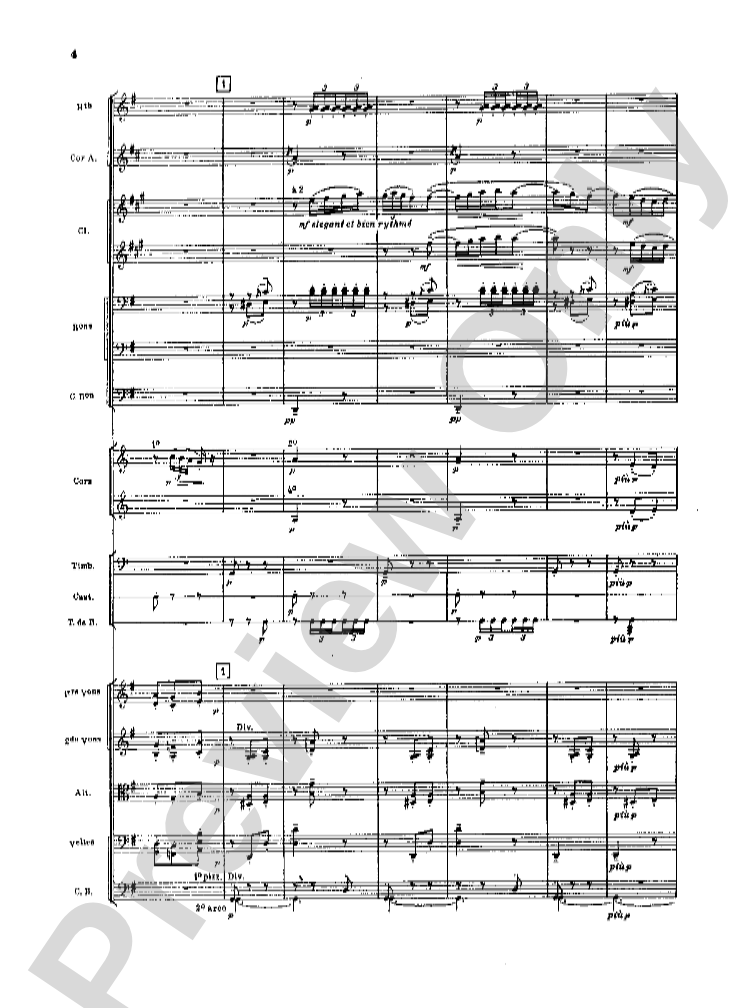
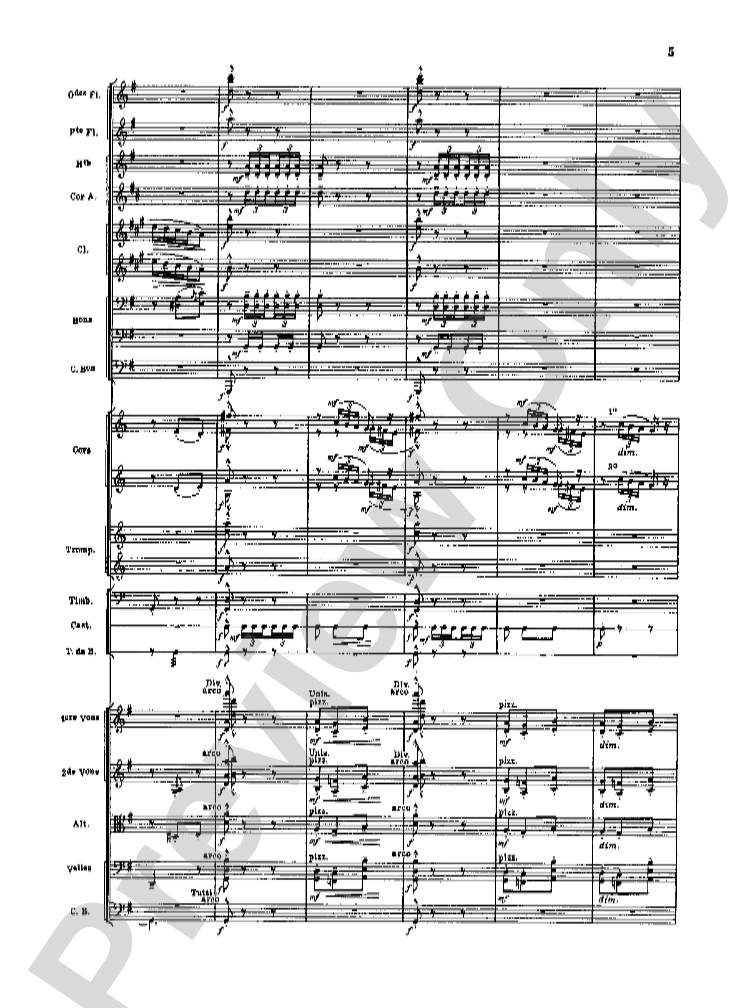
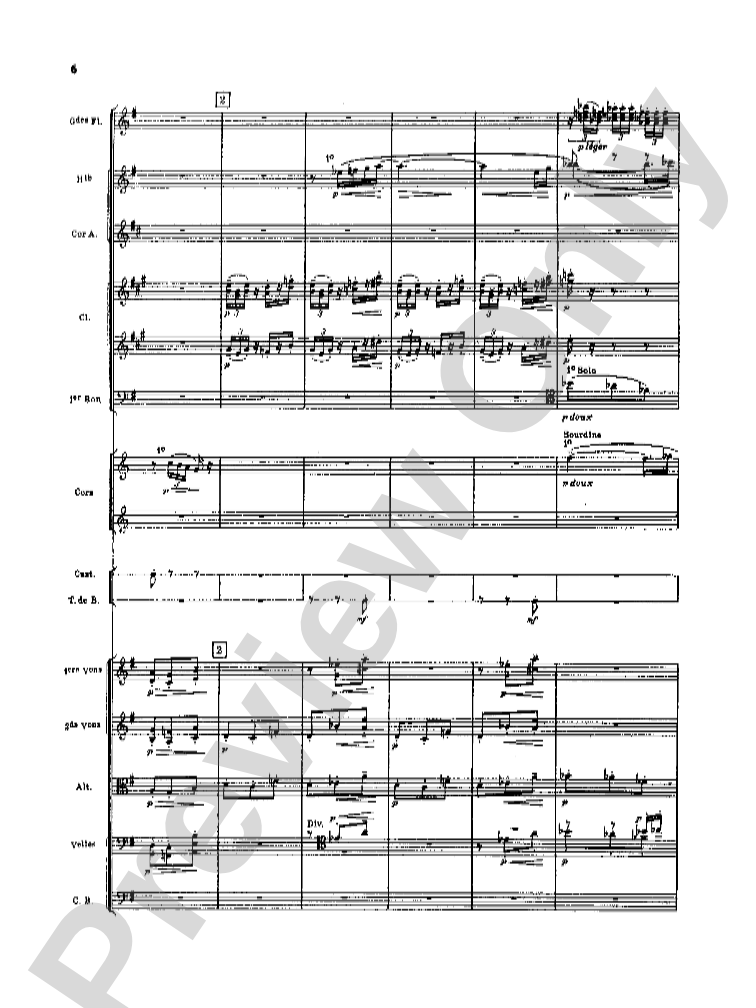
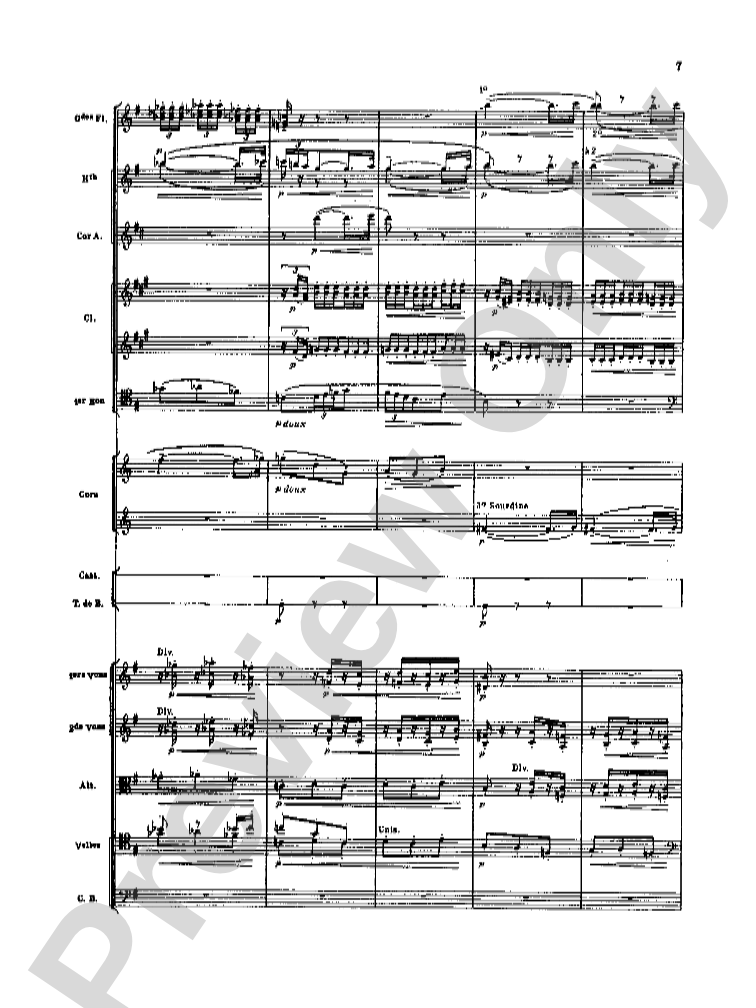
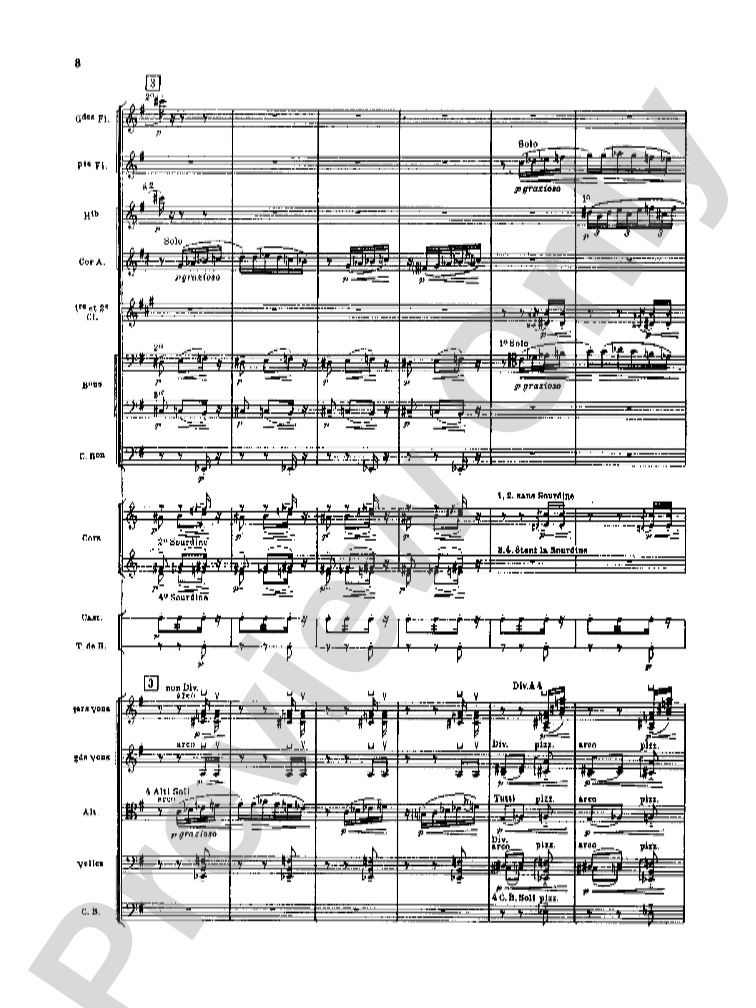
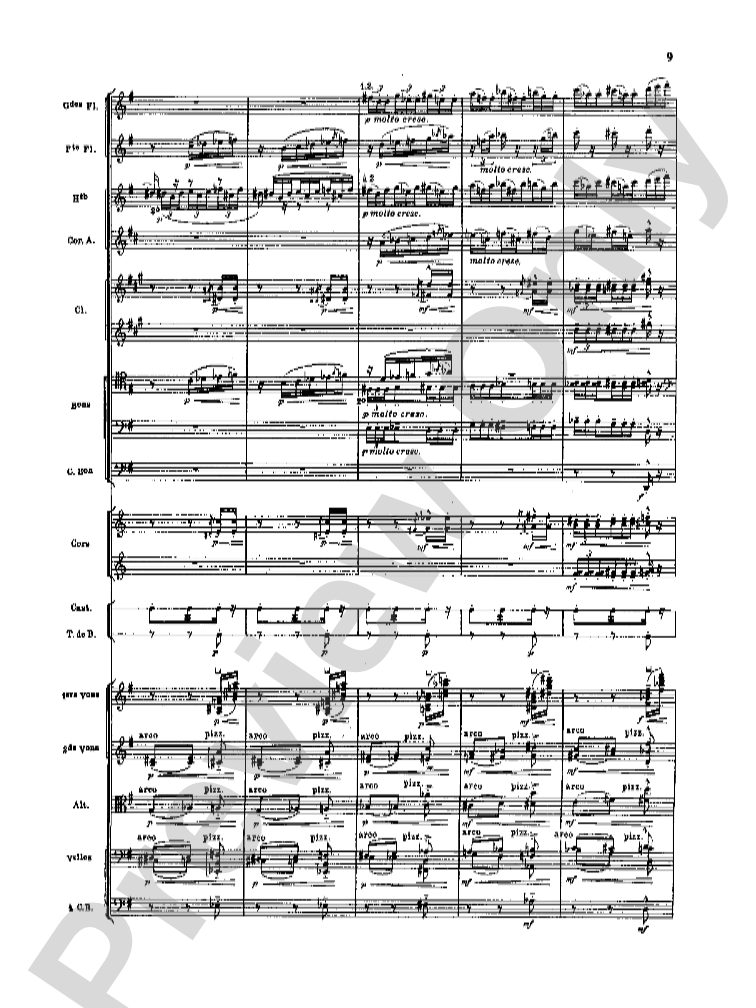
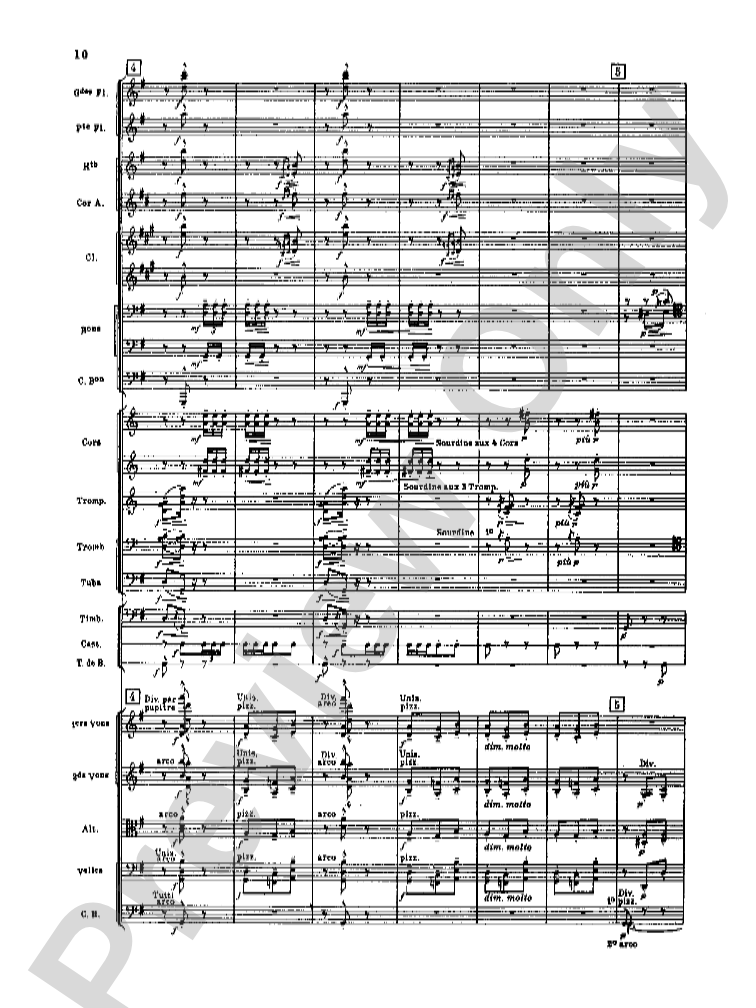
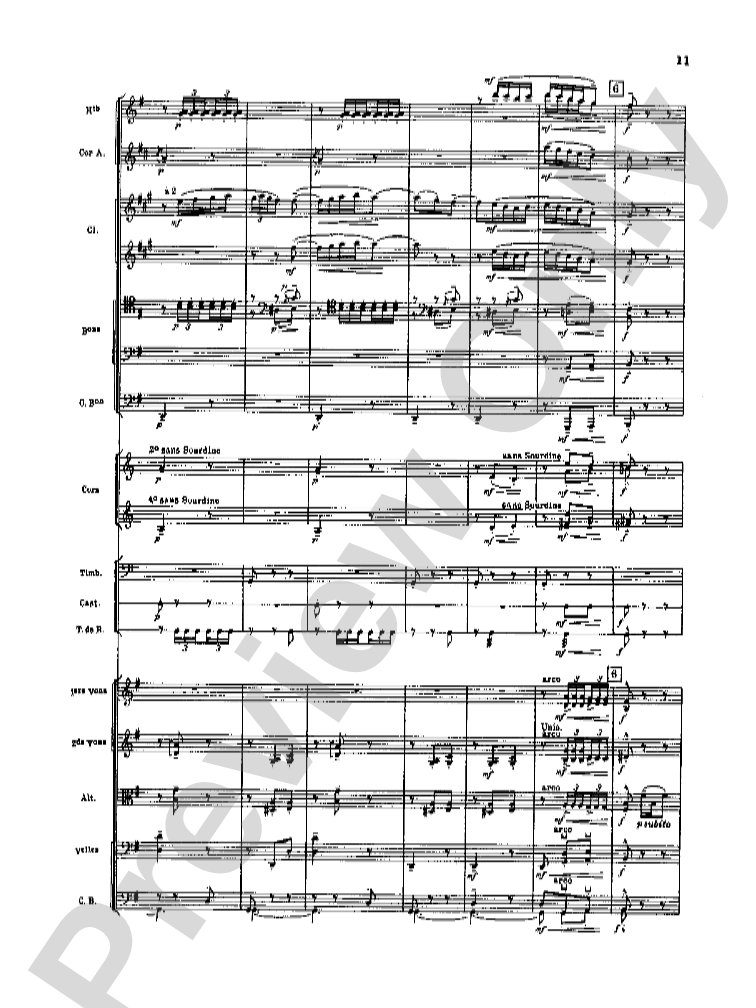
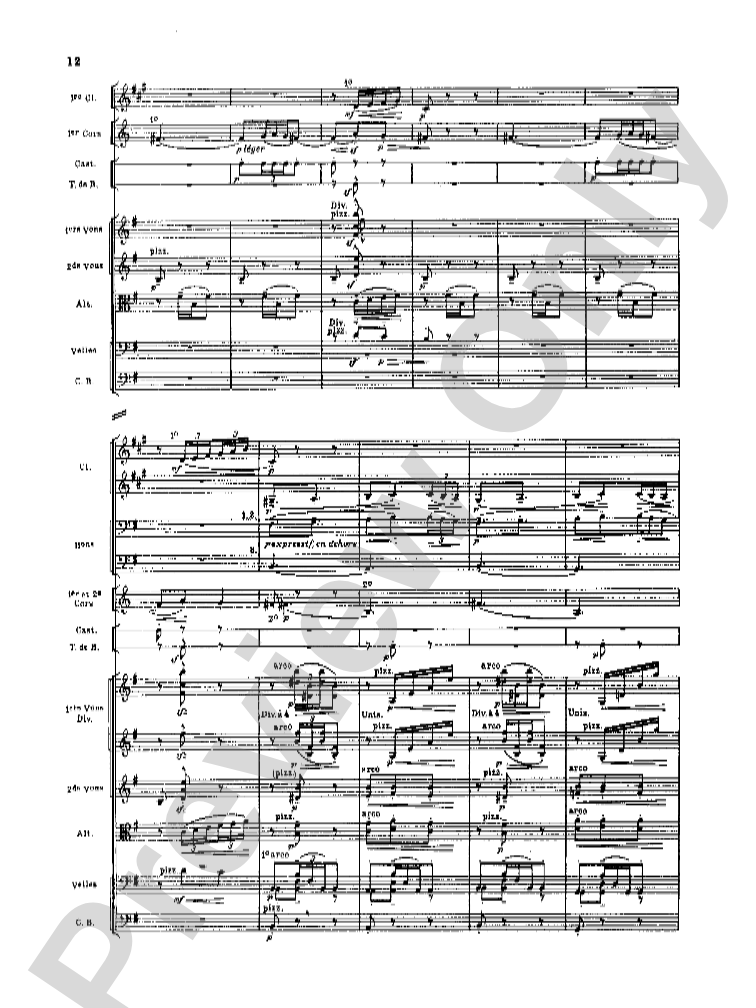
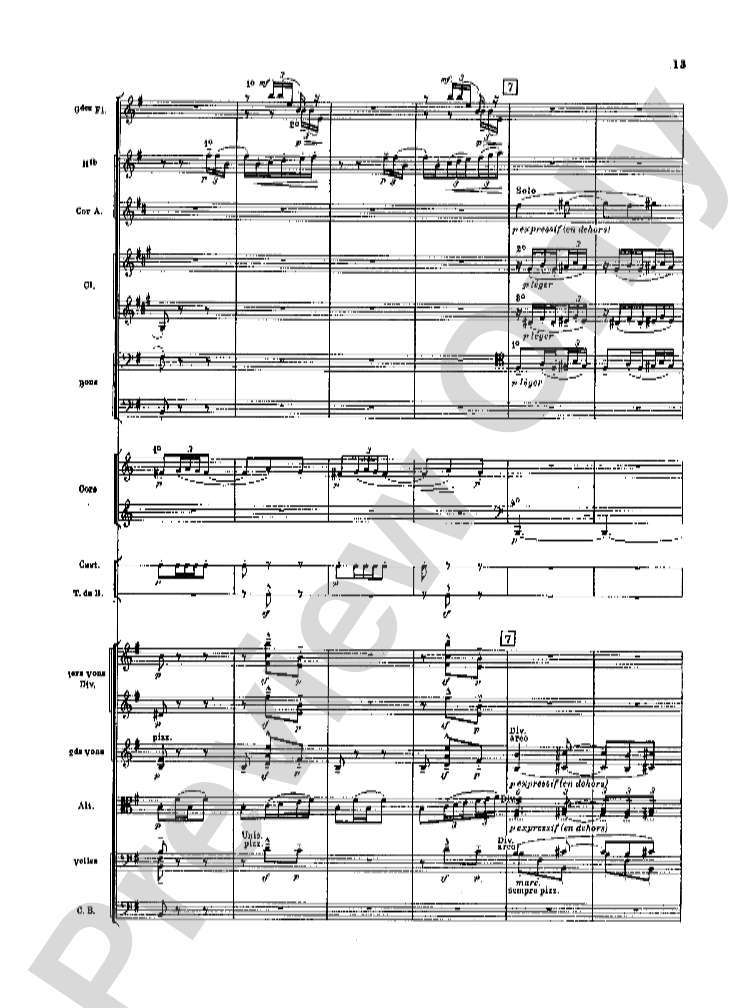
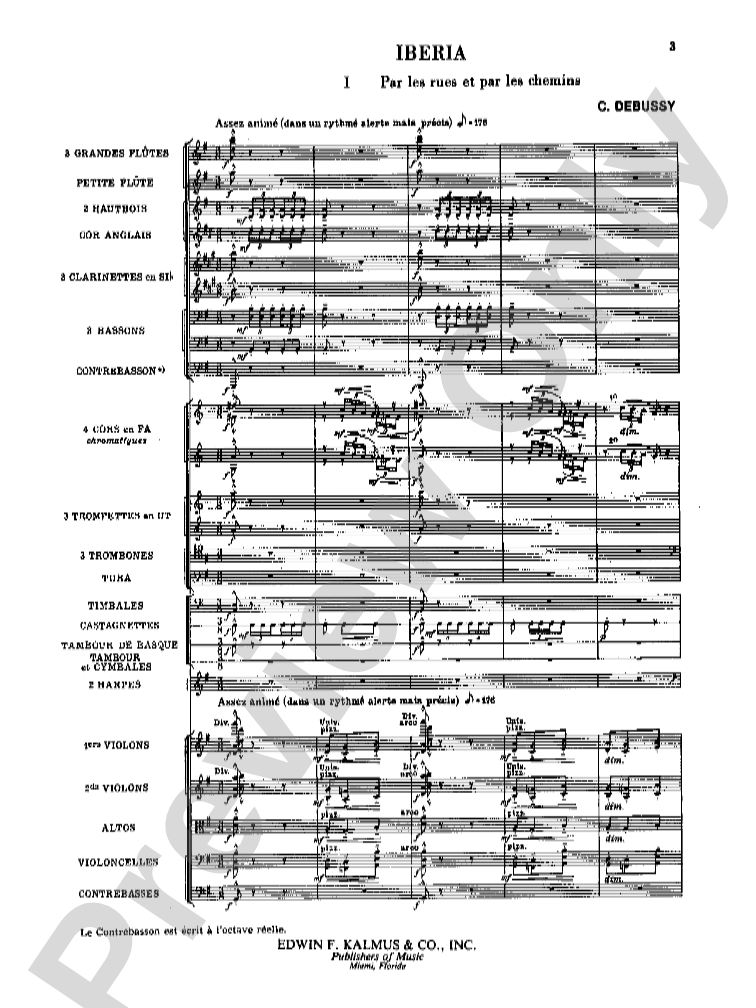
Debussy: Iberia (miniature orchestral score) Sheet Music Preview

Debussy: Iberia (miniature orchestral score)

By Claude Debussy

Item: 00-PC-0014089

Digital Download
$3.95
Description

Don't just read it, hear it, play along with it, and watch your students grow with it. In MakeMusic Cloud, Debussy: Iberia (miniature orchestral score) comes alive with professional accompaniment, adjustable tempo, and built-in practice tools that turn solo practice into real progress.

Sample Audio
No sample audio found.
Sample Video
Additional Details
Series: Kalmus Edition
Publisher: Alfred Music
Page Count: 124
SKU: 00-PC-0014089

More about this title

About the Composer: Claude Debussy

Claude Debussy (1862–1918) fundamentally transformed piano music by treating the instrument as an orchestra of colors and textures. His innovative approach to harmony, timbre, and form moved away from Romantic conventions toward a new musical language that influenced generations of composers across all genres.

Why we love this

Iberia stands as one of the most rewarding yet demanding works in the solo piano repertoire, combining technical virtuosity with genuine compositional depth. Advanced pianists return to it repeatedly because the musical material yields new interpretive possibilities with each encounter, and the impressionistic orchestration demands fresh problem-solving at every rehearsal.

What to expect

Iberia evokes impressions of Spanish landscape and culture through shimmering textures, rhythmic vitality, and moments of luminous stillness. The music shifts between vivid pictorial scenes and introspective passages, creating an immersive sound world that feels simultaneously intimate and expansive.

Who it's for

This work belongs in the hands of pianists with advanced technical facility and musical maturity. Advanced high school pianists preparing for competitions or college auditions, as well as collegiate and professional performers, will find intellectual and emotional challenge throughout Iberia's 124 pages.

How to get the most out of it

  • Treat the sustained bass notes and pedal effects as foundational color rather than mere accompaniment; they anchor the harmonic landscape and should ring with clarity beneath the melodic gestures.
  • Balance the rapid figurations against the lyrical lines by thinking in longer musical phrases; technical passages should serve the larger architecture, not overshadow it.
  • Experiment with the sustain pedal strategically throughout to capture Debussy's intended blending of harmonies, but lift it frequently enough to maintain textural transparency.
  • Study the score's dynamic shadings with precision; subtle shifts from ppp to pp create dramatic effect in this music and reward meticulous attention to notation.

How to use it

Feature this as a centerpiece recital work that showcases both pianistic technique and interpretive sophistication. Pair it with other Impressionistic repertoire or contemporary works that share its harmonic language, allowing audiences to hear connections between Debussy and his musical descendants.

Skills your students will build

  • Pedal control and harmonic blending in non-tonal contexts
  • Reading and interpreting impressionistic notation and unconventional harmonic movement
  • Finger independence and rapid figurations across multiple registers
  • Color and texture differentiation at the keyboard
  • Large-scale form comprehension in modernist music

You May Also Like