
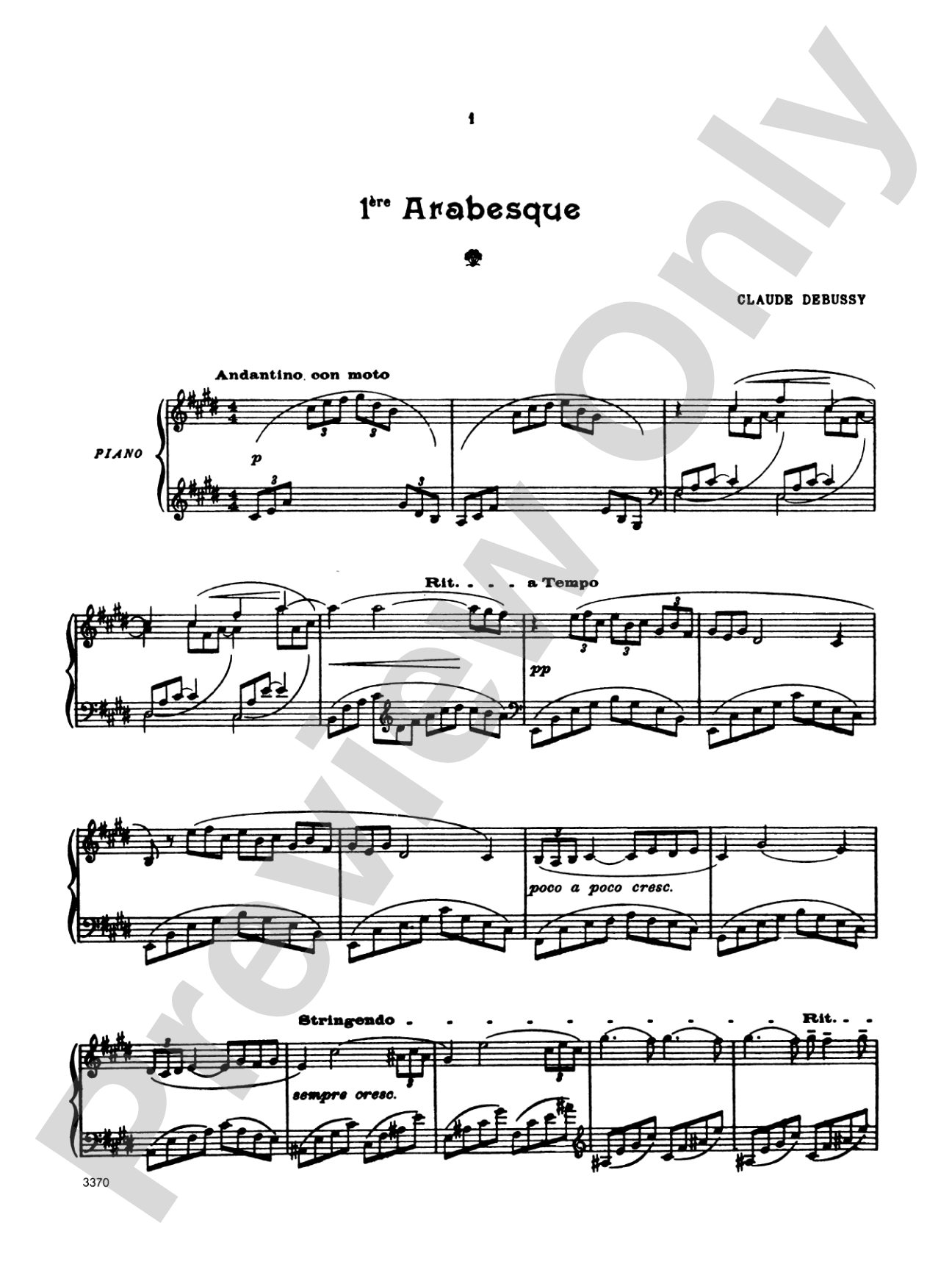
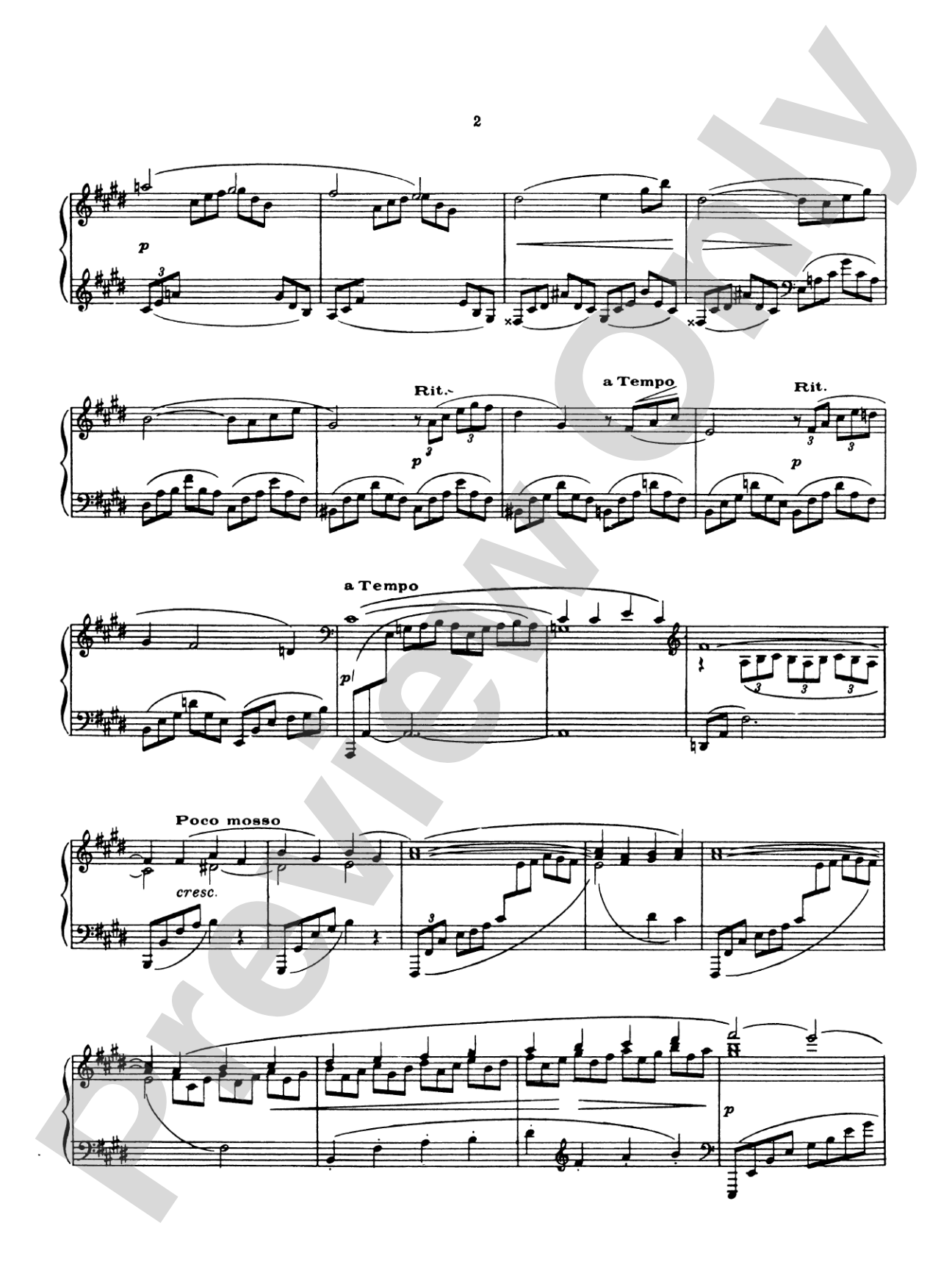
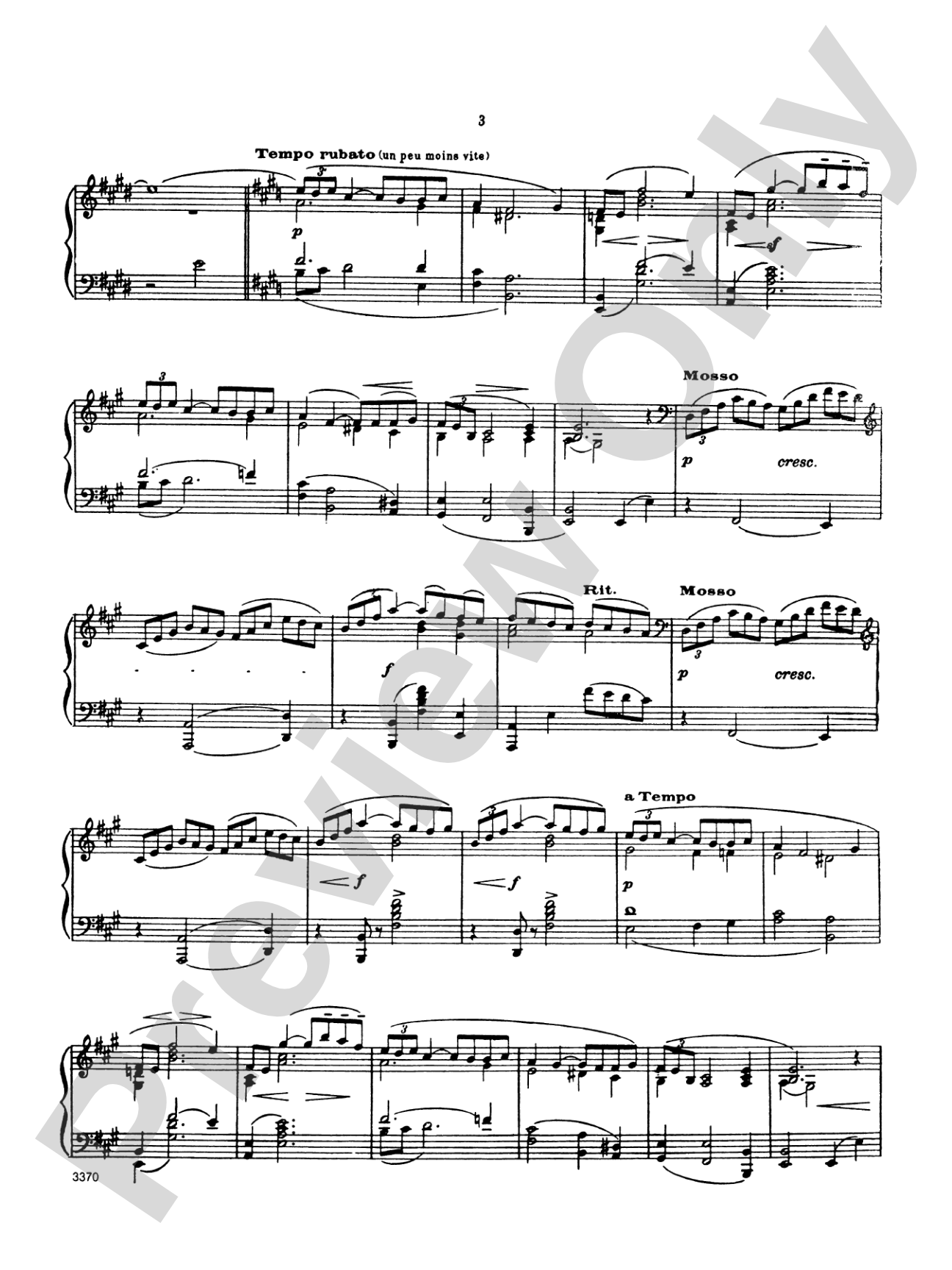
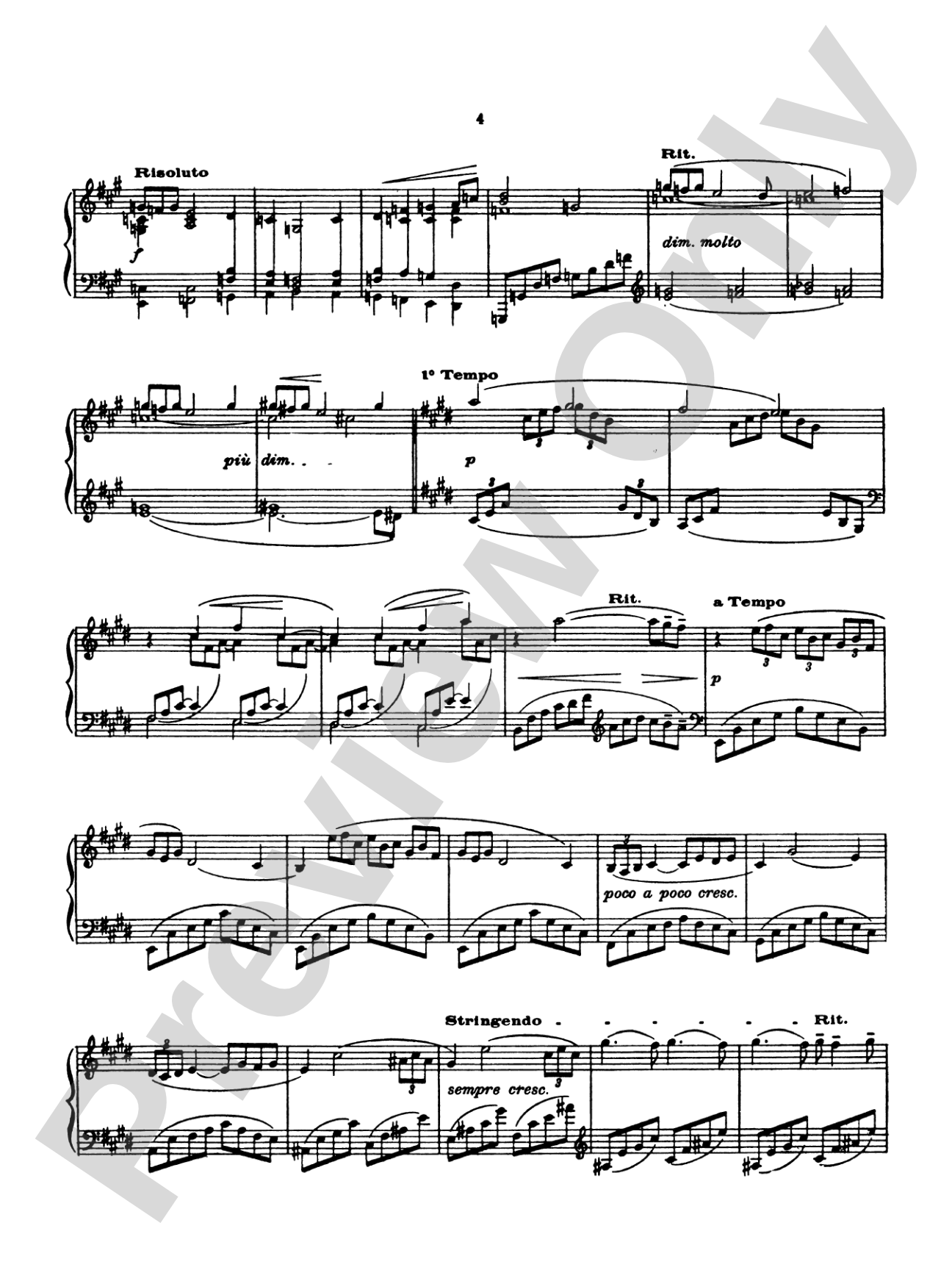
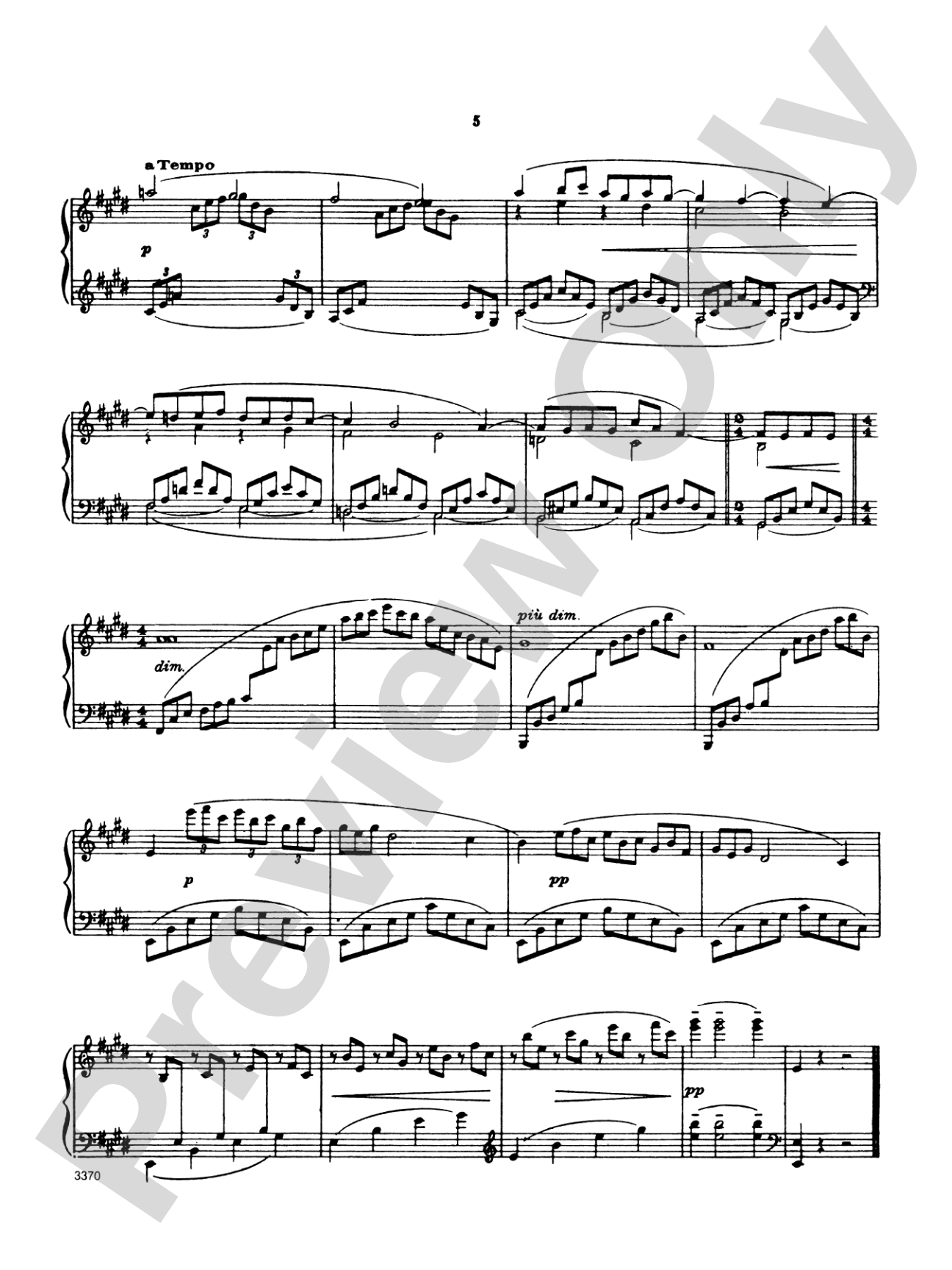

Debussy: Deux Arabesques: Piano
By Claude Debussy
Level: Advanced
Item: 00-PK-0003045

$6.99
Pickup currently not available
Buy Extra Parts (Digital PDF Download)
| Product | Price | Quantity |
|---|---|---|
| Debussy: Deux Arabesques | $2.99 | |
| Debussy: Deux Arabesques | $2.99 |
Parts Added to Cart!
Related Items
Deux Arabesques: Piano |
$6.95
|
View |
Description
The Two Arabesques (Deux arabesques), L. 66, are two of Debussy's earliest works, composed between the years 1888 and 1891, when he was still in his twenties. Although quite an early work, the arabesques contain hints of Debussy's developing musical style.


Don't just read it, hear it, play along with it, and watch your students grow with it. In MakeMusic Cloud, Debussy: Deux Arabesques: Piano comes alive with professional accompaniment, adjustable tempo, and built-in practice tools that turn solo practice into real progress.
Open in the Player
Jump straight in and assign it today.
Start Your Free Trial
Open this title and explore the full library in minutes.
Sample Audio
No sample audio found.
Sample Video
No sample videos found.
Additional Details
Series:
Kalmus Edition
Publisher:
Alfred Music
Page Count:
16
SKU:
00-PK-0003045
More about this title
About the Composer: Claude Debussy
Claude Debussy (1862, 1918) revolutionized Western music by breaking from the rigid harmonic structures of his predecessors. His radical approach to harmony, tone color, and form fundamentally reshaped what composers believed was possible at the piano, and his influence extends through nearly every musical development of the twentieth century.
In his twenties, while still absorbing lessons from his teachers, Debussy began composing works that hinted at the revolutionary style he would perfect in later decades. The Two Arabesques emerged during this formative period, revealing a composer already attuned to subtlety, texture, and the expressive possibilities of chromatic voice-leading.
Why we love this
These arabesques sit at a pivotal moment in Debussy's output, balancing the decorative elegance of late Romantic piano writing with the harmonic and textural experiments that would define his mature style. They reward advanced pianists who relish ornamental figuration and atmospheric color without demanding the technical brutality of larger-scale works.
What to expect
These arabesques float between dream and structure, their ornamented melodies floating atop gently shifting harmonic beds. The music evokes landscapes softened by light and distance, with moments of surprising harmonic richness emerging from seemingly simple figurations.
Who it's for
Advanced pianists preparing for recitals or examinations who want to deepen their understanding of Debussy's compositional voice and fingerboard color. These works suit musicians drawn to impressionistic repertoire and those building a coherent program around turn-of-the-century French piano music.
How to get the most out of it
- Shape the arabesques' flowing lines by thinking of them as vocal phrases rather than mere decoration; each ornamental passage needs direction and breath
- Experiment with pedal changes on harmonic rather than metric boundaries to maintain clarity in Debussy's open-voiced textures
- Resist the urge to rush the tempo; these pieces unfold most effectively when the ear has time to absorb the shifting harmonic colors
- Balance the melodic voice with surrounding figuration so neither overwhelms; the accompaniment patterns are essential to the piece's atmospheric identity
How to use it
Program these arabesques as a bridge between Romantic-era showpieces and twentieth-century modernism, or pair them with other Debussy works to trace his stylistic evolution. They work beautifully in a recital devoted to French impressionism or as a thoughtful interlude within a broader, mixed-era program.
Skills your students will build
- Pedal technique and harmonic voicing clarity
- Interpretive phrasing of ornamental melodic lines
- Understanding of impressionistic harmonic color and texture
- Refined touch control and dynamic subtlety
- Reading and executing Debussy's early notational and stylistic language