
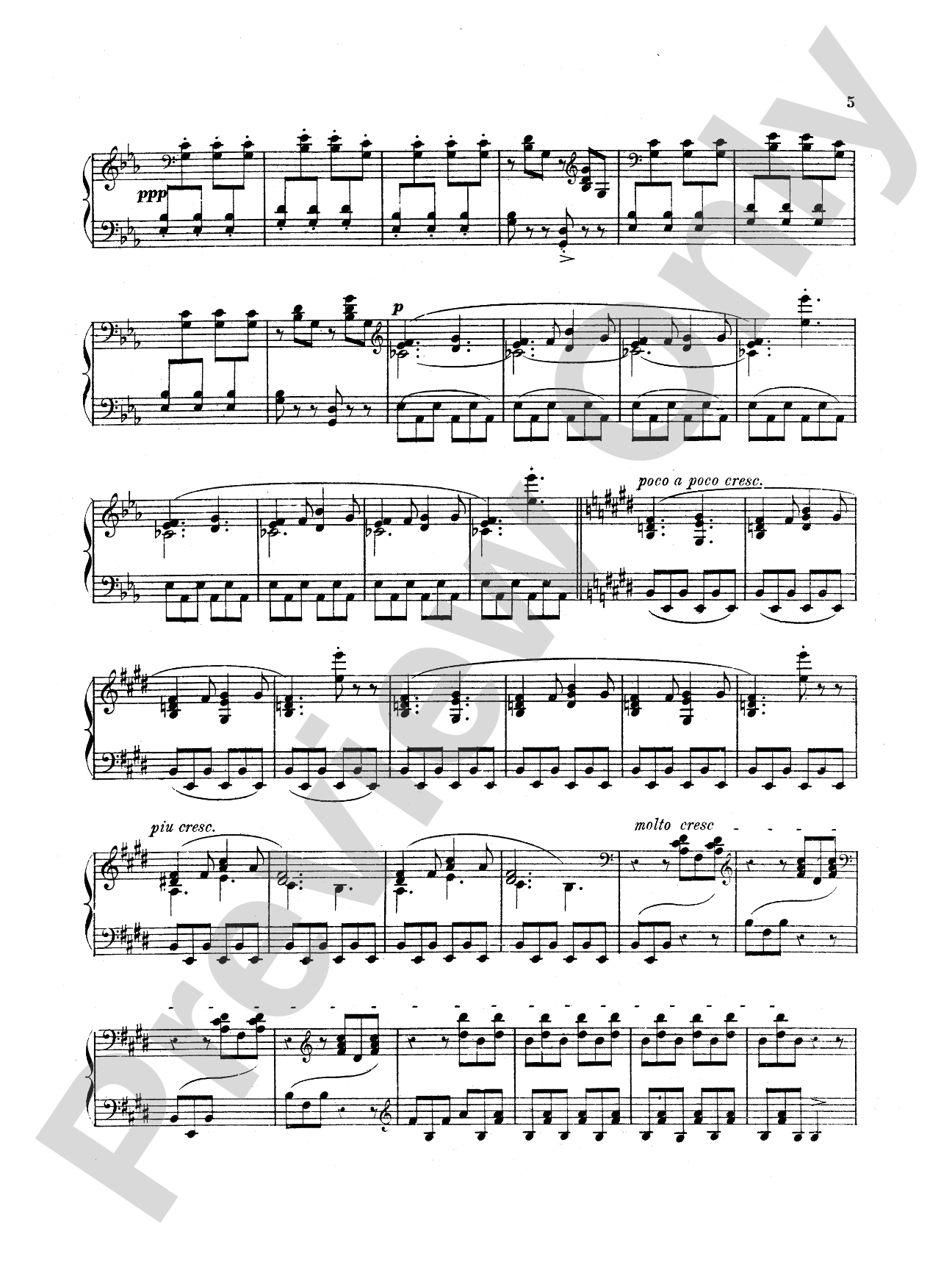
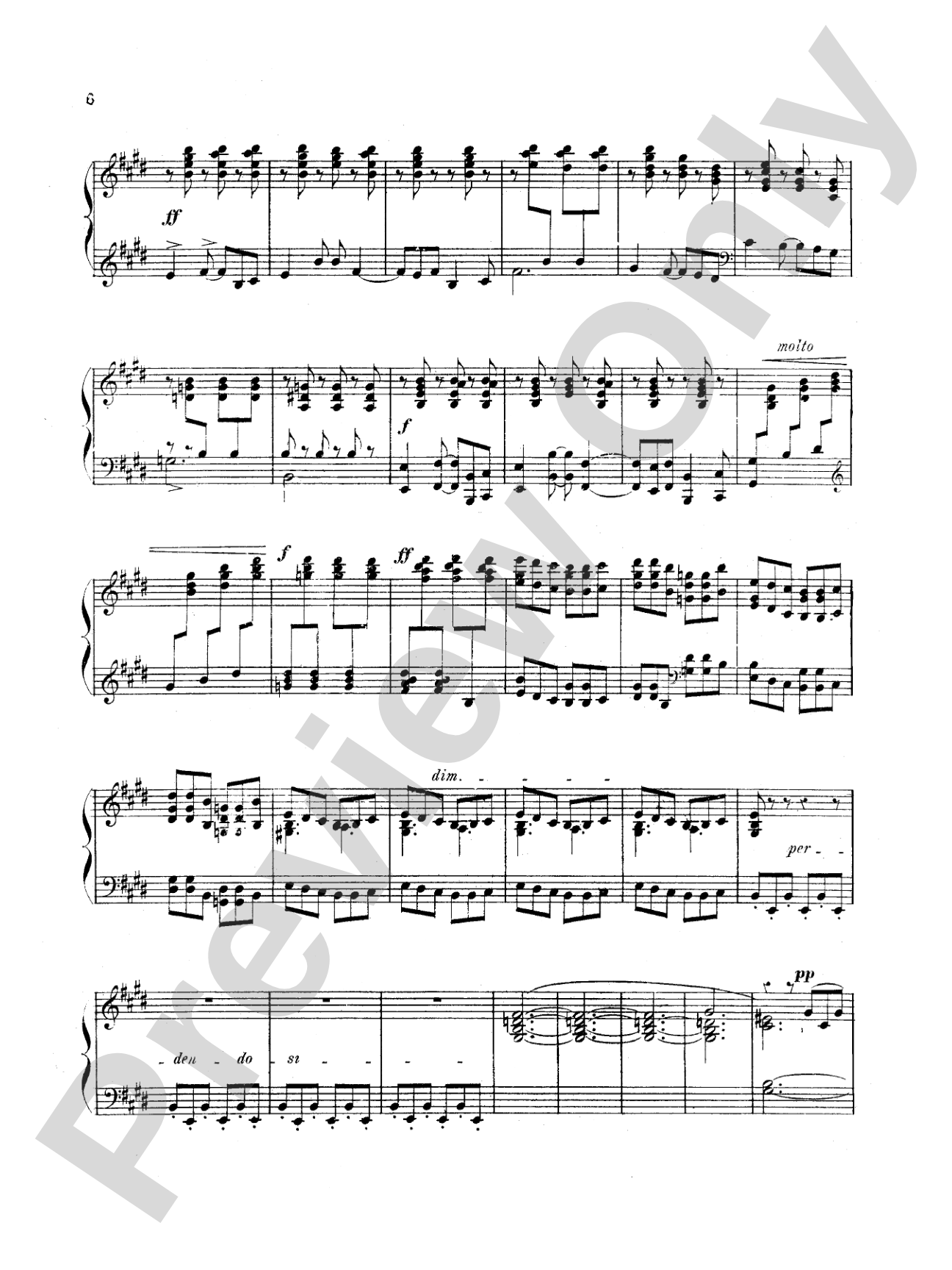
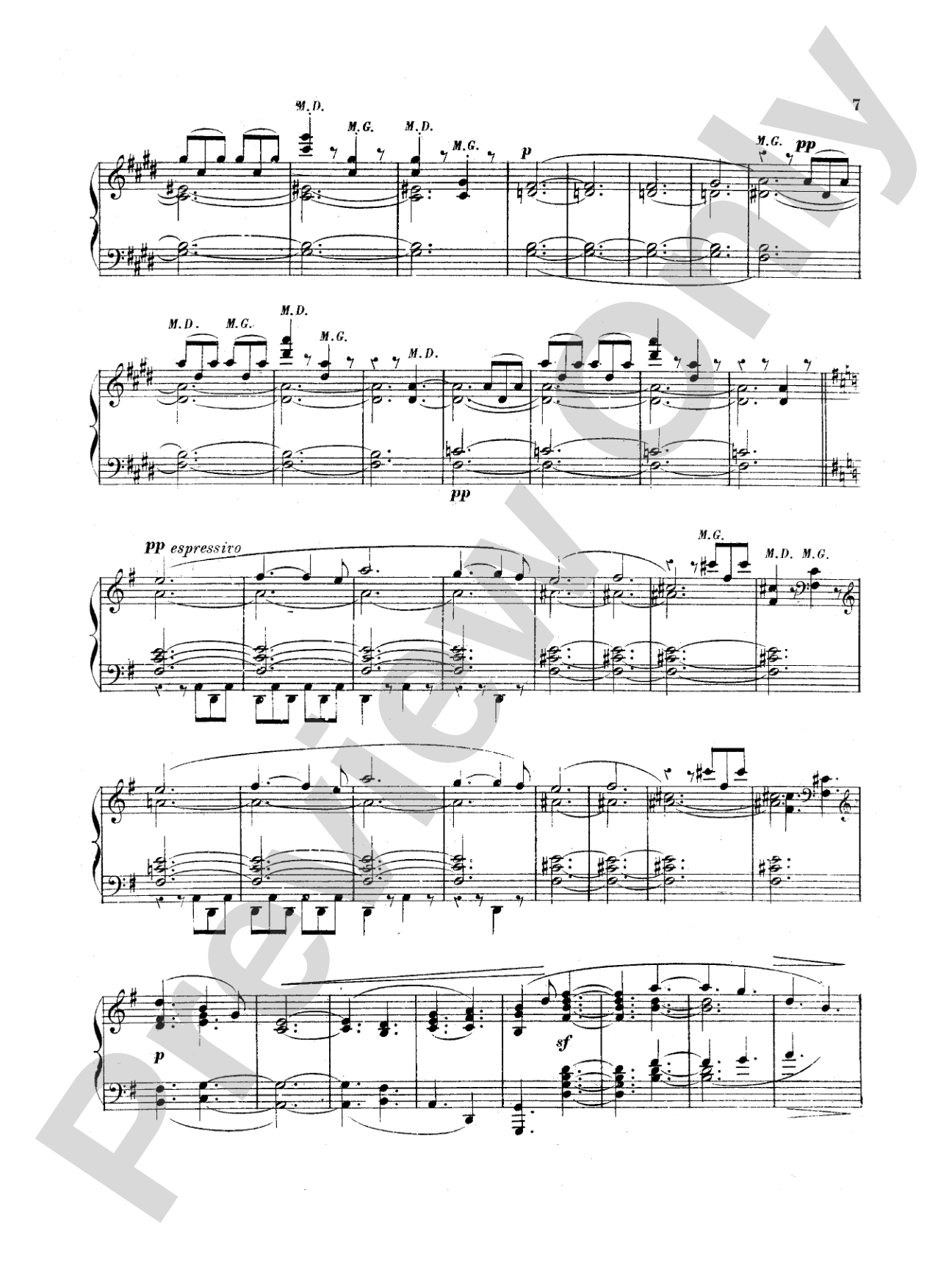
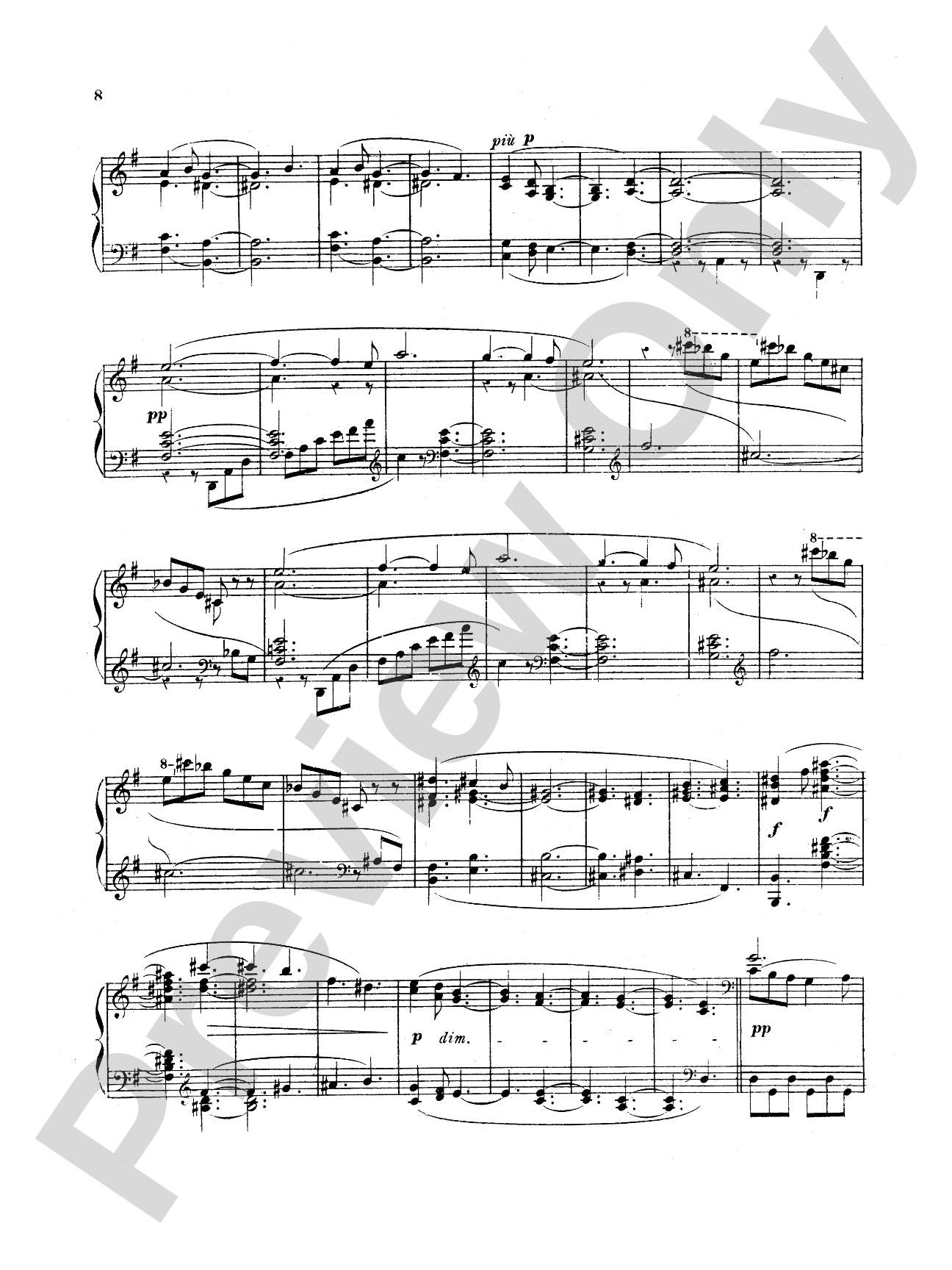


Debussy: Danse: Piano
By Claude Debussy
Item: 00-PK-0003048

$7.99
Pickup currently not available
Parts Added to Cart!
Related Items
Danse: Piano |
$7.95
|
View |
Description
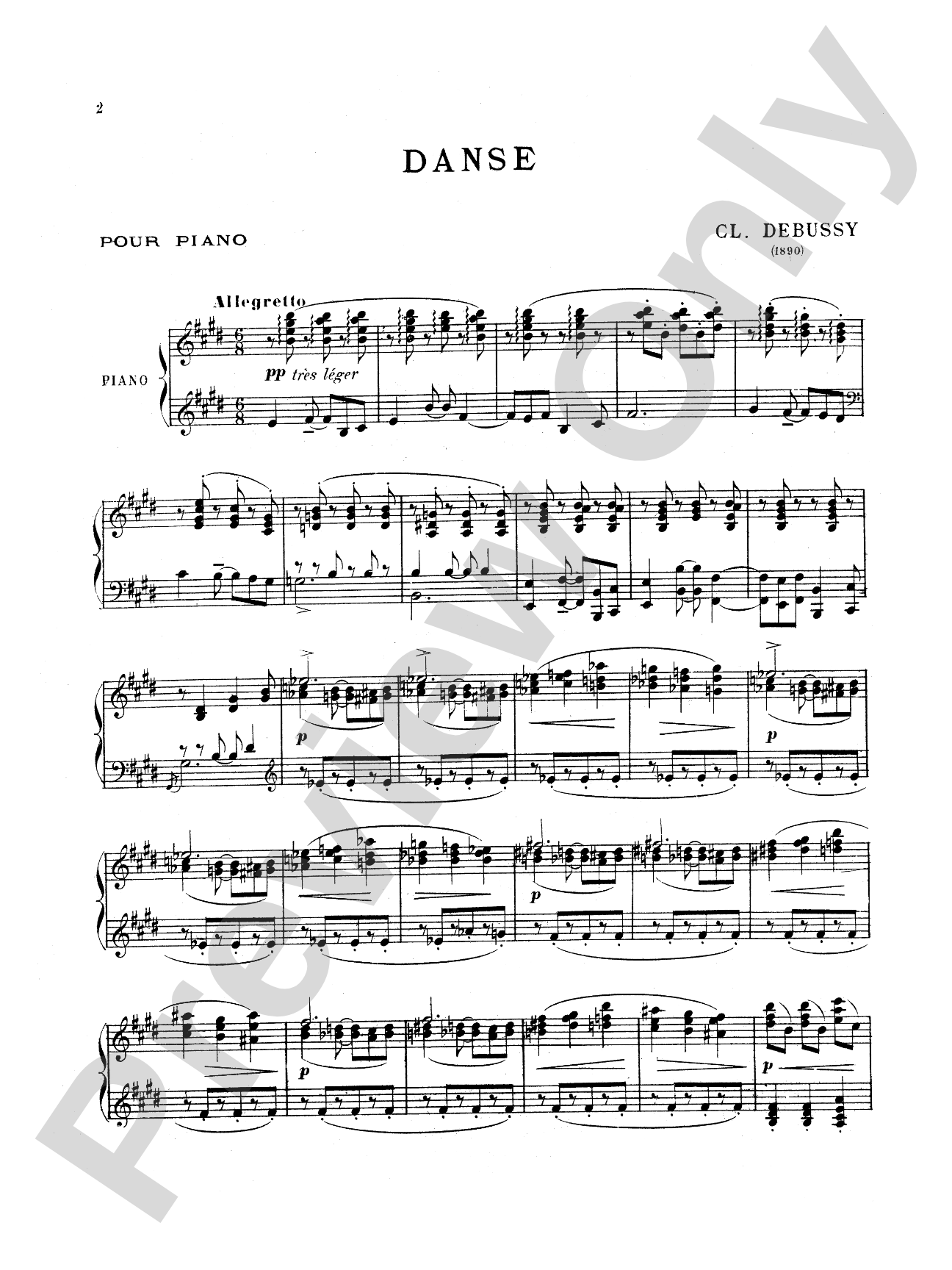
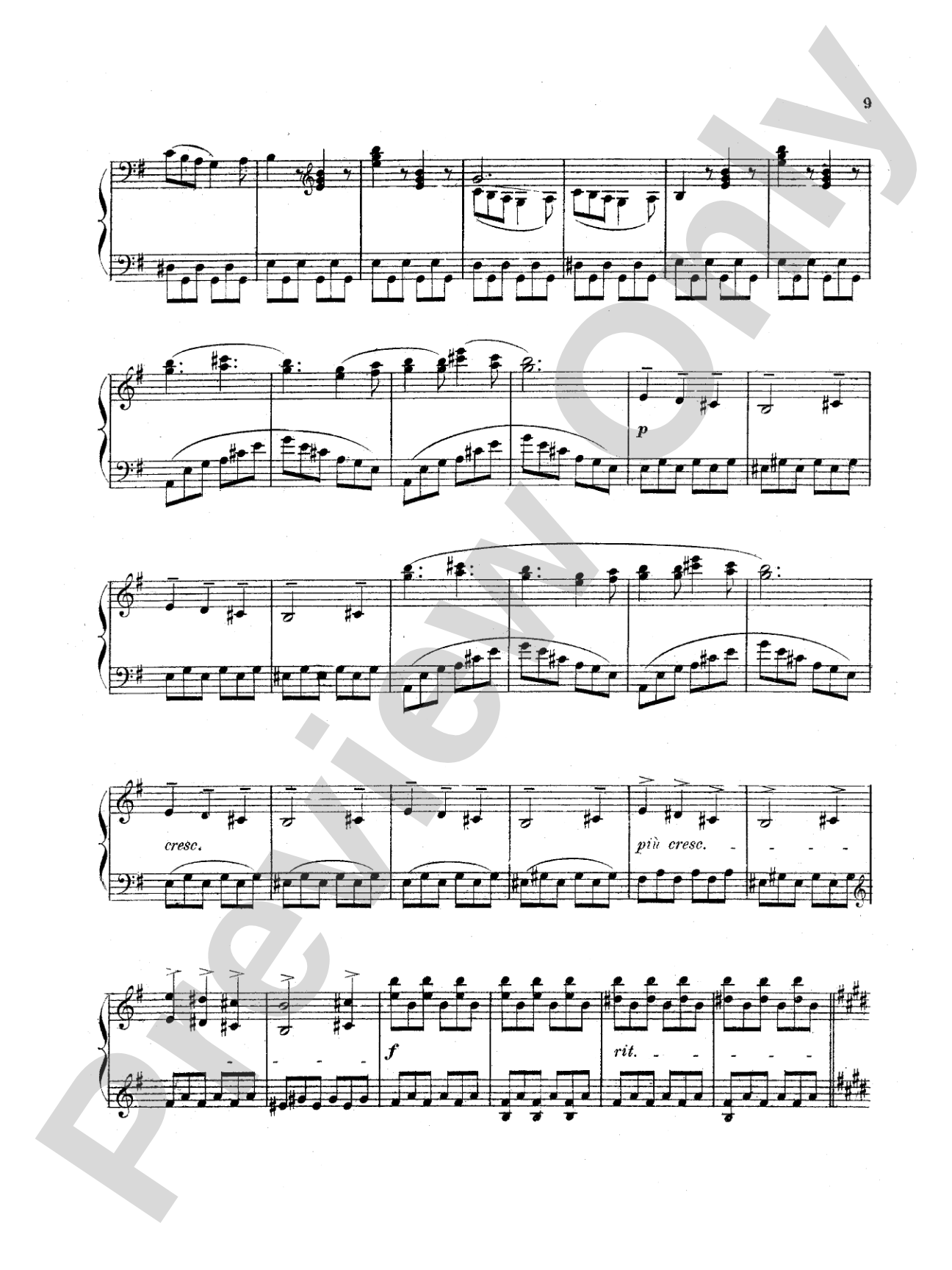
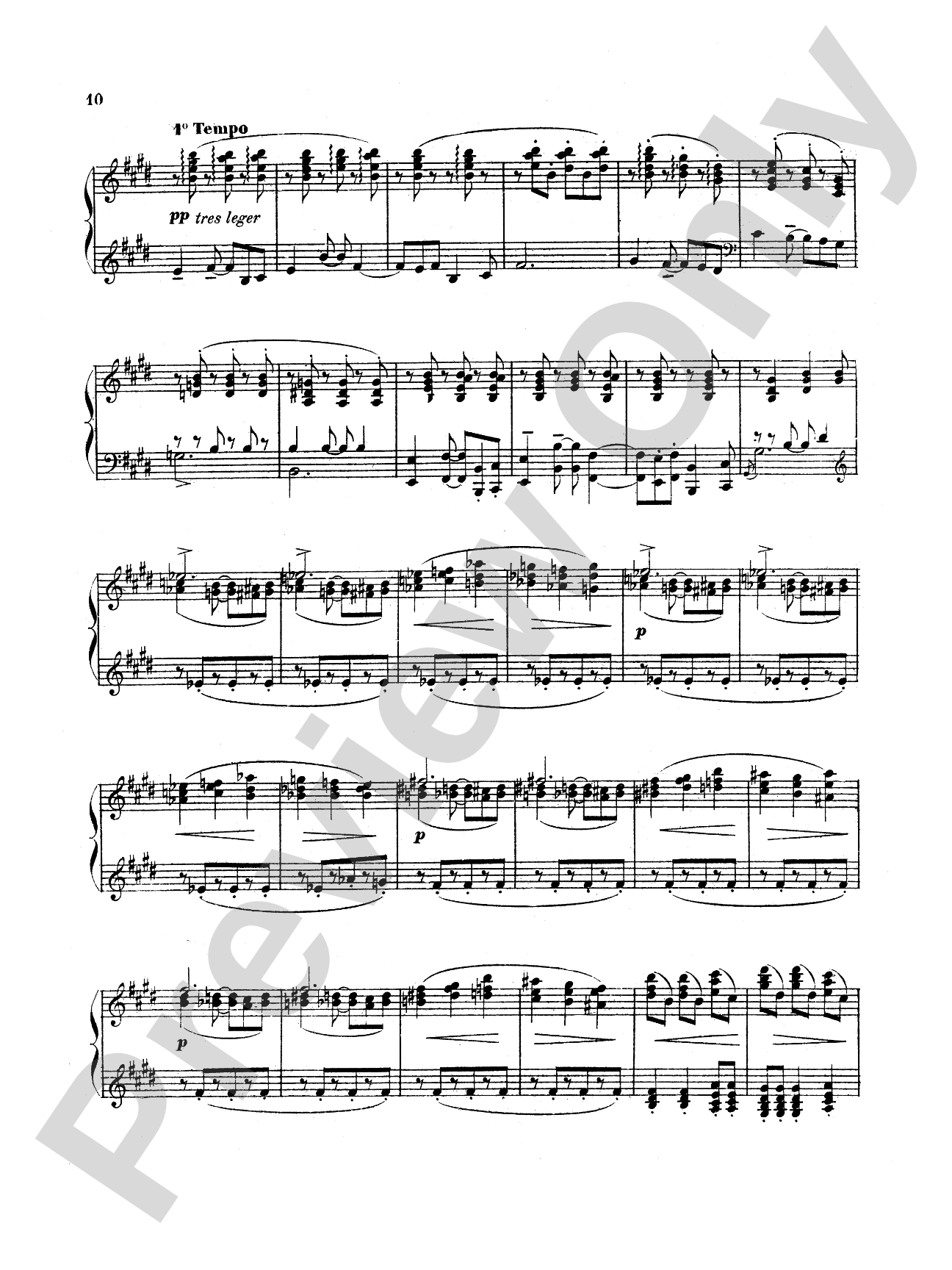
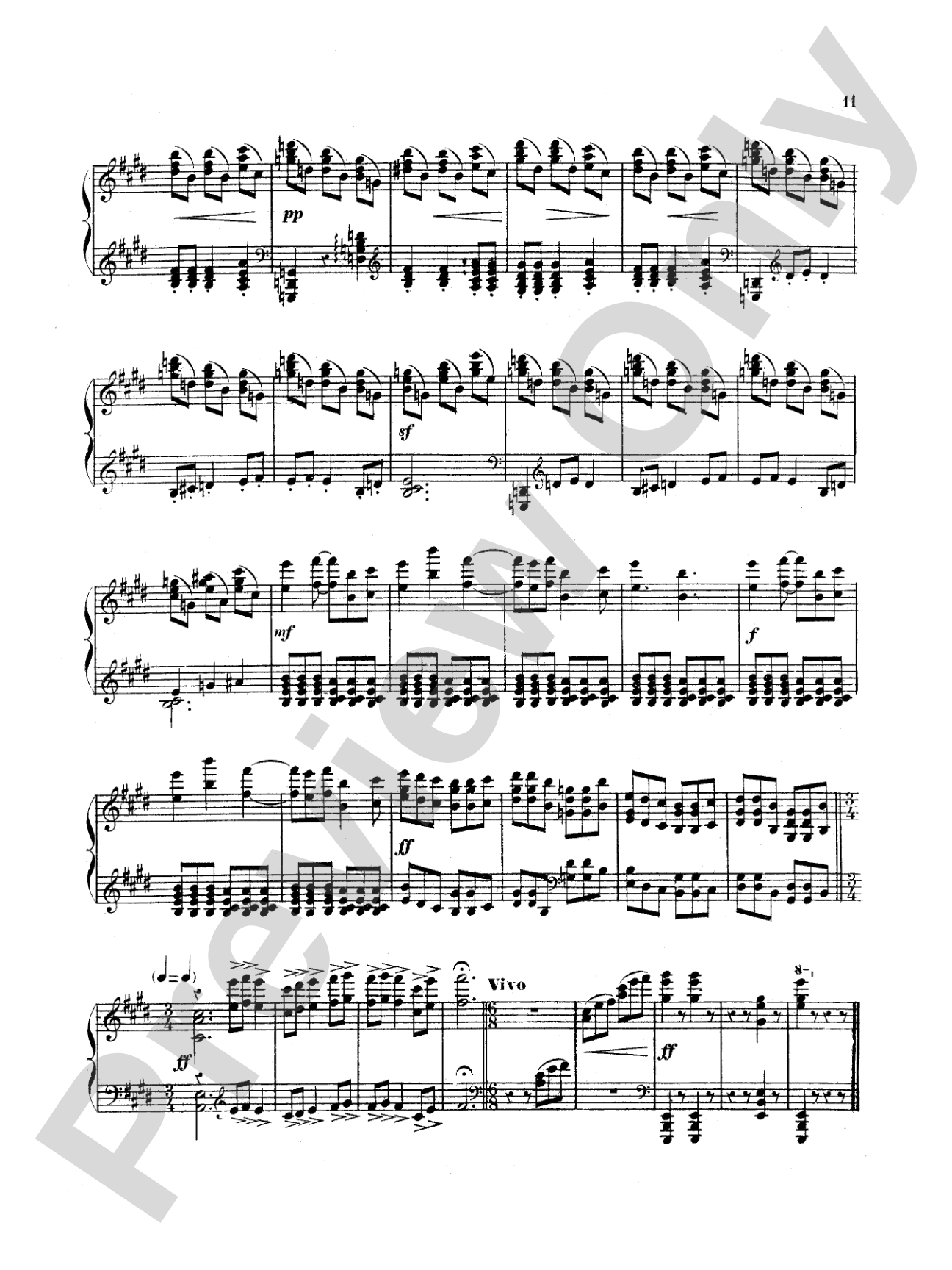
Originally composed in 1890 as "Tarantelle Styrienne," Debussy reissued the piece in 1903 under the title "Danse." This is one of Debussy's most brilliant dances, and was such a favorite of Maurice Ravel's that he arranged it for orchestra in 1923.


Don't just read it, hear it, play along with it, and watch your students grow with it. In MakeMusic Cloud, Debussy: Danse: Piano comes alive with professional accompaniment, adjustable tempo, and built-in practice tools that turn solo practice into real progress.
Open in the Player
Jump straight in and assign it today.
Start Your Free Trial
Open this title and explore the full library in minutes.
Sample Audio
No sample audio found.
Sample Video
No sample videos found.
Additional Details
Series:
Kalmus Edition
Publisher:
Alfred Music
Page Count:
12
SKU:
00-PK-0003048
More about this title
About the Composer: Claude Debussy
Claude Debussy (1862, 1918) fundamentally transformed how composers approached harmony, texture, and orchestration in the late nineteenth century. His piano works remain central to understanding impressionism not as a painting technique but as a musical philosophy, one that prioritizes color, suggestion, and the listener's imaginative participation over strict formal architecture.
Why we love this
Ravel's decision to orchestrate this piece speaks to its inherent brilliance and staying power. The original piano version captures everything that makes Debussy's writing distinctive: rhythmic vitality, harmonic color, and a dance energy that feels both delicate and propulsive. Advanced pianists will find it rewards the technical and interpretive demands equally.
What to expect
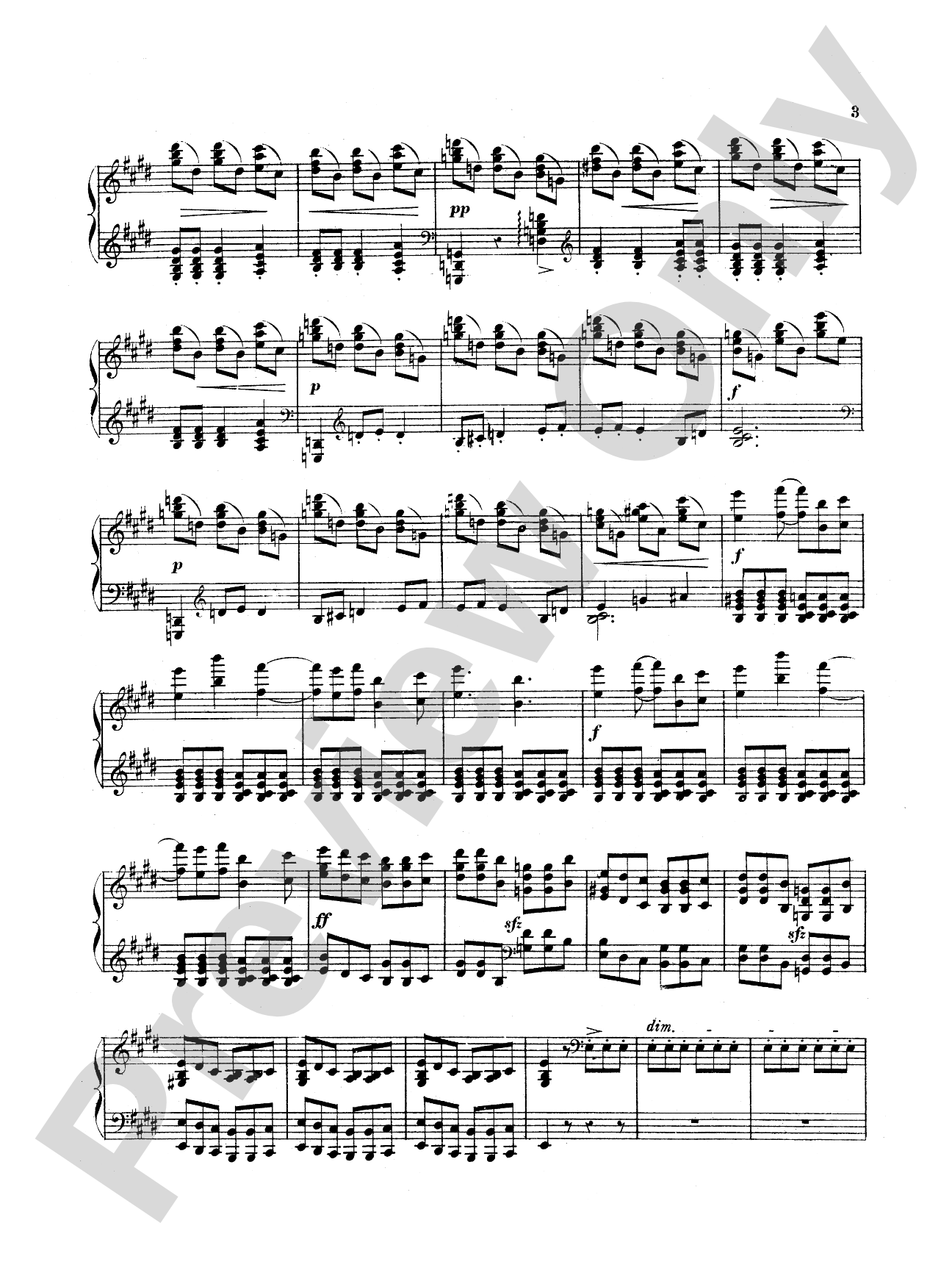
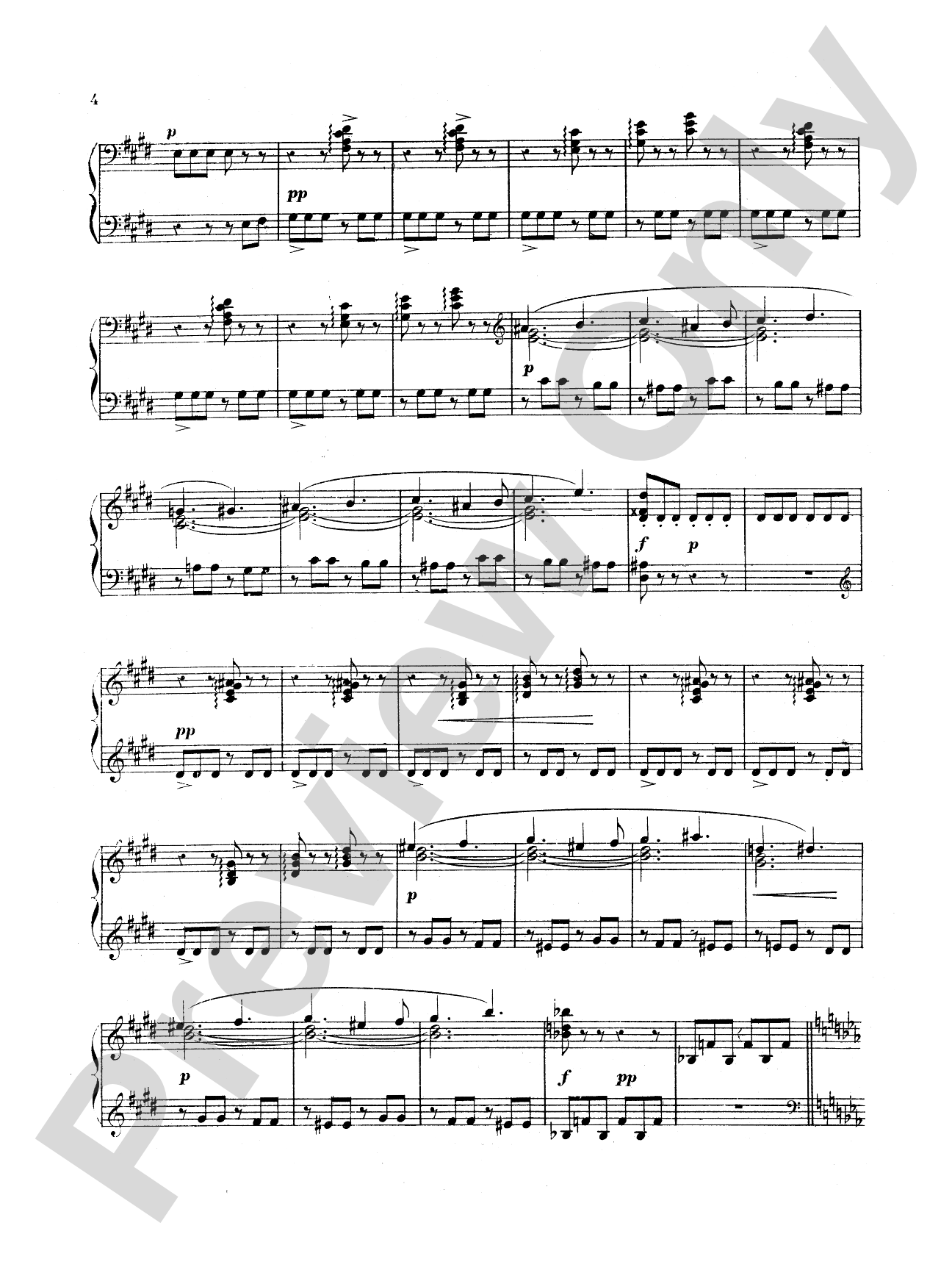
Energy ripples across the keyboard in waves of figuration that feel improvisatory despite their structural precision. The piece pulses with the restless energy of a Provençal dance translated through Debussy's prism of sound and suggestion, alternating between moments of sparkling transparency and rich harmonic suspension.
Who it's for
Advanced pianists seeking repertoire that combines impressionistic color with genuine virtuosity will find this engaging and rewarding. The piece suits students ready to tackle Debussy's harmonic language and rhythmic complexity, and recitalists building programs around 20th-century keyboard literature.
How to get the most out of it
- Treat the varied rhythmic figures as layered conversations rather than a single melodic line; Debussy often hides the primary voice within accompanimental textures, so clarity of voicing matters more than projection.
- The pedal is essential to this piece's sound world. Experiment with partial pedal changes to blur harmonies while maintaining rhythmic definition, particularly in the rapid figuration passages.
- Balance tempo flexibility with forward motion. The tarantella impulse drives the piece, but Debussy's rubato should feel organic rather than self-conscious.
- Attend to the contrast between sections marked with lighter character and those with thicker harmonic density. The ear needs periodic thinning to appreciate the fuller textures when they return.
How to use it
This work makes a striking closer to a recital program, particularly when programmed after more austere modern pieces or as a showpiece within a Debussy retrospective. Its character shifts enough to stand on its own while also pairing well with other French piano literature from the early 20th century.
Skills your students will build
- Pedal technique and harmonic color control
- Reading and executing rhythmic complexity across multiple registers
- Impressionistic voicing and independence of voices within thick textures
- Coordination of ornamental figuration with underlying harmonic motion
- Interpretive flexibility and rubato within a dance form