
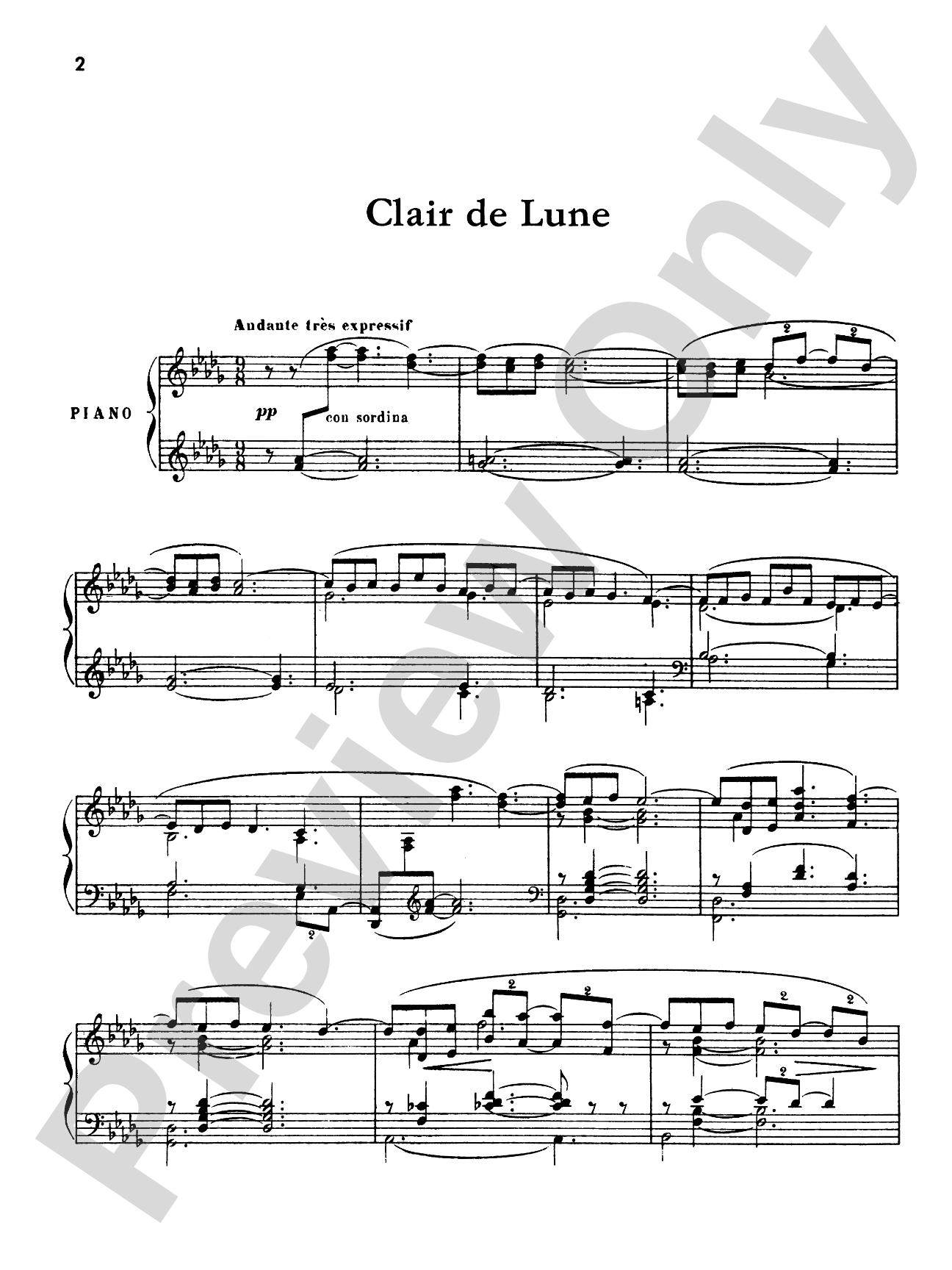
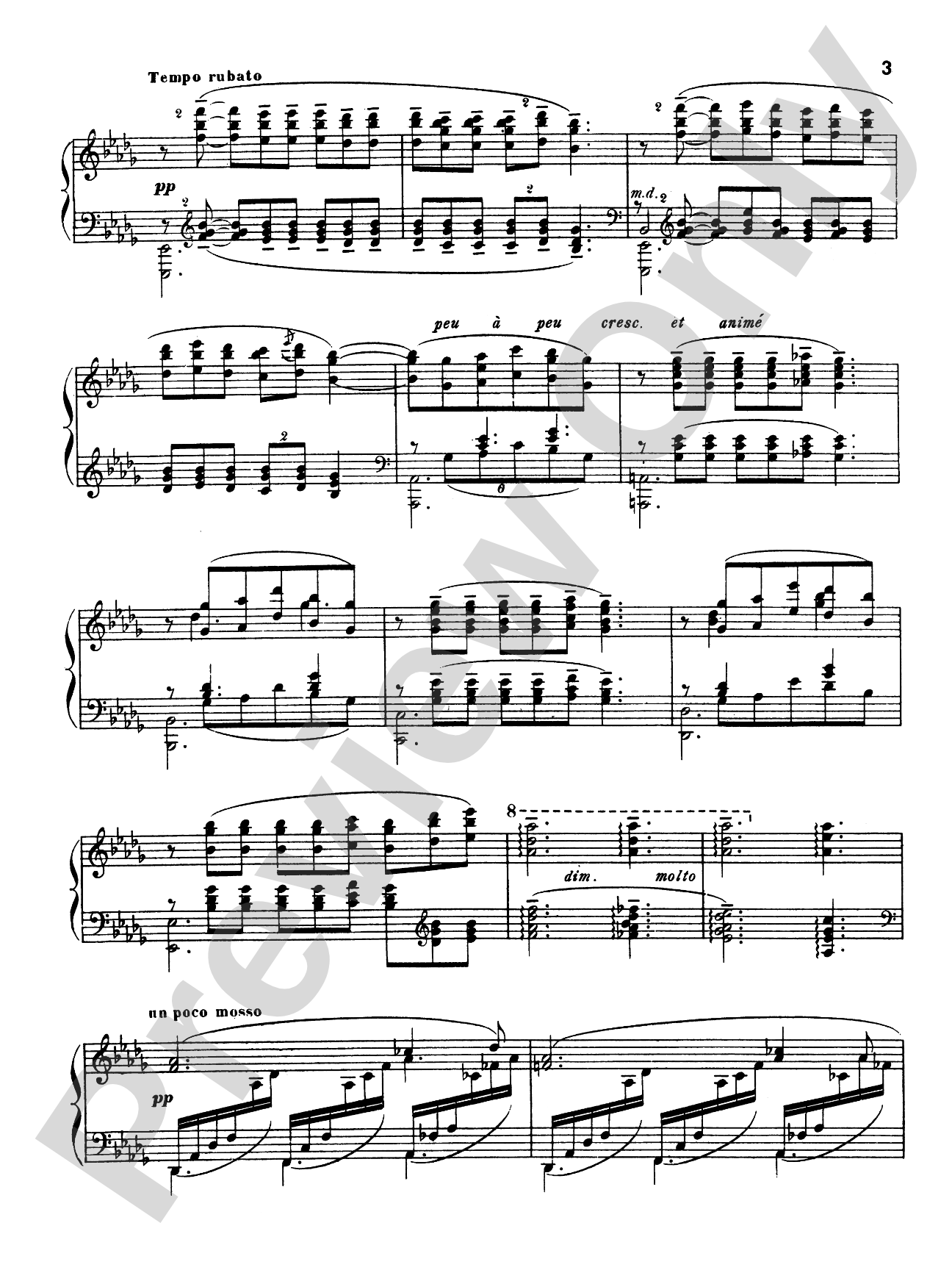
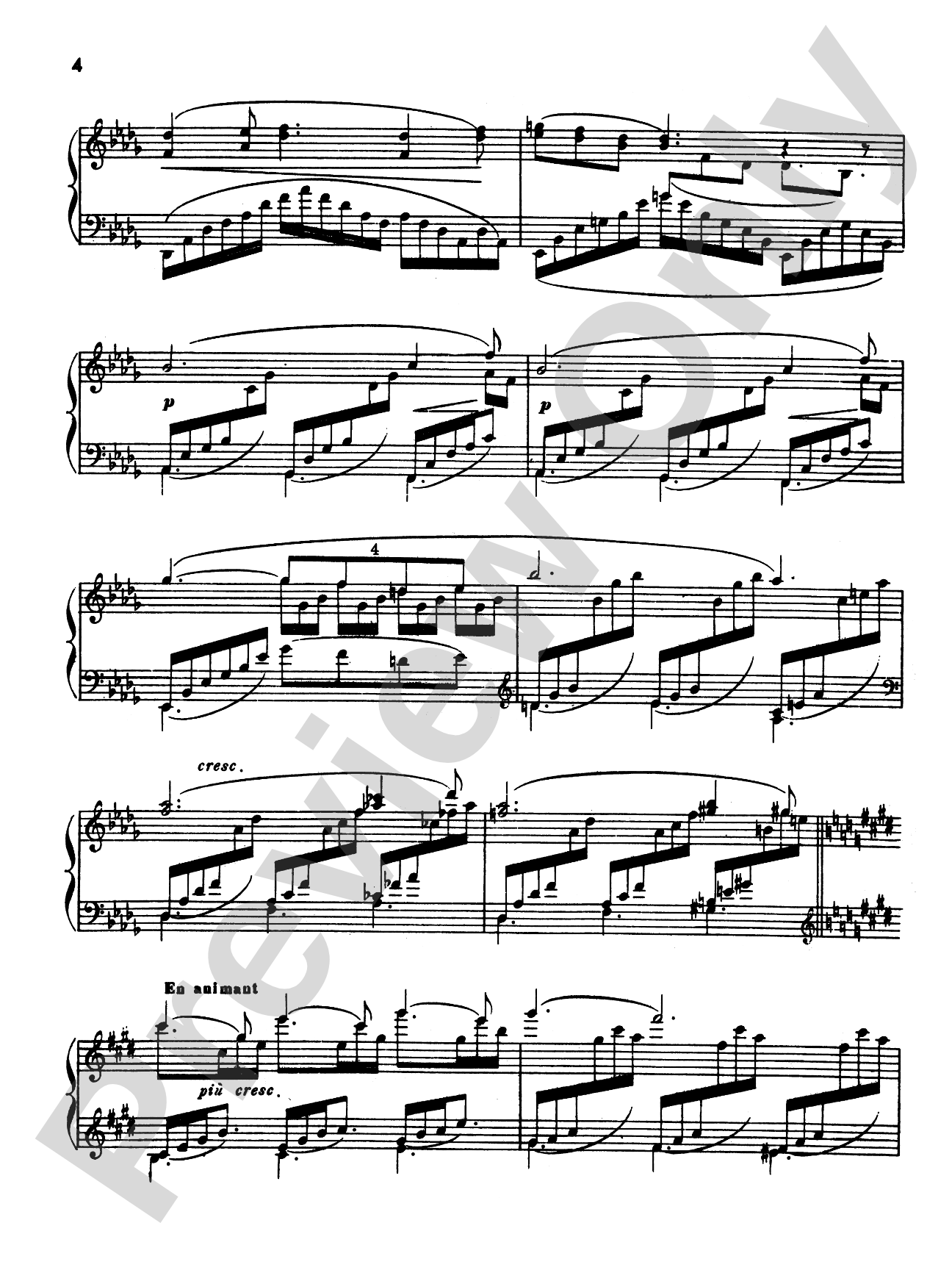
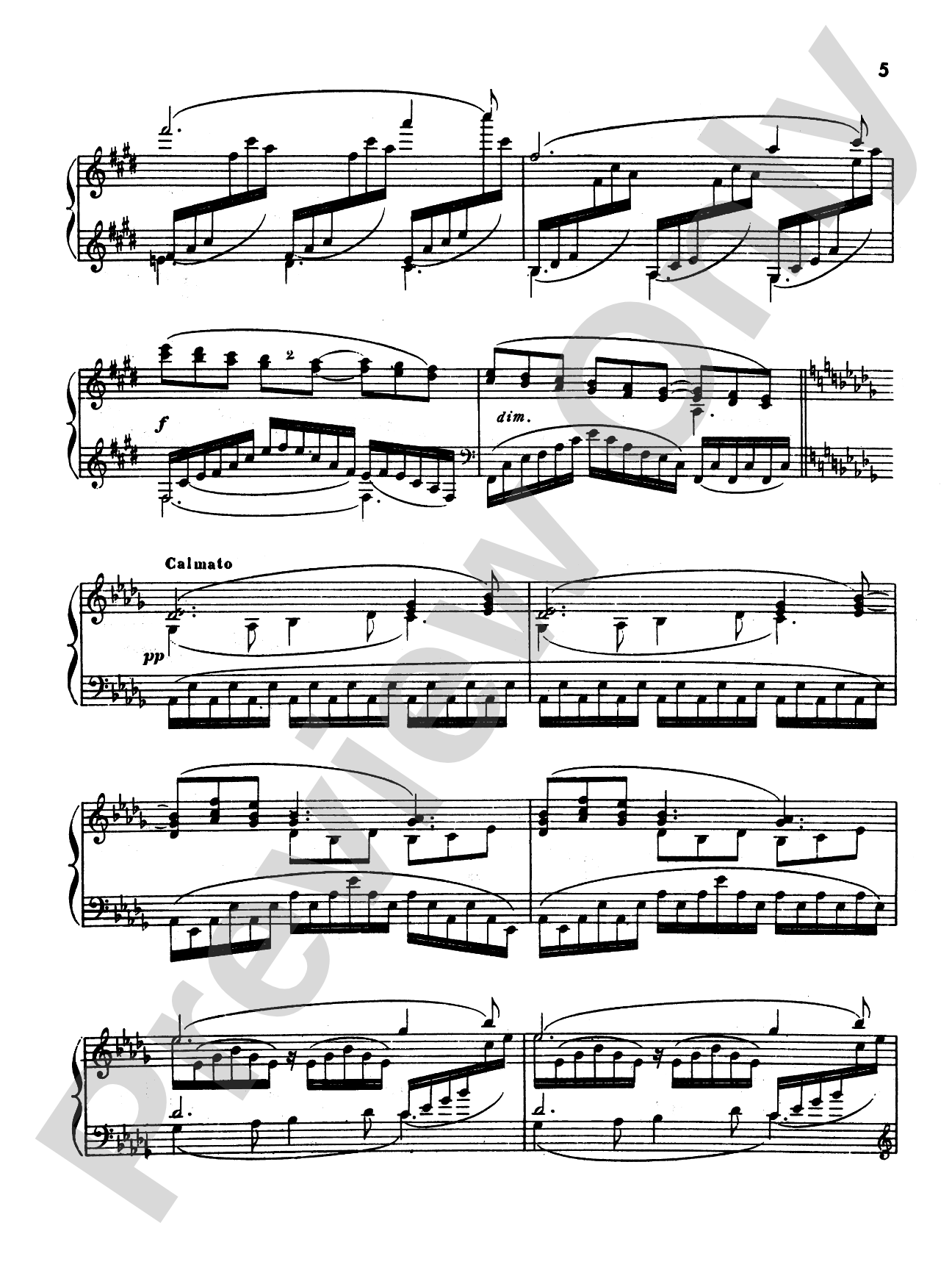
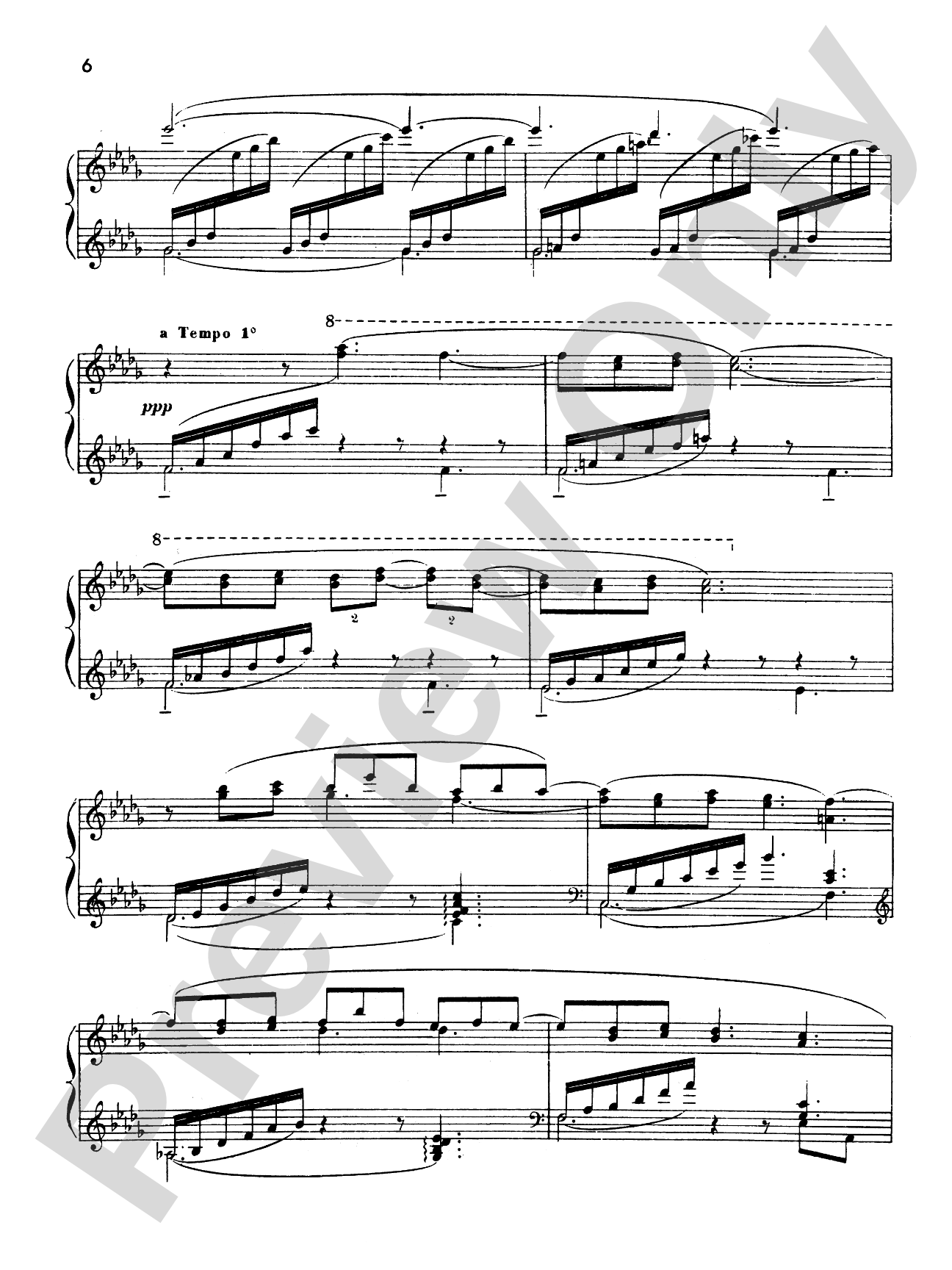
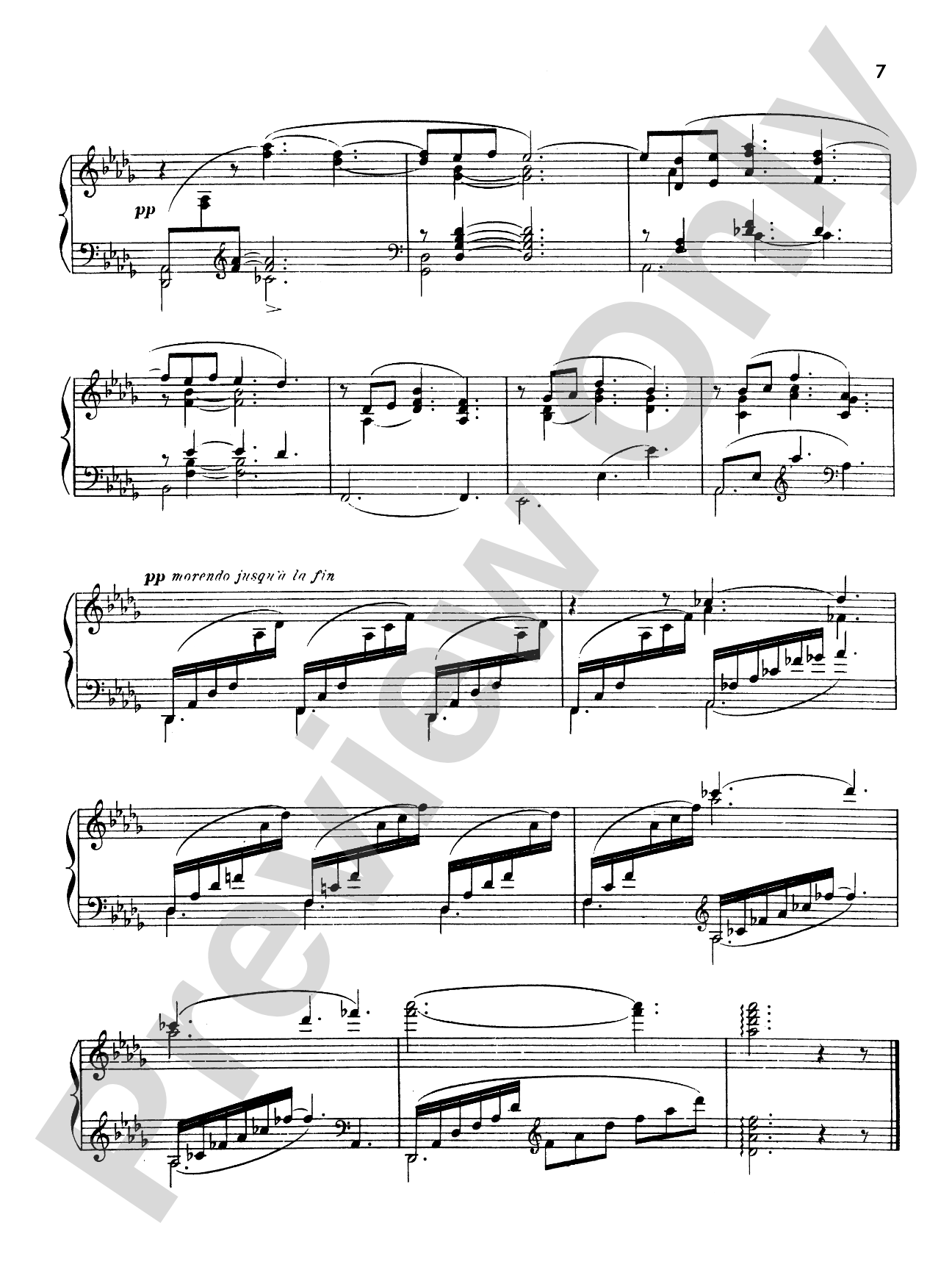

Debussy: Album for Piano Solo: Piano Book
By Claude Debussy
Item: 00-PK-0003062

$9.99
Pickup currently not available
Buy Extra Parts (Digital PDF Download)
| Product | Price | Quantity |
|---|---|---|
| Debussy: Album for Piano Solo | $0.99 | |
| Debussy: Album for Piano Solo | $0.99 | |
| Debussy: Album for Piano Solo | $0.99 | |
| Debussy: Album for Piano Solo | $0.99 | |
| Debussy: Album for Piano Solo | $0.99 | |
| Debussy: Album for Piano Solo | $0.99 | |
| Debussy: Album for Piano Solo | $0.99 | |
| Debussy: Album for Piano Solo | $0.99 |
Parts Added to Cart!
Related Items
Album for Piano Solo (Urtext Edition): Piano Book |
$9.95
|
View |
Description
This volume of the piano solo music of Claude Debussy includes many of his more well-known works: Clair de Lune * Arabesques 1 and 2 * La Soiree Dans Grenade * Jardins Sous La Pluie * Reflets Dans L'Eau * Prelude in A Minor * L'Isle Joyeuse * Danse. Urtext edition.


Don't just read it, hear it, play along with it, and watch your students grow with it. In MakeMusic Cloud, Debussy: Album for Piano Solo: Piano Book comes alive with professional accompaniment, adjustable tempo, and built-in practice tools that turn solo practice into real progress.
Open in the Player
Jump straight in and assign it today.
Start Your Free Trial
Open this title and explore the full library in minutes.
Sample Audio
No sample audio found.
Sample Video
No sample videos found.
Additional Details
Series:
Kalmus Edition
Publisher:
Alfred Music
Page Count:
80
SKU:
00-PK-0003062
More about this title
About the Composer: Claude Debussy
Claude Debussy (1862-1918) fundamentally changed how composers thought about sound and structure. His piano works liberated the instrument from strict harmonic convention, using it instead as a tool for color, texture, and suggestion. Debussy's influence on twentieth-century music is immeasurable; generations of pianists and composers have learned to listen differently through his scores.
Why we love this
This collection gathers Debussy's most essential piano works in one volume, making it easy to build a recital or study the evolution of his voice across different moods and technical demands. The Urtext edition ensures you're reading what Debussy actually wrote, free from editorial intervention. For pianists seeking repertoire that challenges both technique and musical imagination, these pieces remain unmatched.
What to expect
These pieces evoke impressionistic imagery through sound: water reflecting light, gardens under rain, the warmth of southern nights. Yet Debussy's writing is never vague. Beneath the shimmering surfaces lie clear harmonic structures and purposeful gestures that reward careful listening and bring the listener into intimate spaces.
Who it's for
Pianists at the early advanced level and beyond who are ready for music that rewards both technical facility and deep listening. Teachers seeking a single source for Debussy's core solo repertoire will find this collection invaluable for lesson planning and recital building.
How to get the most out of it
- Treat the pedal as an active musical voice, not an afterthought. Debussy's harmonic language depends on resonance; experiment with partial pedal changes to color specific sonorities without muddying the texture.
- Distinguish between rhythmic precision and rubato. The notated rhythms in pieces like Clair de Lune must be clear; the flexibility comes through dynamic shaping and breath, not tempo shifts.
- Listen for the melodic line in pieces where it hides beneath figuration. In Reflets Dans L'Eau, the shape emerges from accompaniment patterns; bringing it into focus requires careful voicing and restraint in surrounding material.
- Practice slowly enough to hear how Debussy uses register and spacing to create depth. Many passages gain their magic from the silence between notes and the shimmer of overtones, not from speed.
How to use it
Program individual pieces throughout the season as recital fillers or centerpieces, depending on the venue and context. Clair de Lune works beautifully in a mixed classical program; L'Isle Joyeuse brings energy to a second half. Consider pairing two or three shorter works from this collection to create a Debussy set that showcases his range.
Skills your students will build
- Coloristic use of the piano pedal and selective sustain techniques
- Reading and interpreting Impressionistic harmony and unconventional chord progressions
- Balancing rhythmic clarity with expressive flexibility and rubato
- Voicing to bring out inner melodies buried in accompanimental textures
- Interpreting French musical expression and the aesthetic of suggestion over statement