

Day of Wrath: String Orchestra Conductor Score & Parts
"Dies Irae" from Requiem
By Giuseppe Verdi / arr. Deborah Baker Monday
Grade: 3.5
Item: 00-PK-0007389

$49.00
Pickup currently not available
Buy Extra Parts (Digital PDF Download)
| Product | Price | Quantity |
|---|---|---|
| Day of Wrath: Score | $9.00 | |
| Day of Wrath: 1st Violin | $5.99 | |
| Day of Wrath: 2nd Violin | $5.99 | |
| Day of Wrath: Viola | $5.99 | |
| Day of Wrath: Cello | $5.99 | |
| Day of Wrath: String Bass | $5.99 | |
| Day of Wrath: Timpani | $5.99 |
Parts Added to Cart!
Description
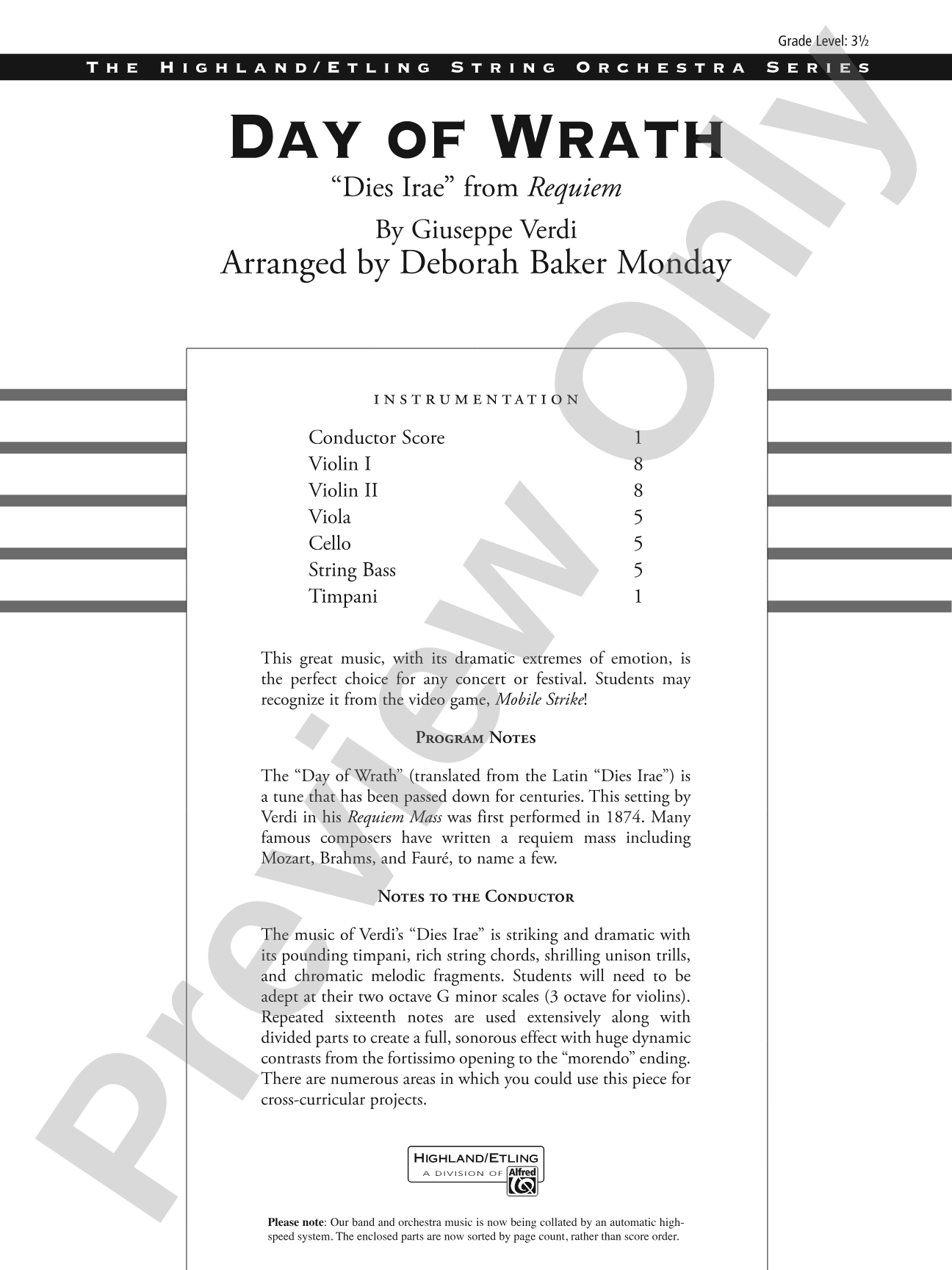
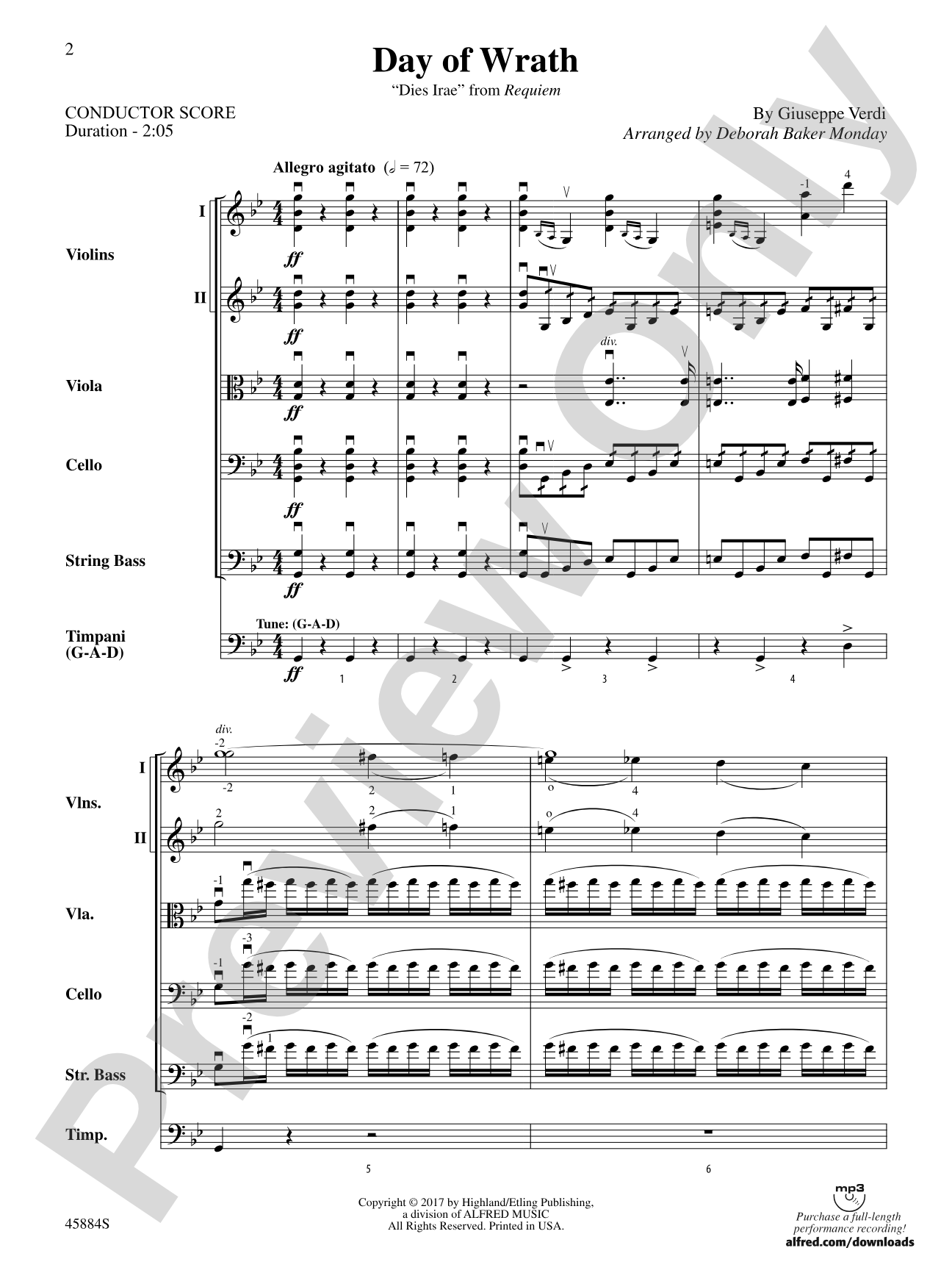
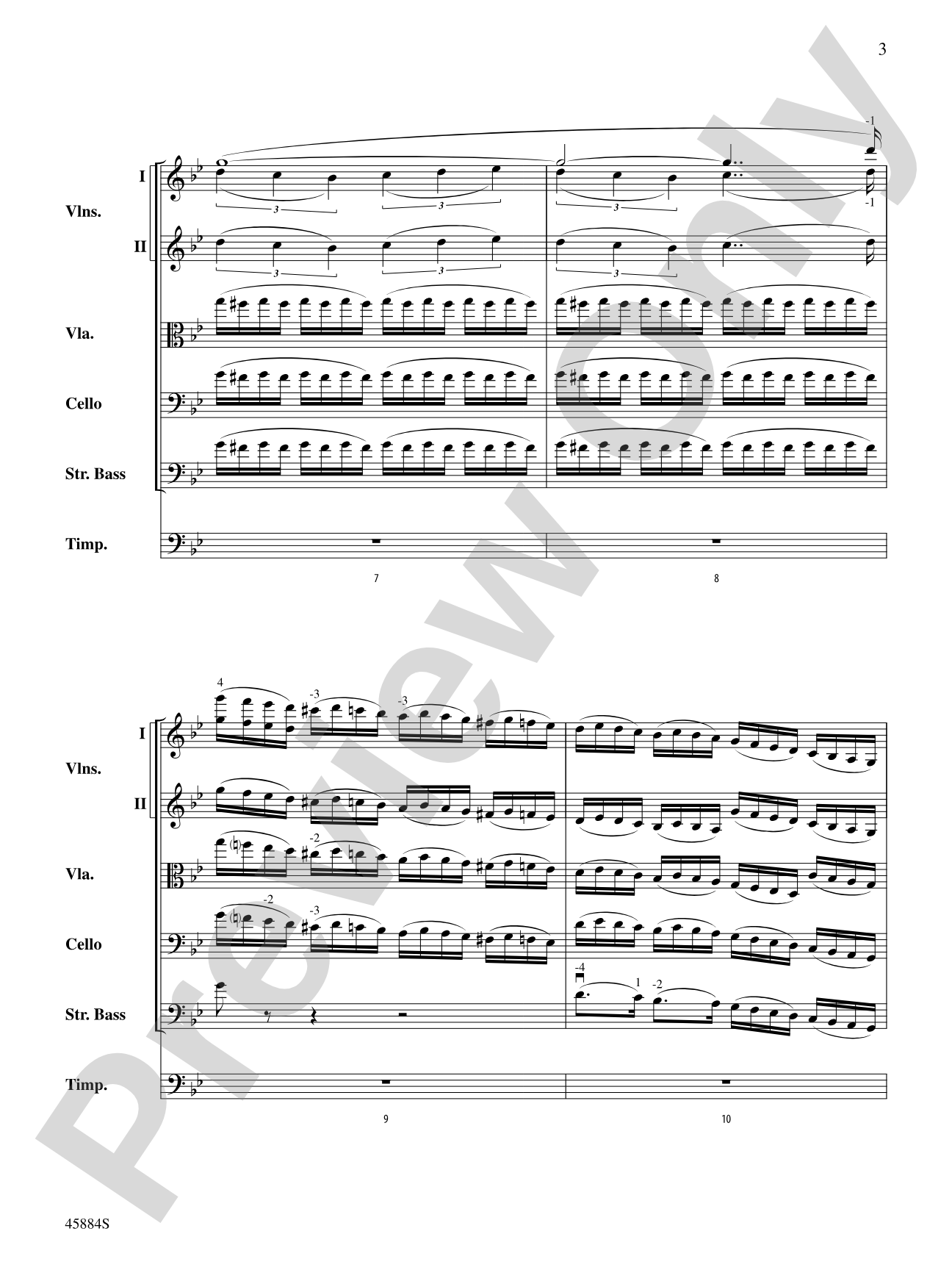
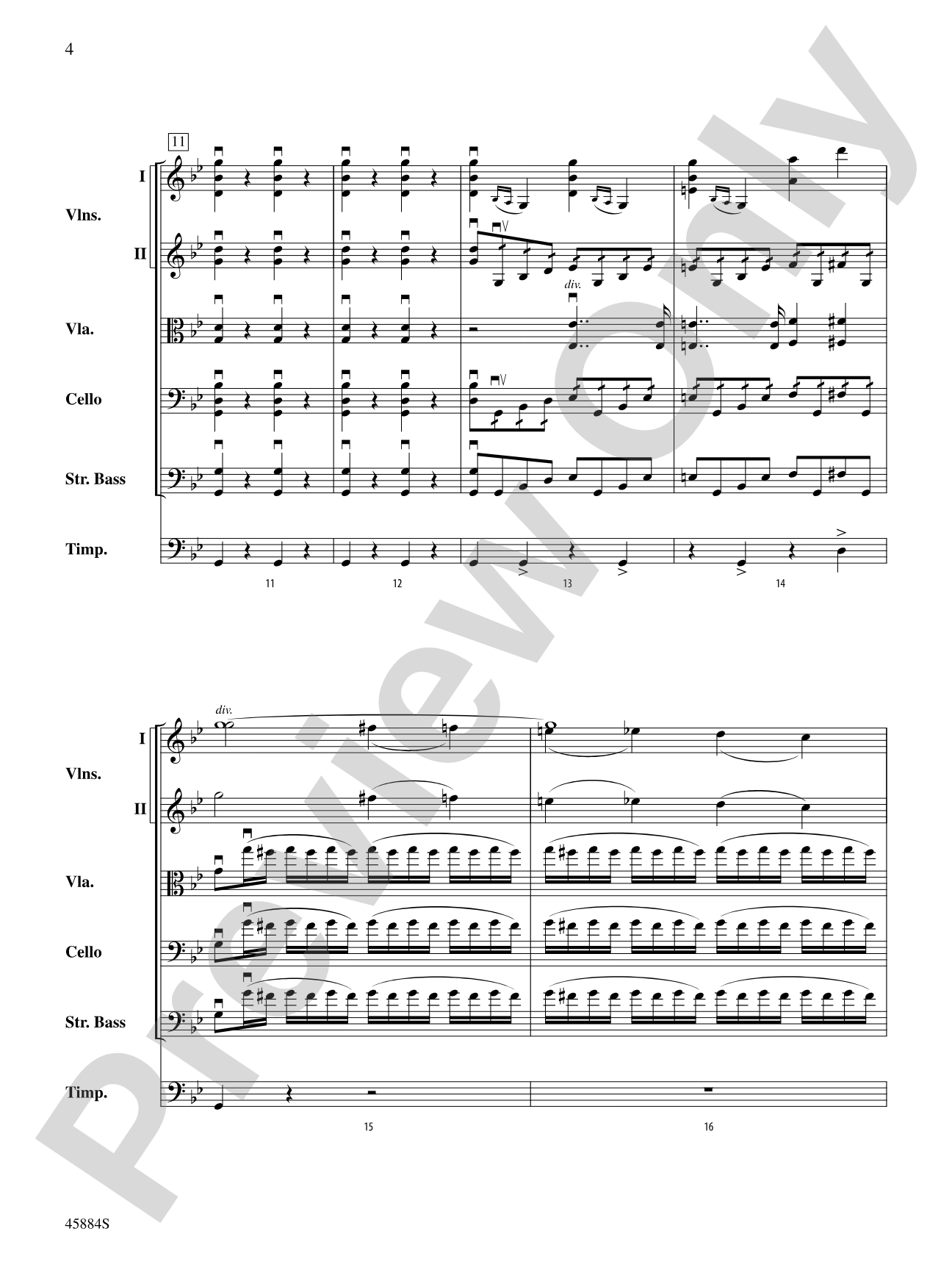
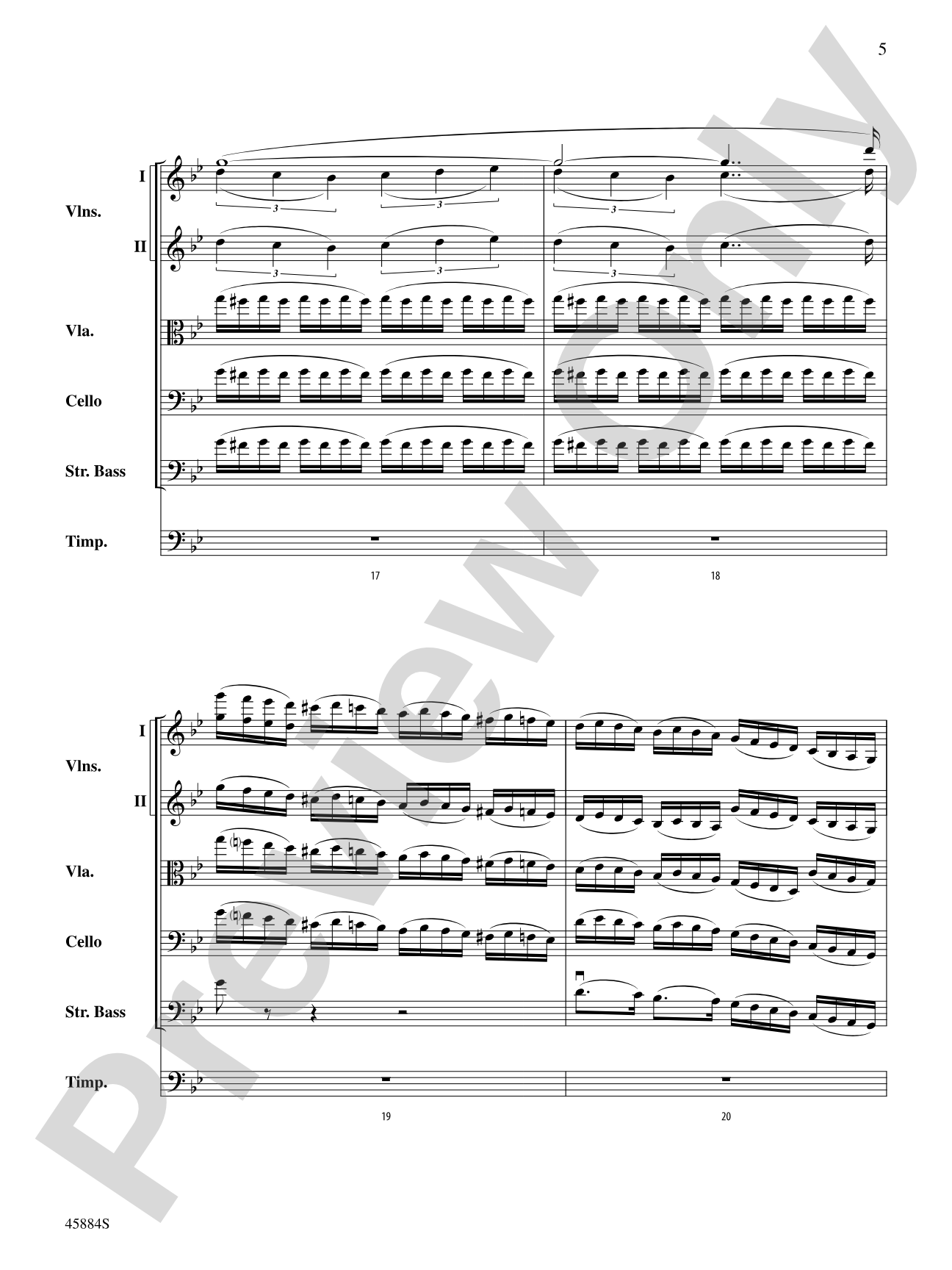
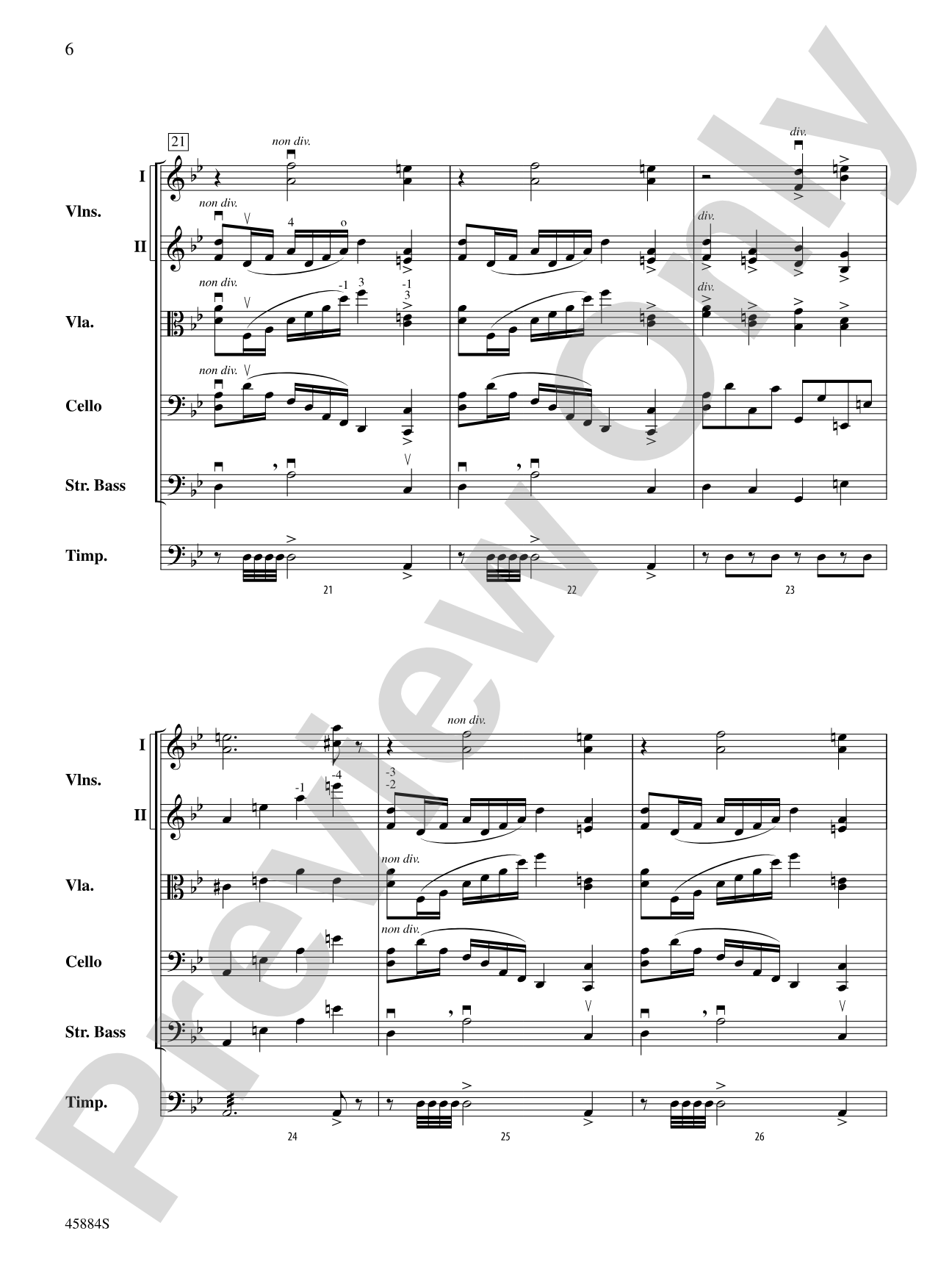
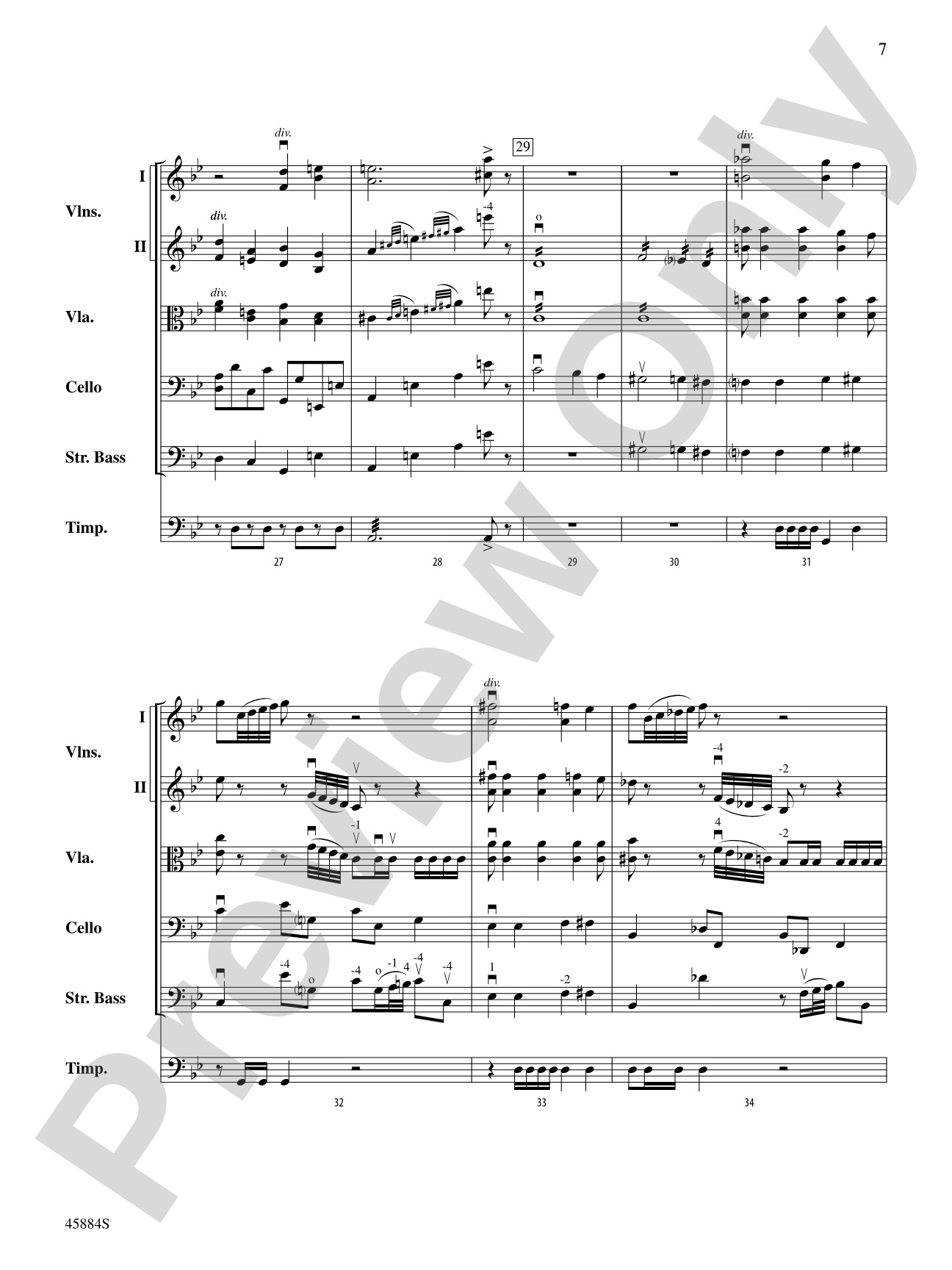
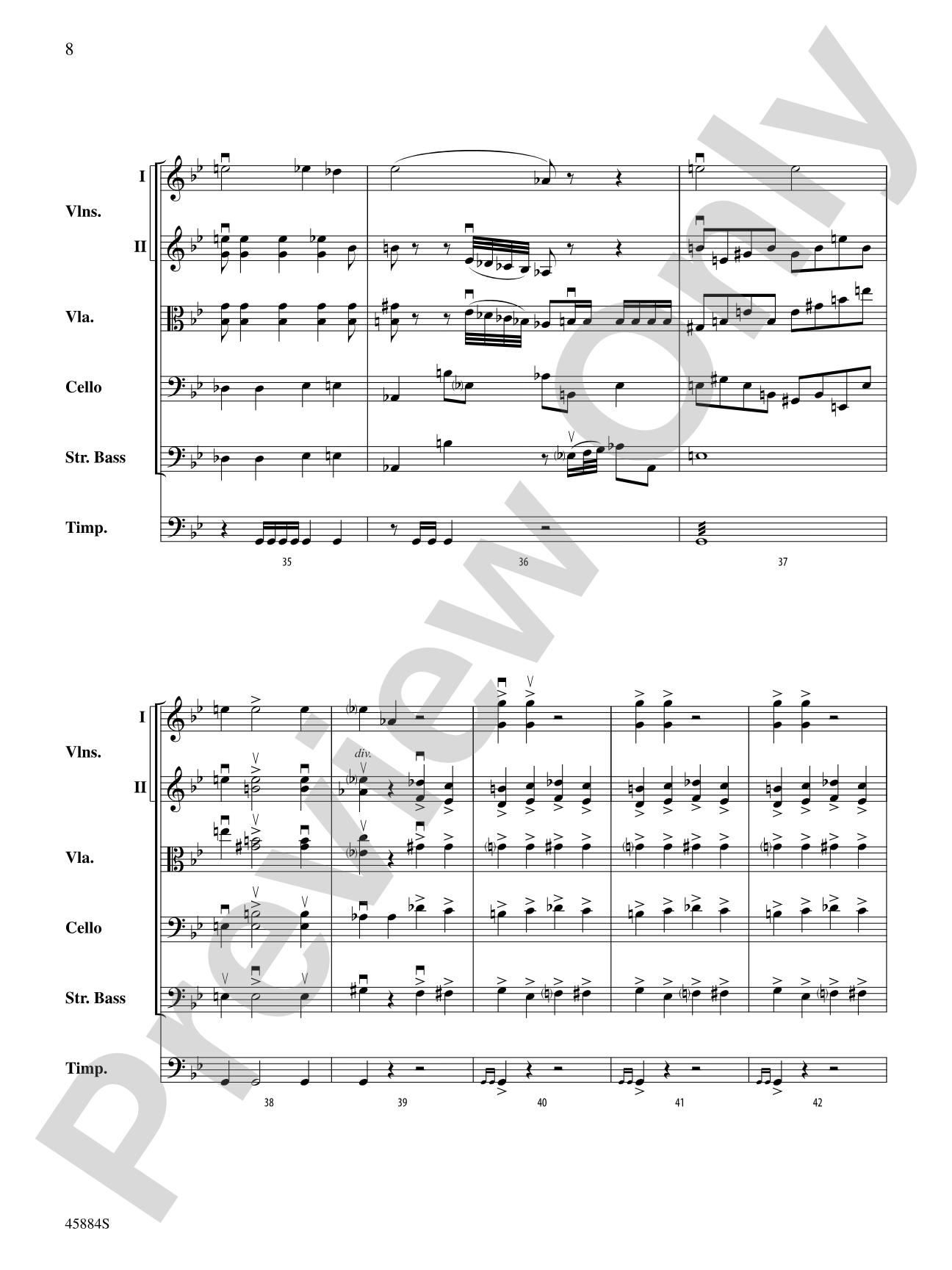
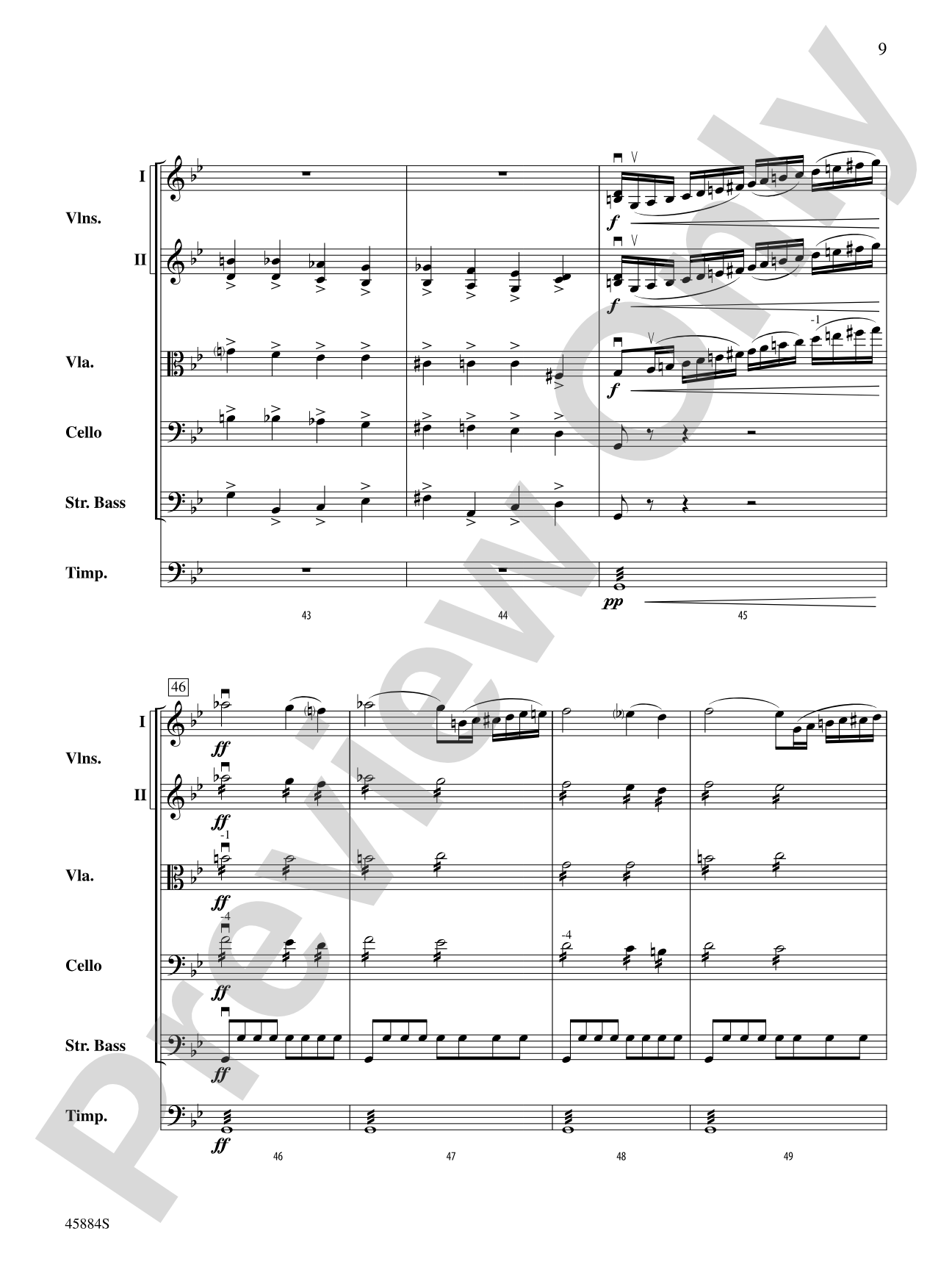
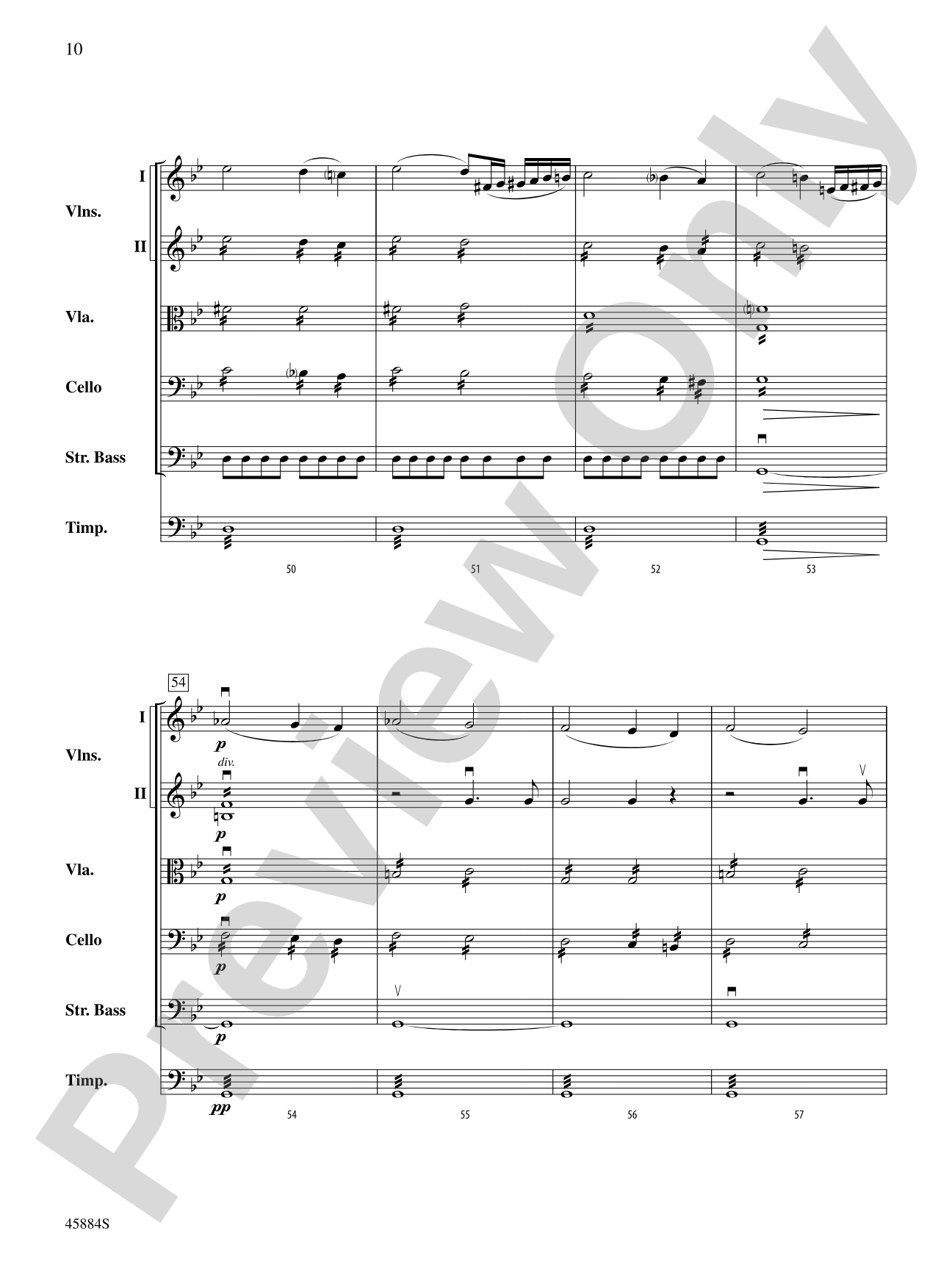
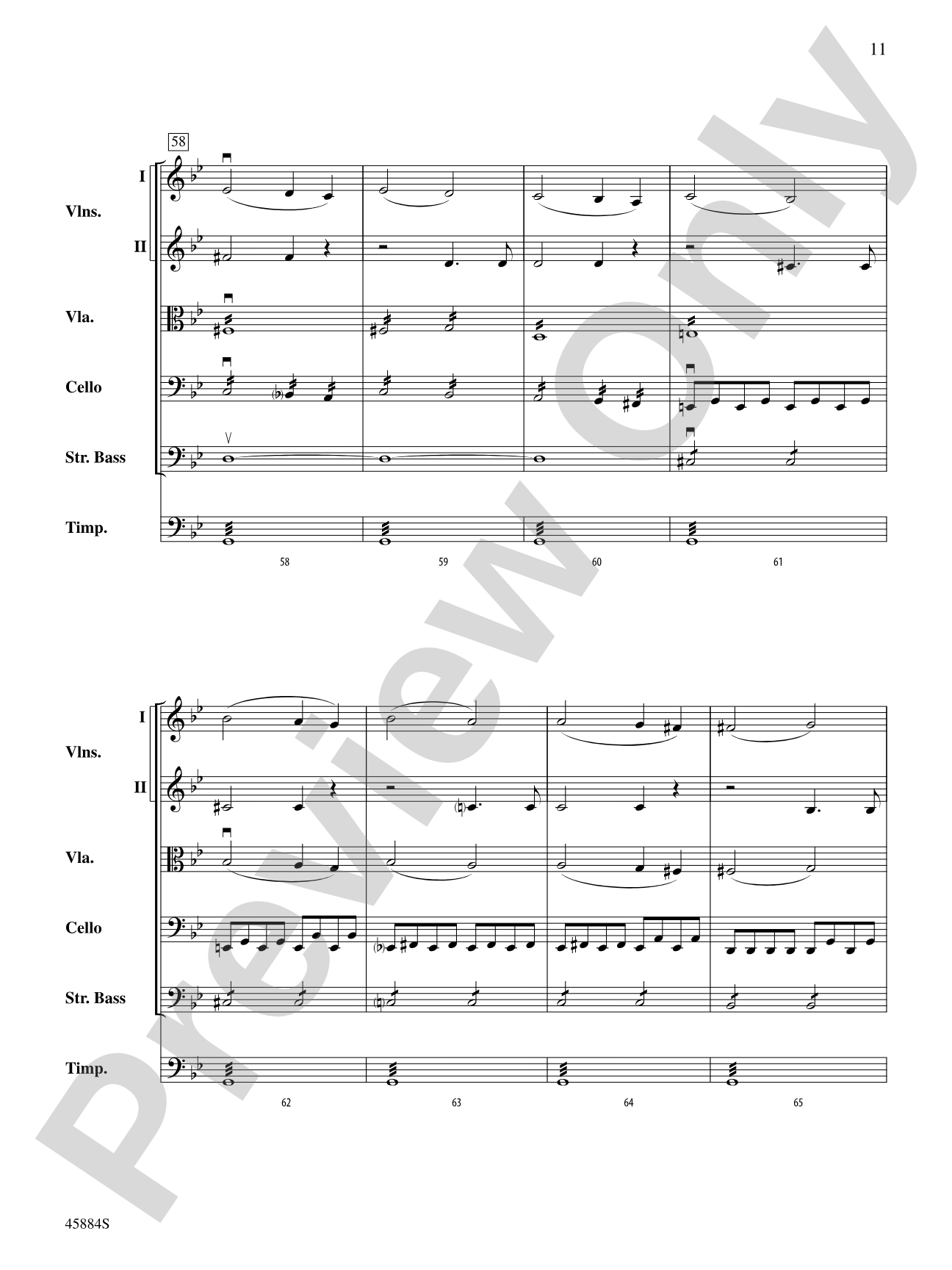
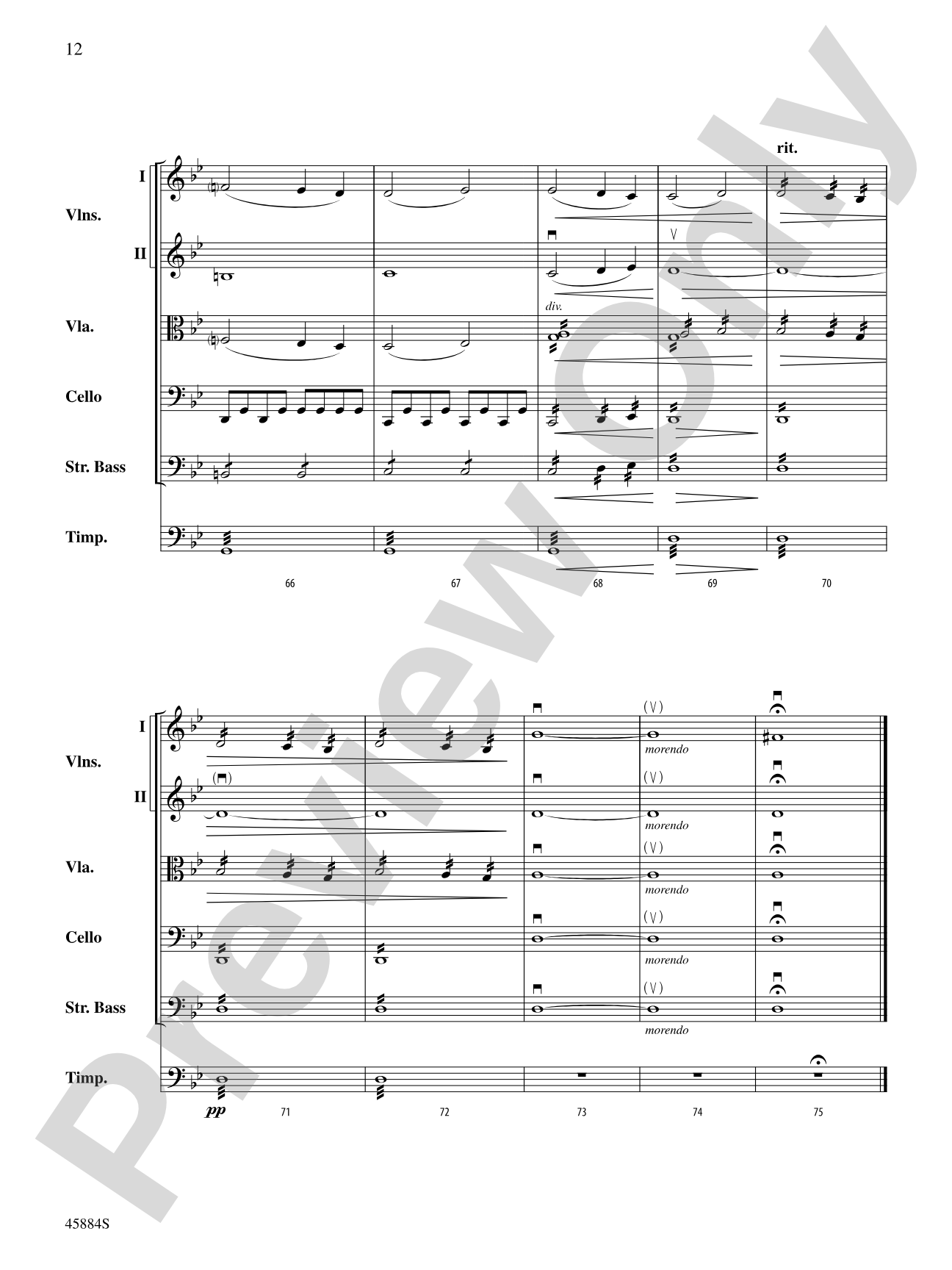
"Day of Wrath" (translated from the Latin "Dies Irae"), with its dramatic extremes of emotion, is the perfect choice for any concert or festival. Students may recognize it from the video game Mobile Strike! This setting by Verdi in his Requiem Mass was first performed in 1874 and now has been arranged by Deborah Baker Monday. Repeated sixteenth notes are used extensively along with divided parts to create a full, sonorous effect with huge dynamic contrasts from the fortissimo opening to the "morendo" ending. (2:05)


Don't just read it, hear it, play along with it, and watch your students grow with it. In MakeMusic Cloud, Day of Wrath: String Orchestra Conductor Score & Parts comes alive with professional accompaniment, adjustable tempo, and built-in practice tools that turn solo practice into real progress.
Open in the Player
Jump straight in and assign it today.
Start Your Free Trial
Open this title and explore the full library in minutes.
Sample Audio
1
Audio File
--:--
0:00
0:00
Sample Video
Additional Details
Series:
Highland/Etling String Orchestra
Publisher:
Alfred Music
Page Count:
126
SKU:
00-PK-0007389
More about this title
About the Composer: Giuseppe Verdi
Giuseppe Verdi (1813, 1901) stands as one of the most performed composers in the operatic repertoire, yet his sacred music deserves equal recognition. His Requiem Mass, completed in 1874, represents the culmination of his dramatic genius applied to liturgical text, proving that Verdi's gift for orchestration and emotional intensity transcended the opera house.
For string educators, Verdi's mastery of instrumental color and dynamic architecture offers a masterclass in how to build tension and release. His understanding of how strings can sustain both delicate vulnerability and overwhelming power makes his work invaluable for developing young musicians' sense of dramatic phrasing and ensemble blend.
Why we love this
This arrangement captures the apocalyptic grandeur of the Dies Irae without requiring a full choir or brass section, making one of classical music's most recognizable movements accessible to developing string orchestras. The extended use of repeated sixteenths and divided string voicing creates textural sophistication that sounds far more advanced than Grade 3.5, giving students the satisfaction of executing something genuinely substantial. The dynamic arc from that terrifying fortissimo opening to the ethereal morendo ending teaches young musicians how to shape large-scale dramatic narratives—and yes, the Mobile Strike connection gives them a cultural bridge to the music's continuing relevance.
What to expect
Apocalyptic and relentless at first, with tremolo, pounding rhythms, and thick divided strings creating a wall of sound. The work gradually reveals moments of vulnerability and prayer before dissolving into an intimate, barely-there final whisper—a journey from terror to resignation that feels both ancient and immediate.
Who it's for
String orchestras at the intermediate level looking for substantial, recognizable repertoire that challenges without overwhelming. Directors preparing for concert or festival programming will appreciate an arrangement that delivers dramatic impact with the forces they have available.
How to get the most out of it
- Lock the repeated sixteenth-note figures metronomically. These patterns appear across multiple sections and drive the propulsive energy; even slight rhythmic wavering in the violas or second violins will muddy the texture. Rehearse these rhythmic unisons sectionally before combining parts.
- Shape the dynamic contrasts deliberately. The jump from the opening fortissimo to softer passages needs to feel intentional and measured, not abrupt. Use the conductor's preparatory gestures to telegraph each shift so the ensemble can adjust their tone quality alongside the dynamic level.
- Balance the divided parts carefully during the full sonorous passages. With violas, cellos, and basses split, intonation becomes vulnerable. Tune chords vertically within each section before the full orchestra sound is layered in.
- Approach the morendo ending with patience. Resist the urge to rush as the volume decreases; maintain the same rhythmic precision and phrase shape through to the final breath.
How to use it
Program this as a centerpiece or concert finale that can stand alone without additional context, or pair it with lighter or more lyrical works to showcase your orchestra's dynamic range. Its duration of just over two minutes makes it ideal for festivals where time slots are limited, and its dramatic trajectory gives audiences a complete emotional arc in a compact form.
Skills your students will build
- Executing rapid sixteenth-note passages with rhythmic precision across mixed string voicings
- Reading and balancing divided string parts (two or more independent lines per section)
- Managing extreme dynamic contrasts from ff to pp while maintaining tone quality
- Responding to large-scale structural pacing and phrase architecture
- Intonating complex harmonies with multiple divisi active simultaneously