David Carr Glover Method for Piano: Technic, Level 4 Sheet Music Preview

David Carr Glover Method for Piano: Technic, Level 4: Piano

By David Carr Glover and Jay Stewart

Item: 00-PB-0001955

Digital Download
$7.95
Description
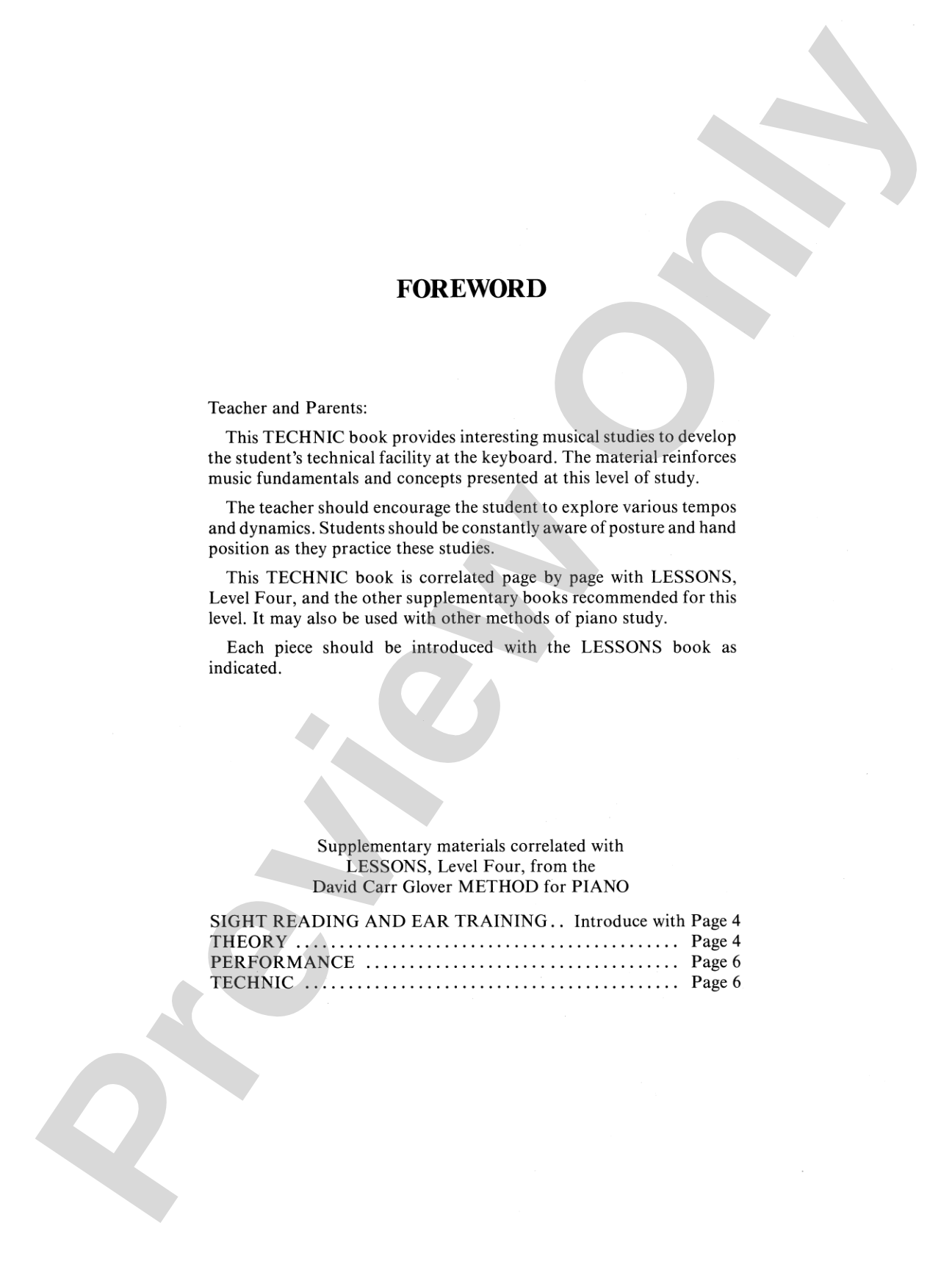
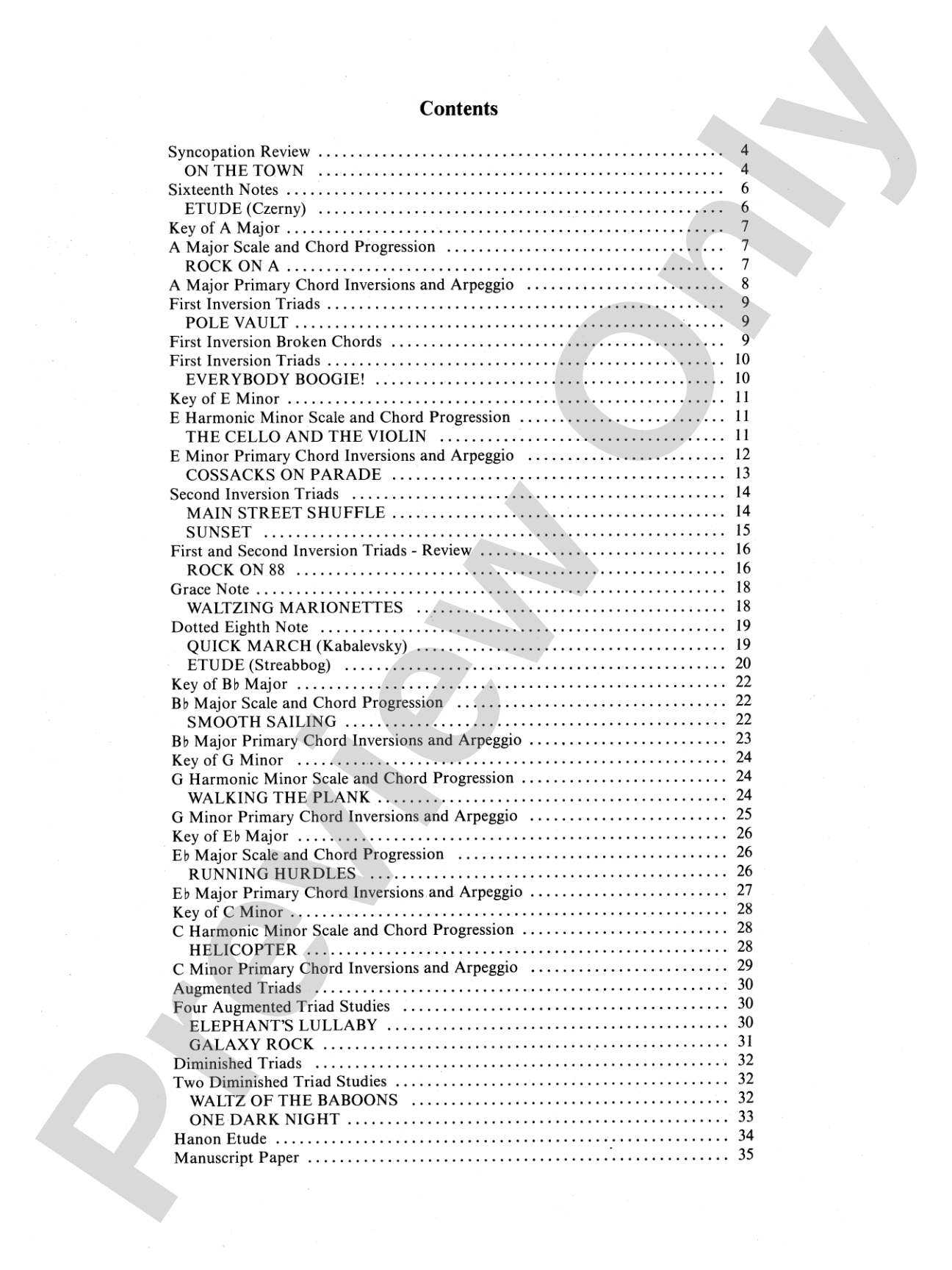
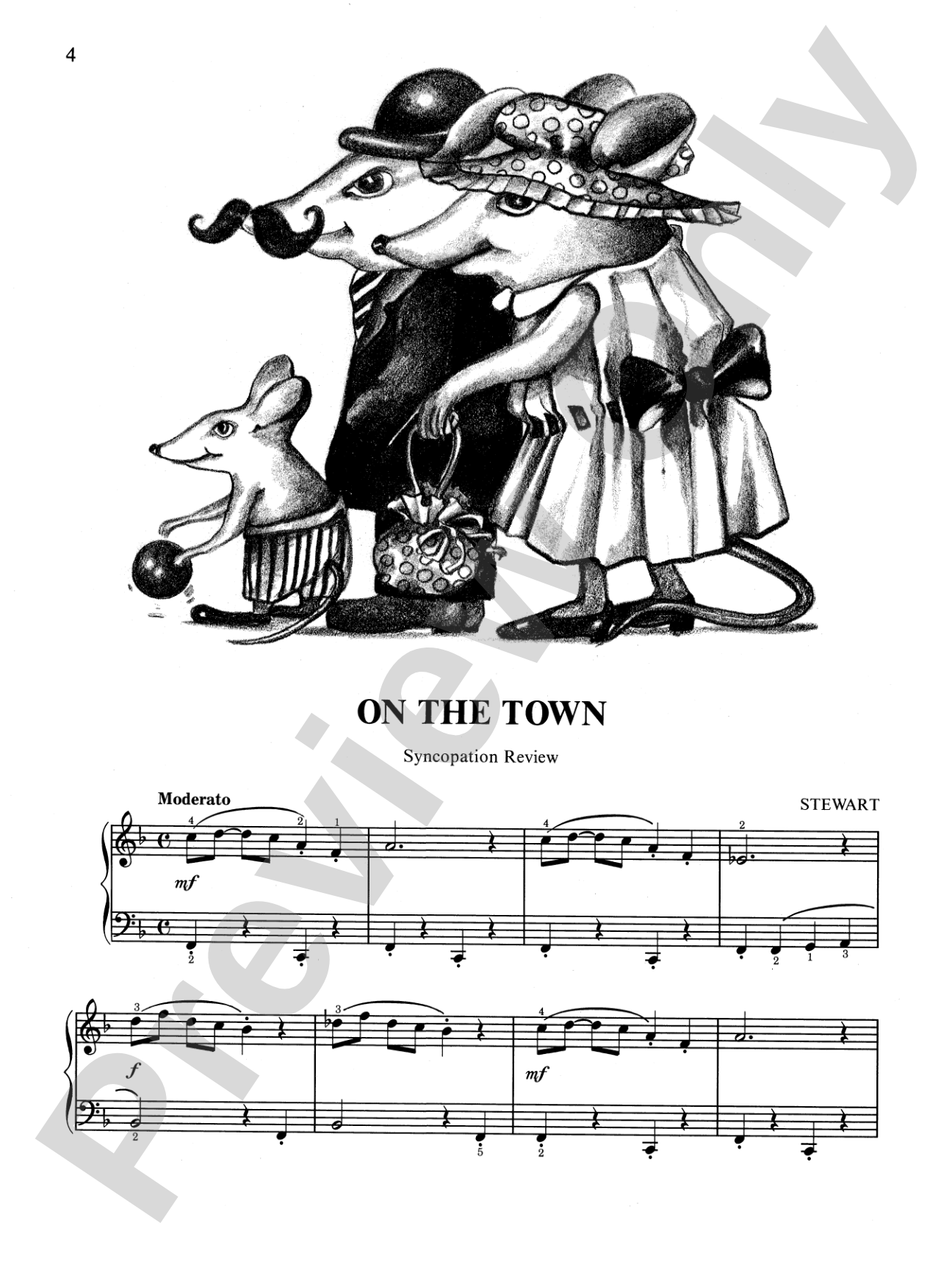
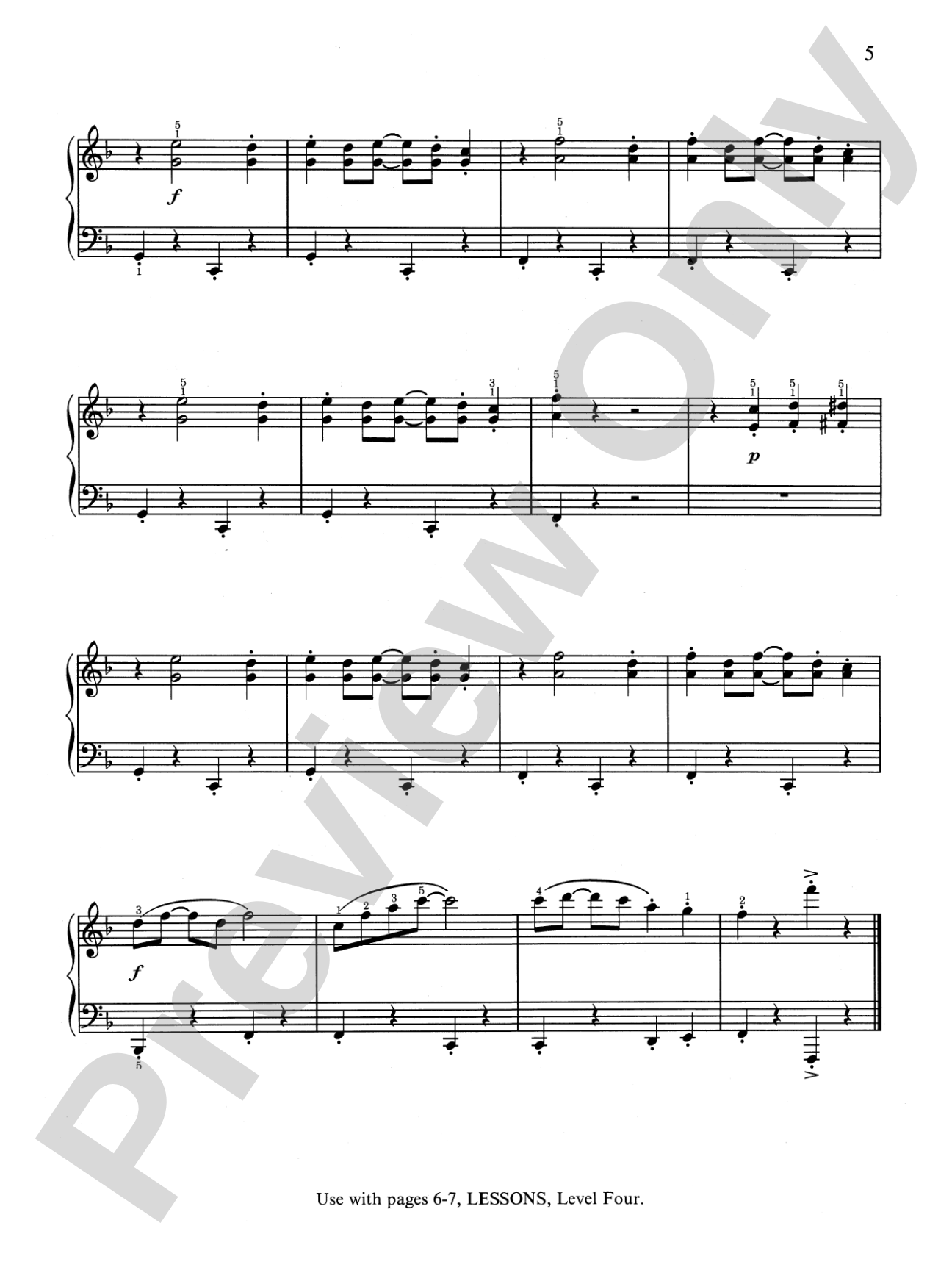
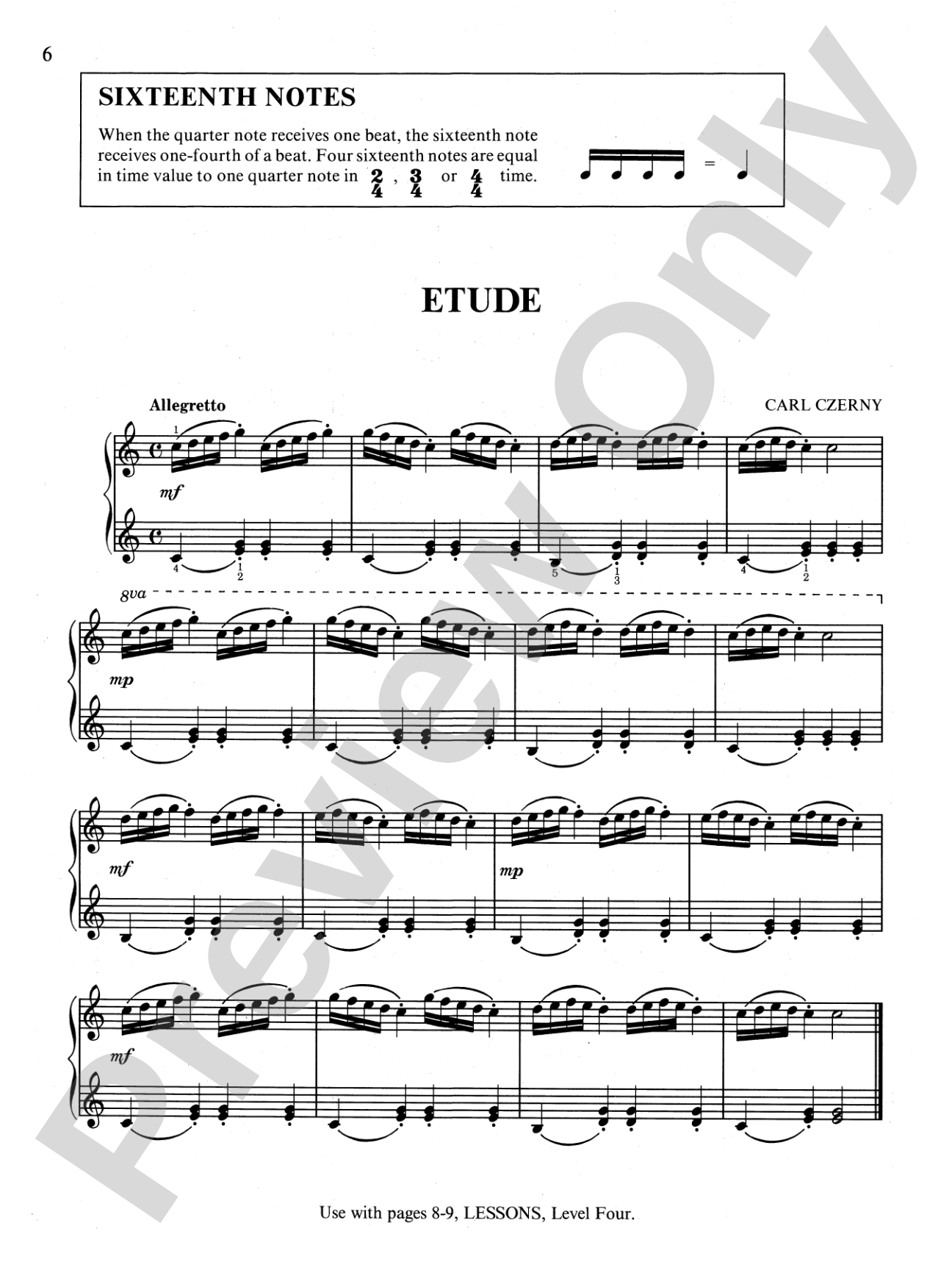
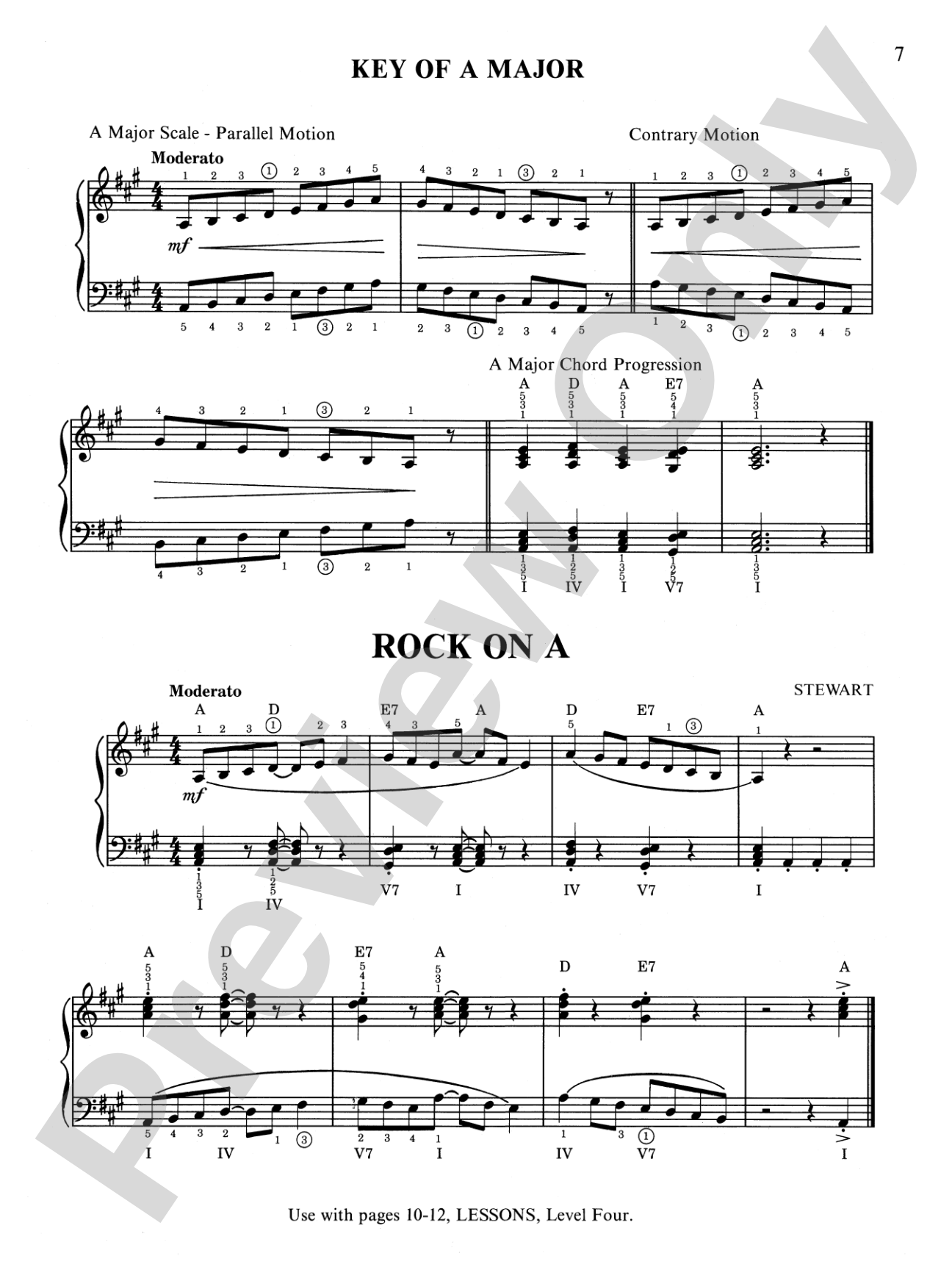
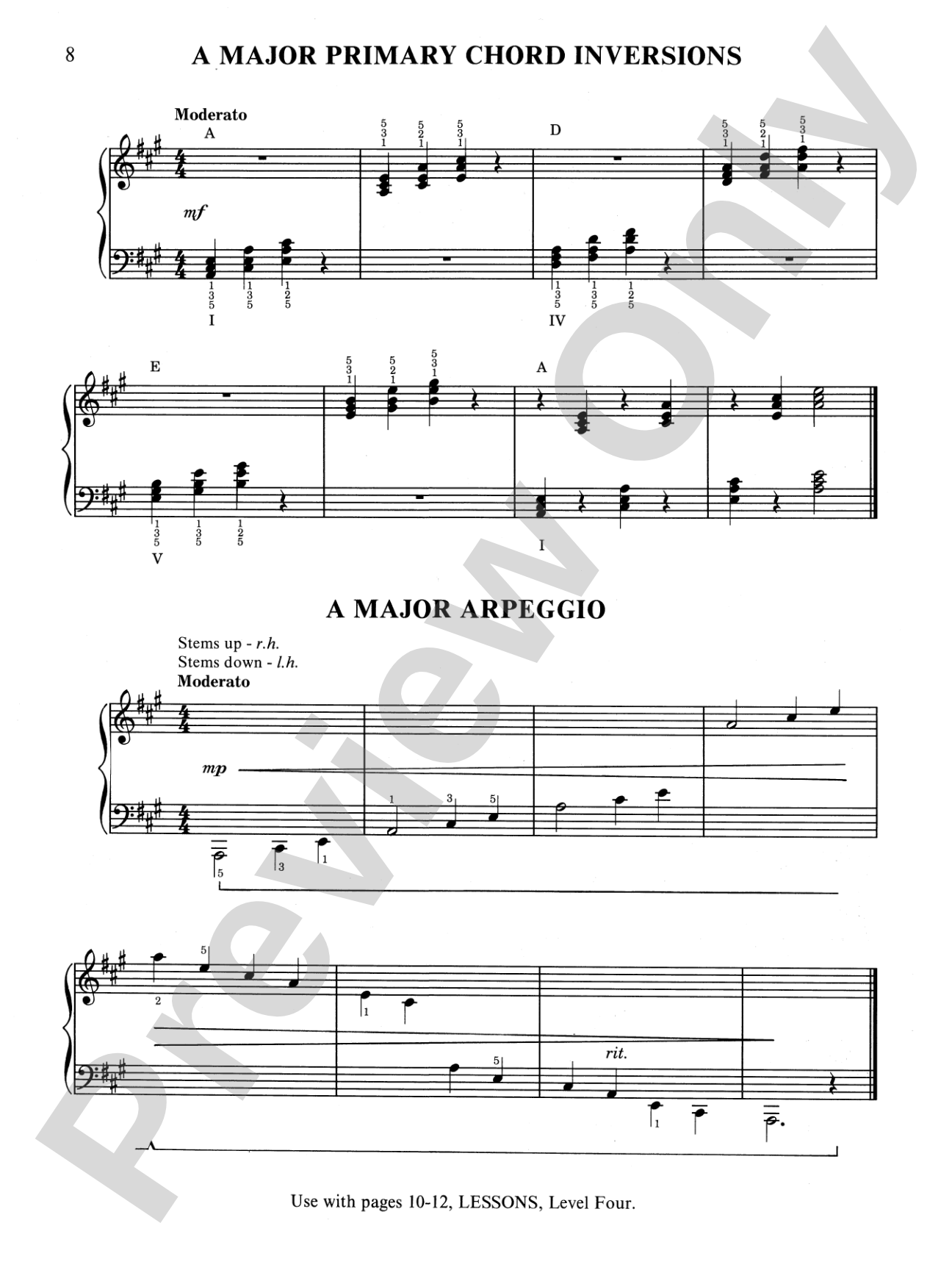
This TECHNIC book provides interesting musical studies to develop the student's technical facility at the keyboard. The material reinforces music fundamentals and concepts.

David Carr Glover Method for Piano: Technic, Level 4: Piano isn't in MakeMusic Cloud just yet...but it could be. Let us know you'd like to see it, and you'll help shape what comes next. In the meantime, start a free trial and dive into thousands of interactive titles your students can play along with today.

Sample Audio
No sample audio found.
Sample Video
Additional Details
Publisher: Alfred Music
Page Count: 40
SKU: 00-PB-0001955

More about this title

About the Composer: David Carr Glover

David Carr Glover built his reputation on a straightforward principle: students learn technique best when the material engages them musically. His Method series, developed over decades, prioritizes clarity and progression, making it a staple in piano studios and classrooms across North America. Glover understood that technical drills need musicality to stick in a student's mind and fingers.

Jay Stewart collaborated with Glover to expand and refine these resources, bringing fresh arrangements and compositions that keep Level 4 students motivated as they tackle increasingly demanding keyboard challenges.

Why we love this

The Glover Method remains trusted because it balances rigor with musicality in ways that generic etude collections simply cannot match. At Level 4, students face a critical moment where they need variety and purpose in their technical work, and this book delivers both without sacrificing pedagogical integrity. The 40 pages offer enough material to sustain a full season of focused practice without monotony.

What to expect

These studies strike a balance between precision and musicality. They demand accuracy without becoming sterile, asking students to think about articulation, tempo control, and voice independence while their fingers navigate increasingly complex technical terrain. Each piece feels like a small, achievable goal rather than an overwhelming technical mountain.

Who it's for

This book belongs in the hands of Level 4 piano students who are ready to deepen their technical foundation while maintaining genuine musical interest. It serves private teachers seeking reliable, well-crafted material that fills the gap between method book lessons and performance pieces.

How to get the most out of it

  • Assign studies selectively rather than sequentially. Match each piece to the specific technical challenge your student needs to address that week, allowing them to feel immediate purpose in their work.
  • Rotate between pieces that emphasize finger independence and those that develop hand position stability. This prevents fatigue and keeps the student's awareness fresh across different technical goals.
  • Encourage students to listen for the musical shape within each study. Even at this technical level, phrasing and dynamics matter and transform exercises into actual pieces worth performing.
  • Record short excerpts weekly. Hearing their own progress builds confidence and reveals which technical passages still need work without requiring a full teacher evaluation.

How to use it

Integrate individual studies into student recitals as solid technical evidence of progress. Select two or three pieces that target the specific technical work your studio is emphasizing during a given month, allowing students to demonstrate mastery in a concert setting. This book also works exceptionally well for supplementing group piano classes, where its graduated difficulty accommodates mixed abilities within a single classroom.

Skills your students will build

  • Finger independence and control across all registers
  • Hand position stability during passages requiring varied finger patterns
  • Sight reading fluency in multiple key signatures
  • Dynamic shaping and articulation clarity
  • Tempo control without tension
  • Coordination between hands in contrapuntal and parallel motion

You May Also Like