Dave Brubeck: Selections from <i>A Dave Brubeck Christmas</i> Cover Image

Dave Brubeck: Selections from <i>A Dave Brubeck Christmas</i>: Piano Book

$12.99 USD
Sale price  $12.99 USD Regular price 
Skip to product information
Dave Brubeck: Selections from <i>A Dave Brubeck Christmas</i> Cover Image

Dave Brubeck: Selections from A Dave Brubeck Christmas: Piano Book

Dave Brubeck

Level: Intermediate / Advanced

Item: 00-0157B

$12.99
Shipped

One moment…

Description
Distinctive renditions of Christmastime favorites from the legendary Dave Brubeck. Titles are: Away in a Manger * Cantos Para Pedir las Posadas * "Homecoming" Jingle Bells * Joy to the World * O Tannenbaum * Silent Night * To Us Is Given * What Child Is This? (Greensleeves) * Winter Wonderland.

Dave Brubeck: Selections from A Dave Brubeck Christmas: Piano Book isn't in MakeMusic Cloud just yet...but it could be. Let us know you'd like to see it, and you'll help shape what comes next. In the meantime, start a free trial and dive into thousands of interactive titles your students can play along with today.

Sample Pages

Sample Audio
No sample audio found.
Sample Video
Additional Details
Publisher: Alfred Music
Page Count: 36
ISBN10: 0-7692-1554-8
ISBN13: 978-0-7692-1554-9
UPC: 029156670394
SKU: 00-0157B

More about this title

About the Composer: Dave Brubeck
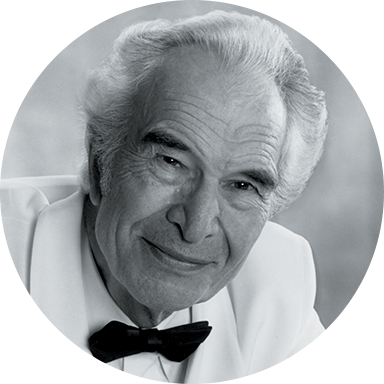
Dave Brubeck

Dave Brubeck built his reputation as a pianist through fearless improvisation, but his legacy extends far beyond the jazz club. He composed extensively across genres: choral works, orchestral pieces, chamber music, ballets, and large-scale vocal-instrumental combinations. His studies with Darius Milhaud at Mills College after World War II shaped his approach of blending jazz language with classical forms, a synthesis that defined his artistic vision throughout his career.

Brubeck's cultural impact reached beyond music. His 1959 album "Time Out" became the first jazz recording to sell over a million copies, and the track "Take Five" remains iconic. He was instrumental in breaking racial barriers in mid-twentieth-century American music and received numerous honors, including a Presidential Medal of the Arts from President Clinton, Grammy Lifetime Achievement Award, and election to the American Classical Music Hall of Fame in 2003. Major orchestras and choral ensembles worldwide, from the London Symphony Orchestra to the Cathedral Choral Society, have recorded his concert works.

Why we love this

Brubeck treats Christmas standards with the same harmonic sophistication and rhythmic playfulness that made his jazz recordings essential listening. These arrangements sit at the intersection of accessible melody and genuinely interesting voicings, so students encounter both the comfort of familiar material and the challenge of navigating his pianistic language. The collection gives pianists a chance to explore how a master improviser thinks about reharmonization without abandoning the spirit of the season.

What to expect

These renditions honor the quiet reverence and joy of their original melodies while introducing harmonic colors and reharmonizations that feel fresh without becoming precious. There's an undeniable warmth here, alongside moments of subtle sophistication that invite repeated listening and deeper exploration.

Who it's for

Intermediate to advanced pianists ready to move beyond straight arrangements and engage with compositional craft. Teachers seeking holiday repertoire that respects their students' musical intelligence while celebrating a season they care about programming.

How to get the most out of it

  • Study the harmonic movements underneath the melody. Brubeck's chord choices often surprise; they're never random, but they reward close listening and deliberate voice leading.
  • Balance rubato with rhythmic grounding. These pieces allow breathing room around the melody, but the accompanying figures often establish a steady pulse that supports rather than fights the lyrical freedom.
  • Let the jazz inflections breathe naturally. Swing eighth notes and subtle syncopations should feel organic to the melody, not imposed as stylistic overlay.
  • Explore the recorded versions for interpretive reference. Hearing Brubeck's own approach to tempo and phrasing can illuminate choices that aren't always captured in notation alone.

How to use it

Build a holiday concert around this collection as your anchor, pairing it with chamber works or vocal pieces that share Brubeck's sensibility. Alternatively, use individual selections as interludes between larger programmatic sections, letting the piano's lyrical warmth reset the acoustic space between major works. Students preparing these pieces gain repertoire they'll return to year after year.

Skills your students will build

  • Reading and performing Brubeck's extended and altered harmonic vocabulary
  • Balancing notated figures in the left hand with melodic freedom in the right
  • Interpreting jazz articulations and swing feels in a concert setting
  • Voice leading through chromatic and unexpected chord progressions
  • Navigating tempo flexibility while maintaining rhythmic coherence

You May Also Like