Dave Brubeck's Two-Part Adventures Cover Image

Dave Brubeck's Two-Part Adventures: Piano Book

$10.95 USD
Sale price  $10.95 USD Regular price 
Skip to product information
Dave Brubeck's Two-Part Adventures Cover Image

Dave Brubeck's Two-Part Adventures: Piano Book

Dave Brubeck

Level: Easy Piano

Item: 00-AF9837

$10.95
Shipped

One moment…

Description
Jazz great Dave Brubeck has penned 20 new two-part arrangements (one note in each hand) for this new and exciting book. Compositions include favorites such as: Brandenburg Gate * Dancin' in Rhythm * Fast Train * Joe Lovano Tango * Stompin' for Mili * Two-Part Contention * When the Moon Is High.

Dave Brubeck's Two-Part Adventures: Piano Book isn't in MakeMusic Cloud just yet...but it could be. Let us know you'd like to see it, and you'll help shape what comes next. In the meantime, start a free trial and dive into thousands of interactive titles your students can play along with today.

Sample Pages

No sample pages found.

Sample Audio
No sample audio found.
Sample Video
Additional Details
Publisher: Alfred Music
Page Count: 48
ISBN10: 0-7692-6878-1
ISBN13: 978-0-7692-6878-1
UPC: 029156955231
SKU: 00-AF9837

More about this title

About the Composer: Dave Brubeck
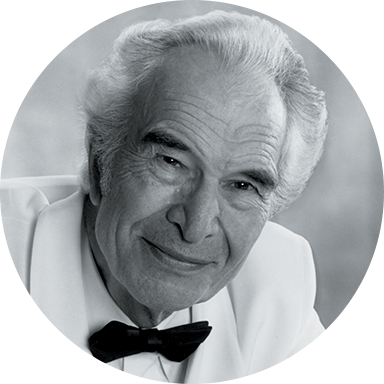
Dave Brubeck

Dave Brubeck stands as one of jazz's most consequential figures, equally renowned for his improvisational command and his rigorous approach to composition. His output spans an ambitious range: piano solos, chamber works, choral music, orchestral pieces, and large-scale sacred compositions including To Hope!, which has been performed across Europe and North America. He earned his bachelor of music from College of the Pacific in 1942, then studied composition with Darius Milhaud at Mills College following World War II service. Milhaud's mentorship proved decisive, encouraging Brubeck to synthesize jazz language with classical forms and techniques.

Brubeck's cultural impact extends beyond music. His album Time Out became the first jazz record to sell over a million copies, anchored by the enduring composition "Take Five." He was a crucial figure in dismantling racial barriers in mid-twentieth-century American music, a legacy recognized with the Grammy Lifetime Achievement Award, the Presidential Medal of the Arts, and induction into the American Classical Music Hall of Fame in 2003. His orchestral work Elementals inspired the Lar Lubovitch ballet that continues to be performed by major dance companies.

Why we love this

Brubeck's gift for melodic clarity shines through in these arrangements, which introduce young pianists to jazz phrasing and swing without requiring advanced technique. The one-note-per-hand format removes the barrier of complicated left-hand voicings, allowing students to focus on rhythmic independence, articulation, and the jazz sensibility Brubeck himself pioneered. Twenty fresh compositions and recognizable titles create natural motivation and variety in practice.

What to expect

These pieces sparkle with rhythmic invention and the unmistakable swing that defined Brubeck's era. Melodies breathe and bend, refusing to sit squarely on the beat, while the two-part texture creates a musical conversation that feels both playful and sophisticated.

Who it's for

Early piano students and young adult learners seeking engaging material that moves beyond classical etudes. Jazz enthusiasts of any age who want to experience Brubeck's compositional voice at an accessible level will find immediate gratification here.

How to get the most out of it

  • Listen to Brubeck's original recordings or other jazz interpretations of these pieces before practice; your ear will guide articulation and swing feel more effectively than notation alone can.
  • Treat the written rhythms as starting points rather than endpoints. Jazz phrasing lives in the space around the beat, so experiment with slight delays and pushes to develop your own interpretation.
  • Shape each hand independently. Even though each plays single notes, the two parts should have distinct characters—one might be spacious and questioning, the other driving and answered.

How to use it

Feature these arrangements in student recitals to show what jazz piano can sound like at an introductory level, or use them as transition pieces in concert programs to shift mood and energy between classical selections. They're equally valuable in a practice studio setting where a student needs material that builds independence and rhythmic confidence.

Skills your students will build

  • Swing rhythm and jazz phrasing at the keyboard
  • Two-hand rhythmic independence
  • Articulation and touch control for jazz style
  • Listening and musical interpretation beyond the written page
  • Comfort with syncopation and off-beat figures

You May Also Like