Dave Brubeck: Nocturnes Cover Image

Dave Brubeck: Nocturnes: Piano Book

$12.95 USD
Sale price  $12.95 USD Regular price 
Skip to product information
Dave Brubeck: Nocturnes Cover Image

Dave Brubeck: Nocturnes: Piano Book

Dave Brubeck

Level: Intermediate / Advanced

Item: 00-AF9747

$12.95
Shipped

One moment…

Description
The 25 titles are: Audrey * Blue Lake Tahoe * Bluette * Chorale * The Desert and the Parched Land * Five for Ten Small Fingers * Going to Sleep * Home Without Lola * I See, Satie * Joshua Redman * Koto Song * Looking at a Rainbow * Lost Waltz (Edited Version) * Lost Waltz (Original Version) * Lullaby and many others!

Dave Brubeck: Nocturnes: Piano Book isn't in MakeMusic Cloud just yet...but it could be. Let us know you'd like to see it, and you'll help shape what comes next. In the meantime, start a free trial and dive into thousands of interactive titles your students can play along with today.

Sample Pages

Sample Audio
No sample audio found.
Sample Video
Additional Details
Publisher: Alfred Music
Page Count: 56
ISBN10: 0-7692-0046-X
ISBN13: 978-0-7692-0046-0
UPC: 029156658989
SKU: 00-AF9747

More about this title

About the Composer: Dave Brubeck
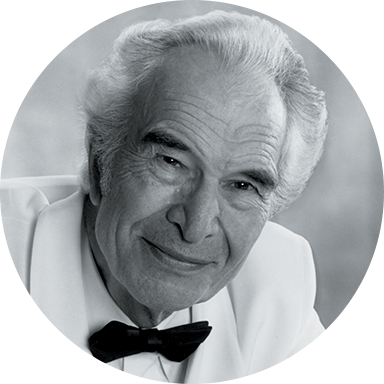
Dave Brubeck

Dave Brubeck's career straddled two musical worlds with equal mastery. A pianist and composer whose improvisational gifts shaped modern jazz, he simultaneously wrote formally notated works spanning choral pieces, orchestral suites, chamber music, and large-scale vocal compositions. His 1959 album Time Out became the first jazz record to achieve platinum status, anchored by the now-iconic "Take Five," yet his classical commissions received performances by the London Symphony Orchestra and recordings at the National Cathedral in Washington, DC.

Beyond his musical innovations, Brubeck was a cultural pioneer who actively challenged racial segregation during the 1950s and 1960s. He studied composition with Darius Milhaud at Mills College after World War II, absorbing Milhaud's philosophy that jazz and classical languages could enrich each other. His honors include a Grammy Lifetime Achievement Award, the Presidential Medal of the Arts, and induction into the American Classical Music Hall of Fame in 2003.

Why we love this

Brubeck's nocturnes occupy a rare space where jazz sensibility meets classical restraint, giving pianists genuinely lyrical material at the intermediate-advanced level. The collection spans moods from introspective and hymn-like to gently swinging, offering variety that works equally well in recital or as encore material. These pieces reward both technical control and interpretive freedom, asking players to find the singing line without relying on flashy virtuosity.

What to expect

These nocturnes evoke quiet reflection with occasional moments of gentle warmth. Whether through bluesy harmonies, modal ambiguity, or hymn-like restraint, they invite intimate listening and reward close attention to voicing and sustain pedal.

Who it's for

Intermediate to advanced pianists seeking repertoire beyond standard classical nocturnes, particularly those drawn to jazz influences or looking for accessible yet sophisticated solo material. Teachers building recital programs will find a collection that serves serious students while remaining musically intelligent and engaging to listeners.

How to get the most out of it

  • Balance lyricism with rhythmic precision in pieces with jazz inflections; the notated swing feel should feel natural, not metronomic.
  • Explore the tonal colors available on your instrument, particularly in the more atmospheric titles like "Blue Lake Tahoe" and "I See, Satie," where texture matters as much as melody.
  • Where Brubeck uses harmonic movement rather than melodic development to build interest, allow slight tempo flexibility and dynamic shaping to illuminate the chord progressions.
  • In the waltzes and more structured forms, maintain clarity of voice leading so the underlying harmonic language stays audible.

How to use it

Anchor a recital with one of the shorter nocturnes as an encore, or build a short solo set around three contrasting pieces from the collection. The stylistic variety makes these suitable for jazz-inflected concerts, classical evening programs needing a contemporary American voice, or studio recitals where you want to show range and depth.

Skills your students will build

  • Interpreting jazz harmonies and voicings in a classical notated context
  • Subtle rhythmic flexibility and swing inflection within written notation
  • Voice leading and harmonic awareness through textured, non-virtuosic writing
  • Pedal control and tonal color differentiation across varied moods and tempos
  • Reading and performing Brubeck's characteristic modal and chromatic harmonic language

You May Also Like