
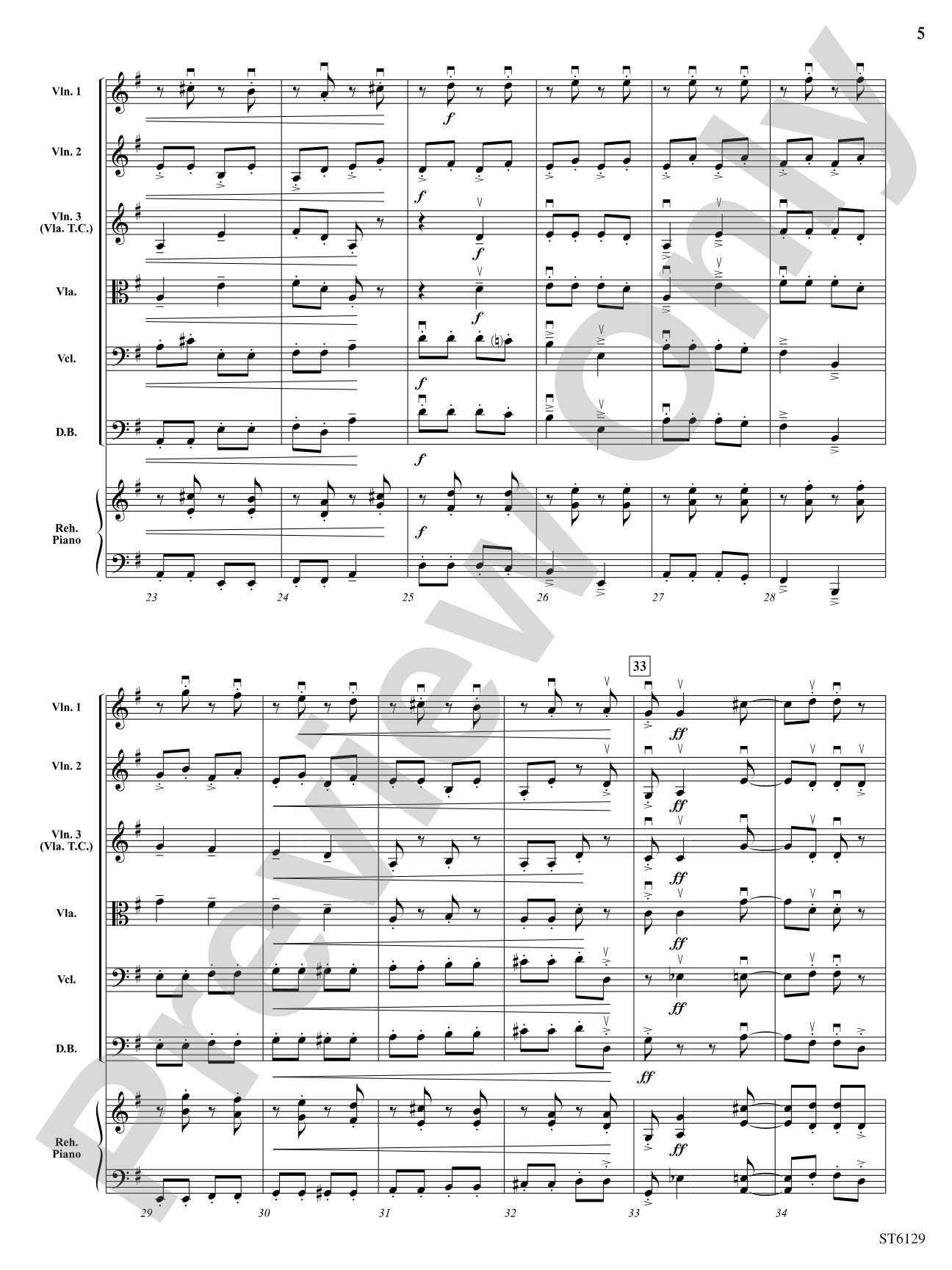
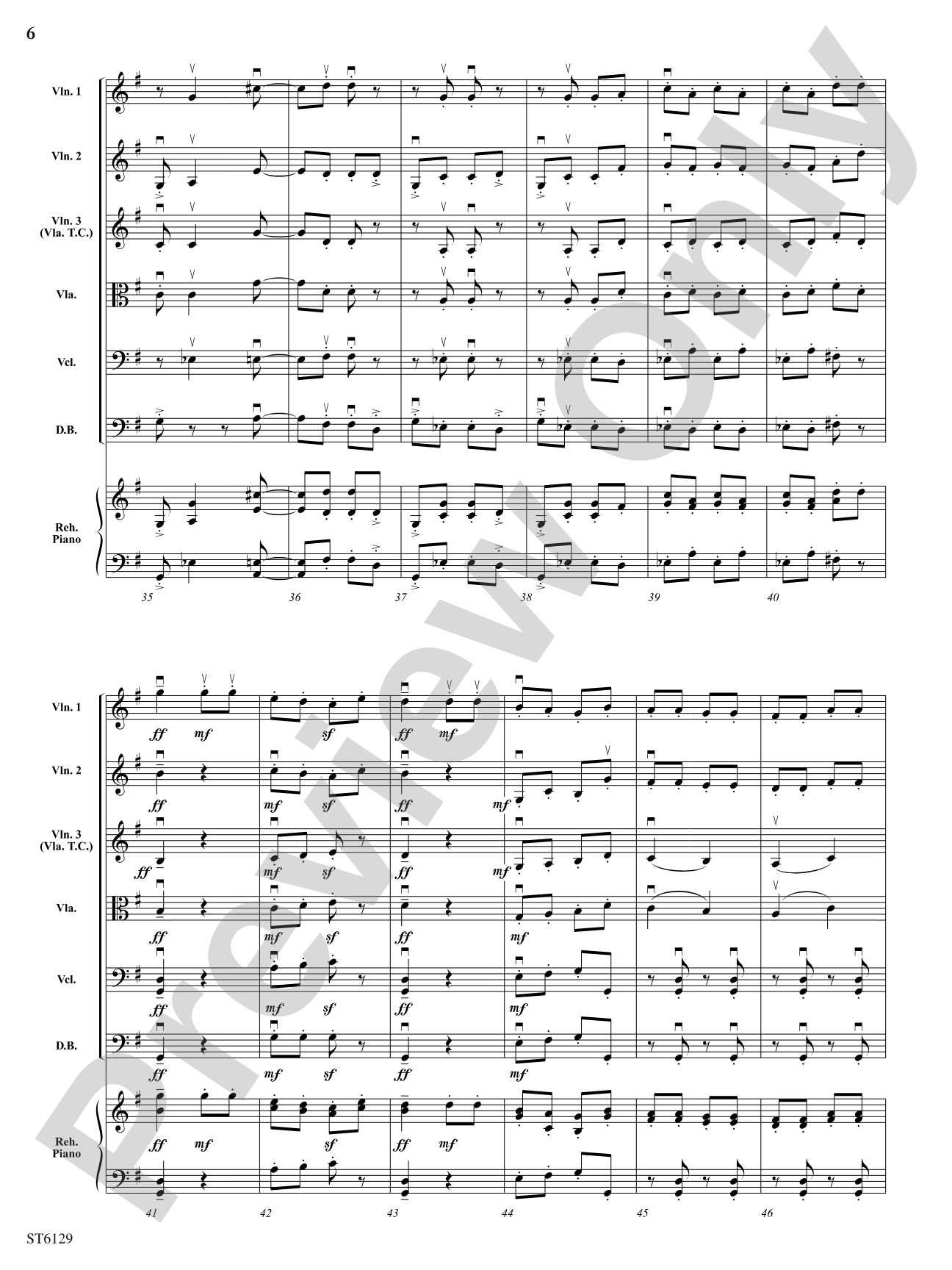
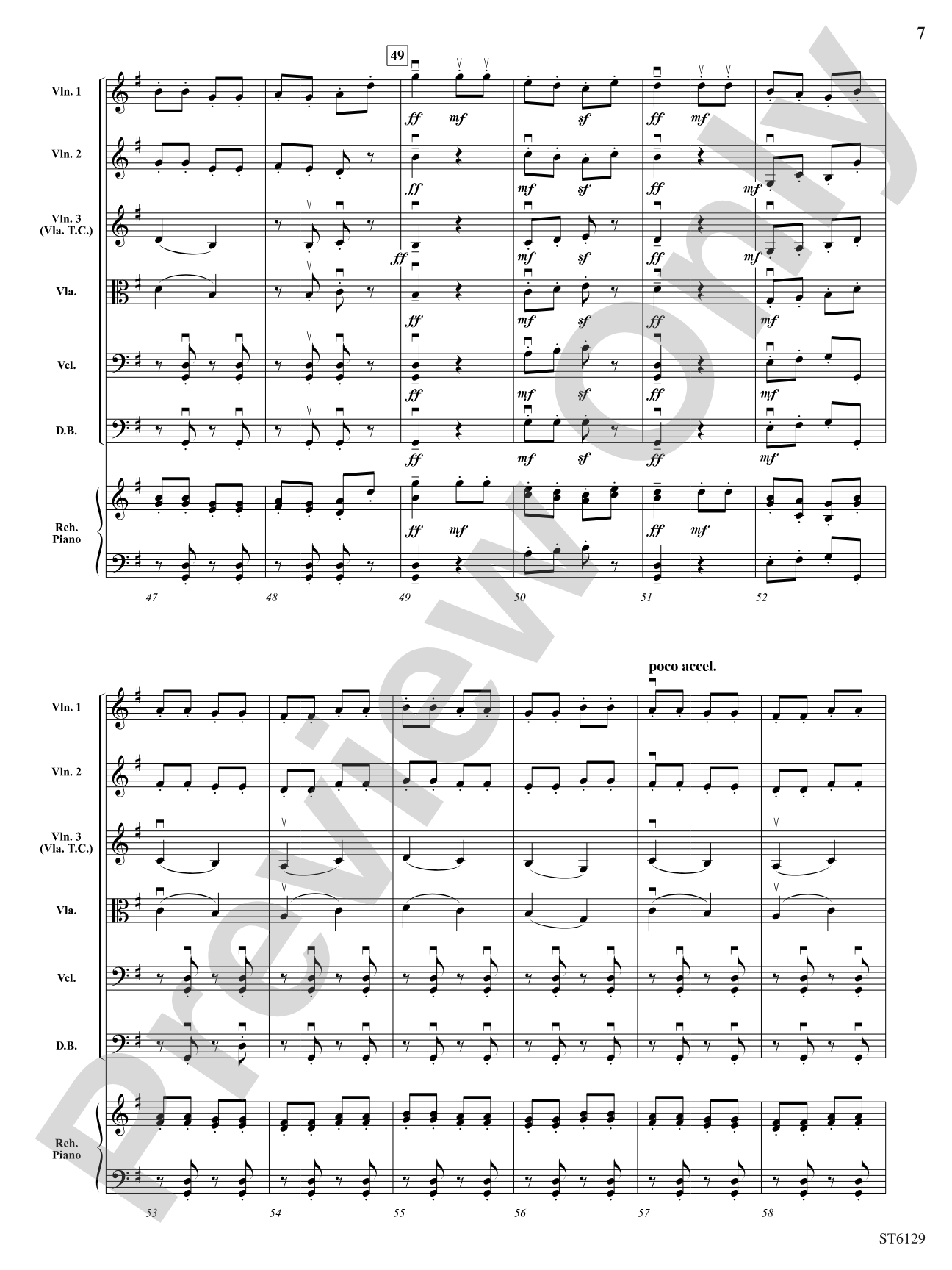
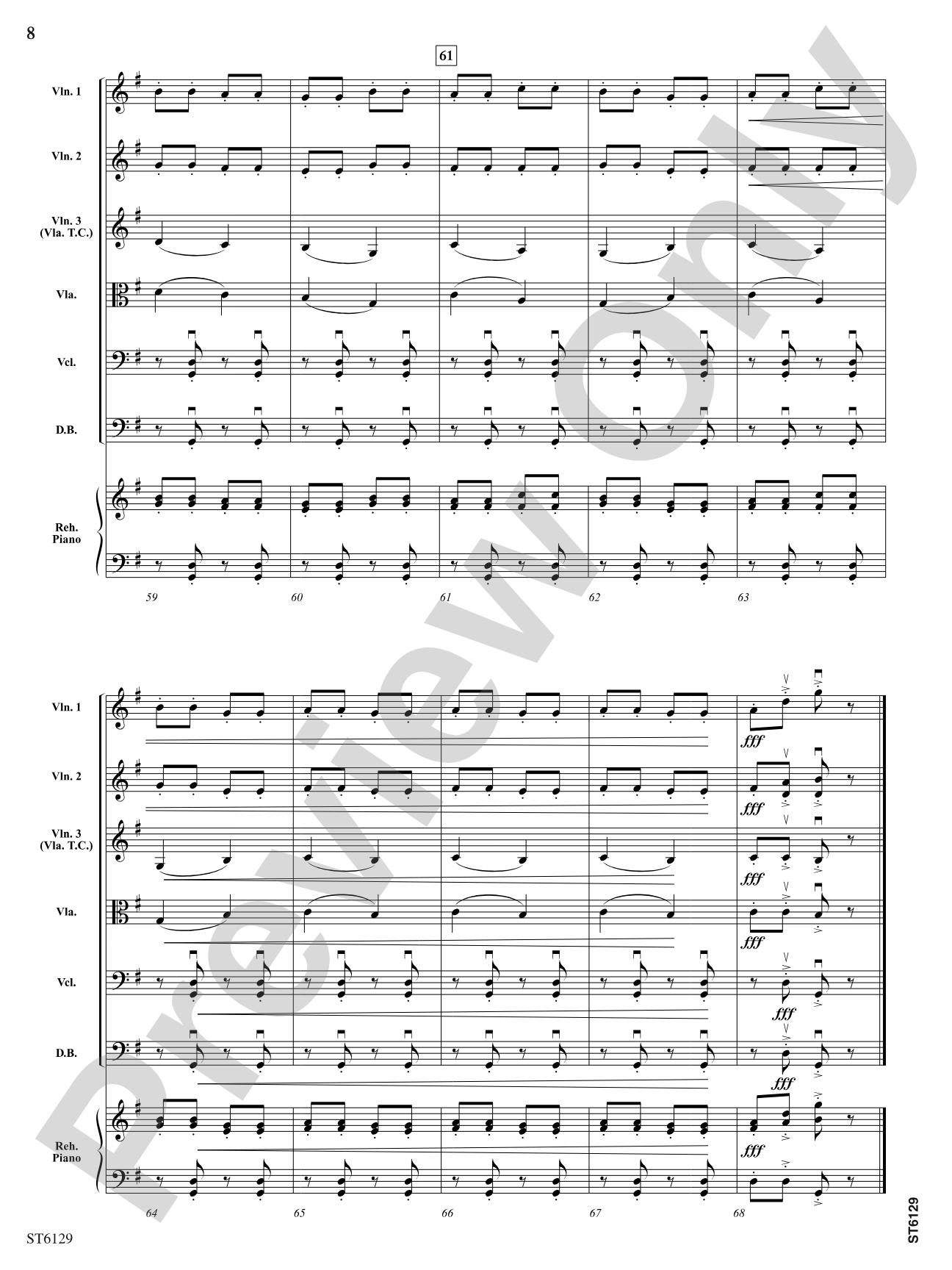

Danse Russe (Trepak from The Nutcracker): String Orchestra Conductor Score & Parts
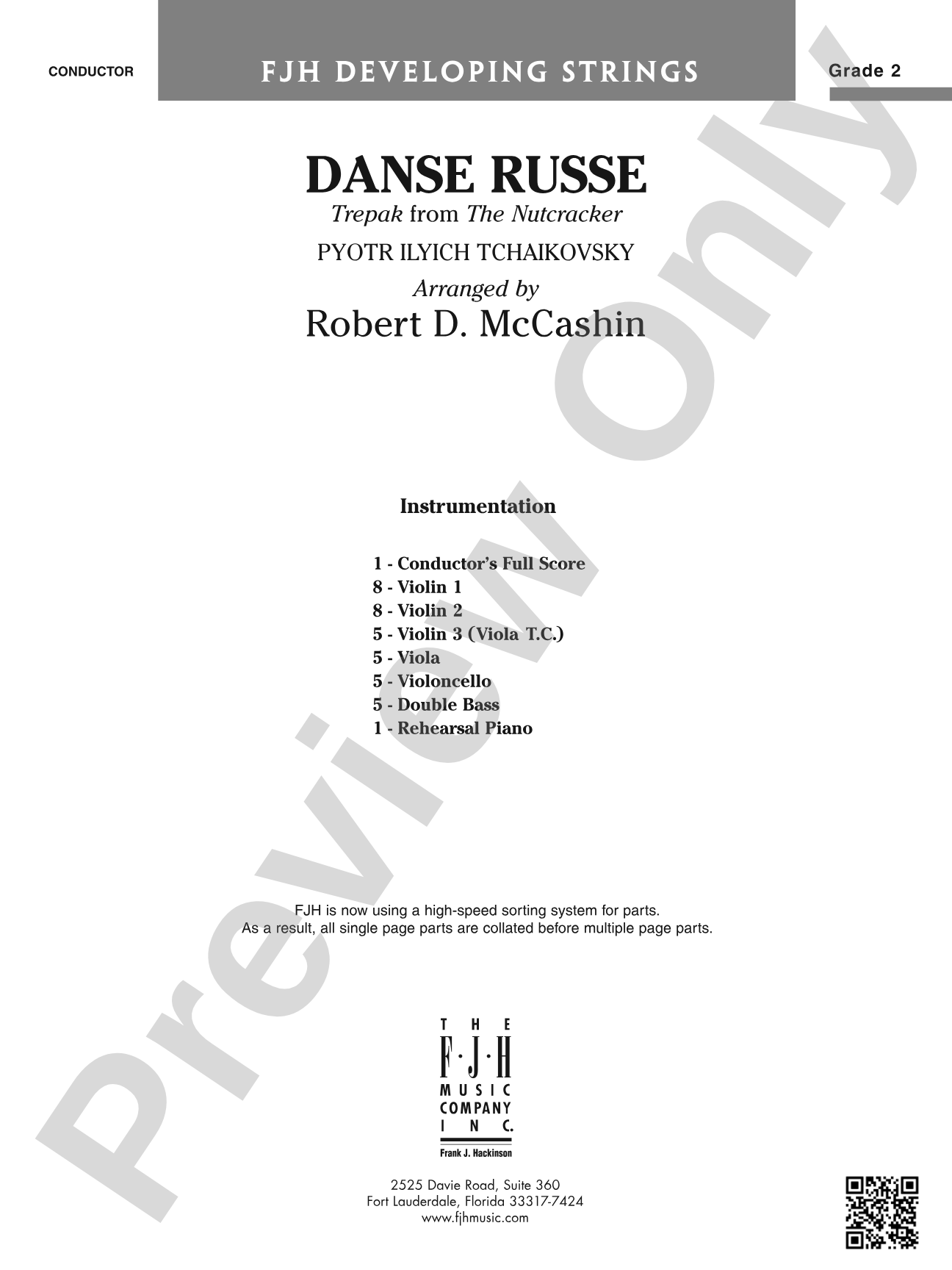
Trepak from The Nutcracker
By Pyotr Ilyich Tchaikovsky / arr. Robert D. McCashin
Grade: 2
Item: 98-DST6129
$45.00
Pickup currently not available
Buy Extra Parts (Digital PDF Download)
Parts Added to Cart!
Description
This arrangement of the famous Russian Dance from Tchaikovsky's The Nutcracker is sure to be a hit this holiday season. McCashin is faithful to the original while making it extremely accessible to younger players. Ideal for directors looking to program classical music as part of their winter programs.


Discover MakeMusic Cloud: thousands of interactive titles your students can play along with today.
Sample Audio
1
Audio File
--:--
0:00
0:00
Sample Video
No sample videos found.
Additional Details
Series:
FJH Developing Strings
Publisher:
The FJH Music Company, Inc.
SKU:
98-DST6129
More about this title
About the Composer: Pyotr Ilyich Tchaikovsky
Tchaikovsky (1840-1893) stands as one of the most performed composers in the orchestral repertoire, celebrated for melodies that lodge themselves instantly in the listener's ear. His ballet scores, particularly The Nutcracker and Swan Lake, have become cornerstones of both concert halls and school winter programs, introducing generations of students to classical music through instantly recognizable themes.
Why we love this
McCashin's arrangement preserves the kinetic energy and infectious rhythmic drive of the original Trepak while staying within the technical reach of young orchestras. This is the piece that reminds audiences why they love holiday concerts: it's spirited, recognizable, and undeniably fun to play.
What to expect
Bright, energetic, and steeped in Russian folk tradition, this Trepak sparkles with rhythmic vitality. Young players feel the joy of playing recognizable classical music while the familiar melody carries the audience directly into the world of The Nutcracker.
Who it's for
String orchestras at the Grade 2 level, especially those building their holiday programming with accessible classical repertoire. Directors seeking a piece that satisfies both educational goals and audience appeal will find this arrangement a reliable choice.
How to get the most out of it
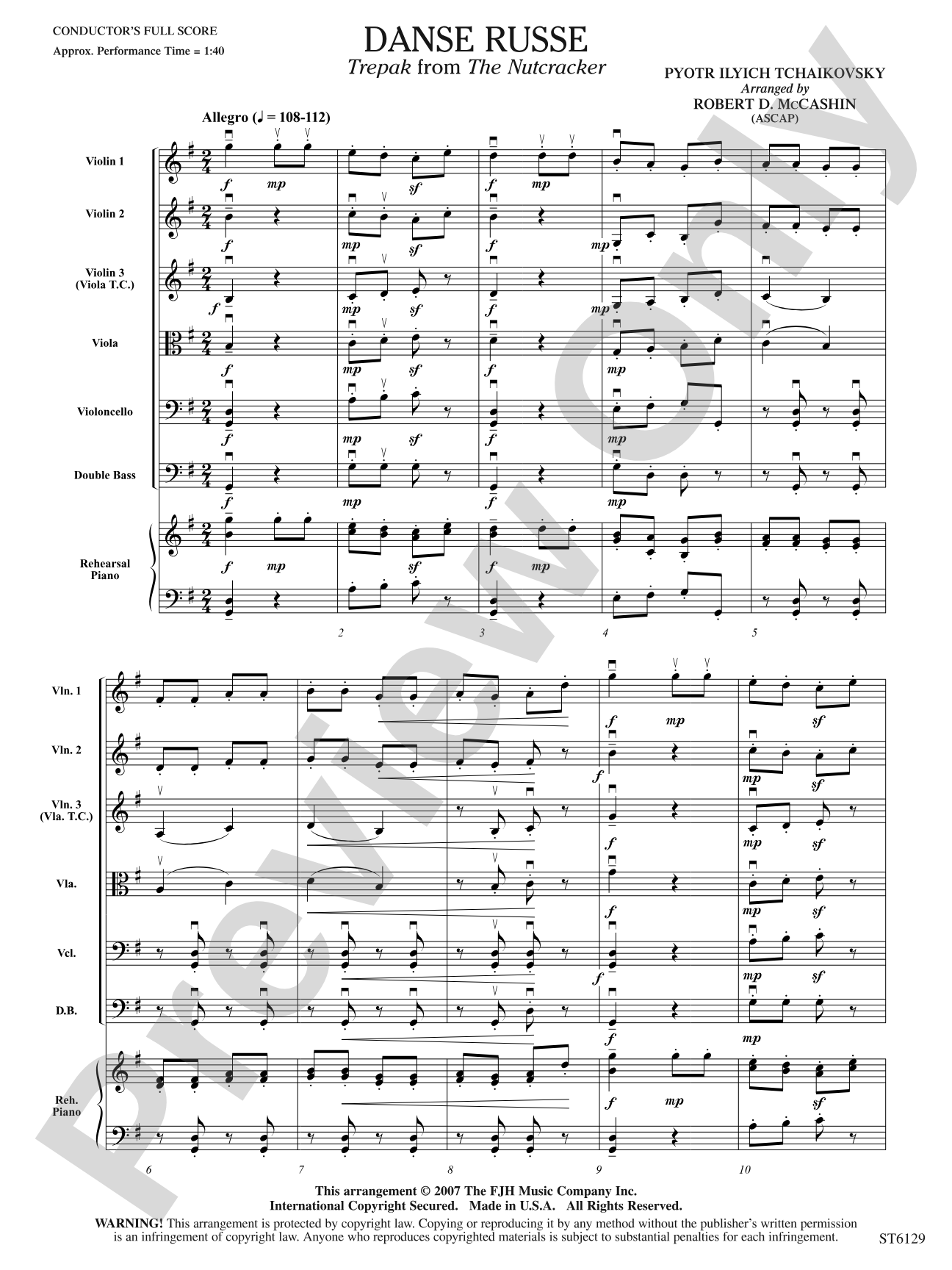
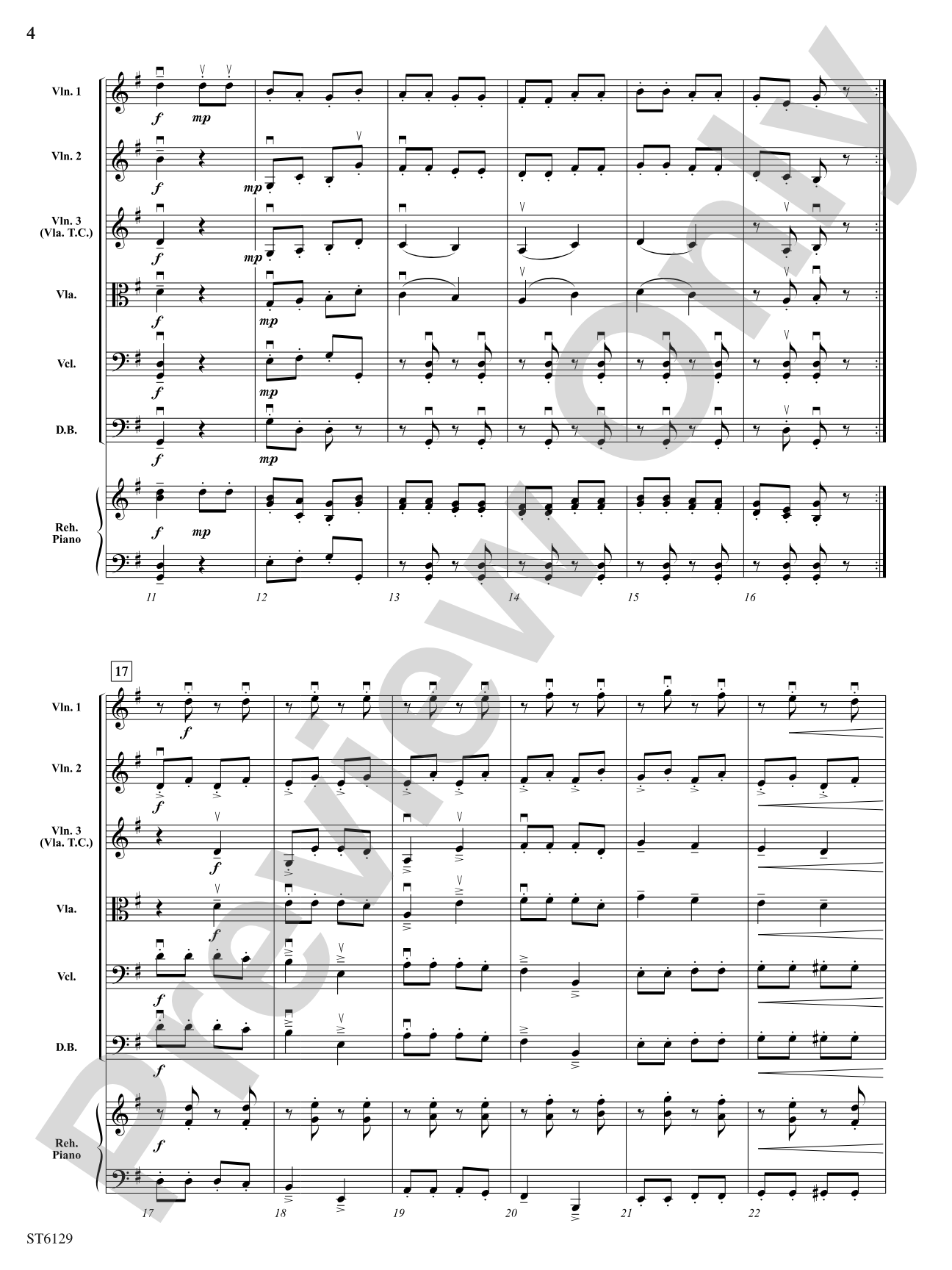
- Establish a steady, driving pulse in the opening section; resist the urge to rush the characteristic Russian dance rhythm.
- Balance the melody across sections as it passes from violins to violas and lower strings; younger players often bury accompanimental material rather than shaping it.
- Articulate the staccato passages with clarity and consistency, particularly in the string crossings that define the folk dance character.
- Use dynamic contrasts between sections to highlight the arrangement's structure and keep the momentum alive through repetition.
How to use it
Position this as a centerpiece in your winter concert or as a sprightly bookend to a program of holiday selections. Its accessibility makes it an excellent introduction to Tchaikovsky for younger ensembles, and its brisk duration fits naturally alongside longer classical or contemporary works.
Skills your students will build
- Rhythmic precision in Russian folk dance meter and syncopation
- Part independence across sections while maintaining ensemble unity
- Articulation contrast (legato versus staccato)
- Dynamic control and shaping in an energetic tempo
- Reading and executing string crossings and position shifts