

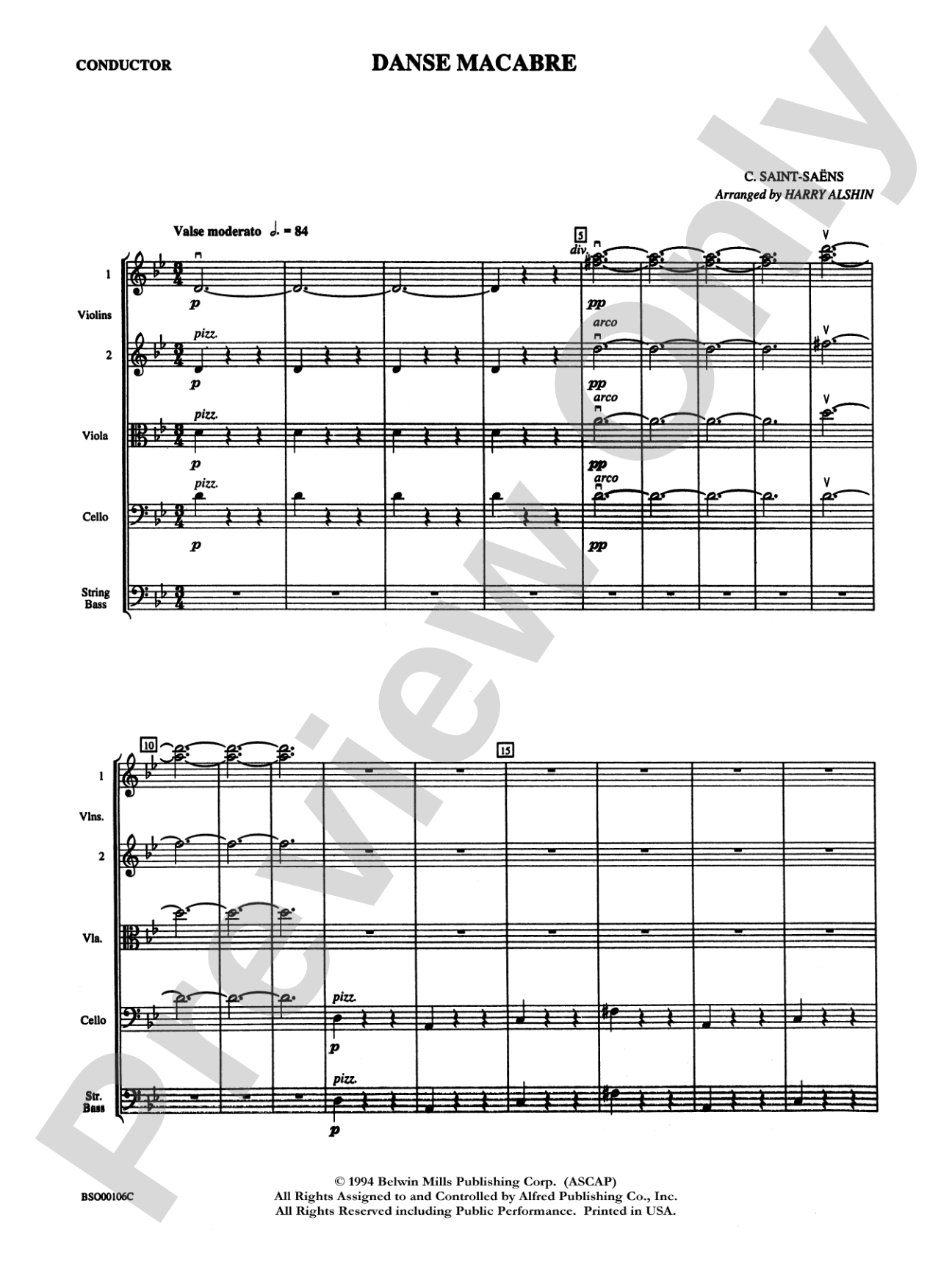
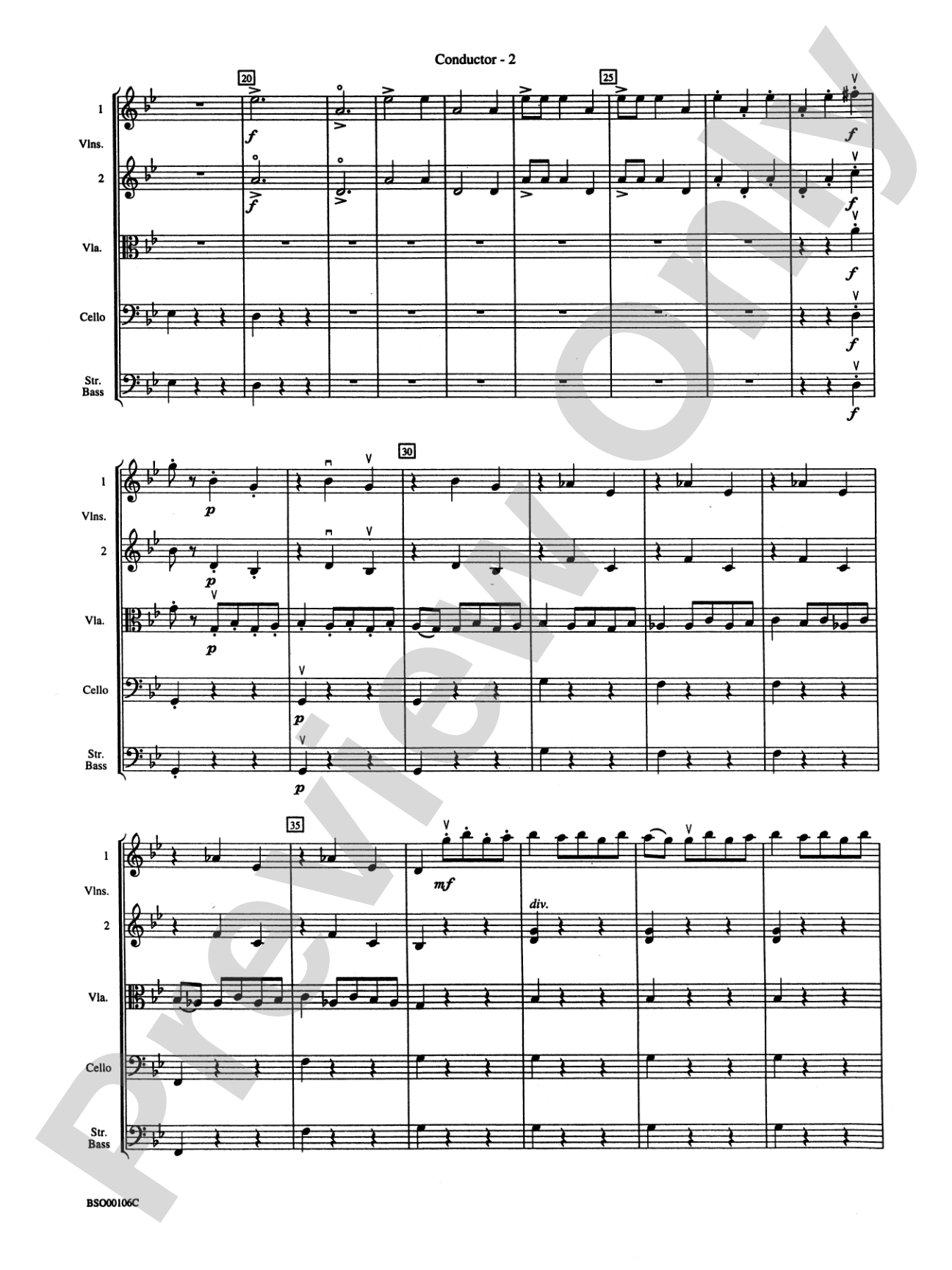
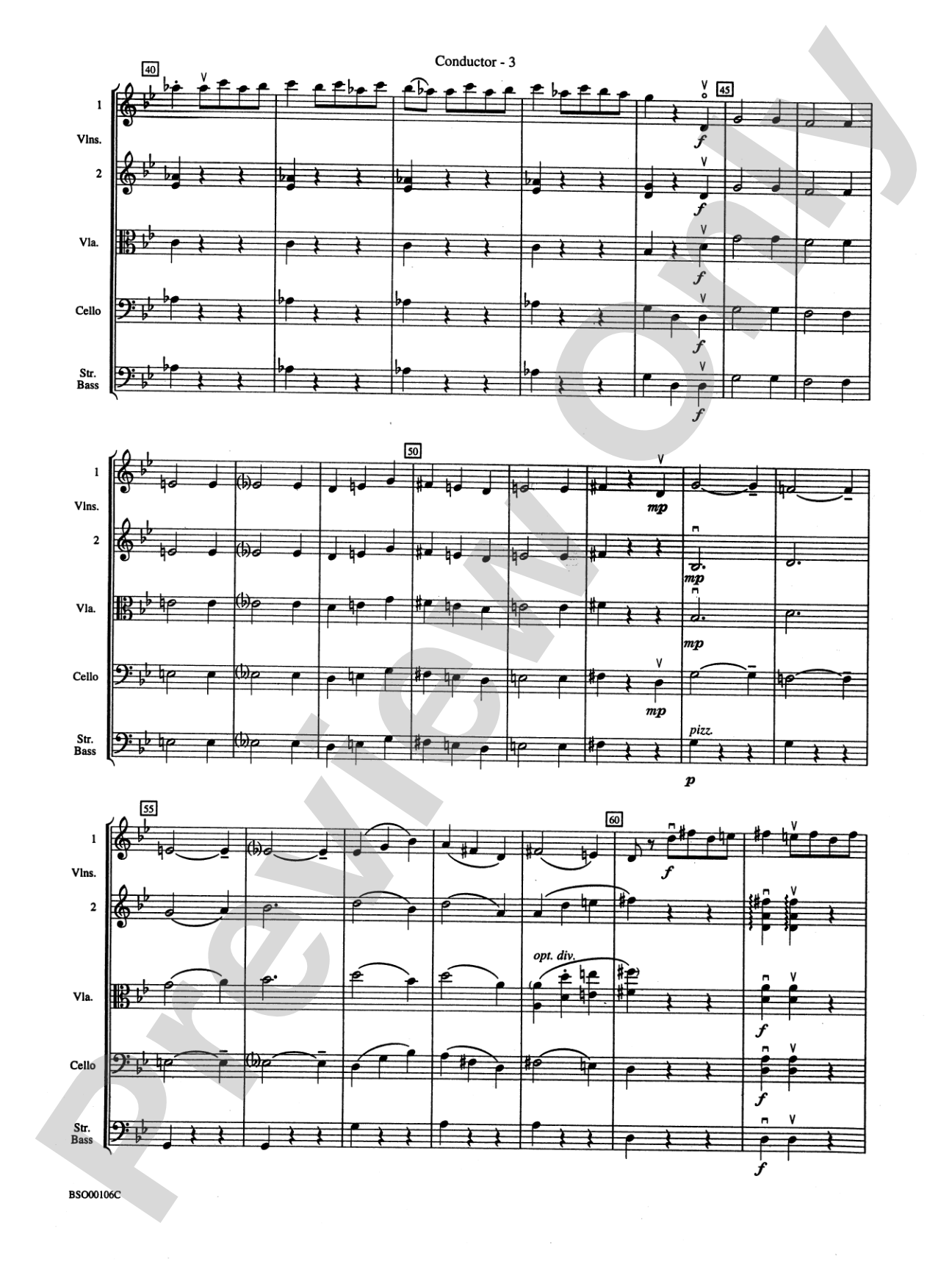
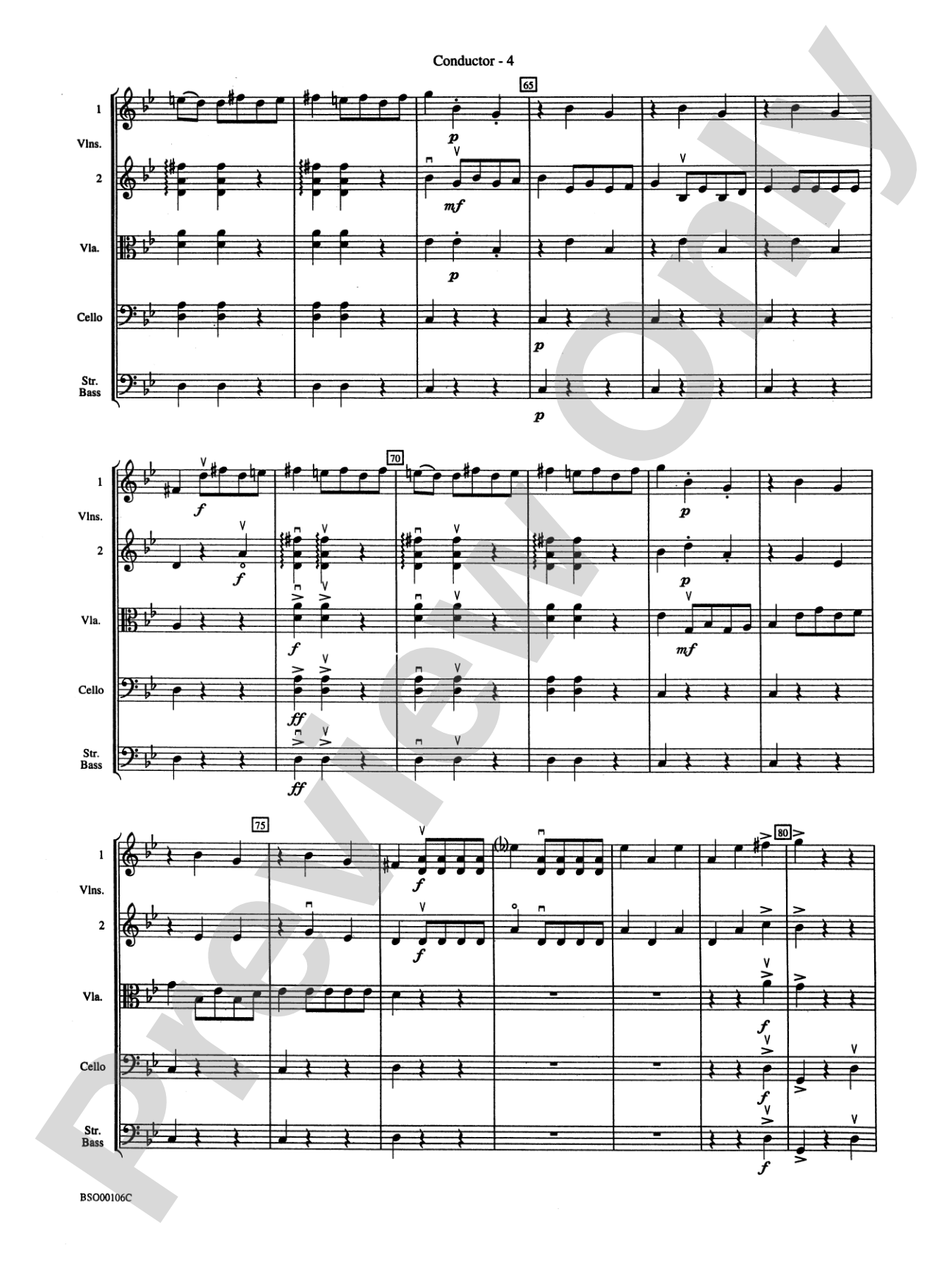
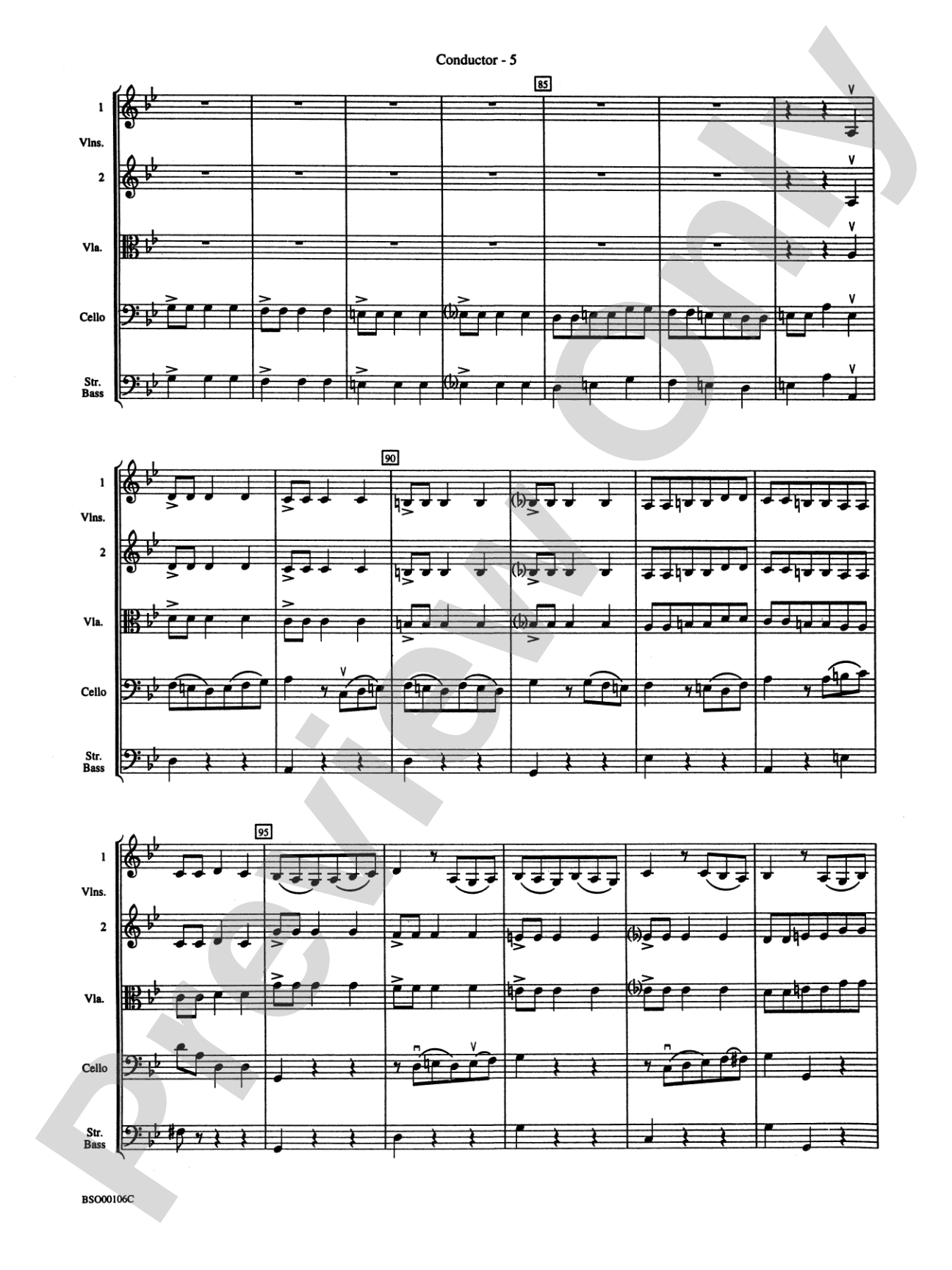
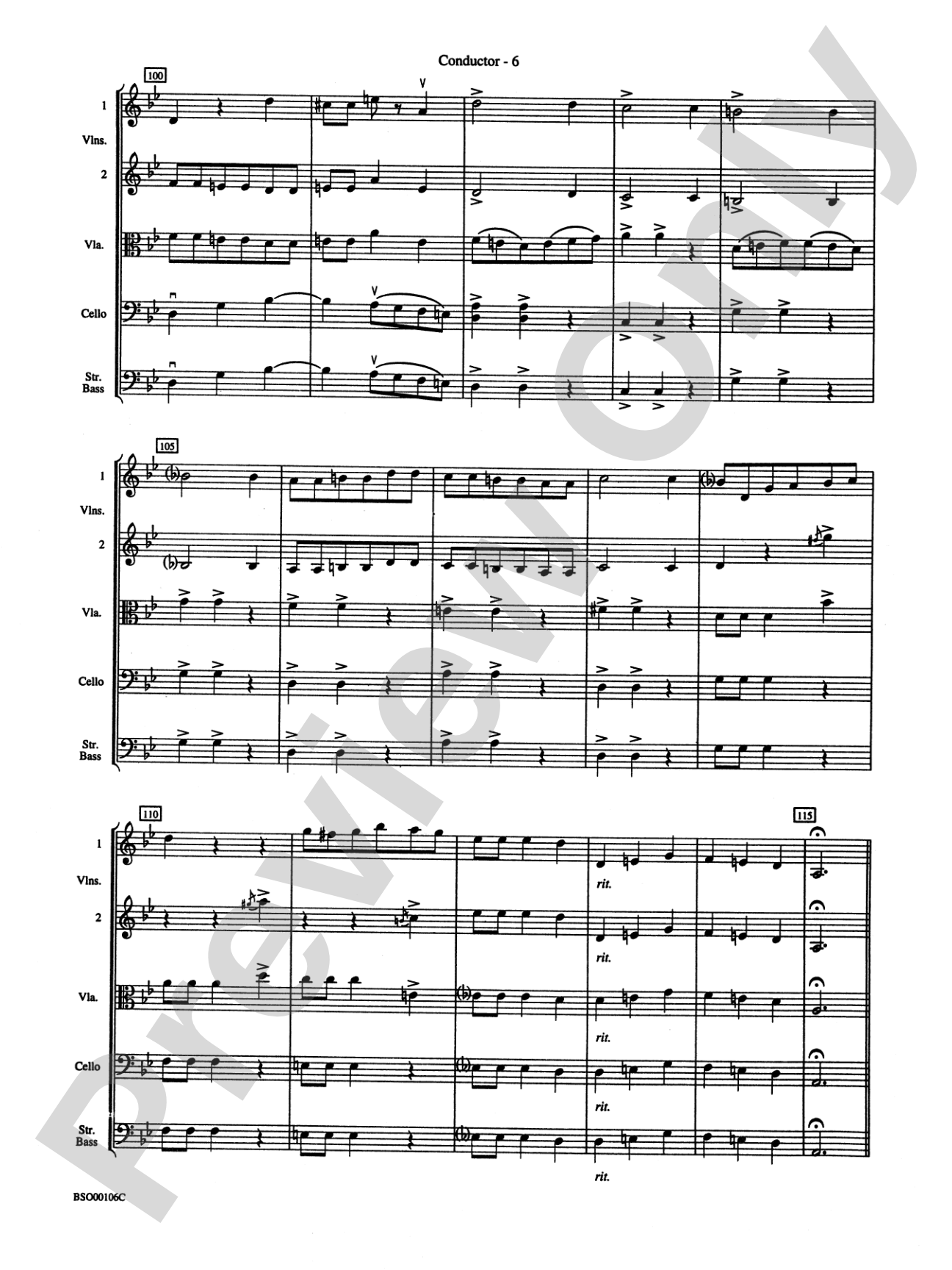
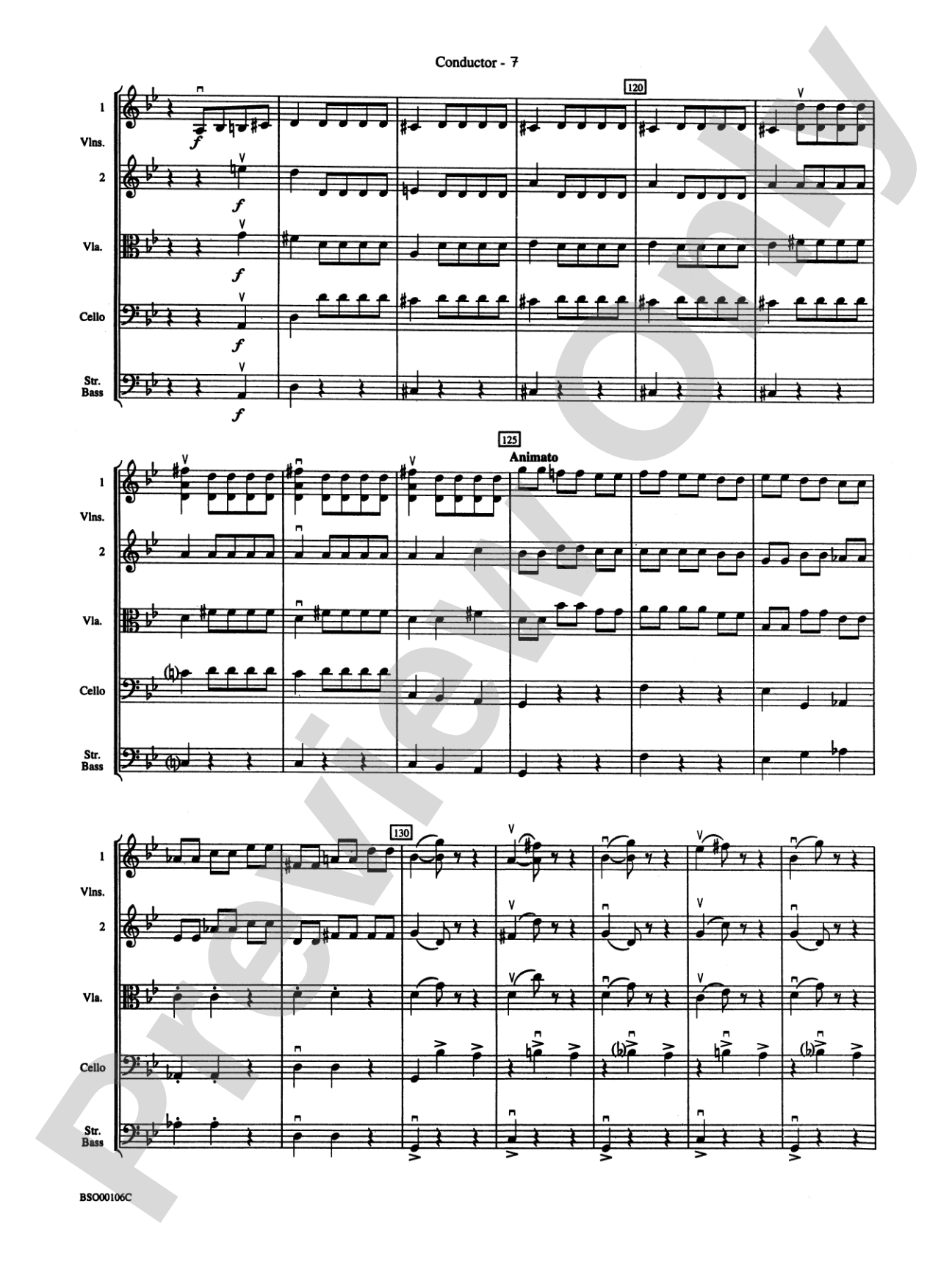
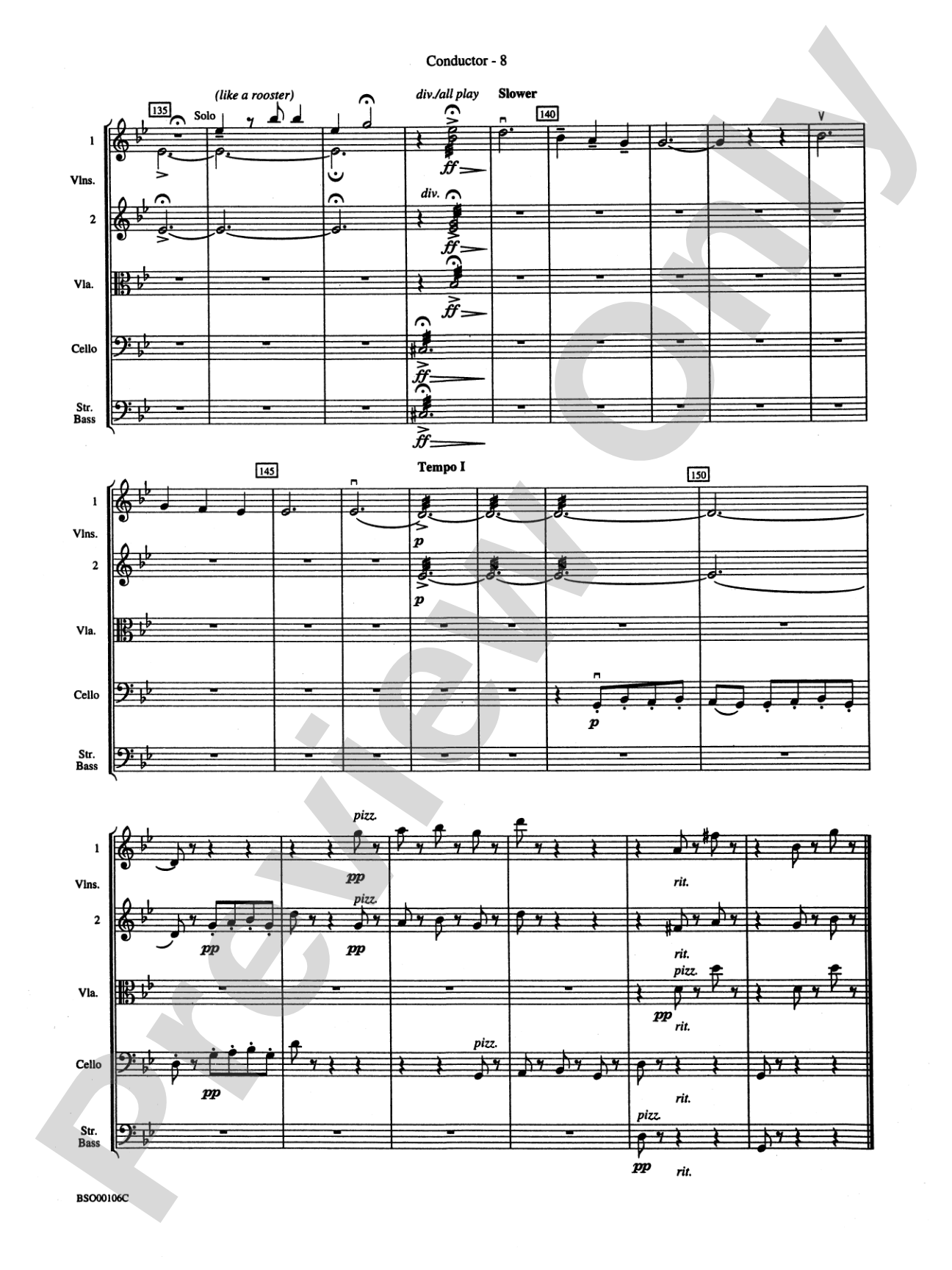



Danse Macabre: Score
By Camille Saint-Saëns / arr. Harry Alshin
Grade: 2.5
Item: 00-PR-0002222
$8.00
Pickup currently not available
Description
Saint-Saens' programmatic classic is wonderful as arranged for string orchestra by respected writer Harry Alshin. Give your orchestra the chance to share this enjoyable masterwork with an audience. (2:29)


Don't just read it, hear it, play along with it, and watch your students grow with it. In MakeMusic Cloud, Danse Macabre: Score comes alive with professional accompaniment, adjustable tempo, and built-in practice tools that turn solo practice into real progress.
Open in the Player
Jump straight in and assign it today.
Start Your Free Trial
Open this title and explore the full library in minutes.
Sample Audio
No sample audio found.
Sample Video
No sample videos found.
Additional Details
Series:
Belwin Intermediate String Orchestra
Publisher:
Alfred Music
Page Count:
12
SKU:
00-PR-0002222
More about this title
About the Composer: Camille Saint-Saëns
Camille Saint-Saëns (1835, 1921) was a French composer of towering technical mastery and prolific output. He wrote across every major genre, from symphonies and concertos to operas and chamber works, and his music defined the French Romantic aesthetic for decades. Saint-Saëns had the ear of a symphonist and the gift for memorable melody that made his work immediately appealing to audiences while never sacrificing sophistication.
Danse Macabre stands among his most performed works worldwide. Composed in 1874 as a symphonic poem, it captures the medieval legend of Death playing violin at midnight, summoning the dead to dance. The piece remains a masterclass in orchestral color and storytelling, and it has become a staple of Halloween programming and concert halls alike.
Why we love this
Harry Alshin's arrangement captures the Gothic atmosphere and narrative arc of Saint-Saëns' original without demanding the full orchestra. Strings alone are sufficient to convey the eerie opening, the driving rhythms, and the climactic build, making this accessible at Grade 2.5 while preserving what makes Danse Macabre theatrically effective. Your students get to play a recognized masterwork with immediate audience appeal.
What to expect
Skeletal and haunting at first, with plucked strings and thin textures evoking midnight and the supernatural. As the piece unfolds, energy builds through driving rhythmic accompaniment and a soaring main melody, creating urgency and inevitability. The final section pulls back into sparse, almost desolate textures, leaving listeners with a lingering sense of the eerie and the mysterious.
Who it's for
String orchestras at the intermediate level who want to program something with genuine dramatic flair and recognizable appeal. This works equally well for concert performance, festival competition, or as a special event piece during October.
How to get the most out of it
- Establish the rhythmic pulse from the opening pizzicato figures; the piece's momentum depends on the violas and cellos laying a secure foundation.
- Shape the famous violin melody (the 'death' theme) with a slight forward lean into each phrase rather than pulling back, which helps it cut through the accompaniment.
- Balance the transition into the faster section by gradually increasing bow pressure and intensity; avoid jumping abruptly into the new tempo.
- Give the final climax and resolution room to breathe; let the fermata settle before the concluding pizzicato notes to leave the audience in that suspended moment.
How to use it
Pair this with lighter fare to balance a concert and showcase your orchestra's dynamic range, or use it as your closing number for maximum dramatic impact. It also serves as a natural choice for thematic programming around autumn, film-inspired concerts, or multi-movement works that explore narrative and mood.
Skills your students will build
- Pizzicato precision and evenness across the ensemble
- Balancing melodic lines against rhythmic accompaniment figures
- Controlling tone quality and projection at different dynamic levels
- Phrasing and shaping a recognizable melody in a programmatic context
- Coordinating ensemble entrances and transitions across multiple tempo sections