
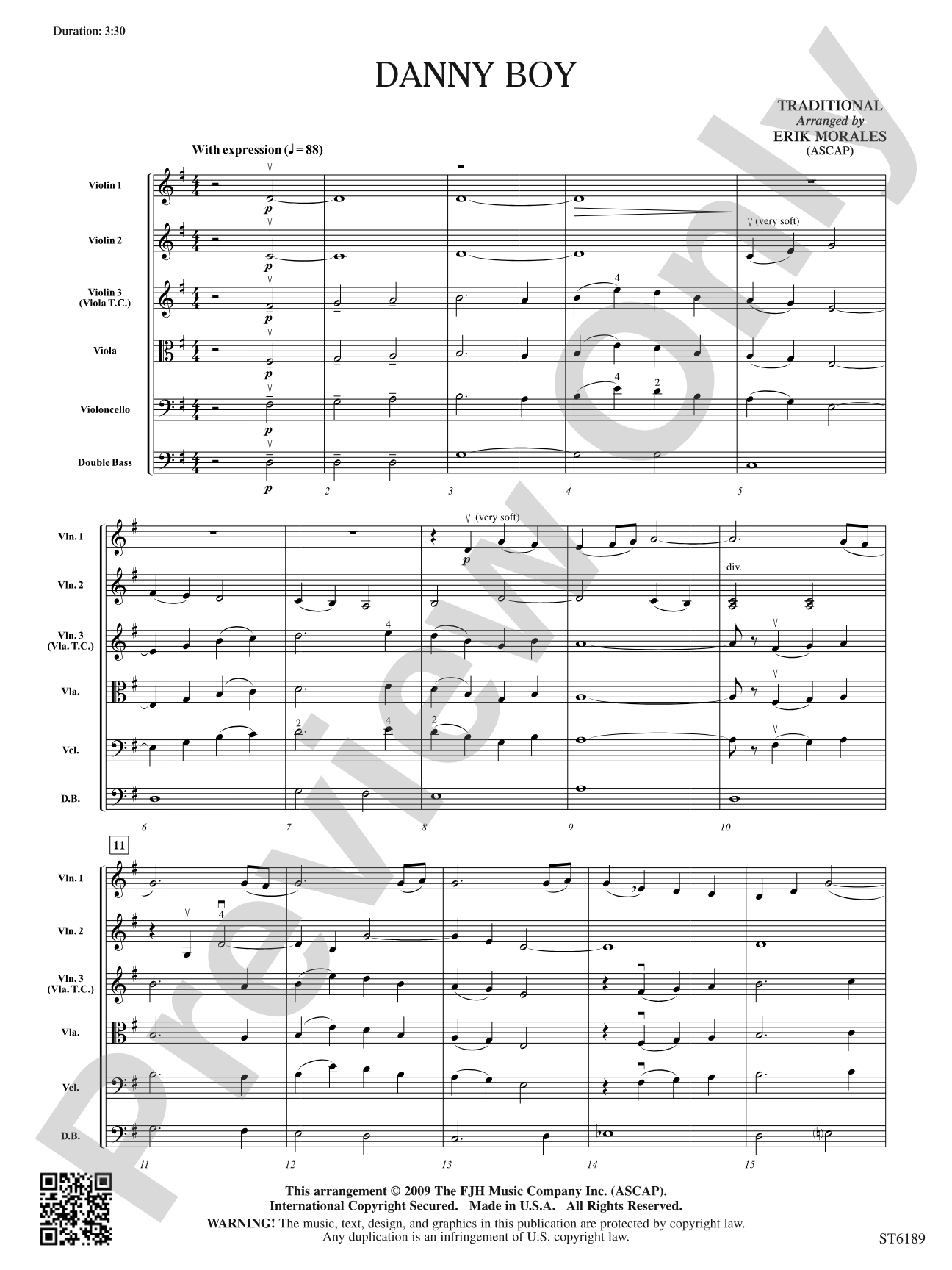
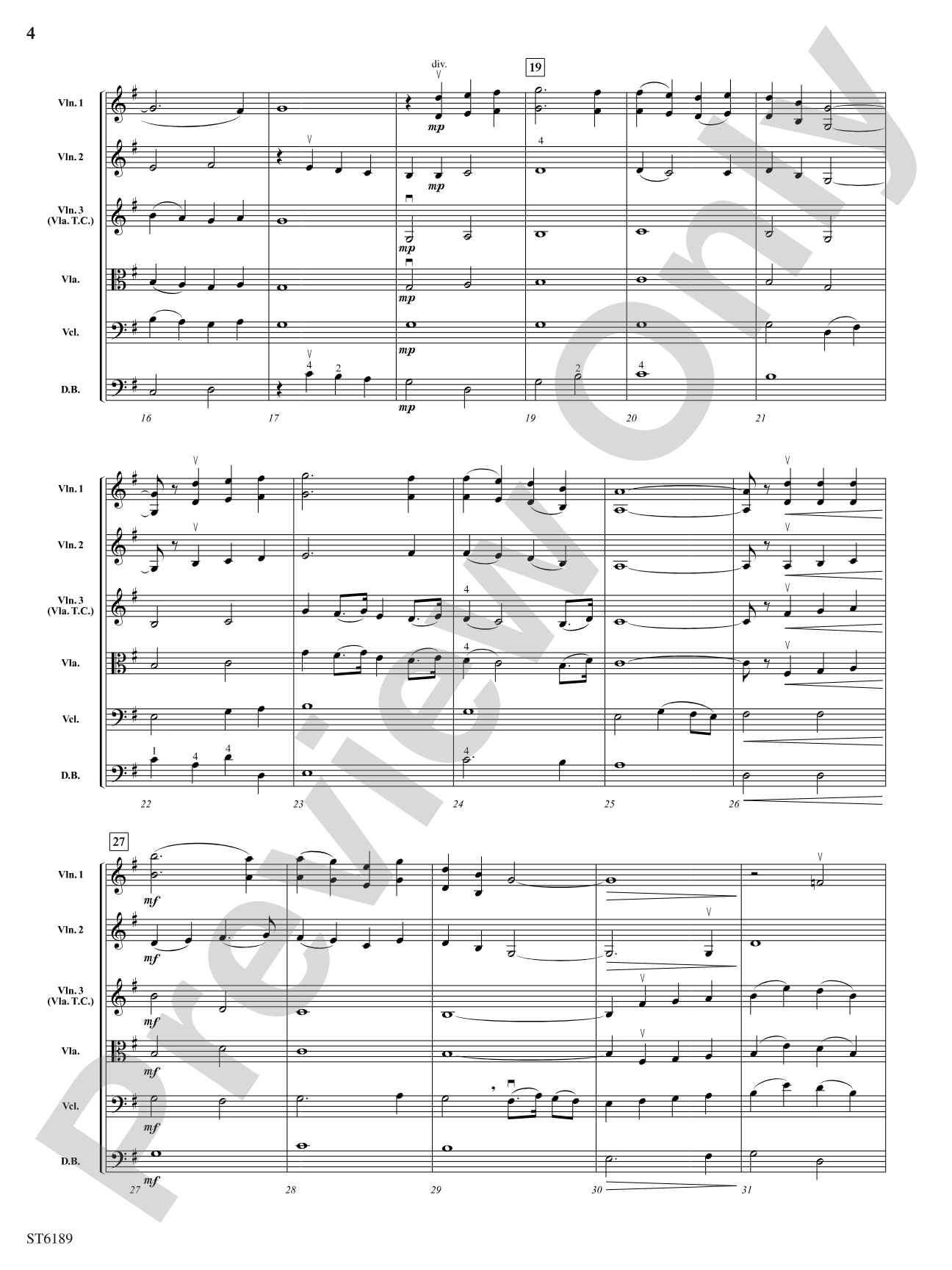

Danny Boy: Score
Arranged by Erik Morales
Grade: 3
Item: 98-DST6189S
$5.00
Pickup currently not available
Description
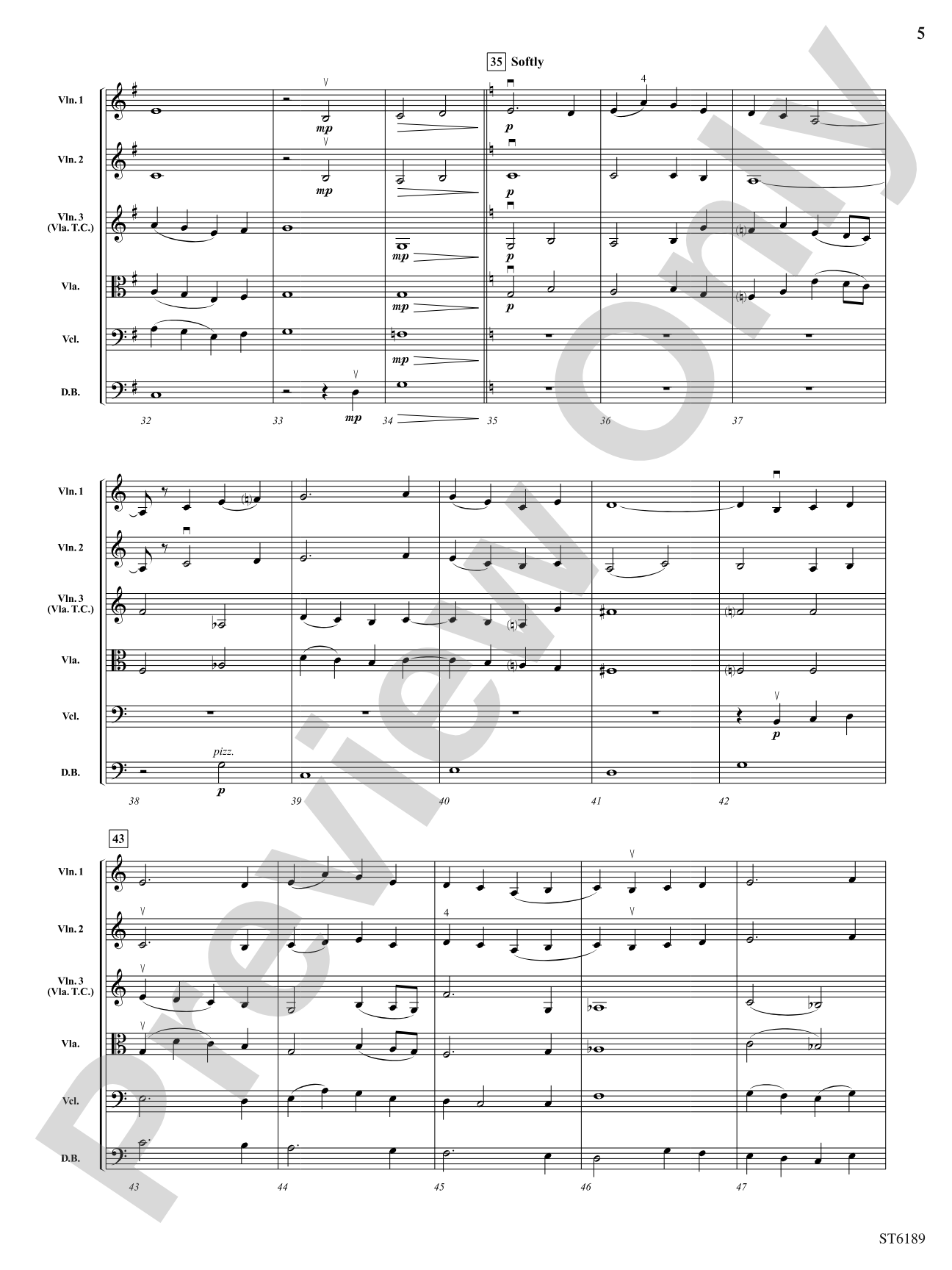
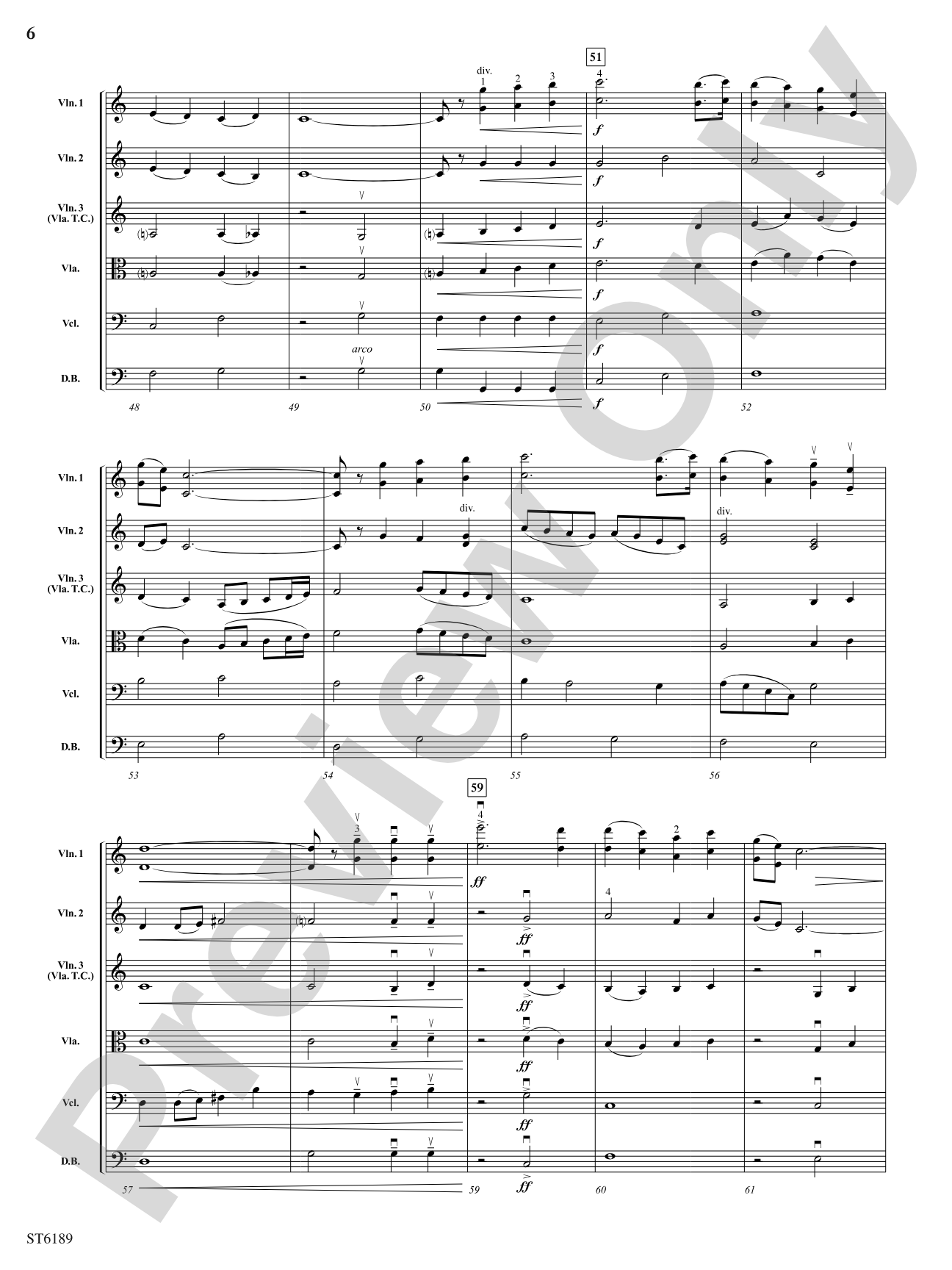
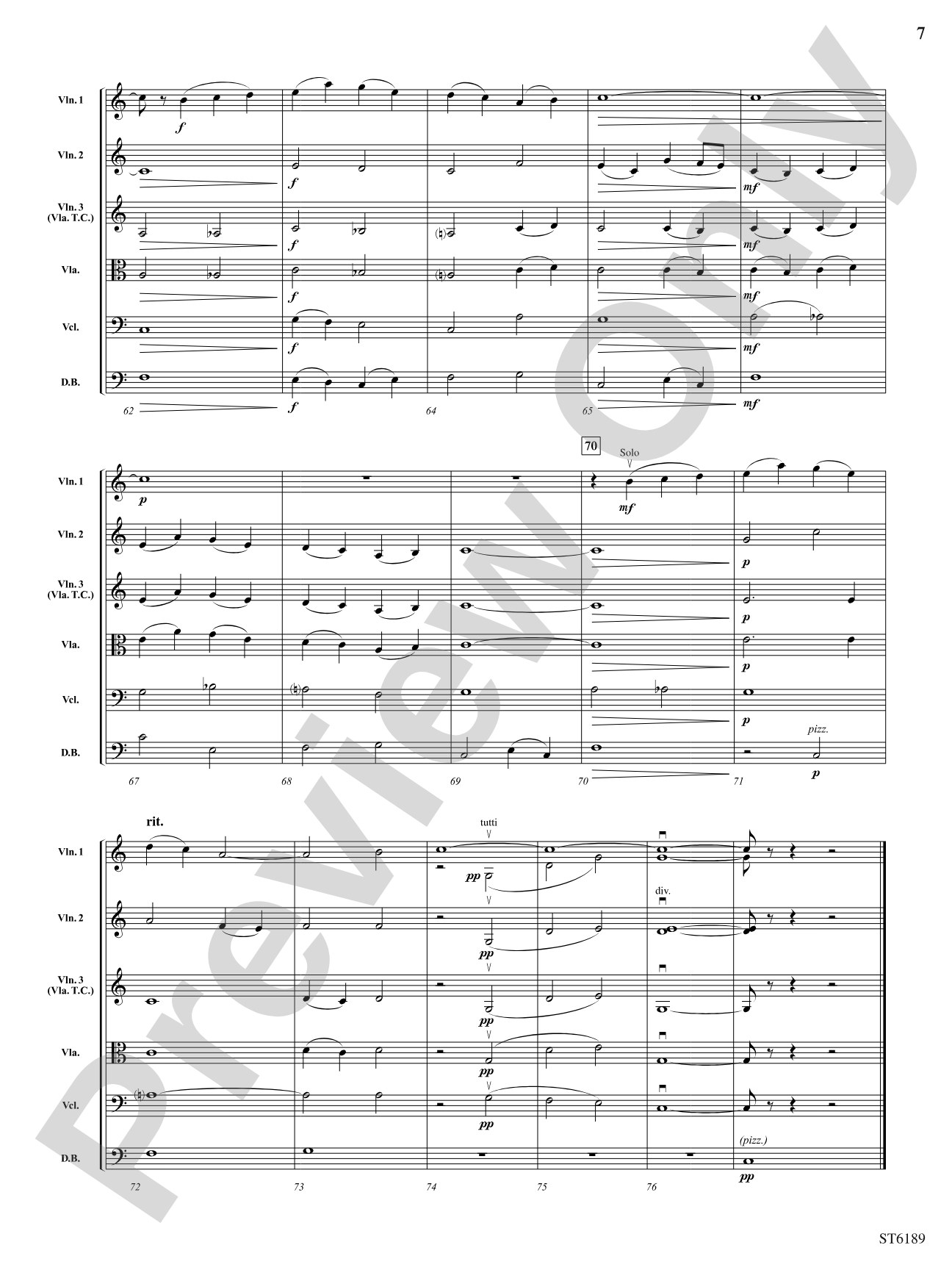
The magical setting of this cherished melody combines exquisite orchestration with dramatic harmonies. At times, the arrangement is quite plaintive sounding, which is balanced with more contemporary harmonies and powerful countermelodies. Endless opportunities for music making abound, and there certainly will not be a dry eye in the house when the group plays the final chord after a haunting violin solo. Inspirational!


Danny Boy: Score isn't in MakeMusic Cloud just yet...but it could be. Let us know you'd like to see it, and you'll help shape what comes next. In the meantime, start a free trial and dive into thousands of interactive titles your students can play along with today.
Request This Title
Tell us you want it.
Start Your Free Trial
Explore everything that's ready to play right now.
Sample Audio
1
Audio File
--:--
0:00
0:00
Sample Video
No sample videos found.
Additional Details
Series:
FJH String Orchestra
Publisher:
The FJH Music Company, Inc.
SKU:
98-DST6189S
More about this title
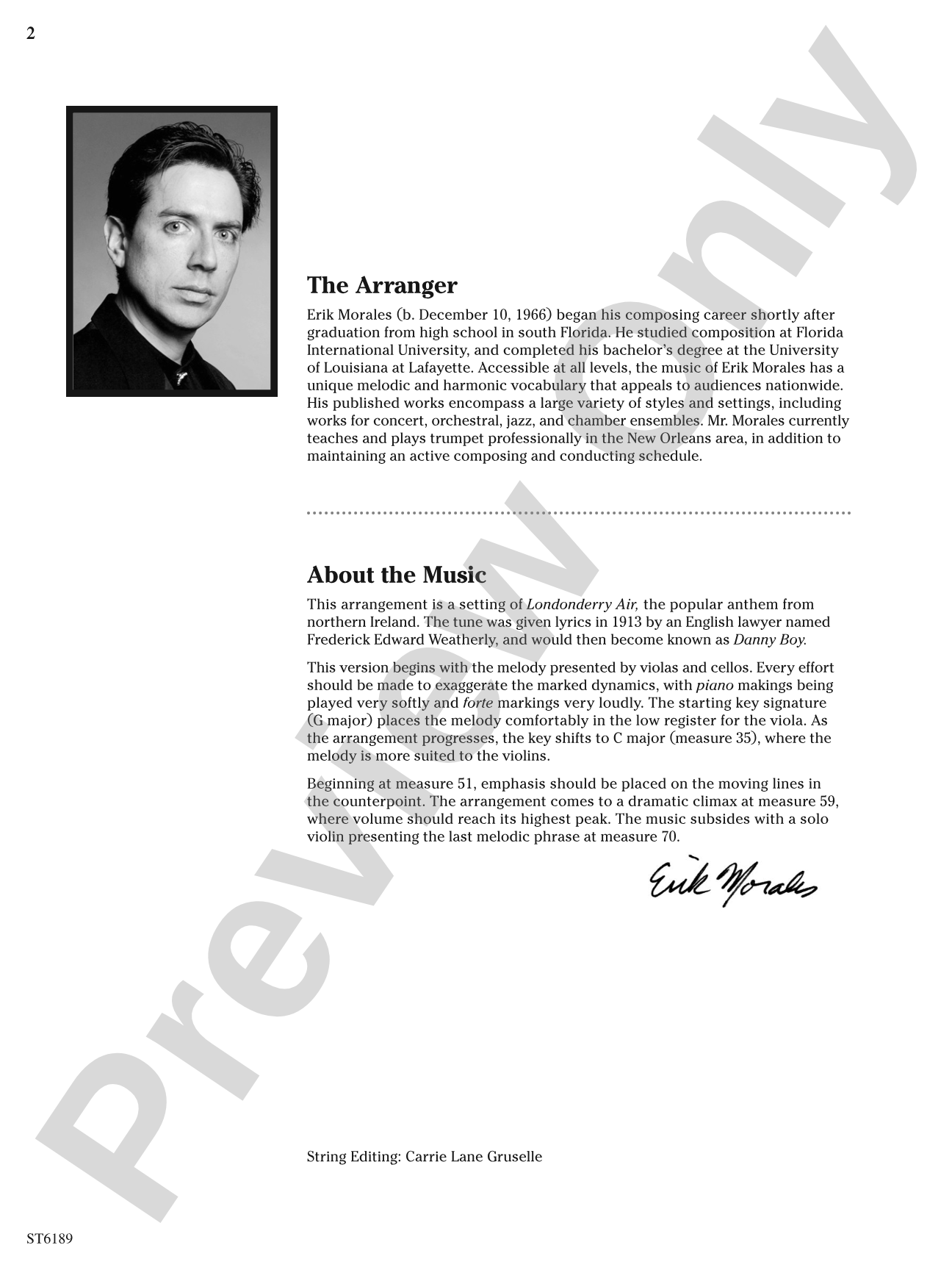
About the Arranger: Erik Morales

Erik Morales has built a prolific composing and arranging career spanning four decades, with over 150 published works across classical, jazz, chamber, and educational genres. Born in New York City in 1966, he studied composition at Florida International University and earned his bachelor's degree from the University of Louisiana, Lafayette in 1989. His arranging work began in 1985 when his high school band director invited him to create music for the marching ensemble, a collaboration that launched his entry into educational music publishing.
Moreover, Morales has earned recognition for his distinctive voice in orchestral and wind writing. His trumpet ensemble compositions have won first place awards at the National Trumpet Competitions, and his concert works have been premiered at major national conferences. Schools and organizations across the country commission his arrangements regularly, and in 2016, he was inducted into the Louisiana Association for Jazz Education's Hall of Fame. His work consistently balances artistic integrity with pedagogical accessibility, a philosophy evident in every score he creates.
Why we love this
Morales respects the melody while refusing to settle for a straightforward setting. The arrangement layers contemporary harmonic language beneath the familiar tune, creating emotional weight without overwhelming a Grade 3 ensemble. Directors will appreciate how the orchestration builds dramatically toward that described haunting violin solo, giving every section meaningful material and a real dramatic arc to execute.
What to expect
The melody emerges from hushed, tender writing before the harmonies deepen and shift into contemporary territory. There is genuine drama here, built on the foundation of one of the world's most beloved melodies, with moments of raw vulnerability followed by fuller, more intense orchestration. The final violin solo lingers like a memory, leaving audiences moved and reflective.
Who it's for
String orchestras at the Grade 3 level seeking a piece with emotional depth and programmatic appeal. This arrangement works equally well for festival performances, concert programs, or competitions where adjudicators respond to mature musical choices made by younger musicians.
How to get the most out of it
- Balance the violin solo passage by shaping the accompaniment with restraint; the countermelodies should enhance rather than compete with the soloists carrying the main line.
- Shape the phrases through dynamic shading and vibrato control in the upper strings, allowing the plaintive moments to breathe before the contemporary harmonies create tension.
- Rehearse the parts separately to ensure intonation is secure during the more dissonant harmonic passages, then add them layer by layer to hear how they interact.
- Use the final chord as a focal point for rehearsal; lock in the attacks and sustain through the cut with complete ensemble awareness.
How to use it
Program this as a standalone concert piece or as a poignant closing number to a concert that includes lighter works earlier in the set. It also serves well in festival settings where the combination of accessibility and artistic maturity appeals to both judges and audiences. The emotional power makes it particularly effective as a season or semester finale.
Skills your students will build
- Sustaining long phrases with consistent tone and intonation across the full ensemble
- Balancing melodic and harmonic roles within a section
- Reading and executing contemporary harmonic language
- Responding to conductors' expressive gestures to shape dynamics and rubato
- Executing clean attacks and releases as an ensemble unit
- Creating contrast between plainspoken and densely harmonized sections