
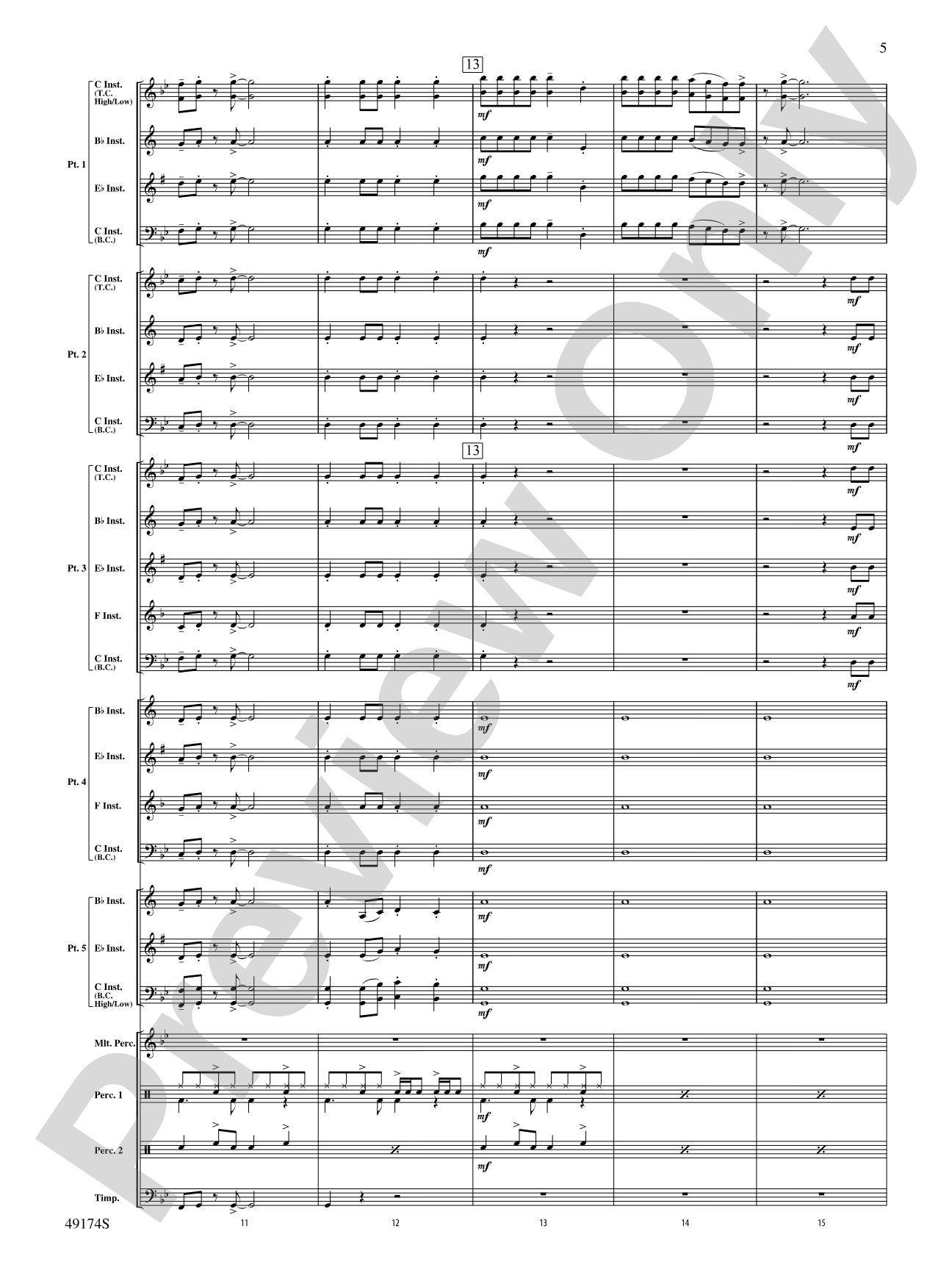
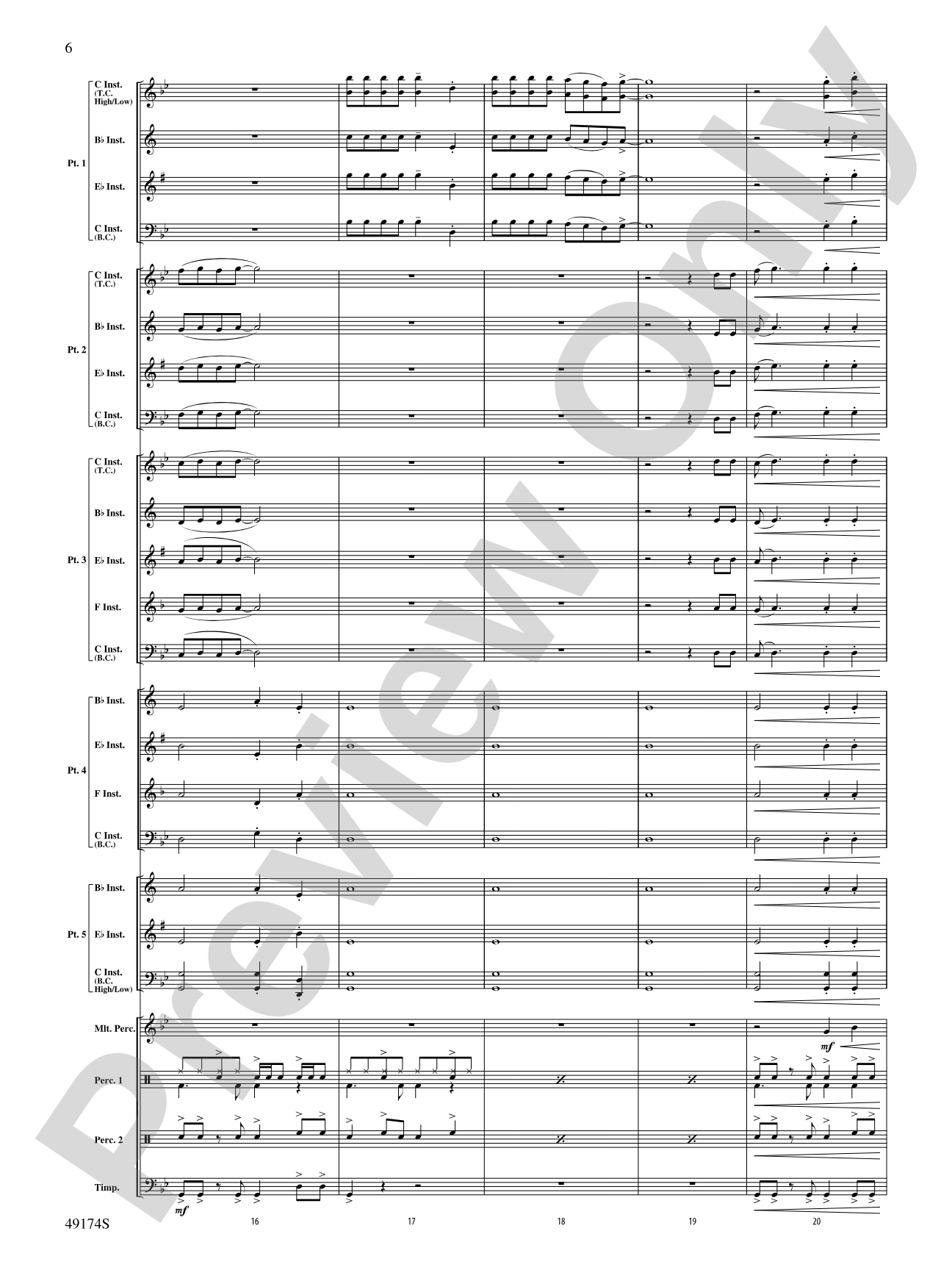
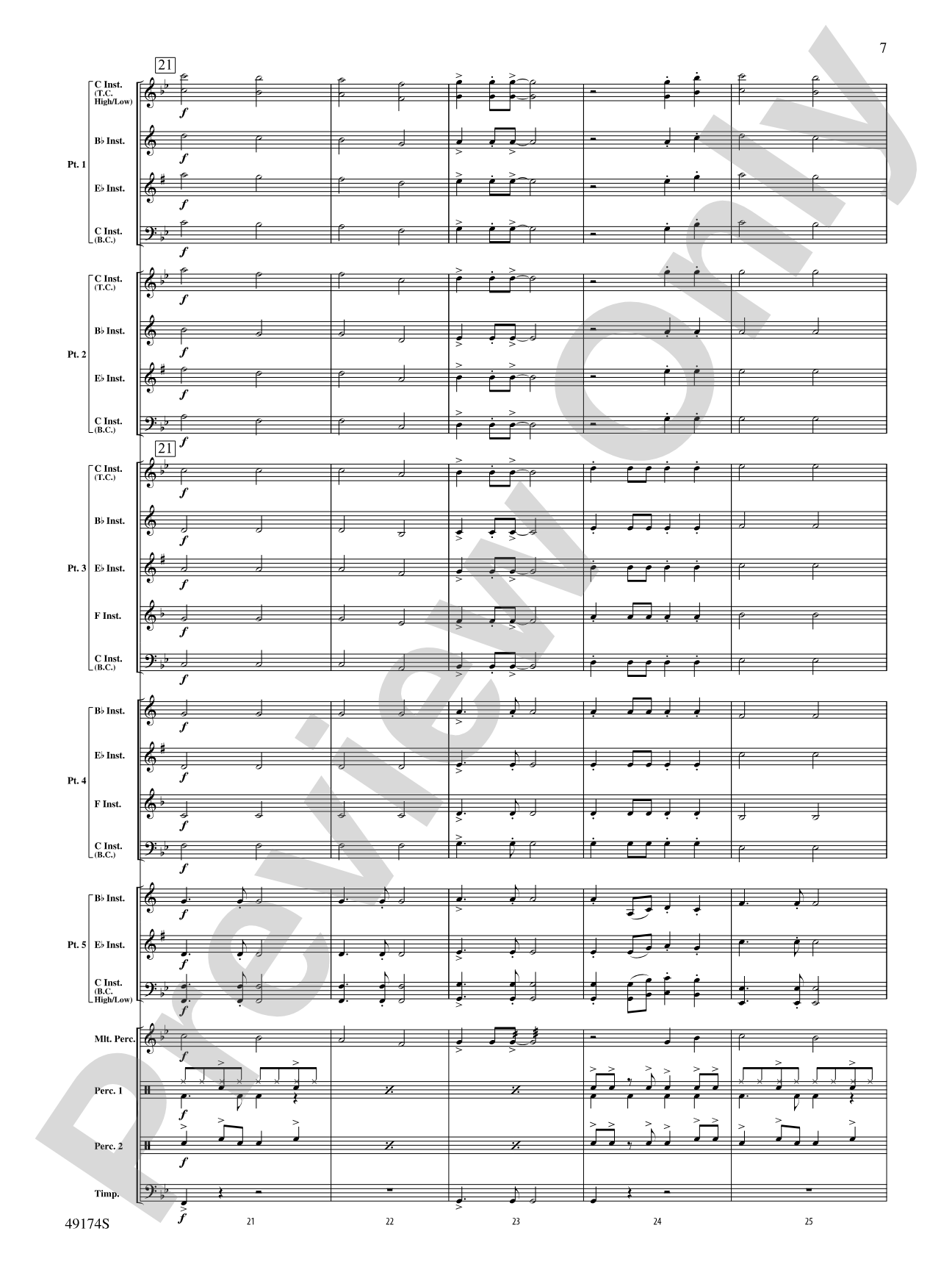
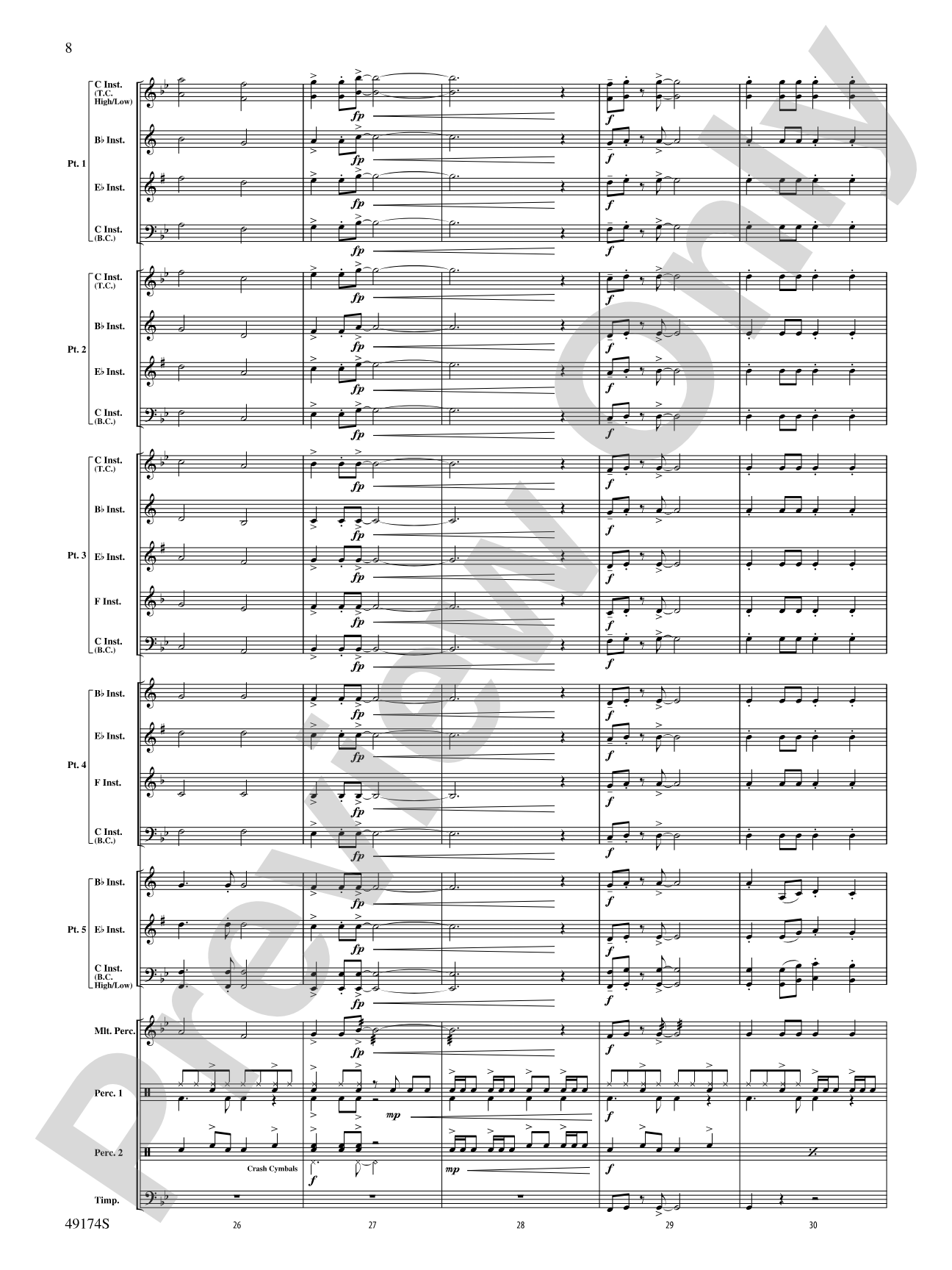
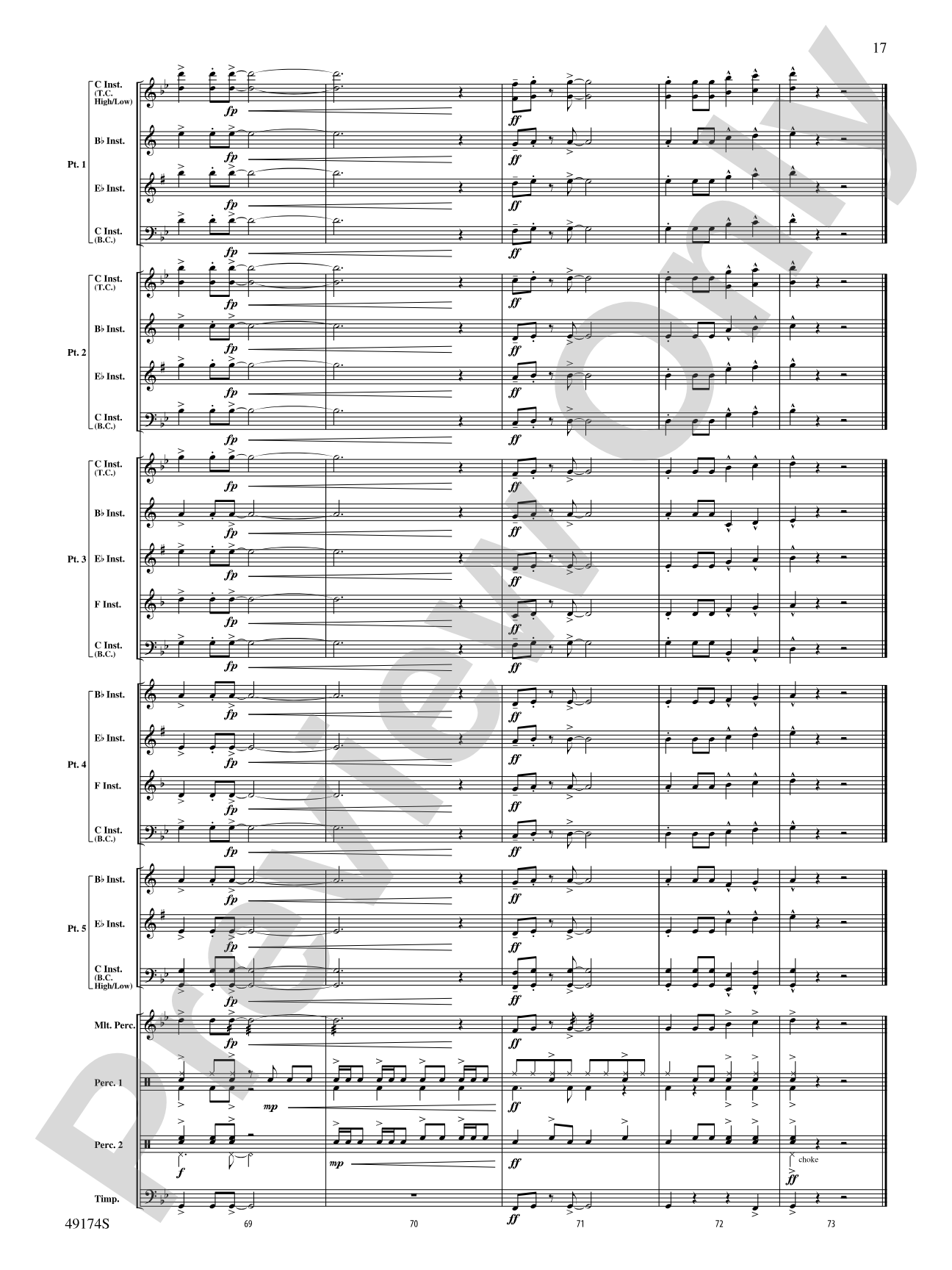

Danger Zone: Flexible Band/String Ensemble Score & Parts
From Top Gun
Words and music by Giorgio Moroder and Tom Whitlock / arr. Michael Story
Grade: 2 (Easy)
Item: 00-PK-0008211

$70.00
One moment…
Description
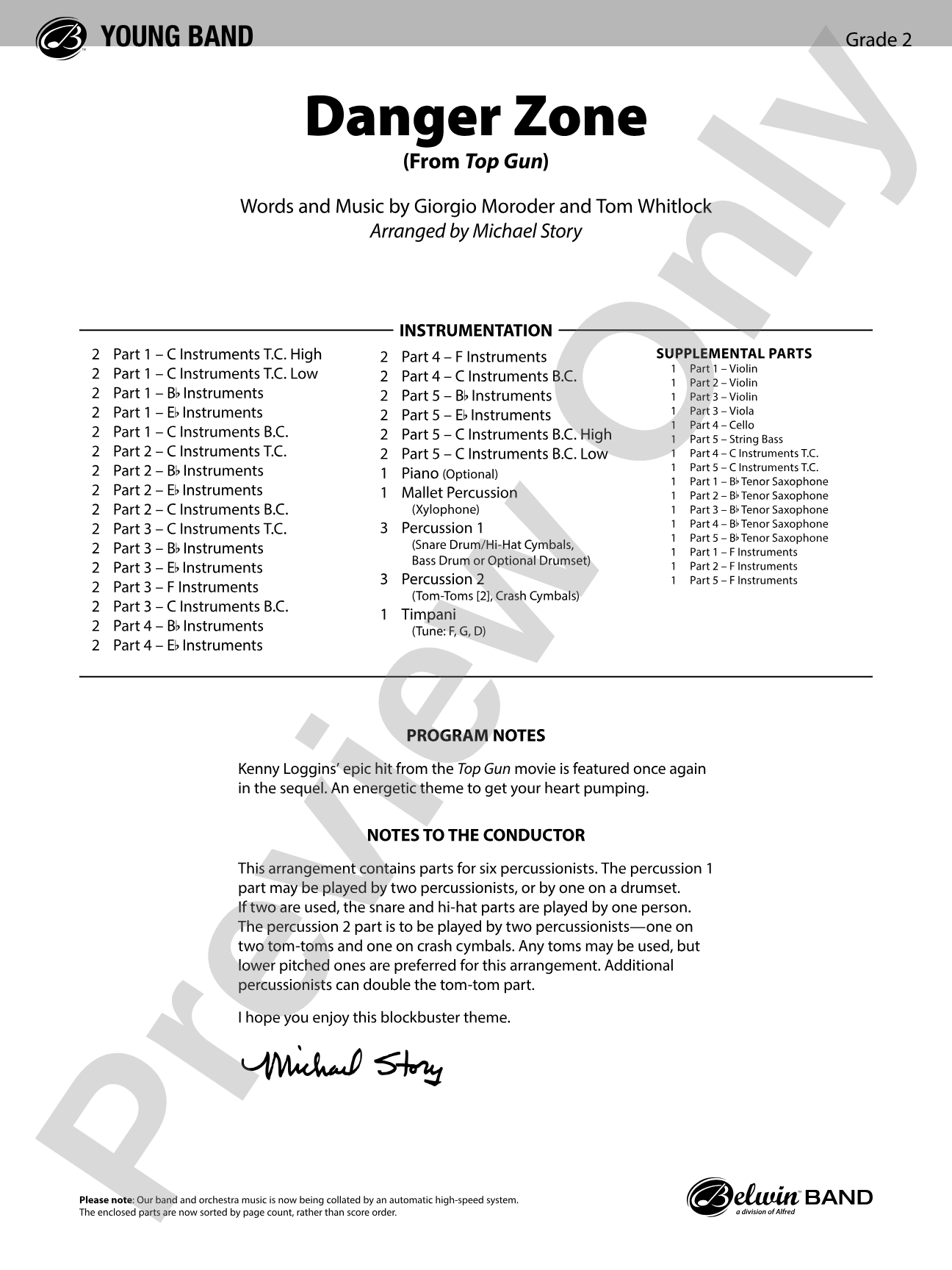
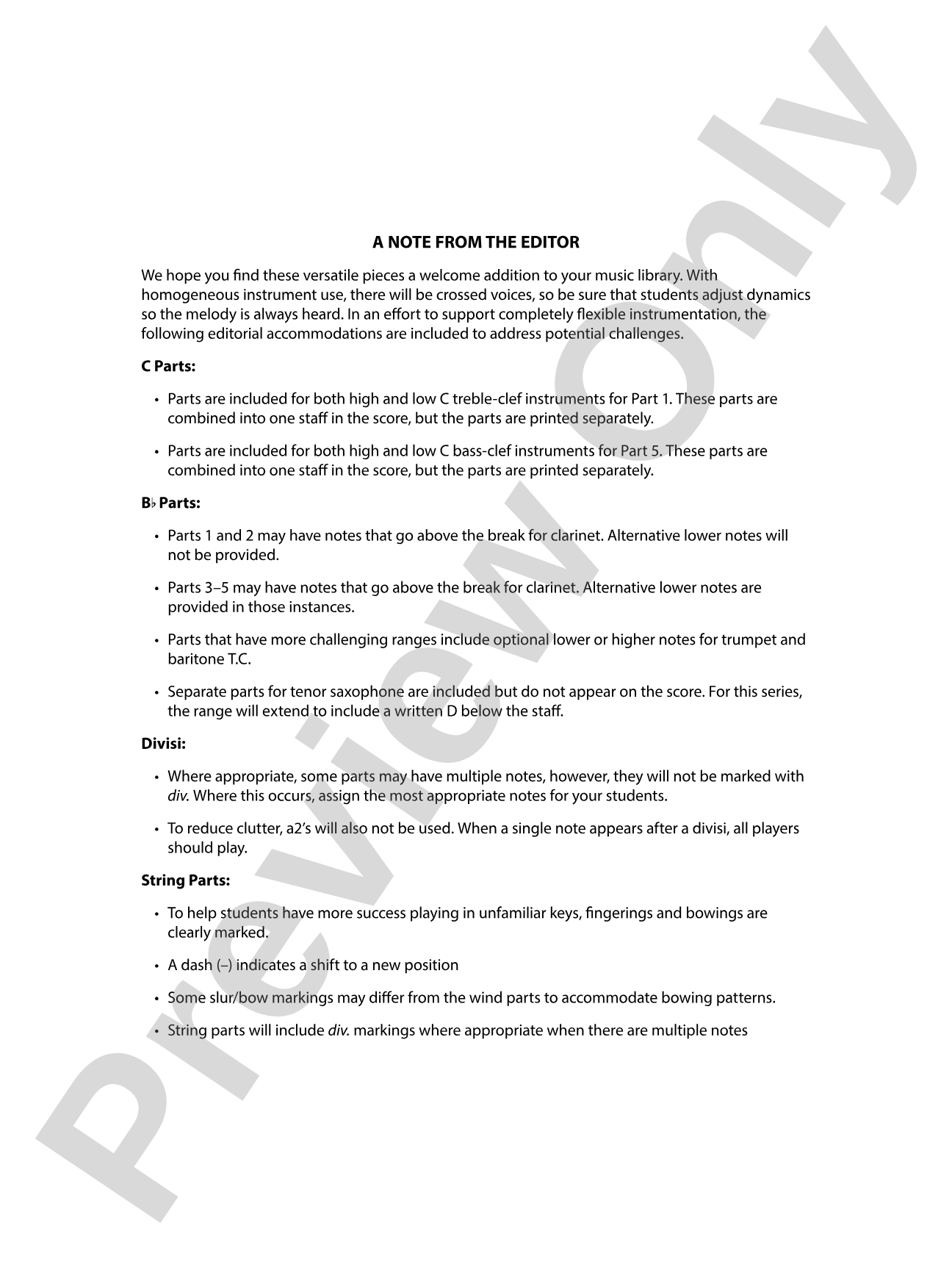
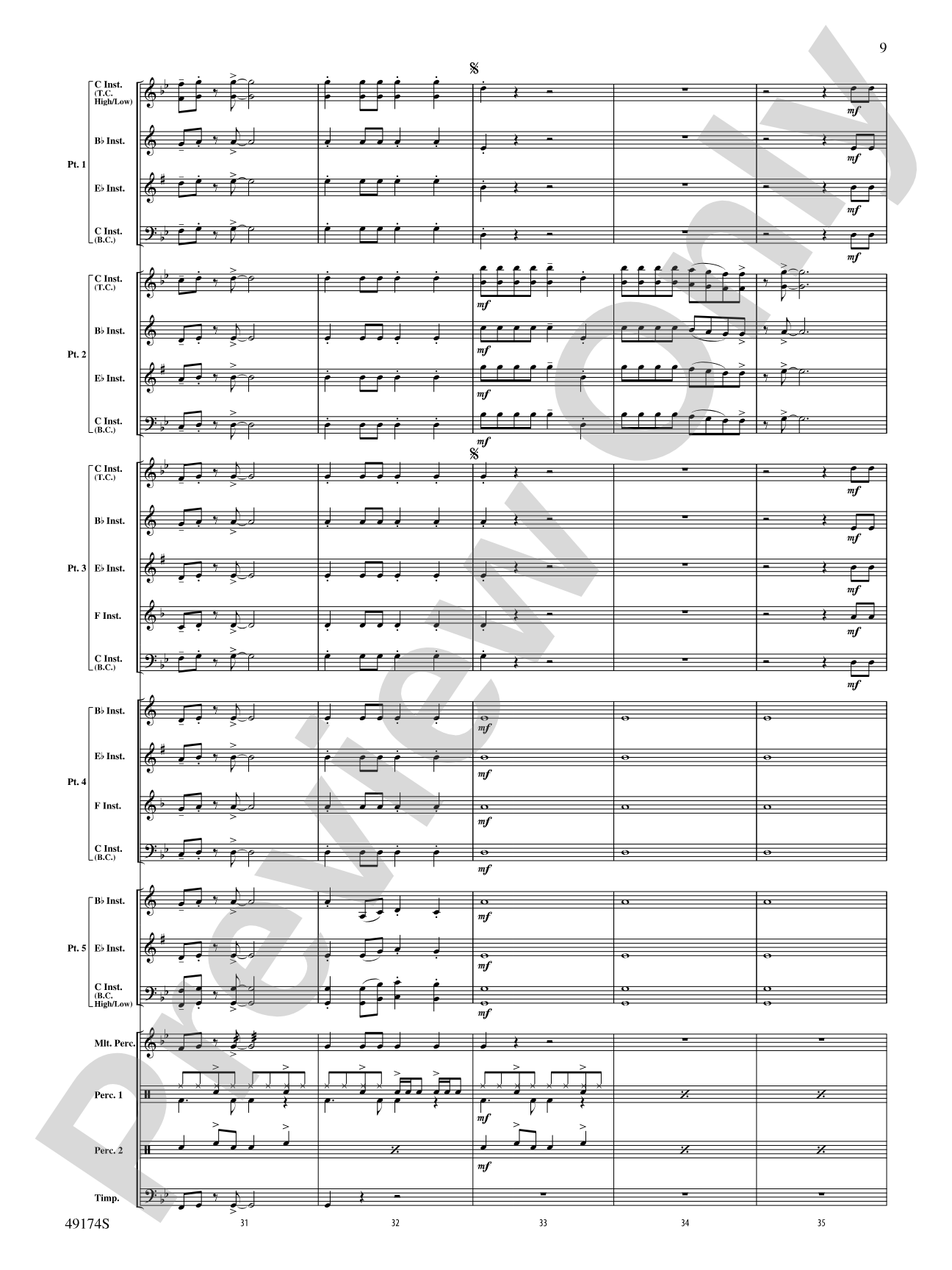
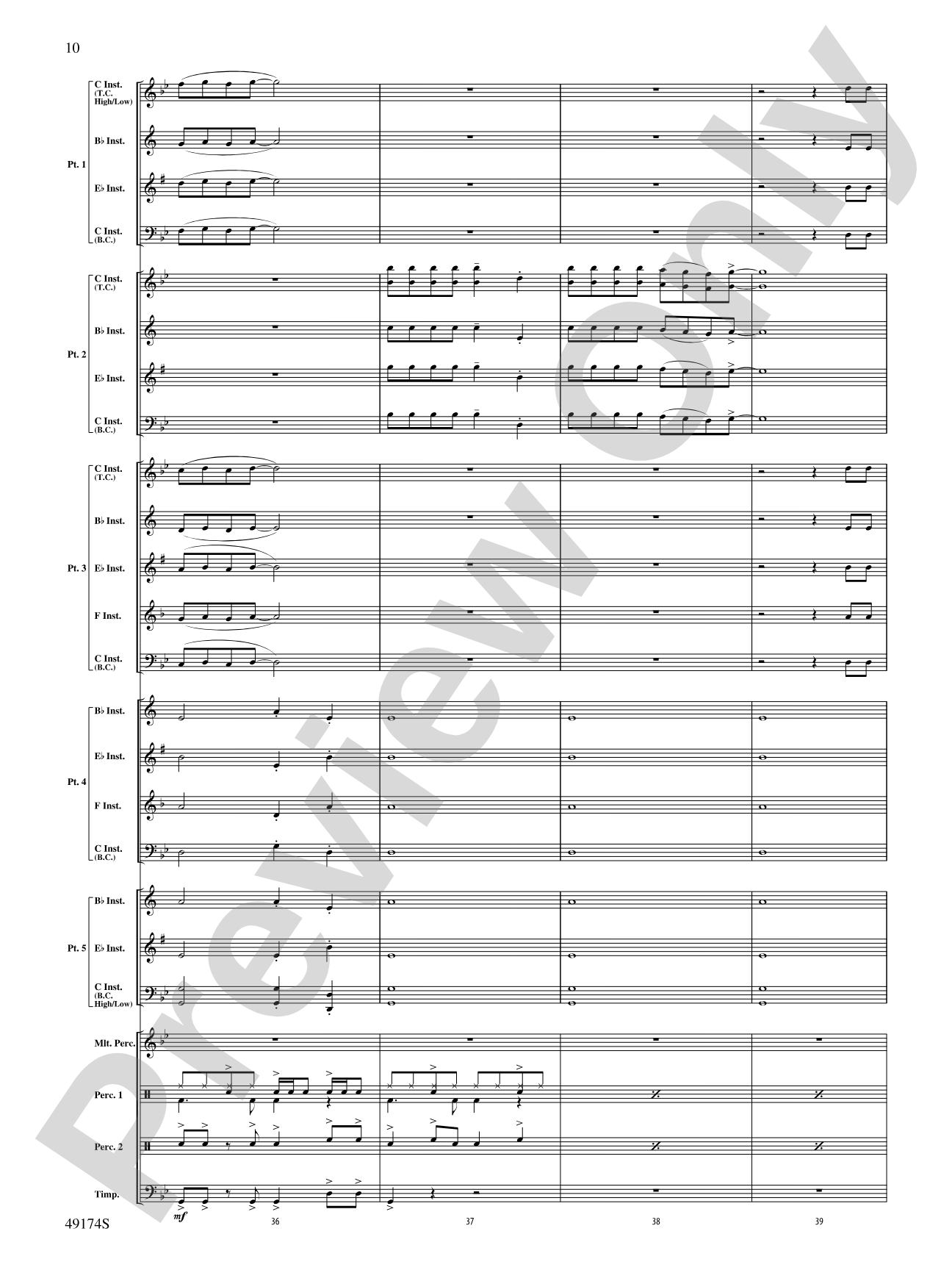
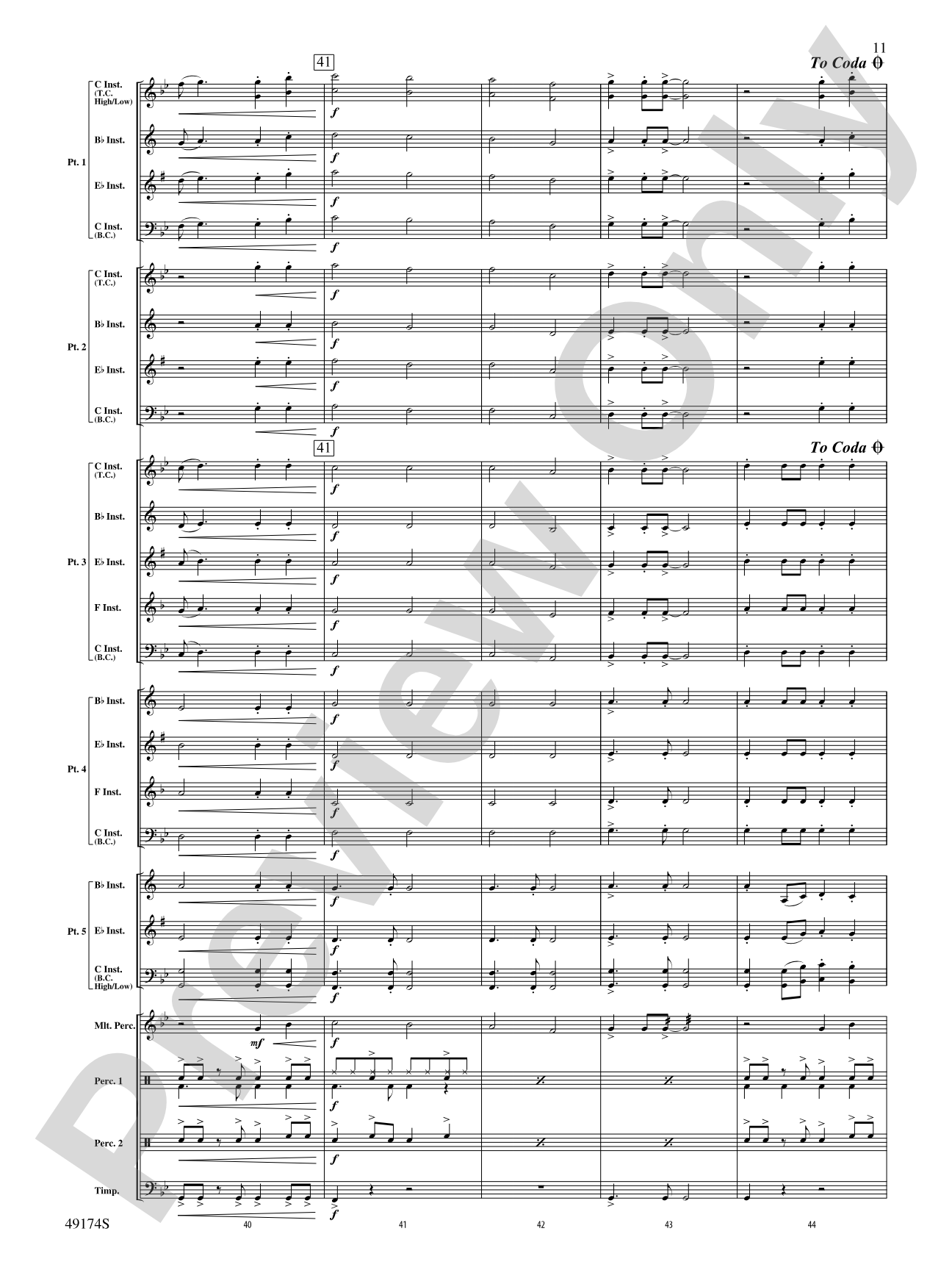
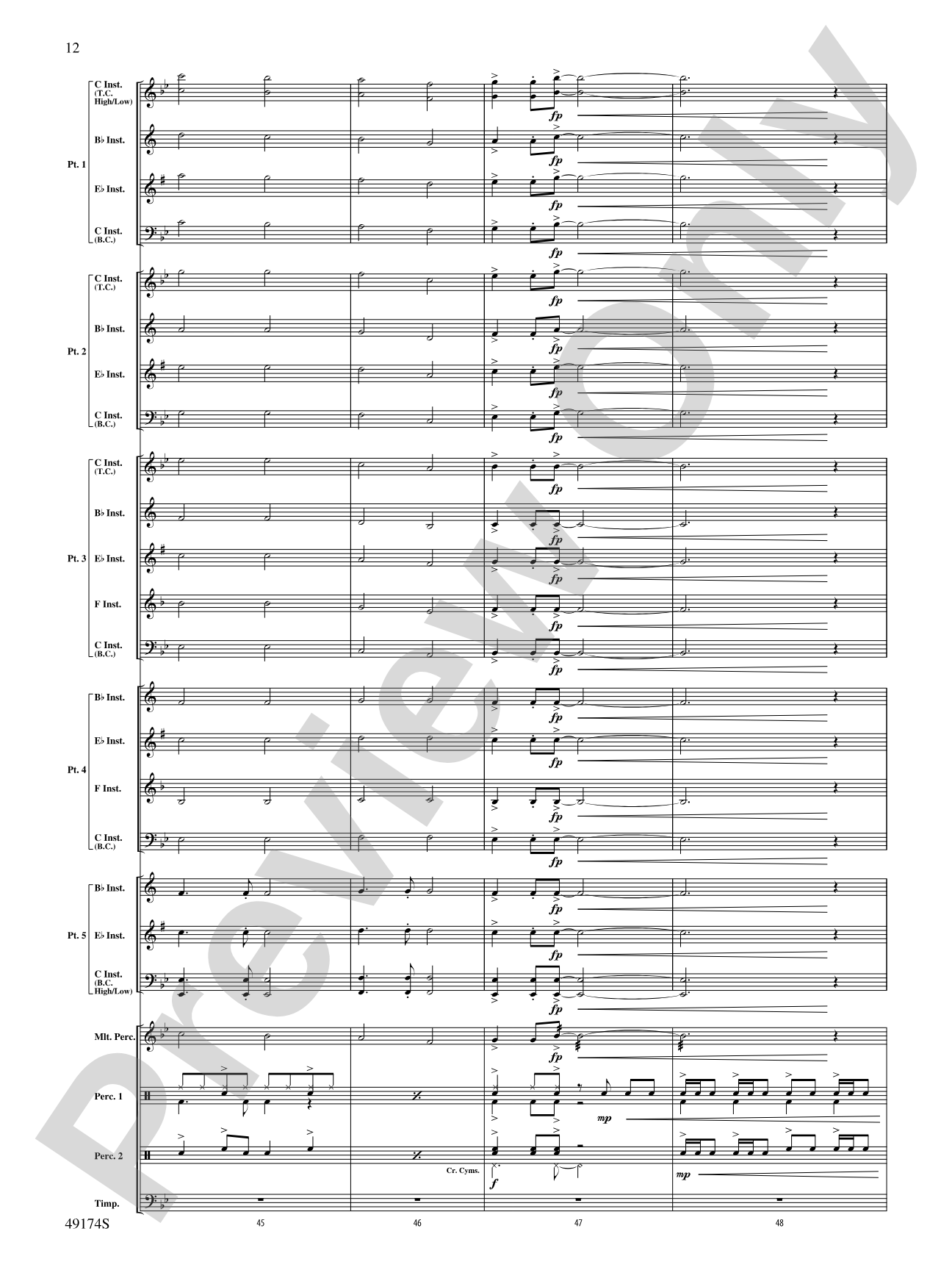
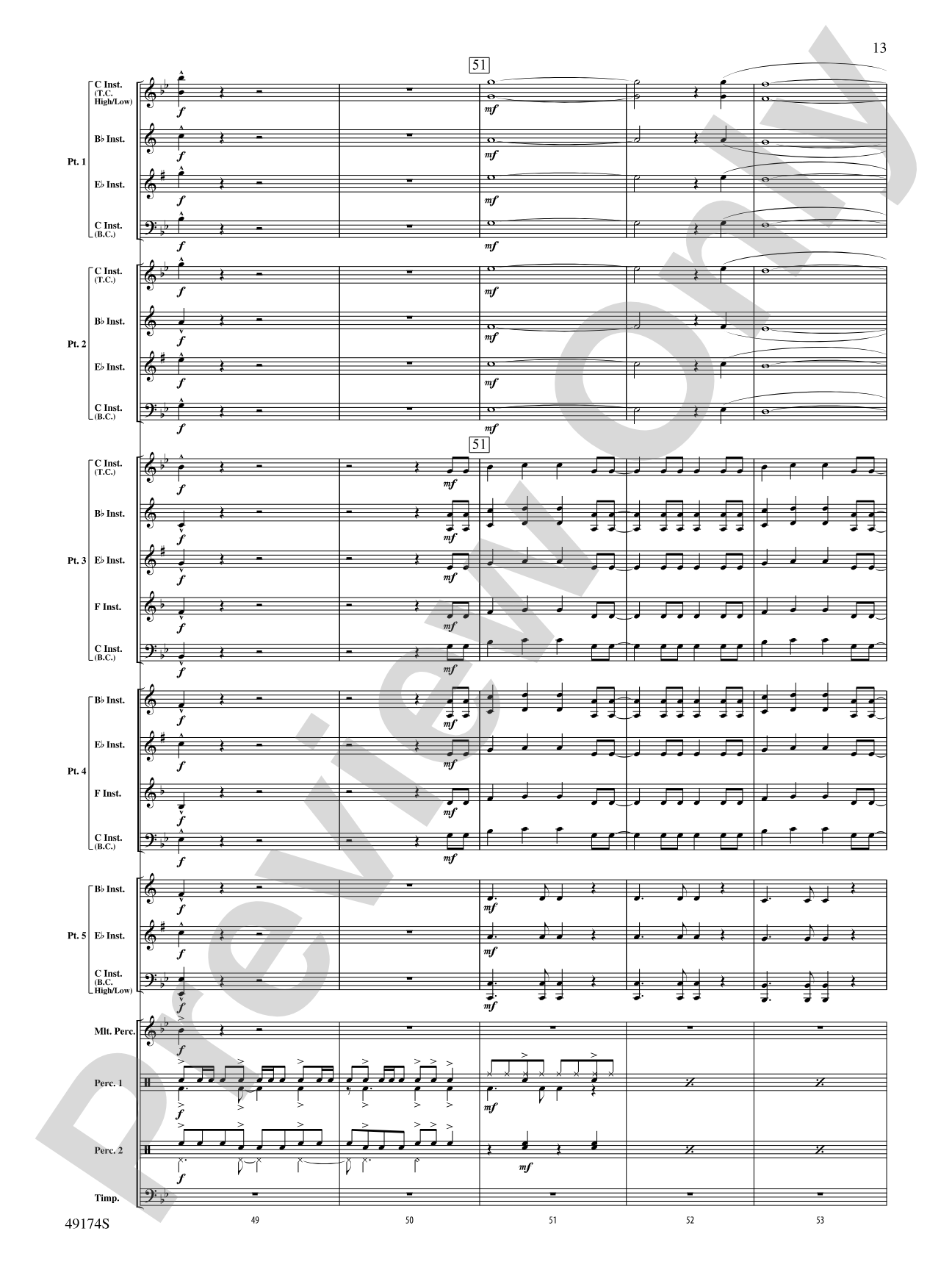
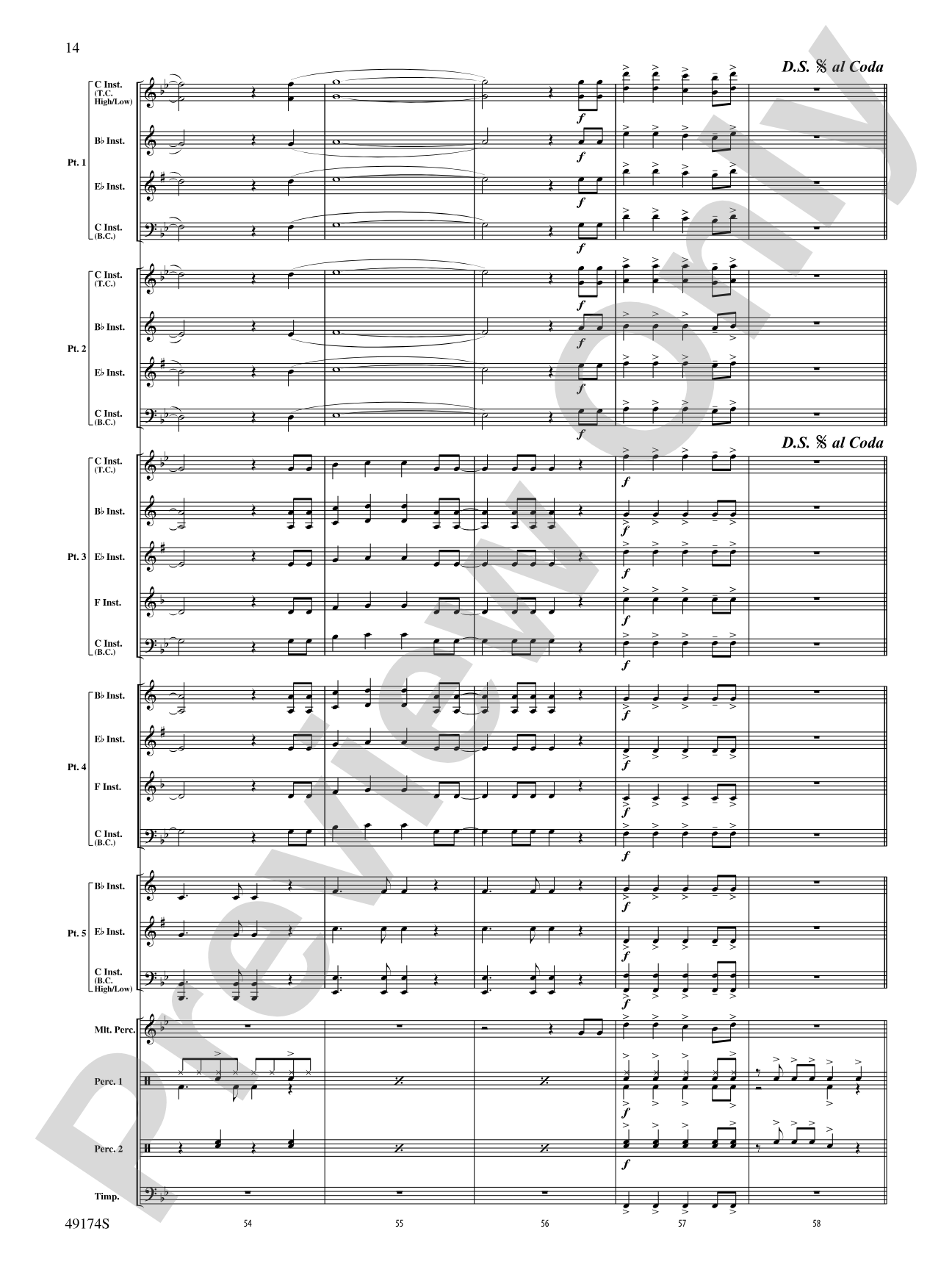
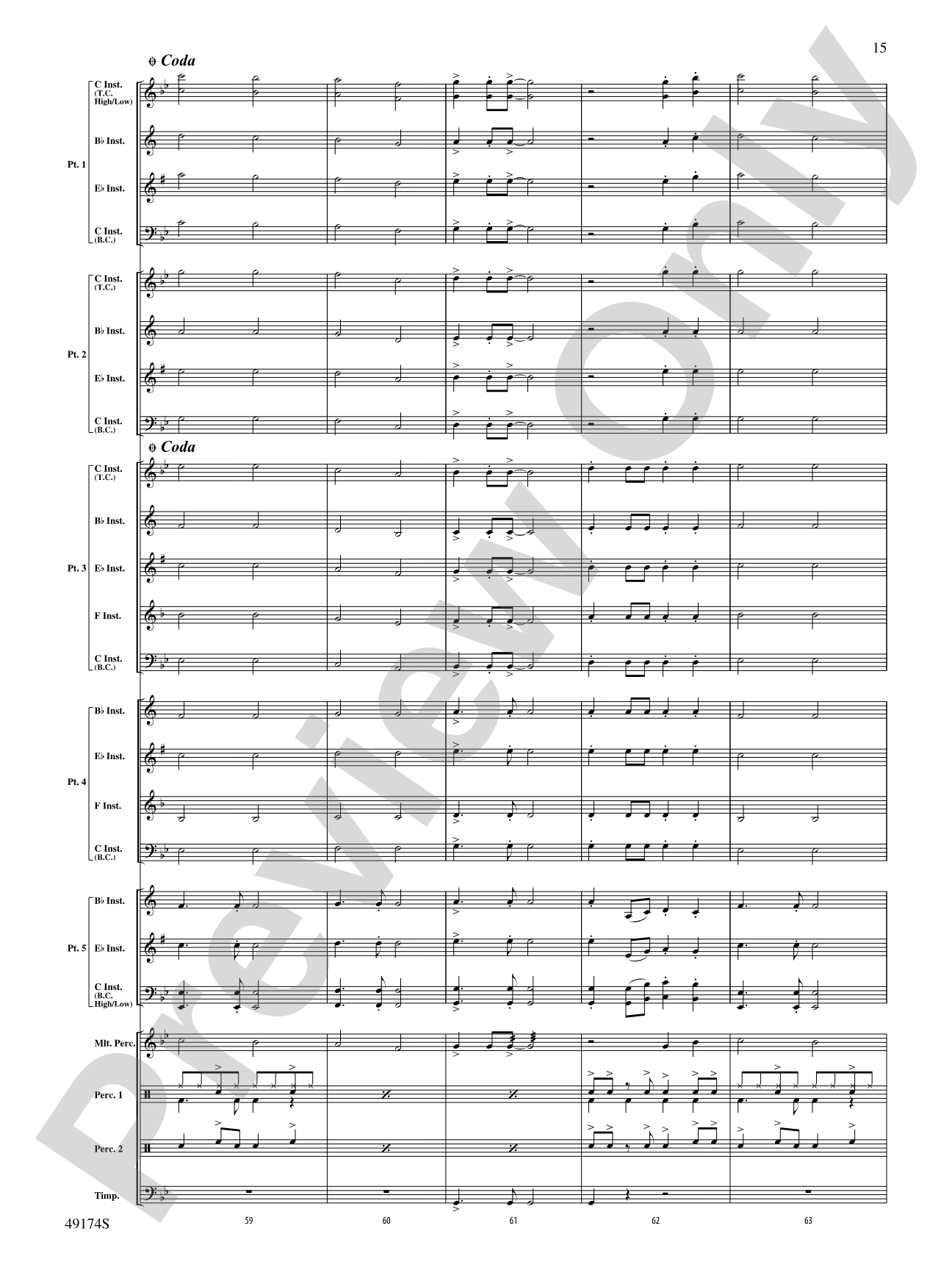
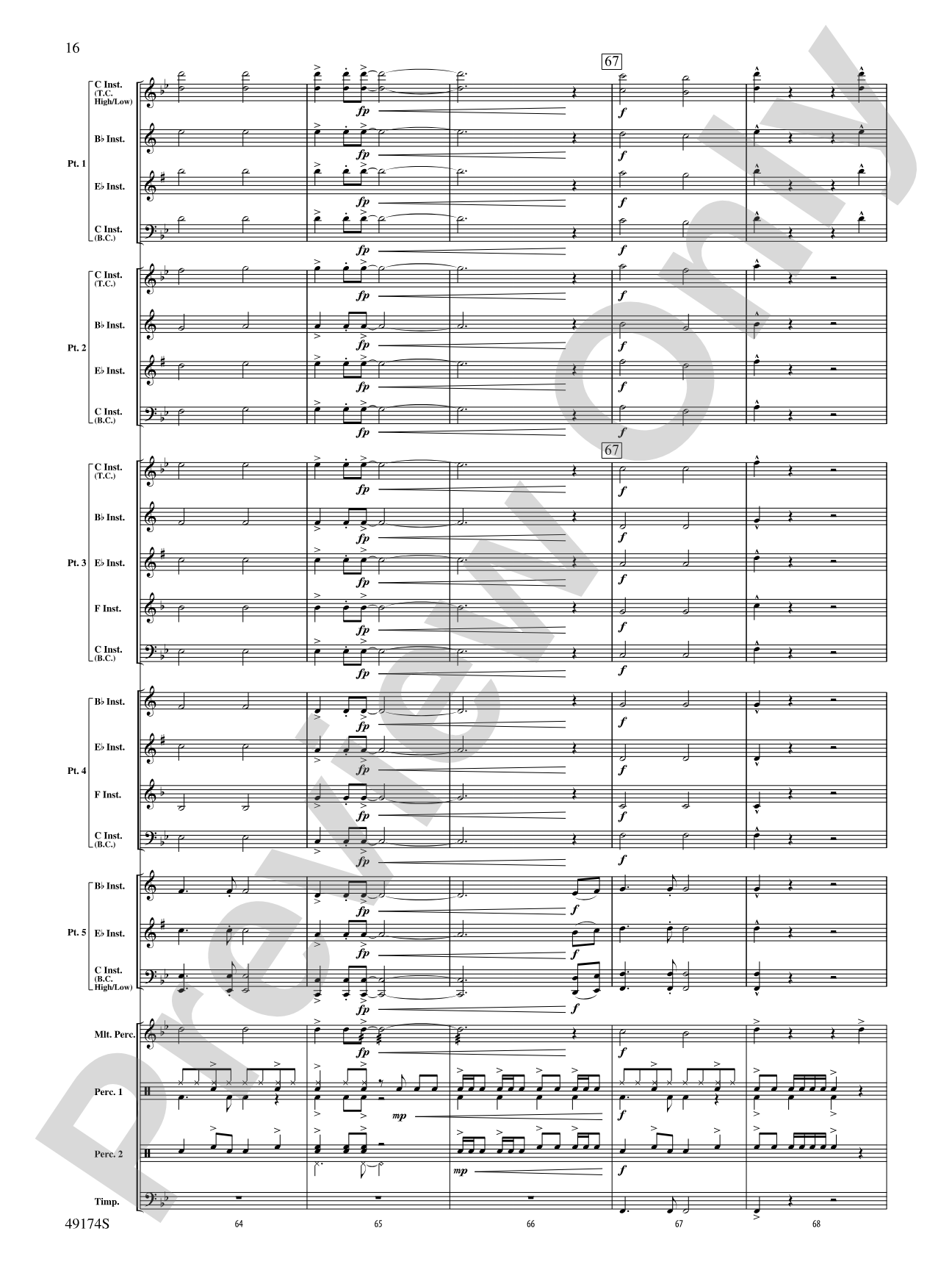
This version of Danger Zone arranged by Michael Story is part of our Belwin FLEX offerings and is designed with maximum flexibility for use by any mix of instruments---wind, strings, and percussion, including like- or mixed-ensembles with as few as 5 players. The suggested instrumentation and a customizable Teacher Map will help you plan out how to best assign parts to suit your ensemble's needs. It also comes with supplemental parts for maximum flexibility. With the purchase of this piece, permission is granted to photocopy the parts as needed for your ensemble. A percussion accompaniment track is also available as a free download. String parts have been carefully edited with extra fingerings and appropriate bowings to support students in mixed ensembles playing in less familiar keys.
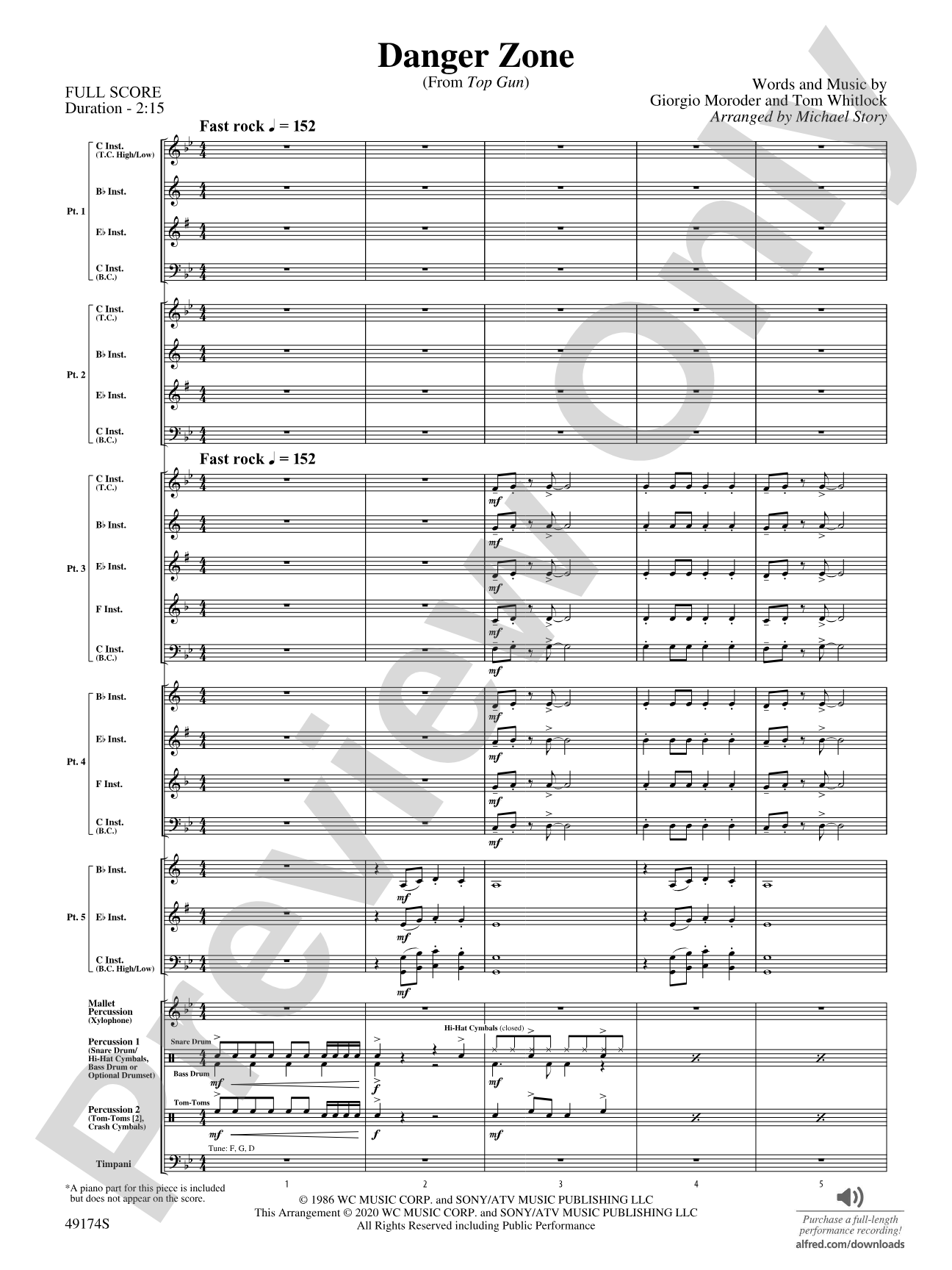
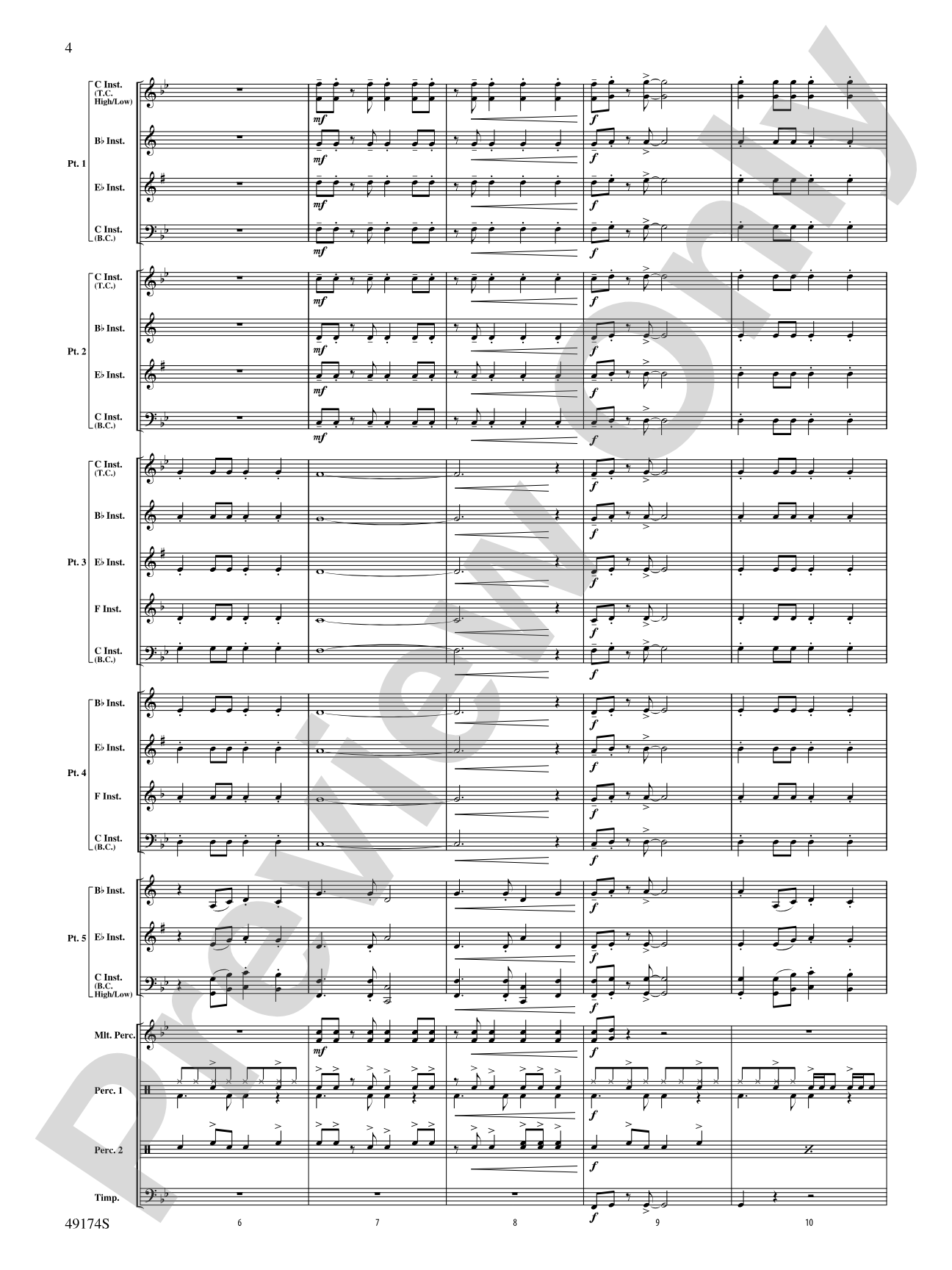
This arrangement of Kenny Loggins' rock hit is from the movie Top Gun. The familiar driving bass line is the foundation for this energetic box office favorite. Soaring aerobatic ecstasy! (2:15)
Percussion Accompaniment Track Downloads:
with click.
without click.


This arrangement of Kenny Loggins' rock hit is from the movie Top Gun. The familiar driving bass line is the foundation for this energetic box office favorite. Soaring aerobatic ecstasy! (2:15)
Percussion Accompaniment Track Downloads:
with click.
without click.
Don't just read it, hear it, play along with it, and watch your students grow with it. In MakeMusic Cloud, Danger Zone: Flexible Band/String Ensemble Score & Parts comes alive with professional accompaniment, adjustable tempo, and built-in practice tools that turn solo practice into real progress.
Open in the Player
Jump straight in and assign it today.
Start Your Free Trial
Open this title and explore the full library in minutes.
Sample Audio
No sample audio found.
Sample Video
Additional Details
Series:
Pop Young Band
Publisher:
Alfred Music
Page Count:
156
SKU:
00-PK-0008211
More about this title
About the Composer: Giorgio Moroder
Giorgio Moroder is an Italian composer and music producer who shaped the sound of 1970s and 1980s pop and film music. His work on the Top Gun soundtrack, including "Danger Zone," became iconic examples of high-energy film scoring that paired synthesizers with traditional orchestration to capture action and momentum.
Moreover, Moroder's influence on music education extends through his film work: his compositions have become teaching staples because they balance accessibility with genuine musicality. Directors and arrangers continually adapt his work for student ensembles because the melodic and rhythmic foundations remain strong even when simplified.
Why we love this
Michael Story's arrangement captures the relentless energy of the original while building in enough flexibility that you can actually perform this with the exact instrumentation you have on any given day. The driving bass line is immediately recognizable, giving students a song they already know and want to play, which matters far more than it sounds. At Grade 2, this delivers genuine excitement without requiring virtuosos.
What to expect
Kinetic and propulsive. The piece locks into a steady, driving pulse beneath soaring melodic lines that suggest flight and momentum. It's the sound of takeoff: controlled, exhilarating, built on layers of rhythm rather than harmonic complexity.
Who it's for
Conductors building flexible ensembles from mixed instrumentation, especially those working with small groups or schools where students play across both wind and string families. This works equally well for concert band, orchestra, or hybrid ensembles at the Grade 2 level who want contemporary repertoire with built-in success.
How to get the most out of it
- Lock the rhythm section (bass, cello, low brass) into that iconic ostinato before layering upper parts; the groove depends on absolute rhythmic precision from those players.
- Let the soaring melody in the upper voices breathe slightly on longer note values; the song earns its power from contrast between the steady pulse and the shaped phrase lines above it.
- The Teacher Map is your planning tool: assign parts based on your students' current reading level and range comfort, not just their instrument type. A strong reader on clarinet might take a trumpet line; don't let instrument conventions override what works for your ensemble.
- Use the percussion accompaniment track (with click) during rehearsals to establish tempo and groove before asking students to internalize the pocket themselves.
How to use it
Program this early in a concert to establish energy and engagement, especially when you're programming repertoire that spans classical and contemporary styles. It also works beautifully as a bridge piece during a mixed wind and string concert, proving to audiences and students alike that flexible ensembles can deliver rock-solid performances of familiar music.
Skills your students will build
- Reading parts independently in context of the full ensemble texture
- Maintaining steady rhythm in an ostinato-based arrangement
- Managing dynamic contrast between melodic and accompaniment roles
- Flexible fingering and bowing choices (strings) in the context of mixed instrumentation
- Following a conductor's interpretation of contemporary popular music