
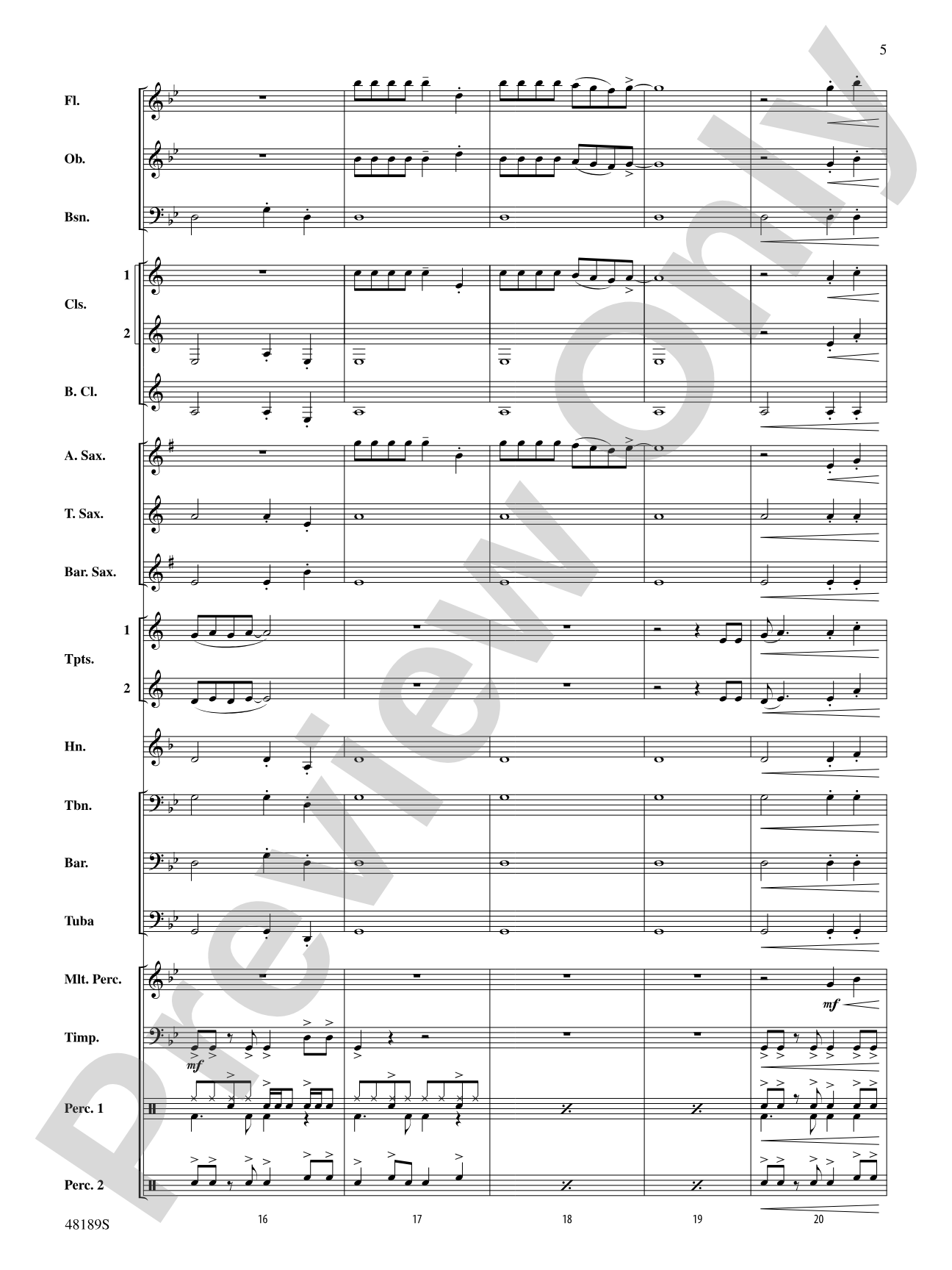
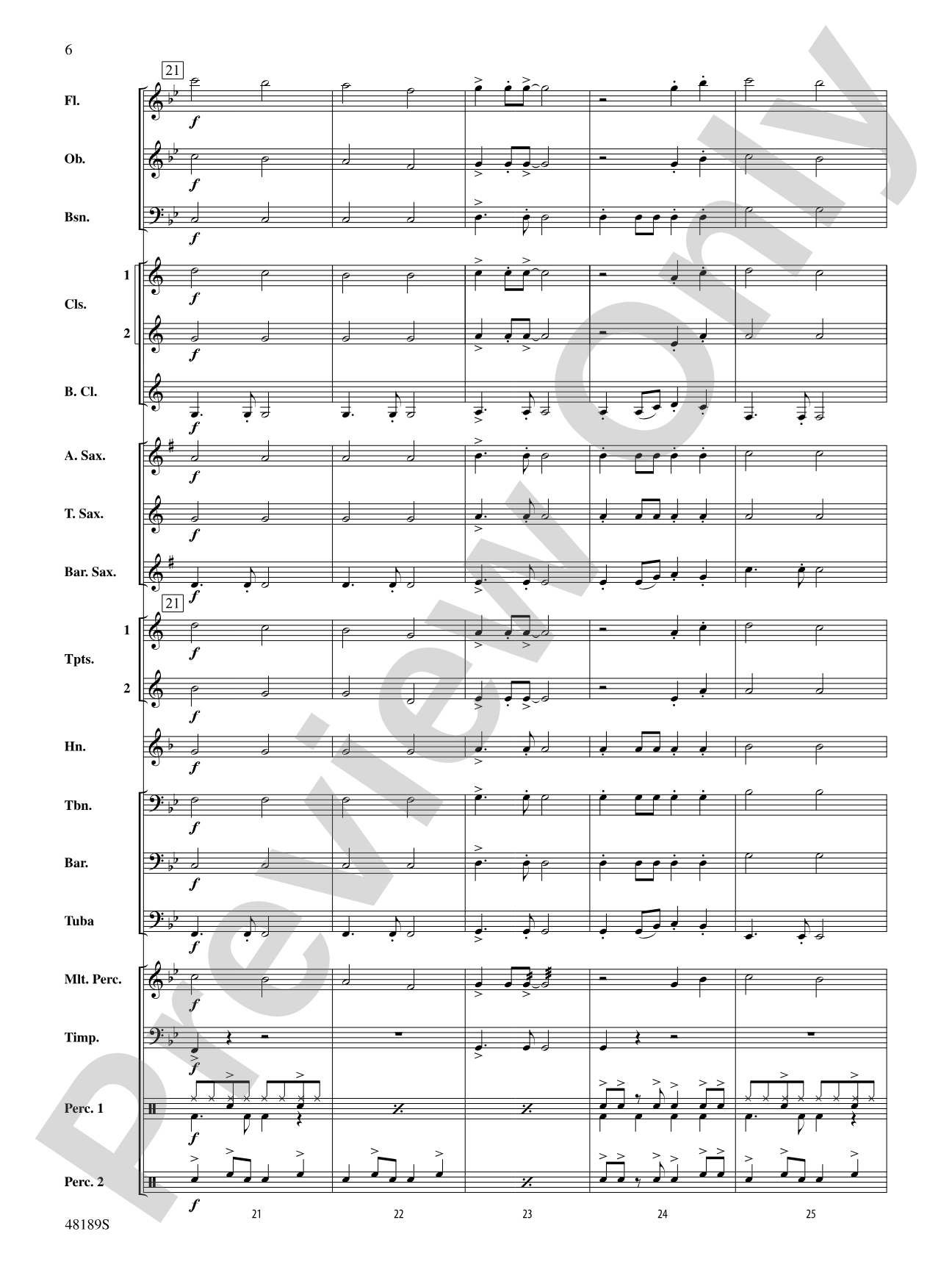
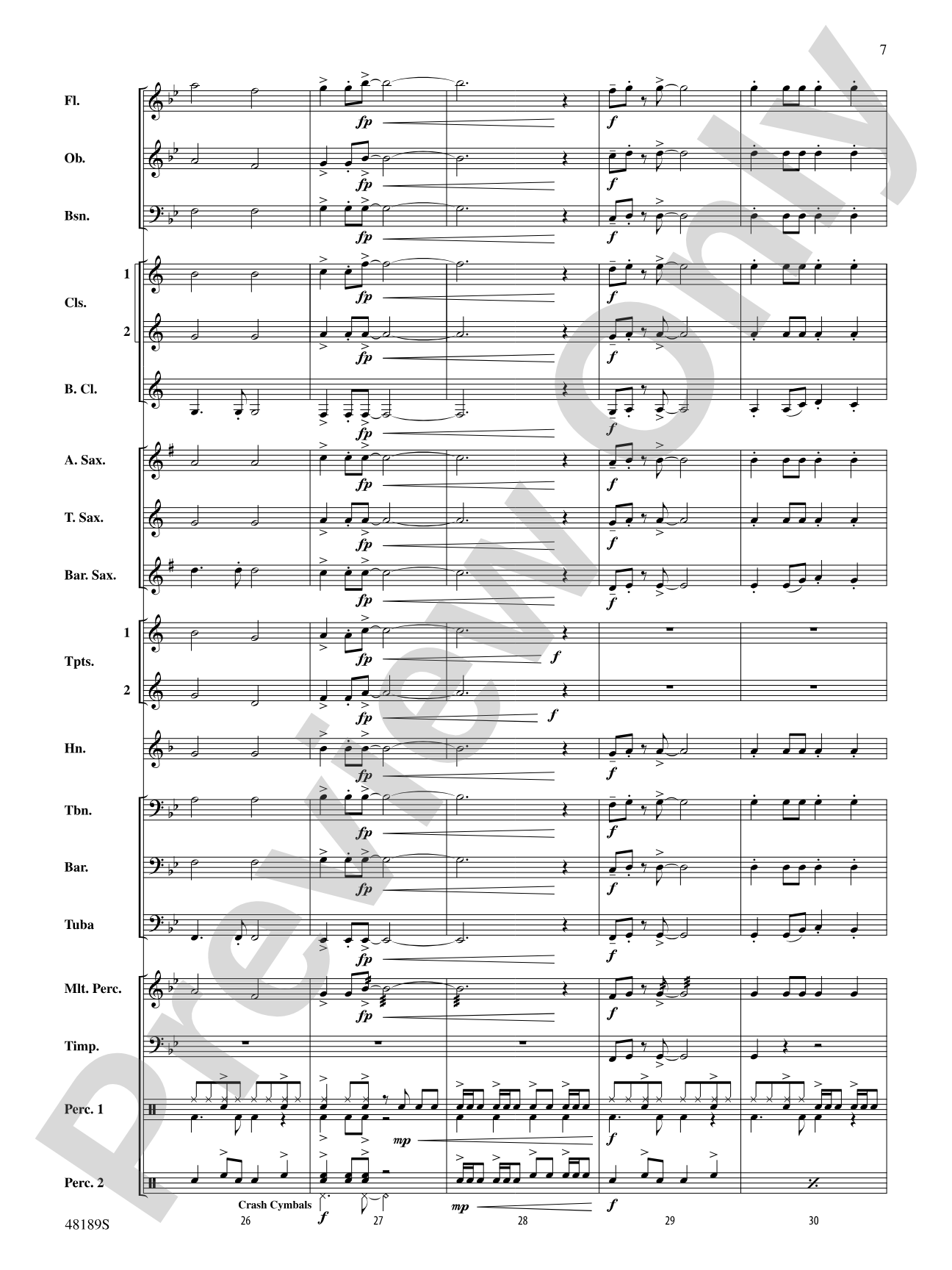
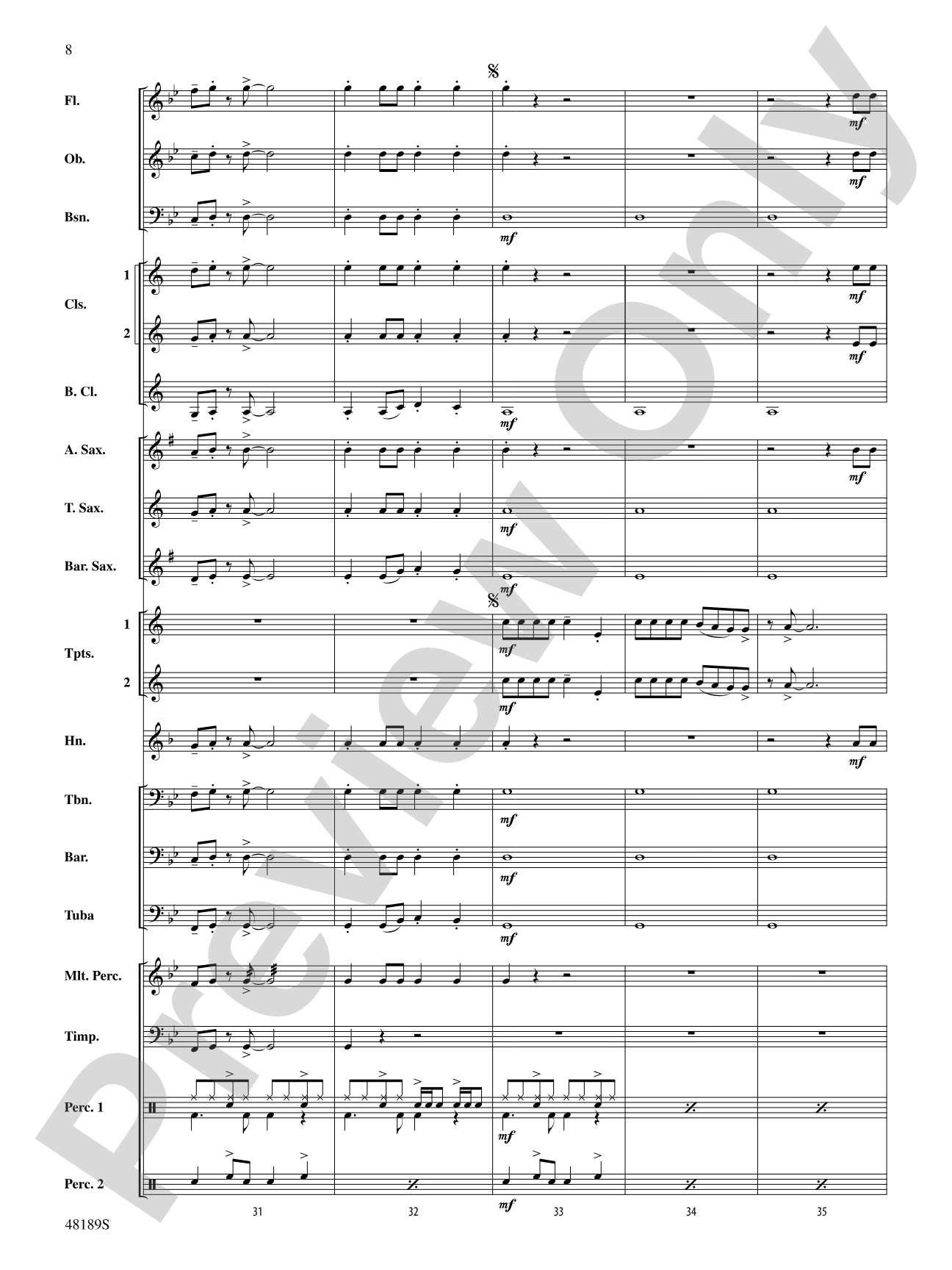
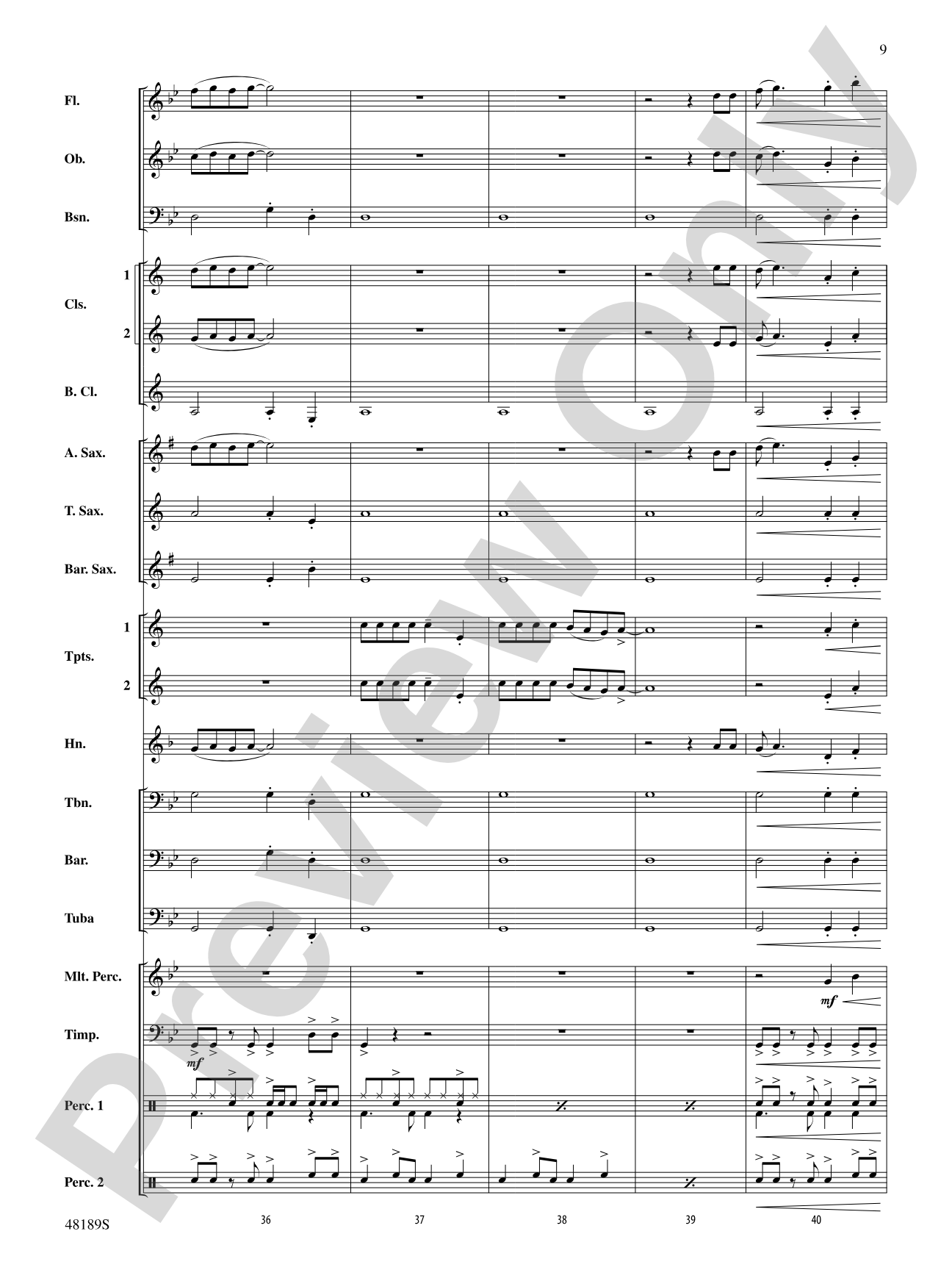
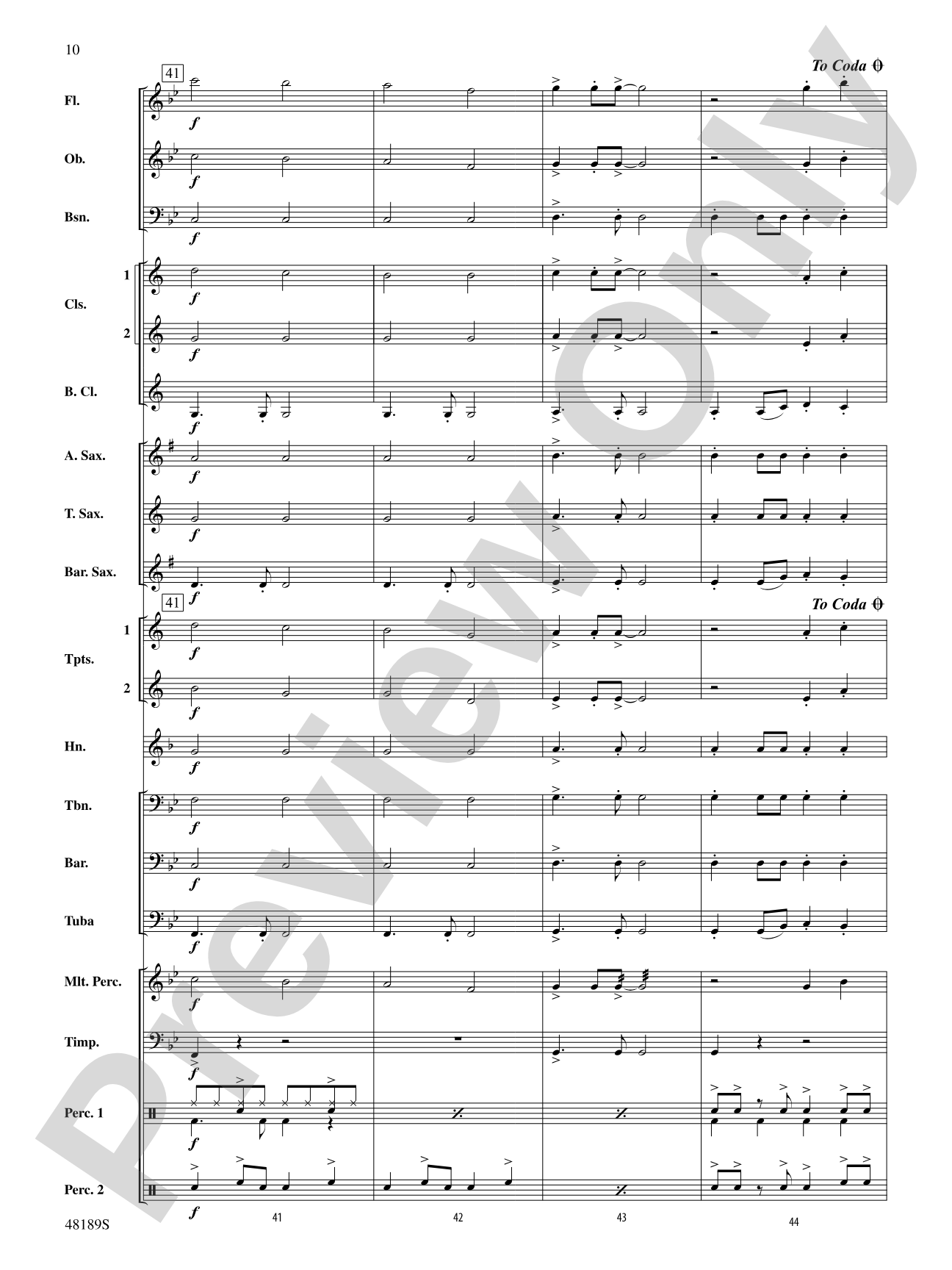
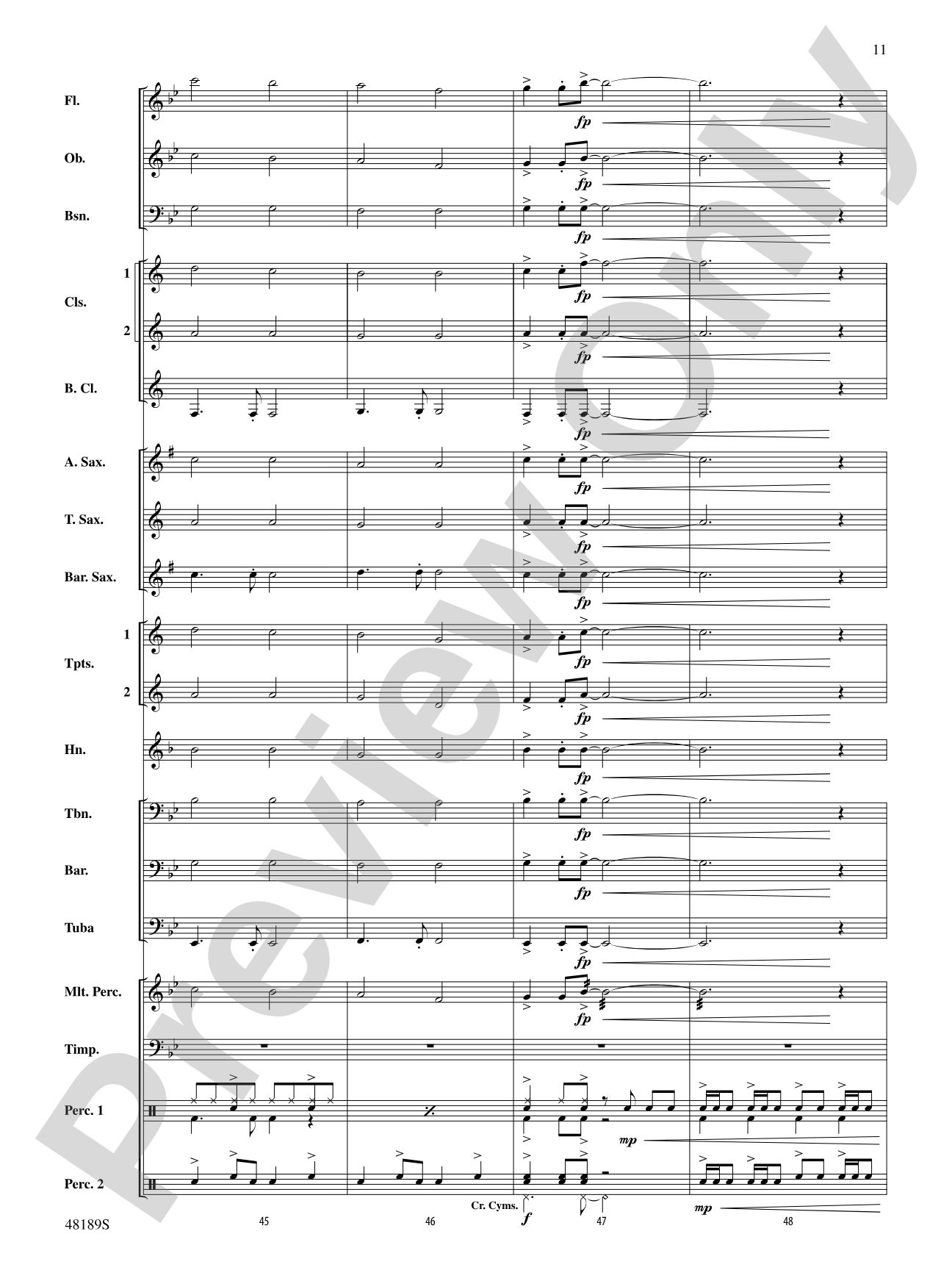
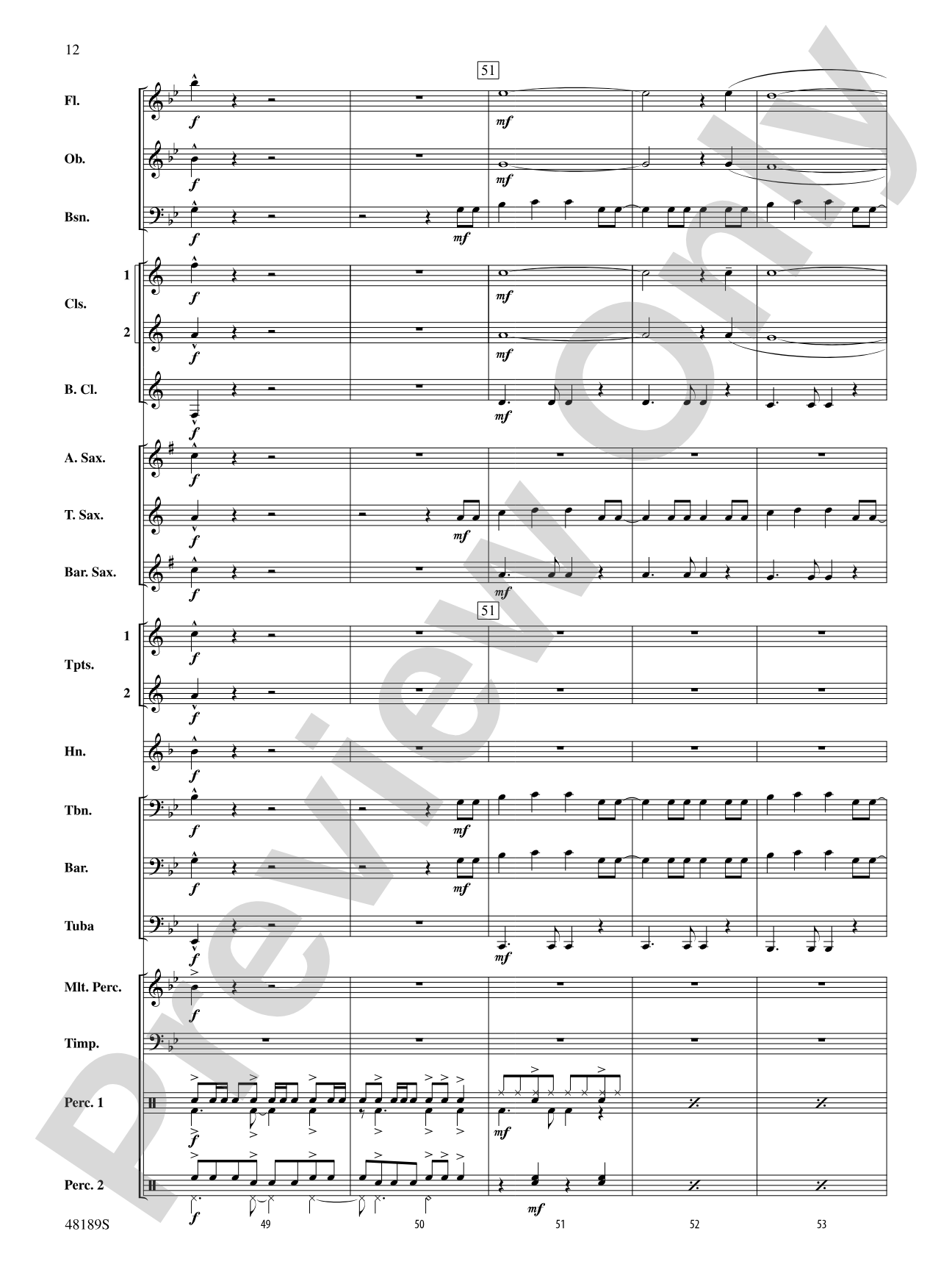
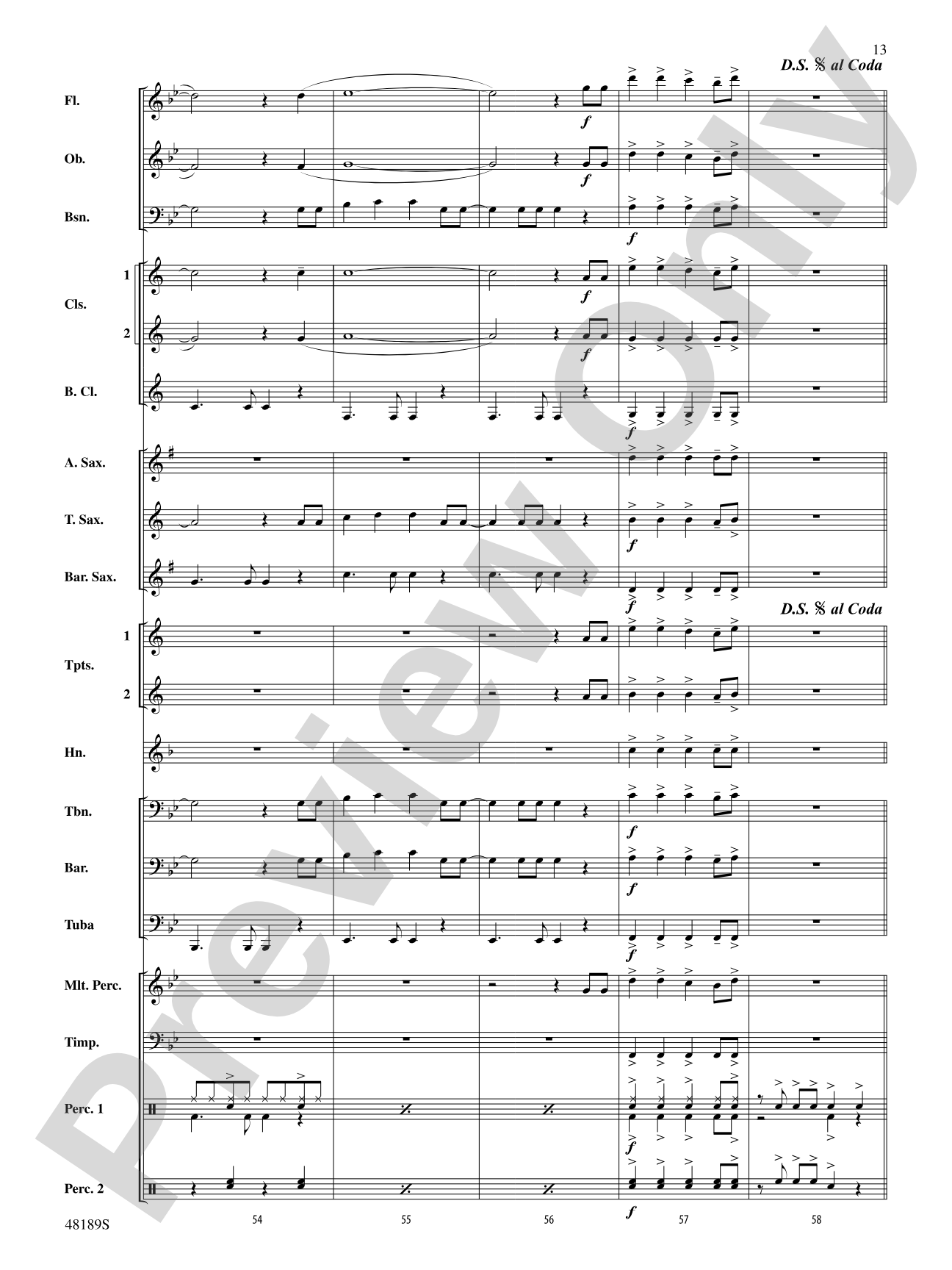
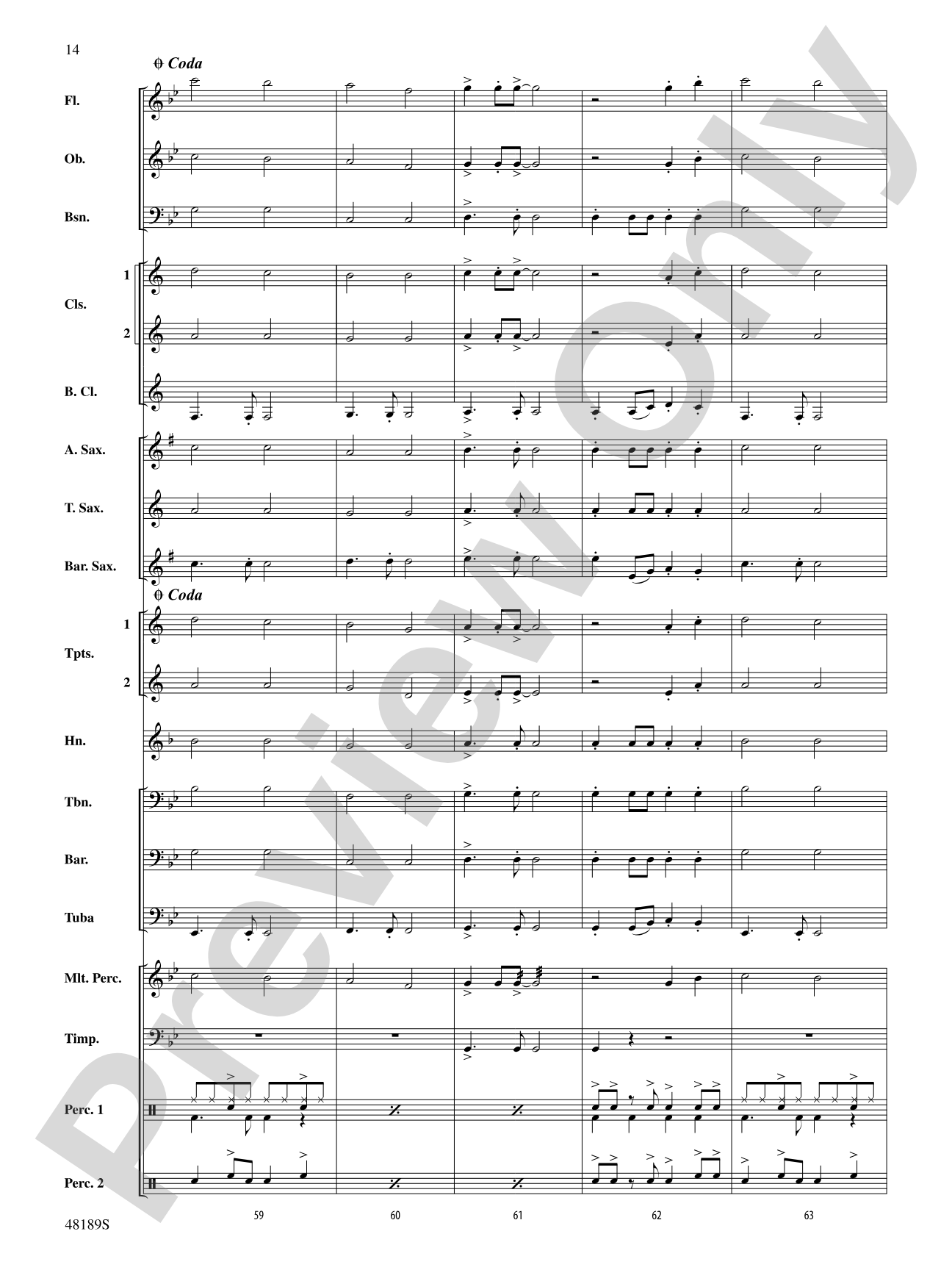
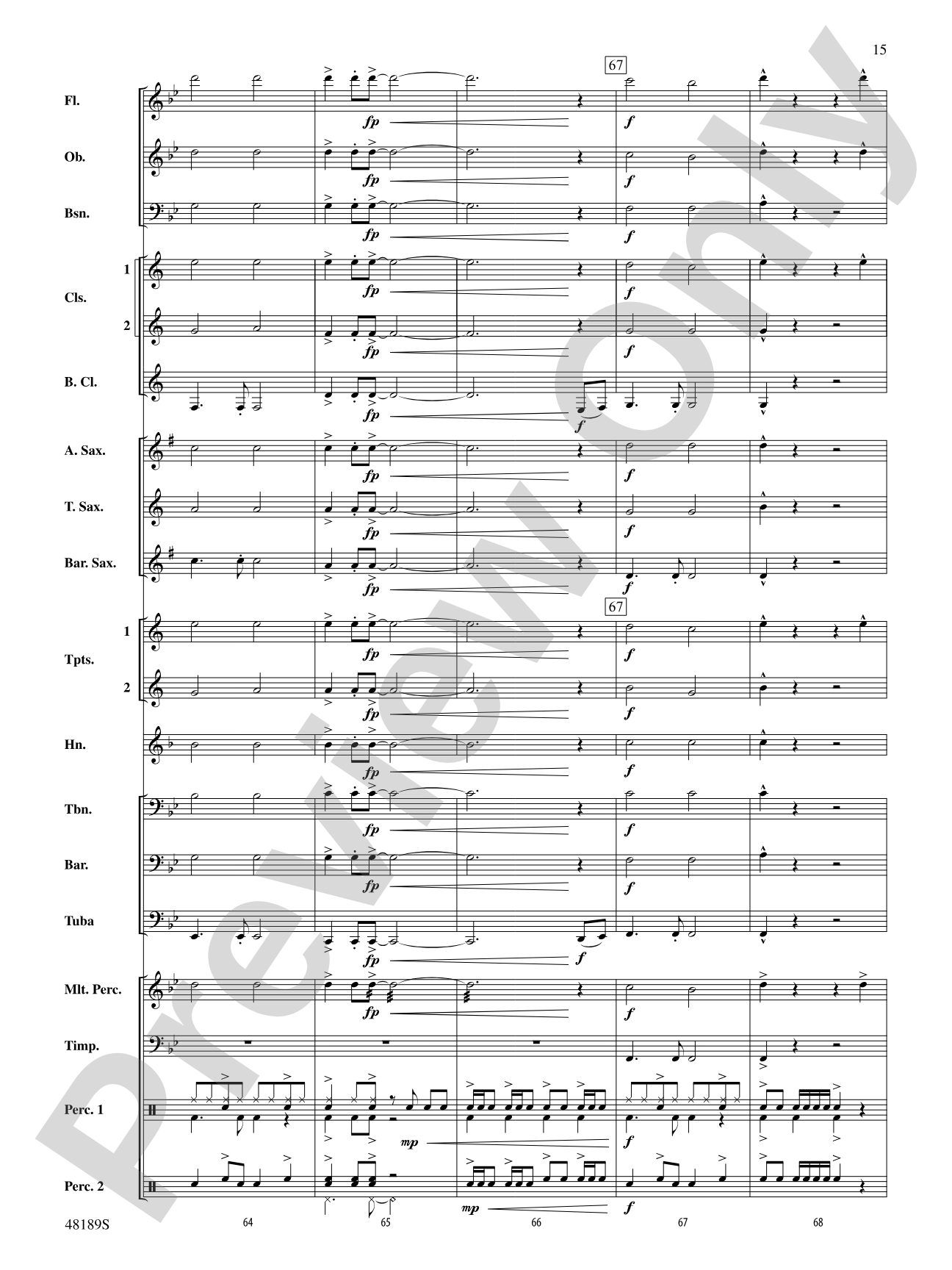
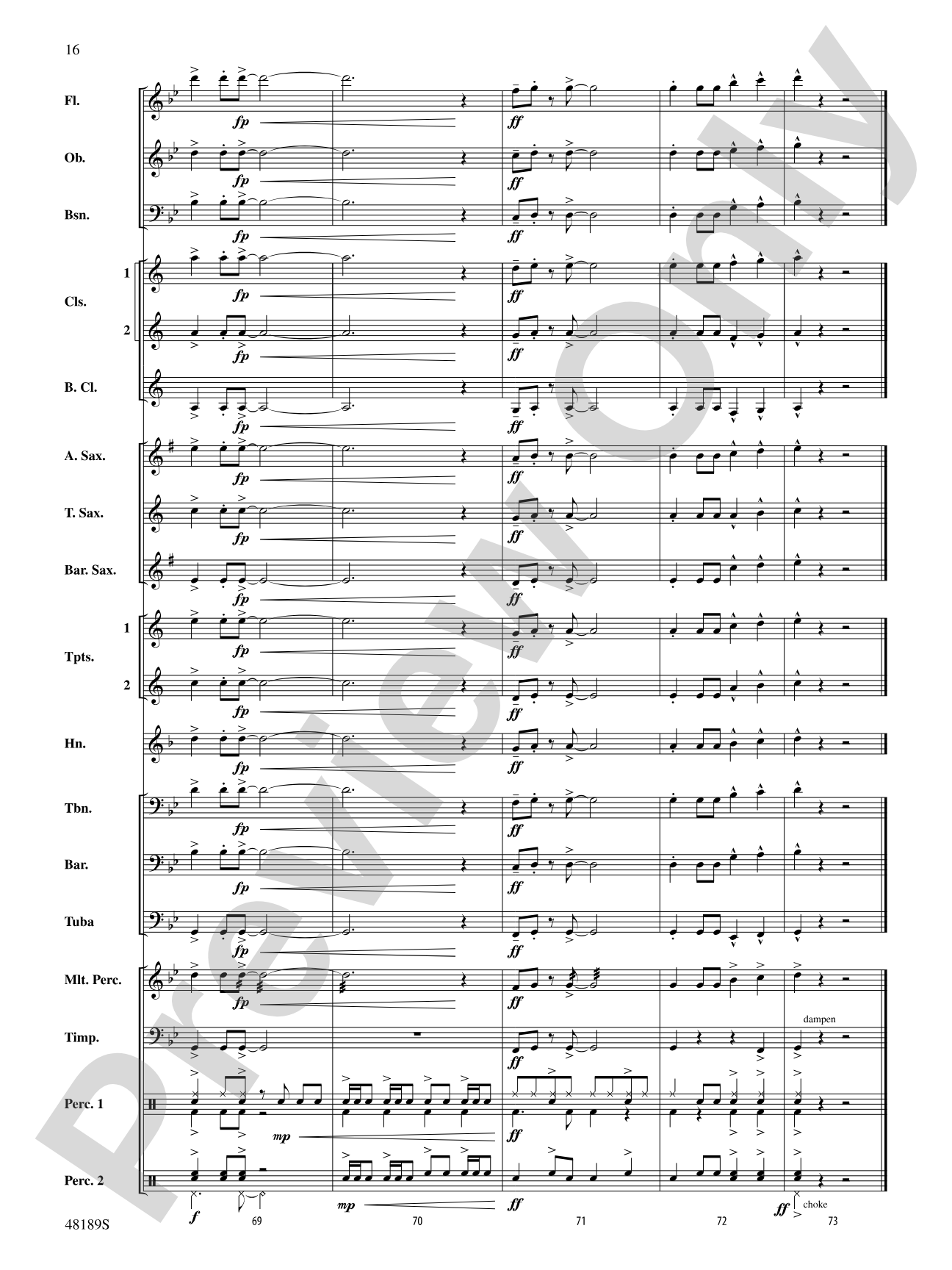

Danger Zone: Concert Band Conductor Score & Parts
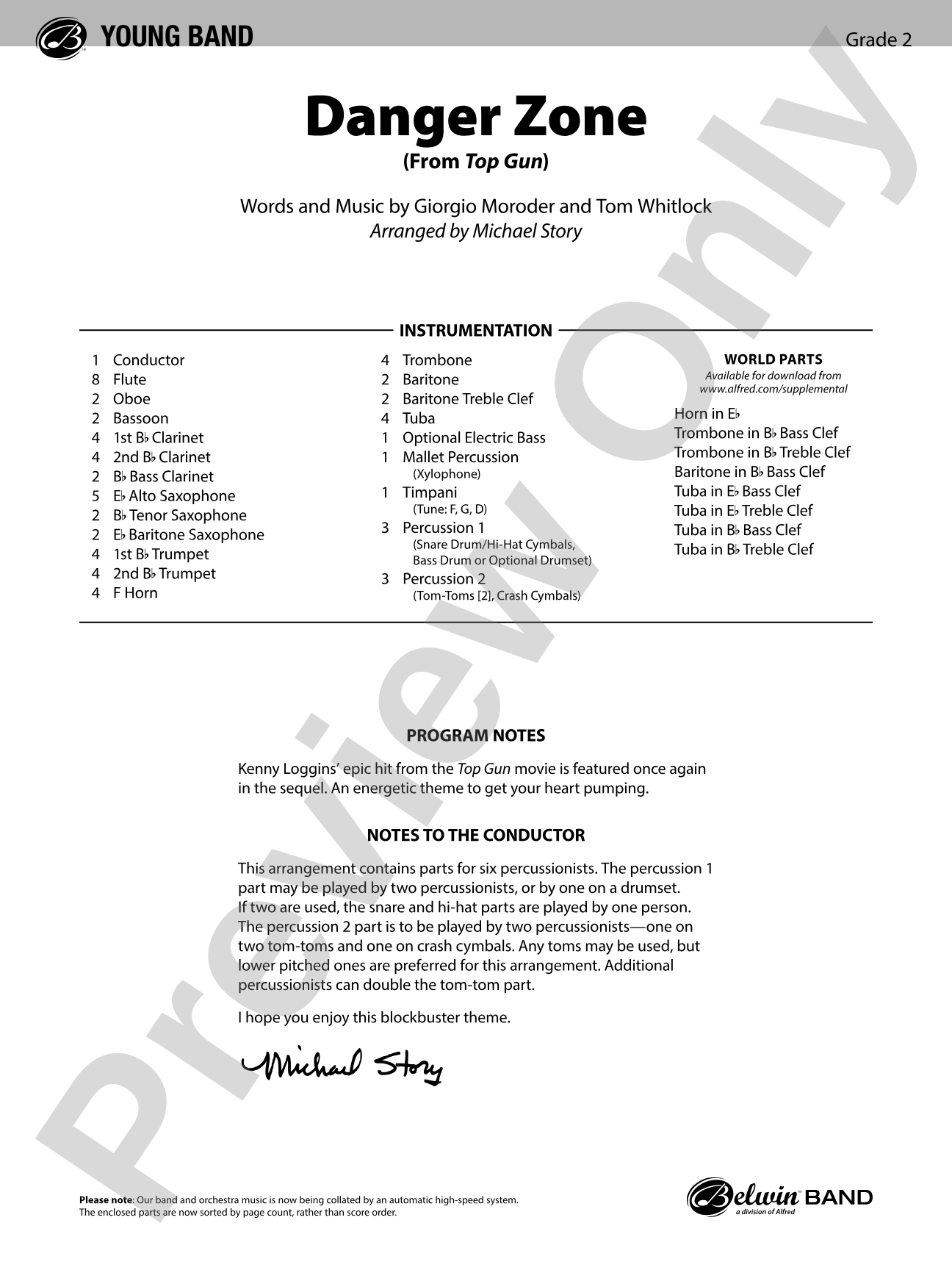
From Top Gun
Words and music by Giorgio Moroder and Tom Whitlock / arr. Michael Story
Grade: 2 (Medium Easy)
Item: 00-PK-0008112

$70.00
One moment…
Related Items
Danger Zone: Marching Band Conductor Score & Parts |
$60.00
|
View | |
Danger Zone: Concert Band Conductor Score & Parts |
$70.00
|
View | |
Danger Zone: Concert Band Conductor Score |
$10.00
|
View | |
Danger Zone: Marching Band Conductor Score & Parts |
$60.00
|
View | |
Danger Zone: Marching Band Conductor Score |
$8.00
|
View |
Description
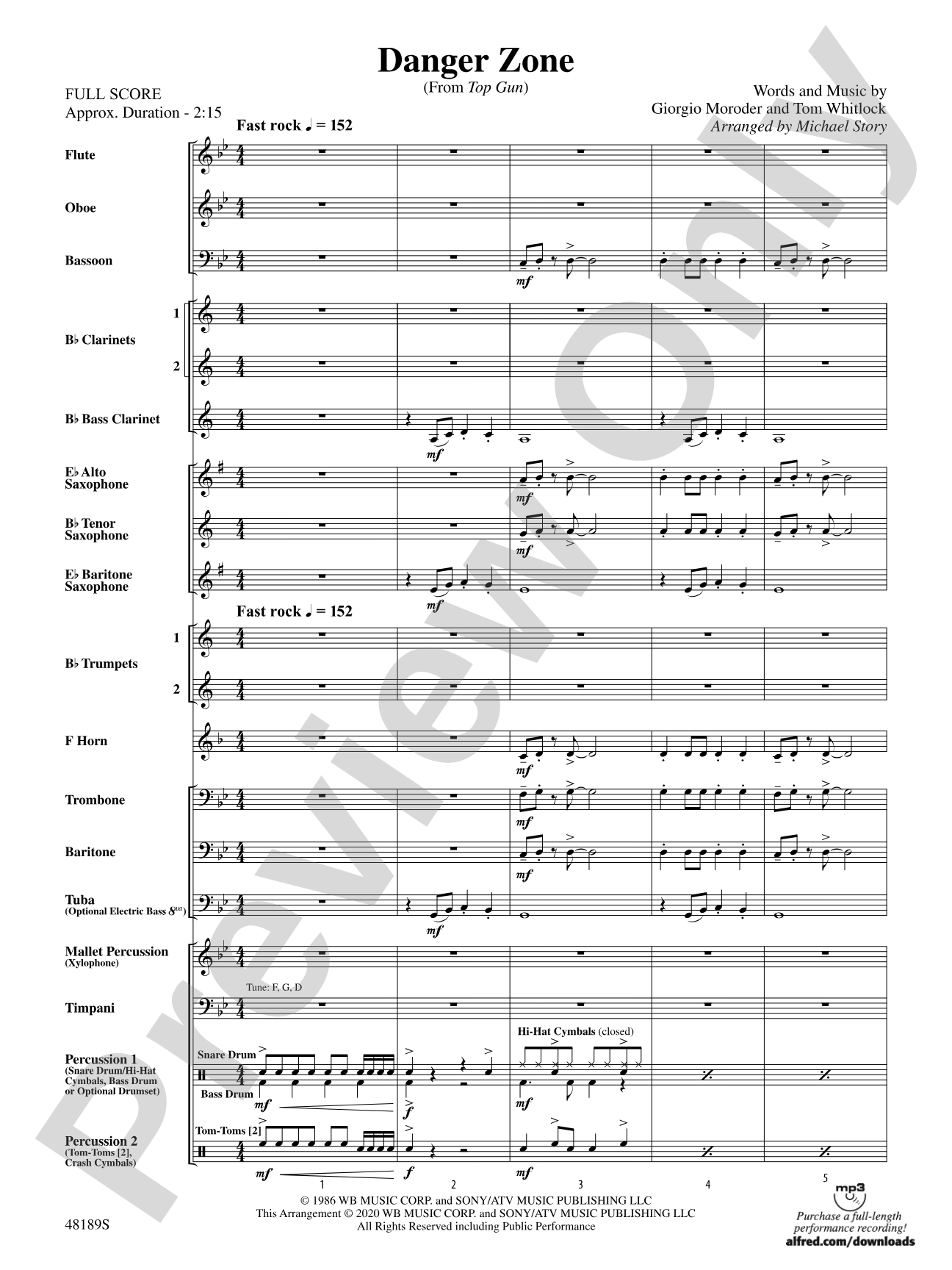
An arrangement of Kenny Loggins' rock hit from the movie Top Gun. The familiar driving bass line is the foundation for this energetic box office favorite. Soaring aerobatic ecstasy! This title is available in MakeMusic Cloud. (2:15)


Don't just read it, hear it, play along with it, and watch your students grow with it. In MakeMusic Cloud, Danger Zone: Concert Band Conductor Score & Parts comes alive with professional accompaniment, adjustable tempo, and built-in practice tools that turn solo practice into real progress.
Open in the Player
Jump straight in and assign it today.
Start Your Free Trial
Open this title and explore the full library in minutes.
Sample Audio
1
Audio File
--:--
0:00
0:00
Sample Video
Additional Details
Series:
Pop Young Band
Publisher:
Alfred Music
Page Count:
236
SKU:
00-PK-0008112
More about this title
About the Composer: Giorgio Moroder
Giorgio Moroder stands as one of the defining producers and composers of electronic dance music and film scores. His work pioneered the use of synthesizers in popular music during the 1970s and 1980s, shaping the sound of an era. Beyond his studio innovations, Moroder composed for major motion pictures, earning Academy Award recognition and establishing himself as a major voice in both commercial and artistic filmmaking.
For music educators, Moroder's catalog offers accessible entry points into rock and pop arranging. His melodies are singable, his harmonic language is direct, and his rhythm sections drive momentum forward, making his work ideal for young musicians building ensemble literacy in contemporary genres.
Why we love this
Michael Story's arrangement captures everything that makes 'Danger Zone' irresistible: the iconic bass line pulses underneath, the melody cuts through with clarity, and the energy never flags. At Grade 2, this sits in that sweet spot where students feel like they're playing a real rock song, not a simplified version of one. Programming this signals to an audience that your band takes the full spectrum of American music seriously.
What to expect
This is pure kinetic energy. The bass line hypnotizes, the brass cuts through the mix with attitude, and the whole ensemble locks into a groove that feels contemporary and alive. It's the musical equivalent of a fighter jet taking off: controlled power, singular focus, and undeniable momentum.
Who it's for
Concert bands at the middle school level or young high school ensembles with developing rhythmic precision and sectional balance. Students who may feel disconnected from traditional classical or educational band repertoire often connect immediately with rock arrangements that honor the original while building fundamental ensemble skills.
How to get the most out of it
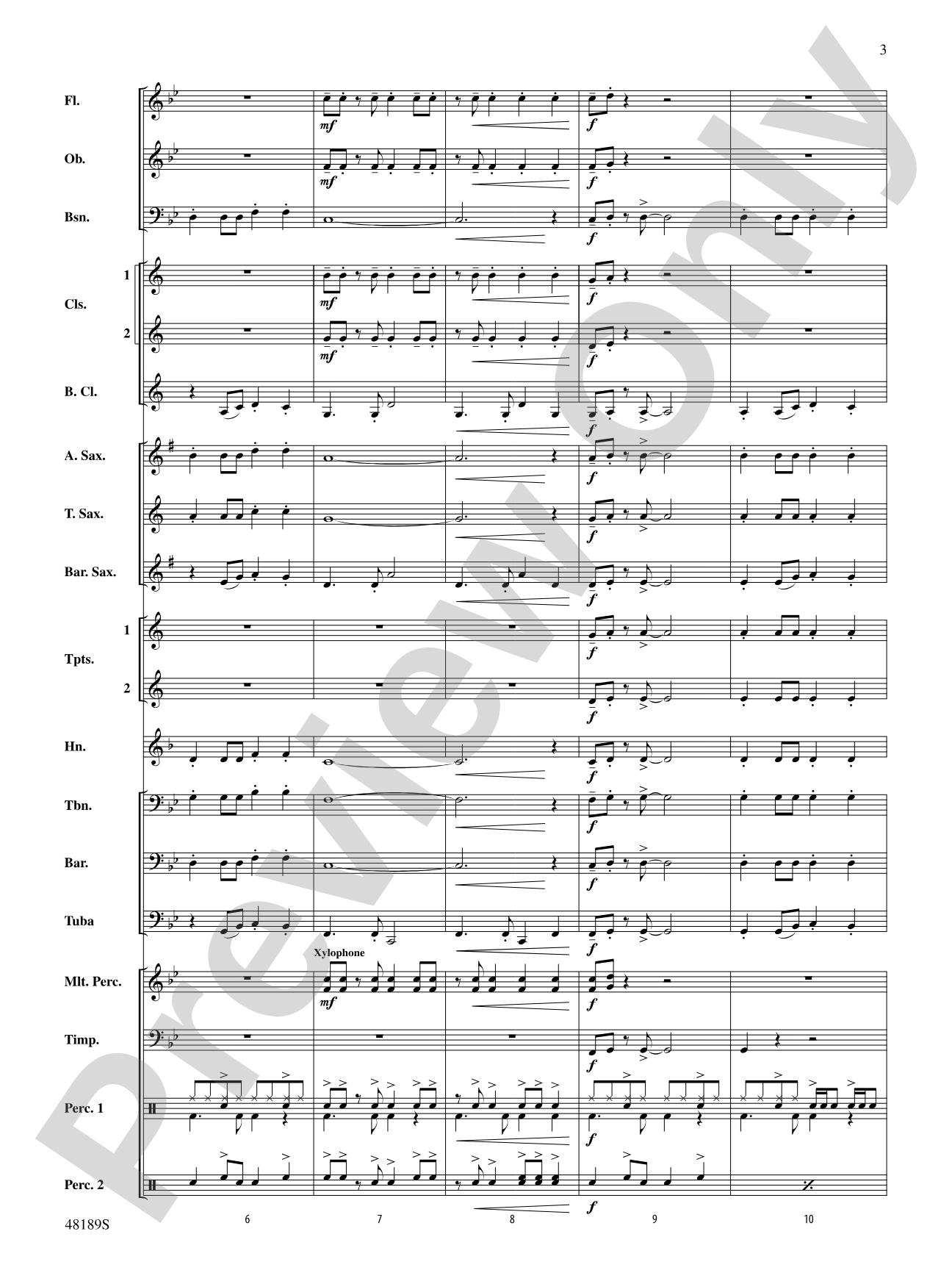
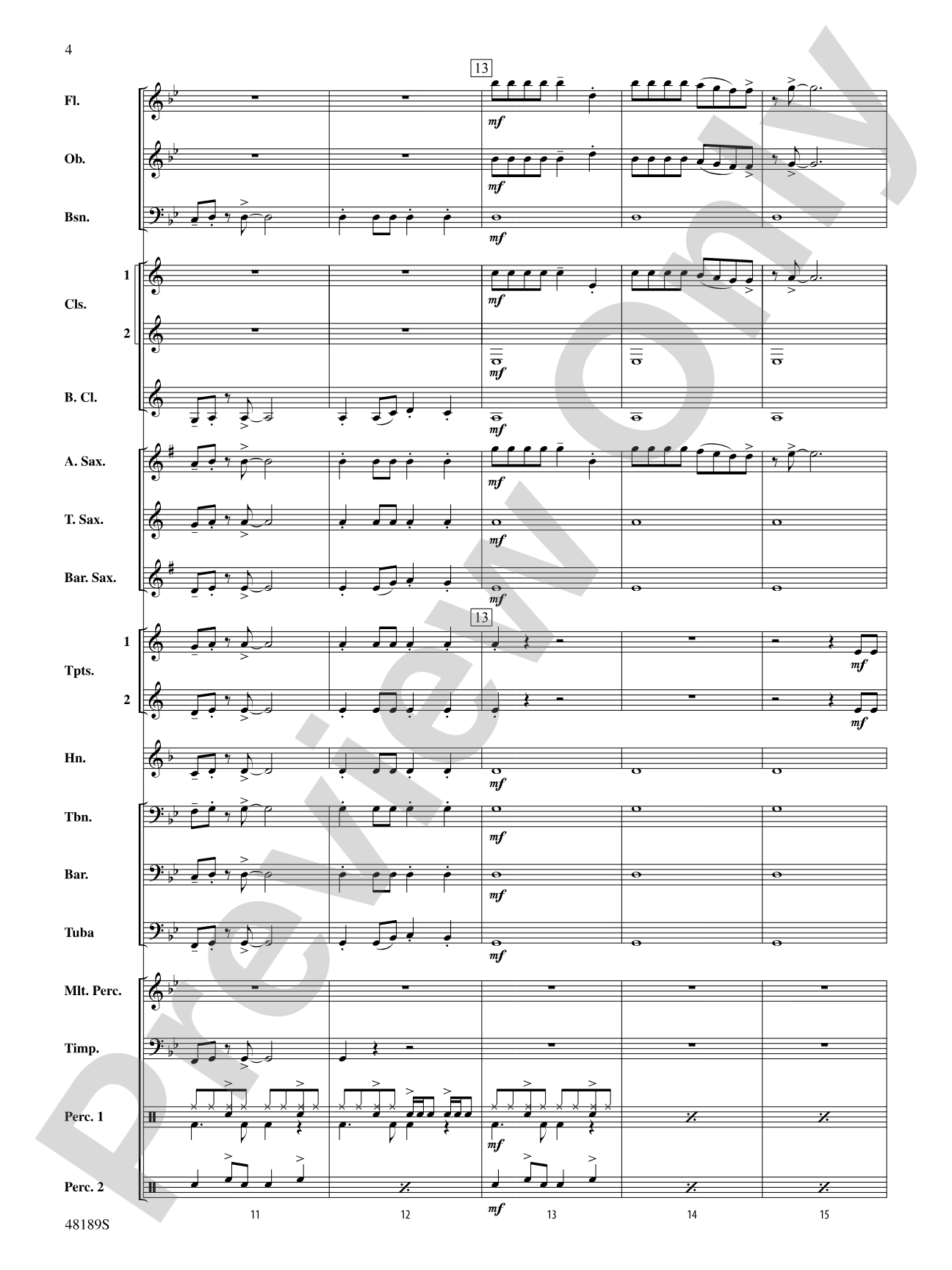
- Lock the bass line and low brass. The driving eighth-note pattern is the song's heartbeat; if it wavers, the whole track loses propulsion. Rehearse the bottom end separately until it becomes automatic.
- Balance the melody so it soars without drowning out the harmonic foundation. The familiar hook needs room to breathe above, not compete with, the ensemble texture.
- Maintain steady eighth-note pocket throughout. Avoid speeding up during climactic moments; the relentless drive is what creates excitement, not acceleration.
- Shape phrases with slight dynamic swells rather than sudden hits. The original recording builds momentum through texture and layering, not jarring dynamic changes.
How to use it
This works brilliantly as an opener or closer on a concert program, especially one mixing classical and contemporary works. It also serves as a confidence builder mid-rehearsal block when students need a break from technical demands but still need ensemble discipline. Consider pairing it with other pop or film score arrangements to demonstrate how recognizable music translates across genres.
Skills your students will build
- Steady eighth-note rhythms in mixed meter contexts
- Balancing independent bass line against ensemble texture
- Reading and executing syncopated rhythmic figures
- Maintaining groove and pocket in a rock idiom
- Dynamic control and phrase shaping in contemporary arrangements