
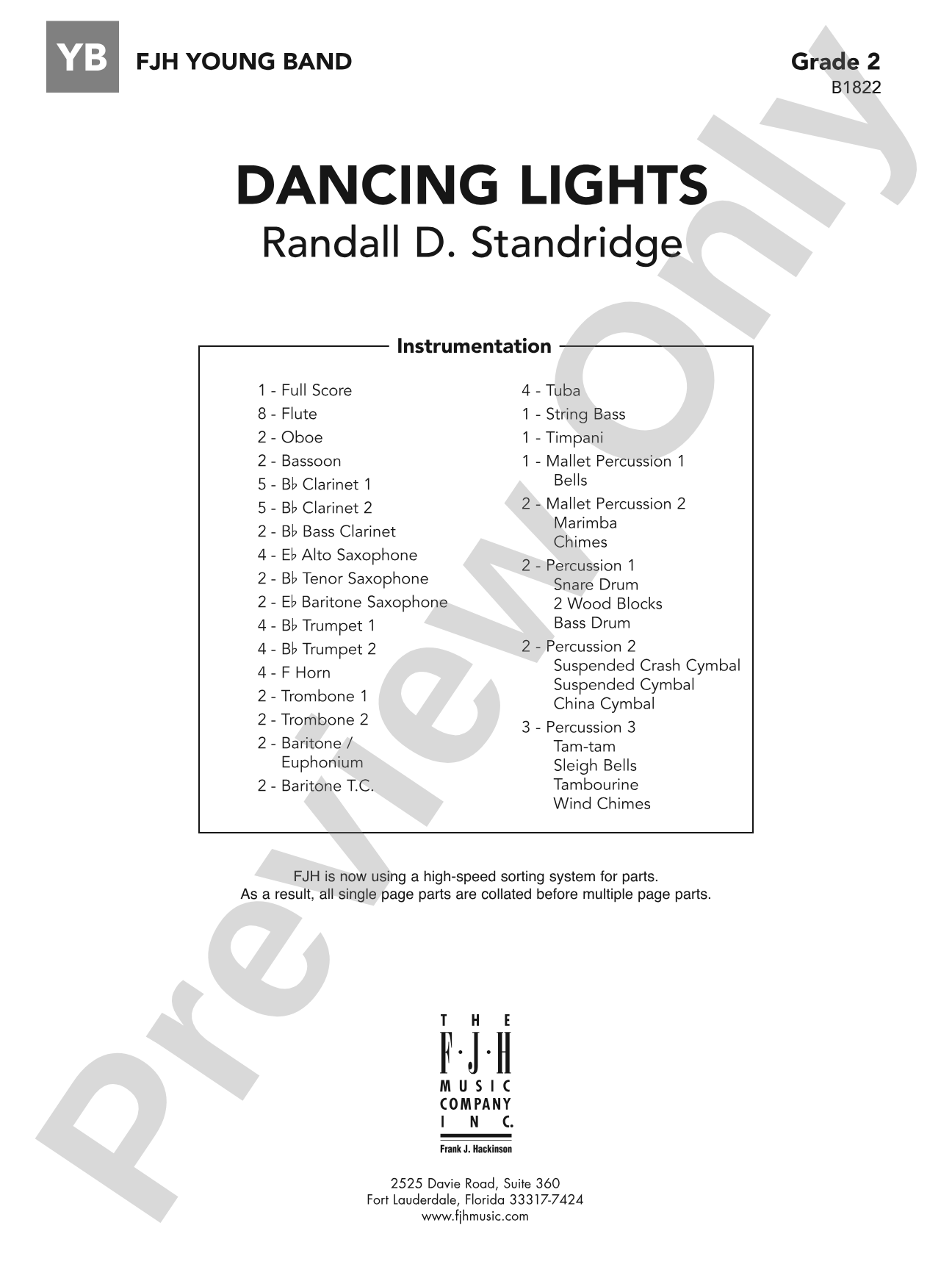
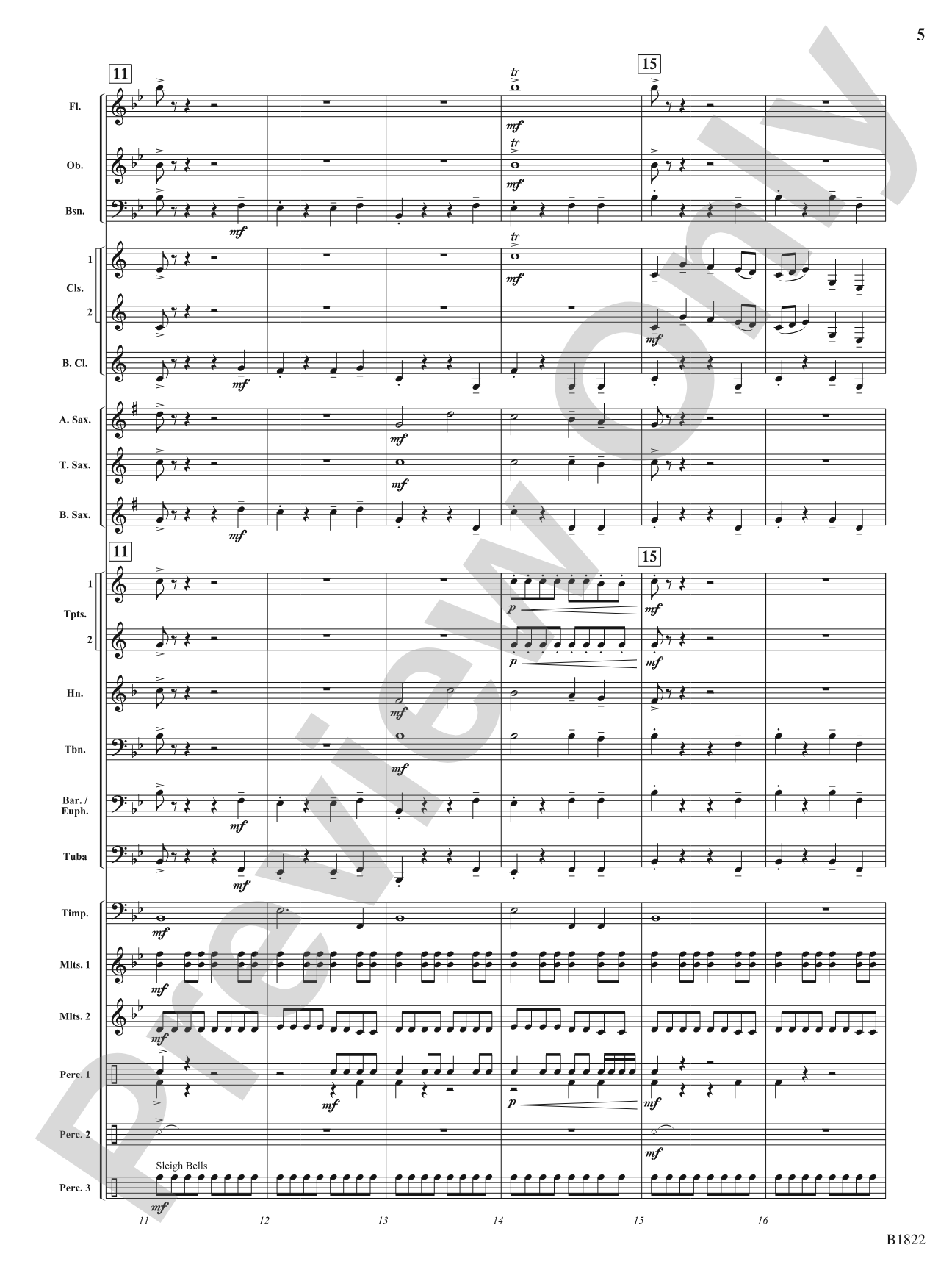
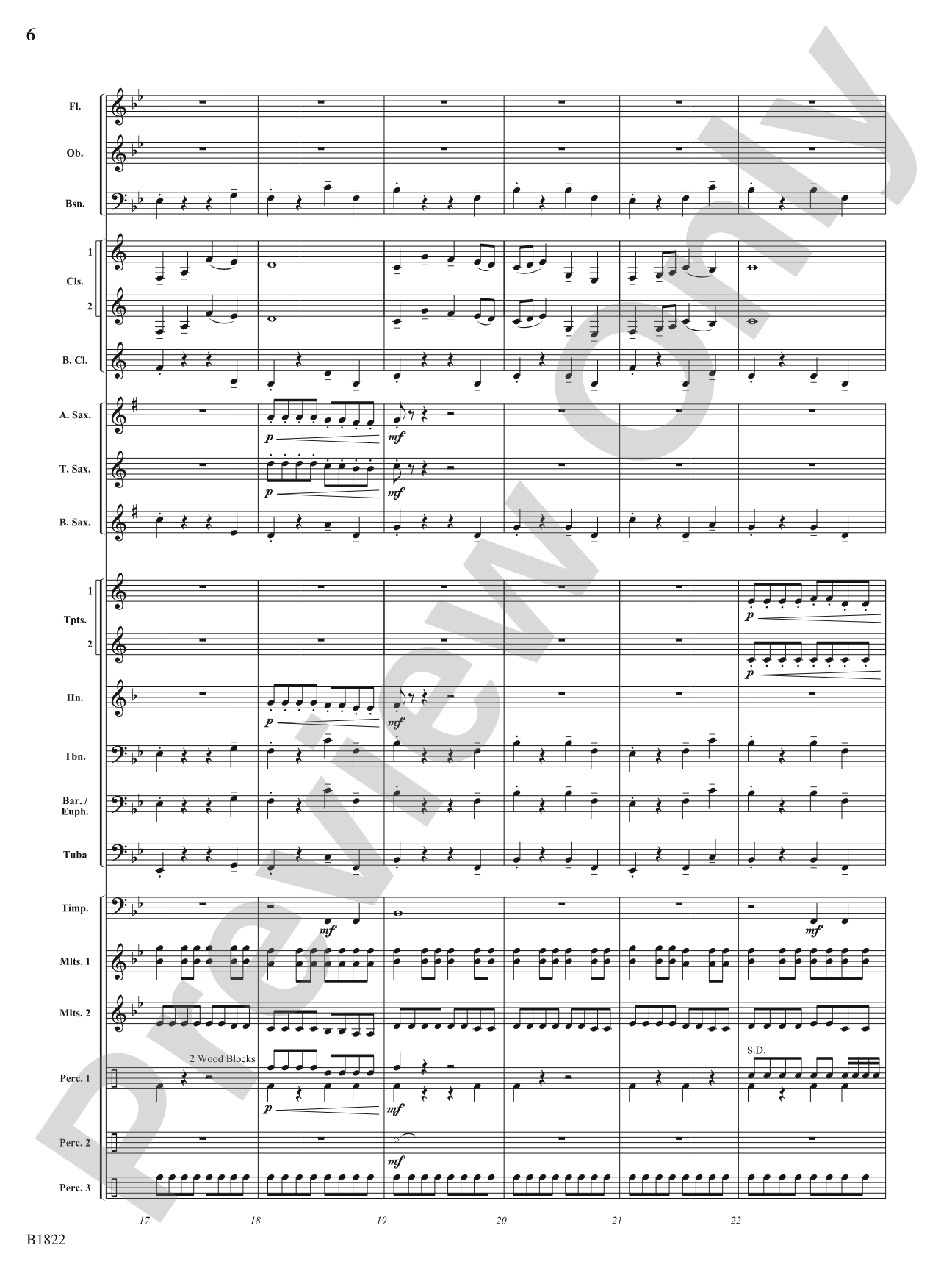
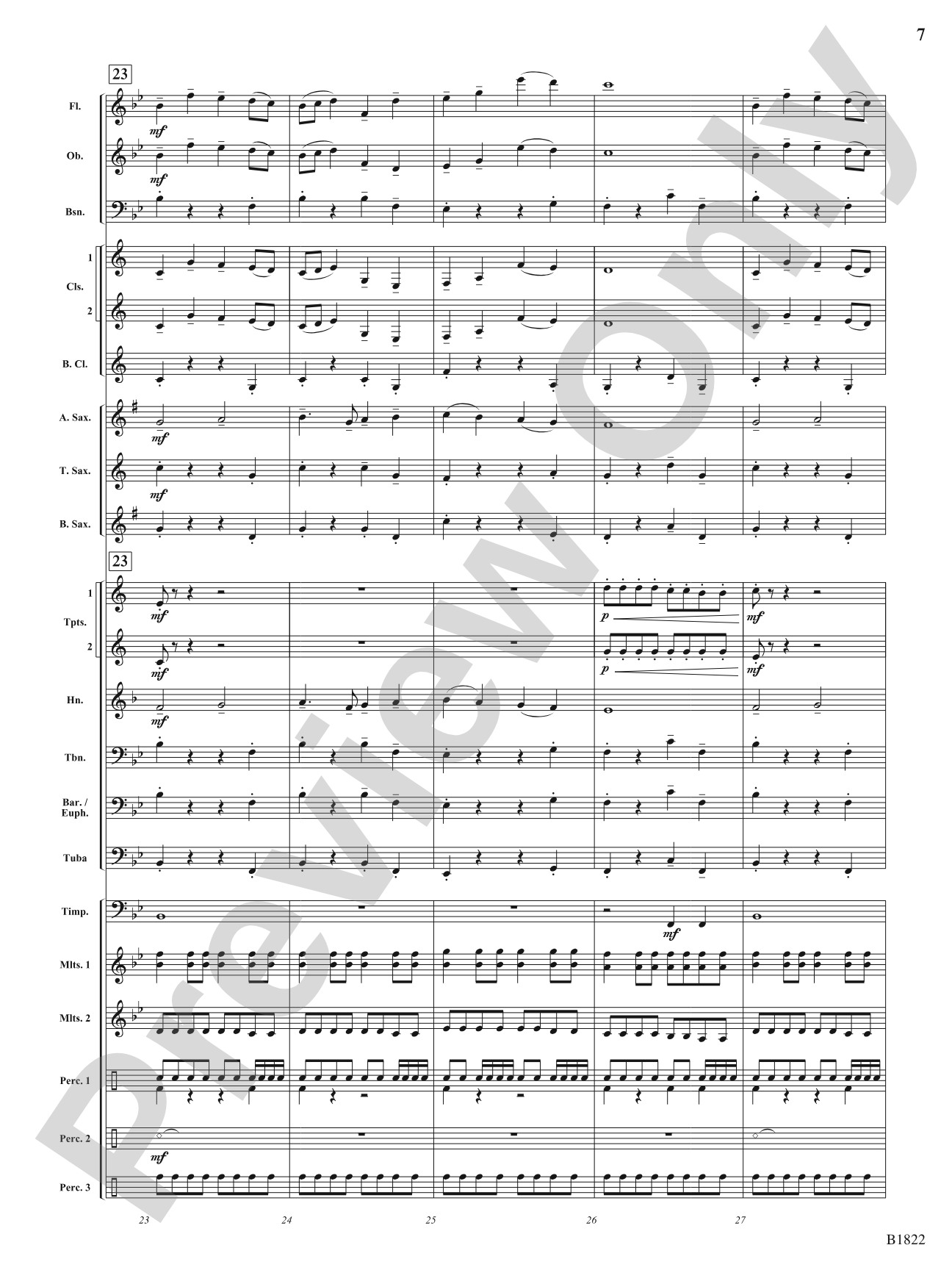
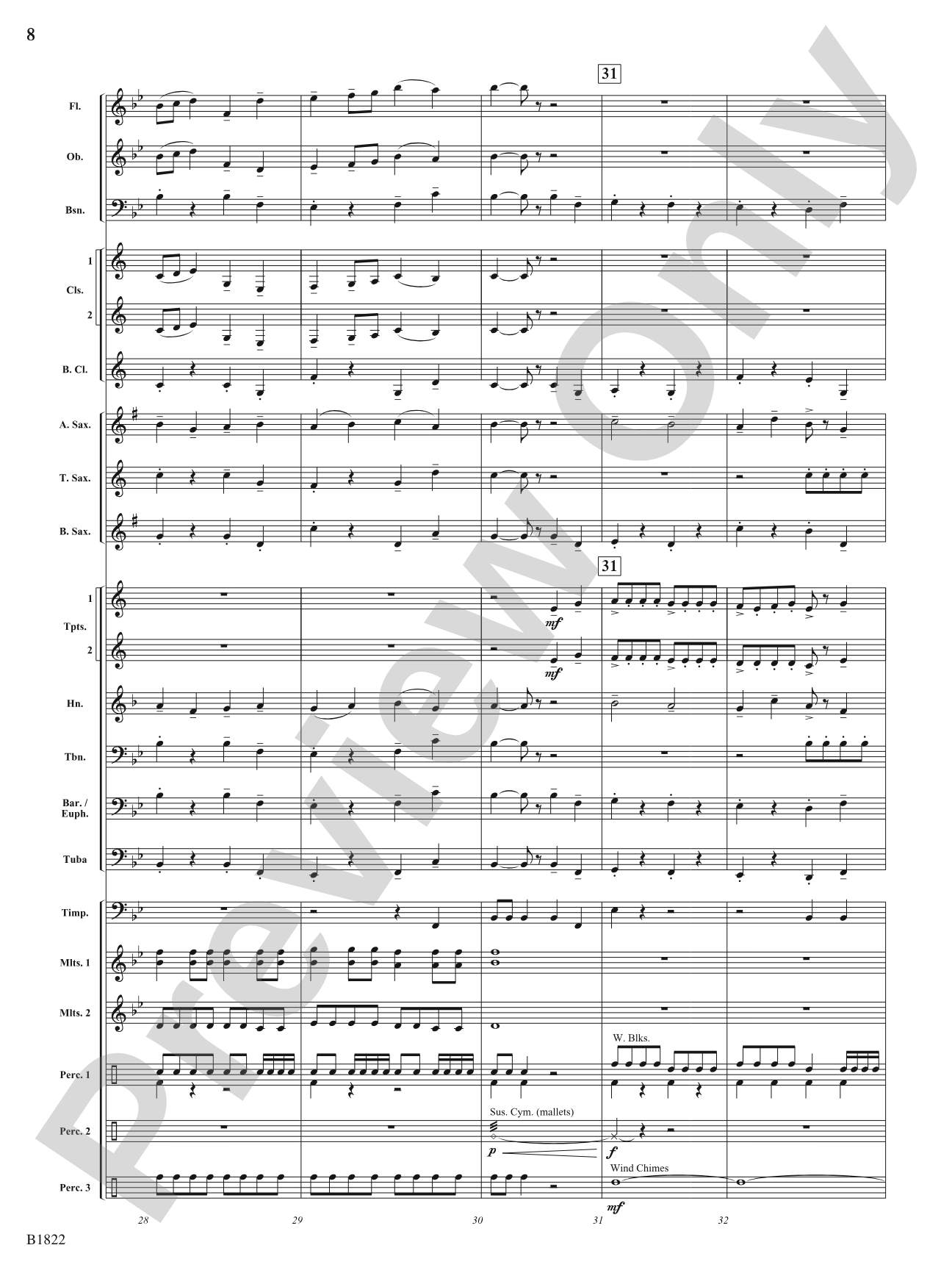
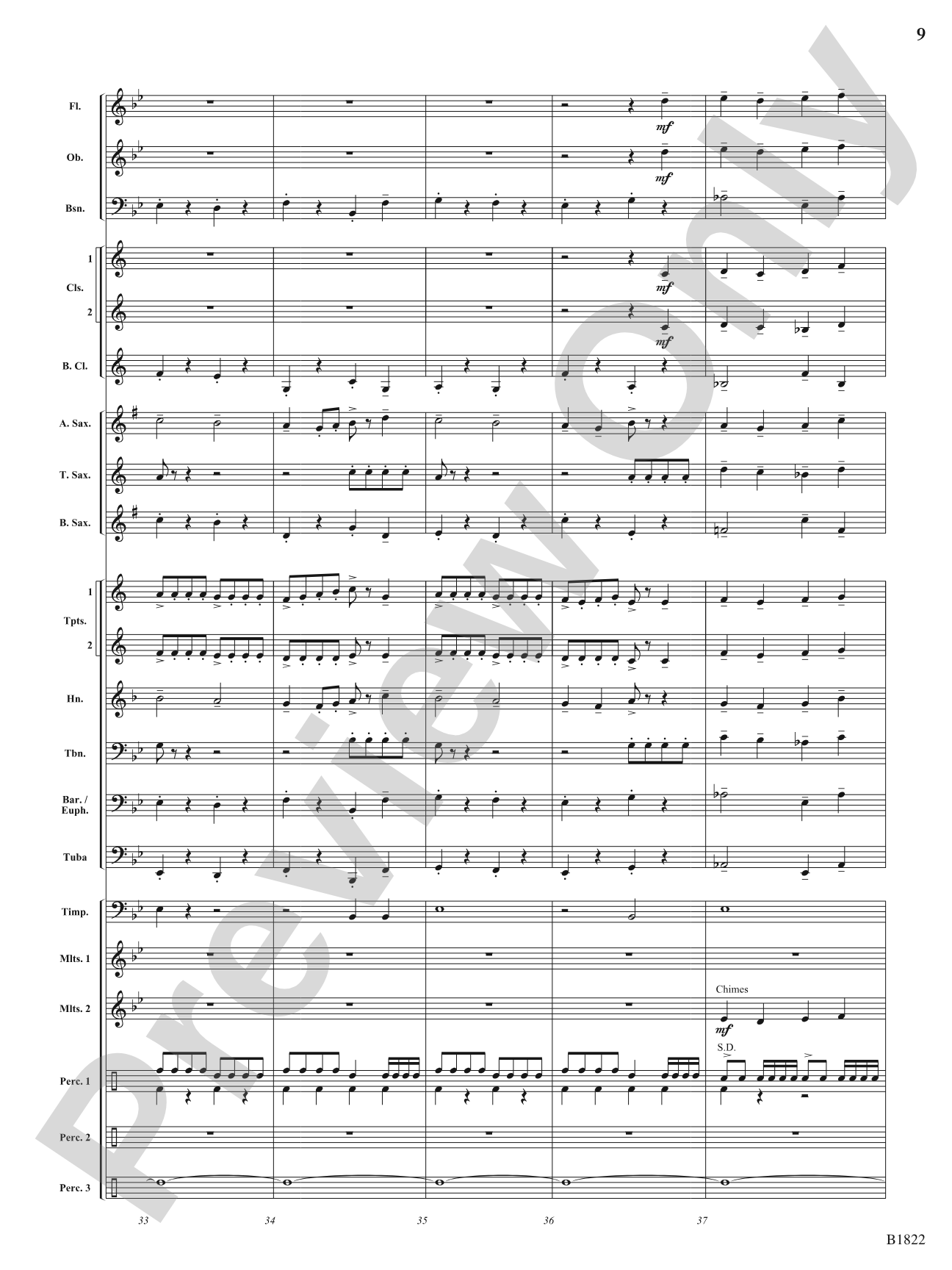
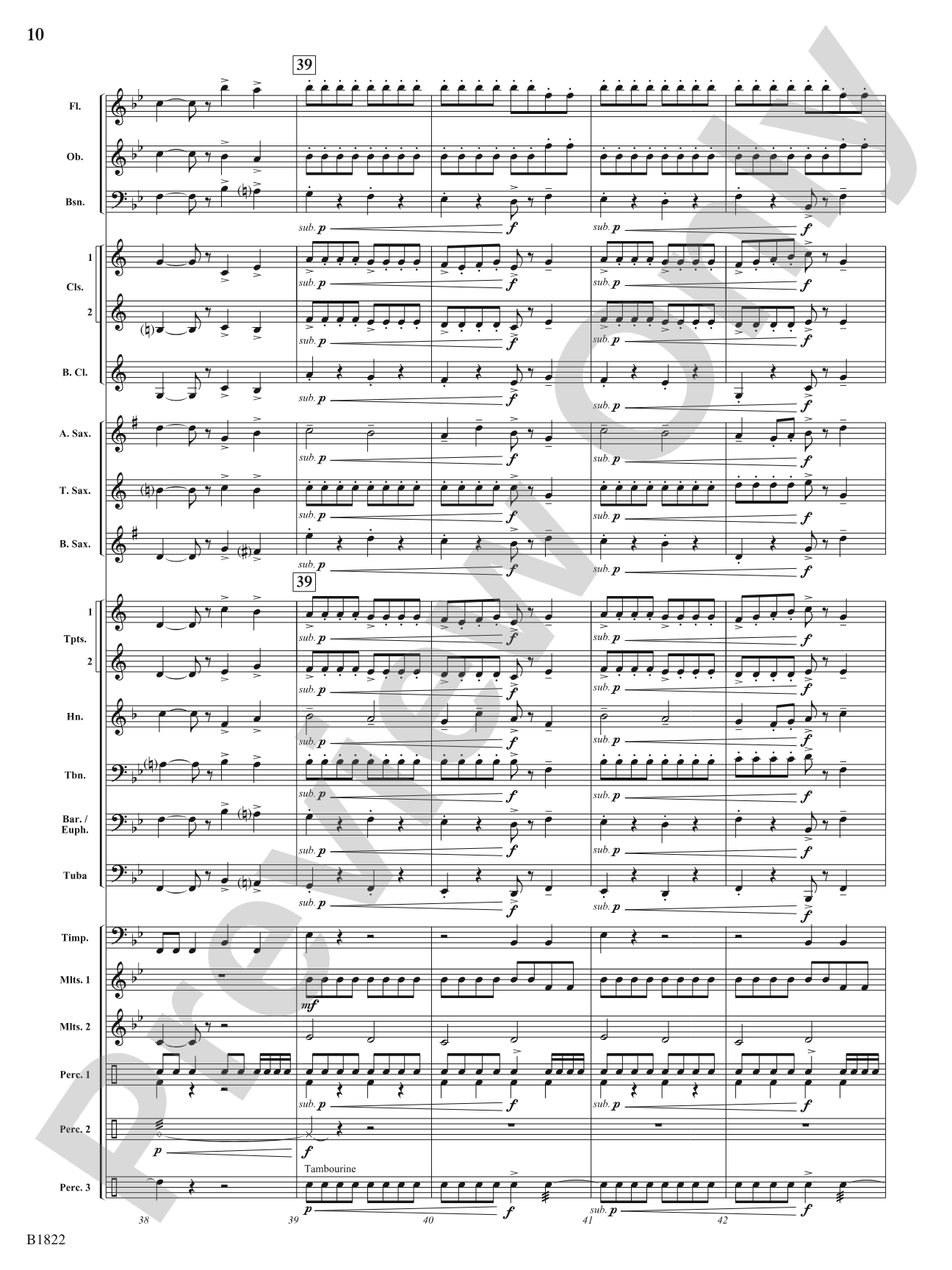
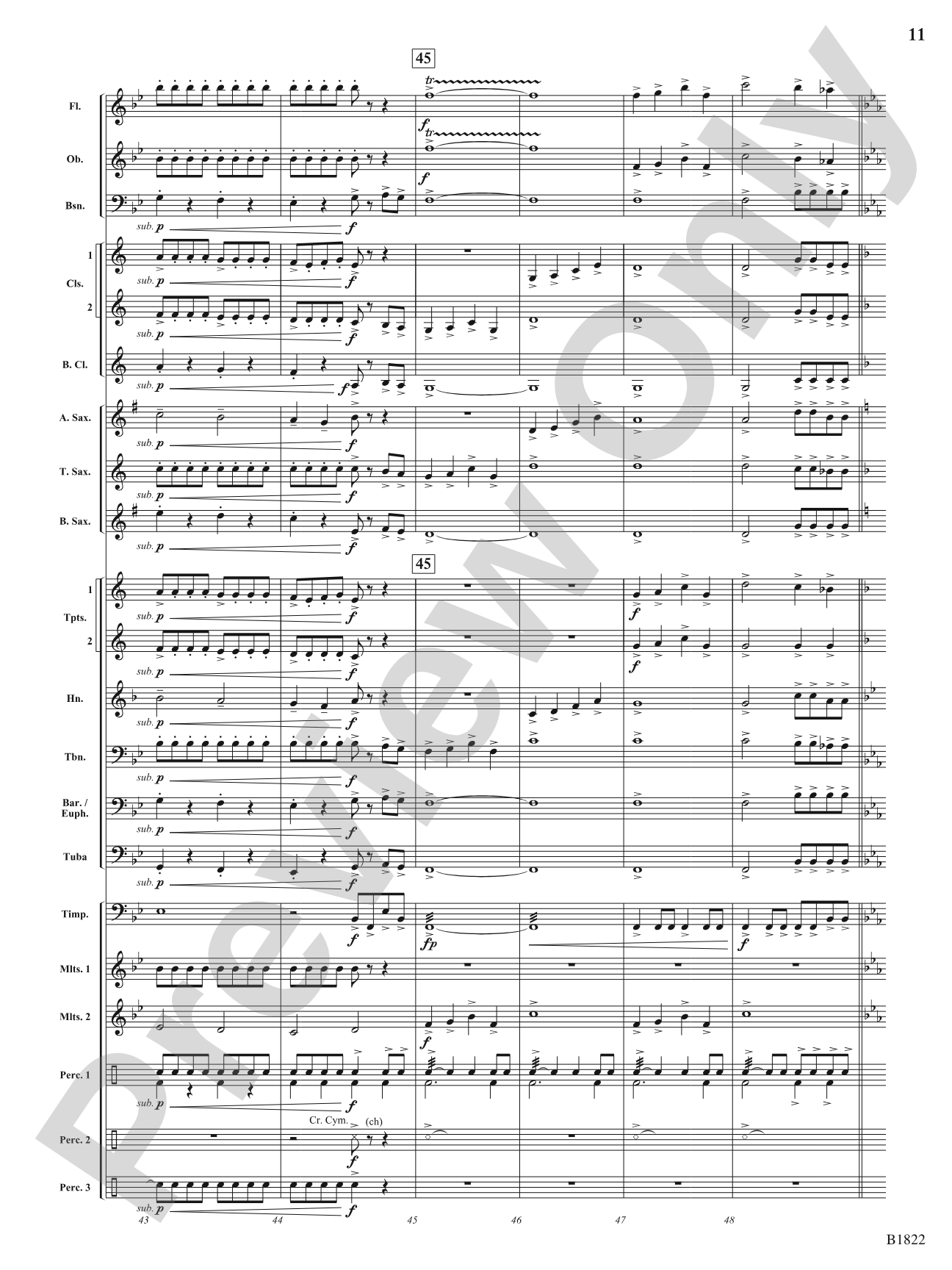
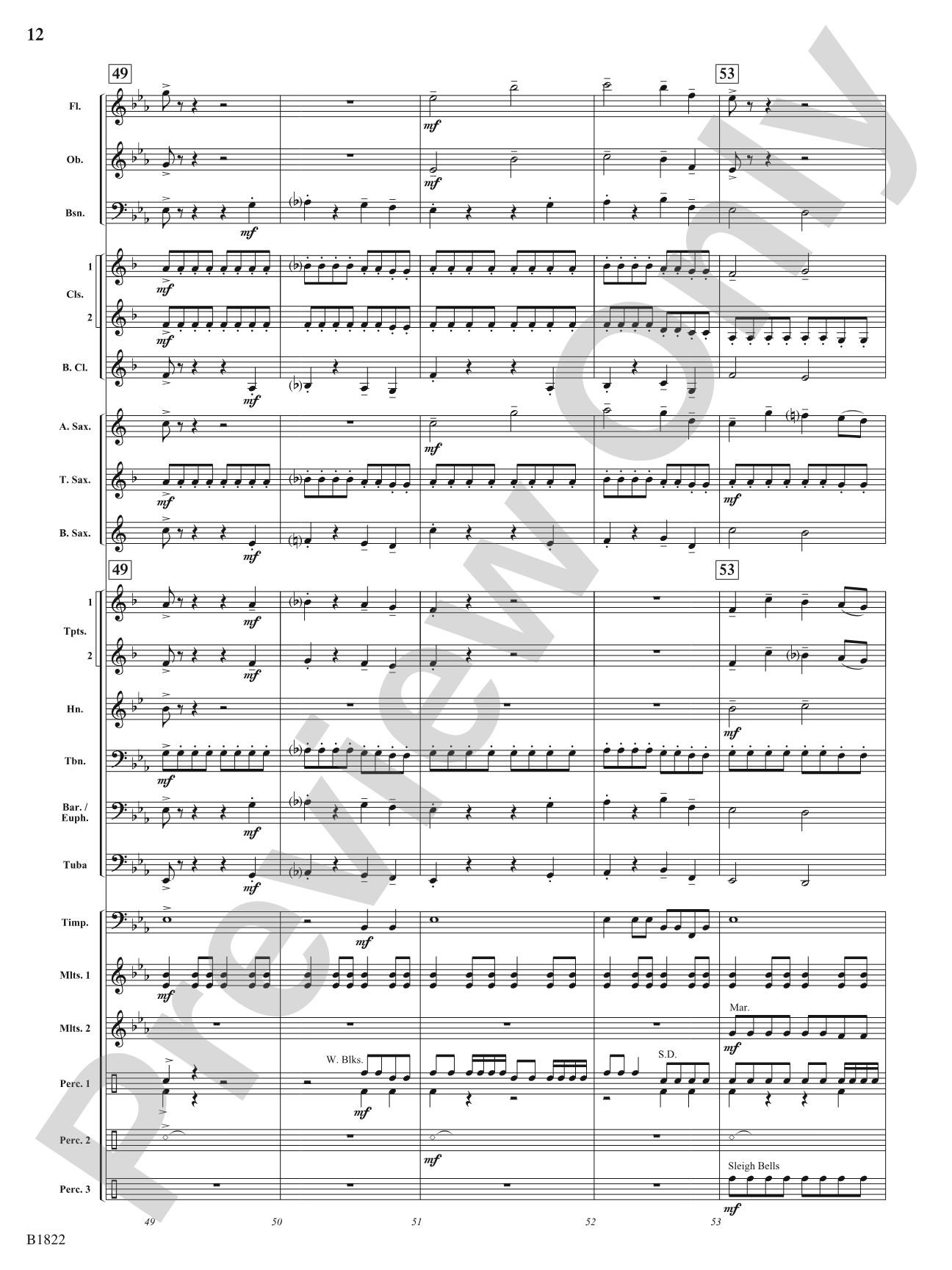
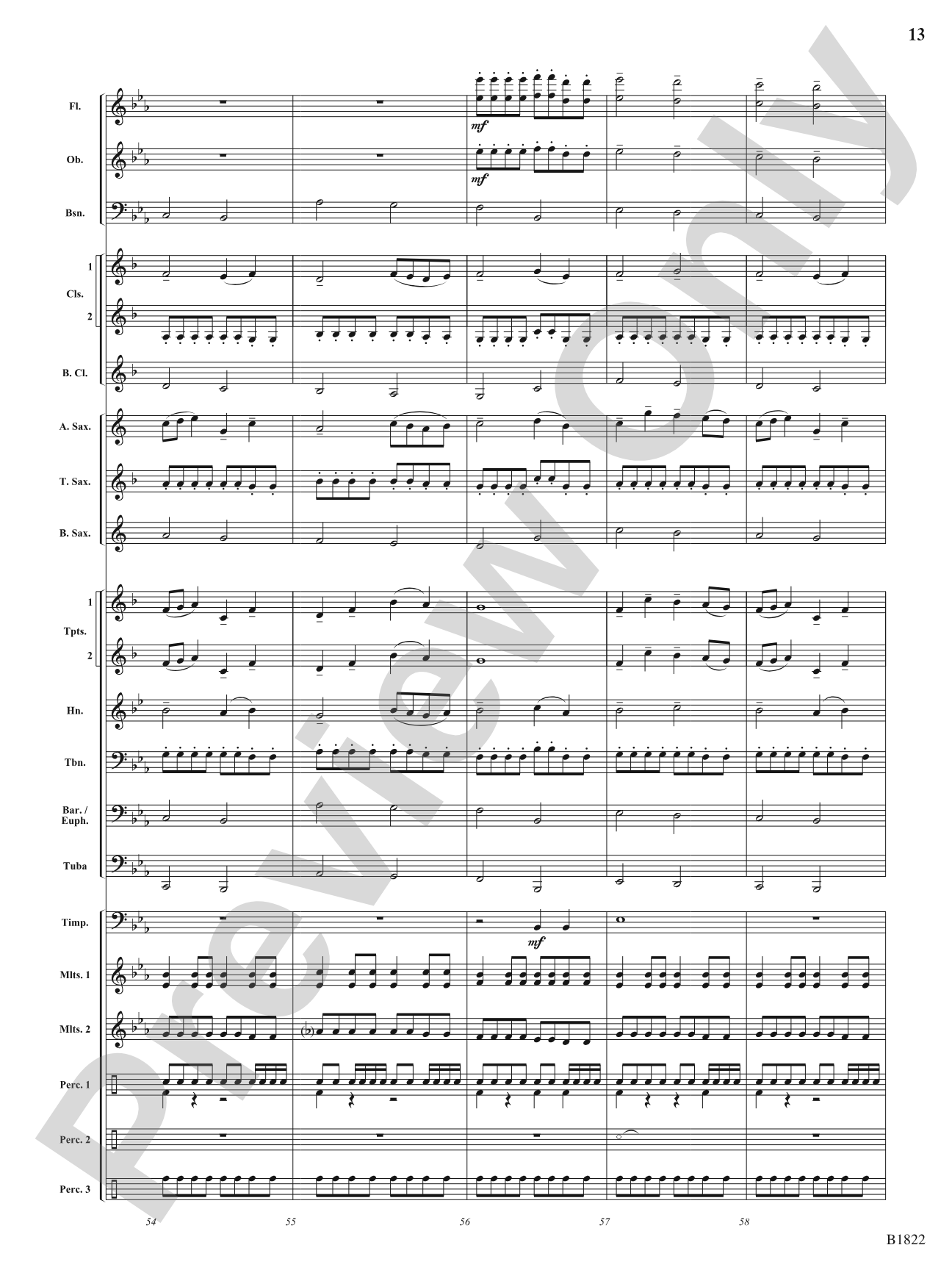
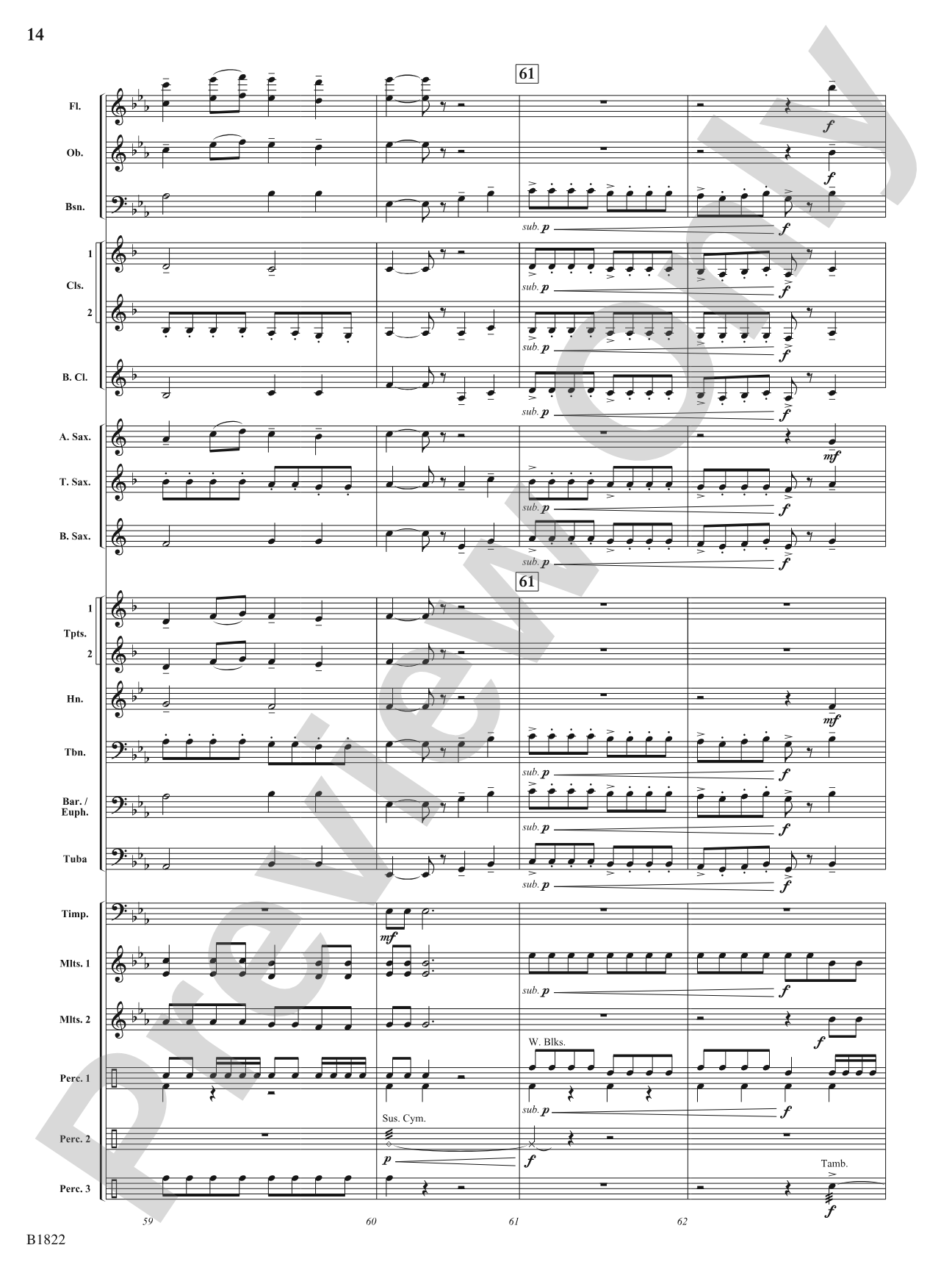
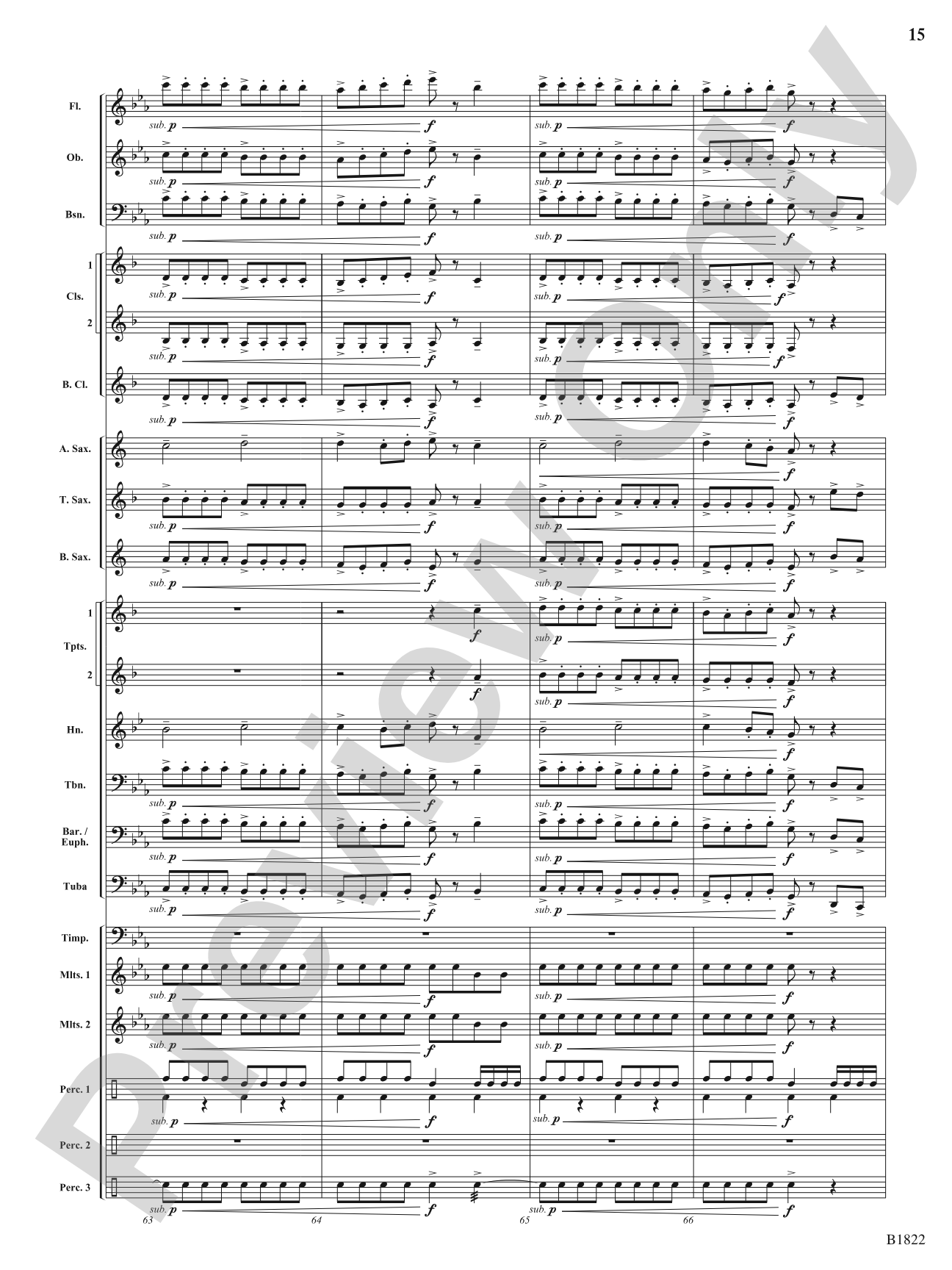
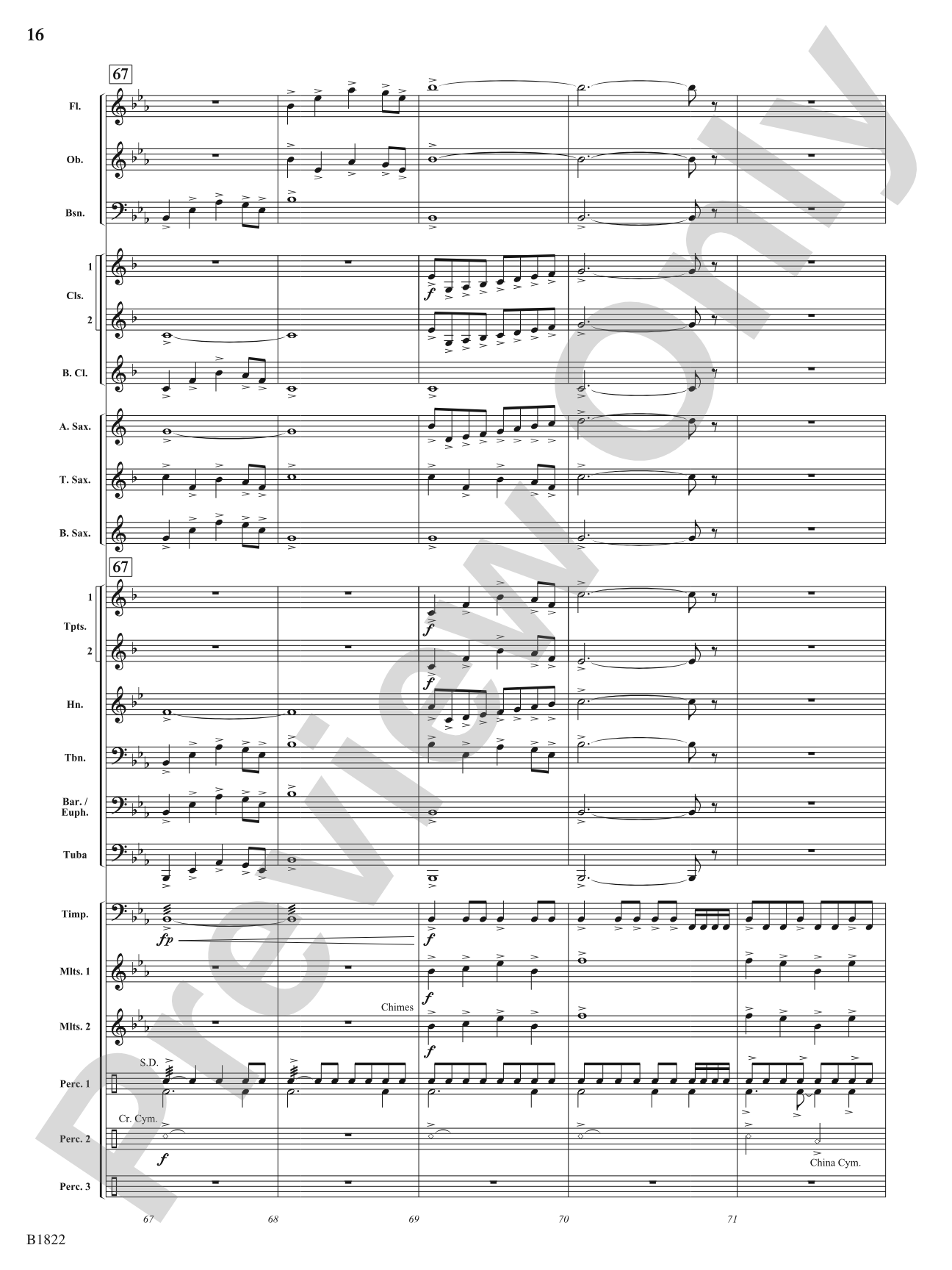
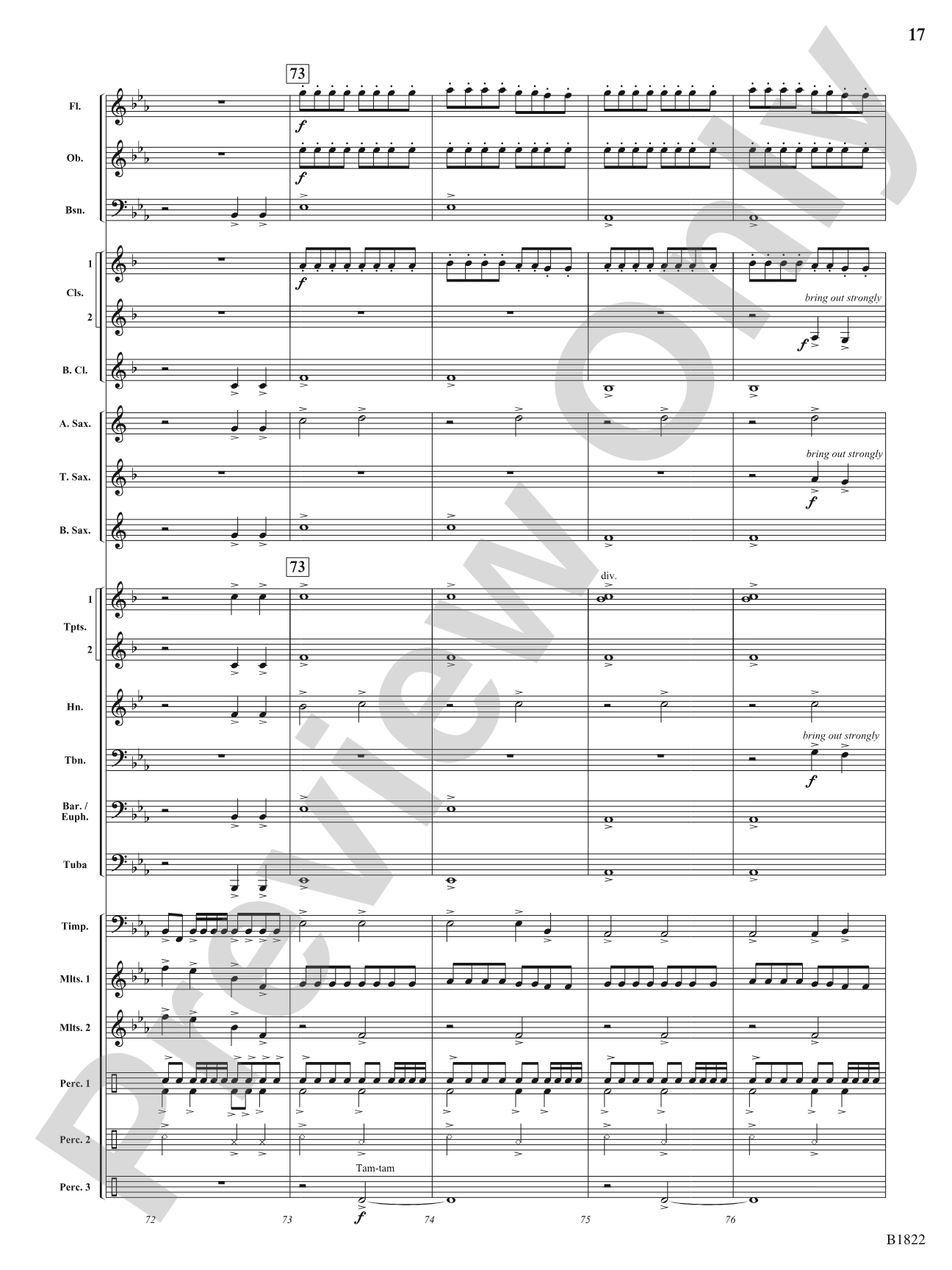
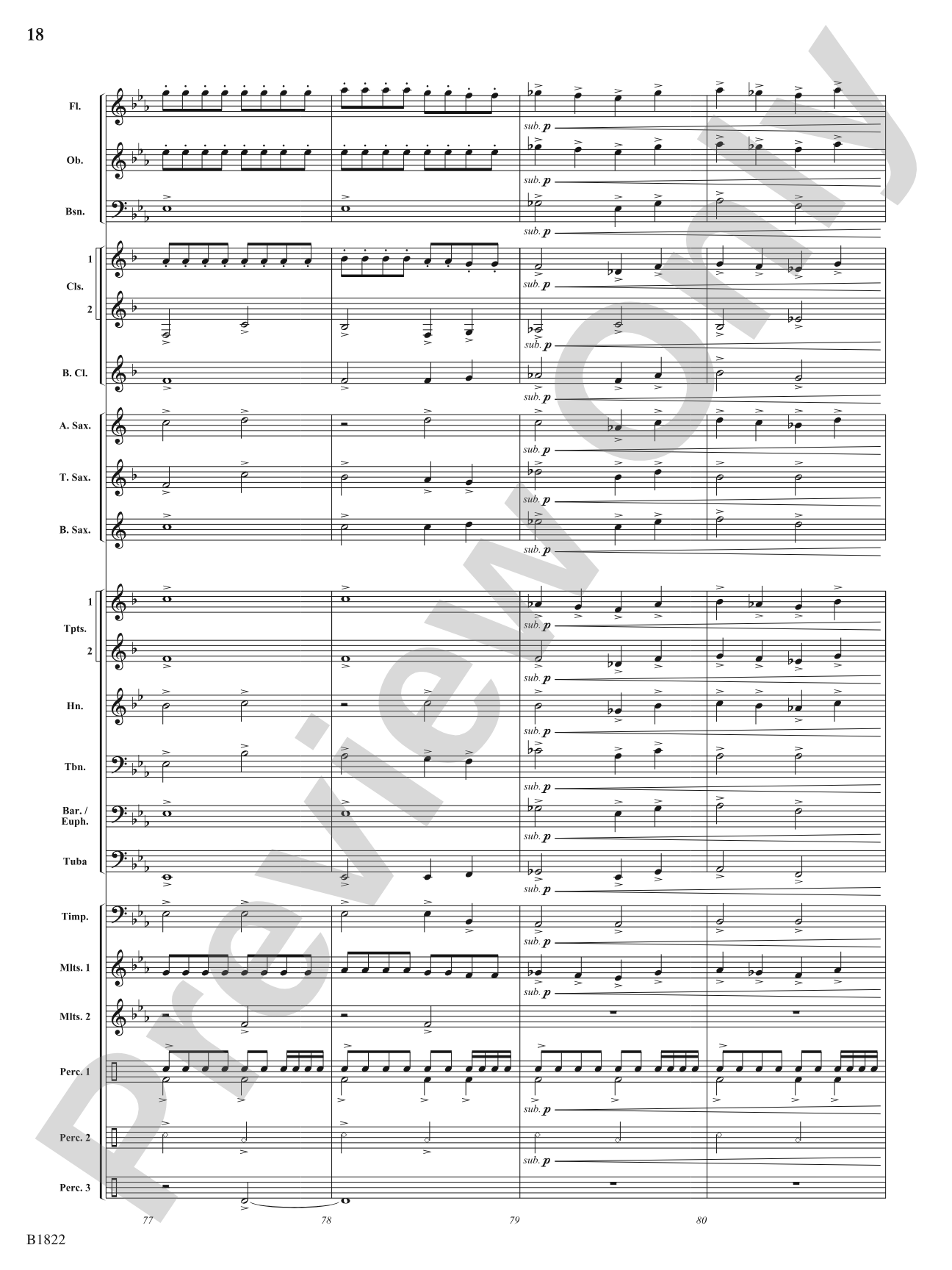
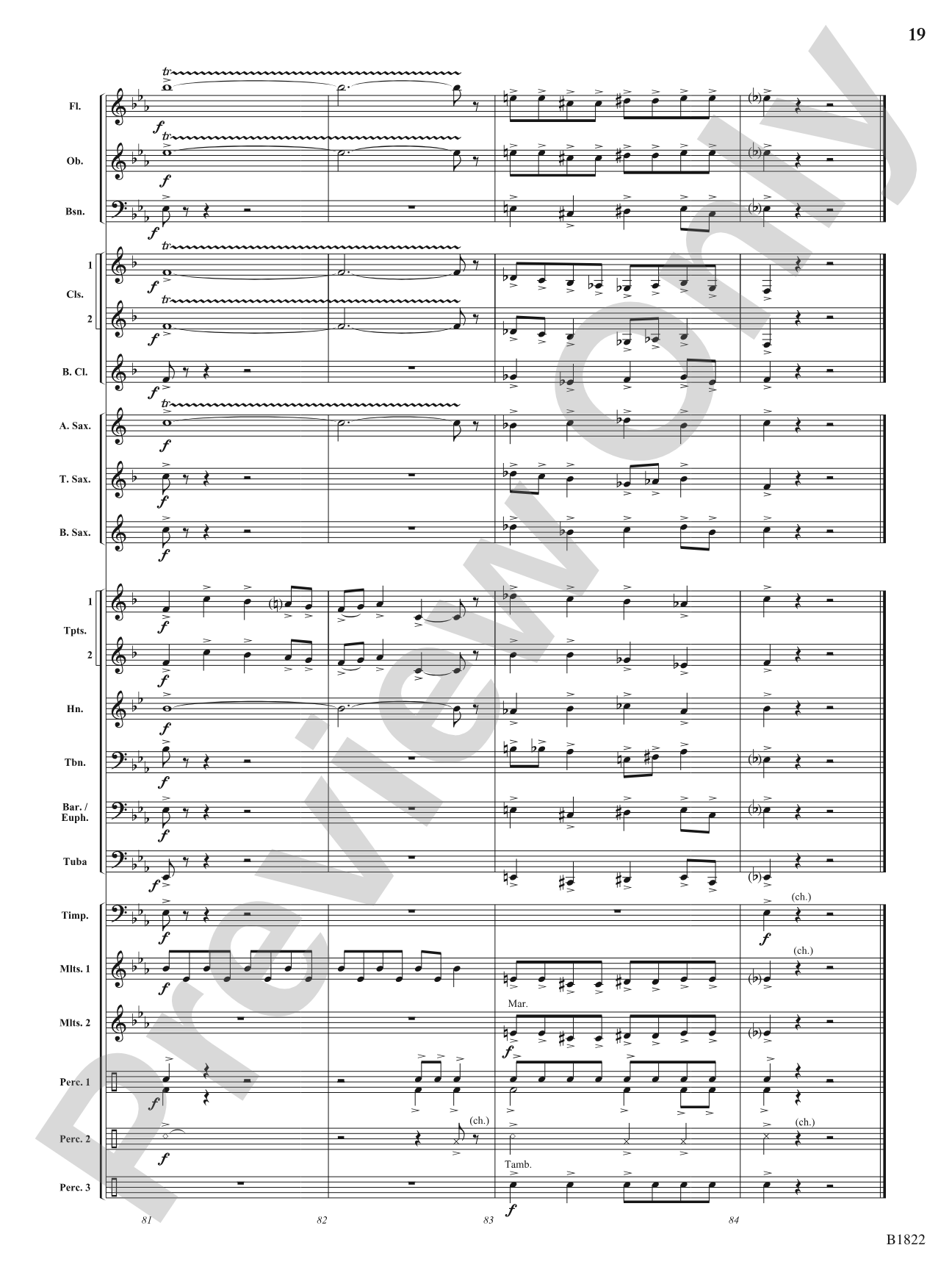

Dancing Lights: Concert Band Conductor Score & Parts
By Randall D. Standridge
Grade: 2
Item: 98-DB1822
$70.00
Pickup currently not available
Buy Extra Parts (Digital PDF Download)
| Product | Price | Quantity |
|---|---|---|
| Dancing Lights: Score | $13.00 | |
| Dancing Lights: Flute | $7.00 | |
| Dancing Lights: Oboe | $7.00 | |
| Dancing Lights: Bassoon | $7.00 | |
| Dancing Lights: B-flat Clarinet 1 | $7.00 | |
| Dancing Lights: B-flat Clarinet 2 | $7.00 | |
| Dancing Lights: B-flat Bass Clarinet | $7.00 | |
| Dancing Lights: E-flat Alto Saxophone | $7.00 | |
| Dancing Lights: B-flat Tenor Saxophone | $7.00 | |
| Dancing Lights: E-flat Baritone Saxophone | $7.00 | |
| Dancing Lights: B-flat Trumpet 1 | $7.00 | |
| Dancing Lights: B-flat Trumpet 2 | $7.00 | |
| Dancing Lights: F Horn | $7.00 | |
| Dancing Lights: Trombone 1 | $7.00 | |
| Dancing Lights: Trombone 2 | $7.00 | |
| Dancing Lights: Baritone / Euphonium | $7.00 | |
| Dancing Lights: Baritone T.C. | $7.00 | |
| Dancing Lights: Tuba | $7.00 | |
| Dancing Lights: String Bass | $7.00 | |
| Dancing Lights: Timpani | $7.00 | |
| Dancing Lights: Mallet Percussion 1 | $7.00 | |
| Dancing Lights: Mallet Percussion 2 | $7.00 | |
| Dancing Lights: Percussion 1 | $7.00 | |
| Dancing Lights: Percussion 2 | $7.00 | |
| Dancing Lights: Percussion 3 | $7.00 |
Parts Added to Cart!
Description
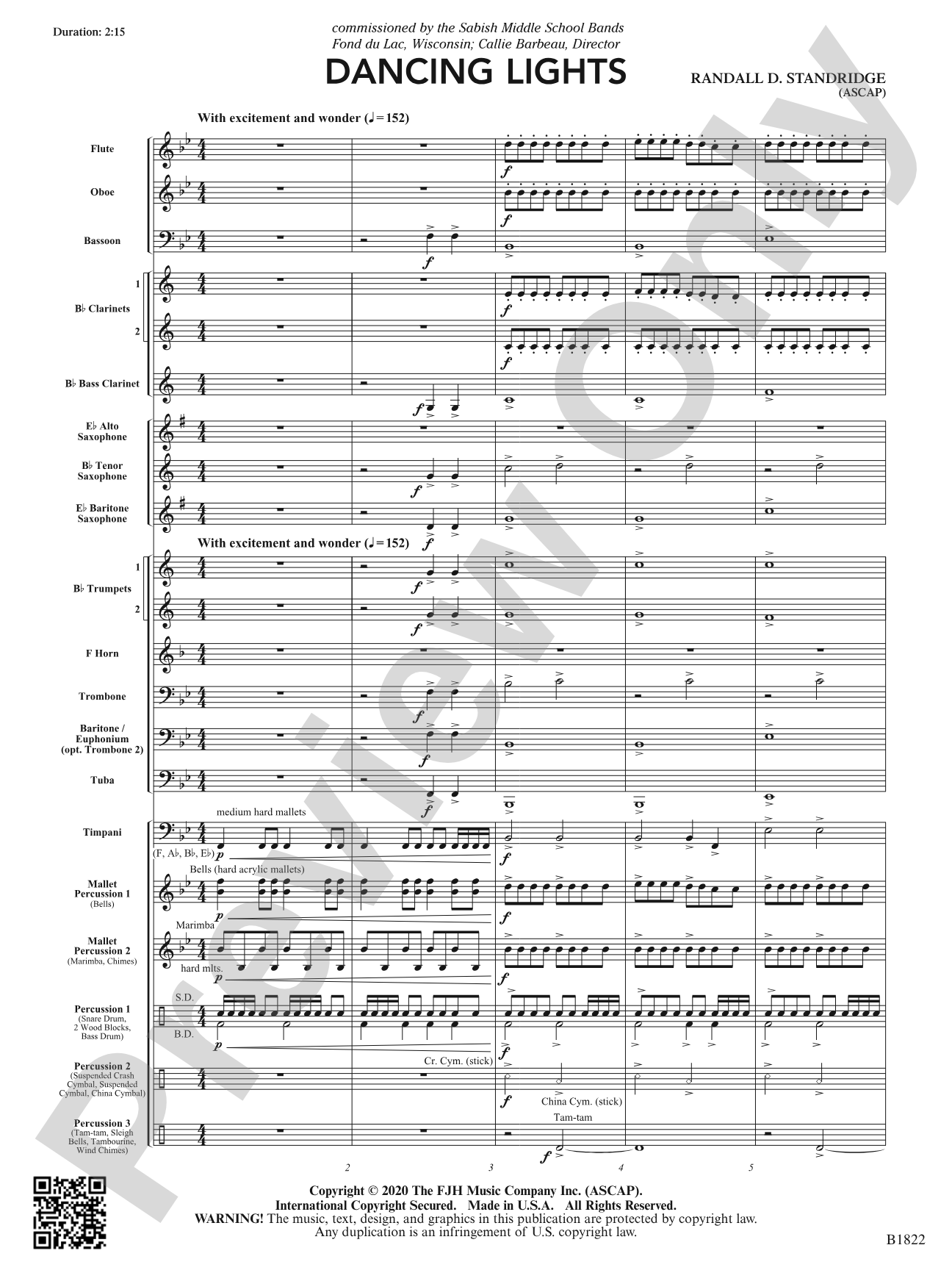
This new work for young band draws inspiration from a park in the Great Lakes Region where an annual display of "dancing lights" brightens the winter skies. Active percussion, staccato rhythms, and careful scoring ensure that this work is a fun, yet achievable piece that would be appropriate for winter celebrations or any concert throughout the year.


Discover MakeMusic Cloud: thousands of interactive titles your students can play along with today.
Sample Audio
1
Audio File
--:--
0:00
0:00
Sample Video
Additional Details
Series:
FJH Young Band
Publisher:
The FJH Music Company, Inc.
SKU:
98-DB1822
More about this title
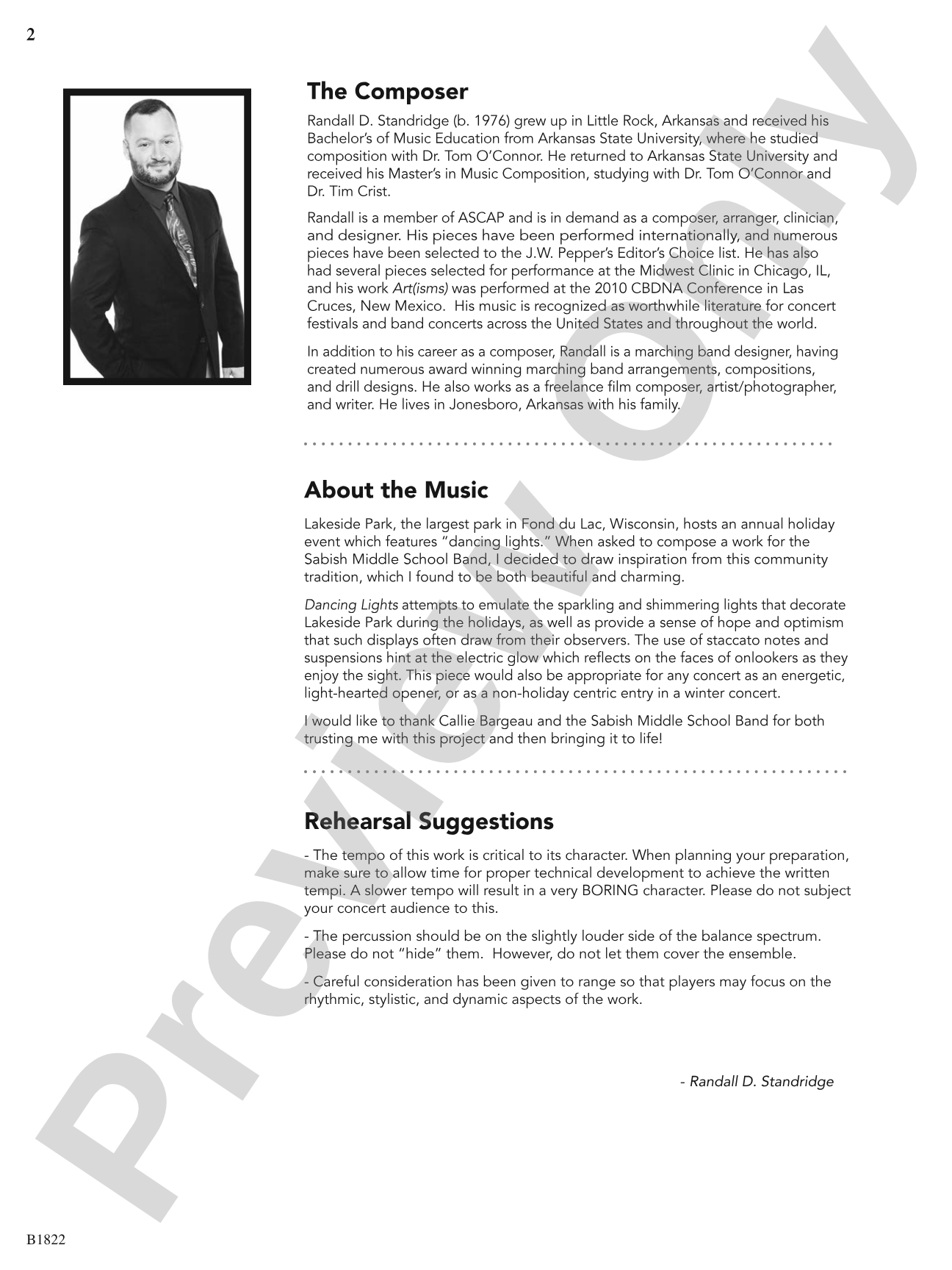
About the Composer: Randall D. Standridge
Randall D. Standridge is a prolific composer and arranger whose works span concert band, wind ensemble, and choral settings. He has established himself as a trusted voice in young band literature, creating accessible yet musically substantial pieces that engage students while respecting their developing technical abilities. His arrangements and original compositions appear regularly in festival programs and concert calendars across North America.
Why we love this
Standridge captures the wonder of a natural phenomenon without resorting to generic winter clichés. The writing is transparent enough for second-year bands to execute cleanly while maintaining genuine musical interest through its rhythmic vitality and colorful percussion choices, making it equally strong as a festival selection or a concert centerpiece that audiences actually want to hear.
What to expect
Bright energy and restless movement define this piece. The music sparkles with rhythmic momentum and orchestral clarity, evoking the shimmer and dance of aurora-like lights playing across a winter landscape. There's joy here without sentimentality, making it equally effective as a celebratory season opener or a mid-year concert brightener.
Who it's for
This work suits second-year concert bands seeking repertoire with genuine musical substance and winter programming flexibility. Directors will find it accessible enough to avoid extended rehearsal time while rewarding enough to justify student effort and audience interest.
How to get the most out of it
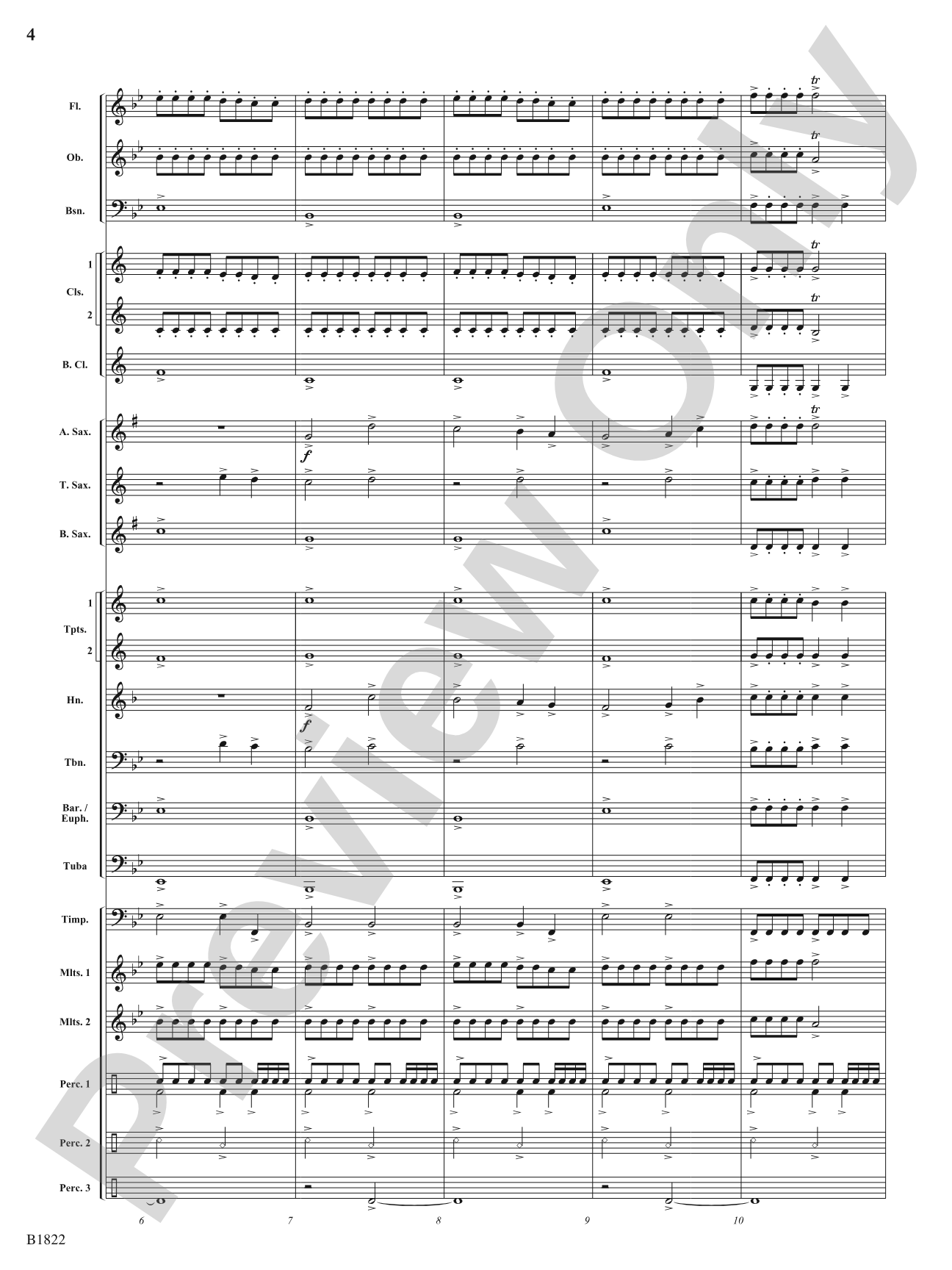
- Keep the staccato articulations crisp and even across all sections; overly separated attacks will obscure the dancing quality Standridge intends. Think of light bouncing rather than disconnected notes.
- Balance the active percussion parts carefully so they enhance rather than overshadow the melodic material. These lines are integral to the piece's character, not merely decorative.
- Maintain steady eighth-note subdivision during rhythmic passages to ensure the band's collective clarity. Young ensembles often rush or drag when negotiating active staccato figures, so conductor precision here directly impacts performance quality.
How to use it
This pairs naturally with other Grade 2 concert selections in a winter or spring concert, where its forward energy can bookend heavier repertoire or stand alone as a crowd-pleasing opener. It also works well as a festival entry, offering judges a clean, well-crafted snapshot of a young ensemble's technical control and musical phrasing.
Skills your students will build
- Articulate staccato and legato contrasts within melodic lines
- Balance independent parts in a multi-textured ensemble arrangement
- Maintain steady pulse and subdivision through rhythmically active passages
- Coordinate with percussion as a full ensemble voice rather than accompaniment