Dancing Bows Cover Image

Dancing Bows: String Orchestra Conductor Score

$6.00 USD
Sale price  $6.00 USD Regular price 
Skip to product information
Dancing Bows Cover Image

Dancing Bows: String Orchestra Conductor Score

By Edmund J. Siennicki

Grade: 1

Item: 36-20255014

$6.00
Shipped

One moment…

Description
Straight ahead simple melody in D major that gets kids using bowed 8th notes. A fine teaching piece that is catchy and likeable.

UIL String Orchestra Sight Reading Level 3 - 2008

Dancing Bows: String Orchestra Conductor Score isn't in MakeMusic Cloud just yet...but it could be. Let us know you'd like to see it, and you'll help shape what comes next. In the meantime, start a free trial and dive into thousands of interactive titles your students can play along with today.

Sample Pages

No sample pages found.

Sample Audio
No sample audio found.
Sample Video
Additional Details
Series: Great Works Publishing - LudwigMasters
Publisher: Keiser Productions, Inc.
ISBN10: 1-57-134120-X
ISBN13: 978-1-57-134120-4
UPC: 660355169960
SKU: 36-20255014
Instrumentation: String Orchestra

More about this title

About the Composer: Edmund J. Siennicki
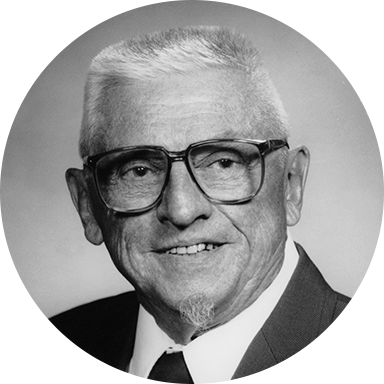
Edmund J. Siennicki

Edmund J. Siennicki grew up in Cleveland, Ohio, where at age 12 he had a formative conversation with pianist Ignacy Jan Paderewski that shaped his musical direction. He earned his Bachelor's degree from Kent State University, where he composed Fight On for KSU, a piece still performed at university football games. In 1994, Kent State recognized him with the Distinguished Alumnus Award from the School of Music.

Siennicki studied composition with Herbert Elwell and electronic music with Sergio Barroso, earning his MA from Teachers College, Columbia University, and consulting with Vincent Persichetti on his craft. As a performer, he played bassoon and piano professionally. His teaching career centered on Cleveland junior high schools, with additional faculty positions at Michigan and Kent State University. His prolific output of approximately 200 published compositions has earned prizes in National School Orchestra composition contests and two residencies at the MacDowell Colony. For two decades, he has received annual awards from ASCAP, and he continues to compose, visit schools, and lead clinics.

Why we love this

This piece delivers genuine musicality without asking for technical superhuman feats. Siennicki knew exactly what string players need at Grade 1: a straightforward melody in a friendly key with rhythmic clarity that rewards good bowing technique without frustration. The fact that it works as UIL sight-reading material means it transfers to festivals and ensemble development immediately.

What to expect

Bright and energetic, with an unpretentious charm. The D major key opens the sound naturally, and the catchy melody invites students to play with confidence rather than caution. There's a sense of forward motion in the bowed eighth notes that keeps the music feeling alive and purposeful.

Who it's for

String orchestras at the early intermediate stage who need accessible repertoire that teaches genuine bowing skills. Conductors building programs for Grade 1 students who can handle simple melodic material but still require careful guidance on fundamental string technique will find this especially useful.

How to get the most out of it

  • Focus on consistent bow contact and weight distribution during the eighth-note passages; these are foundational technique builders, so clarity matters more than speed.
  • Encourage the first violins to shape the phrase naturally, then have lower voices listen and mirror that arc rather than playing in isolation.
  • Use a steady, moderate tempo that lets students hear the pulse clearly; rushing this undermines the teaching value of the bowed figures.

How to use it

Program this early in a concert to build audience energy with music that sounds polished without demanding virtuosity. It works equally well as a sight-reading challenge in rehearsal or as an opening piece at a spring festival where ensembles benefit from warm, straightforward repertoire that demonstrates solid fundamentals.

Skills your students will build

  • Controlled bowing of eighth notes in simple meters
  • Reading and executing D major tonality with confidence
  • Following a conductor's pulse and phrase shape
  • Balancing independent voice lines within a homophonic texture
  • Producing consistent tone quality across sustained and articulated passages

You May Also Like